
Seventh - Eigth Grade
Developmental Characteristics
Physical
May appear awkward as result of rapid physical growth
Experiencing the beginning of puberty
Differ greatly in rate of maturation
Need to become familiar with changing body with strong drives
Tend to tire easily
Have a high activity level and appetite
Enjoy cooperative games and competitive sports
Social Emotional
Sensitive to their appearance
Establishing a personal moral code
Unsure of their place in society
Depend on their peer group to develop identity
Critical of their parents and home
May adopt extremes and fads in clothing, speech, handwriting, and mannerisms
Form close one-on-one friendships
Enjoy small, peer-dominated group discussions
Have a strong desire to assert individuality and independence
Cognitive
Capable of high level of abstract thought
Beginning to think about their future life roles
Need time and freedom to engage in self-reflection
Are able to postpone gratification
Can plan ahead and organize tasks with little or no guidance from adults
Beginning to develop views about social issues


Human Bingo
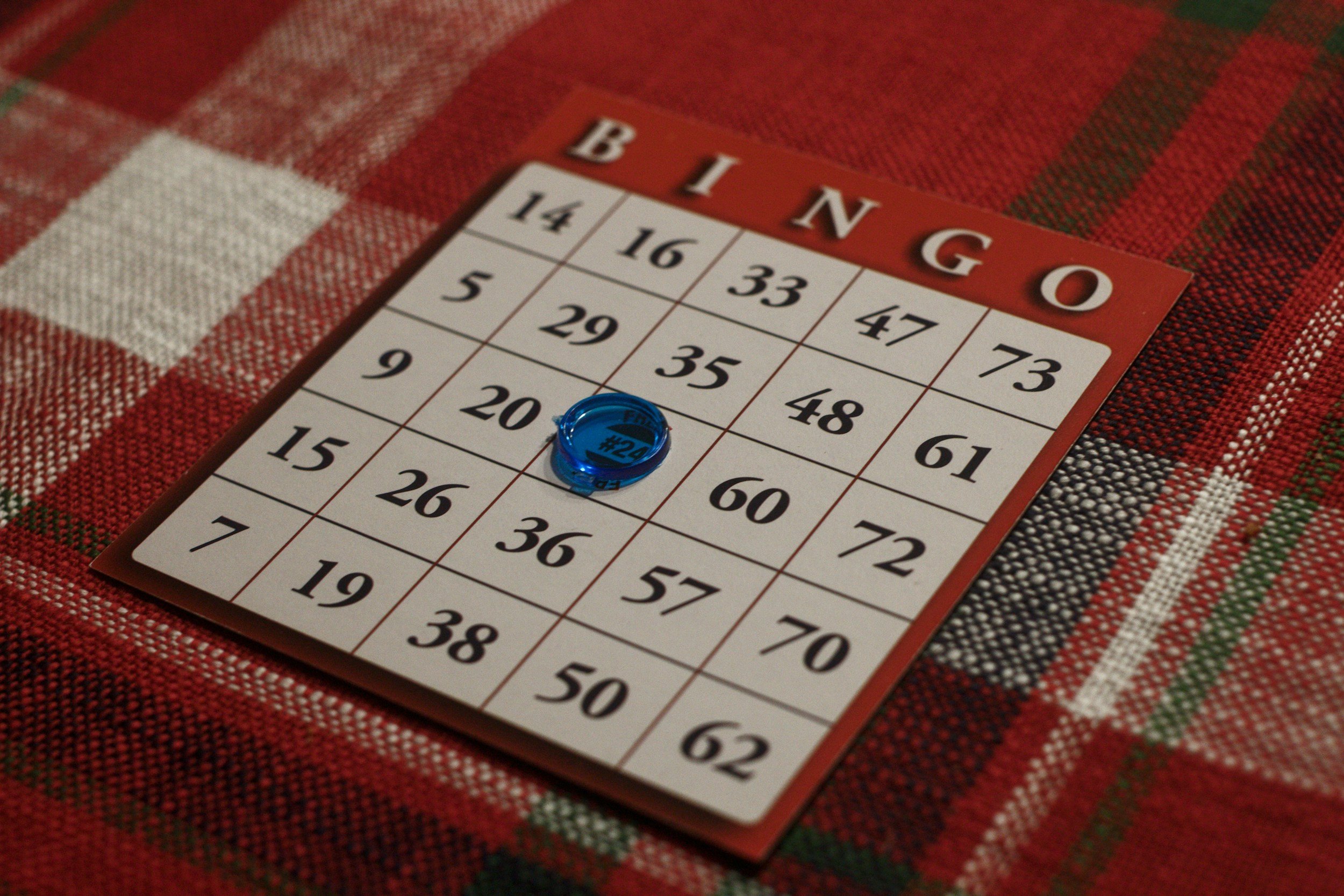
Students mingle around the room playing Human Bingo — approaching classmates to find someone who matches each square on their bingo grid, collecting their signature in that spot (one signature per person per card) — racing to be the first to fill their entire card and call "BINGO!"

The I Wonder Ball
Students play "No, No, No…THIS Is What Happened" in a circle — each person creatively replacing the previous person's silly excuse with their own — then toss a numbered ball around the room, answering increasingly personal reflection questions (across three levels) based on whichever number their right thumb lands on when they catch it.

What is it?
Students take turns drawing one puzzle piece at a time from a mystery bag, guessing what the full picture might be after each piece, and connecting pieces together as a group until someone figures out the image — then discuss how jumping to conclusions from limited information connects to real-life gossip and judgment.
Common Ground
Students play Common Ground — moving around the room to group themselves by shared preferences (favorite season, music taste, cat vs. dog person) and briefly connecting with classmates who made the same choice — then play Moment of Memory, listening to six words read aloud and racing to write down as many as they can remember across multiple rounds.
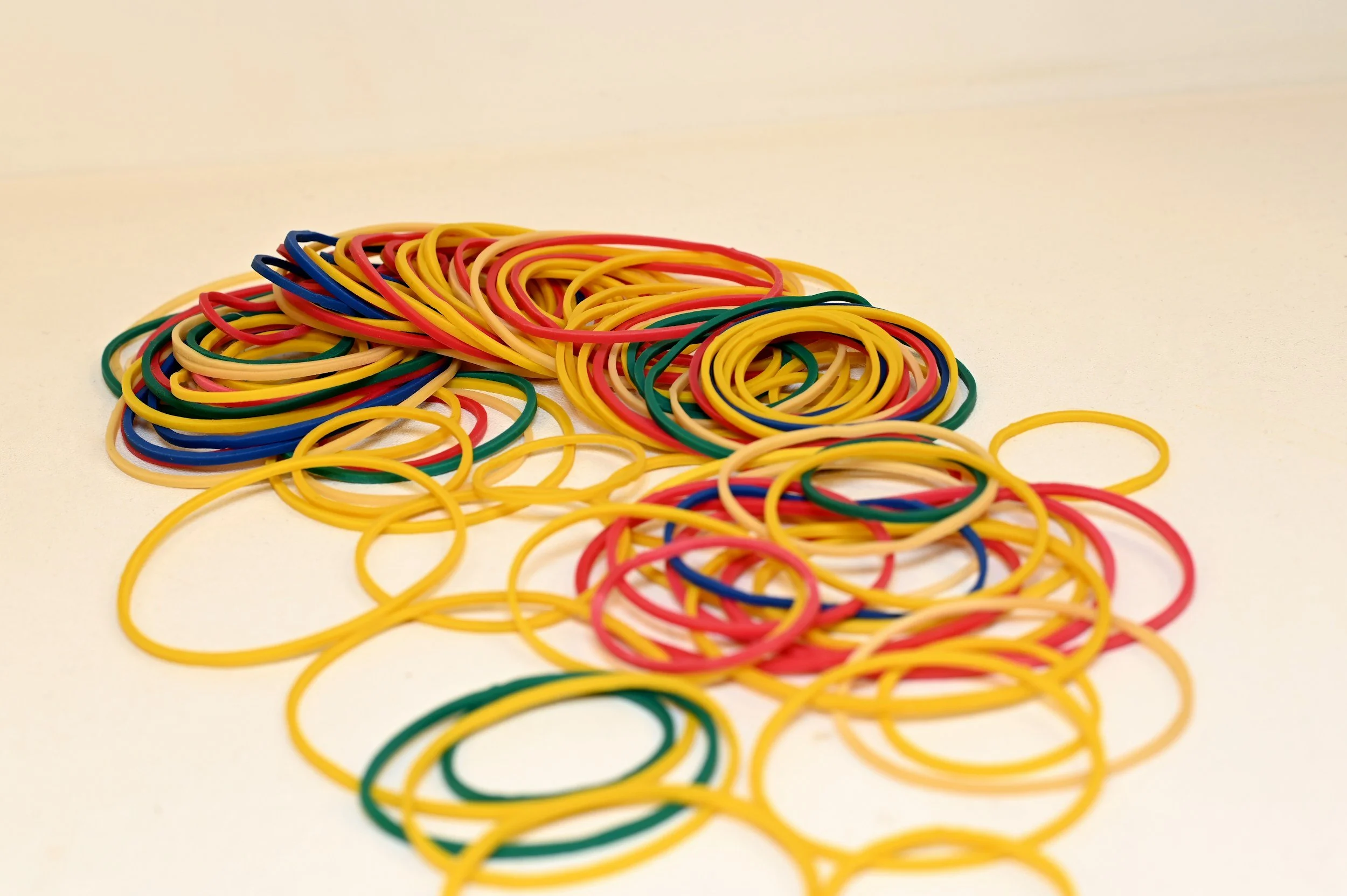
The Rubber Band Tower
Students play Would You Rather (moving to opposite sides of the room for each answer on relationship-themed questions), then work in small groups on the Cup Stacking Challenge — each person holds a rubber band string connected to a shared center band and the group uses it to lift and stack cups into a pile, tower, or pyramid without touching them directly.

Body Language Power
Students do a body self-audit, watch Amy Cuddy's TED Talk on body language, then role-play everyday scenarios in trios — acting out the same scene twice (once with disempowering posture, once with empowering posture) while a third student observes and gives feedback, rotating until each person has played every role.

Brainstorming Contest
In small groups, students race to list as many possible uses as they can think of for an everyday object (like a paper clip or feather) in 3–5 minutes, with no idea too silly to write down, then share their lists aloud and compete for the most unique uses across two or three rounds.

CD Awards
Students draw a classmate's name, then decorate a microwaved CD medal with that person's name and a specific written acknowledgment of what they appreciate about them, before presenting their award aloud in a closing ceremony where each recipient takes a moment to receive the recognition.
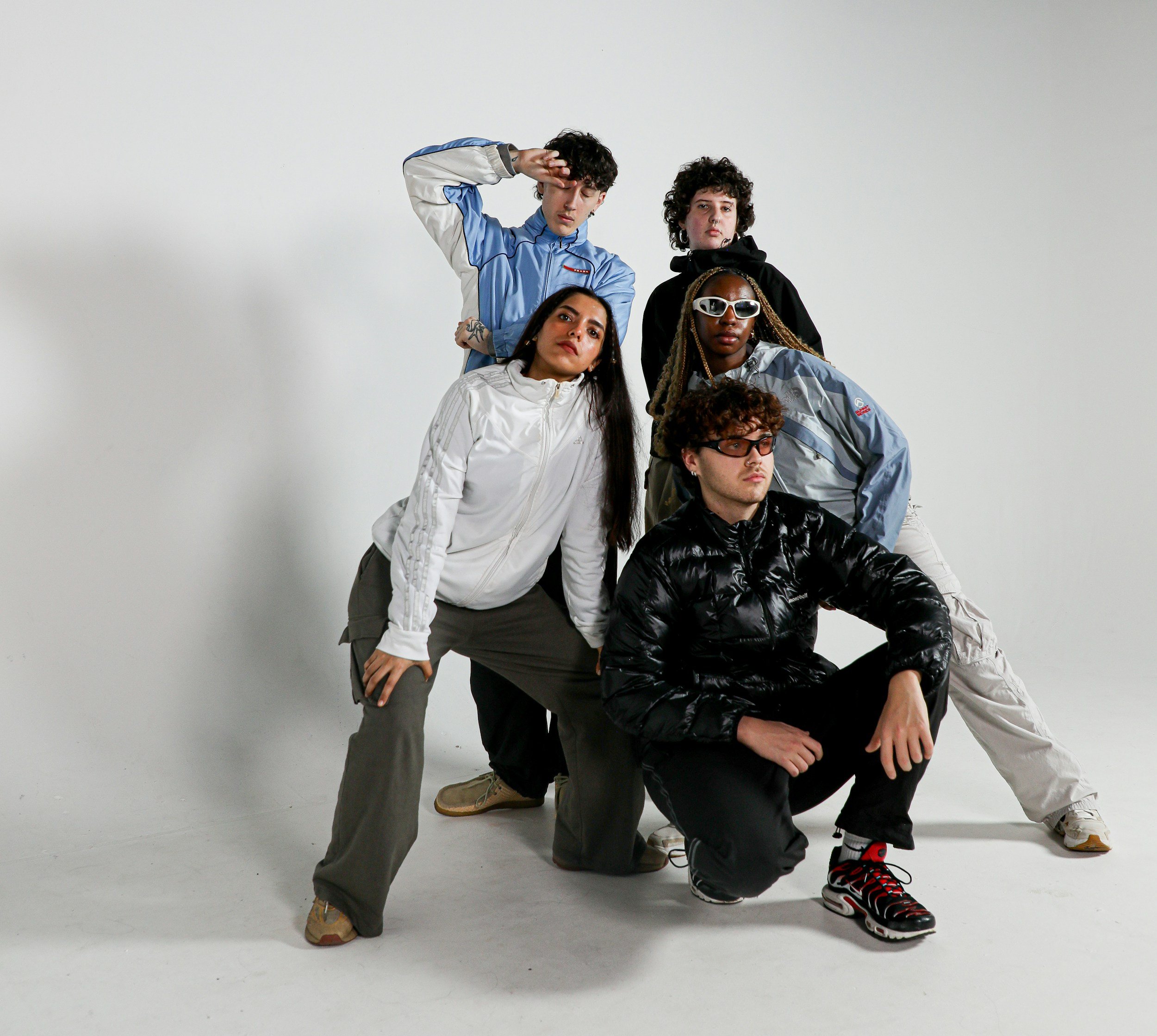
Cliques in Schools
Students brainstorm and map clique nicknames at their school, discuss what distinguishes cliques from friendship groups, complete a Clique Survey reflecting on their own social circle, then practice reaching across group lines through a chosen activity — writing an anonymous letter to someone in another clique, becoming pen pals with a randomly drawn classmate, or contributing to an anonymous issue box.

Cross the Line
Students silently step across a line on the floor for each statement that rings true for them (e.g., "I feel safe at school," "my opinion matters"), observing who else crosses, then choose one statement that impacted them to write about privately before sharing with a partner.
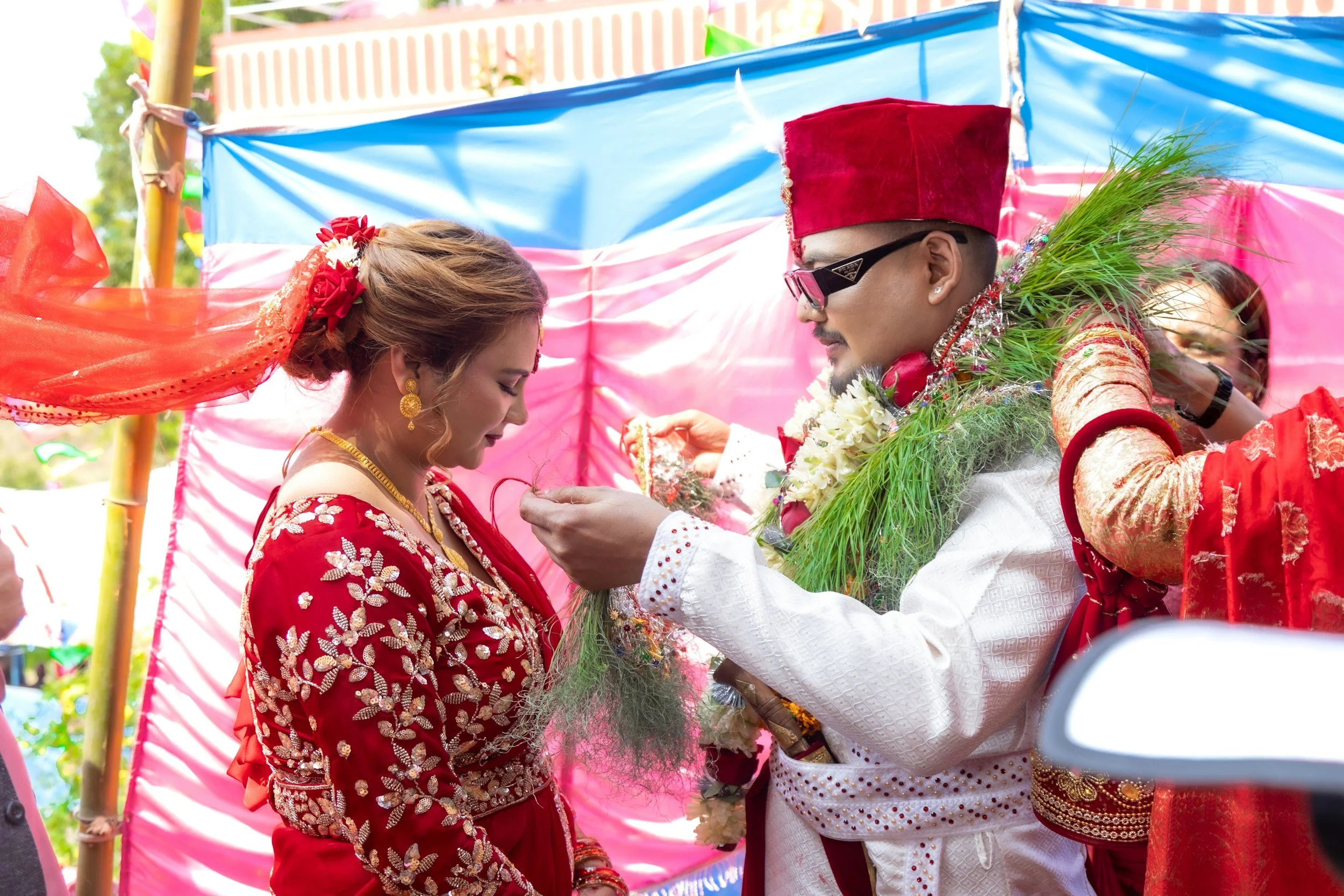
Cultural Norms
Students have quick conversations with multiple partners while secretly tallying dots on each other's sheets every time their partner exhibits a specific assigned behavior (like making eye contact or saying "like") — then, after the reveal that each dot represents "breaking" someone's cultural norm, they discuss what it felt like and write a private reflection on how to honor others' norms going forward.
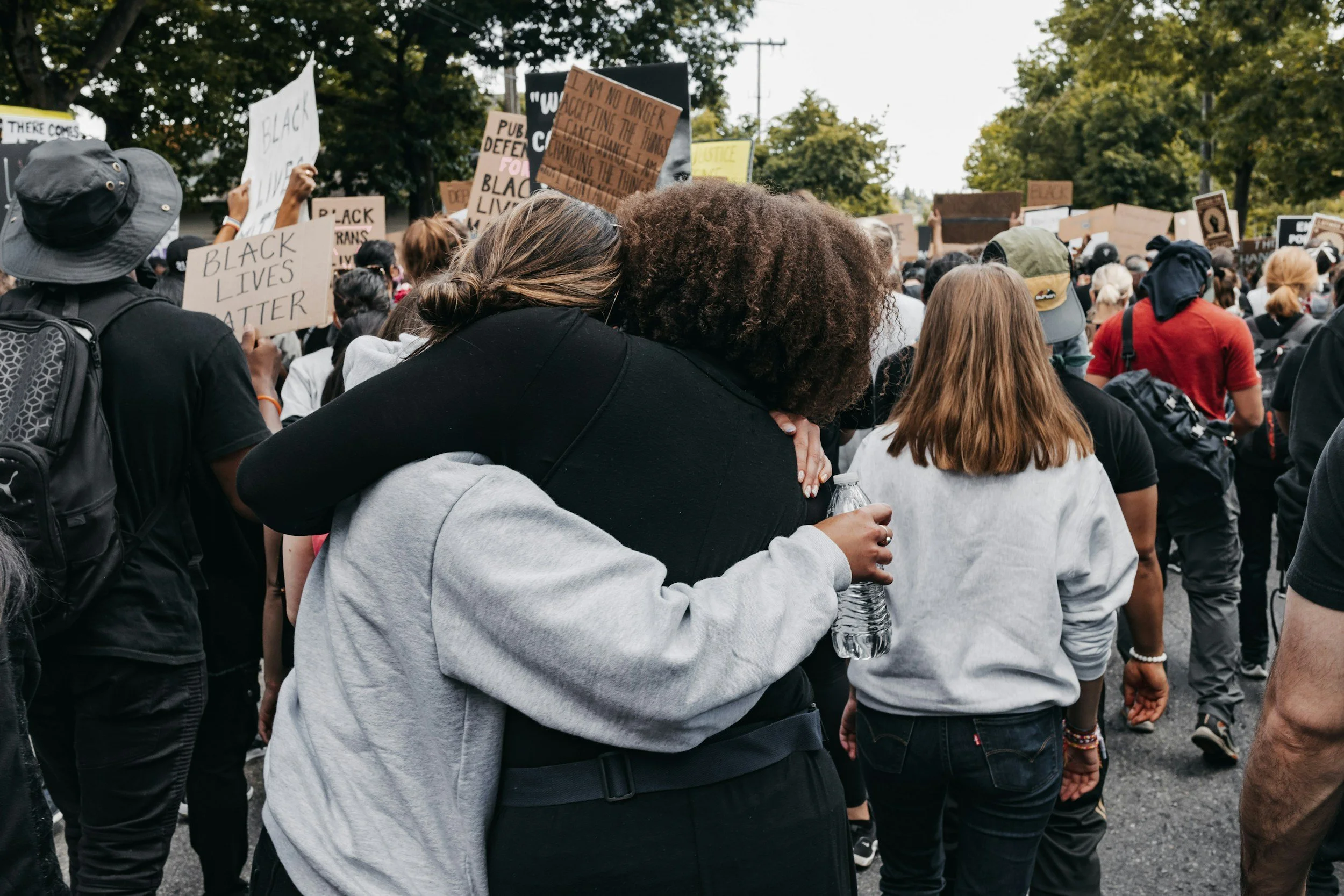
Developing Empathy
Students complete an "Are You Empathetic?" self-check and discuss empathetic listening behaviors as a class, then pair up with character cards to role-play sharing a situation while their partner practices empathetic listening — maintaining eye contact, not interrupting, and asking follow-up questions — before switching roles and debriefing with specific feedback.

Good Gossip
Students mingle around the room and repeatedly "partner up" with whoever is nearest, each time sharing a positive memory about a third group member — focusing on moments when that person showed good values or was an ally — then debrief together about what the stories revealed about the community.
Creating Agreements
Co-create community agreements and classroom norms between teacher and students.

Hammer or Nail
Students will use abstract thinking to compare themselves to everyday objects by choosing between two options (e.g., "hammer or nail?") and explaining their reasoning to a partner. Through this pair-share activity, students will practice self-reflection and get to know their classmates better.
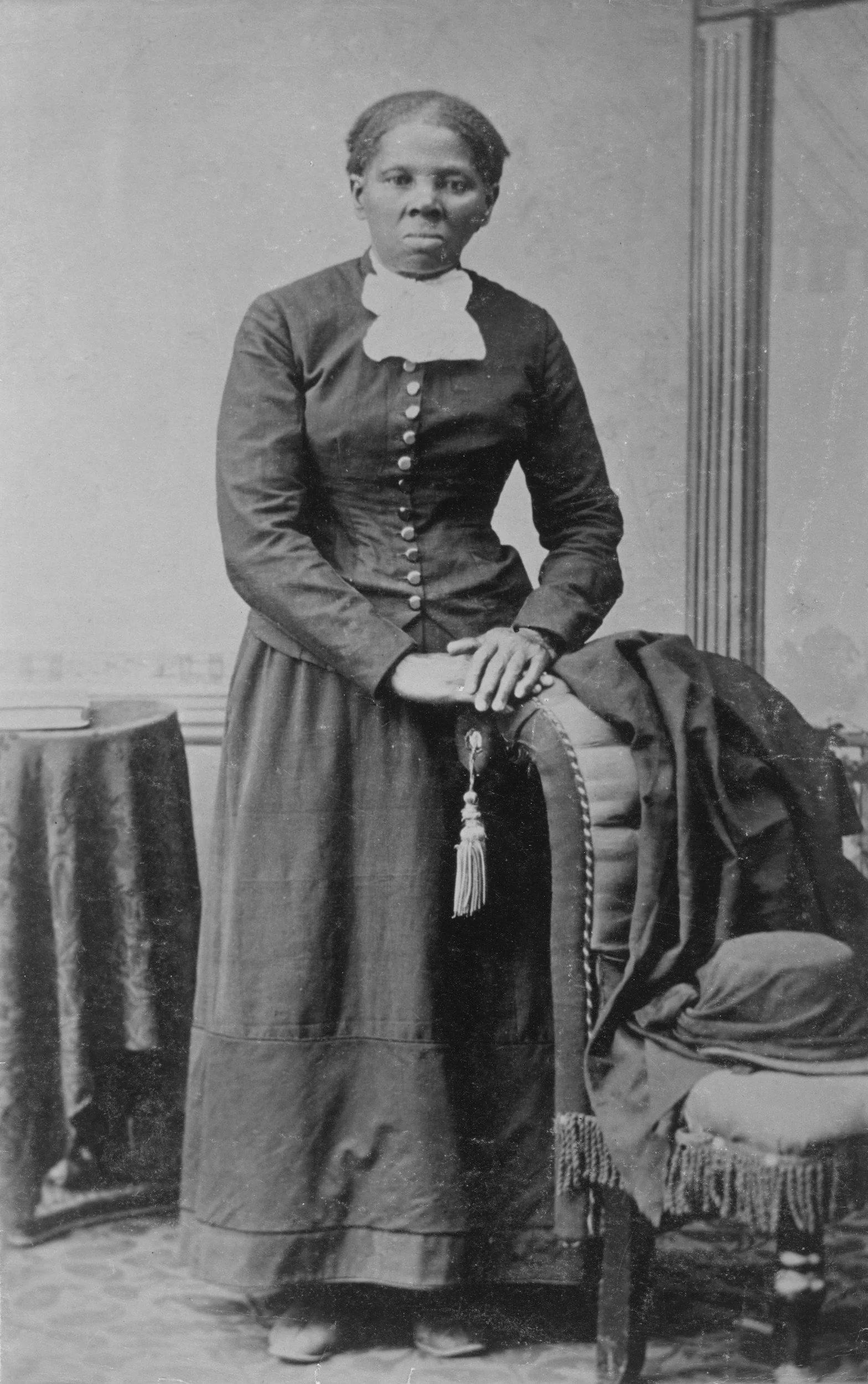
Harriet Tubman
Students will discuss the poem Harriet Tubman by Eloise Greenfield, learn about her courageous actions, and identify a current issue of injustice in their community or world that they would like to help change.
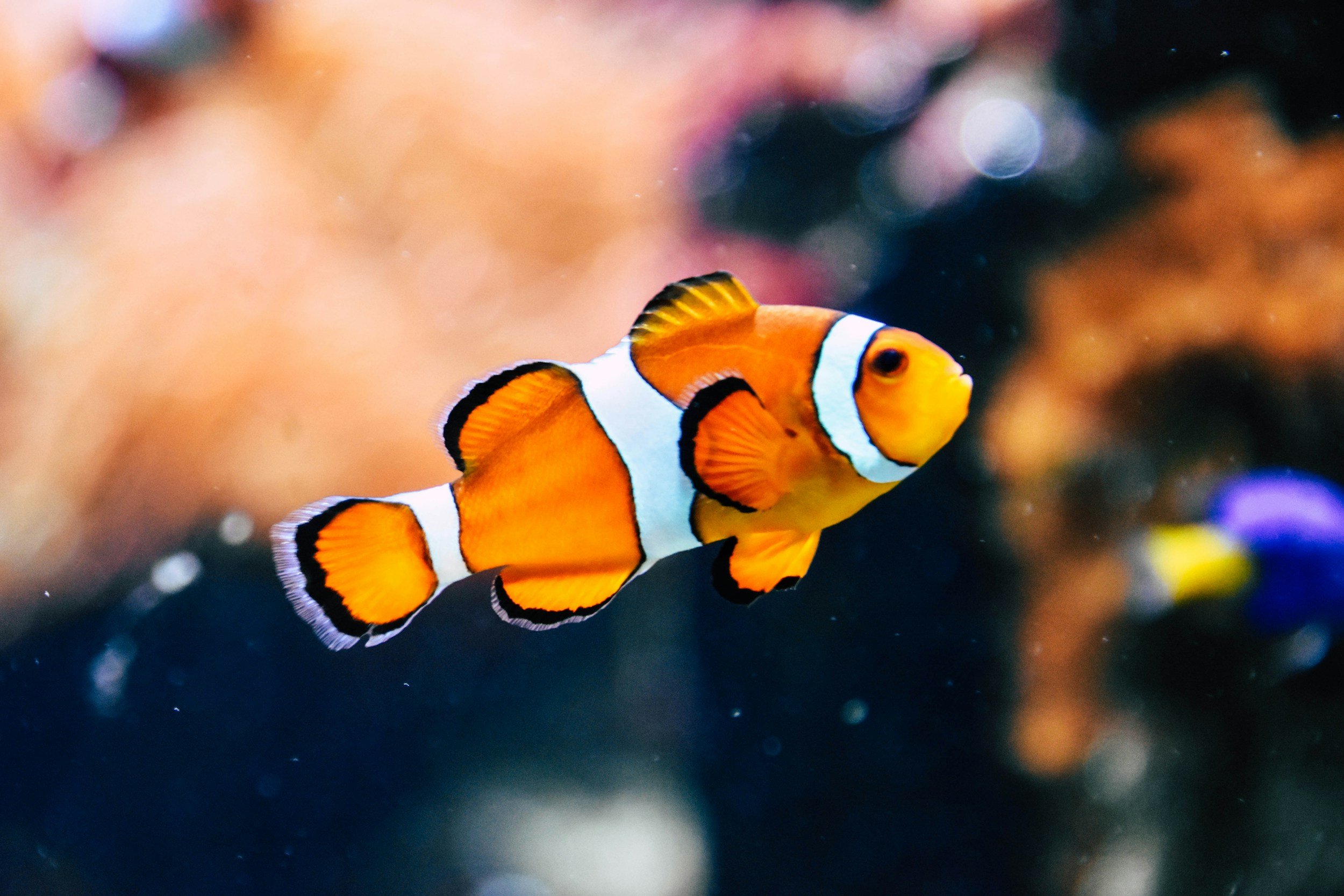
Here Fishy, Fishy
Students will simulate a fishing village economy by using straws to "catch" goldfish crackers, experiencing the consequences of taking more than they need as resources deplete and villagers get eliminated. A debrief connects the game to real-world thinking about wants vs. needs and practicing self-control.
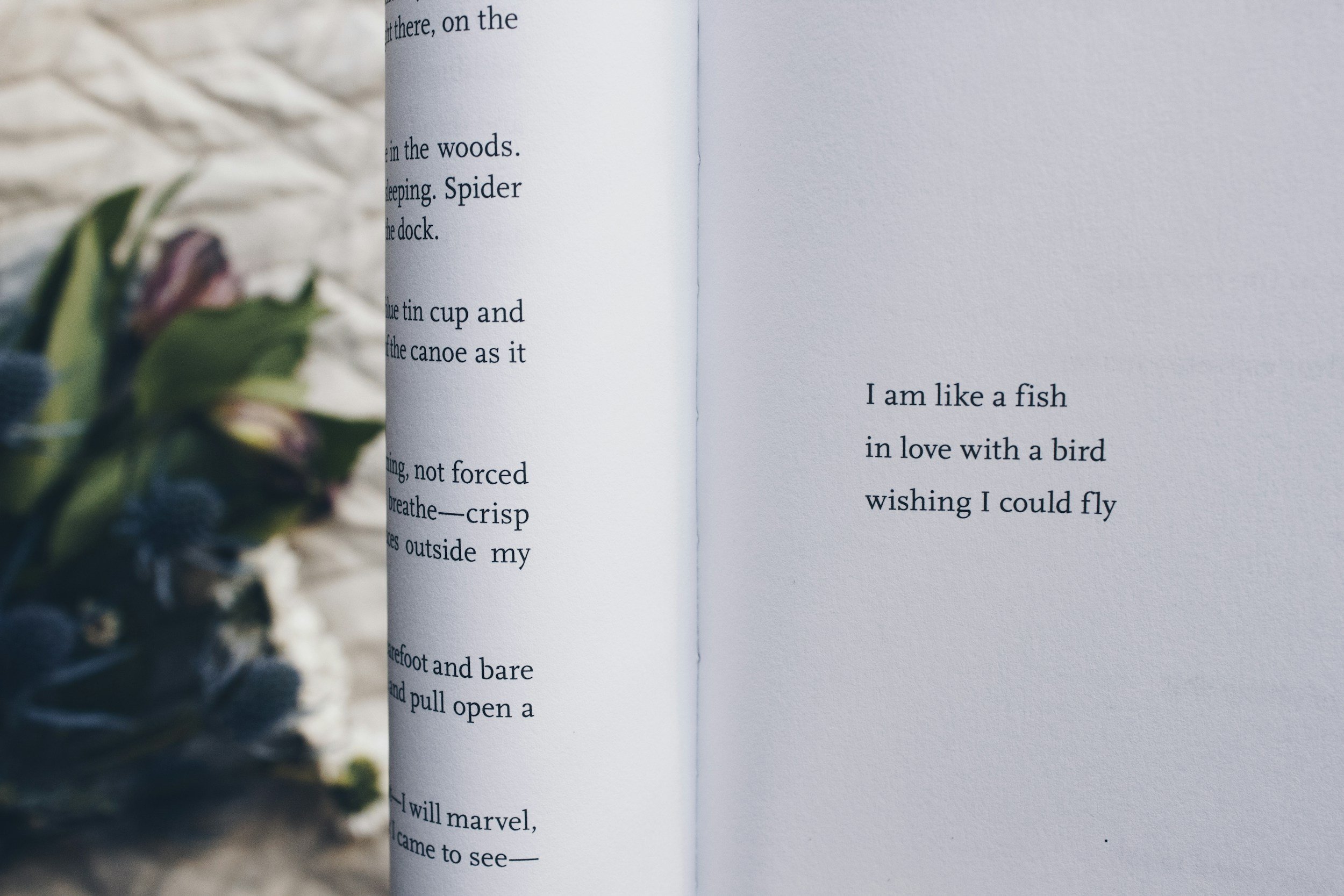
By Myself Poem
Students will read Eloise Greenfield's poem "By Myself" and then create their own "I am" poems, building a list of words and phrases that describe who they are. Younger students can draw a picture instead of writing.

Honey, I Love
Students will be able to identify the people, places, and things they love — building self-confidence by recognizing the joy and goodness already present in their own lives.
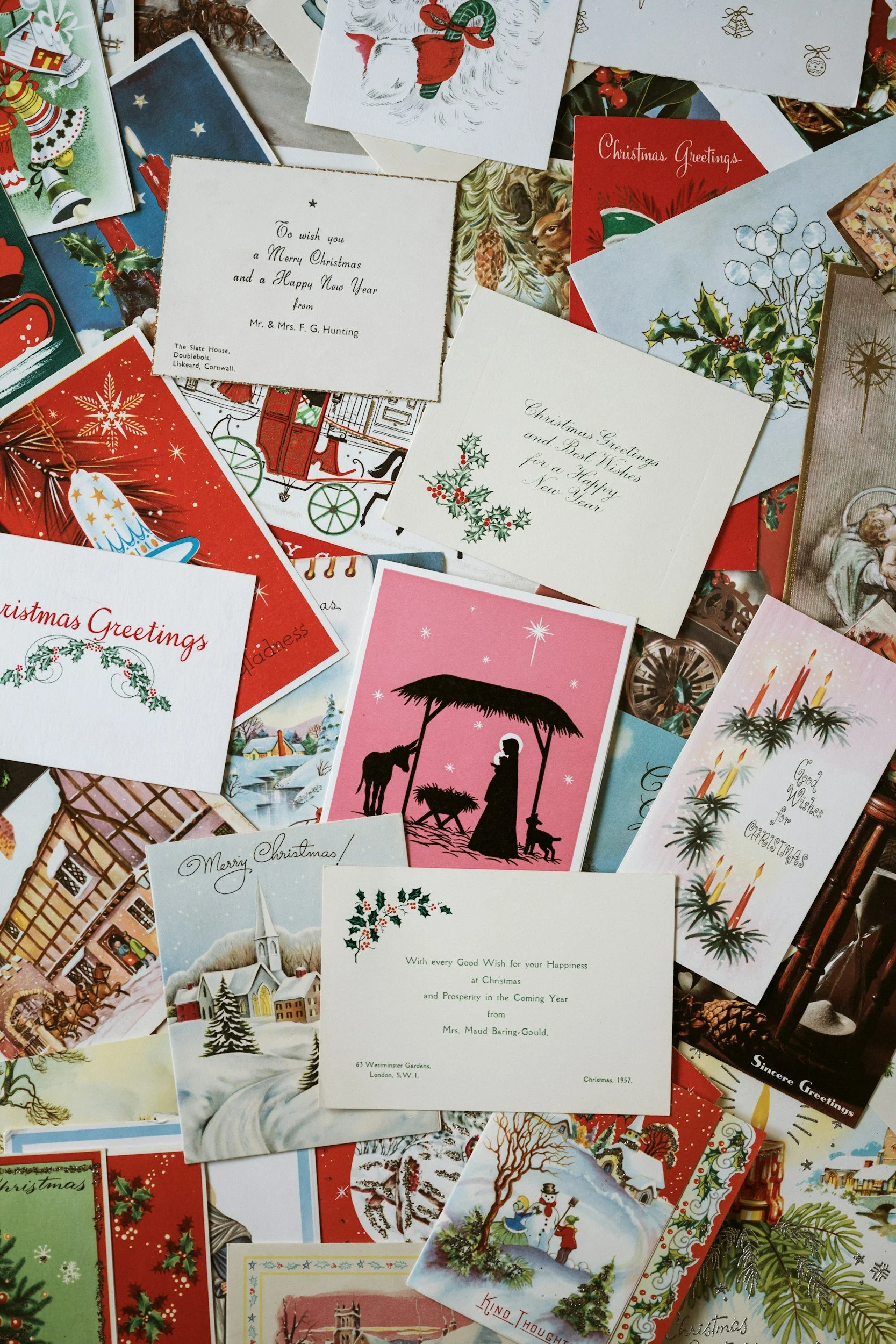
Greeting Cards
Students will explore different types of greeting cards and then design and write their own to build a class card collection, practicing empathy by thinking about how to acknowledge and respond to others' experiences through words and art.