
TK - First Grade
Developmental Characteristics
Physical
Enjoy long periods of free play
Developing eye-hand coordination
Enjoy small group cooperative play
May require rest after high-energy play
Improved body coordination; yet still can fall easily

Social Emotional
Eager to receive adult praise
Enjoy dramatic play
Eager to engage in new activities/adventures led by involved adult
Eager to identify with older children
Enjoy exploring new materials and equipment
Can be easily frightened by novel or strange events
Prefer play in small groups
Like responsibilities they can handle
Learning to cooperate with others, but may at times display selfish behavior

Cognitive
Understand language better than they speak
Are interested in present; vague concepts of past/future
Eager to learn
Ask many questions
Define things by their use
Developing a sense of humor
Communicate best within a small group of peers
May need guidance of adult when starting a new task

Mirror Mirror: I Am Statements
Students will create and say aloud two positive "I am" statements about themselves and practice using them when they feel unsure.
Thinking Caps: Helpful Thoughts
Students will tell the difference between helpful and unhelpful thoughts and practice replacing an unhelpful thought with a helpful one.

My Elastic Brain
Students will explain in simple words that practice makes the brain stronger, and identify one thing they got better at through practice.
Try, Try, Try Again: 3-Try Drawing
Students will experience that trying again leads to improvement, notice their own progress, and describe how it feels to keep trying.
Proud Pockets
Students will identify what it means to feel proud, name one thing they did that made them feel proud, and share it with confidence.

Brave Steps
Students will identify what being brave means, share a brave thing they did, and choose one small brave step to try.
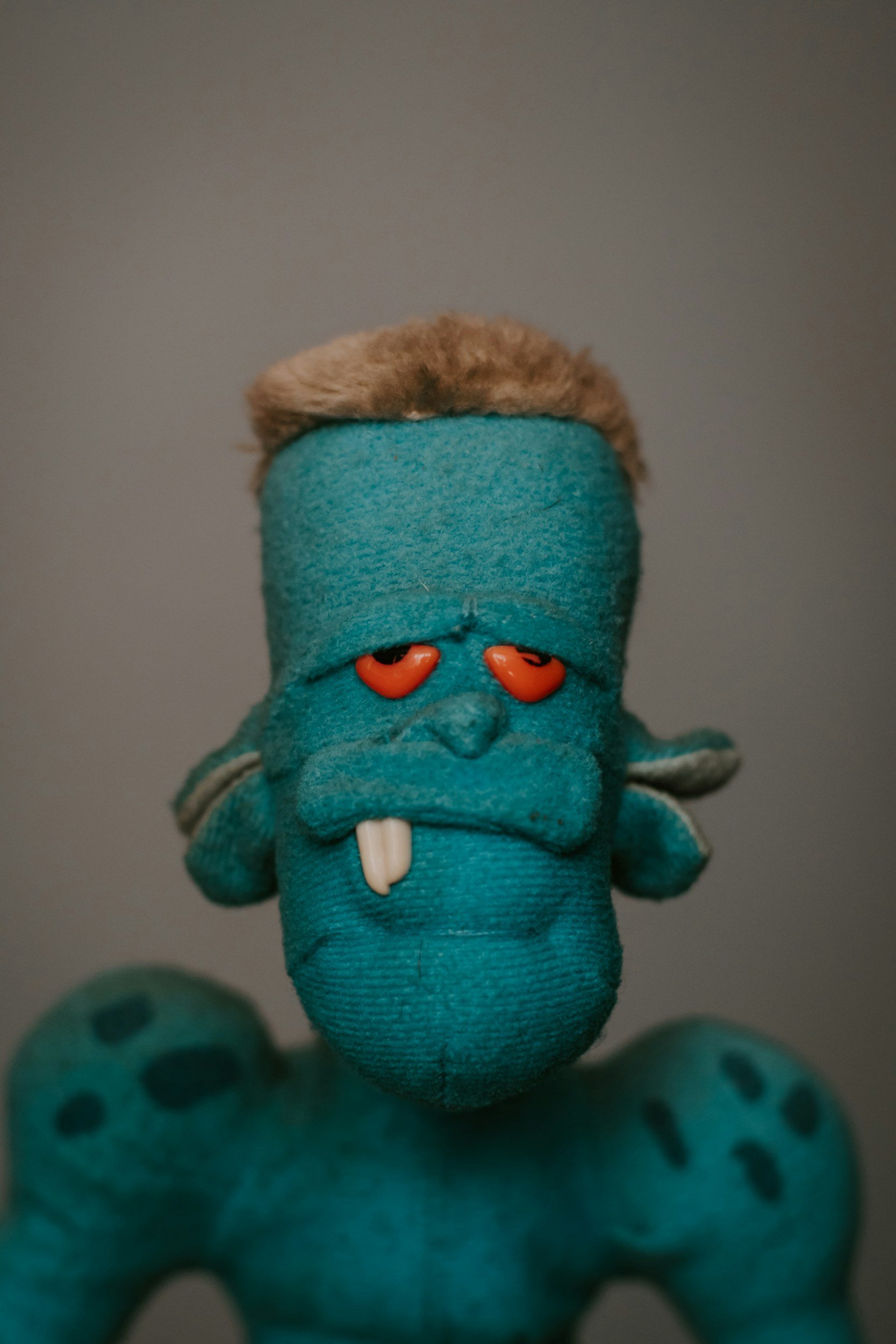
Mistake Monsters
Students will understand that mistakes are a normal part of learning, name a mistake they made and what they learned, and practice a class response that makes mistakes feel safe.
Goal Garden
Students will set one small, specific goal and name one step they can take toward it, connecting confidence to trying and growing.

Strength Badges
Students will name a strength they see in a classmate and receive a strength badge from a classmate, building confidence through peer recognition.
All About Me Shield
Students will identify parts of who they are (family, favorites, strengths, what makes them unique) and present their shield with pride.

Super Me: I Can Do Hard Things
Students will identify personal strengths and parts of their identity (culture, family, interests, talents, values) as sources of confidence rather than obstacles. Students will write and share a "My identity is a superpower because..." statement and recognize how positive self-talk and self-knowledge support confidence.
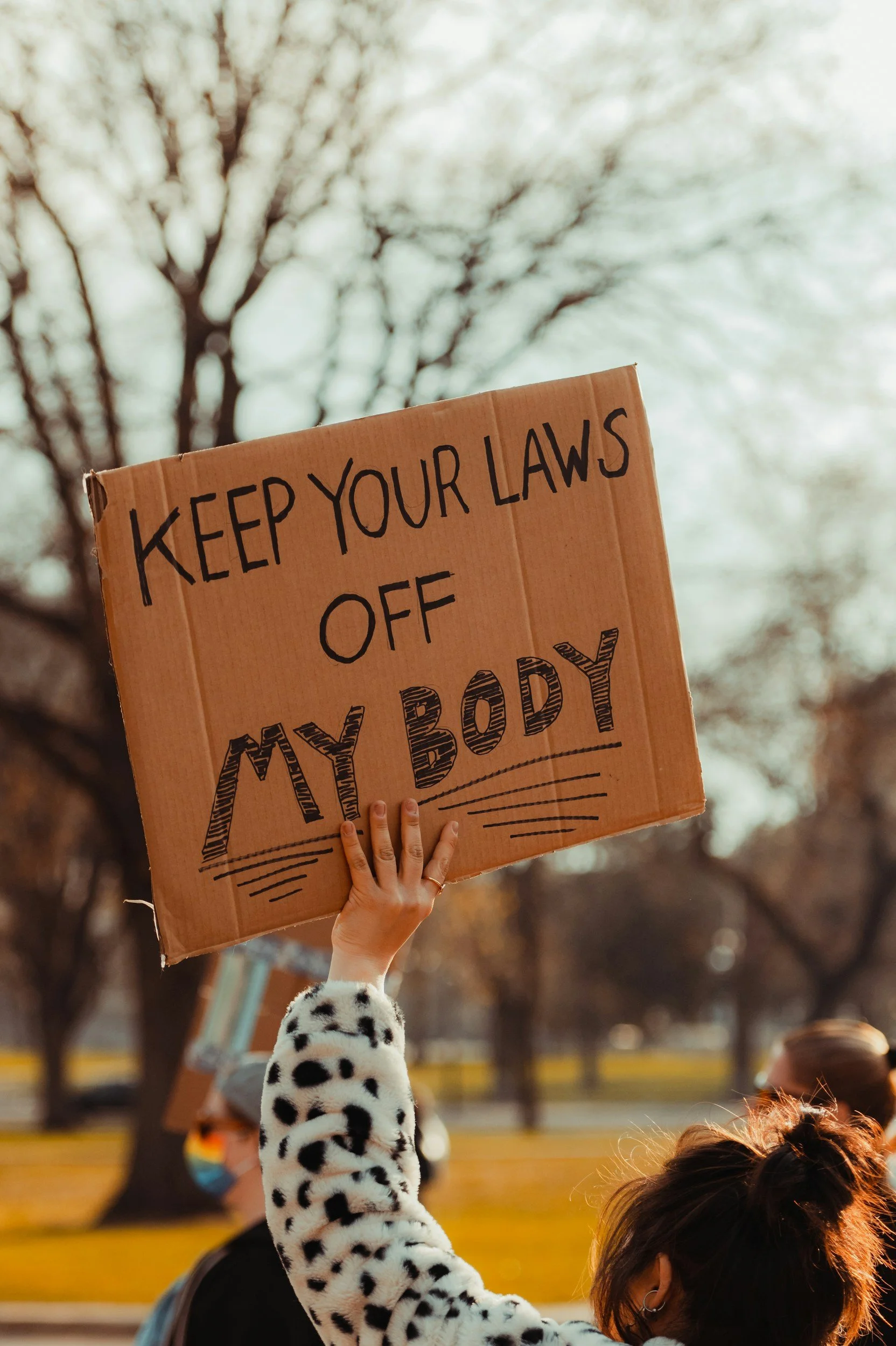
Week 8: Boss of My Body
Students play Duck, Duck, Goose with a different silly movement style each round (penguin, robot, skip, gallop, crawl), then complete a "Boss of My Body" worksheet exploring how their brain controls their body's movements.

Week 7: Draw What I Draw
Students play multiple rounds of Hot Potato at varying speeds, then follow along with a step-by-step drawing video (ice cream cone or Hello Kitty) pausing as needed to keep up.

Week 6: Don’t Pop the Bubble
Students blow bubbles and try not to pop any, then color quietly while soft music plays — challenged to stay quieter than the music or go completely silent.
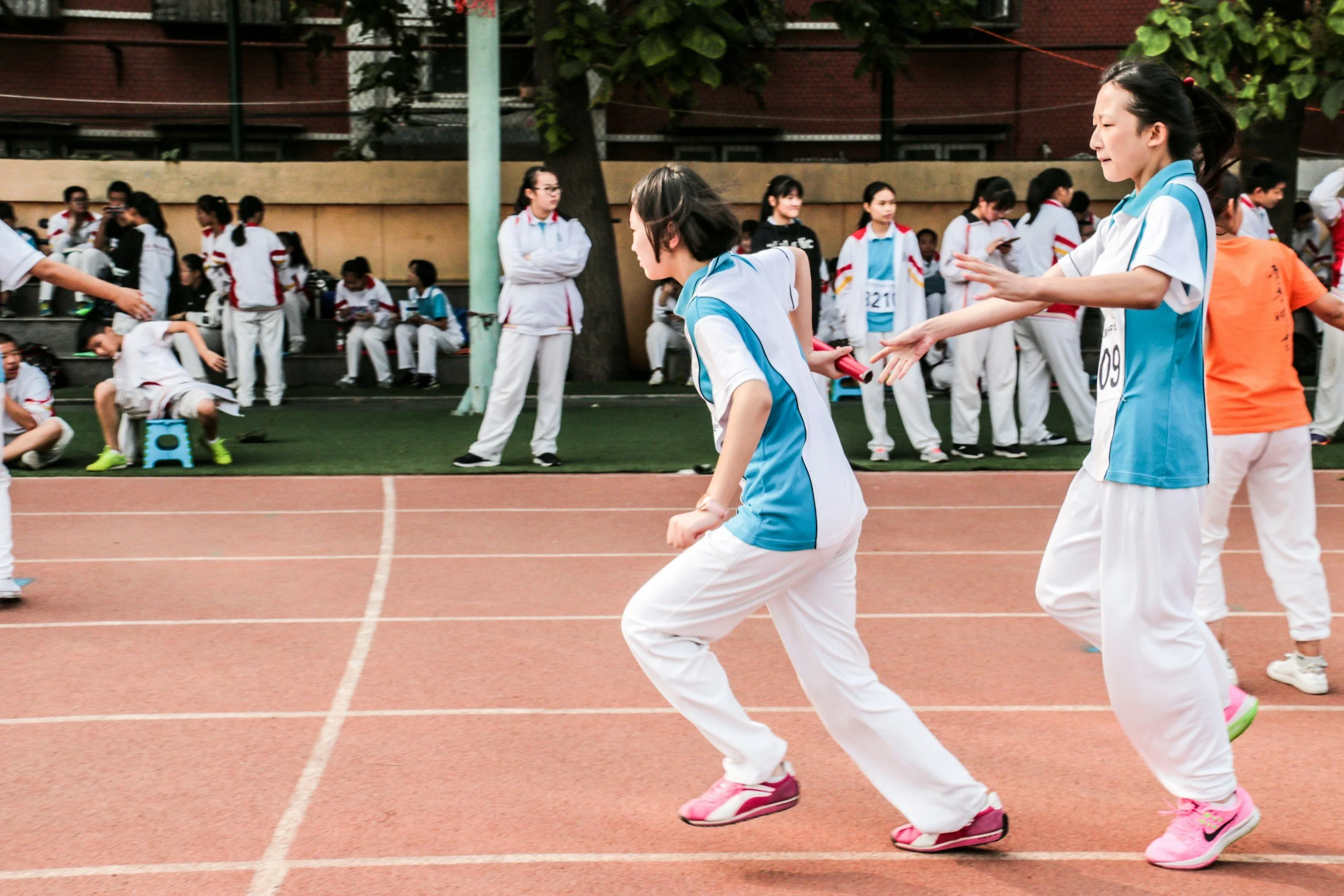
Week 5: Zones of Regulation Relay
Students act out emotions for each Zone of Regulation (blue, green, yellow, red) when called by name, then do a Zones Relay — moving around the room to music in silly ways and rushing to a colored zone when the music stops to practice coping strategies for that zone.

Week 4: Mystery Box Challenge
Students follow along to a Yo Gabba Gabba stretching and breathing song on the rug, then take turns reaching blindfolded into a mystery box while practicing self-control by keeping their guess to themselves until everyone has had a turn.

Week 3: Night at the Museum
Students play Night at the Museum (staying frozen as statues while a "janitor" with a flashlight tries to catch them moving), then fold and decorate paper airplanes and must wait for a whole-class countdown before flying them.
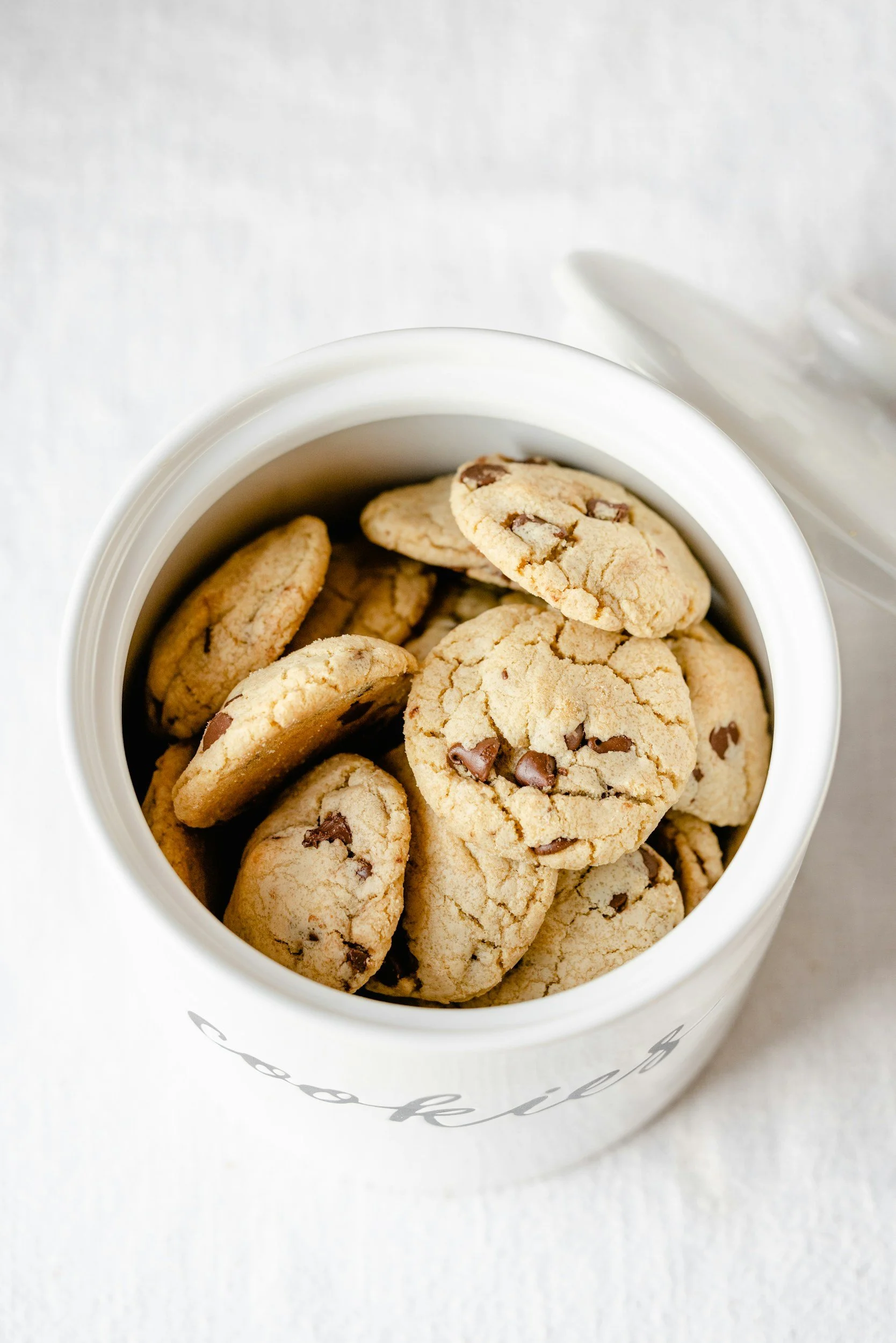
Week 2: Who Took the Cookie from the Cookie Jar?
Students sing "Who Took the Cookie from the Cookie Jar?" in a circle with a slap-clap rhythm, passing the chant around to each classmate. Then they decorate nila wafer cookies with frosting and sprinkles, challenged to resist eating until they're done decorating.

Week 1: Simon Says, Red Light Green Light
Students play Simon Says (winners or respectful sitters get to lead a round), then play Red Light, Green Light to the Squid Game audio, with eliminated students practicing silent cheering on the sidelines.
Week 7: Understanding Community
Students play Just Like Me (standing and doing a silly dance when a teacher-called attribute applies to them) across 5 rounds of shared traits. Then each student picks a kindness phrase, paints and decorates a rock with it, and places it in the class community garden.