
TK - First Grade
Developmental Characteristics
Physical
Enjoy long periods of free play
Developing eye-hand coordination
Enjoy small group cooperative play
May require rest after high-energy play
Improved body coordination; yet still can fall easily

Social Emotional
Eager to receive adult praise
Enjoy dramatic play
Eager to engage in new activities/adventures led by involved adult
Eager to identify with older children
Enjoy exploring new materials and equipment
Can be easily frightened by novel or strange events
Prefer play in small groups
Like responsibilities they can handle
Learning to cooperate with others, but may at times display selfish behavior

Cognitive
Understand language better than they speak
Are interested in present; vague concepts of past/future
Eager to learn
Ask many questions
Define things by their use
Developing a sense of humor
Communicate best within a small group of peers
May need guidance of adult when starting a new task
Week 7: Understanding Community
Students play Just Like Me (standing and doing a silly dance when a teacher-called attribute applies to them) across 5 rounds of shared traits. Then each student picks a kindness phrase, paints and decorates a rock with it, and places it in the class community garden.

Week 6: Point of View
Students play This or That by choosing between picture pairs displayed on the board, then listen to general descriptions of everyday items (a pizza, a pet, a family, a toy, a dessert) and draw their own interpretation of each — sharing their drawings with the class to discover how everyone pictured the same words differently.

Week 5: Bodies are cool (TK-2)
Students play Head, Shoulders, Knees, and Toes with 2-3 volunteers leading the class at different speeds, then listen to a read-aloud of Bodies Are Cool by Tyler Feder, draw 1-2 bodies from the book with an explanation of why they're cool, and finish with Strike a Pose — each student gets a 5-second runway walk or dance move in front of the class to a class-chosen song.
Week 4: Boundaries & Respect (TK-2)
Students play Listen and Learn in pairs — counting 1, 2, 3 back and forth while progressively replacing numbers with claps, stomps, and snaps across 5 rounds — then watch and sing along to "The Boundaries Song" before listening to a read-aloud of Don't Hug Doug (He Doesn't Like It) and discussing what boundaries are and why they matter.

Week 3: Displaying emotions (TK-2)
Students sing a modified "If You're Happy and You Know It" with verses for happy, mad, sad, and excited — acting out each emotion with their face and body — then play Emotions Bingo (1-3 rounds) using the feelings chart to identify emotions called out.

Week 2: Identifying emotions (TK-2)
Students dance to music and freeze while striking the called-out emotion (happy, mad, sad, worried, calm) for 5 rounds, then play Emotions Charades where each student gets 30 seconds to act out a teacher-assigned emotion from the feelings chart while classmates guess.
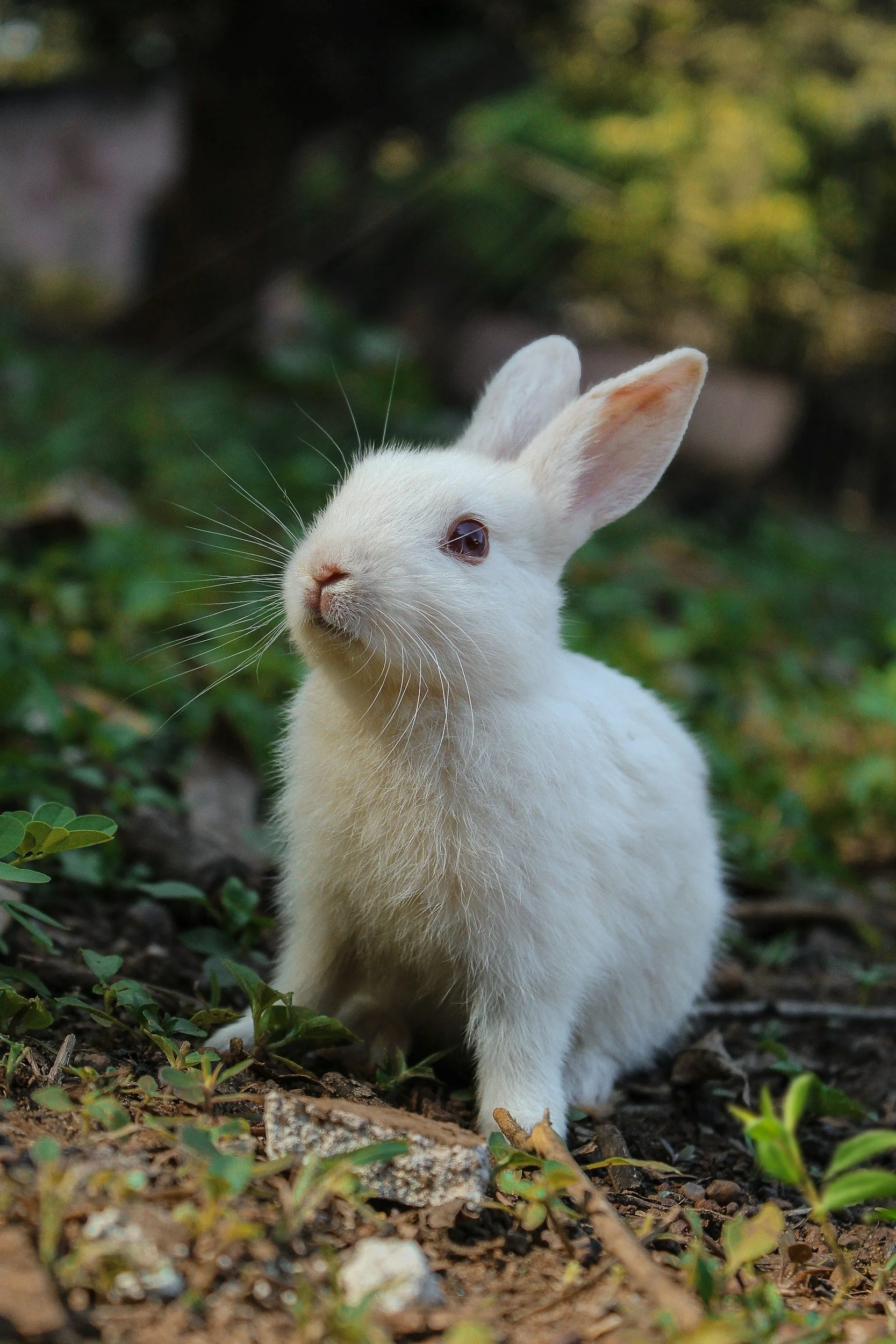
The Rabbit Listened (TK-2)
Students take turns adding one block at a time to build a class structure for the class stuffy, then listen to a read-aloud of The Rabbit Listened by Cori Doerrfeld, and finish by making paper Magic Listening Ears (bunny ears) out of construction paper or a paper plate.
Week 7: Community Empathy (TK-2)
Students play Kindness Freeze Dance — dancing freely until the music stops, finding a partner, and performing a called-out kindness action (high five, handshake, smile, or compliment) before the music restarts — then design and decorate a Kindness Coupon promising one specific kind act they'll do for a friend or family member.

Recognizing Empathy (TK-2)
Students toss a ball around the circle, each giving a personalized compliment to the classmate they throw to, then practice the Feelings Signal Game — listening to short scenarios and identifying how the person in each scenario might feel through discussion, acting out, or feelings cards.
Week 5: Kind Words (3-5)
Students play Kind Words Echo — repeating compliments back in calm, loud, and silly voices — then write or draw a compliment for a classmate or family member on a Compliment Card to give away.
Week 5: Kind Words (TK-2)
Students play Kind Words Echo — repeating compliments back in calm, loud, and silly voices — then write or draw a compliment for a classmate or family member on a Compliment Card to give away.
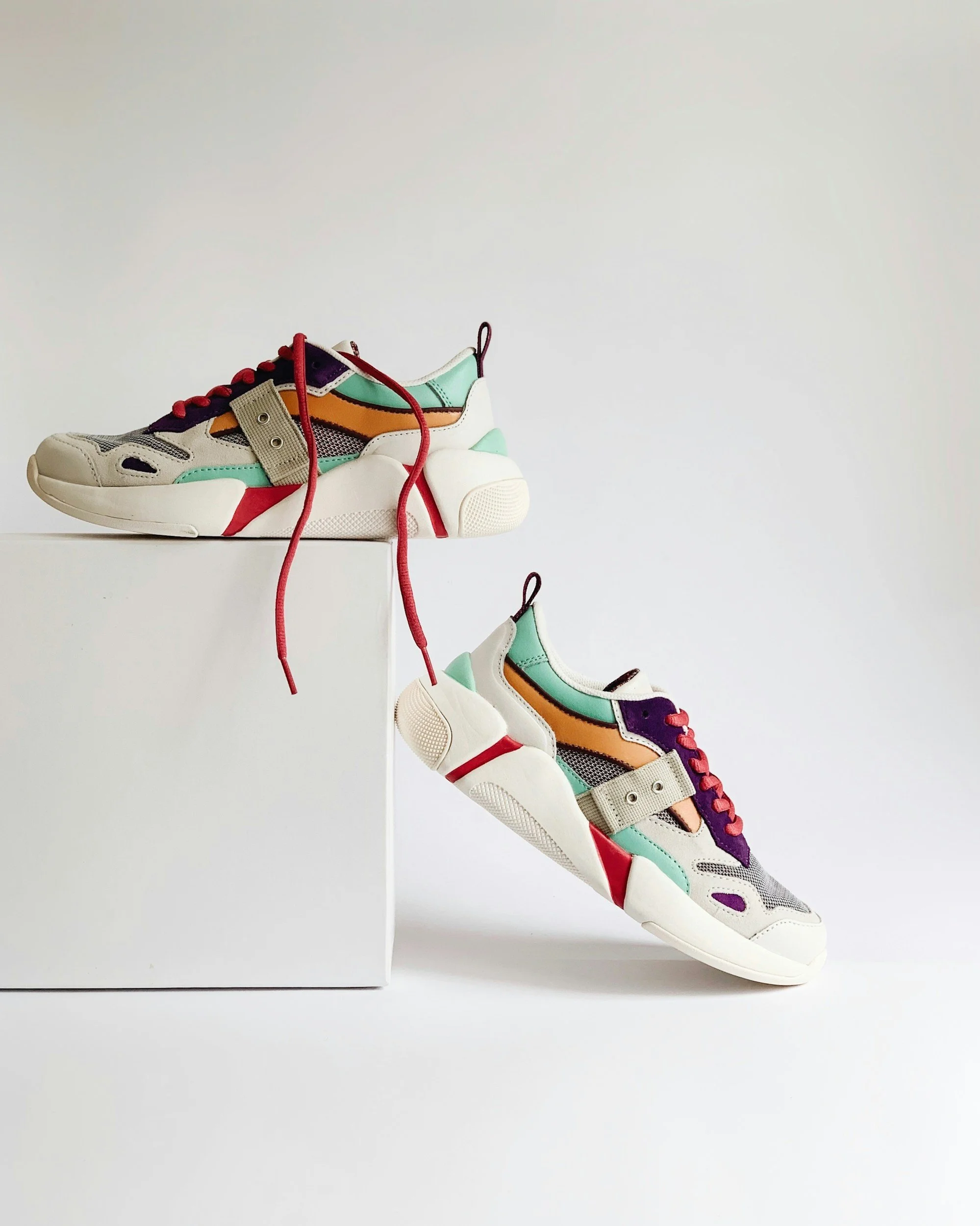
Week 3: Walking in Someone’s Shoes (2nd-5th)
Students play Shoe Shuffle — removing one shoe, mixing them in the center, then guessing whose shoe they picked up and discussing similarities and differences with that person — then decorate a shoe outline with personal clues (favorite color, something they like, and what makes them feel happy or calm).

Week 3: Walking in Someone’s Shoes (TK-1)
Students play Shoe Shuffle — removing one shoe, mixing them in the center, then guessing whose shoe they picked up and discussing similarities and differences with that person — then decorate a shoe outline with personal clues (favorite color, something they like, and what makes them feel happy or calm).
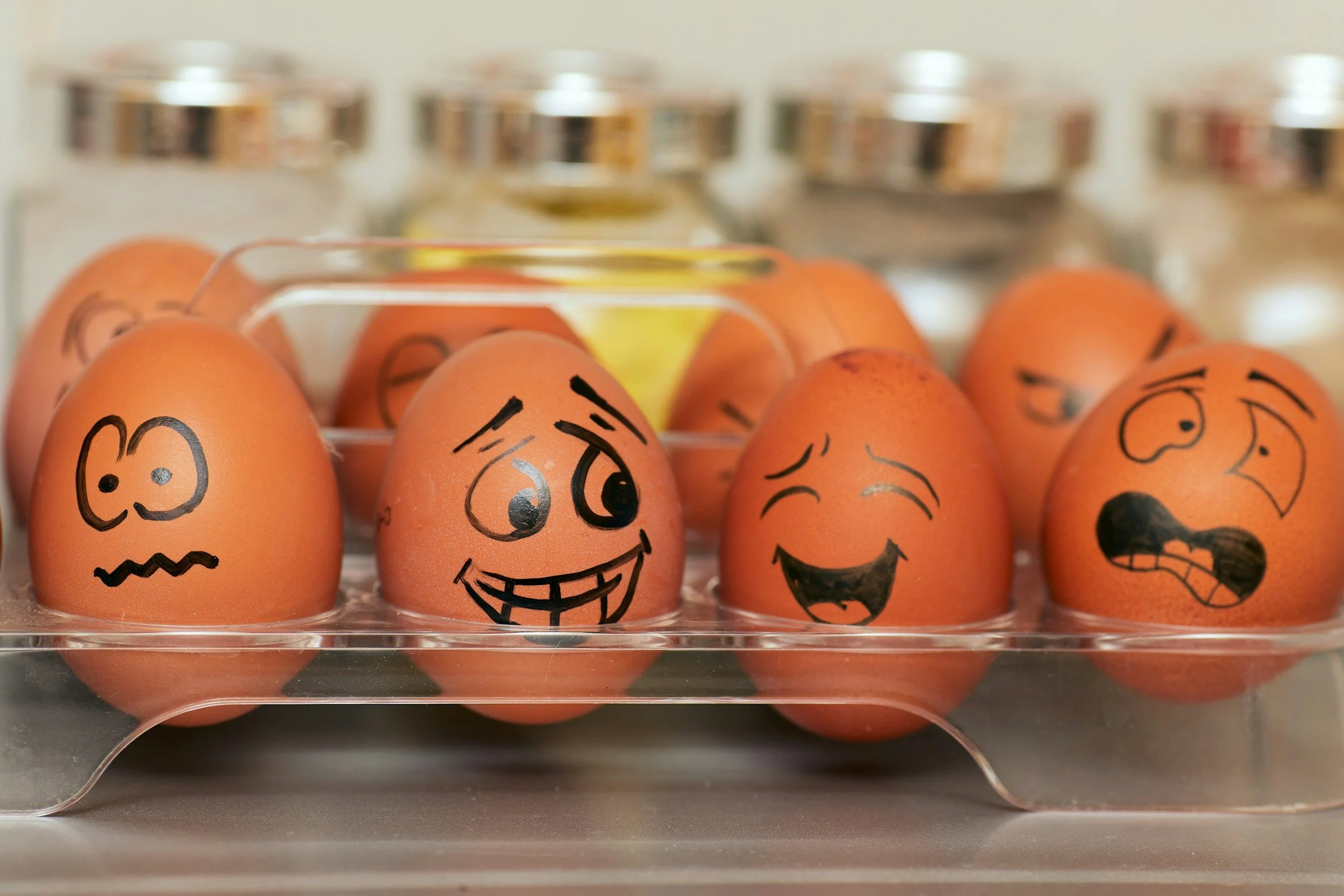
Week 2: Feelings Charades (2nd-5th)
Students play Emotion Freeze Dance — dancing freely until the music stops, then freezing in a full-body pose matching the feeling called out — then color a Feelings Wheel, choosing their own color for each emotion section (happy, sad, mad, scared, tired, silly).

Week 2: Feelings Charades (TK-1)
Students play Emotion Freeze Dance — dancing freely until the music stops, then freezing in a full-body pose matching the feeling called out — then color a Feelings Wheel, choosing their own color for each emotion section (happy, sad, mad, scared, tired, silly).
Week 1: What is Empathy? (2nd-5th)
Students play Feelings Face Shuffle — making the facial expression that matches each emotion called out (happy, sad, surprised, scared, etc.) — then look at 4–6 pictures of children and discuss what feeling each child is showing and what might help them.
Week 1: What is Empathy? (TK-1st)
Students play Feelings Face Shuffle — making the facial expression that matches each emotion called out (happy, sad, surprised, scared, etc.) — then look at 4–6 pictures of children and discuss what feeling each child is showing and what might help them.

Clustergrams
Students move around the room to find classmates who share the same answer to each statement (same breakfast, shoe size, favorite food, etc.), cluster together, and act out a mime representing their group before the next statement is called.

Star-Bellied Sneetches
Using Dr. Seuss’s The Sneetches as a starting point, students explore what it feels like to be left out, how groups create “in” and “out” categories, and how to build fairer practices in their own community.

Unity Day Poster-Making
Unity Day is a national day when students, teachers, and families wear orange to show they support bullying prevention. In this activity, students explore what unity means and collaborate in pairs on posters that show how working together can help stop bullying. Posters are then hung throughout the school.