
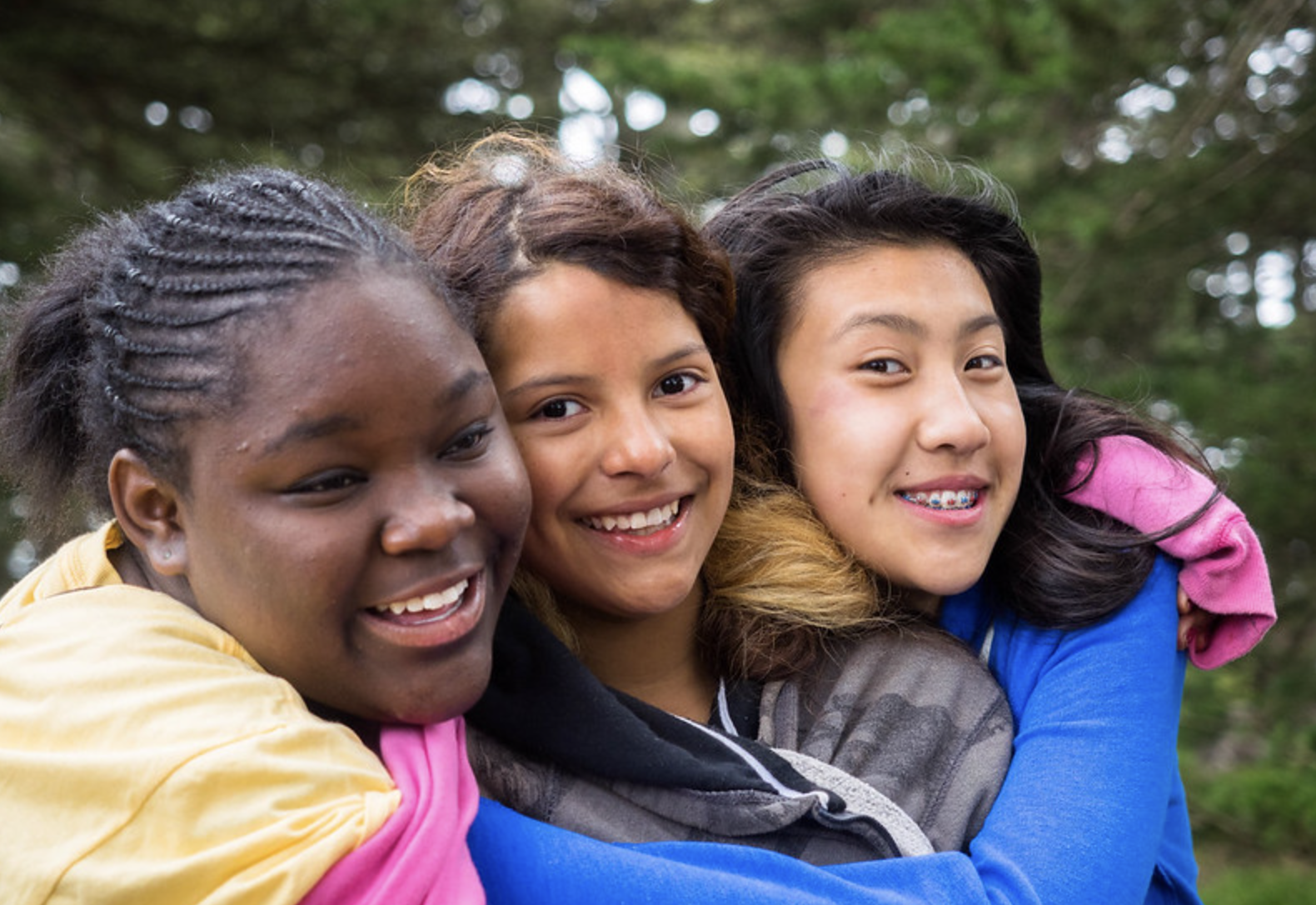
Seventh - Eigth Grade
Developmental Characteristics
Physical
May appear awkward as result of rapid physical growth
Experiencing the beginning of puberty
Differ greatly in rate of maturation
Need to become familiar with changing body with strong drives
Tend to tire easily
Have a high activity level and appetite
Enjoy cooperative games and competitive sports
Social Emotional
Sensitive to their appearance
Establishing a personal moral code
Unsure of their place in society
Depend on their peer group to develop identity
Critical of their parents and home
May adopt extremes and fads in clothing, speech, handwriting, and mannerisms
Form close one-on-one friendships
Enjoy small, peer-dominated group discussions
Have a strong desire to assert individuality and independence
Cognitive
Capable of high level of abstract thought
Beginning to think about their future life roles
Need time and freedom to engage in self-reflection
Are able to postpone gratification
Can plan ahead and organize tasks with little or no guidance from adults
Beginning to develop views about social issues


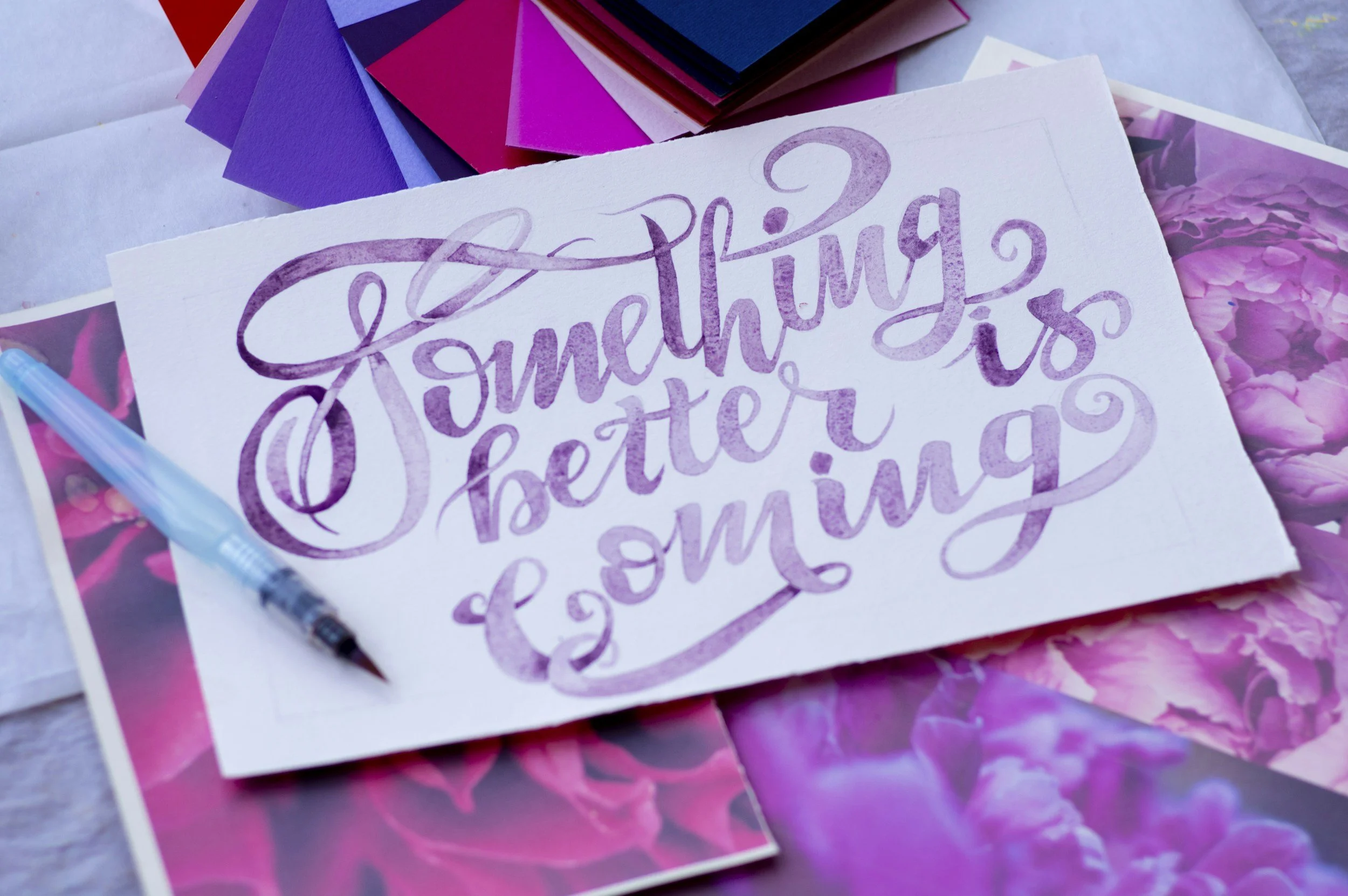
Affirmation Verse
Students will write a four-line affirmation verse in their own voice that names a strength, a challenge, and a commitment, and perform or share it to practice confident self-expression.
Impostor Syndrome Myth-Busters
Students will define impostor feelings ("I don't belong here," "I just got lucky"), recognize them as common and not facts, and practice evidence-based responses to self-doubt.
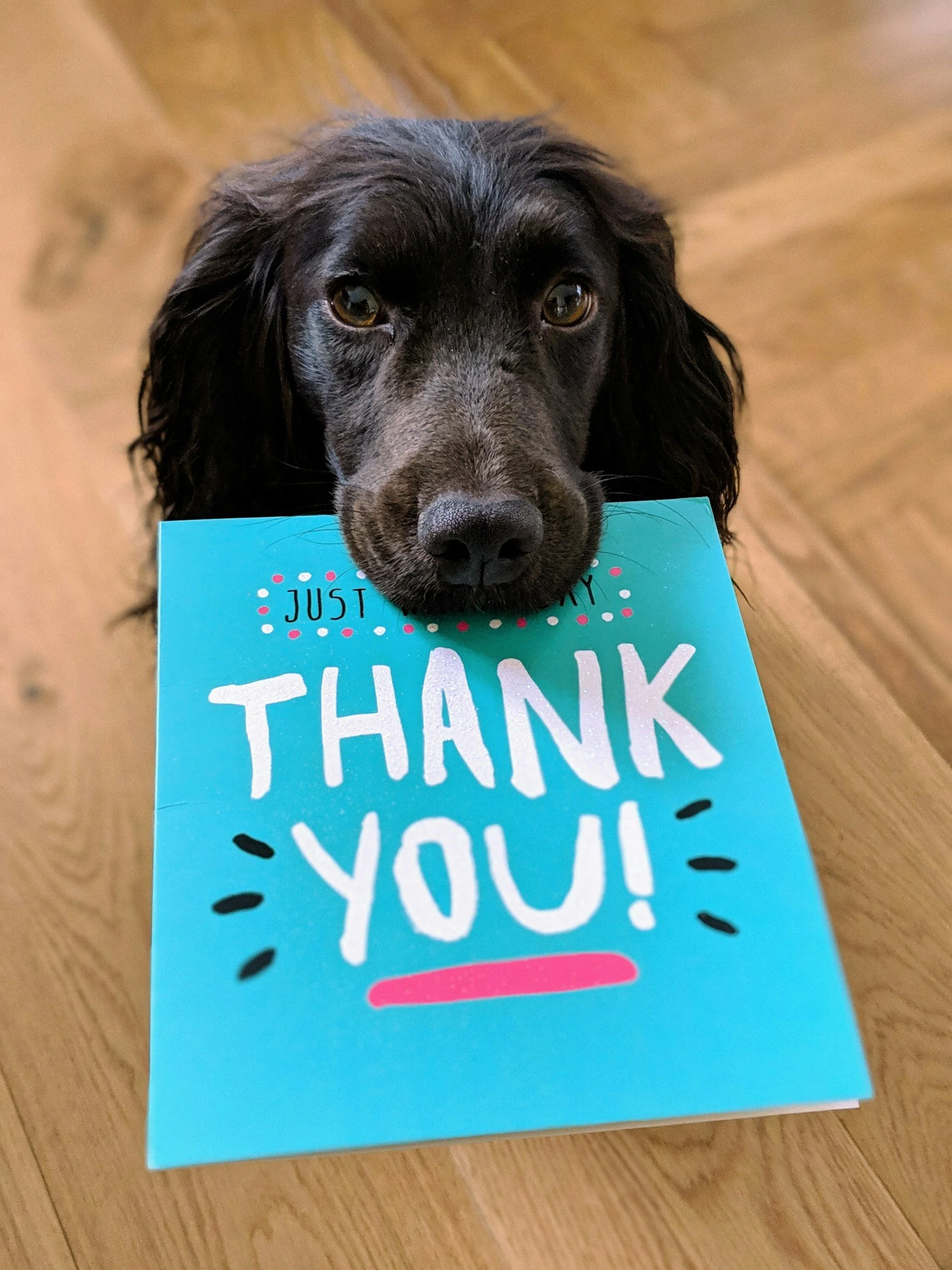
I Wanna Thank Me
Students will practice self-gratitude by writing a short thank-you note to themselves that names specific effort, choices and growth, and reflect on why recognizing your own work builds confidence.
If-Then Plans: Confidence Through Preparation
Students will set a goal, identify internal and external obstacles, and write an If-Then plan so that confidence comes from being prepared rather than hoping nothing goes wrong.

Seeing The Good In Others
Students will recognize specific strengths in peers, give and receive written recognition, and reflect on how noticing strengths in others and in ourselves builds confidence.
Discover Your Strengths
Students will identify their top character strengths from a strengths word cloud, provide evidence, and design a quick poster showing how they use those strengths.

Rewrite Your Story
Students will retell a personal setback as a story of learning and growth, identifying the strengths they used and how the experience changed them.
My Most Confident Self
Students will distinguish confidence from self-worth, reflect on their favorite qualities and achievements, and set one action their most confident self would take this week.
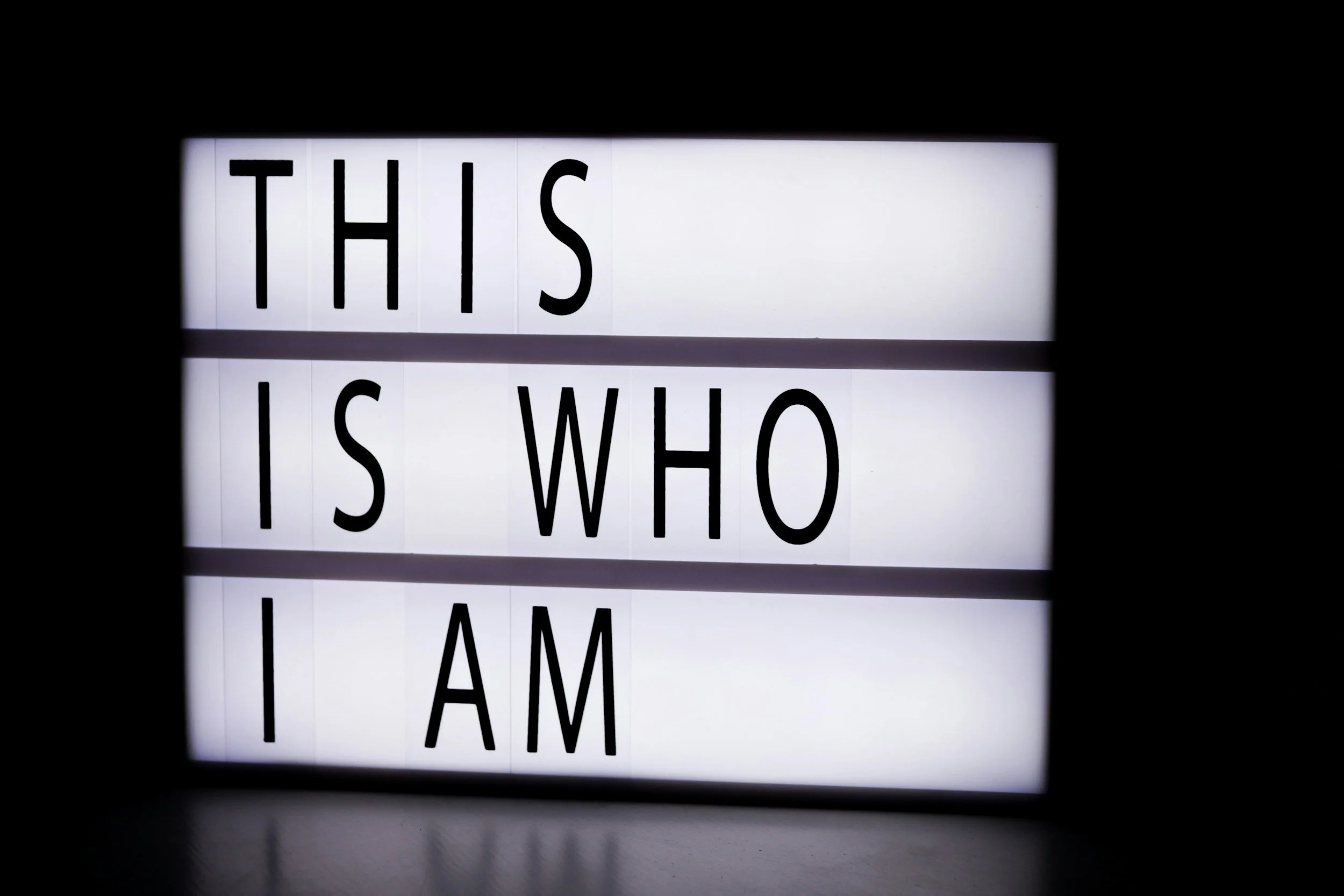
Who Am I? Identity Charts
Students will define identity, build a personal identity chart showing the factors that shape who they are, and identify which parts of their identity are sources of strength.
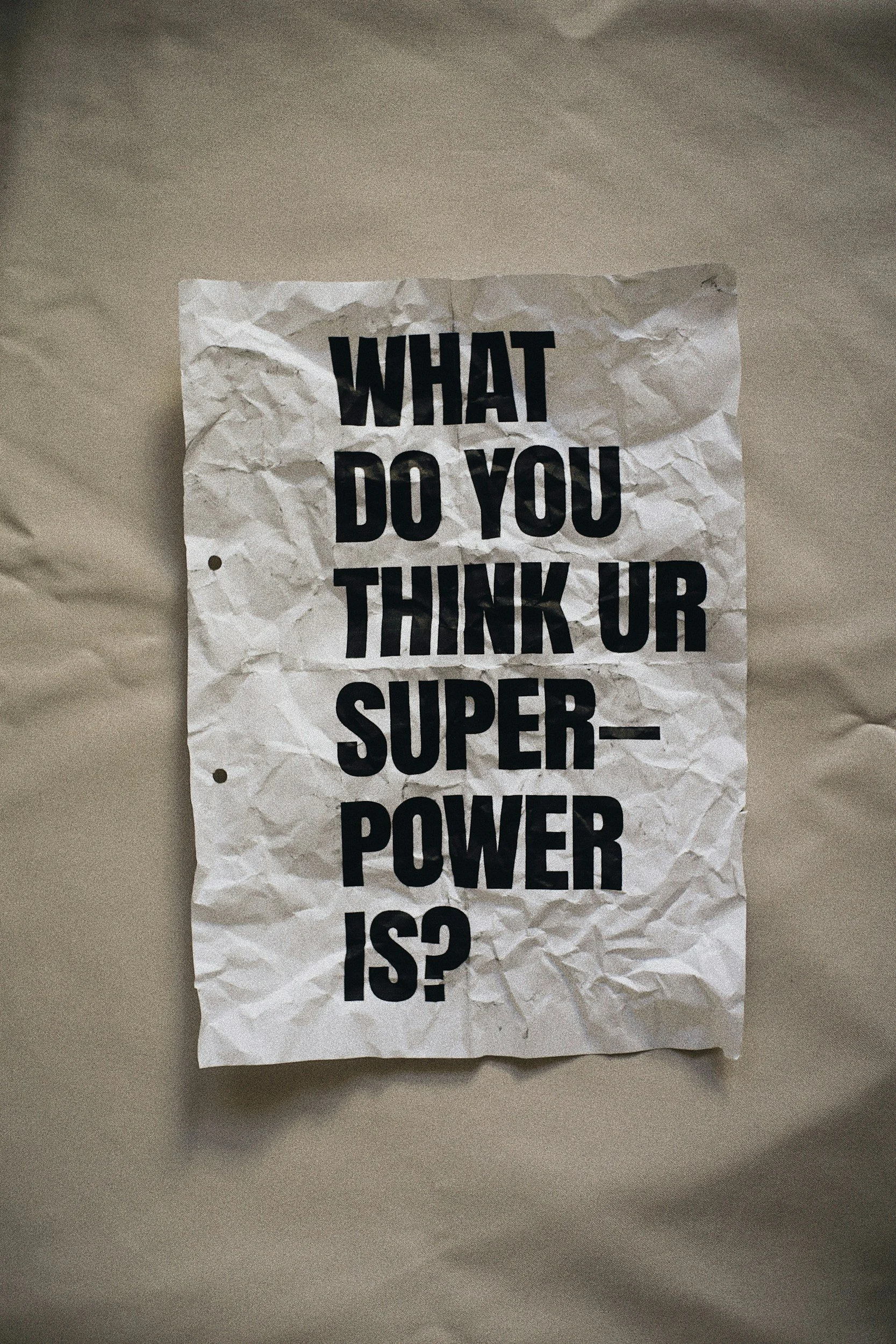
My Identity Is A Superpower
Students will identify personal strengths and parts of their identity (culture, family, interests, talents, values) as sources of confidence rather than obstacles. Students will write and share a "My identity is a superpower because..." statement and recognize how positive self-talk and self-knowledge support confidence.
Read the Room
Students vote with their fingers (1, 2, or 3) to label each of five real-life scenarios — a quiet friend, a "ok" text, a hallway bump, being left out of plans, a teacher correction — as an overreaction, underreaction, or just-right response, then discuss what the balanced answers have in common and why it's easy to misread situations.

Would You Rather: SEL Edition
Students respond to five real-life social scenarios (friend drama, group chat conflict, feeling left out, bad mood day, argument with a friend) by choosing between two reactions and briefly discussing which choice leads to better outcomes, then learn the STOP skill (Stop, Take a Breath, Observe, Pick your response) as a tool to use before reacting in real life.

Idea Machine
Students sit in a circle and take turns rapidly naming something from a given category (foods, animals, countries, emotions, etc.) with no repeats and a 3–5 second time limit per person, playing multiple rounds with progressively harder categories.

Situation Reflections
Students physically move to one of four corners of the room labeled A, B, C, or D to show how they would react to real-life conflict scenarios (a friend breaking your sunglasses, someone showing up an hour late, being teased about your appearance), then discuss their choices and what self-control looks like in each situation.

Empathy Walk
Students move to one of three designated spots in the room (Agree, Disagree, Not Sure) in response to empathy statements read aloud, then discuss why they chose their spot and what empathy could look like in each scenario.
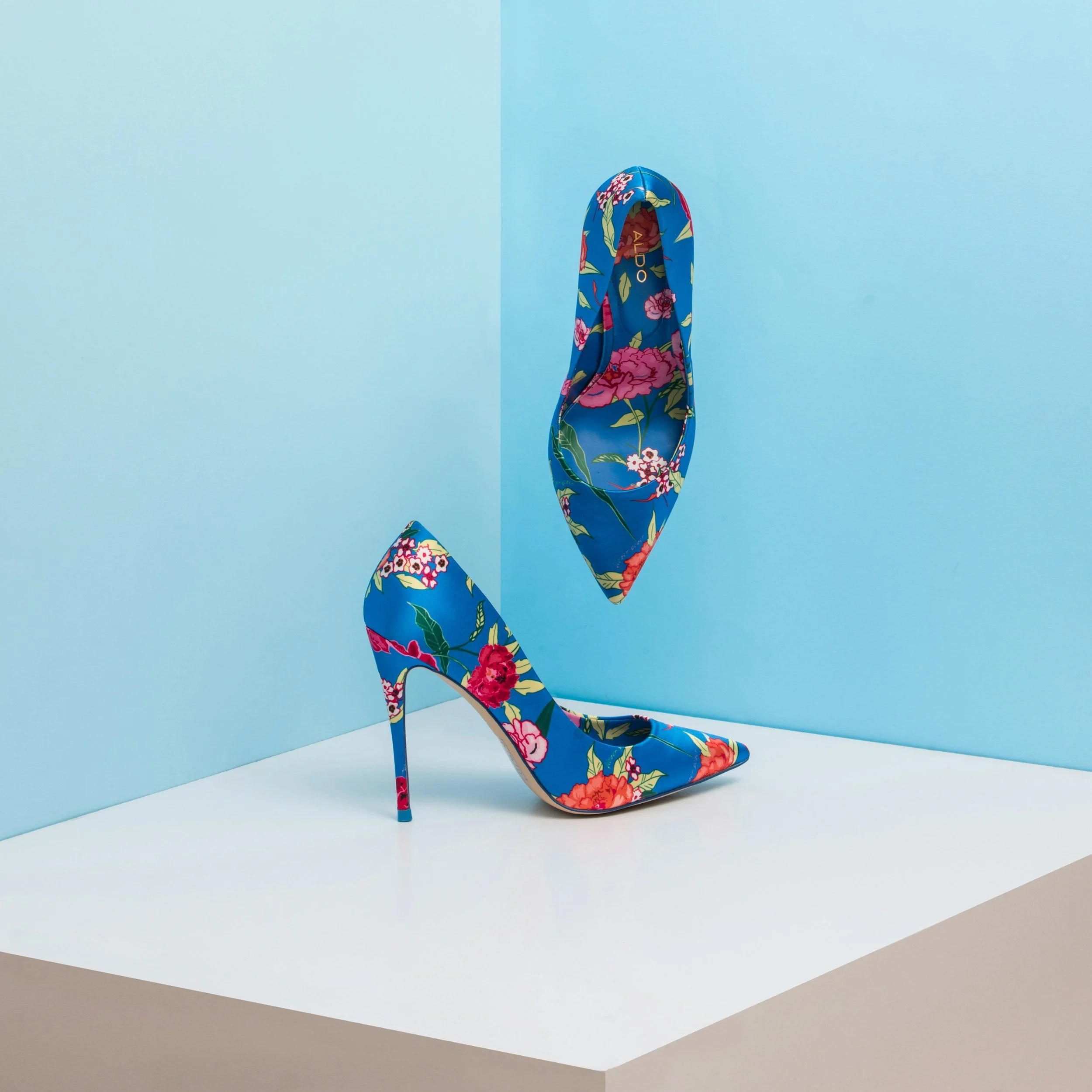
Someone Else’s Shoes
Students complete the "Are You Empathetic?" self-assessment worksheet and discuss empathetic listening behaviors as a class, then receive a character card from "Someone Else's Shoes" and practice empathy in pairs by taking turns sharing their character's situation while the partner listens and responds with genuine empathy.

My Strength Spotlight
Students write down one personal strength individually, then pair up to share it with a partner who responds by naming a strength they see in them in return.

Letter to Myself
Students write a letter to themselves listing things they like about themselves — brainstormed together as a class first — which is then sealed and saved to be delivered back to them at a later date.
Confidence Card
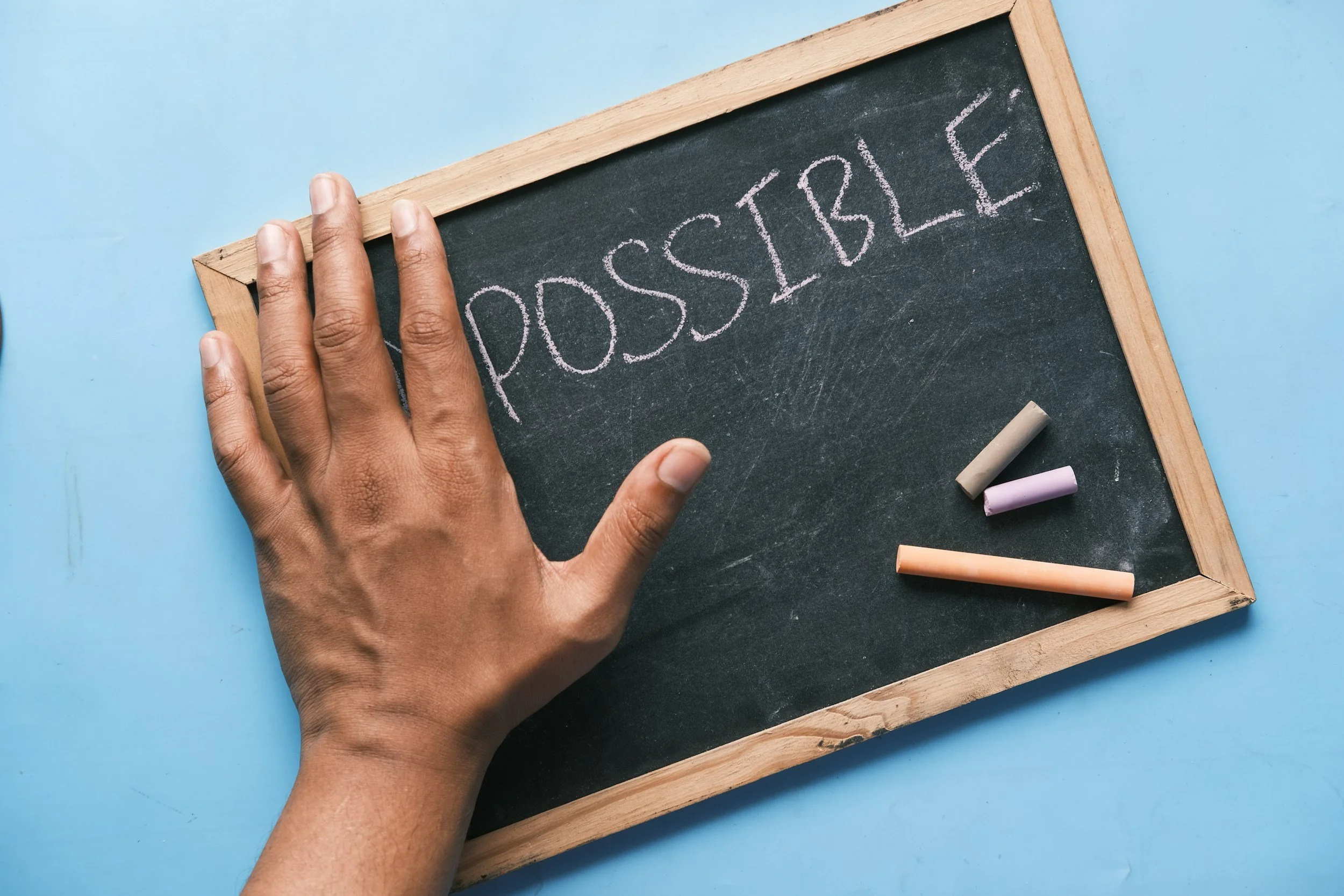
Students write a list of personal strengths, improvements, or a thank-you note to themselves on an index card, then decorate it with colors and doodles — the cards are collected and saved to be given back to students on hard days.
Strengths Circle
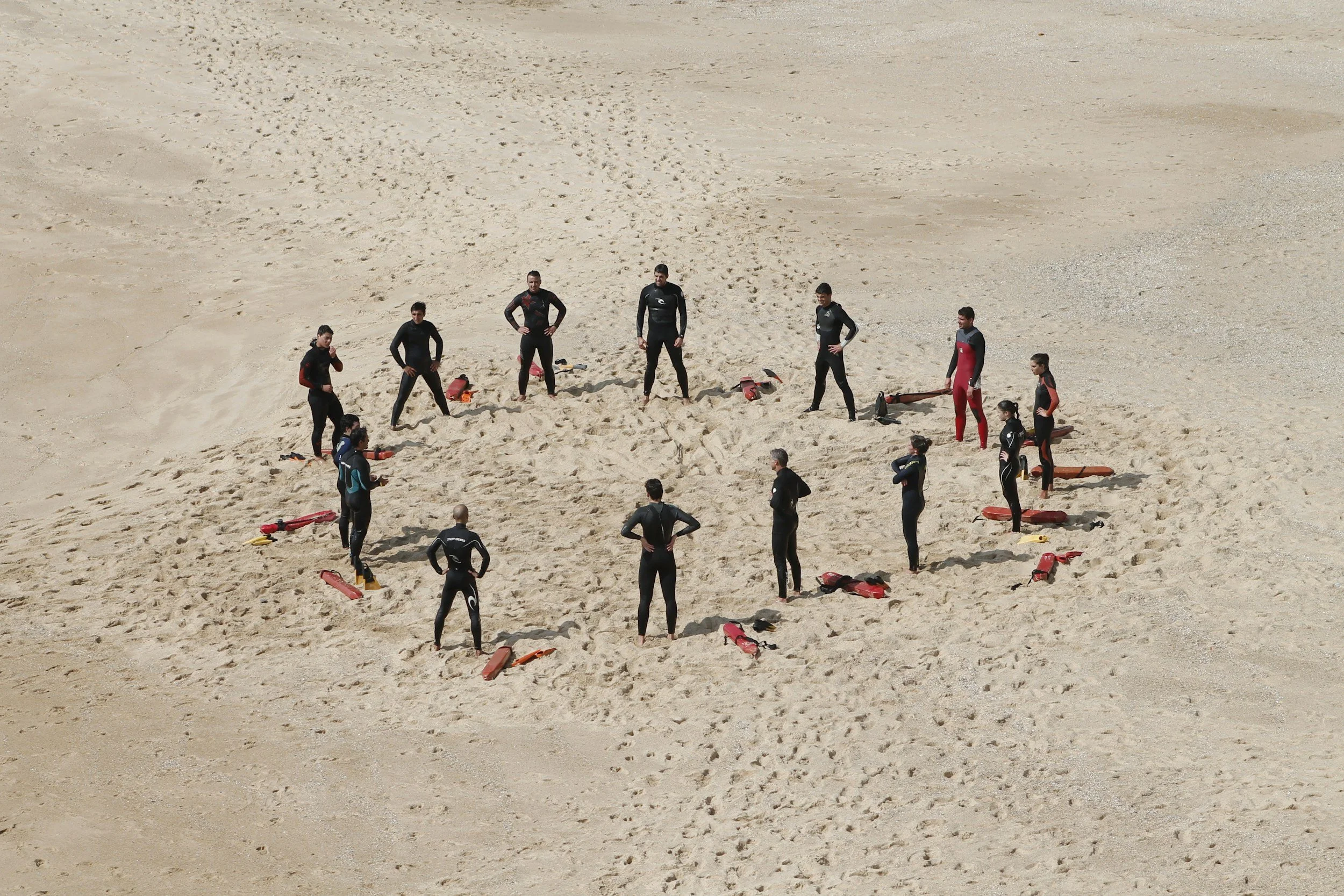
Students sit in a circle and take turns sharing a personal strength, with each person first repeating all the strengths named before them and then adding their own — building a growing chain of affirmations around the room.