
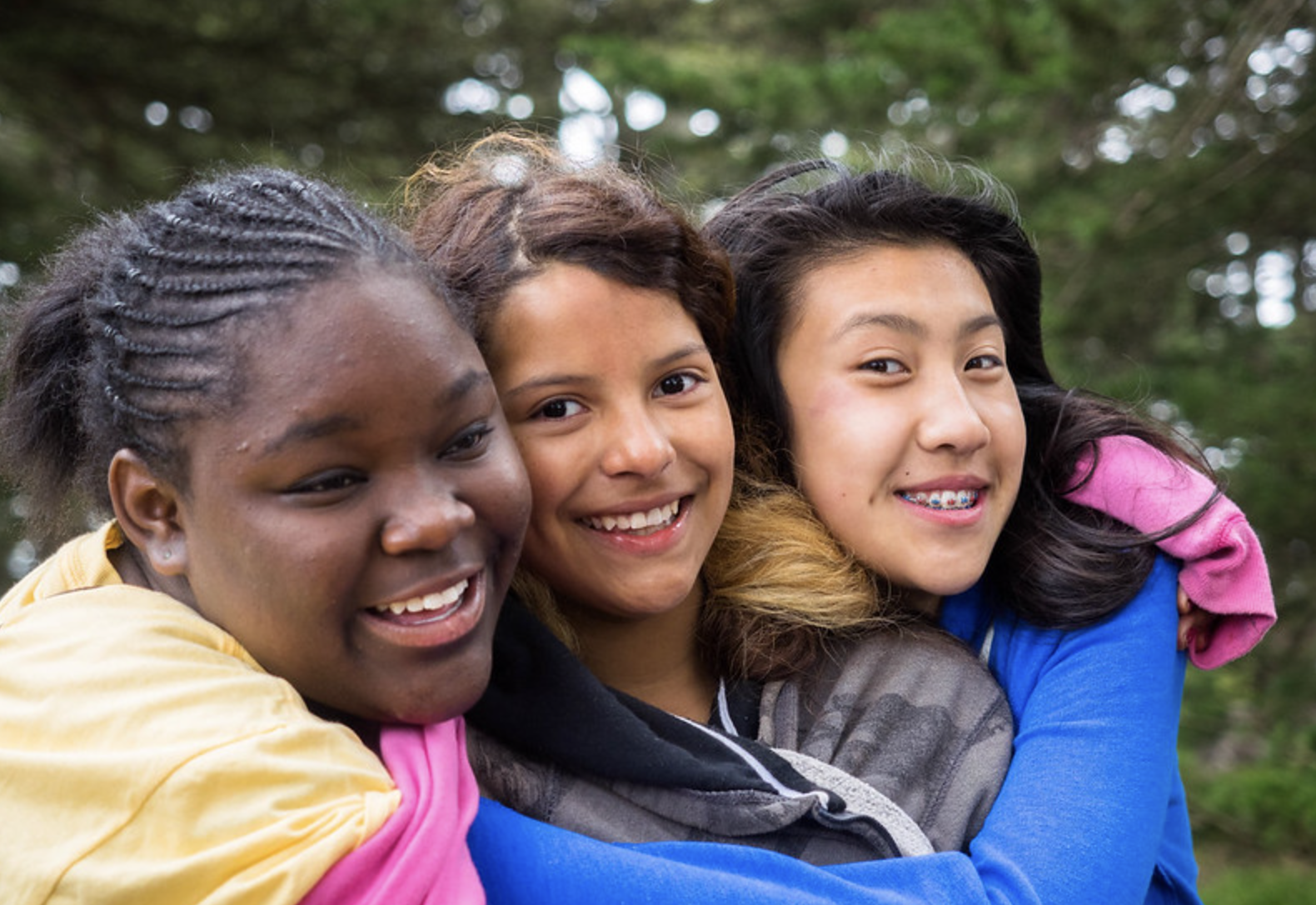
Seventh - Eigth Grade
Developmental Characteristics
Physical
May appear awkward as result of rapid physical growth
Experiencing the beginning of puberty
Differ greatly in rate of maturation
Need to become familiar with changing body with strong drives
Tend to tire easily
Have a high activity level and appetite
Enjoy cooperative games and competitive sports
Social Emotional
Sensitive to their appearance
Establishing a personal moral code
Unsure of their place in society
Depend on their peer group to develop identity
Critical of their parents and home
May adopt extremes and fads in clothing, speech, handwriting, and mannerisms
Form close one-on-one friendships
Enjoy small, peer-dominated group discussions
Have a strong desire to assert individuality and independence
Cognitive
Capable of high level of abstract thought
Beginning to think about their future life roles
Need time and freedom to engage in self-reflection
Are able to postpone gratification
Can plan ahead and organize tasks with little or no guidance from adults
Beginning to develop views about social issues




Empathy Walk
Students move to one of three designated spots in the room (Agree, Disagree, Not Sure) in response to empathy statements read aloud, then discuss why they chose their spot and what empathy could look like in each scenario.
Someone Else’s Shoes
Students complete the "Are You Empathetic?" self-assessment worksheet and discuss empathetic listening behaviors as a class, then receive a character card from "Someone Else's Shoes" and practice empathy in pairs by taking turns sharing their character's situation while the partner listens and responds with genuine empathy.
Cliques in Schools
Students brainstorm and map clique nicknames at their school, discuss what distinguishes cliques from friendship groups, complete a Clique Survey reflecting on their own social circle, then practice reaching across group lines through a chosen activity — writing an anonymous letter to someone in another clique, becoming pen pals with a randomly drawn classmate, or contributing to an anonymous issue box.
Cultural Norms
Students have quick conversations with multiple partners while secretly tallying dots on each other's sheets every time their partner exhibits a specific assigned behavior (like making eye contact or saying "like") — then, after the reveal that each dot represents "breaking" someone's cultural norm, they discuss what it felt like and write a private reflection on how to honor others' norms going forward.
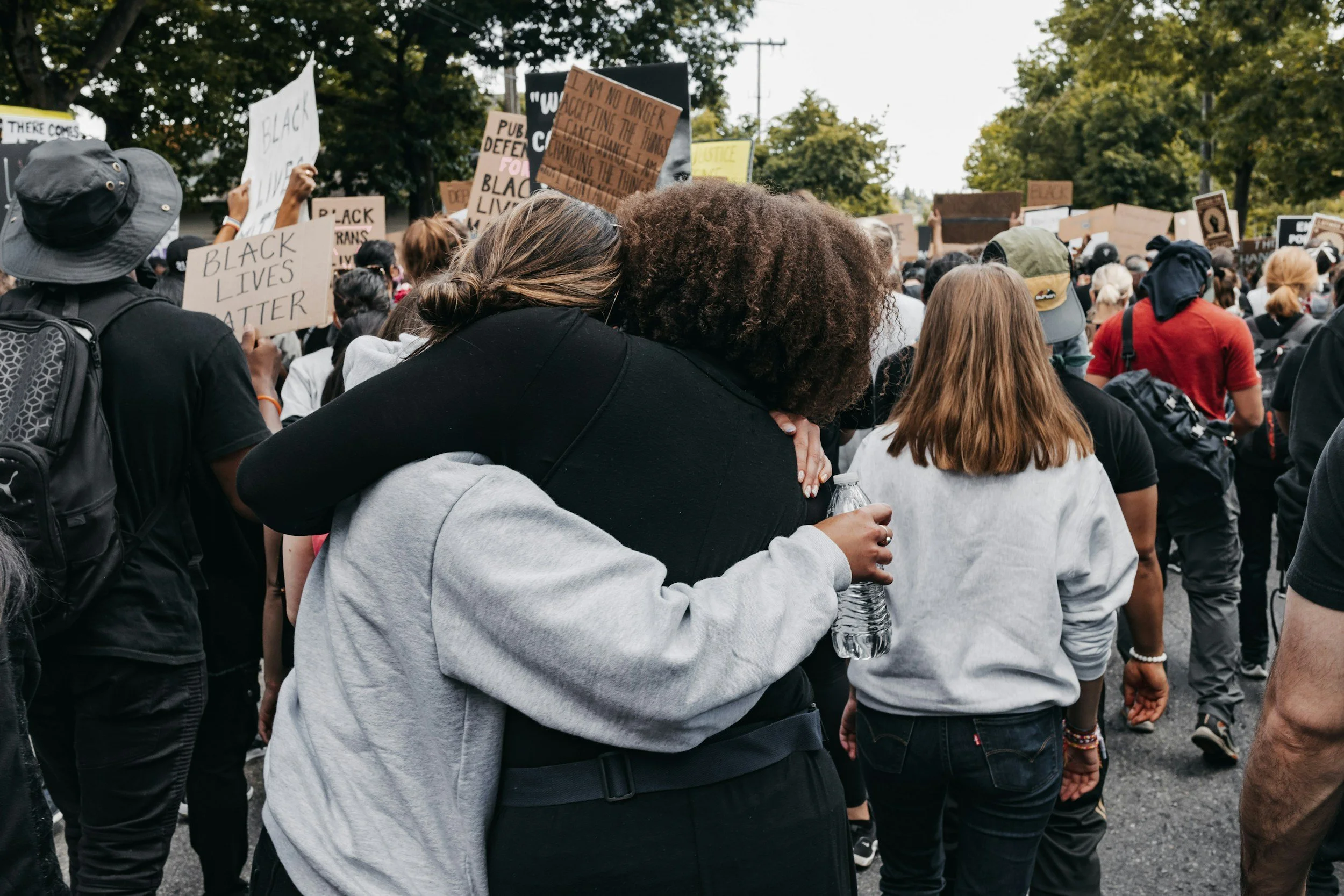
Developing Empathy
Students complete an "Are You Empathetic?" self-check and discuss empathetic listening behaviors as a class, then pair up with character cards to role-play sharing a situation while their partner practices empathetic listening — maintaining eye contact, not interrupting, and asking follow-up questions — before switching roles and debriefing with specific feedback.
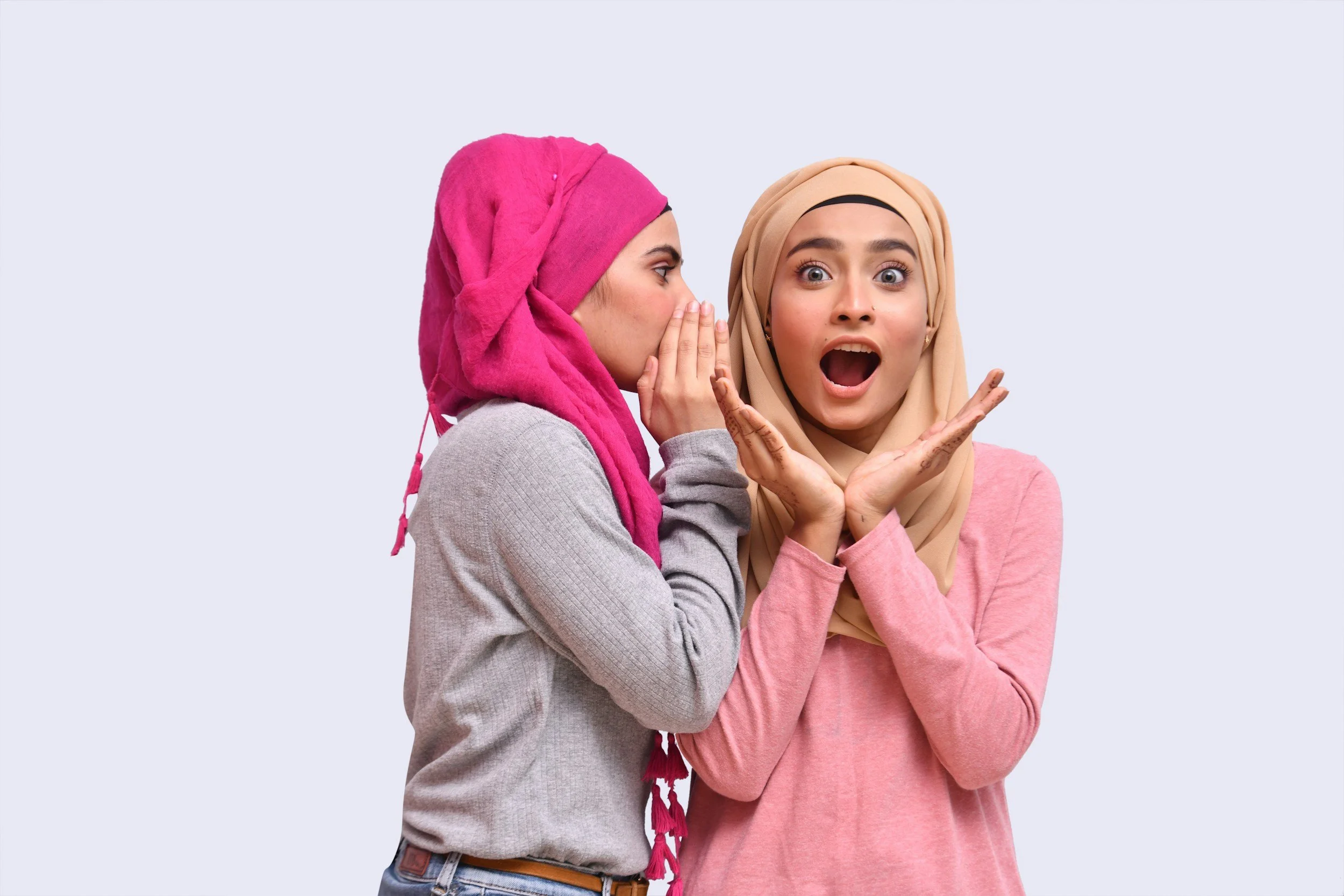
Good Gossip
Students mingle around the room and repeatedly "partner up" with whoever is nearest, each time sharing a positive memory about a third group member — focusing on moments when that person showed good values or was an ally — then debrief together about what the stories revealed about the community.
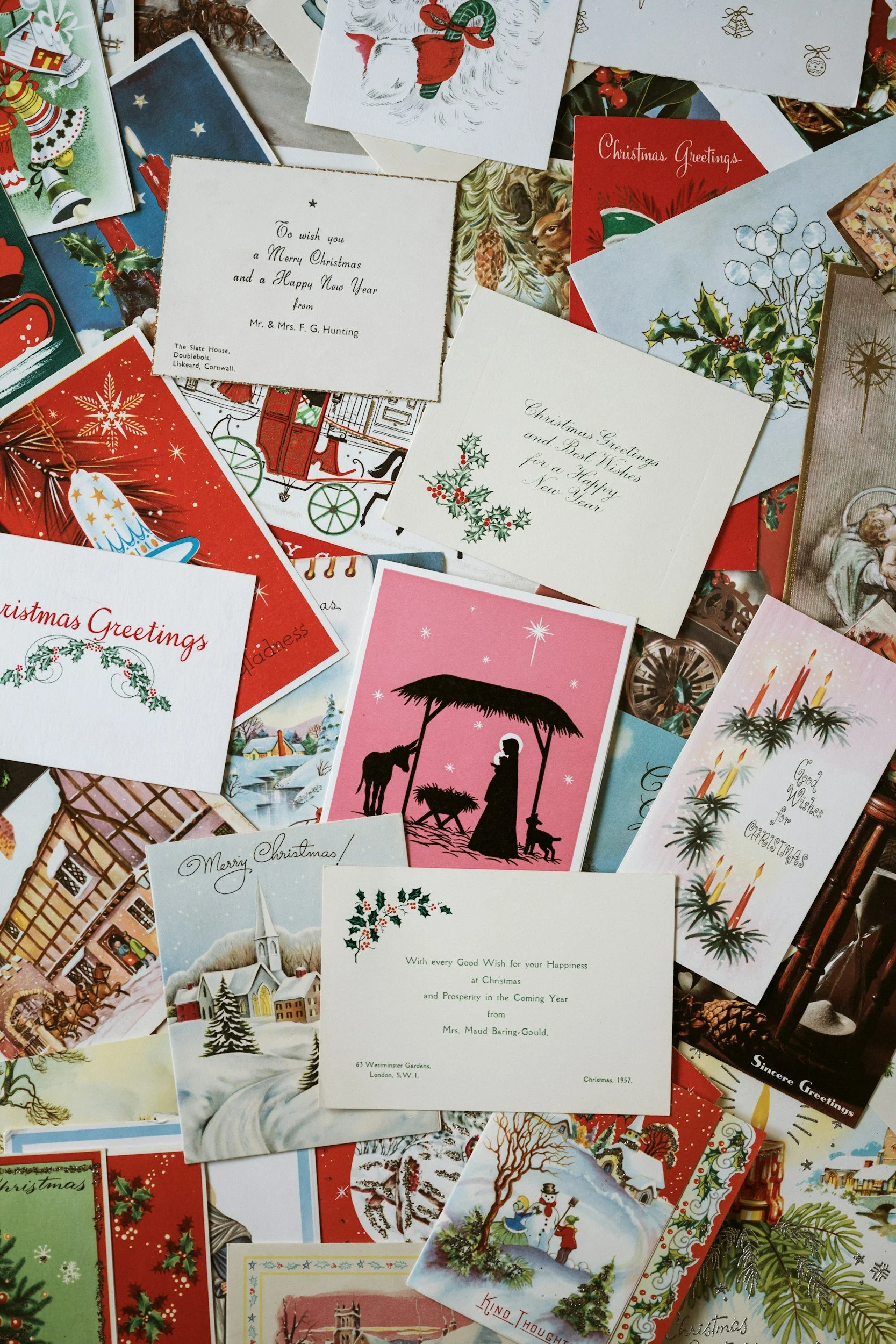
Greeting Cards
Students will explore different types of greeting cards and then design and write their own to build a class card collection, practicing empathy by thinking about how to acknowledge and respond to others' experiences through words and art.

Keep ‘Em Afloat
To introduce the concept of doing a good job by yourself and in a team, and to have participants explore ways they can be helpful to each other and their communities.

Emotion Ambassadors
Students watch Sir Ken Robinson’s TED Talk “Do Schools Kill Creativity?” and step into the role of Emotion Ambassadors — brainstorming, prioritizing, and electing peers to lead initiatives that bring creativity and emotional intelligence to the wider school community.

Shared Identity
Students journal about someone who seems very different from them, then brainstorm a list of things they likely have in common with that person to see them in a new light — followed by a discussion on how finding shared identity builds empathy and respect.
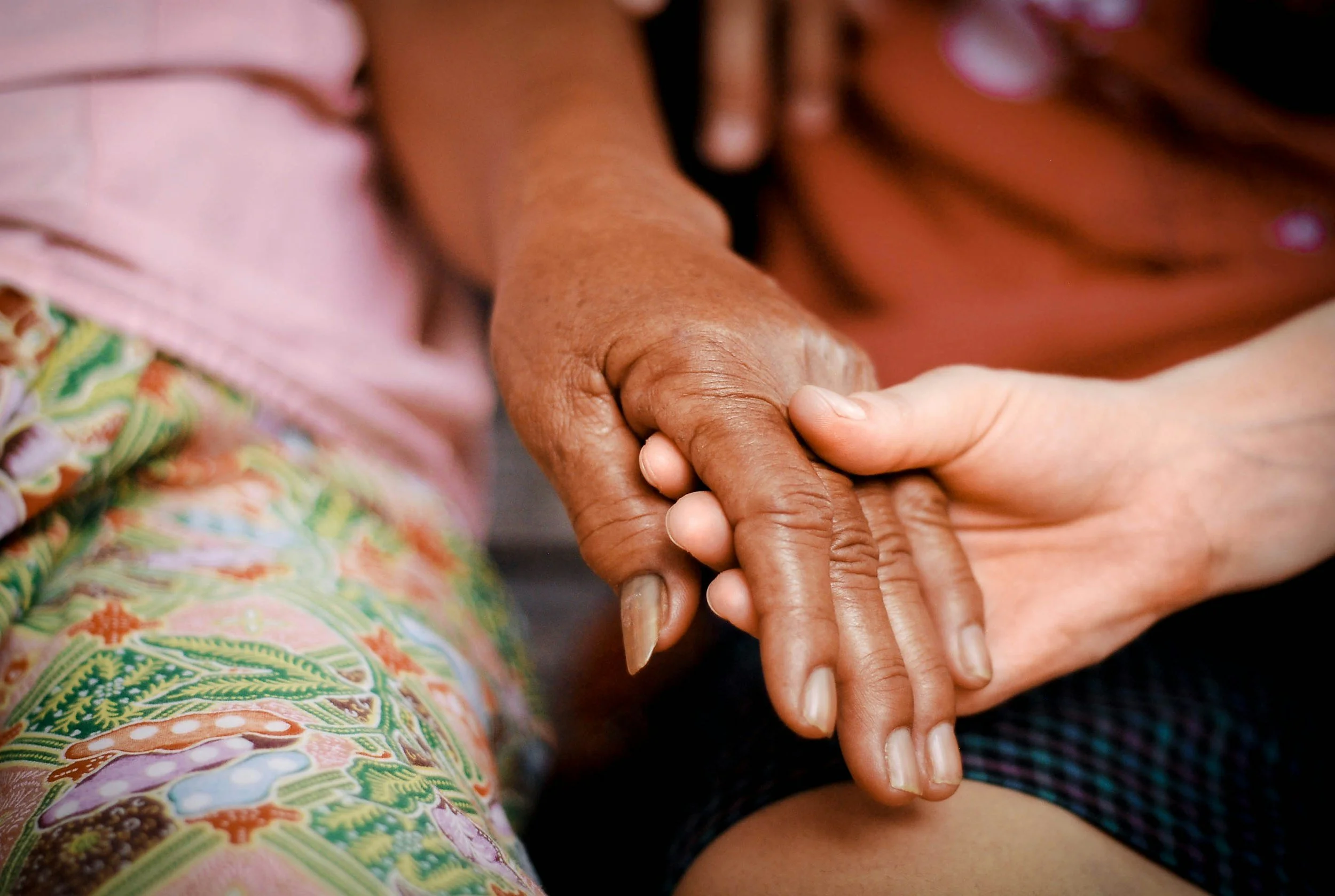
Showing Compassion
Students listen to the story of Ryan White, then work with a partner to complete a Compassion and Dignity word map before writing a first-person story from either the perspective of a student with a serious illness or a compassionate friend.

What is Support
Students will write their own definition of support, then collaborate in small groups and a gallery walk to build a shared class vision of what supportive behavior looks like — which gets posted in the room as an ongoing reference.

Examining Identity and Assimilation
Students read Mitali Perkins's essay "Magic Carpet" about cultural assimilation, then discuss questions about hiding parts of one's identity before writing privately about a time they (or someone they observed) concealed a cultural trait — or composing a story, song, or poem saying goodbye to a part of themselves they sometimes disown.
Girls vs. Boys
Students examine and challenge gender stereotypes by analyzing outdated messages and creating modern comics that promote gender equality.
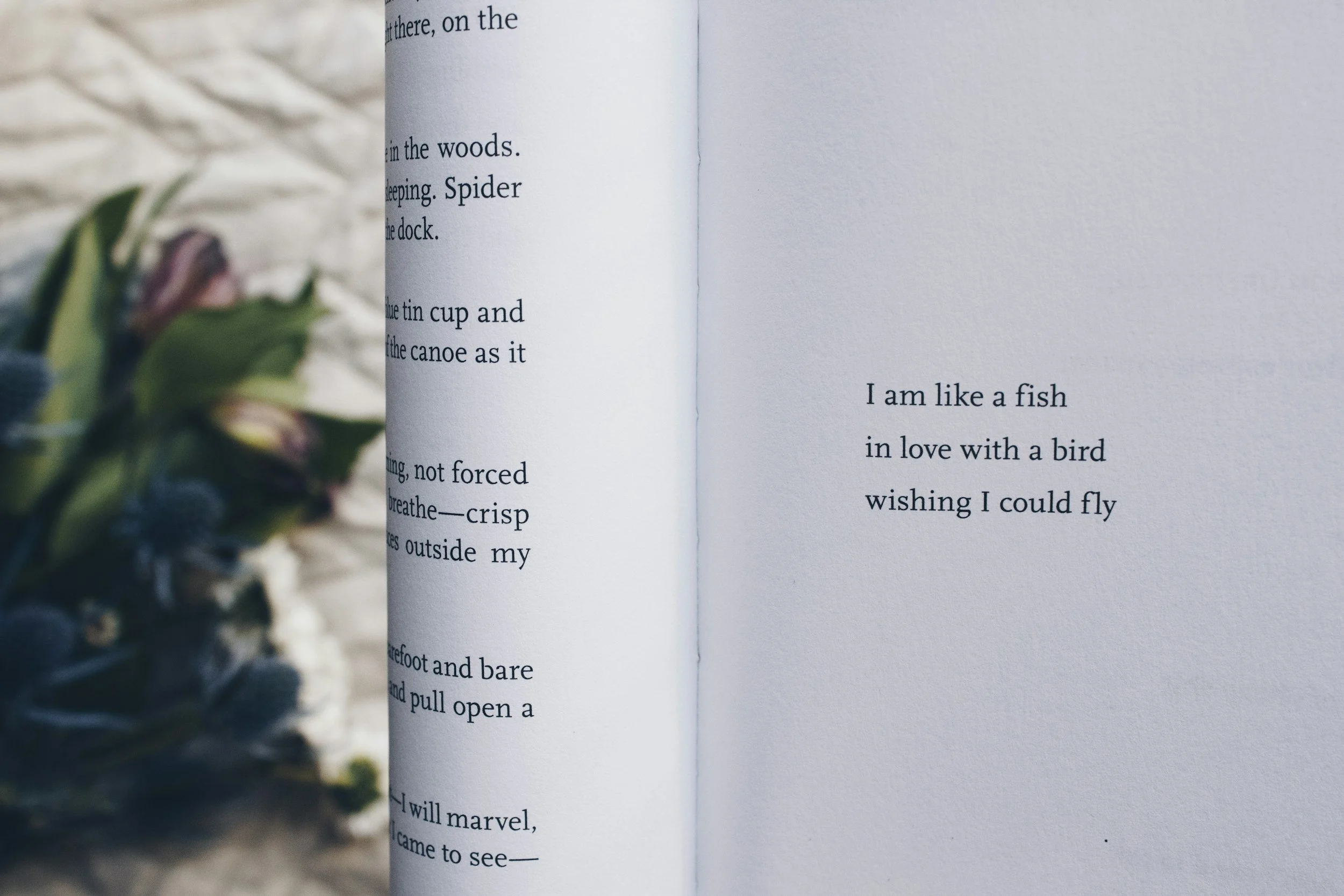
My People Poem
Students reflect on their identity and heritage by writing personal poems inspired by Langston Hughes’ My People.

World Changers
After listening to "The Dark and the Light" story, each student designs a poster presenting their own idea to make the world better — including a step-by-step plan — then presents it in a class exhibition where judges and peers vote on their favorites.
How We View Others
Using IMAGINIFF game cards, students select which of six descriptors best fits each important person in their life (a parent, coach, friend, etc.) and write it down — including at least one card about themselves — then share their descriptions and discuss whether they tend to view the people in their lives through a positive or negative lens.
What is Happy?
Students reflect on what happiness means to them individually and collectively, then collaborate to create a shared classroom vision of happiness.
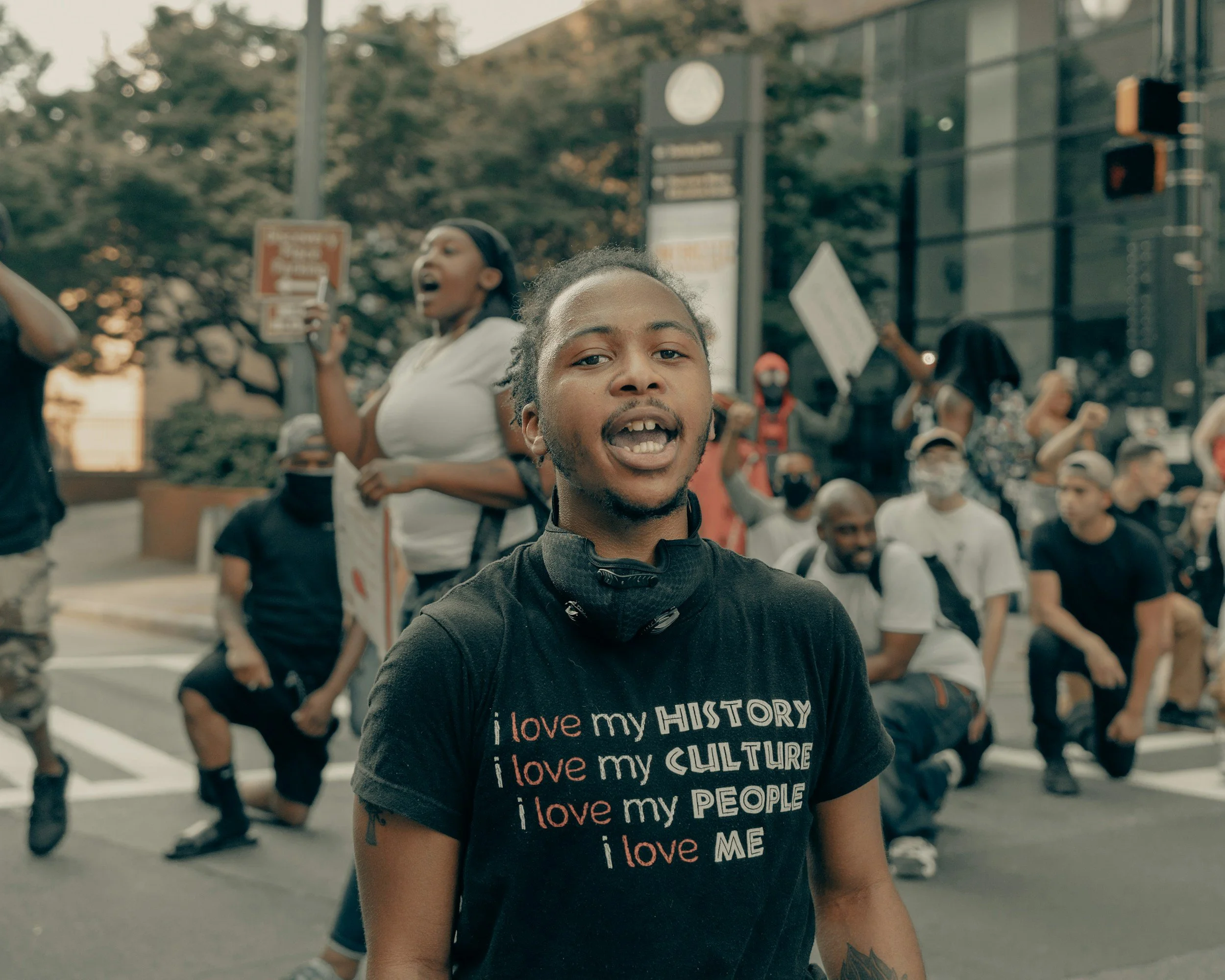
Celebrating Black History & Creating Black Futures (We Do It For The Culture)
Students explore the concept of “freedom dreaming” by reflecting on Black history and envisioning a future shaped by justice, creativity, and collective joy.
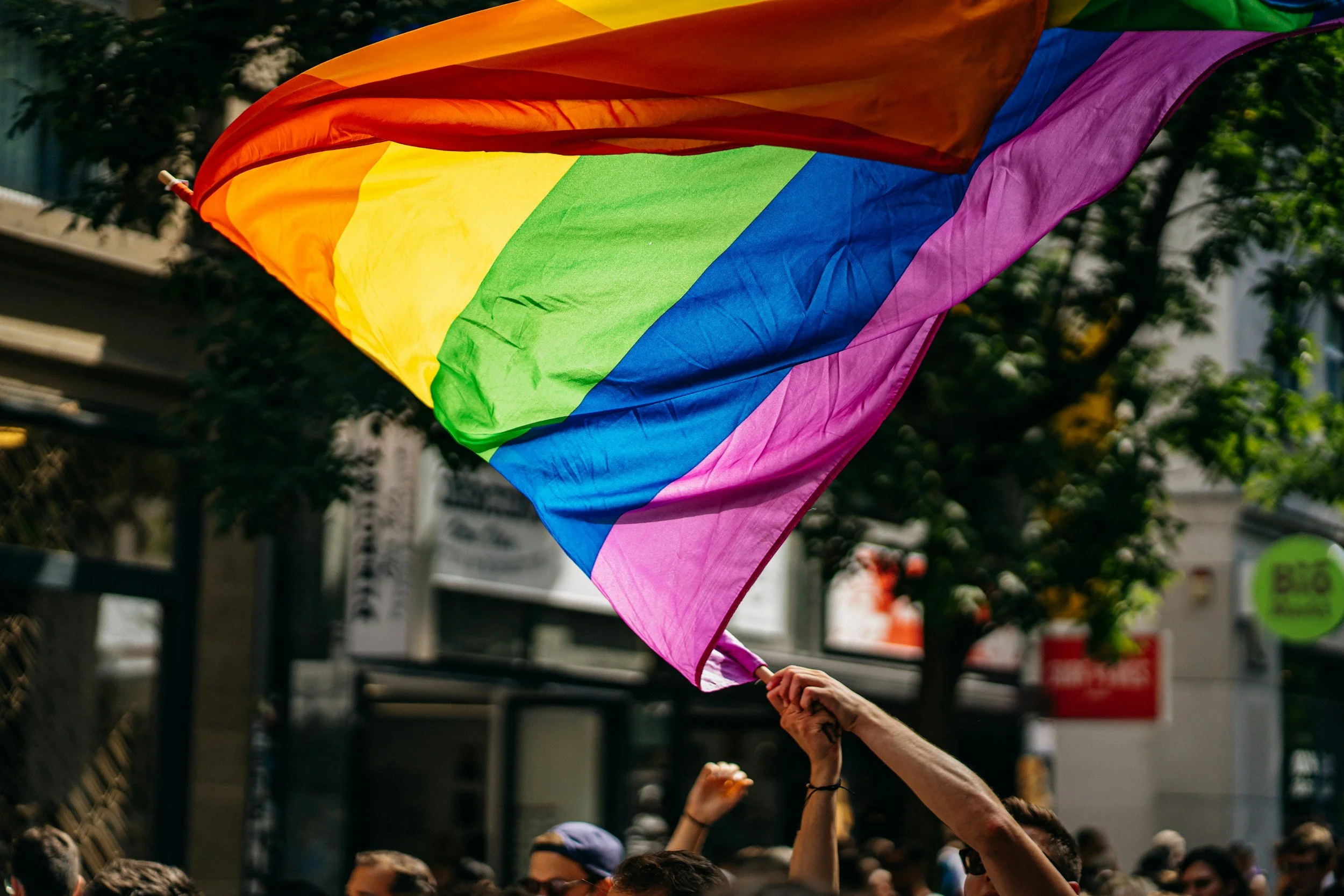
What’s so bad about “That’s so gay”? (Learning For Justice)
Almost every teacher has heard students use the expression, “that’s so gay” as a way of putting down or insulting someone (or to describe something). These lessons will help students examine how inappropriate language can hurt, and will help them think of ways to end this kind of name-calling.