
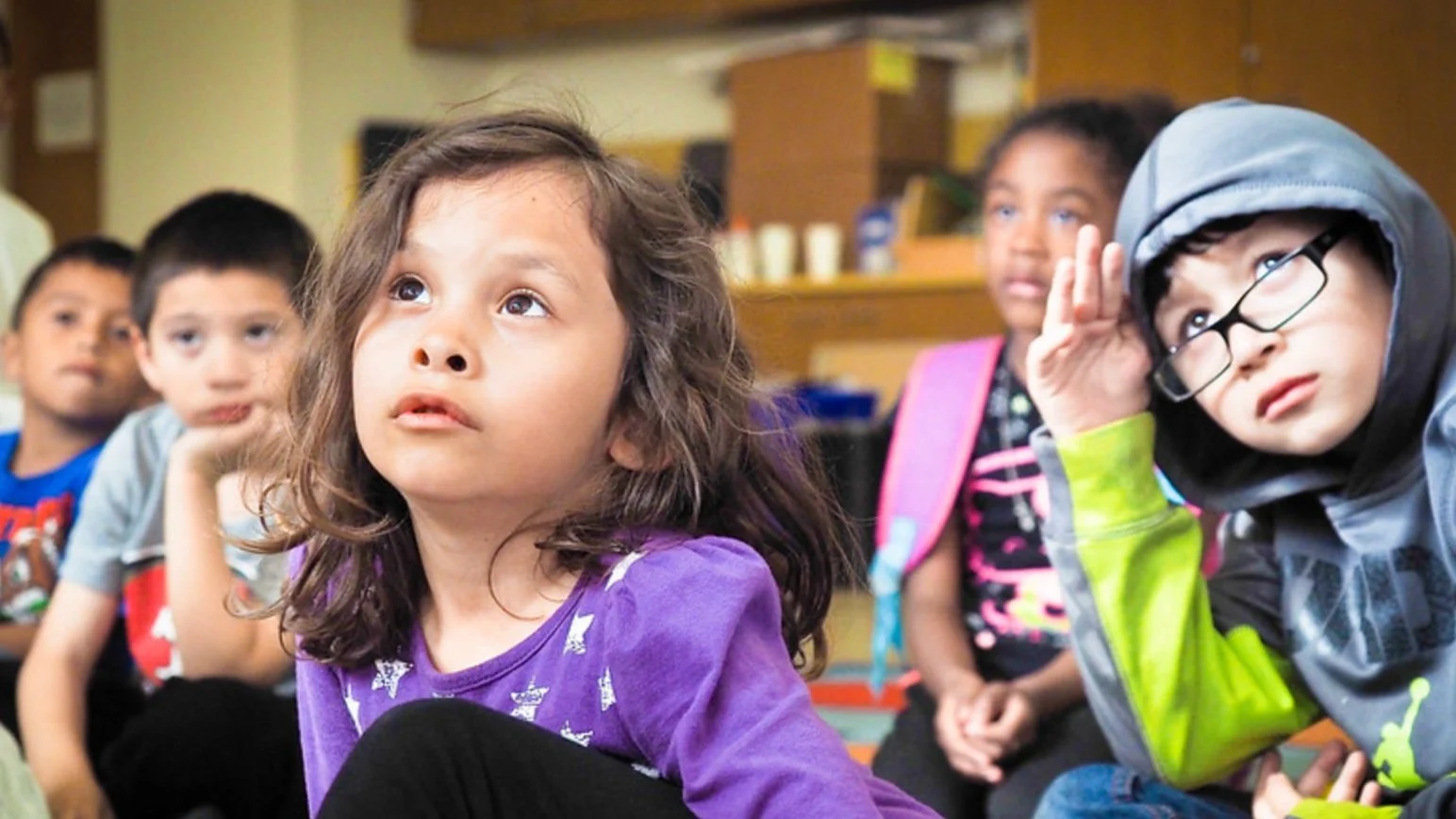
Second - Third Grade
Developmental Characteristics
Physical
Enthusiastic about games
Experiencing improvement in both gross and fine motor skills
Possess a high activity level
Practice to master variations of movement for physical activities
Enjoy games that allow for comparison of skills
Enjoy games that allow for self-f-improvement
Social Emotional
Have a strong drive toward independence
Develop a strong sense of loyalty to friends
Need to belong to a group
Play with and are friends with same-sex peers
Like to take on responsibility
Live in a world of games, rituals and humor inhabited only by children
Like to have a best friend
Have a rigid sense of right and wrong
Need help accepting peers who are different or left out of a group
Cognitive
Like to talk; use language to express feelings/tell stories
Developing a sense of time
Enjoy collecting things
Enjoy problem-solving games like treasure hunts
Can plan and carry out projects with adult support
Becoming more self-directed in activities
Better able to understand and appreciate differences of opinion


SMART Goal Sort and Set
Students will distinguish specific, reachable goals from vague ones, write one SMART goal, and identify the first action step.

Mirror Mirror: I Am Statements
Students will create and say aloud two positive "I am" statements about themselves and practice using them when they feel unsure.
Thinking Caps: Helpful Thoughts
Students will tell the difference between helpful and unhelpful thoughts and practice replacing an unhelpful thought with a helpful one.

The Success Iceberg
Students will explain that visible success is built on unseen effort, mistakes and practice, and identify the "below the surface" work behind one of their own accomplishments.

My Elastic Brain
Students will explain in simple words that practice makes the brain stronger, and identify one thing they got better at through practice.
Bucket Fillers: Strength Notes
Students will recognize and name specific strengths in classmates, give and receive strength notes, and reflect on how recognition affects confidence.
Flip the Script: Thought Comics
Students will sort helpful and unhelpful thoughts, then create a three-panel comic that shows a challenge, a flipped thought, and a confident action.
Try, Try, Try Again: 3-Try Drawing
Students will experience that trying again leads to improvement, notice their own progress, and describe how it feels to keep trying.
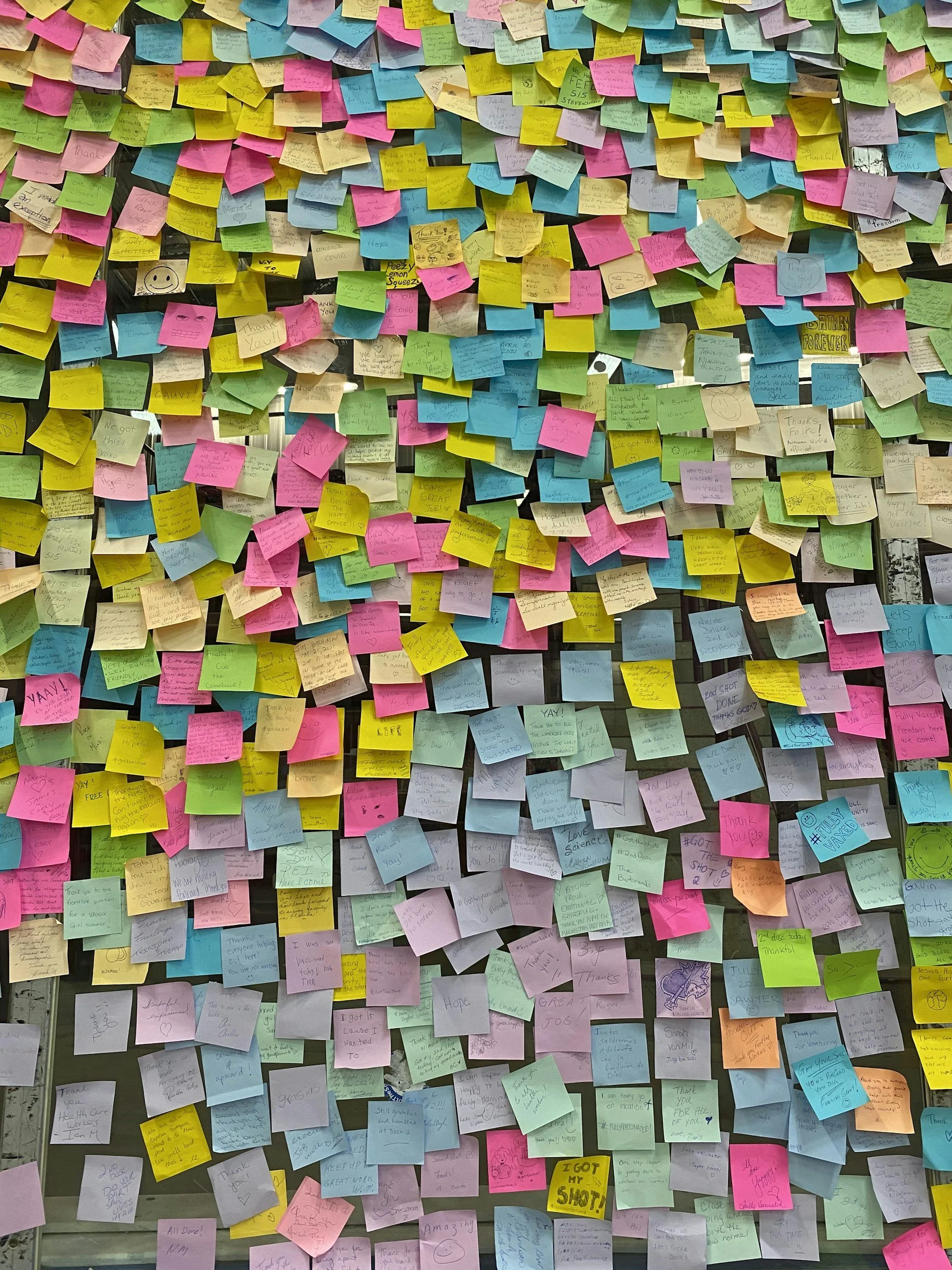
The Power of Yet Wall
Students will name a skill they have not mastered yet, make a short practice plan, and start a simple habit tracker to build confidence through visible progress.

Strengths Detective
Students will identify their top three character strengths from a kid-friendly list, give evidence for each, and explain how a strength helps them and others.

Confidence Comic: My Brave Moment
Students will recall a time they acted with courage, identify the self-talk that helped, and retell the moment as a short comic to strengthen their confident identity.

Proud Pockets
Students will identify what it means to feel proud, name one thing they did that made them feel proud, and share it with confidence.
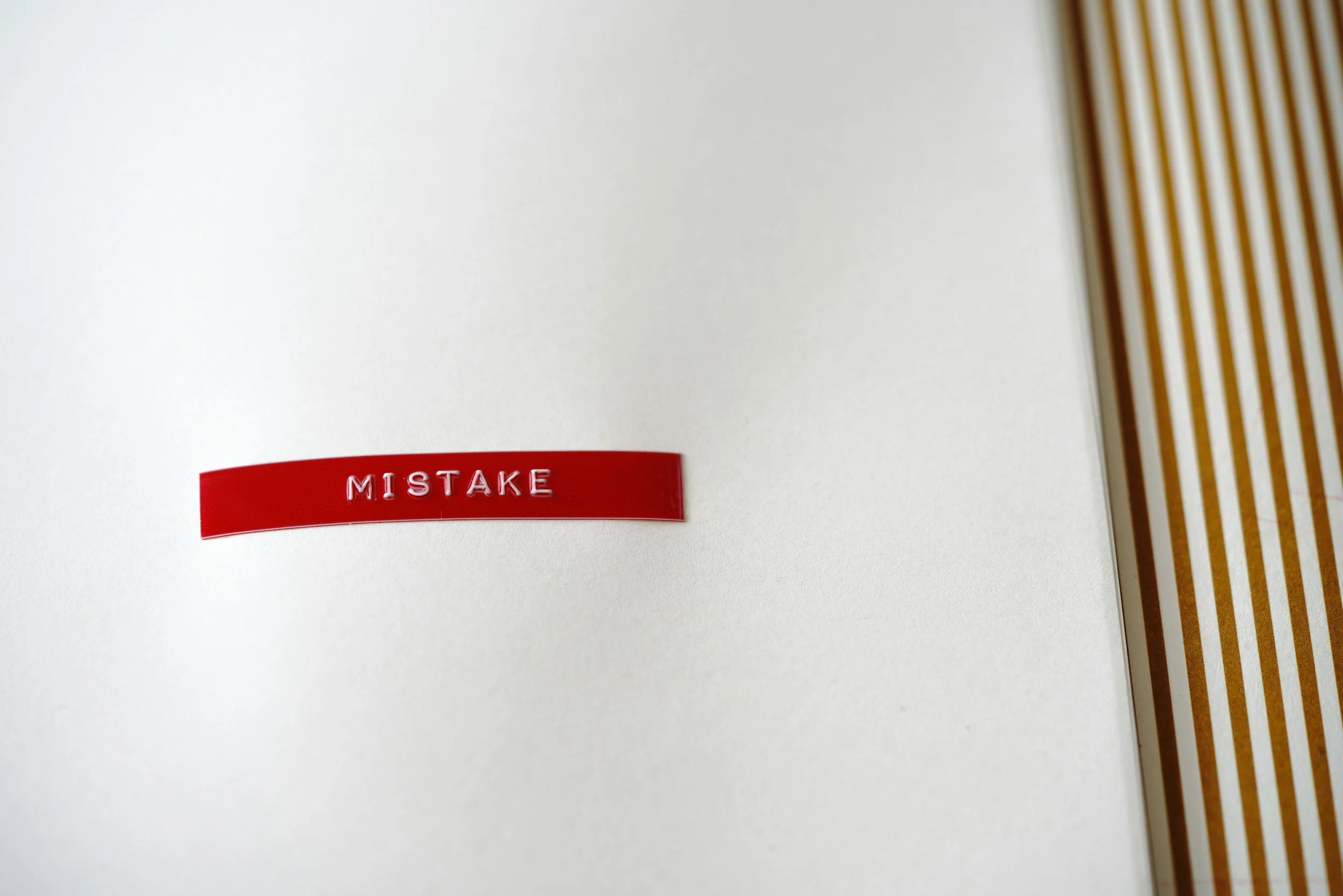
Mistake Of The Week
Students will share a mistake and what it taught them, reframe mistakes as evidence of courage and learning, and contribute to a class Mistake Celebration board.

Brave Steps
Students will identify what being brave means, share a brave thing they did, and choose one small brave step to try.
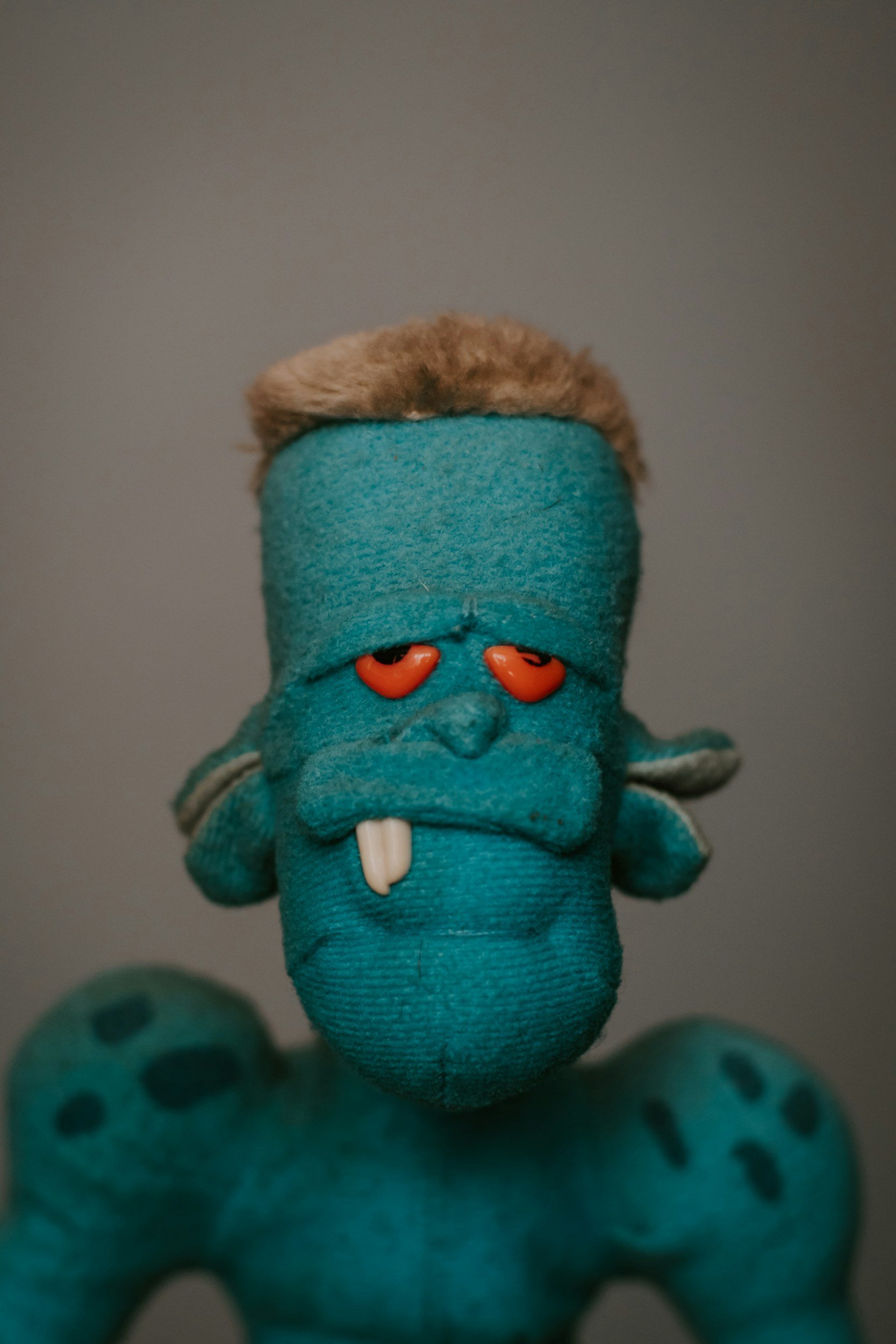
Mistake Monsters
Students will understand that mistakes are a normal part of learning, name a mistake they made and what they learned, and practice a class response that makes mistakes feel safe.

Goal Garden
Students will set one small, specific goal and name one step they can take toward it, connecting confidence to trying and growing.

Strength Badges
Students will name a strength they see in a classmate and receive a strength badge from a classmate, building confidence through peer recognition.
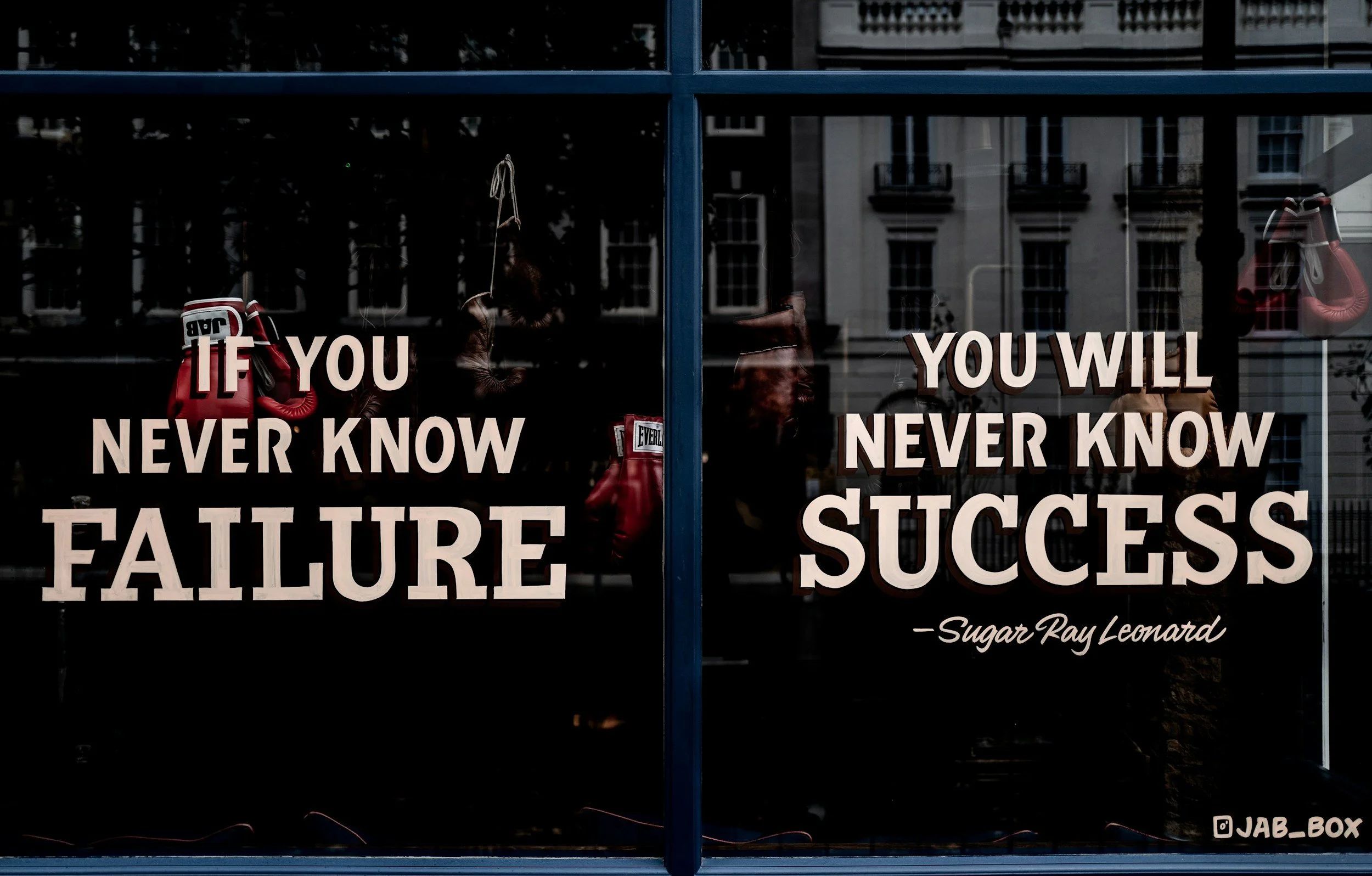
Famous Failures, Future Wins
Students will learn about people who failed before succeeding, connect setbacks to persistence, and write their own "I haven't ___ yet" story with a next step.
My Name, My Story
Students will explore the story and meaning of their name as part of their identity, and share one thing about their name with pride.

Not Yet! Flipping Thoughts and Growing Confidence
Students will identify unhelpful self-talk ("I can't," "I'm bad at this") and flip it into helpful, growth-minded self-talk. Students will connect confidence to practice and effort by making a short, specific practice plan for one skill they want to improve.