
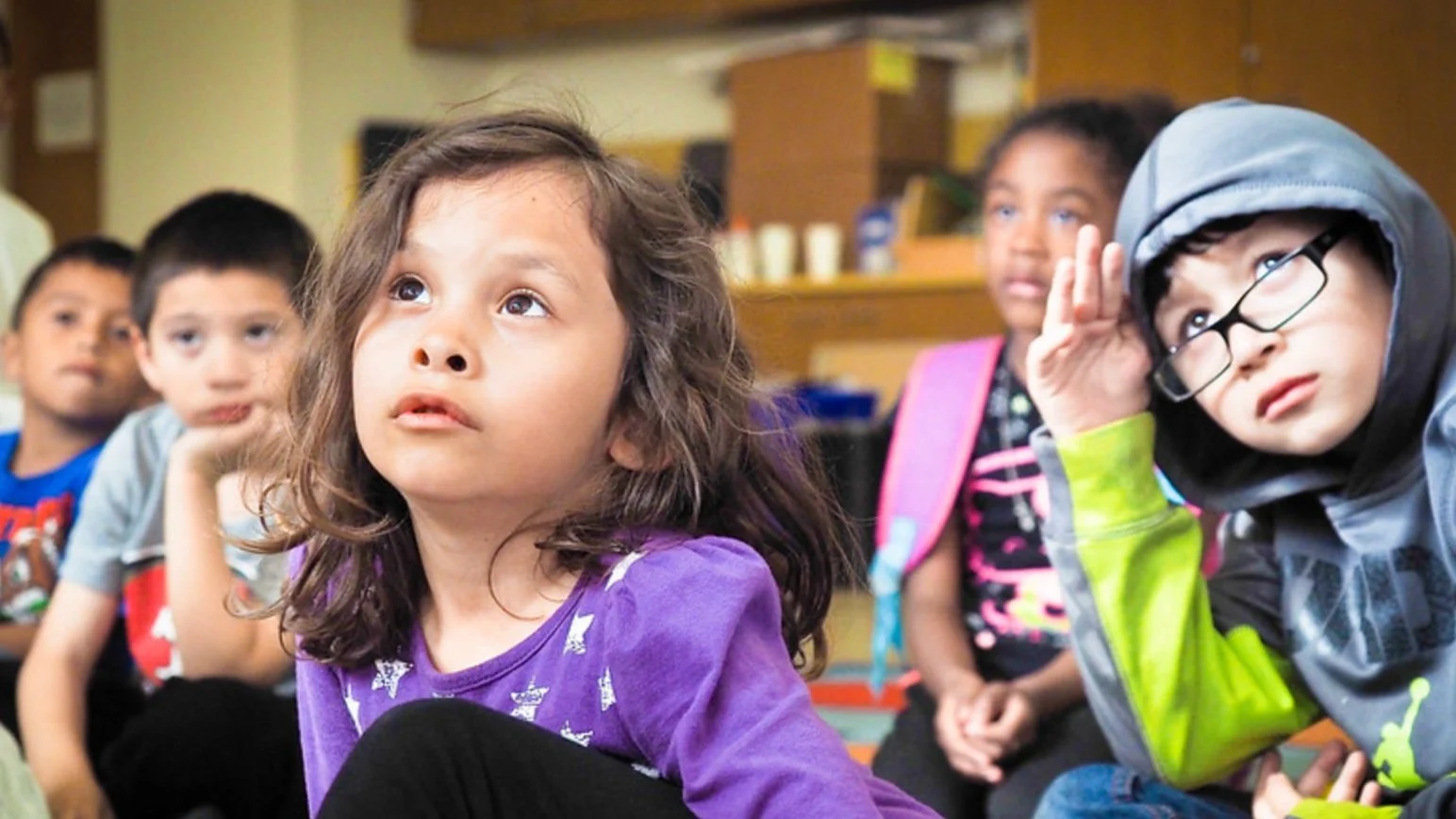
Second - Third Grade
Developmental Characteristics
Physical
Enthusiastic about games
Experiencing improvement in both gross and fine motor skills
Possess a high activity level
Practice to master variations of movement for physical activities
Enjoy games that allow for comparison of skills
Enjoy games that allow for self-f-improvement
Social Emotional
Have a strong drive toward independence
Develop a strong sense of loyalty to friends
Need to belong to a group
Play with and are friends with same-sex peers
Like to take on responsibility
Live in a world of games, rituals and humor inhabited only by children
Like to have a best friend
Have a rigid sense of right and wrong
Need help accepting peers who are different or left out of a group
Cognitive
Like to talk; use language to express feelings/tell stories
Developing a sense of time
Enjoy collecting things
Enjoy problem-solving games like treasure hunts
Can plan and carry out projects with adult support
Becoming more self-directed in activities
Better able to understand and appreciate differences of opinion


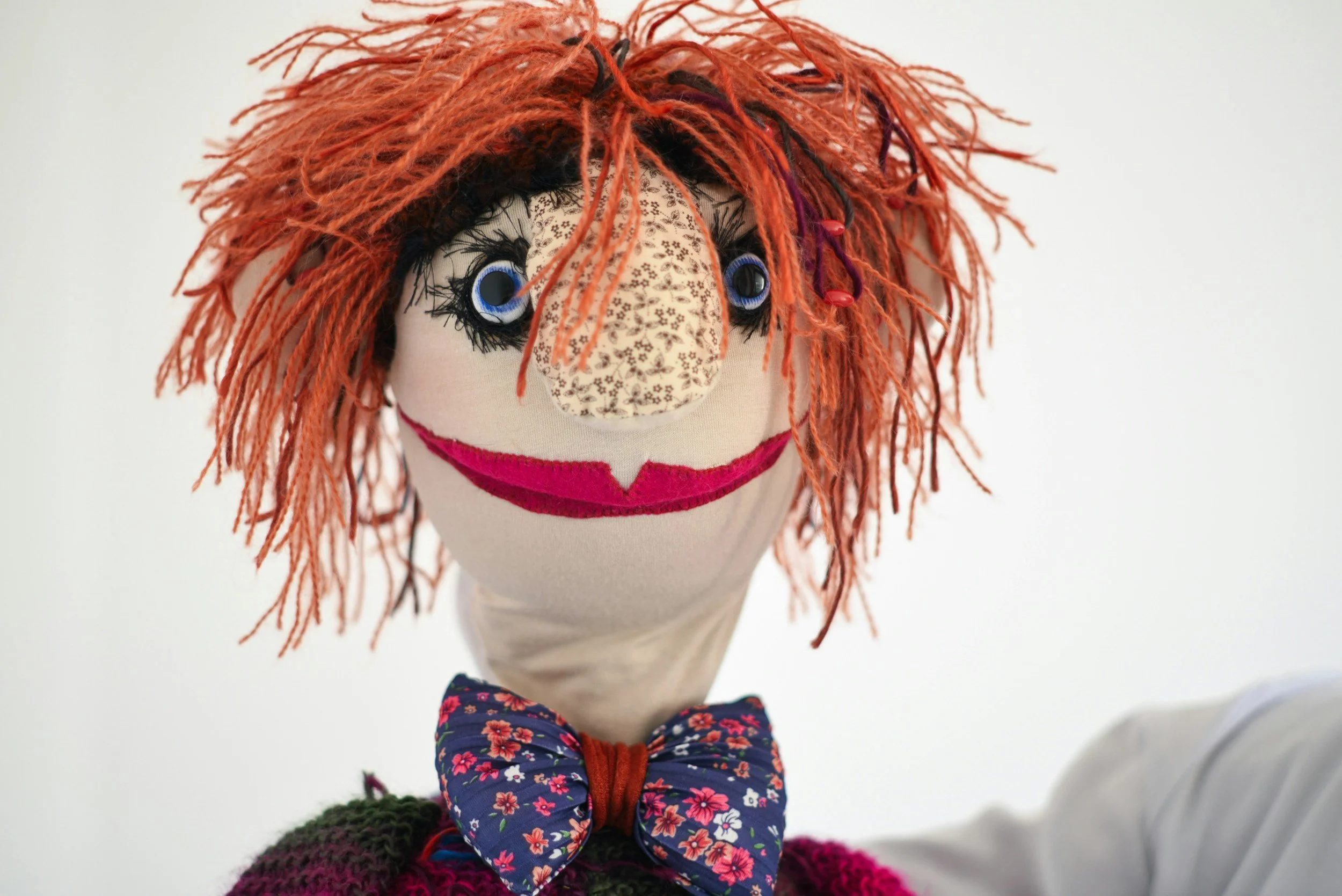
Puppet Show Pt. 2: Restorative Problem-Solving and Presentation
Students play "No, No, No," showing how stories shift when retold, then finish and perform their sock-puppet skit about a friend left out of a group chat, using assigned roles to practice restorative conflict resolution.
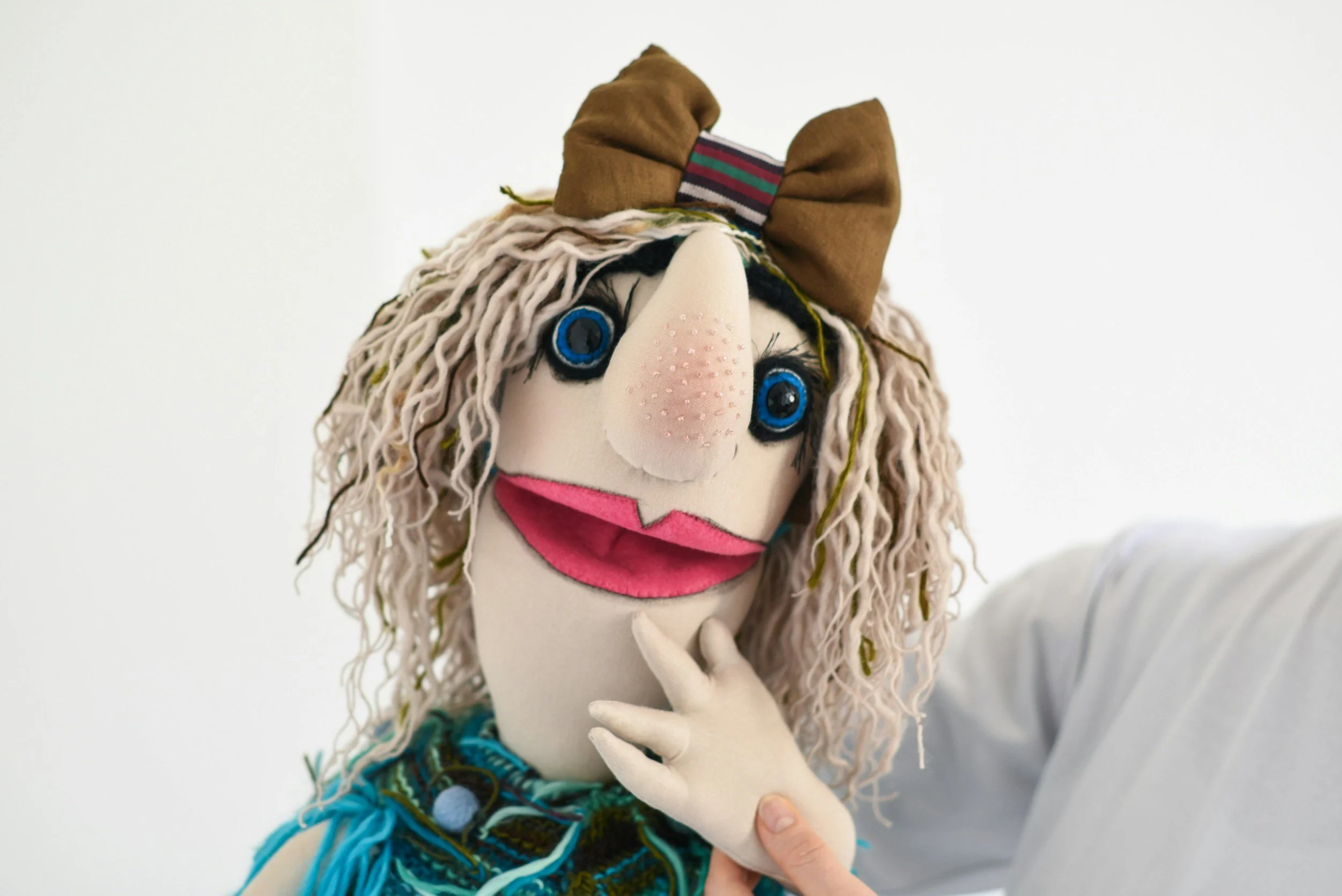
Puppet Show: Empathy and Restorative Problem-Solving
Students explore differing perspectives in "A What?," then build paper-bag puppets to act out a peer-conflict skit about being left out of a group chat. Assigned roles guide them through restorative problem-solving and empathy during disagreements.

Humanizing Each Other: Getting to Know Peers and Teachers
Students play "12 Questions Bingo," asking peers questions and recalling their answers, then write and submit questions for their ROCK teachers to answer as a class, reinforcing that everyone has their own life outside school.

Turning Red: Accountability and Family Empathy
Students practice reading emotions in "Emotions Charades," then watch the final Turning Red clips on family support and mutual accountability. They complete an "Accountability Rewind" worksheet, reflecting on a moment they wish they'd handled better.

Turning Red: Empathy for the Ones We Love Most
Students build trust in "Sleeping Dragons," a blindfolded partner-guiding game, then watch Turning Red clips on Mei Mei's self-acceptance and unintentional harm to loved ones, sketching or making comics as they reflect on intent vs. impact.
Roots and Fruits: Empathy, Teamwork, and Growth
Students see how differing experiences shape opinions through a modeled disagreement, then build teamwork in "Crossing the River." They close by identifying strengths (roots) and growth areas (fruits), planting them on a class community tree.

Week 2: Intent vs. Impact: Taking Accountability in The Lorax
Students play "Aim & Miss," a game showing how obstacles turn good intentions into unintended messes, then connect it to the Once-ler's ambition harming Thneedville. They continue The Lorax clips and comics, reflecting on accountability and self-interest.

Week 1: The Lorax: Speaking up for others and the world
Students discuss the kind of world they want to live in, then build a collaborative pipe-cleaner class garden. They watch clips from Dr. Seuss' The Lorax and create a comic strip reflecting on selfishness, empathy, and caring for others and the environment, closing with a group discussion on why that care matters.

Week 6: Point of View
Students play This or That by choosing between picture pairs displayed on the board, then listen to general descriptions of everyday items (a pizza, a pet, a family, a toy, a dessert) and draw their own interpretation of each — sharing their drawings with the class to discover how everyone pictured the same words differently.
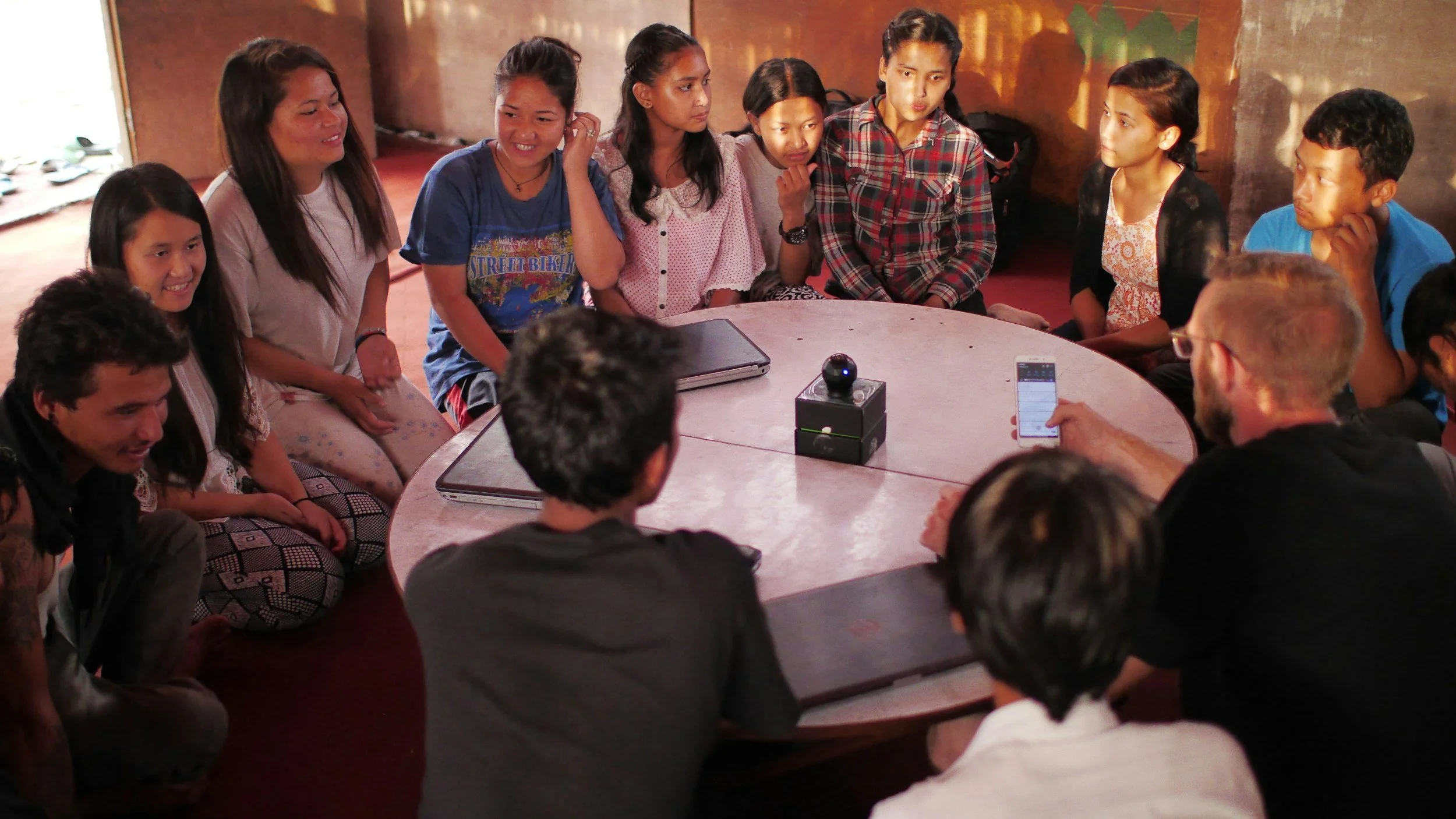
Week 7: Understanding Community
Students play Just Like Me (standing and doing a silly dance when a teacher-called attribute applies to them) across 5 rounds of shared traits. Then each student picks a kindness phrase, paints and decorates a rock with it, and places it in the class community garden.

Week 5: Bodies are cool (TK-2)
Students play Head, Shoulders, Knees, and Toes with 2-3 volunteers leading the class at different speeds, then listen to a read-aloud of Bodies Are Cool by Tyler Feder, draw 1-2 bodies from the book with an explanation of why they're cool, and finish with Strike a Pose — each student gets a 5-second runway walk or dance move in front of the class to a class-chosen song.
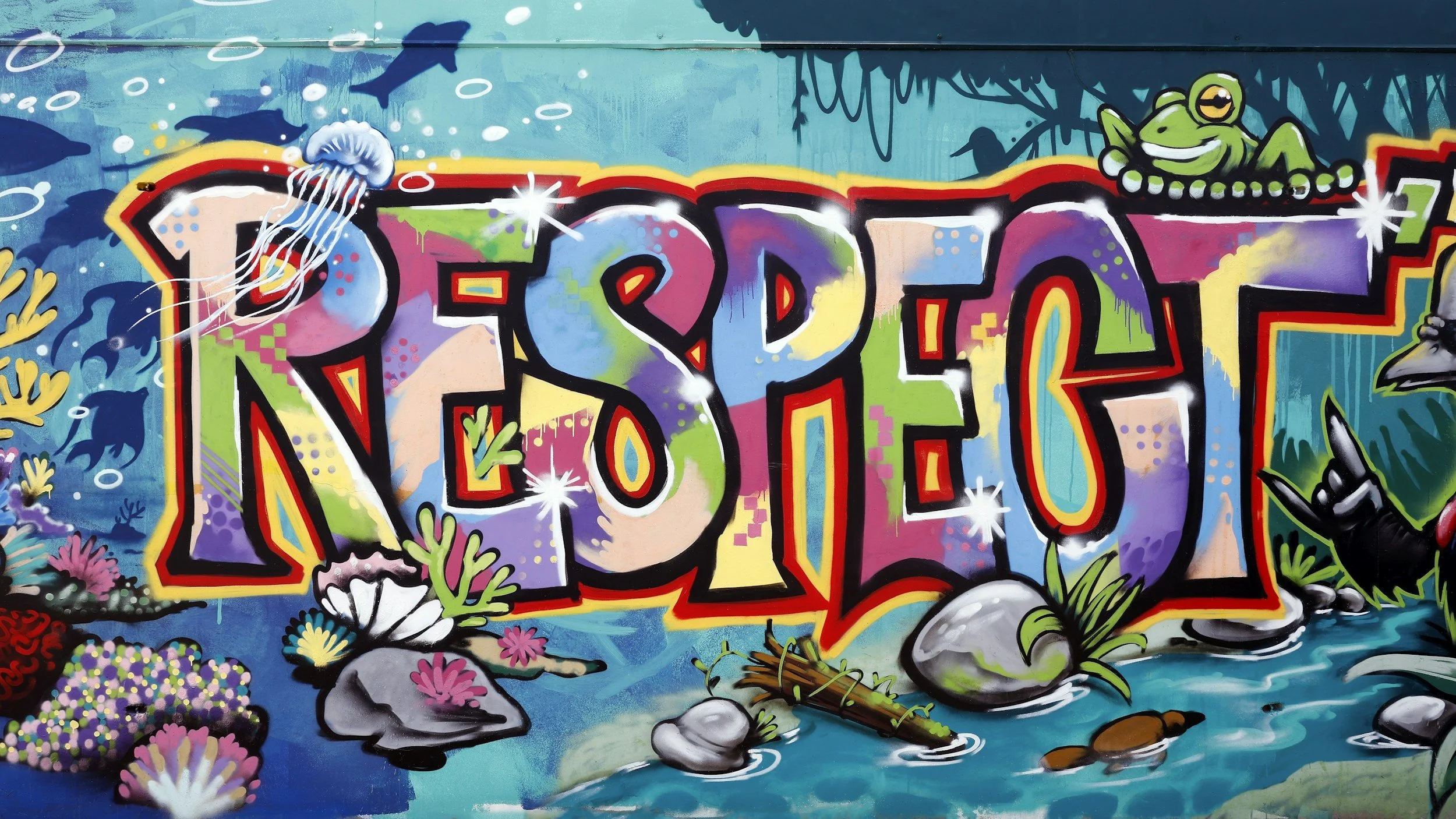
Week 4: Boundaries & Respect (TK-2)
Students play Listen and Learn in pairs — counting 1, 2, 3 back and forth while progressively replacing numbers with claps, stomps, and snaps across 5 rounds — then watch and sing along to "The Boundaries Song" before listening to a read-aloud of Don't Hug Doug (He Doesn't Like It) and discussing what boundaries are and why they matter.

Week 3: Displaying emotions (TK-2)
Students sing a modified "If You're Happy and You Know It" with verses for happy, mad, sad, and excited — acting out each emotion with their face and body — then play Emotions Bingo (1-3 rounds) using the feelings chart to identify emotions called out.

Week 2: Identifying emotions (TK-2)
Students dance to music and freeze while striking the called-out emotion (happy, mad, sad, worried, calm) for 5 rounds, then play Emotions Charades where each student gets 30 seconds to act out a teacher-assigned emotion from the feelings chart while classmates guess.
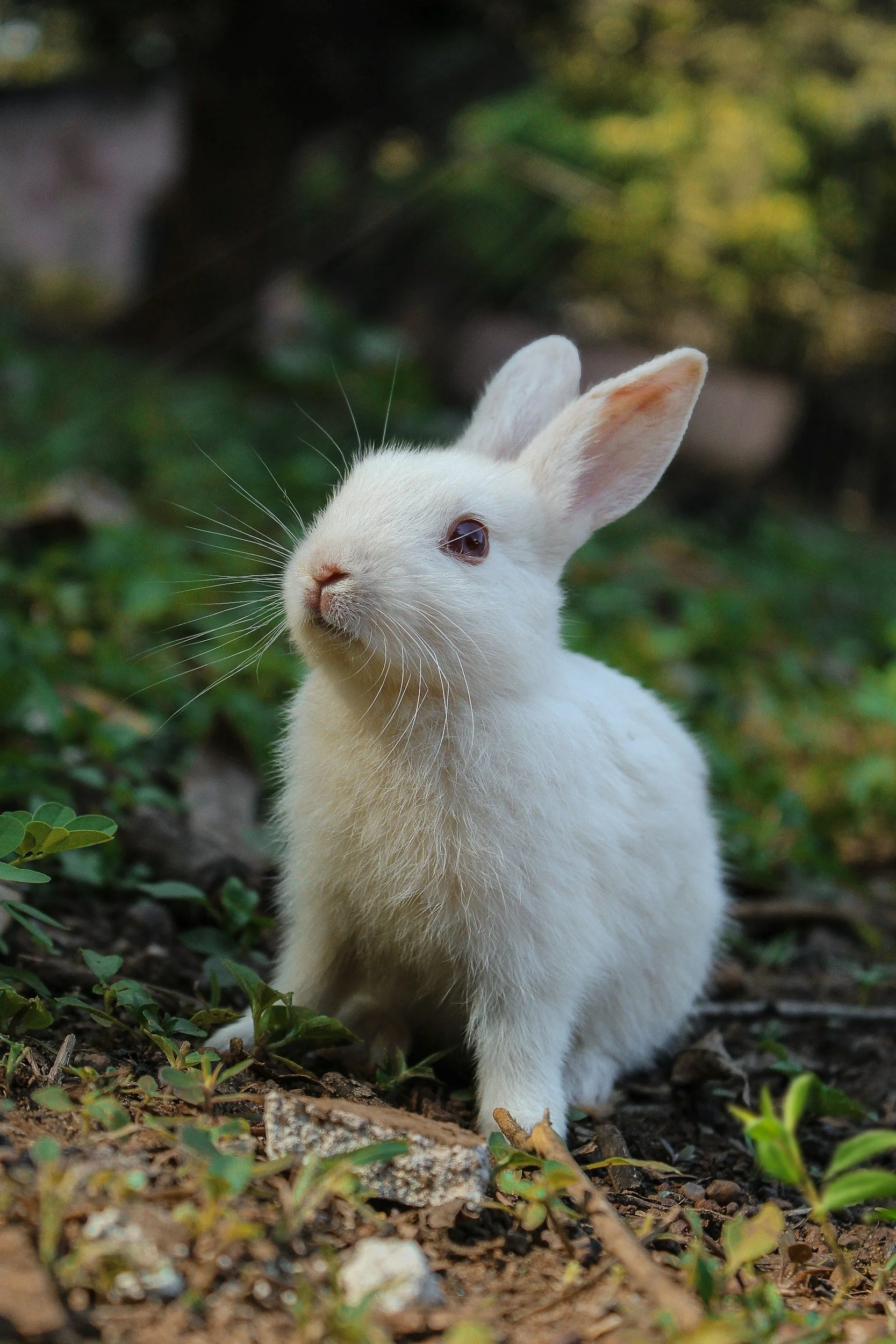
The Rabbit Listened (TK-2)
Students take turns adding one block at a time to build a class structure for the class stuffy, then listen to a read-aloud of The Rabbit Listened by Cori Doerrfeld, and finish by making paper Magic Listening Ears (bunny ears) out of construction paper or a paper plate.
Week 7: Community Empathy (3-5)
Students play Kindness Freeze Dance — dancing freely until the music stops, finding a partner, and performing a called-out kindness action (high five, handshake, smile, or compliment) before the music restarts — then design and decorate a Kindness Coupon promising one specific kind act they'll do for a friend or family member.
Week 7: Community Empathy (TK-2)
Students play Kindness Freeze Dance — dancing freely until the music stops, finding a partner, and performing a called-out kindness action (high five, handshake, smile, or compliment) before the music restarts — then design and decorate a Kindness Coupon promising one specific kind act they'll do for a friend or family member.

Recognizing Empathy (3-5)
Students play Step Forward If — standing in two lines facing each other and stepping forward to high-five when a statement applies to them — then practice the Feelings Signal Game, listening to short scenarios and identifying the emotions involved through class discussion, group talk, acting out, or feelings cards.

Recognizing Empathy (TK-2)
Students toss a ball around the circle, each giving a personalized compliment to the classmate they throw to, then practice the Feelings Signal Game — listening to short scenarios and identifying how the person in each scenario might feel through discussion, acting out, or feelings cards.
Week 4: Caring Actions (3-5)
In small groups, students discuss and act out solutions to scenarios where someone needs help (a forgotten backpack, a sad friend at lunch, a struggling classmate), then complete a Helping Hands worksheet writing or drawing one way they can help a friend and one way they'd like help at school.