
Fourth - Fifth Grade
Developmental Characteristics
Physical
May be careless about their clothes, room and body cleanliness
Girls may have sudden growth spurt and beginning signs of puberty
Enjoy physical activities that master specific skills
Enjoy competitive games
Possess a high activity level
Enjoy games that allow for comparison of skills
Enjoy games that allow for self-improvement
Social Emotional
Enjoy small, peer-dominated group discussions
Like to join organized groups
Are anxious to grow up
Are intensely loyal to their peer group
Form a close one-on-one friendship
Have a growing desire to assert individuality and independence
Can be daring and competitive
Can be critical of peers and adults
Are self-conscious of their abilities
Cognitive
Ask many questions and what thoughtful answers
Can often understand other points of view
Developing strong interests, hobbies, and collections
Enjoy daydreaming
Enjoy problem solving games and puzzles, etc.
Enjoy rule-based games
Are beginning to develop view about social/global issues
Beginning to enjoy humor by telling jokes and understanding sarcasm


SMART Goal Sort and Set
Students will distinguish specific, reachable goals from vague ones, write one SMART goal, and identify the first action step.

The Success Iceberg
Students will explain that visible success is built on unseen effort, mistakes and practice, and identify the "below the surface" work behind one of their own accomplishments.
Bucket Fillers: Strength Notes
Students will recognize and name specific strengths in classmates, give and receive strength notes, and reflect on how recognition affects confidence.
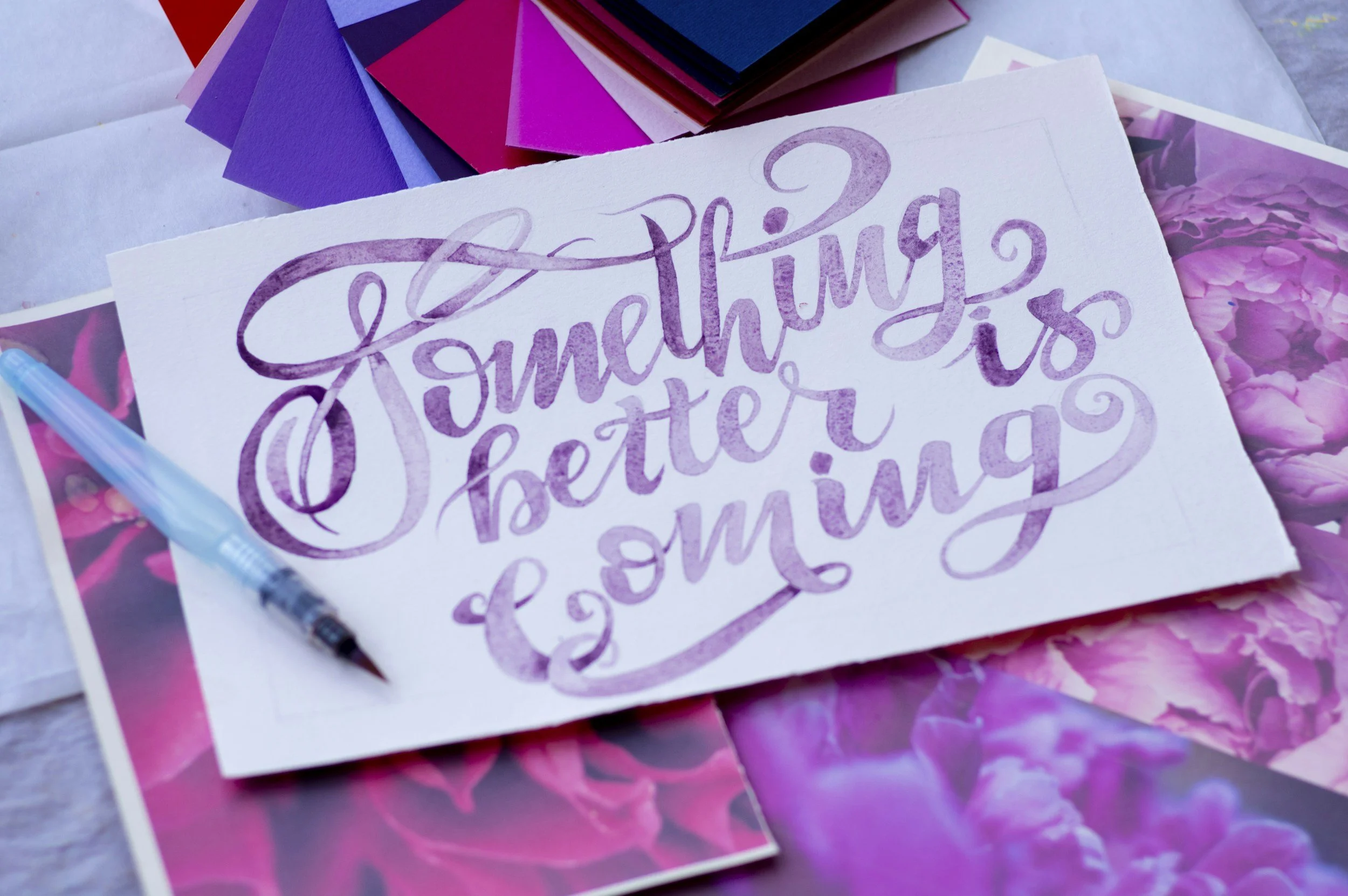
Affirmation Verse
Students will write a four-line affirmation verse in their own voice that names a strength, a challenge, and a commitment, and perform or share it to practice confident self-expression.
Flip the Script: Thought Comics
Students will sort helpful and unhelpful thoughts, then create a three-panel comic that shows a challenge, a flipped thought, and a confident action.

Impostor Syndrome Myth-Busters
Students will define impostor feelings ("I don't belong here," "I just got lucky"), recognize them as common and not facts, and practice evidence-based responses to self-doubt.
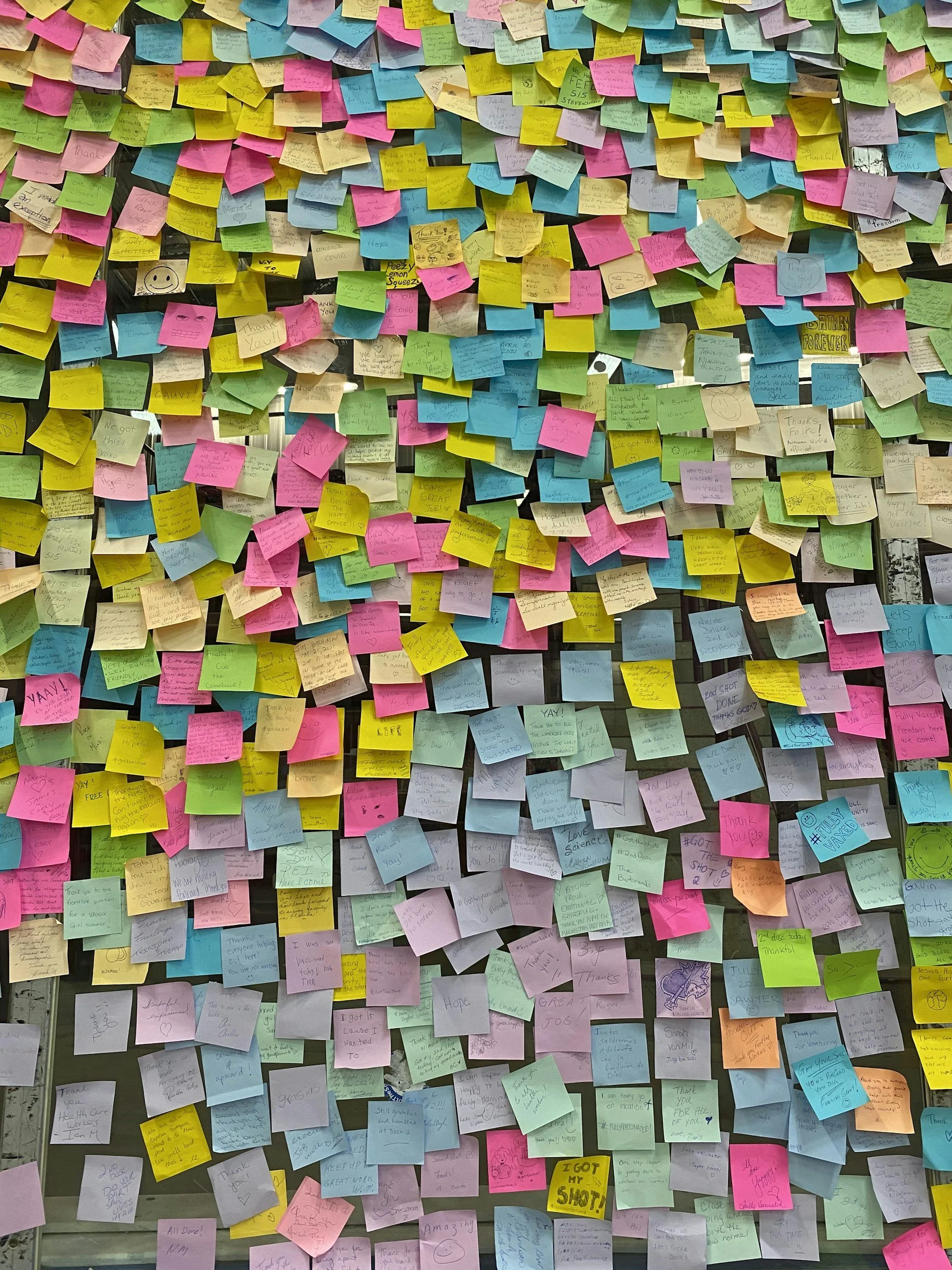
The Power of Yet Wall
Students will name a skill they have not mastered yet, make a short practice plan, and start a simple habit tracker to build confidence through visible progress.

Strengths Detective
Students will identify their top three character strengths from a kid-friendly list, give evidence for each, and explain how a strength helps them and others.

Confidence Comic: My Brave Moment
Students will recall a time they acted with courage, identify the self-talk that helped, and retell the moment as a short comic to strengthen their confident identity.
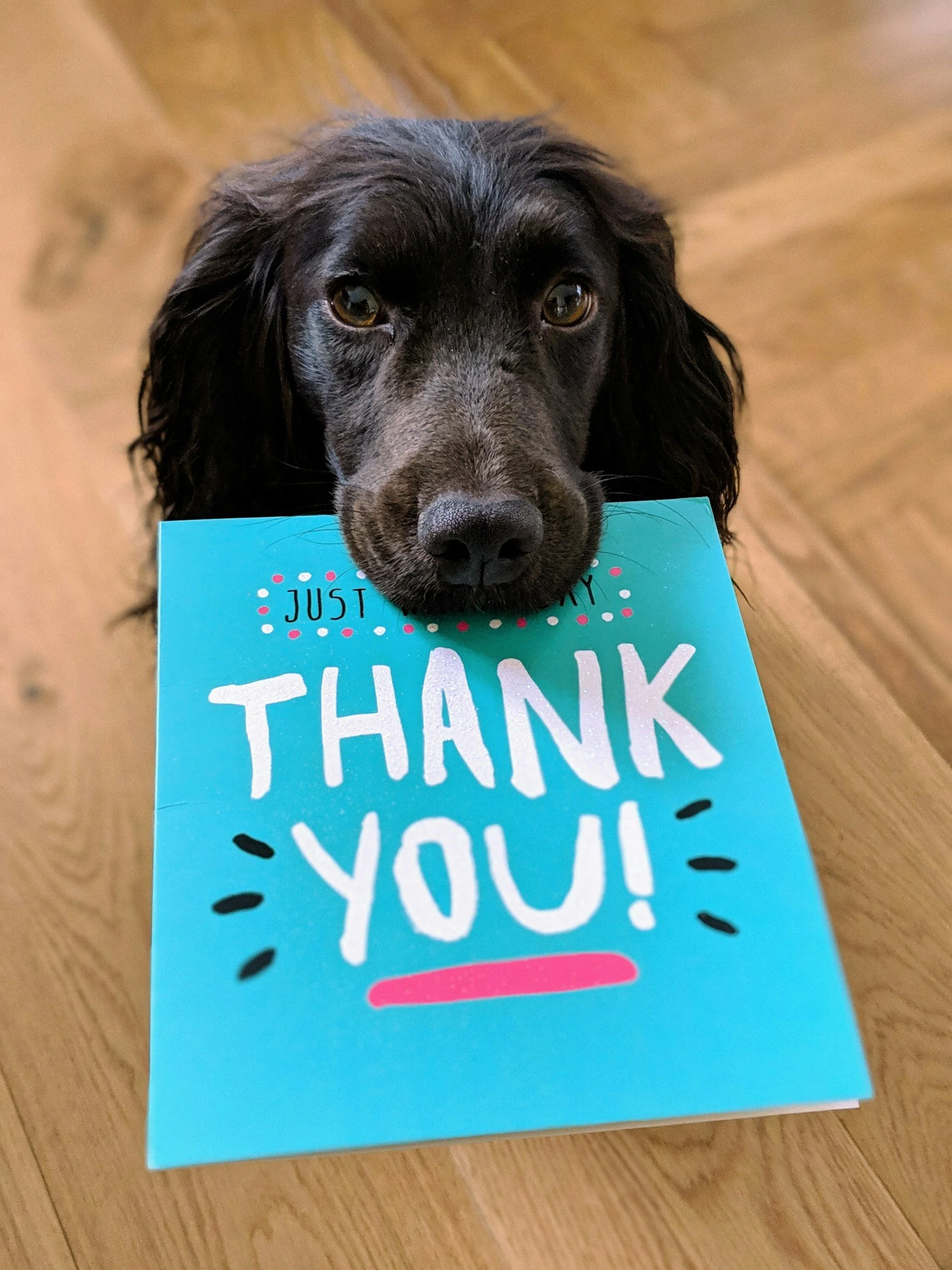
I Wanna Thank Me
Students will practice self-gratitude by writing a short thank-you note to themselves that names specific effort, choices and growth, and reflect on why recognizing your own work builds confidence.
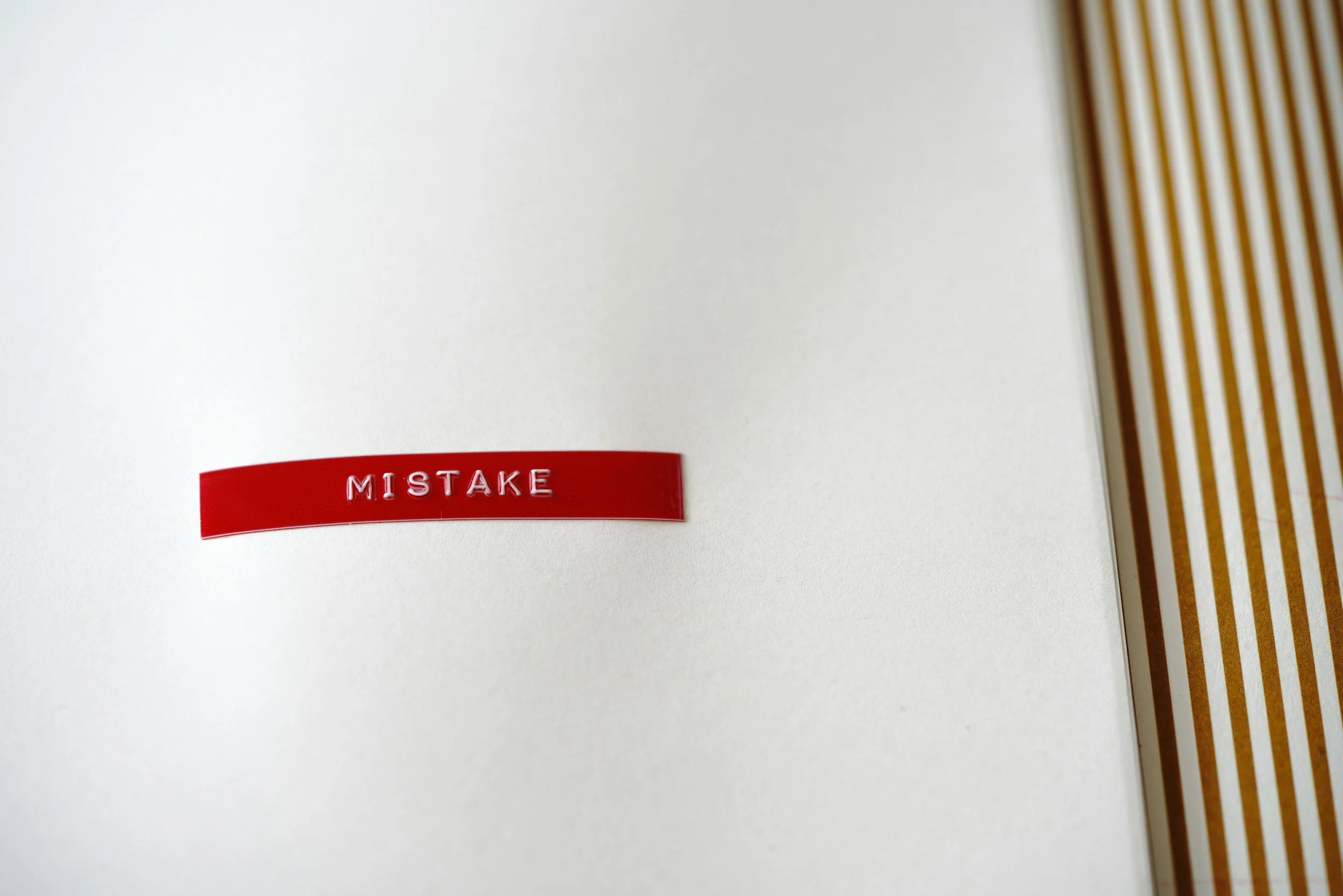
Mistake Of The Week
Students will share a mistake and what it taught them, reframe mistakes as evidence of courage and learning, and contribute to a class Mistake Celebration board.
If-Then Plans: Confidence Through Preparation
Students will set a goal, identify internal and external obstacles, and write an If-Then plan so that confidence comes from being prepared rather than hoping nothing goes wrong.

Seeing The Good In Others
Students will recognize specific strengths in peers, give and receive written recognition, and reflect on how noticing strengths in others and in ourselves builds confidence.
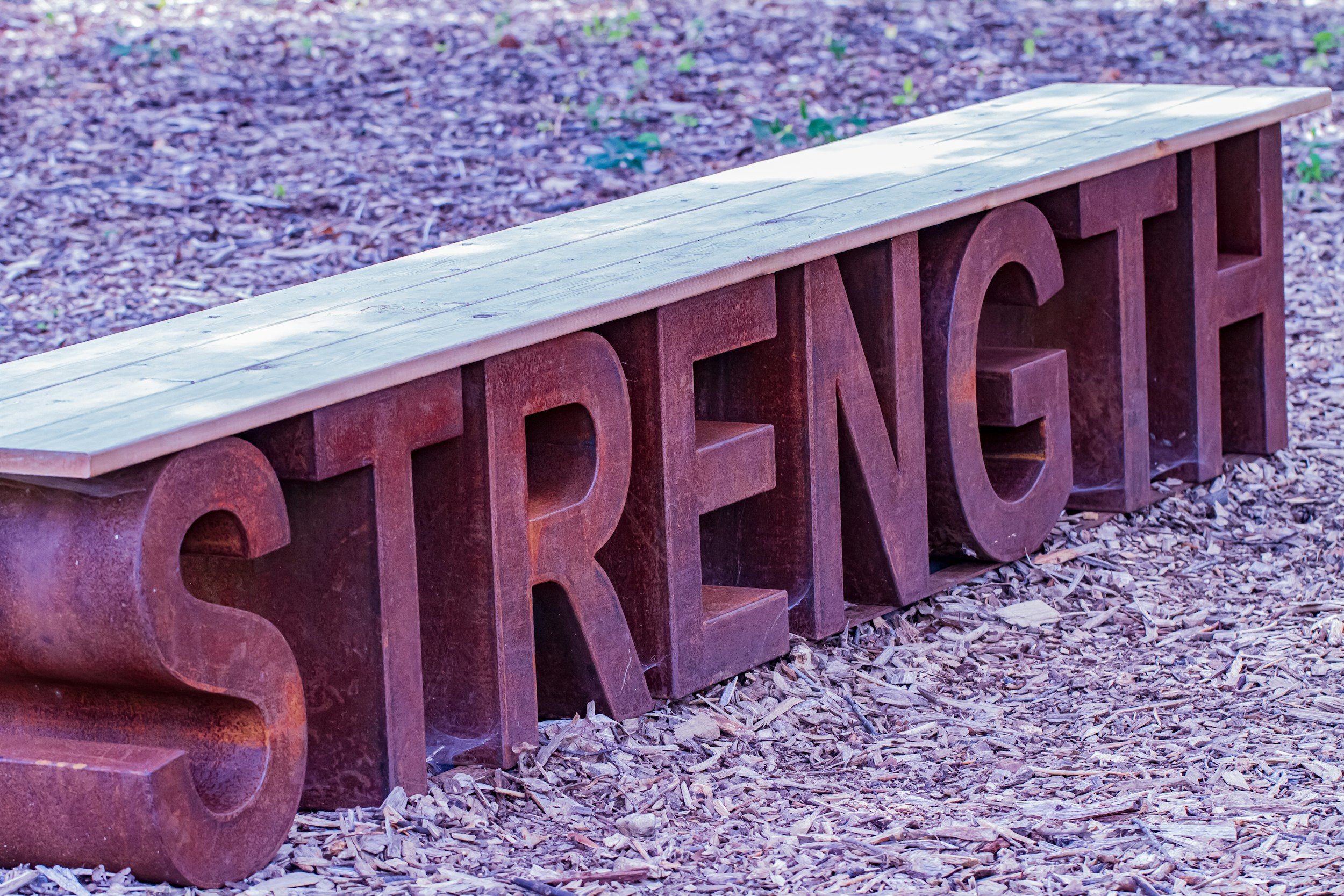
Discover Your Strengths
Students will identify their top character strengths from a strengths word cloud, provide evidence, and design a quick poster showing how they use those strengths.
Rewrite Your Story
Students will retell a personal setback as a story of learning and growth, identifying the strengths they used and how the experience changed them.
Motivation Map
Students will analyze what drives their motivation for a personal goal (expecting success, valuing it, and the cost) and choose one strategy to raise their confidence and motivation.
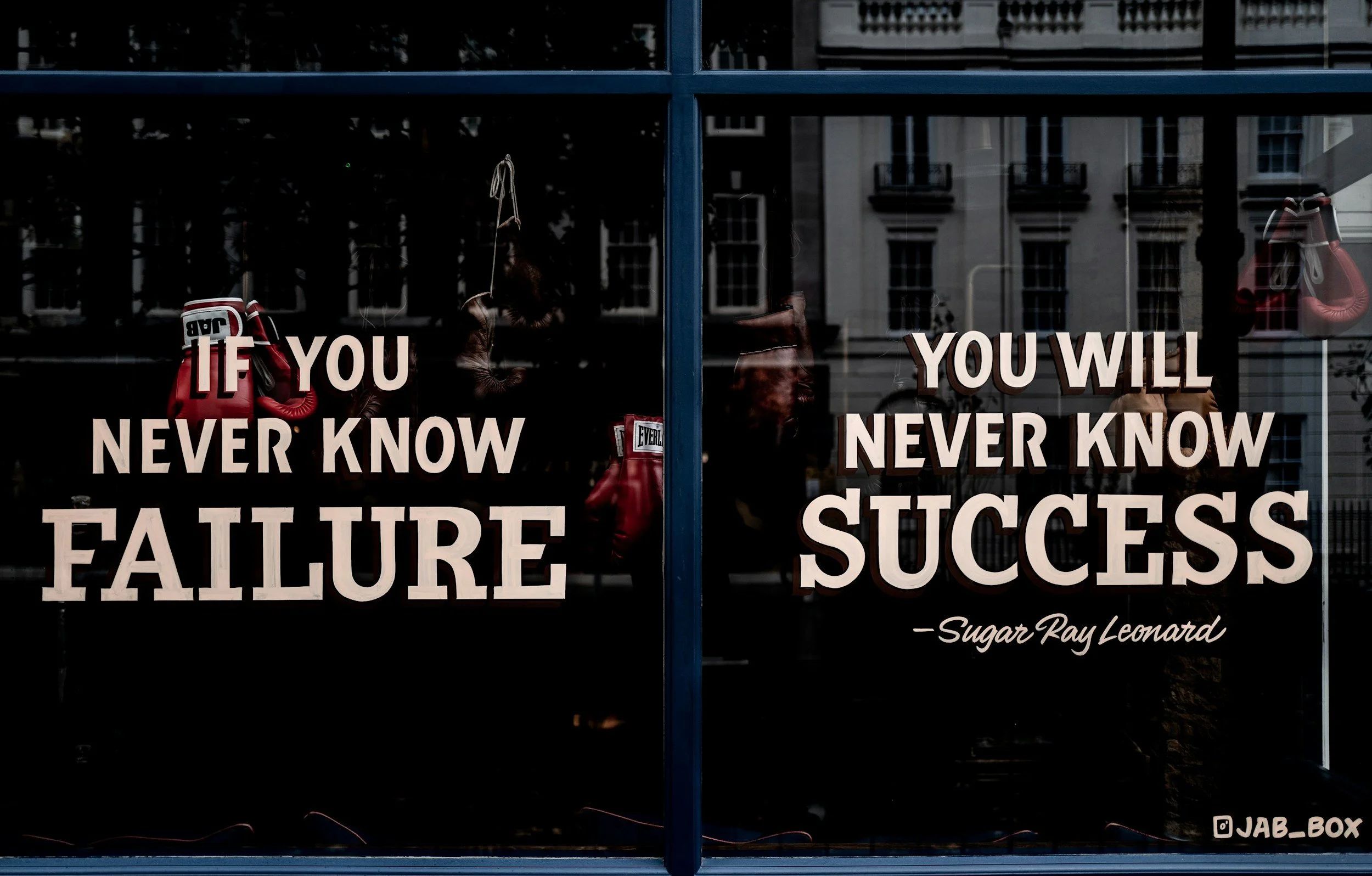
Famous Failures, Future Wins
Students will learn about people who failed before succeeding, connect setbacks to persistence, and write their own "I haven't ___ yet" story with a next step.
My Most Confident Self
Students will distinguish confidence from self-worth, reflect on their favorite qualities and achievements, and set one action their most confident self would take this week.
My Name, My Story
Students will explore the story and meaning of their name as part of their identity, and share one thing about their name with pride.
Who Am I? Identity Charts
Students will define identity, build a personal identity chart showing the factors that shape who they are, and identify which parts of their identity are sources of strength.