
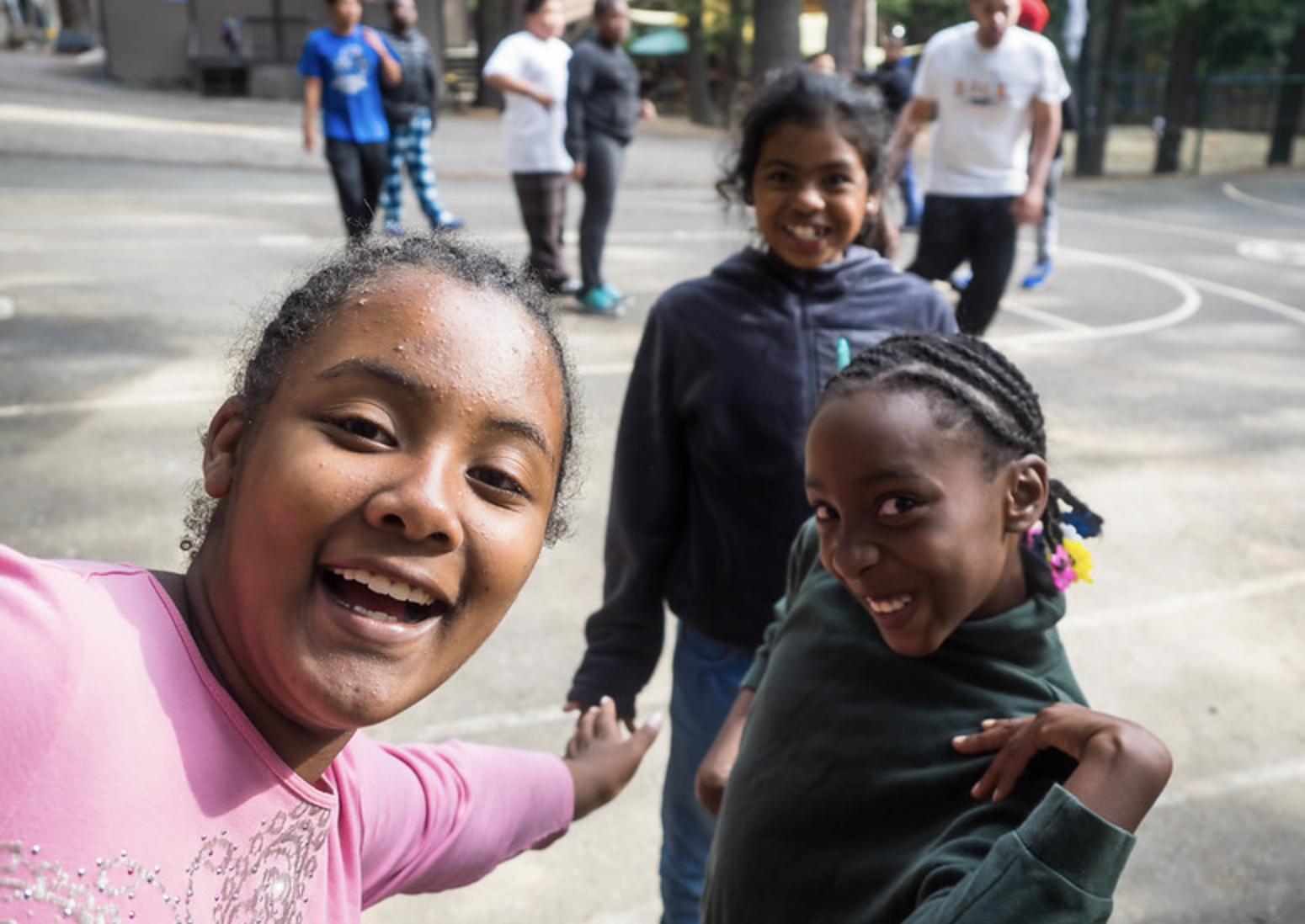
Fourth - Fifth Grade
Developmental Characteristics
Physical
May be careless about their clothes, room and body cleanliness
Girls may have sudden growth spurt and beginning signs of puberty
Enjoy physical activities that master specific skills
Enjoy competitive games
Possess a high activity level
Enjoy games that allow for comparison of skills
Enjoy games that allow for self-improvement
Social Emotional
Enjoy small, peer-dominated group discussions
Like to join organized groups
Are anxious to grow up
Are intensely loyal to their peer group
Form a close one-on-one friendship
Have a growing desire to assert individuality and independence
Can be daring and competitive
Can be critical of peers and adults
Are self-conscious of their abilities
Cognitive
Ask many questions and what thoughtful answers
Can often understand other points of view
Developing strong interests, hobbies, and collections
Enjoy daydreaming
Enjoy problem solving games and puzzles, etc.
Enjoy rule-based games
Are beginning to develop view about social/global issues
Beginning to enjoy humor by telling jokes and understanding sarcasm


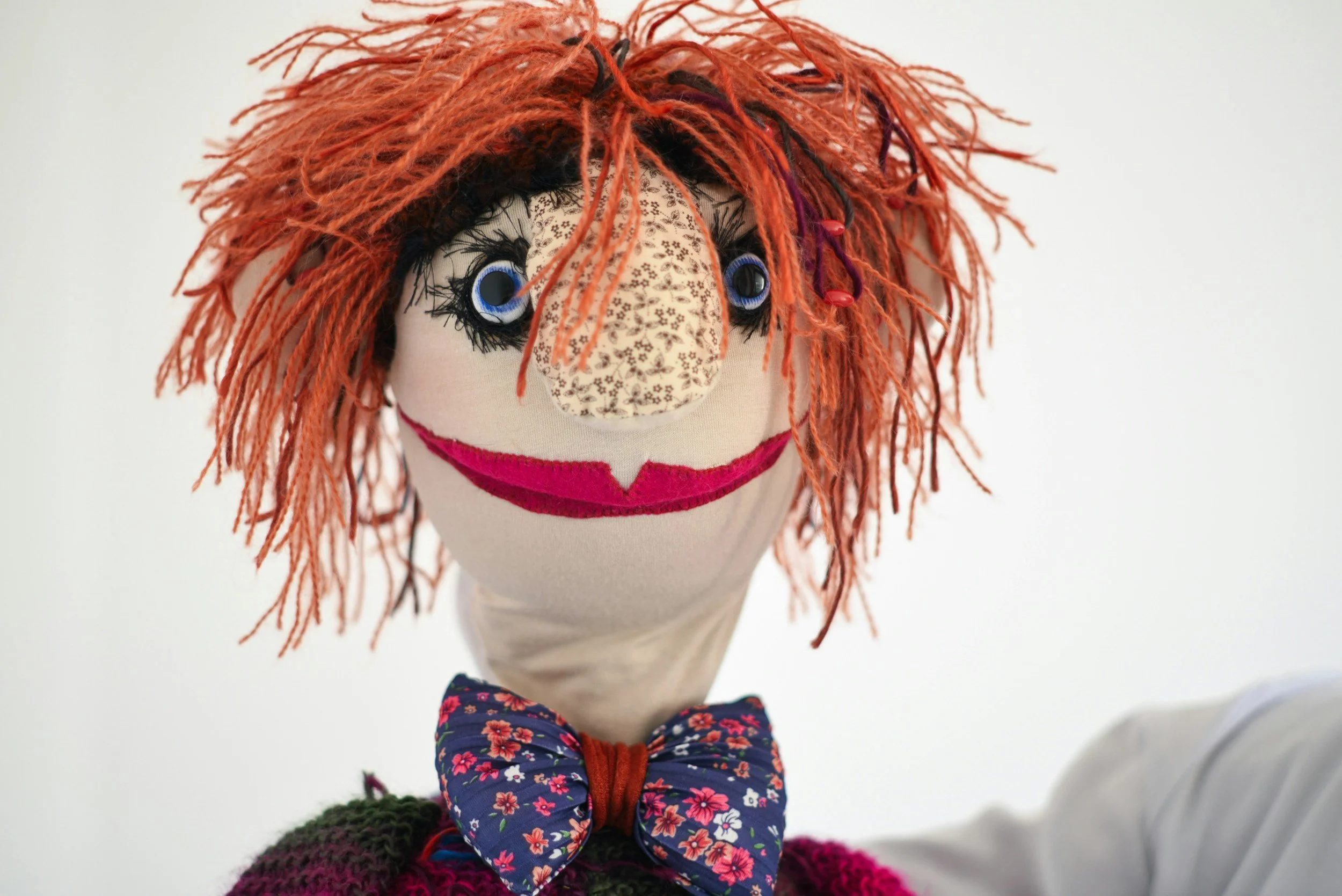
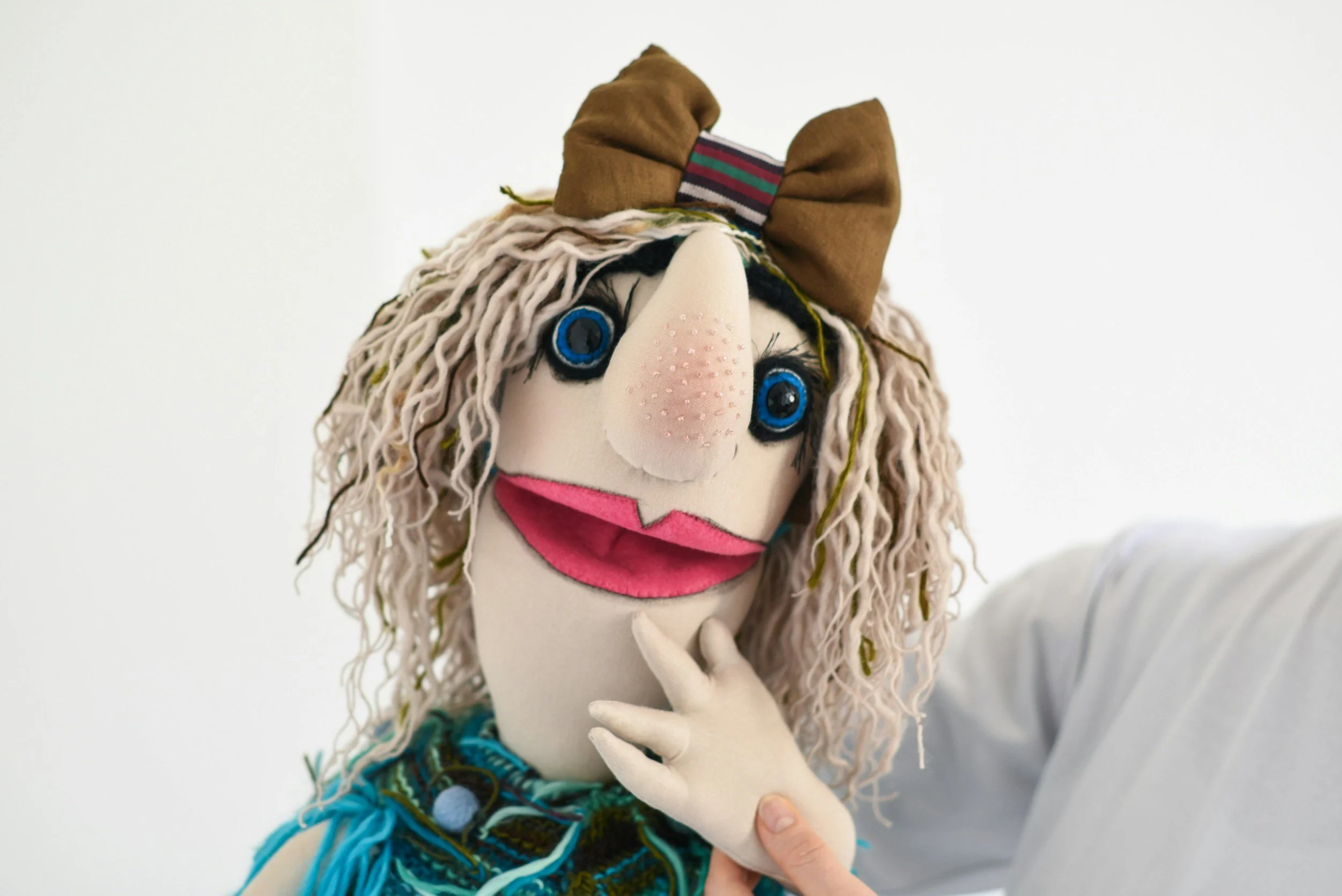
Puppet Show Pt. 2: Restorative Problem-Solving and Presentation
Students play "No, No, No," showing how stories shift when retold, then finish and perform their sock-puppet skit about a friend left out of a group chat, using assigned roles to practice restorative conflict resolution.
Puppet Show: Empathy and Restorative Problem-Solving
Students explore differing perspectives in "A What?," then build paper-bag puppets to act out a peer-conflict skit about being left out of a group chat. Assigned roles guide them through restorative problem-solving and empathy during disagreements.

Humanizing Each Other: Getting to Know Peers and Teachers
Students play "12 Questions Bingo," asking peers questions and recalling their answers, then write and submit questions for their ROCK teachers to answer as a class, reinforcing that everyone has their own life outside school.

Turning Red: Accountability and Family Empathy
Students practice reading emotions in "Emotions Charades," then watch the final Turning Red clips on family support and mutual accountability. They complete an "Accountability Rewind" worksheet, reflecting on a moment they wish they'd handled better.

Turning Red: Empathy for the Ones We Love Most
Students build trust in "Sleeping Dragons," a blindfolded partner-guiding game, then watch Turning Red clips on Mei Mei's self-acceptance and unintentional harm to loved ones, sketching or making comics as they reflect on intent vs. impact.

Roots and Fruits: Empathy, Teamwork, and Growth
Students see how differing experiences shape opinions through a modeled disagreement, then build teamwork in "Crossing the River." They close by identifying strengths (roots) and growth areas (fruits), planting them on a class community tree.

Week 2: Intent vs. Impact: Taking Accountability in The Lorax
Students play "Aim & Miss," a game showing how obstacles turn good intentions into unintended messes, then connect it to the Once-ler's ambition harming Thneedville. They continue The Lorax clips and comics, reflecting on accountability and self-interest.

Week 1: The Lorax: Speaking up for others and the world
Students discuss the kind of world they want to live in, then build a collaborative pipe-cleaner class garden. They watch clips from Dr. Seuss' The Lorax and create a comic strip reflecting on selfishness, empathy, and caring for others and the environment, closing with a group discussion on why that care matters.

Empathy Walk
Students move to one of three designated spots in the room (Agree, Disagree, Not Sure) in response to empathy statements read aloud, then discuss why they chose their spot and what empathy could look like in each scenario.

Someone Else’s Shoes
Students complete the "Are You Empathetic?" self-assessment worksheet and discuss empathetic listening behaviors as a class, then receive a character card from "Someone Else's Shoes" and practice empathy in pairs by taking turns sharing their character's situation while the partner listens and responds with genuine empathy.
Week 7: Community Empathy (3-5)
Students play Kindness Freeze Dance — dancing freely until the music stops, finding a partner, and performing a called-out kindness action (high five, handshake, smile, or compliment) before the music restarts — then design and decorate a Kindness Coupon promising one specific kind act they'll do for a friend or family member.

Week 6: Recognizing Empathy (3-5)
Students play Step Forward If — standing in two lines facing each other and stepping forward to high-five when a statement applies to them — then practice the Feelings Signal Game, listening to short scenarios and identifying the emotions involved through class discussion, group talk, acting out, or feelings cards.

Week 4: Caring Actions (3-5)
In small groups, students discuss and act out solutions to scenarios where someone needs help (a forgotten backpack, a sad friend at lunch, a struggling classmate), then complete a Helping Hands worksheet writing or drawing one way they can help a friend and one way they'd like help at school.
Week 5: Kind Words (3-5)
Students play Kind Words Echo — repeating compliments back in calm, loud, and silly voices — then write or draw a compliment for a classmate or family member on a Compliment Card to give away.
Week 3: Walking in Someone’s Shoes (2nd-5th)
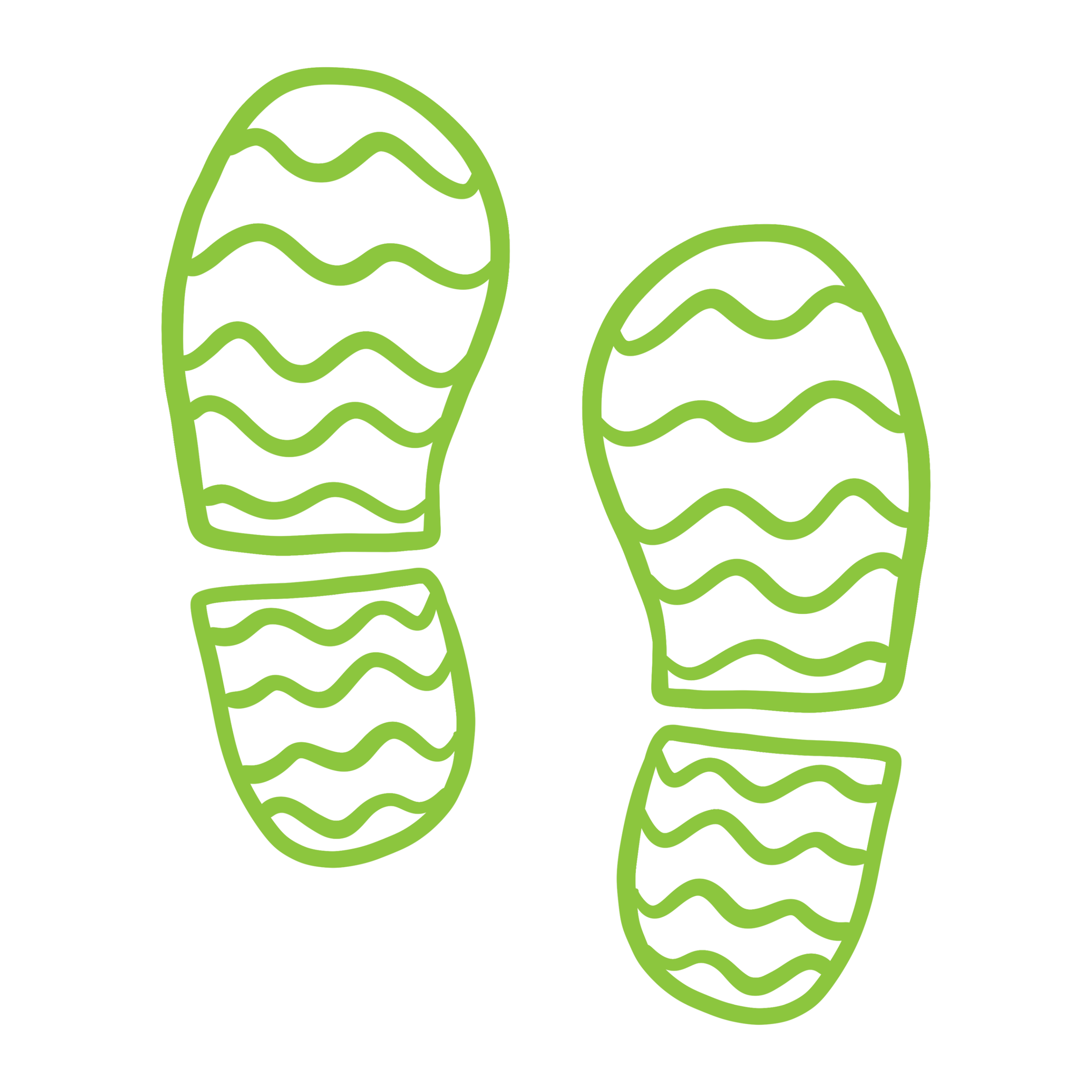
Students play Shoe Shuffle — removing one shoe, mixing them in the center, then guessing whose shoe they picked up and discussing similarities and differences with that person — then decorate a shoe outline with personal clues (favorite color, something they like, and what makes them feel happy or calm).

Week 2: Feelings Charades (2nd-5th)
Students play Emotion Freeze Dance — dancing freely until the music stops, then freezing in a full-body pose matching the feeling called out — then color a Feelings Wheel, choosing their own color for each emotion section (happy, sad, mad, scared, tired, silly).
Week 1: What is Empathy? (2nd-5th)
Students play Feelings Face Shuffle — making the facial expression that matches each emotion called out (happy, sad, surprised, scared, etc.) — then look at 4–6 pictures of children and discuss what feeling each child is showing and what might help them.

What’s so bad about “That’s so gay”? (Learning For Justice)
Almost every teacher has heard students use the expression, “that’s so gay” as a way of putting down or insulting someone (or to describe something). These lessons will help students examine how inappropriate language can hurt, and will help them think of ways to end this kind of name-calling.

Examining Identity and Assimilation
Students read Mitali Perkins's essay "Magic Carpet" about cultural assimilation, then discuss questions about hiding parts of one's identity before writing privately about a time they (or someone they observed) concealed a cultural trait — or composing a story, song, or poem saying goodbye to a part of themselves they sometimes disown.

Celebrating Black History & Creating Black Futures (We Do It For The Culture)
Students explore the concept of “freedom dreaming” by reflecting on Black history and envisioning a future shaped by justice, creativity, and collective joy.