
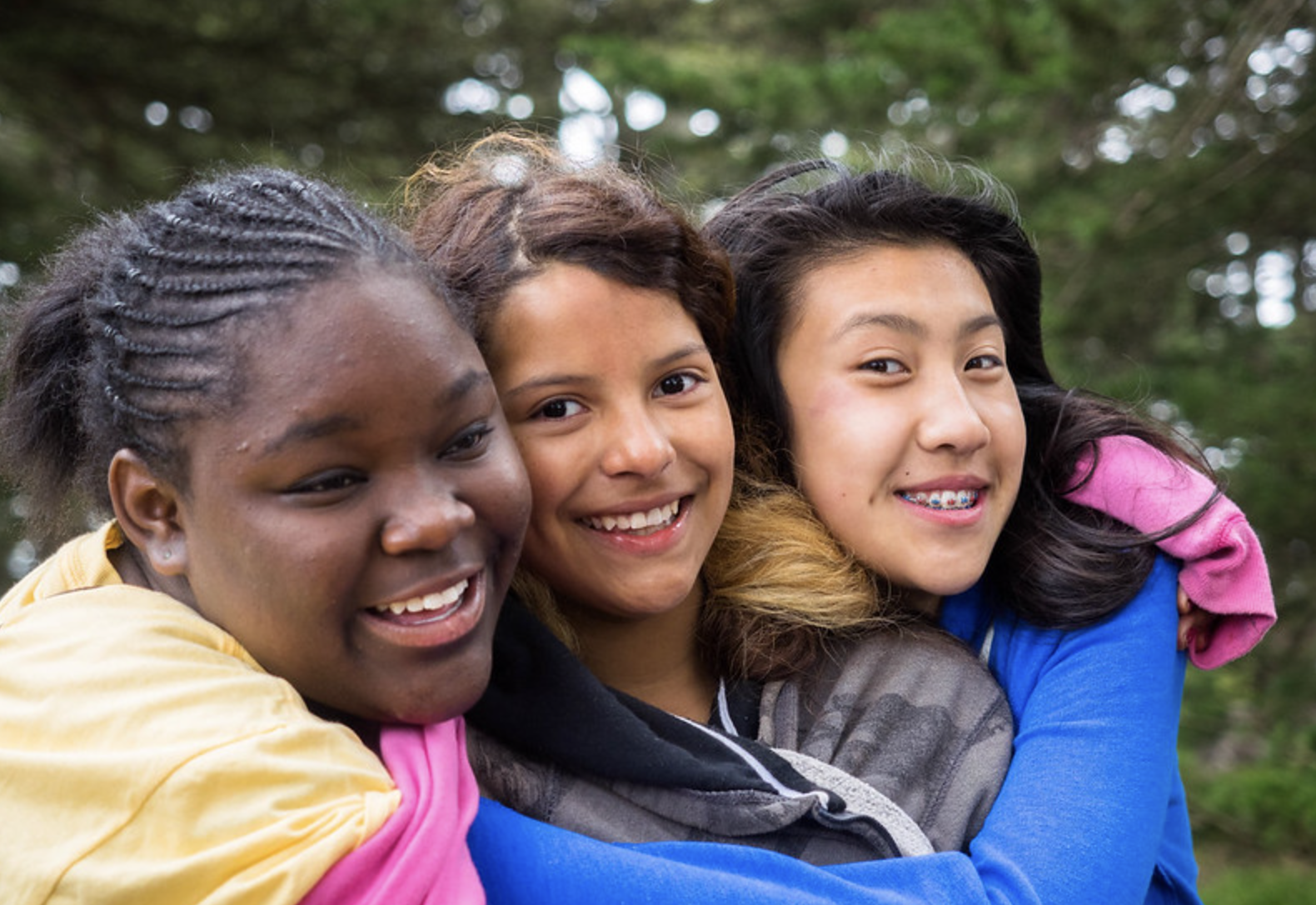
Seventh - Eigth Grade
Developmental Characteristics
Physical
May appear awkward as result of rapid physical growth
Experiencing the beginning of puberty
Differ greatly in rate of maturation
Need to become familiar with changing body with strong drives
Tend to tire easily
Have a high activity level and appetite
Enjoy cooperative games and competitive sports
Social Emotional
Sensitive to their appearance
Establishing a personal moral code
Unsure of their place in society
Depend on their peer group to develop identity
Critical of their parents and home
May adopt extremes and fads in clothing, speech, handwriting, and mannerisms
Form close one-on-one friendships
Enjoy small, peer-dominated group discussions
Have a strong desire to assert individuality and independence
Cognitive
Capable of high level of abstract thought
Beginning to think about their future life roles
Need time and freedom to engage in self-reflection
Are able to postpone gratification
Can plan ahead and organize tasks with little or no guidance from adults
Beginning to develop views about social issues



Situation Reflections
Students physically move to one of four corners of the room labeled A, B, C, or D to show how they would react to real-life conflict scenarios (a friend breaking your sunglasses, someone showing up an hour late, being teased about your appearance), then discuss their choices and what self-control looks like in each situation.
Cross the Line
Students silently step across a line on the floor for each statement that rings true for them (e.g., "I feel safe at school," "my opinion matters"), observing who else crosses, then choose one statement that impacted them to write about privately before sharing with a partner.
Here Fishy, Fishy
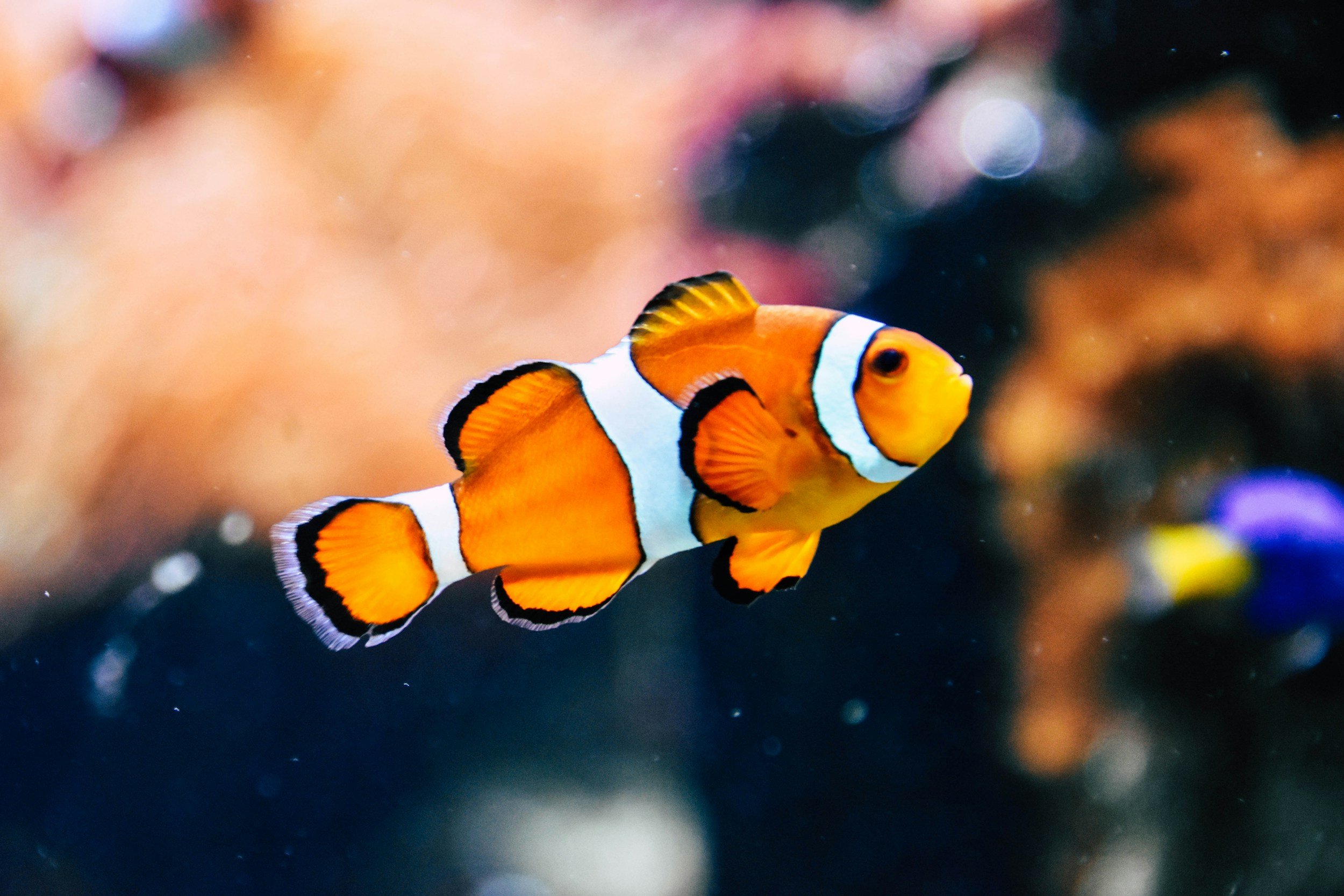
Students will simulate a fishing village economy by using straws to "catch" goldfish crackers, experiencing the consequences of taking more than they need as resources deplete and villagers get eliminated. A debrief connects the game to real-world thinking about wants vs. needs and practicing self-control.
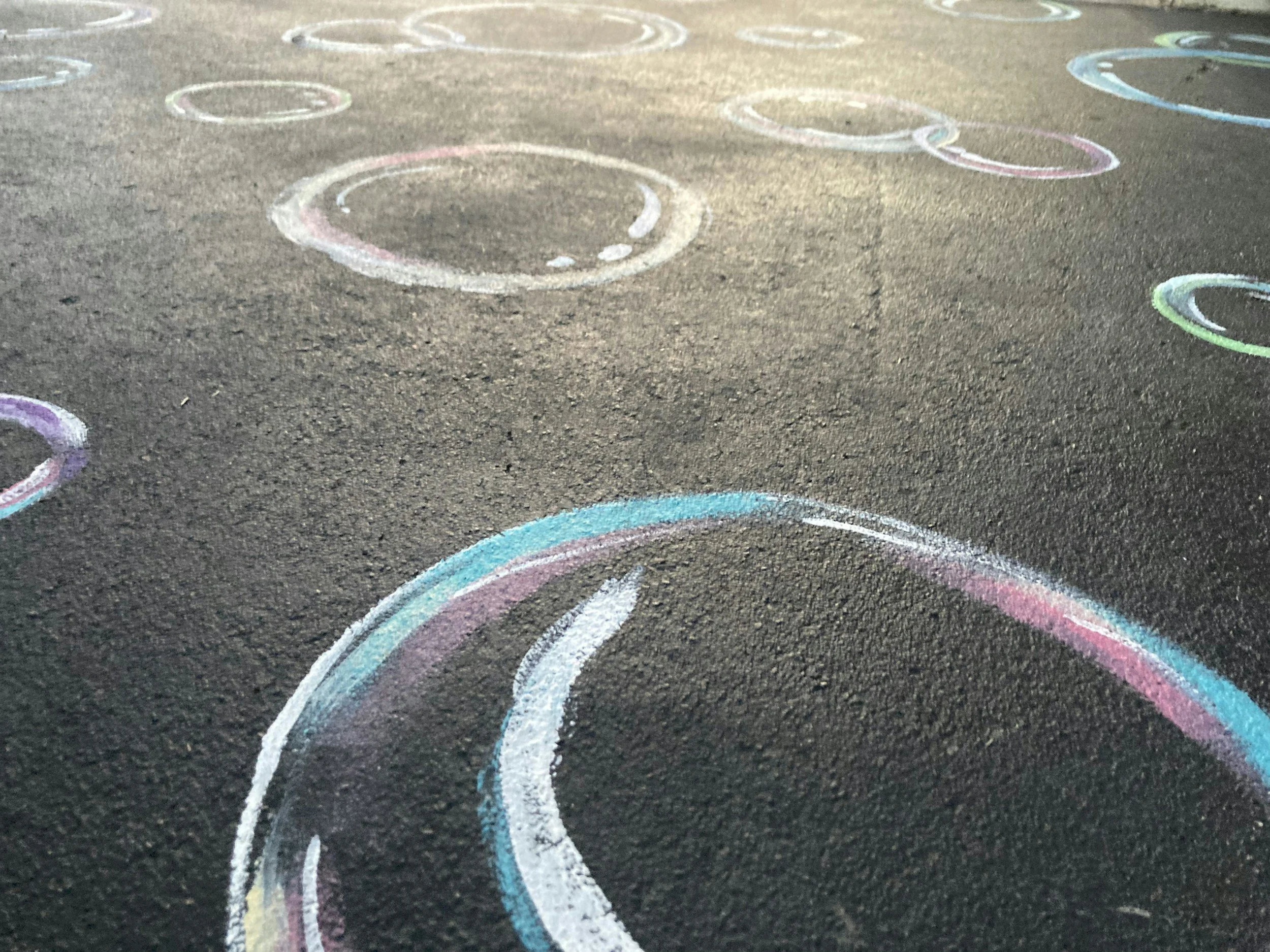
Chalk Circles
Students physically move to large pre-drawn chalk circles representing broad interest areas, discuss their specific goals within their group, then use chalk to draw branching smaller circles capturing increasingly specific personal goals — culminating in an individual circle for their most personal goal, which they share aloud before writing a concrete action plan for how to achieve it.
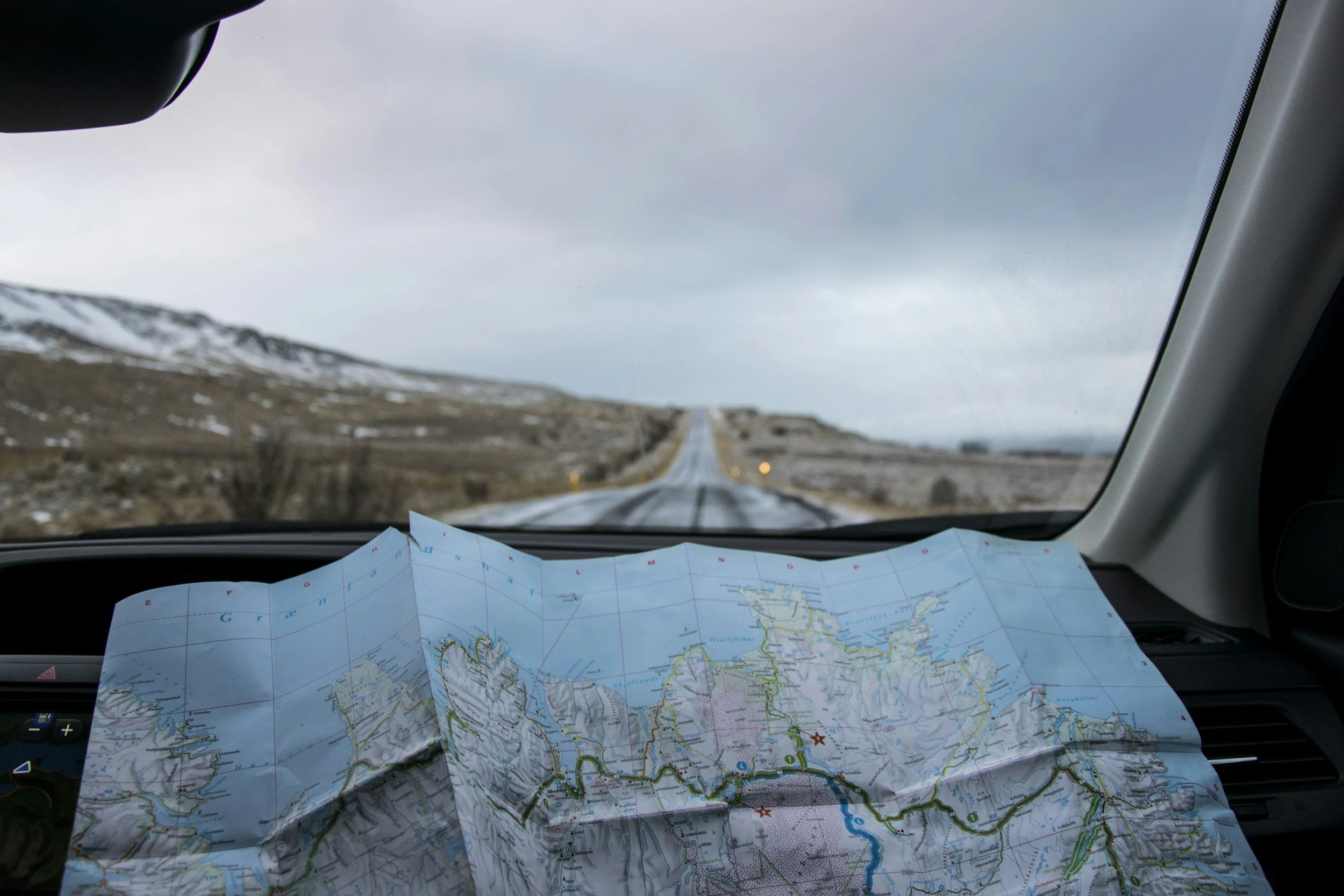
Inspiration Road Map
Students rotate through gallery-walk brainstorm posters about what inspiration means to them, then use those ideas to create a personal visual "Inspiration Roadmap" — a collage or drawing of the specific people, places, and things they can turn to when they feel uninspired.
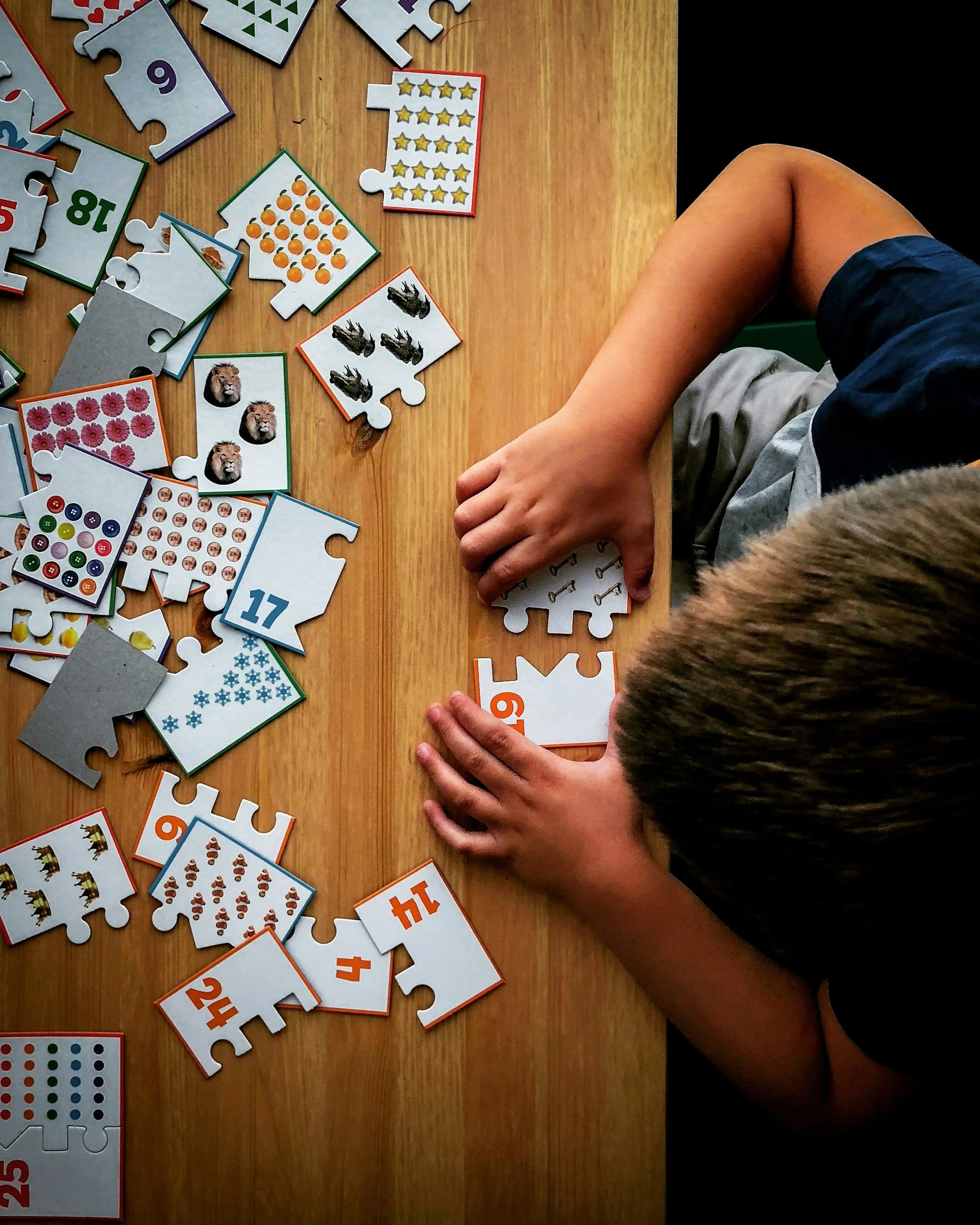
Physical Puzzle
Students will work together as a group to complete a jigsaw puzzle by drawing puzzle pieces one at a time and performing the corresponding exercise to earn each piece. Afterward, they'll reflect on how physical activity affects them emotionally and physically.
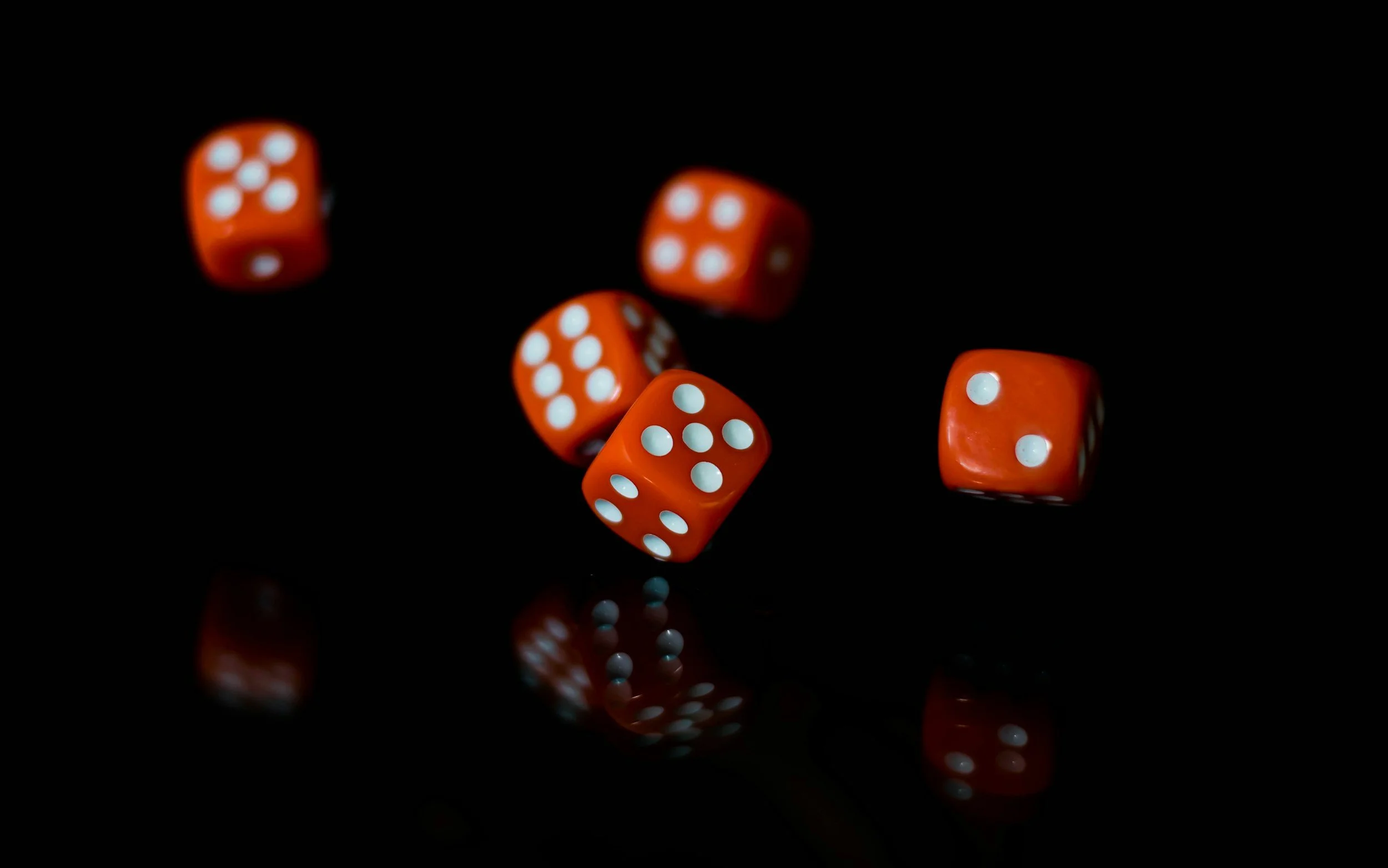
Roll and Move
Teams take turns rolling dice and completing the corresponding physical exercise (push-ups, jumping jacks, frog hops, etc.), racing to complete the most activities before time runs out, then reflect on how they practiced self-control during the competition.
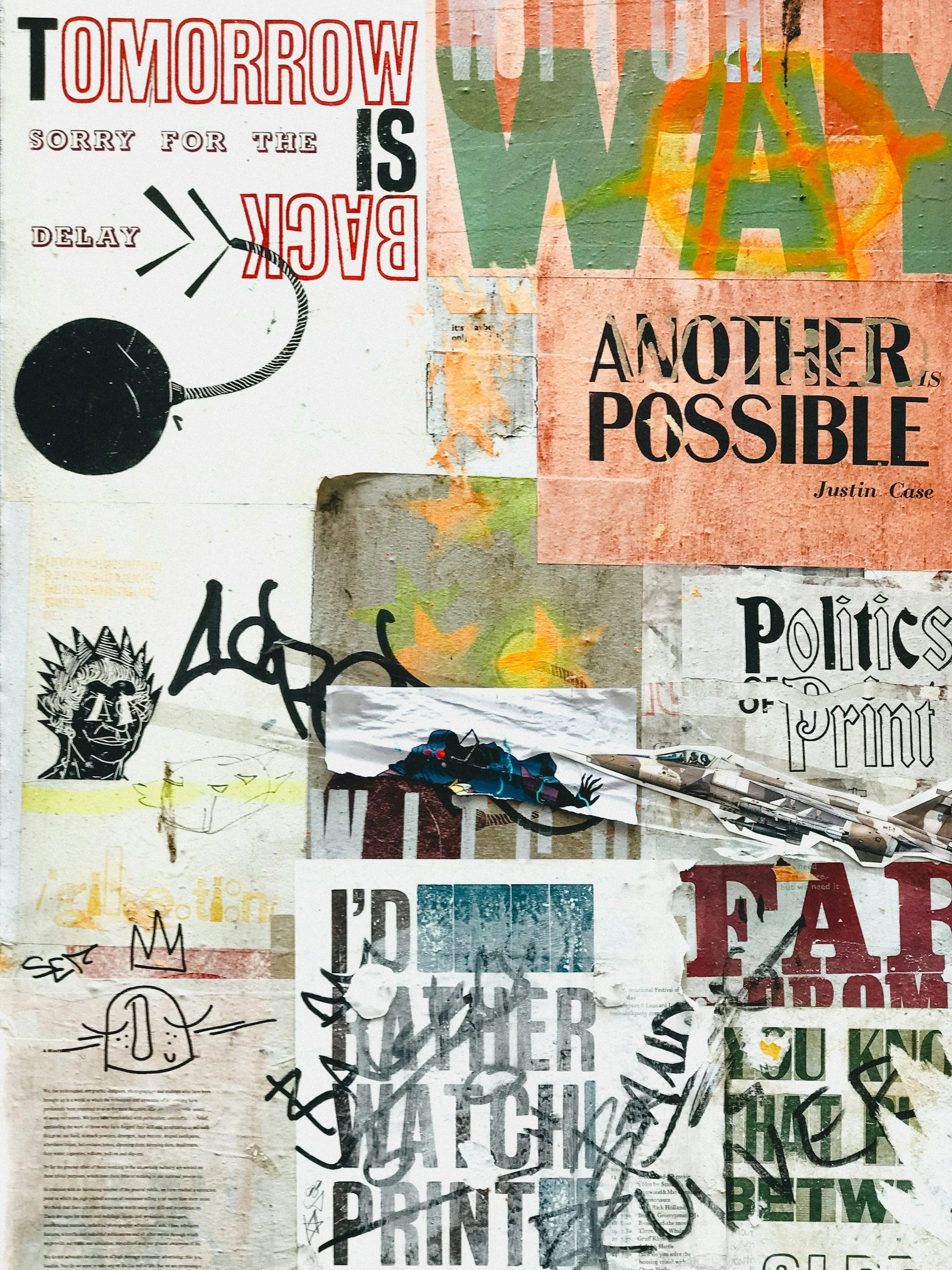
SMART Goals/Passion Collage
Students create a passion collage using magazine images and words across three categories (academics, career, relationships), then use the SMART goal framework to turn those visual passions into concrete, written goals they share with the class.
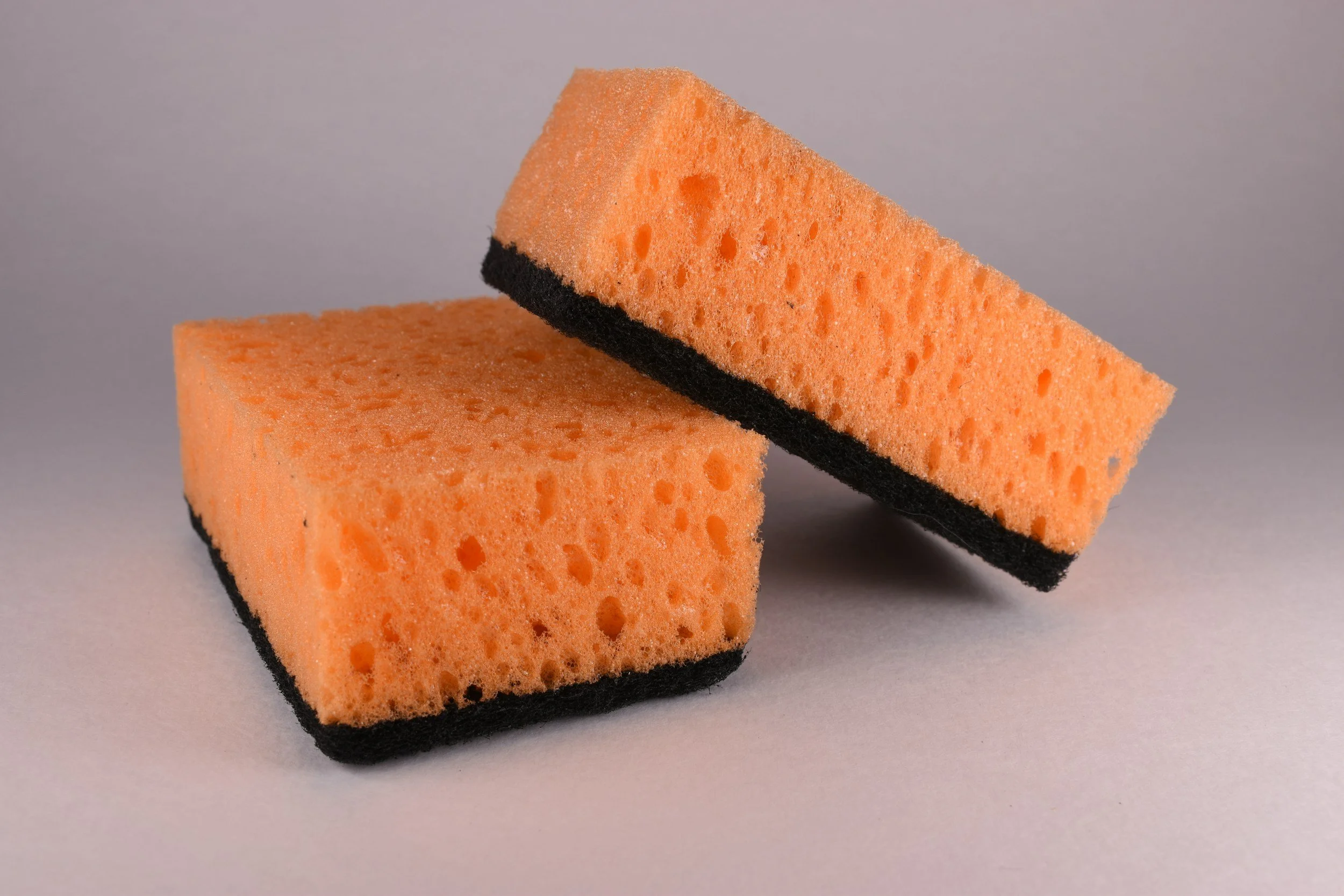
Sponge Brigade
Teams race to fill a bucket by passing water-soaked sponges down the line (over heads, under legs) and wringing them out — with dropped sponges eliminated from play — until the water hits an exact tape line, then debrief on teamwork strategies used.
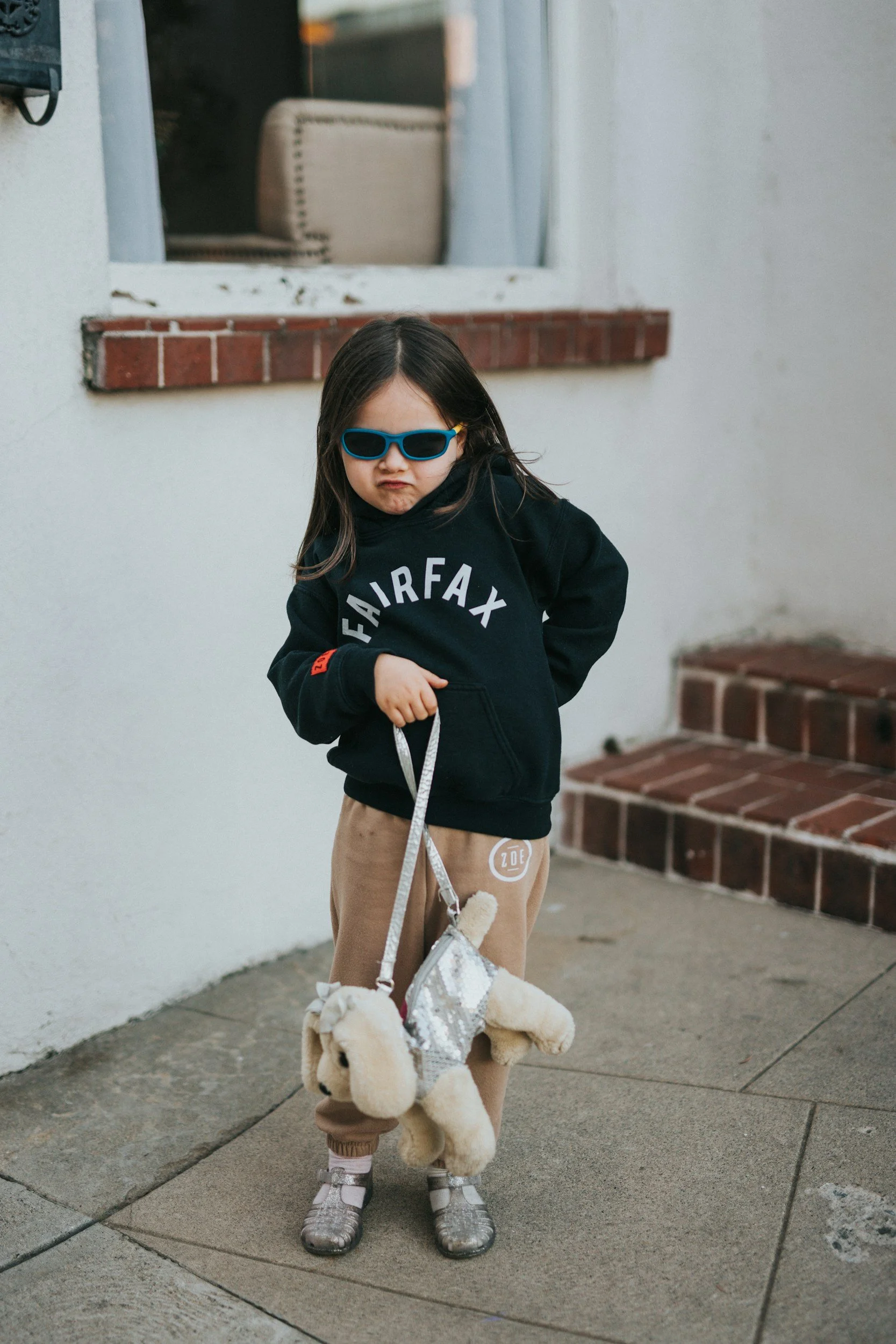
Wear Your Attitude
Students will select a mood card as they enter the room and wear it visibly throughout the session, then observe how their own and others' displayed moods affect interactions — and reflect on whether and how attitudes can be changed.
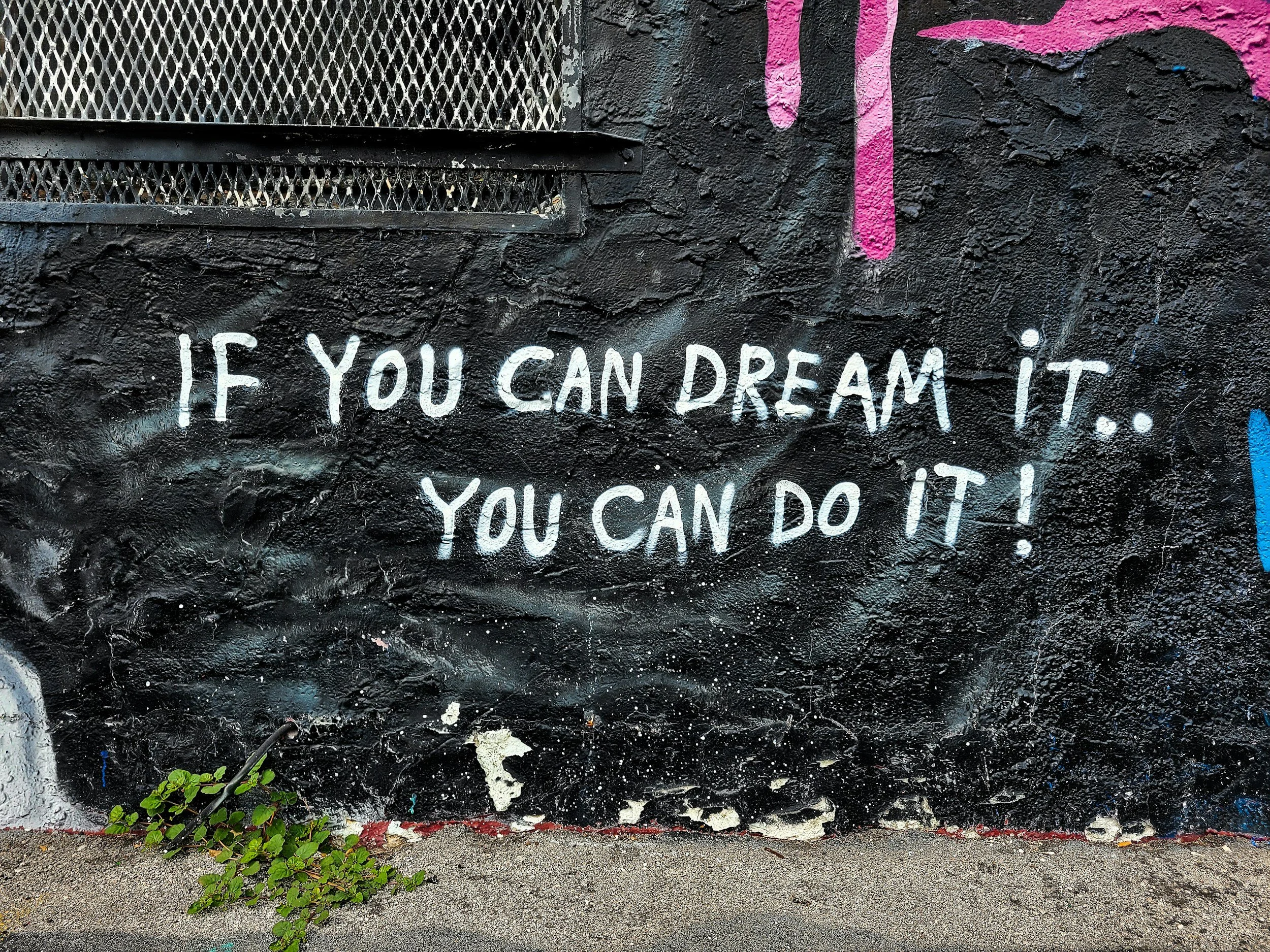
What is Motivation
Students will write their own definition of motivation, then collaborate in small groups and a gallery walk to build a shared class vision of what motivated and motivating behavior looks like — which gets posted in the room as an ongoing reference.
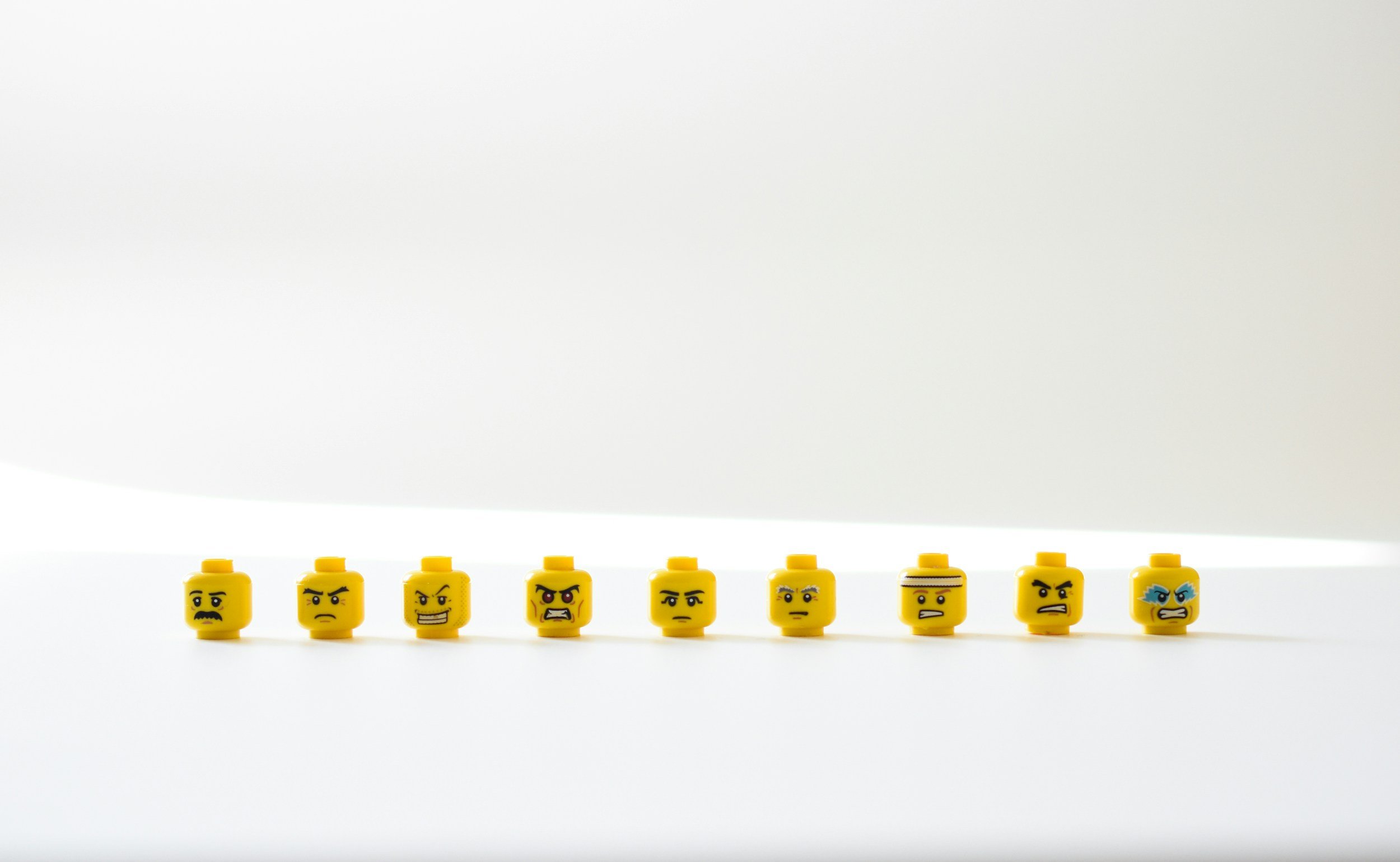
Feelings Check
Participants will determine if engaging in a fitness activity has an effect on how they feel emotionally, and explore how regular exercise can support their mental and physical health as a tool for self-control and emotional regulation.
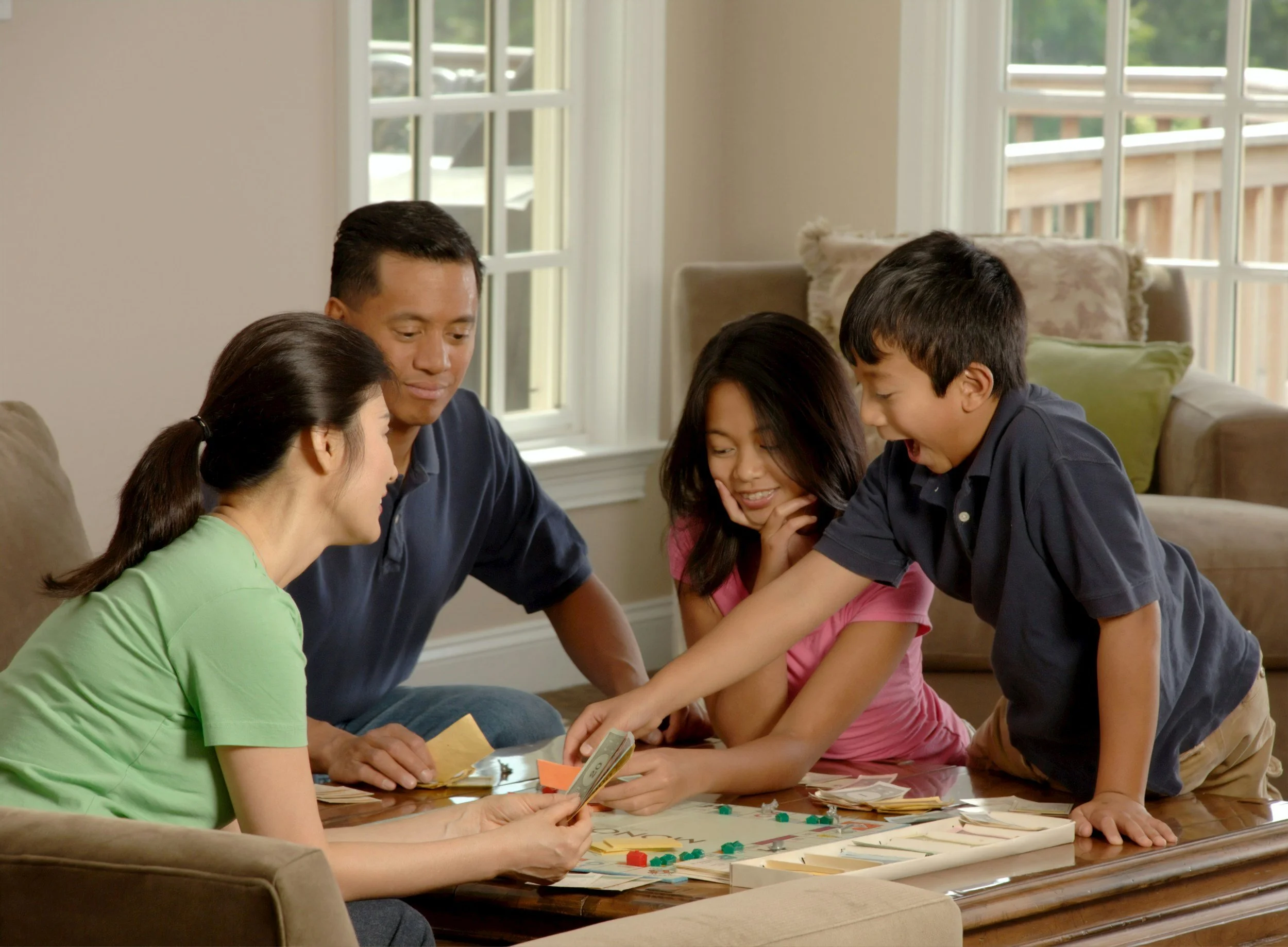
Family Fun Map
Students fill out a four-column Family Fun Map listing key family members, activities they already do together, new activities they'd like to try, and how those shared experiences could strengthen their relationship — then share one highlight with the group.

Anger Choice
Students will reflect on how they personally experience and handle anger, hear how their peers describe theirs, and explore what healthy responses to anger can look like. The lesson uses movement-based choice activities to make anger something we can talk about openly.
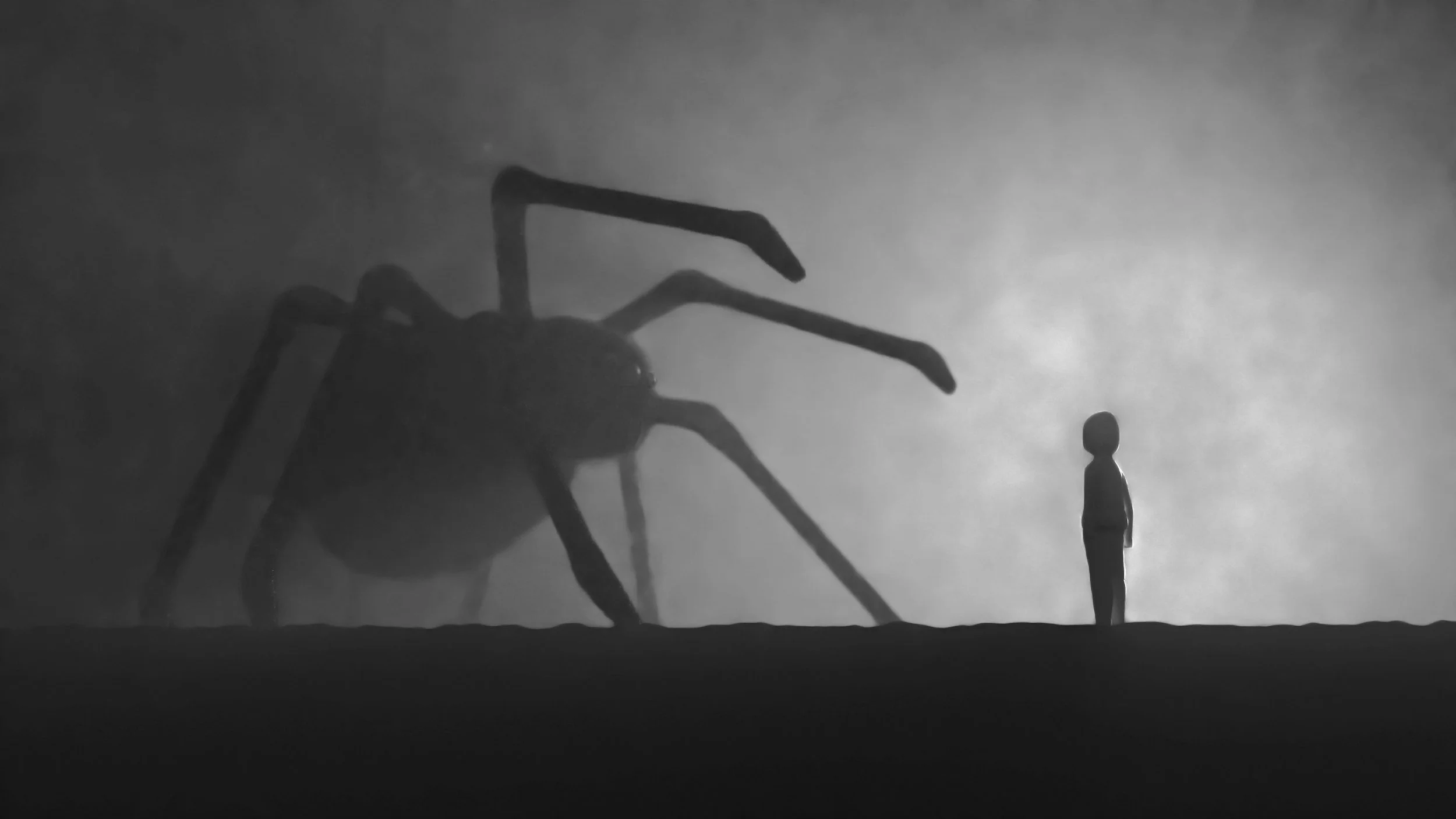
Life Doesn’t Frighten Me At All
Students explore the theme of fear and courage through Maya Angelou’s poem Life Doesn’t Frighten Me, then create art that reflects what they care about and what helps them face their fears.