
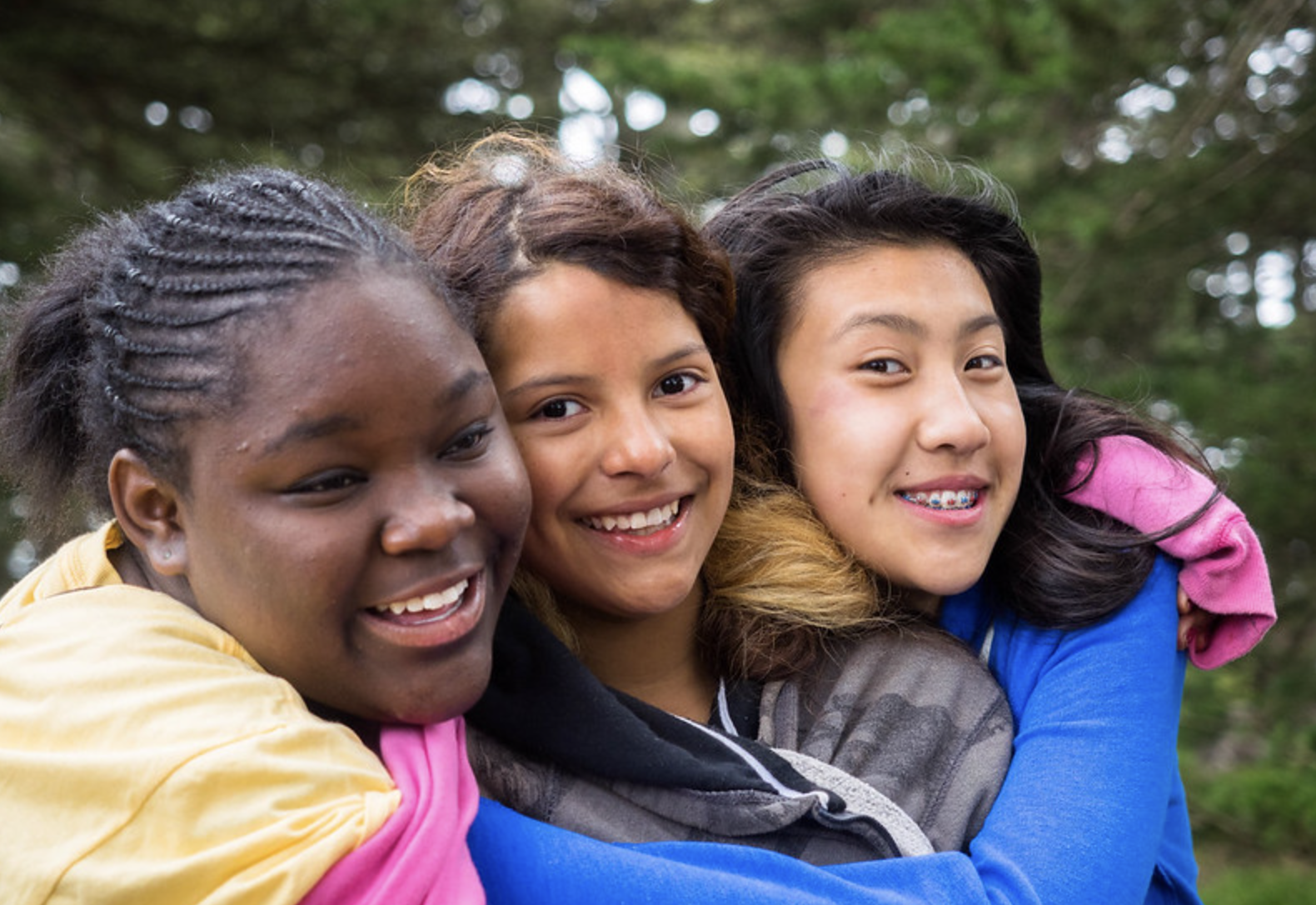
Seventh - Eigth Grade
Developmental Characteristics
Physical
May appear awkward as result of rapid physical growth
Experiencing the beginning of puberty
Differ greatly in rate of maturation
Need to become familiar with changing body with strong drives
Tend to tire easily
Have a high activity level and appetite
Enjoy cooperative games and competitive sports
Social Emotional
Sensitive to their appearance
Establishing a personal moral code
Unsure of their place in society
Depend on their peer group to develop identity
Critical of their parents and home
May adopt extremes and fads in clothing, speech, handwriting, and mannerisms
Form close one-on-one friendships
Enjoy small, peer-dominated group discussions
Have a strong desire to assert individuality and independence
Cognitive
Capable of high level of abstract thought
Beginning to think about their future life roles
Need time and freedom to engage in self-reflection
Are able to postpone gratification
Can plan ahead and organize tasks with little or no guidance from adults
Beginning to develop views about social issues



Creating Agreements
Co-create community agreements and classroom norms between teacher and students.

I Wonder Ball
Students toss a numbered ball around the circle, and wherever their right thumb lands determines which reflection question they answer — progressing through three increasingly personal levels (from "What's your happy place?" to "What would you do if you weren't afraid?") with the option to pass at any time.
Intentional Family Tree
Students journal about what family means to them, discuss the concept of "intentional family" (chosen relationships beyond biology), then create an illustrated family tree featuring the people they consider family — noting why each person belongs — and write a reflection on how they show those people they're valued.
Lucky Number
Students will move to one of four numbered corners based on personal preference questions (e.g., "Are you most like summer, winter, spring, or fall?"), discuss their choices with classmates in the same corner, and earn points when the die lands on their number. The game creates a low-pressure way for students to learn about each other and build relationships through conversation.
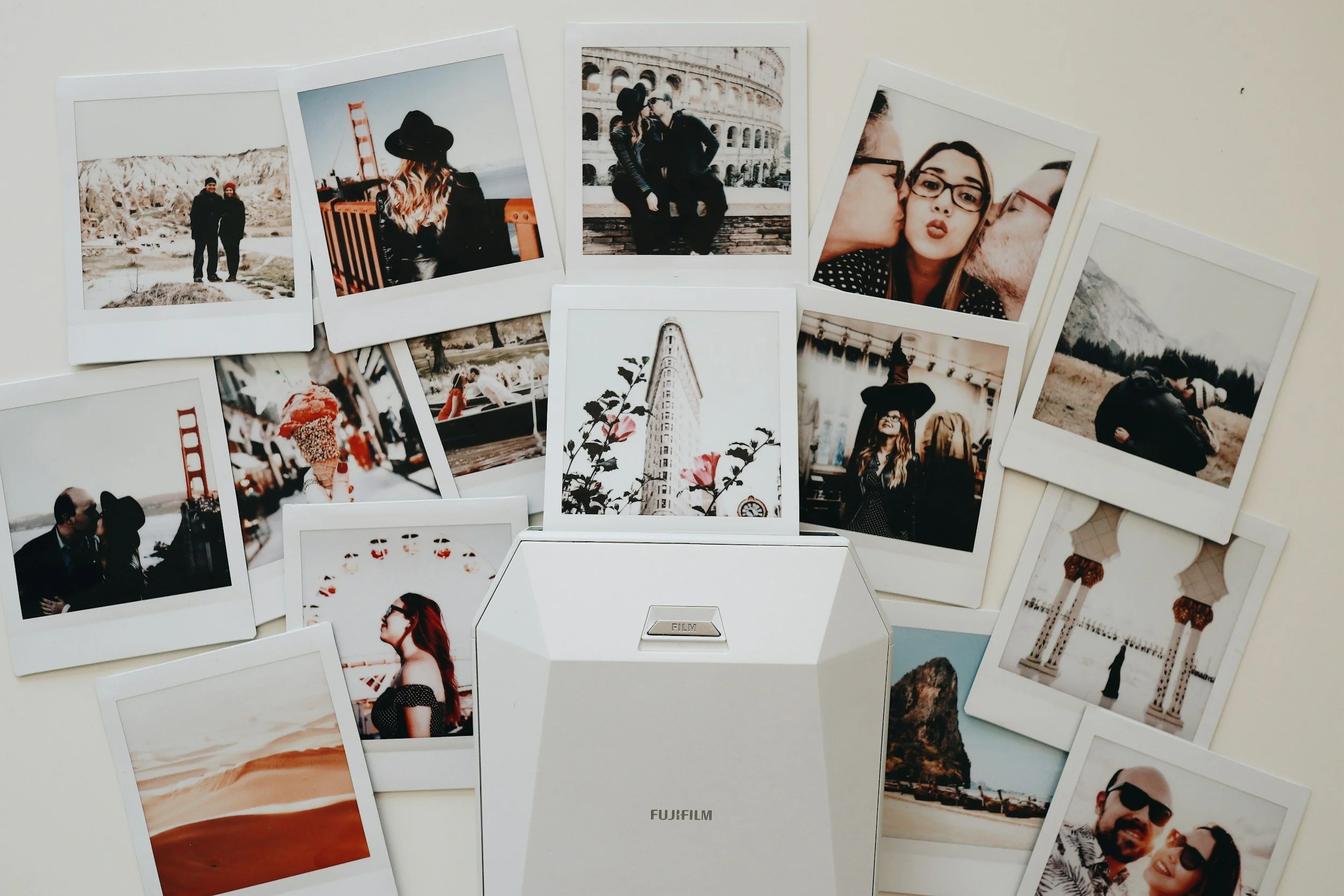
Meaningful Photos
Students will create a collage using photos they took of meaningful people, places, and objects in their lives, then write a personal reflection explaining the significance of each image.

Moment of Memory
The facilitator reads six words from a TABOO card aloud, then signals "Go!" and students race to write down as many words as they can remember — playing multiple rounds with new cards and discussing strategies for improving focus and listening.
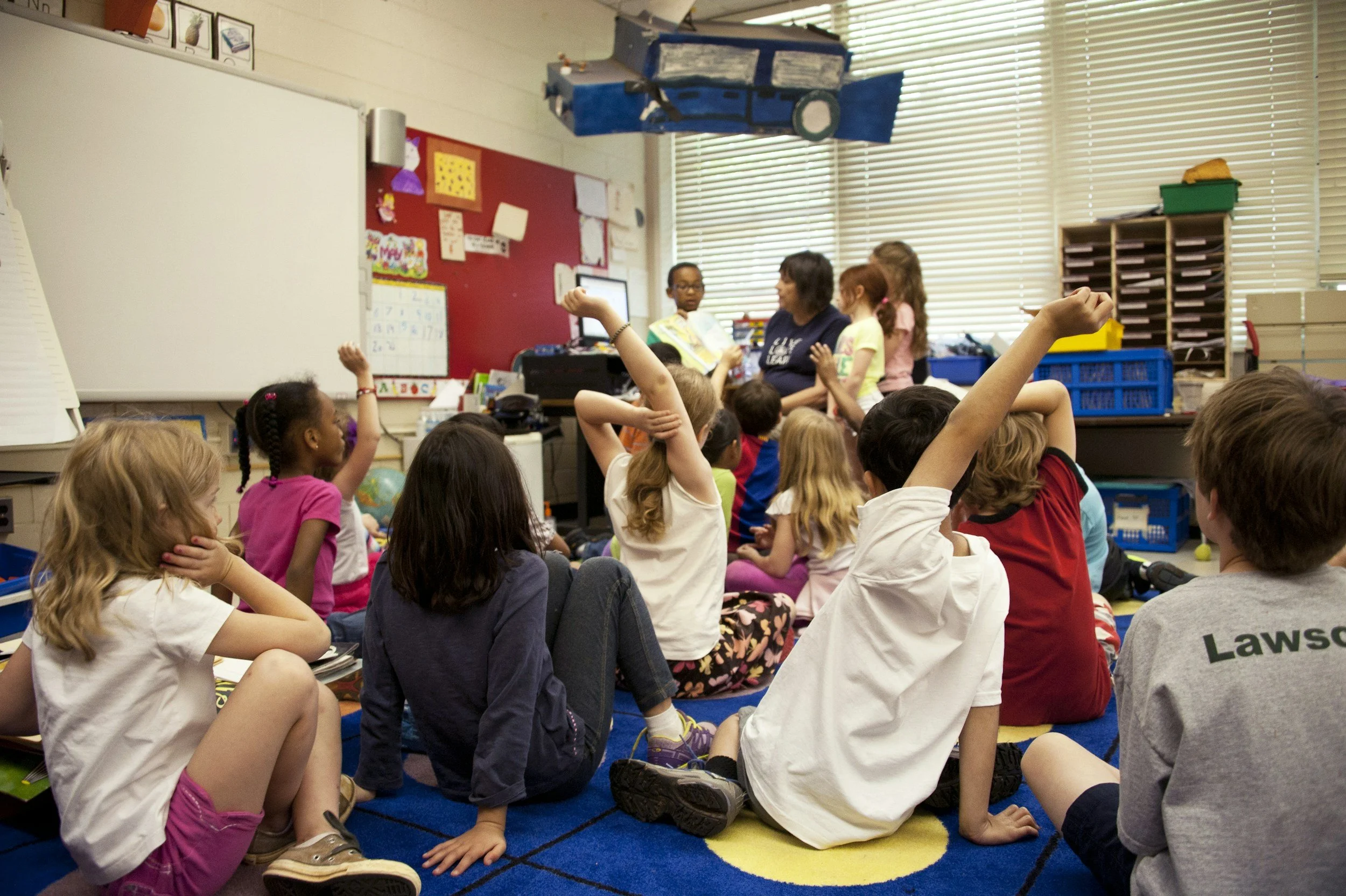
Our Safe Classroom
Students write briefly about places that feel safe and unsafe, then rotate through three posters (physical, emotional, and intellectual safety) in small groups to brainstorm how to increase each type of safety in their classroom — ending with a class consensus on 2–3 concrete actions to implement.
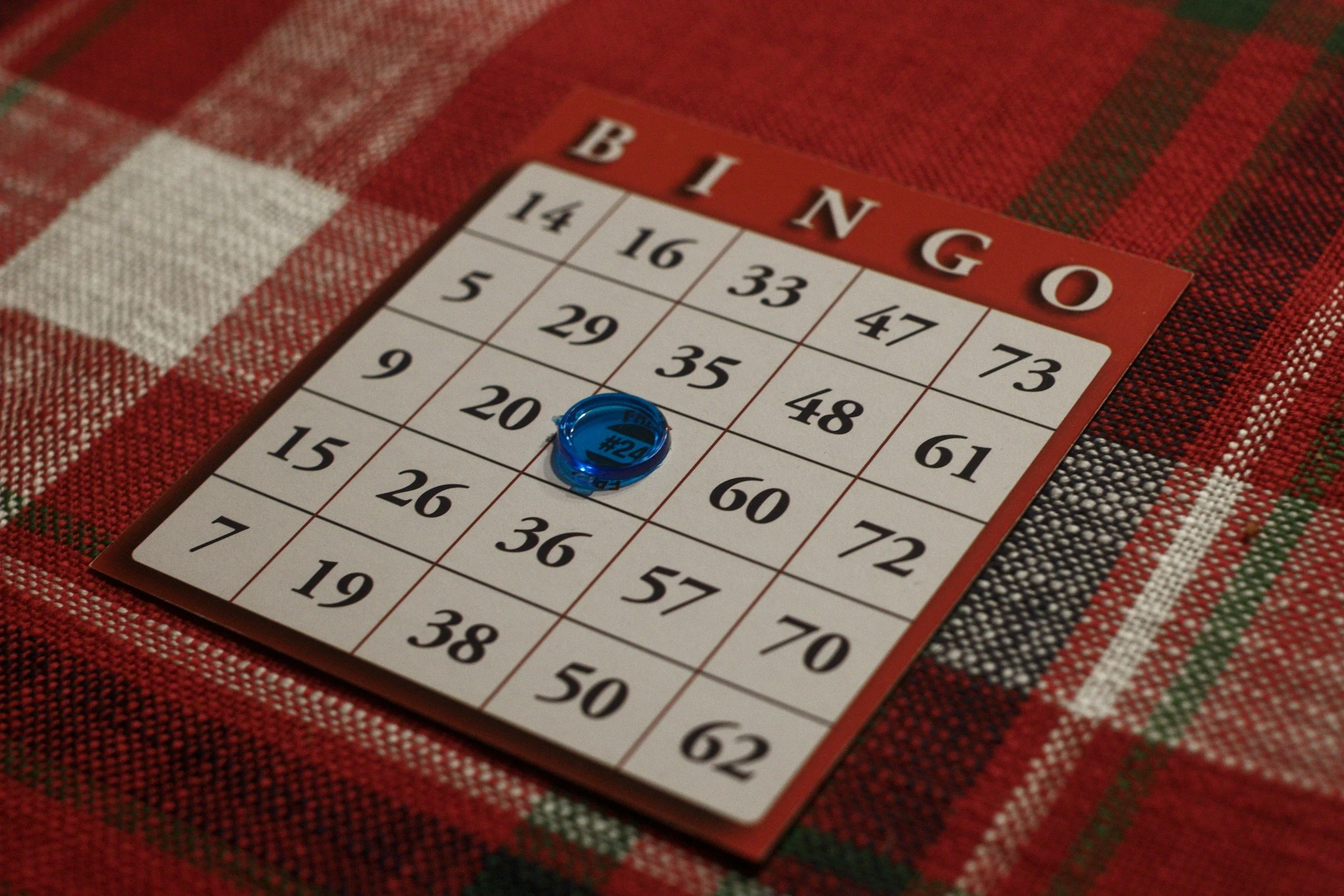
People Bingo
Students mingle around the room with a bingo grid of personal statements, collecting signatures from classmates who truthfully match each box (one signature per person per card) until someone completes their card and calls "BINGO!"
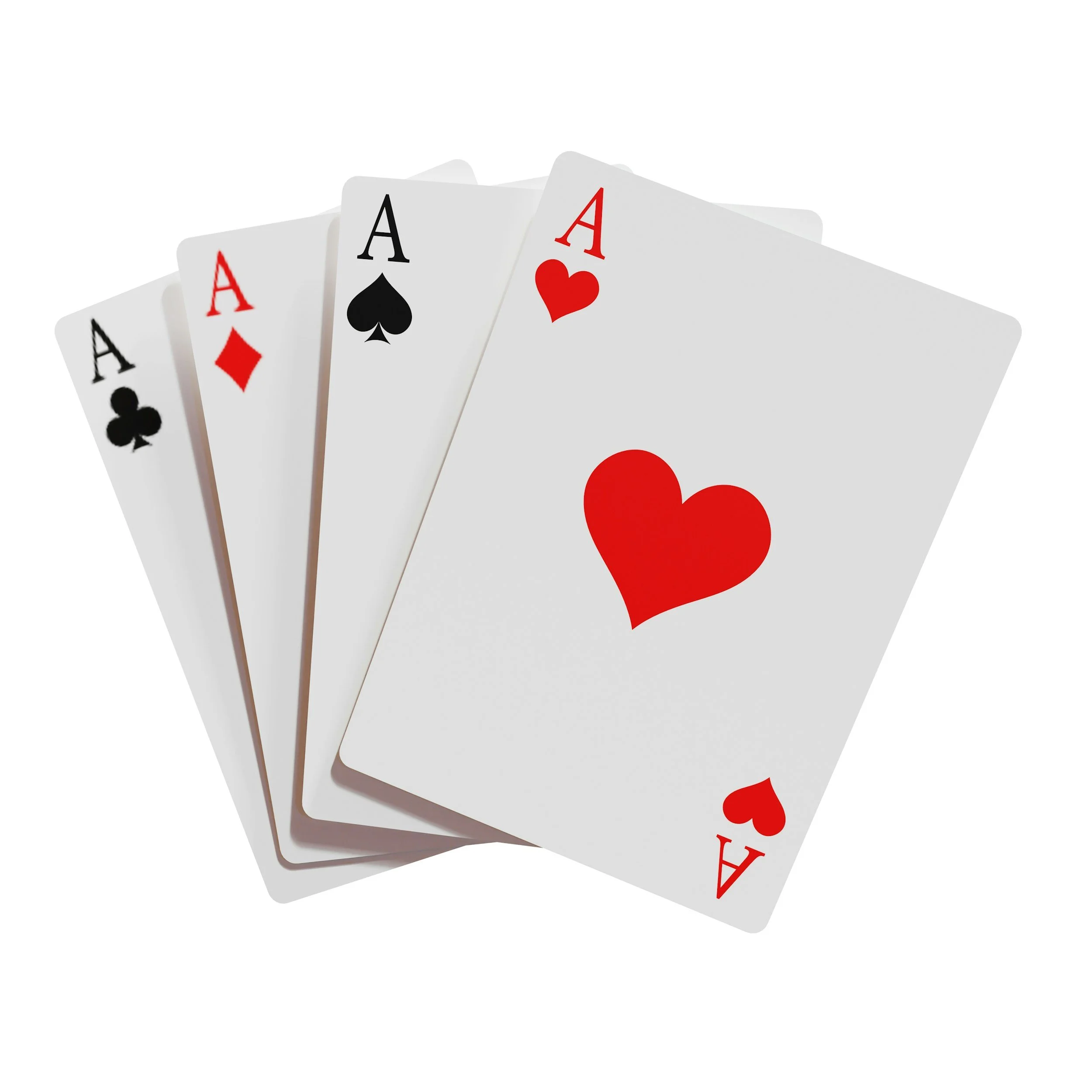
Poker Challenge
Teams compete to complete a series of physical and mental challenges (building a pyramid, singing a commercial, doing 100 push-ups, etc.) to earn playing cards, then use their best five cards to compete in a final poker hand showdown.

Puzzlemania
Students each draw a puzzle piece from a bag, then move around the room to find classmates whose pieces complete the same community agreement poster — then their group creates and performs a cheer or rap (with movement) celebrating that agreement.
Recyclart
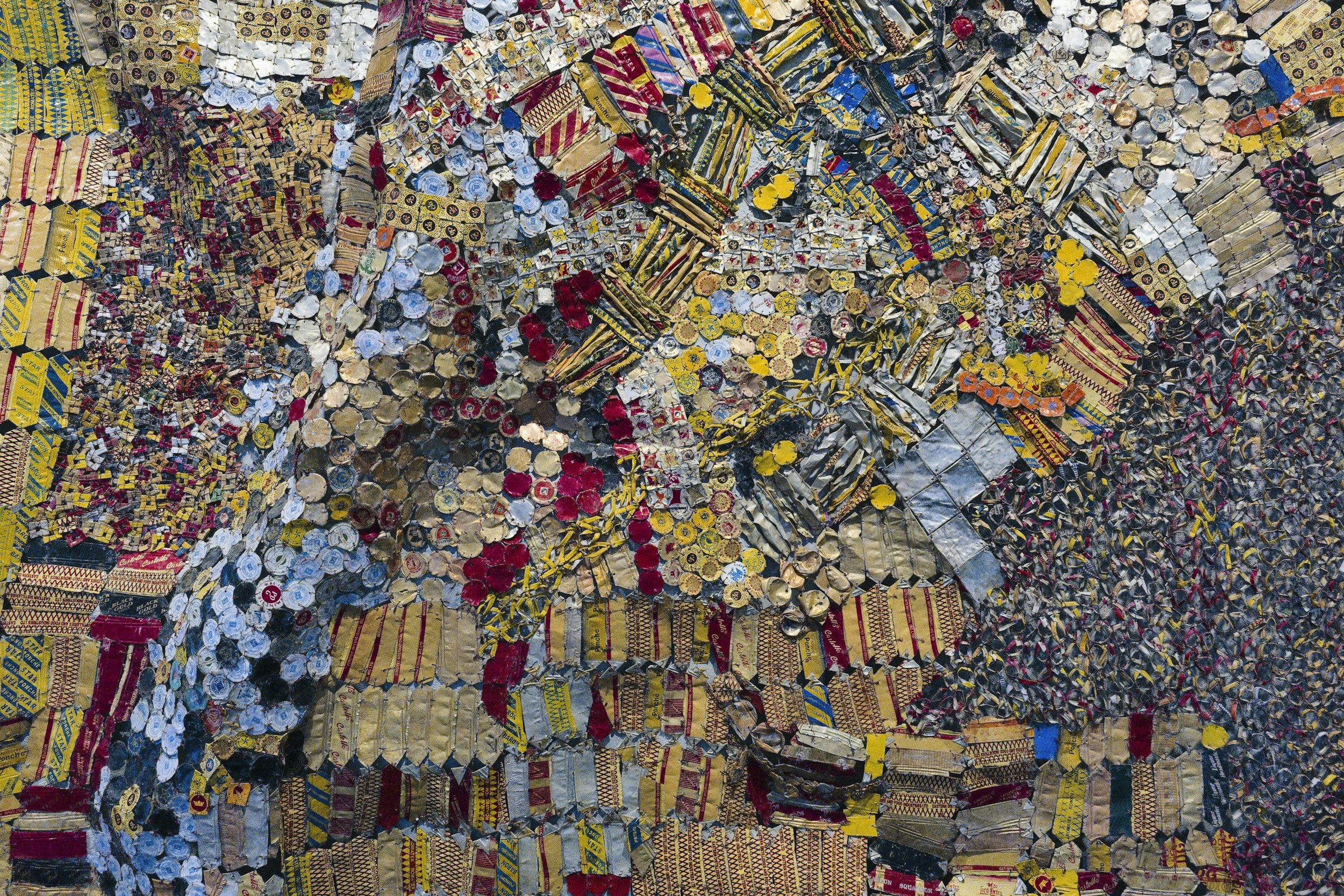
In groups of three, students select recycled materials from a shared bag and collaboratively build a piece of art that represents one of their community values, then present their artwork to the class explaining how the materials embody that value before displaying it as a hallway installation.
Story Clues
Students will take turns telling a short story that weaves in six words from a TABOO card while their classmates listen carefully and try to guess all six words, then discuss the listening and communication skills the game required.

Values Carnival
Students will generate lists of desirable and undesirable community values, then rotate through five carnival-style games where winning requires correctly identifying or targeting the positive values, earning tokens to redeem for prizes.

What is Inspired
Students will write their own definition of what it means to feel inspired, then collaborate in small groups and a gallery walk to build a shared class vision of inspiring behavior — which gets posted in the room as a living agreement.

What is it?
Students will take turns drawing puzzle pieces from a bag and guessing the hidden image, then connect the experience to a discussion about the dangers of judging others based on only part of their story.

What is Safe
Students will write their own definition of what it means to feel safe, then work in small groups and a gallery walk to build a shared class vision of safety — which gets posted in the room as a living agreement for the whole class.

What is the Word
Students will compete in teams to guess mystery words from the Taboo game using only related clue words, then reflect on what the game revealed about their listening and focus skills.


Lollipop Moments
Students will watch Drew Dudley's TED Talk on everyday leadership, then write a "Lollipop Letter" to someone who positively impacted their life, expressing gratitude for that moment and sharing their letters in small groups.