
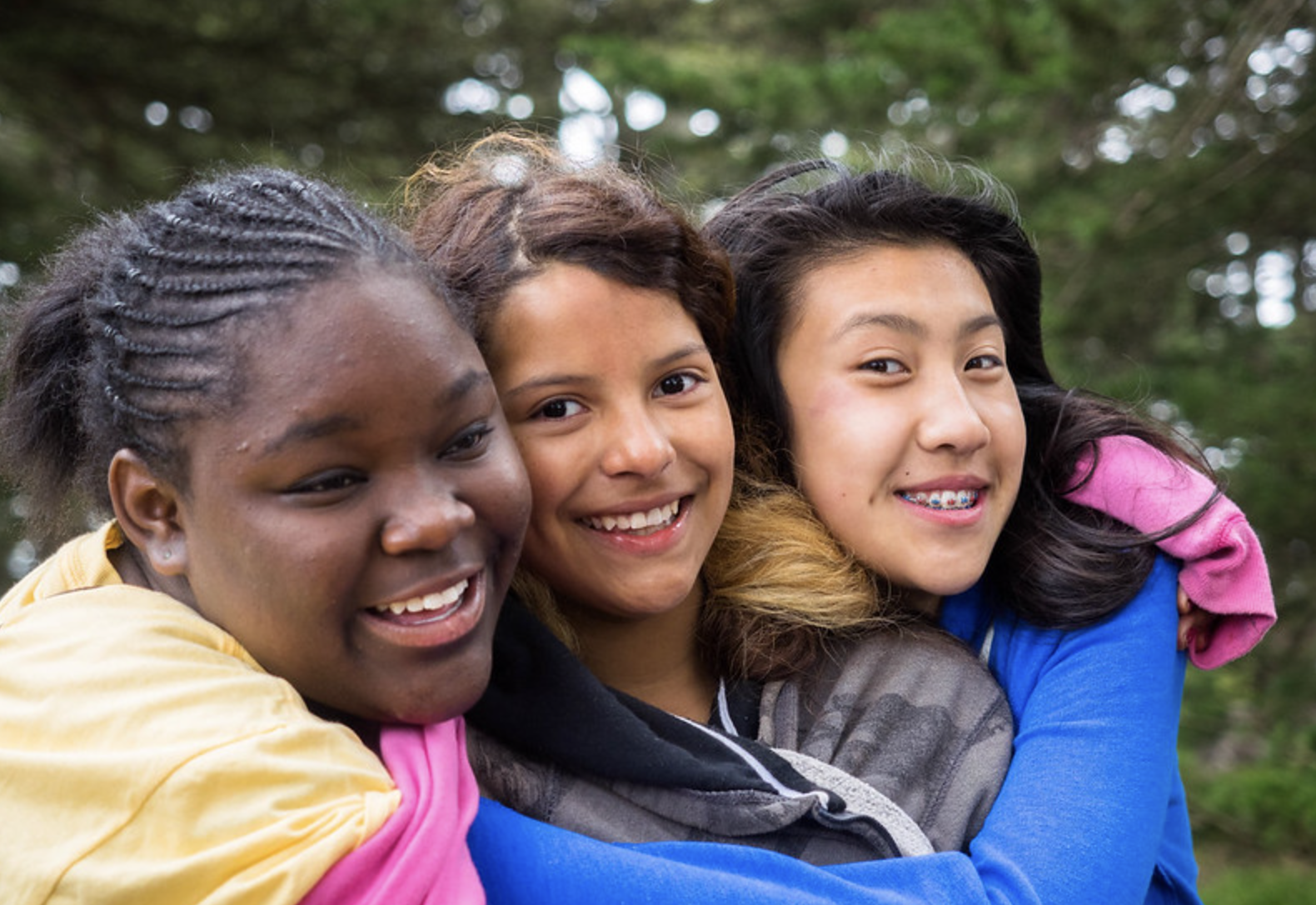
Seventh - Eigth Grade
Developmental Characteristics
Physical
May appear awkward as result of rapid physical growth
Experiencing the beginning of puberty
Differ greatly in rate of maturation
Need to become familiar with changing body with strong drives
Tend to tire easily
Have a high activity level and appetite
Enjoy cooperative games and competitive sports
Social Emotional
Sensitive to their appearance
Establishing a personal moral code
Unsure of their place in society
Depend on their peer group to develop identity
Critical of their parents and home
May adopt extremes and fads in clothing, speech, handwriting, and mannerisms
Form close one-on-one friendships
Enjoy small, peer-dominated group discussions
Have a strong desire to assert individuality and independence
Cognitive
Capable of high level of abstract thought
Beginning to think about their future life roles
Need time and freedom to engage in self-reflection
Are able to postpone gratification
Can plan ahead and organize tasks with little or no guidance from adults
Beginning to develop views about social issues



Read the Room
Students vote with their fingers (1, 2, or 3) to label each of five real-life scenarios — a quiet friend, a "ok" text, a hallway bump, being left out of plans, a teacher correction — as an overreaction, underreaction, or just-right response, then discuss what the balanced answers have in common and why it's easy to misread situations.

Would You Rather: SEL Edition
Students respond to five real-life social scenarios (friend drama, group chat conflict, feeling left out, bad mood day, argument with a friend) by choosing between two reactions and briefly discussing which choice leads to better outcomes, then learn the STOP skill (Stop, Take a Breath, Observe, Pick your response) as a tool to use before reacting in real life.

Idea Machine
Students sit in a circle and take turns rapidly naming something from a given category (foods, animals, countries, emotions, etc.) with no repeats and a 3–5 second time limit per person, playing multiple rounds with progressively harder categories.

Brainstorming Contest
In small groups, students race to list as many possible uses as they can think of for an everyday object (like a paper clip or feather) in 3–5 minutes, with no idea too silly to write down, then share their lists aloud and compete for the most unique uses across two or three rounds.

Hammer or Nail
Students will use abstract thinking to compare themselves to everyday objects by choosing between two options (e.g., "hammer or nail?") and explaining their reasoning to a partner. Through this pair-share activity, students will practice self-reflection and get to know their classmates better.
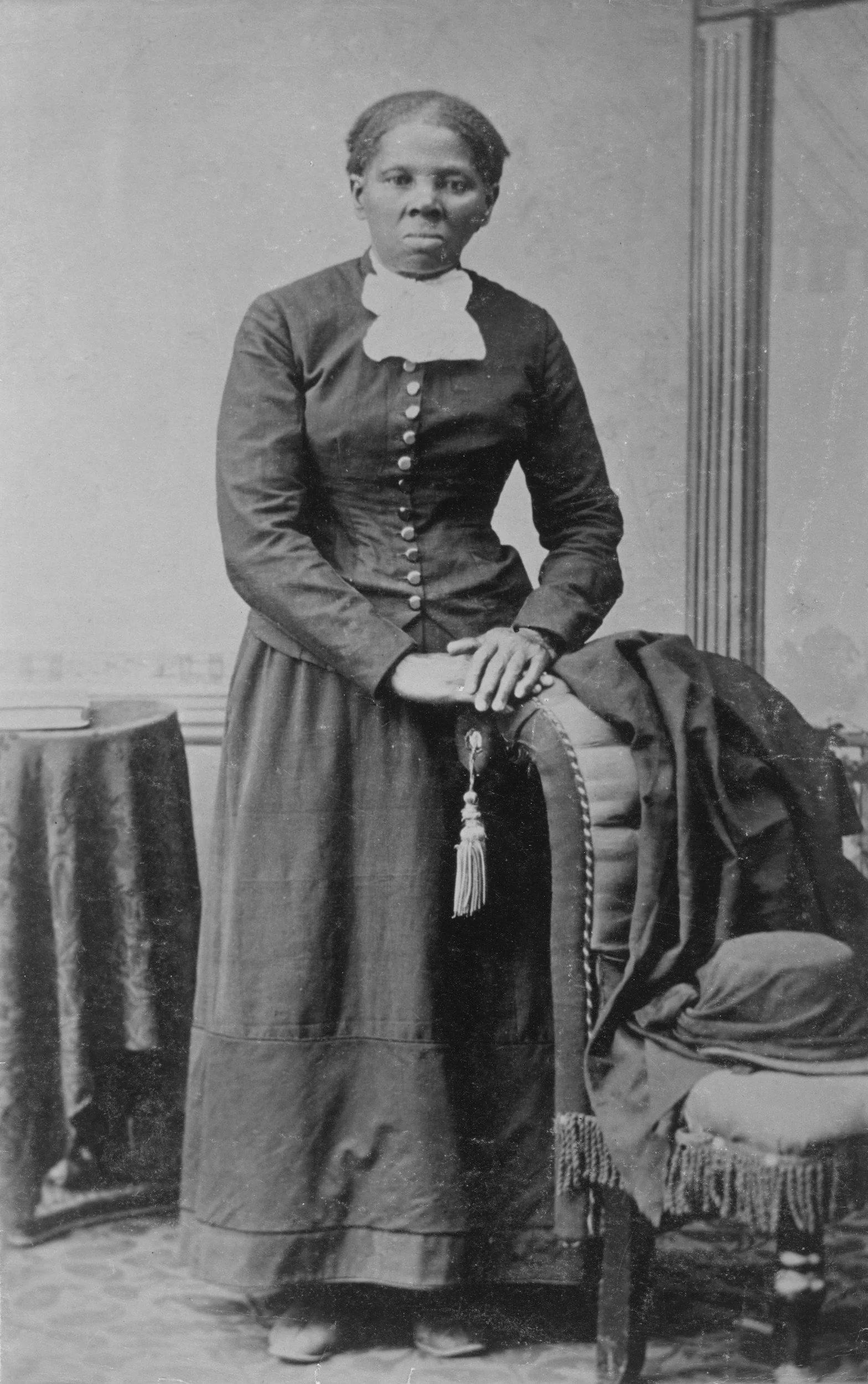
Harriet Tubman
Students will discuss the poem Harriet Tubman by Eloise Greenfield, learn about her courageous actions, and identify a current issue of injustice in their community or world that they would like to help change.

Life Just Got Real
In small groups, students choose a real-life challenging scenario (e.g., a friend using drugs, a parent's divorce) and create a five-section poster mapping out the fears, opportunities, possible actions, and consequences — then do a gallery walk to add to each other's posters before presenting to the class.

Stick It to ‘Em
Working in pairs, students will use verbal communication to recreate a marshmallow-and-toothpick model — one partner is blindfolded and can only touch, while the other can see but cannot use their hands.

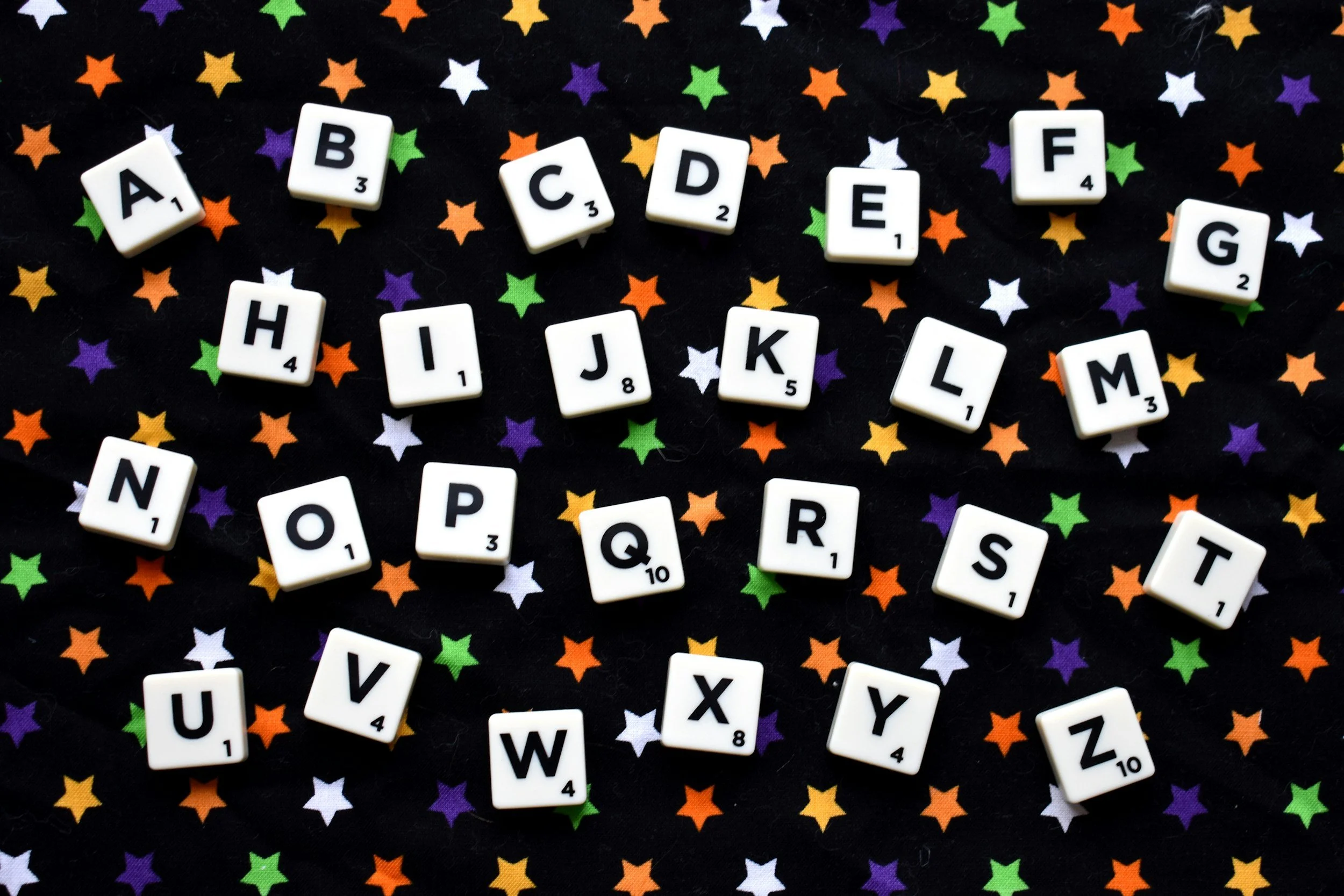
Team Spelling Bee
Teams will race to agree on a word that fits a given category, assign each member a letter tile, and physically line up to spell it out — competing against other teams for speed and word length.

The Great Egg Drop
In groups of three, students will use a bag of limited materials to engineer a contraption that protects a raw egg, then test their designs by dropping them from a second-floor window to see whose egg survives intact.

The Marshmallow Challenge
In groups of four, students will use only spaghetti, string, tape, and one marshmallow to build the tallest freestanding structure they can in 15 minutes — with the marshmallow on top — then compare heights and reflect on their teamwork.

Tricky Rope
Students will work together to figure out a secret hidden code embedded in a turning jump rope, using trial and error and group communication to get everyone across to the other side.
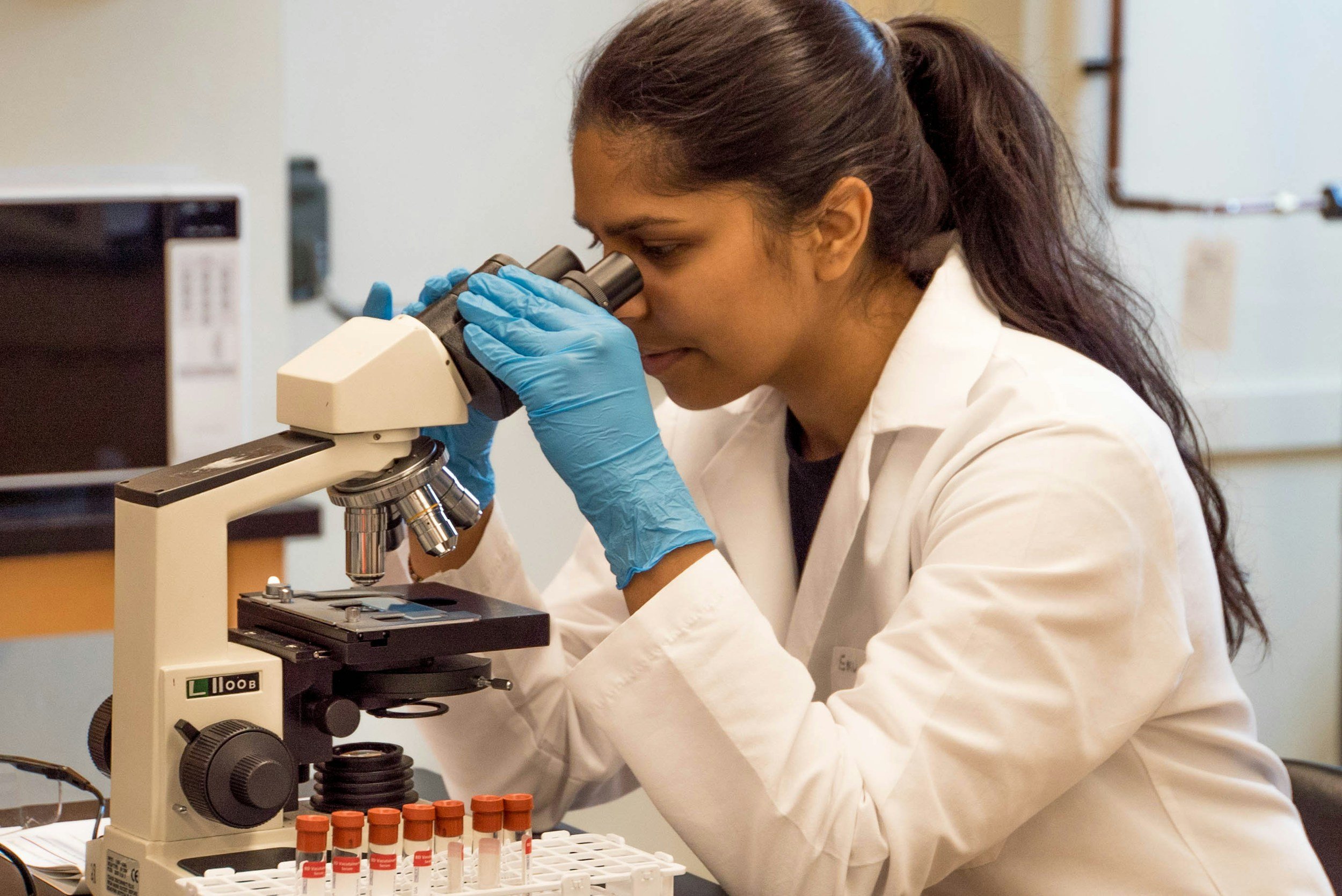
Who, Me? A Scientist?
Students will watch a video of a four-year-old solving a problem, then observe a floating-wax demonstration and work together to generate and discuss hypotheses about why the two jars behave differently — connecting their own curiosity and perseverance to the work of scientists.

Off the Grid
Students will take turns navigating a tape grid on the floor, using trial and error and memory to find the hidden safe path across while their teammates watch and remember the route to help the group get everyone across.

Newest iPhone
In small groups, students will collaboratively design a prototype of the "newest iPhone" — including a new look, a unique ringtone, and an original app — then present their creation to the class and reflect on how their team made decisions together.

New Planet
Students will first independently choose 10 people from a list of 30 to survive on a new planet, then negotiate with a small group to reach a shared final list and defend their choices in a class-wide discussion.

Equilateral Time
Students complete three rounds of rearranging chairs into a triangle — first with only the two group-chosen leaders allowed to speak, then with leaders blindfolded and everyone's arms linked, then repeating the blindfolded version after five minutes of group strategy planning — and debrief how leadership and collaboration changed across rounds.
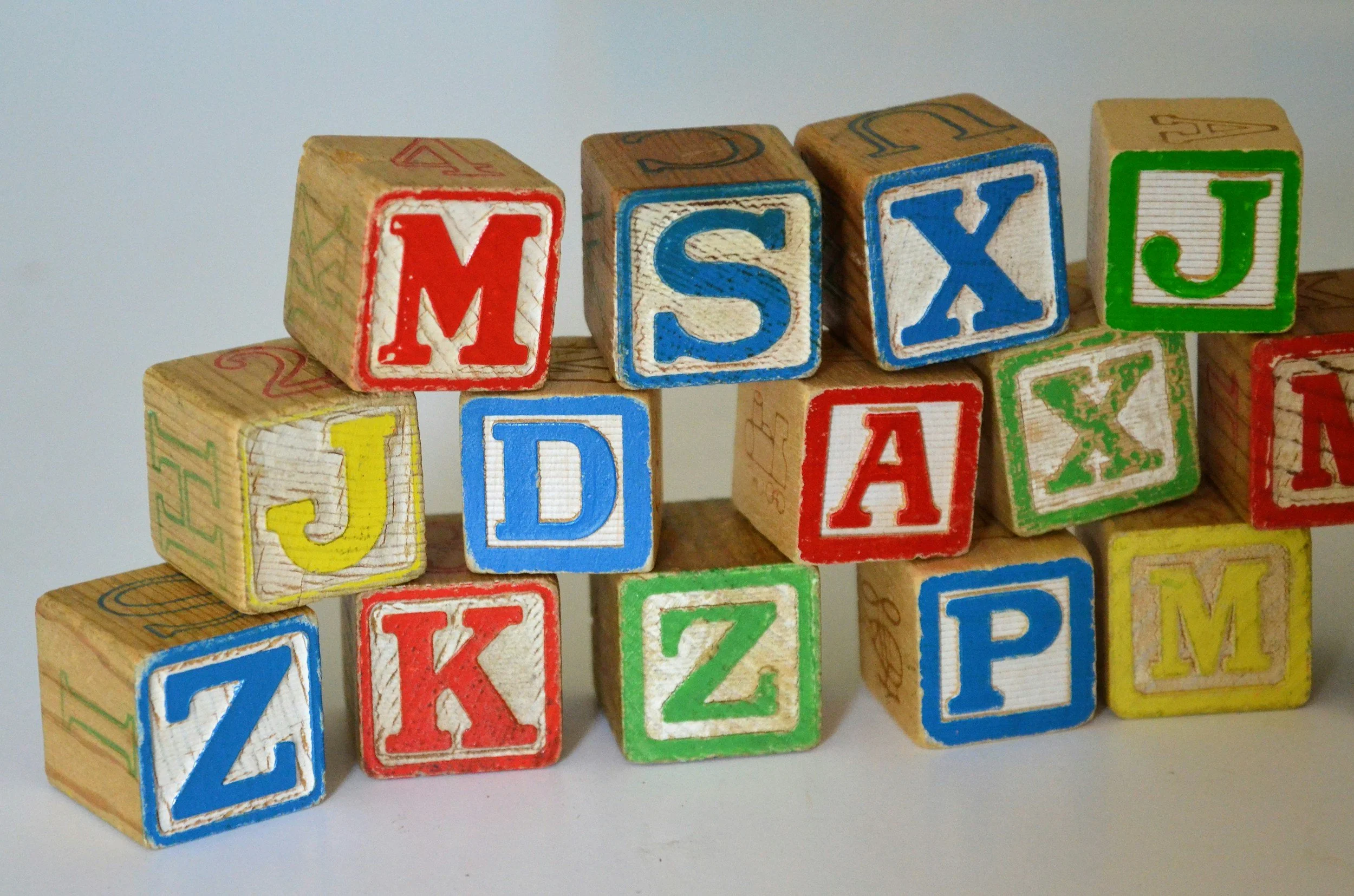
Activity Alphabet
Teams race to fill in a free-time activity for every letter of the alphabet, then share their lists with the group, vote on their top 3–5 favorites, and make a plan for when to actually do them.

Charity and Justice: What’s the difference?
Students explore the difference between charity and justice by identifying root causes of societal problems and proposing systemic solutions to address them.