
TK - First Grade
Developmental Characteristics
Physical
Enjoy long periods of free play
Developing eye-hand coordination
Enjoy small group cooperative play
May require rest after high-energy play
Improved body coordination; yet still can fall easily

Social Emotional
Eager to receive adult praise
Enjoy dramatic play
Eager to engage in new activities/adventures led by involved adult
Eager to identify with older children
Enjoy exploring new materials and equipment
Can be easily frightened by novel or strange events
Prefer play in small groups
Like responsibilities they can handle
Learning to cooperate with others, but may at times display selfish behavior

Cognitive
Understand language better than they speak
Are interested in present; vague concepts of past/future
Eager to learn
Ask many questions
Define things by their use
Developing a sense of humor
Communicate best within a small group of peers
May need guidance of adult when starting a new task
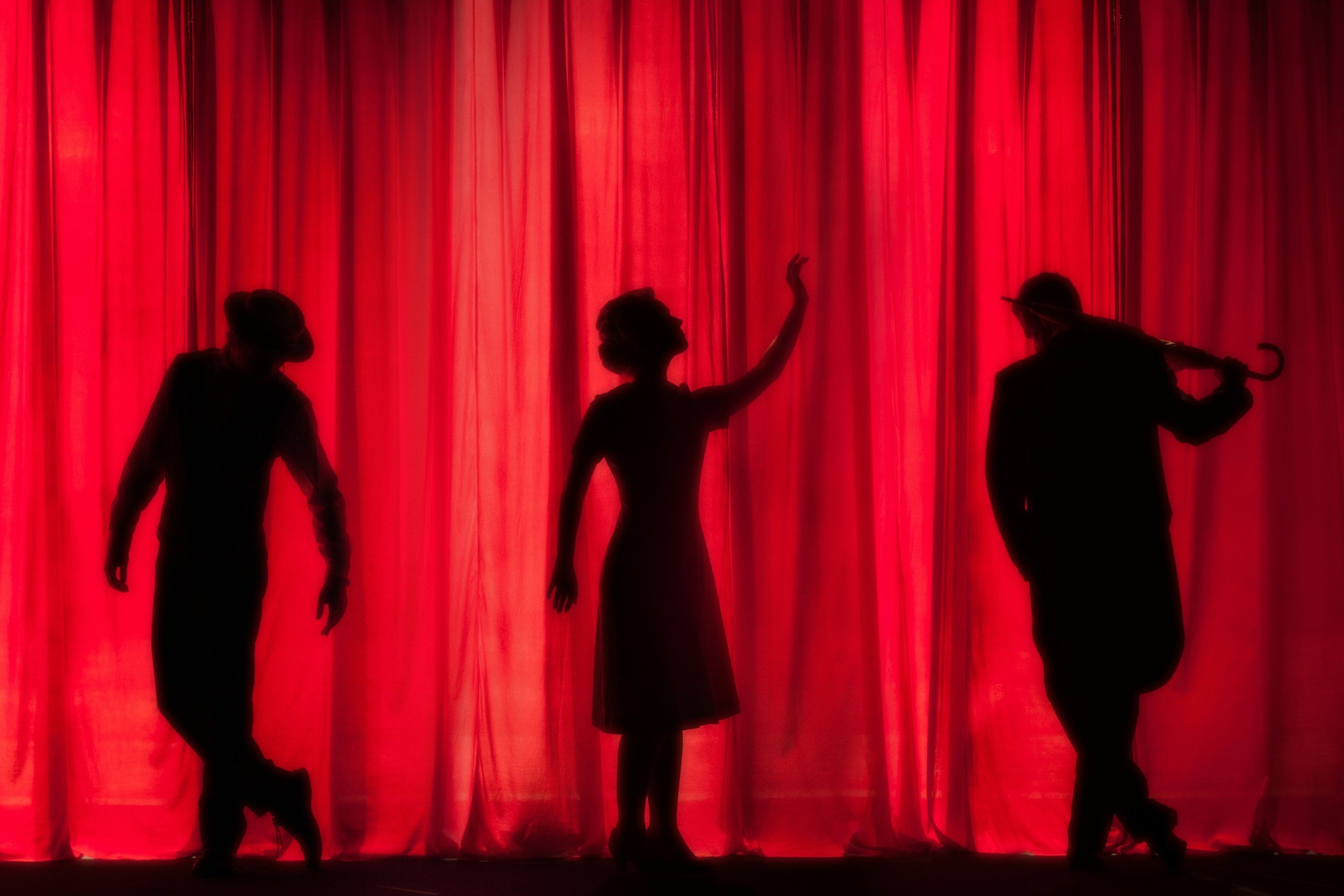
Brown Bag Theater
To develop short skits about the community values, and for participants to produce their own theater festival.
Creating Agreements
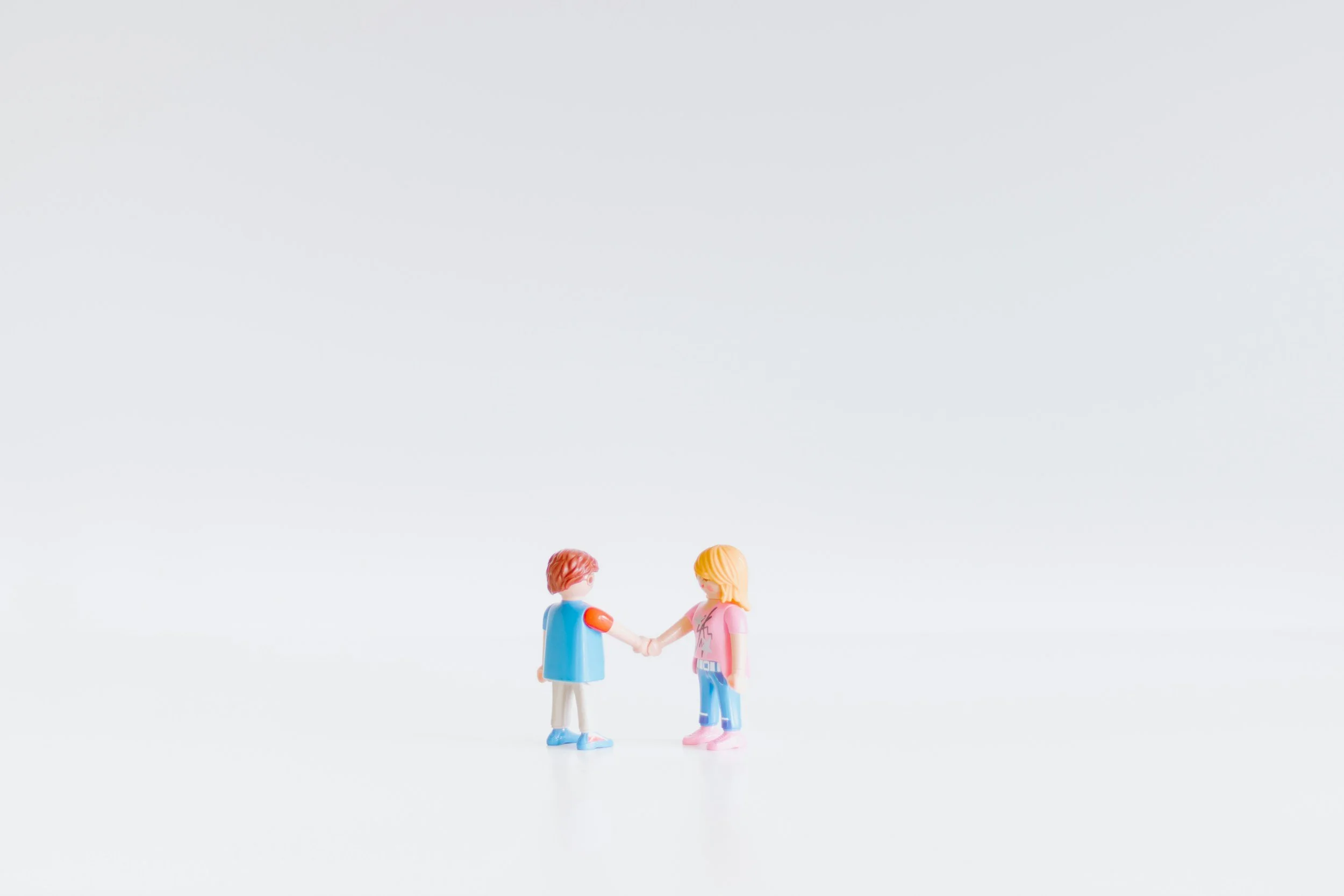
Co-create community agreements and classroom norms between teacher and students.
Creative Coloring
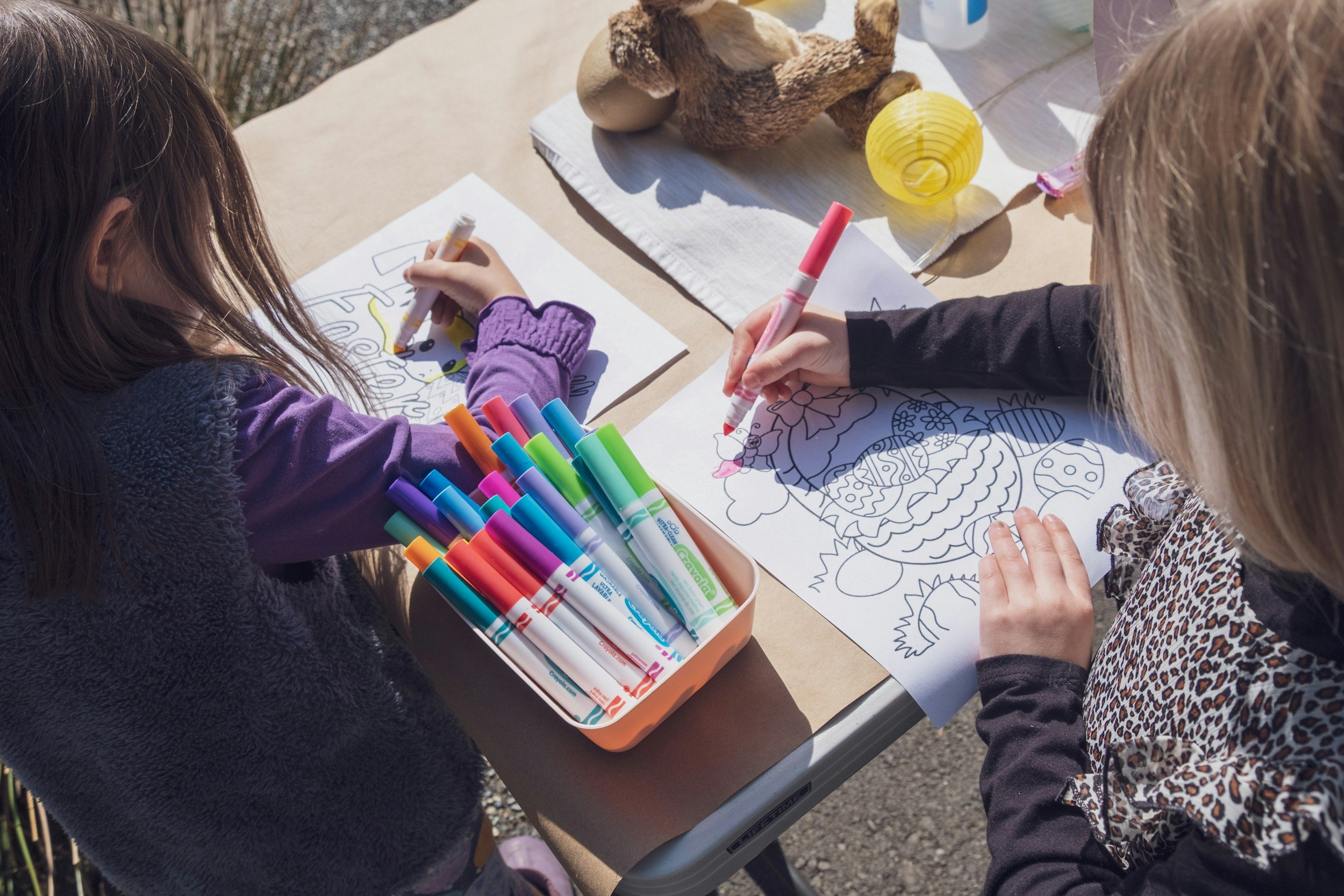
Students each receive one color and must collaborate to create a single picture together, using only their assigned color with no trading allowed, then reflect on what they learned about teamwork.

Inside Me, Outside Me
Students will create a drawing or collage that expresses how they see themselves and how others see them — building self-confidence by giving voice to who they are on the inside.
It’s Your Move
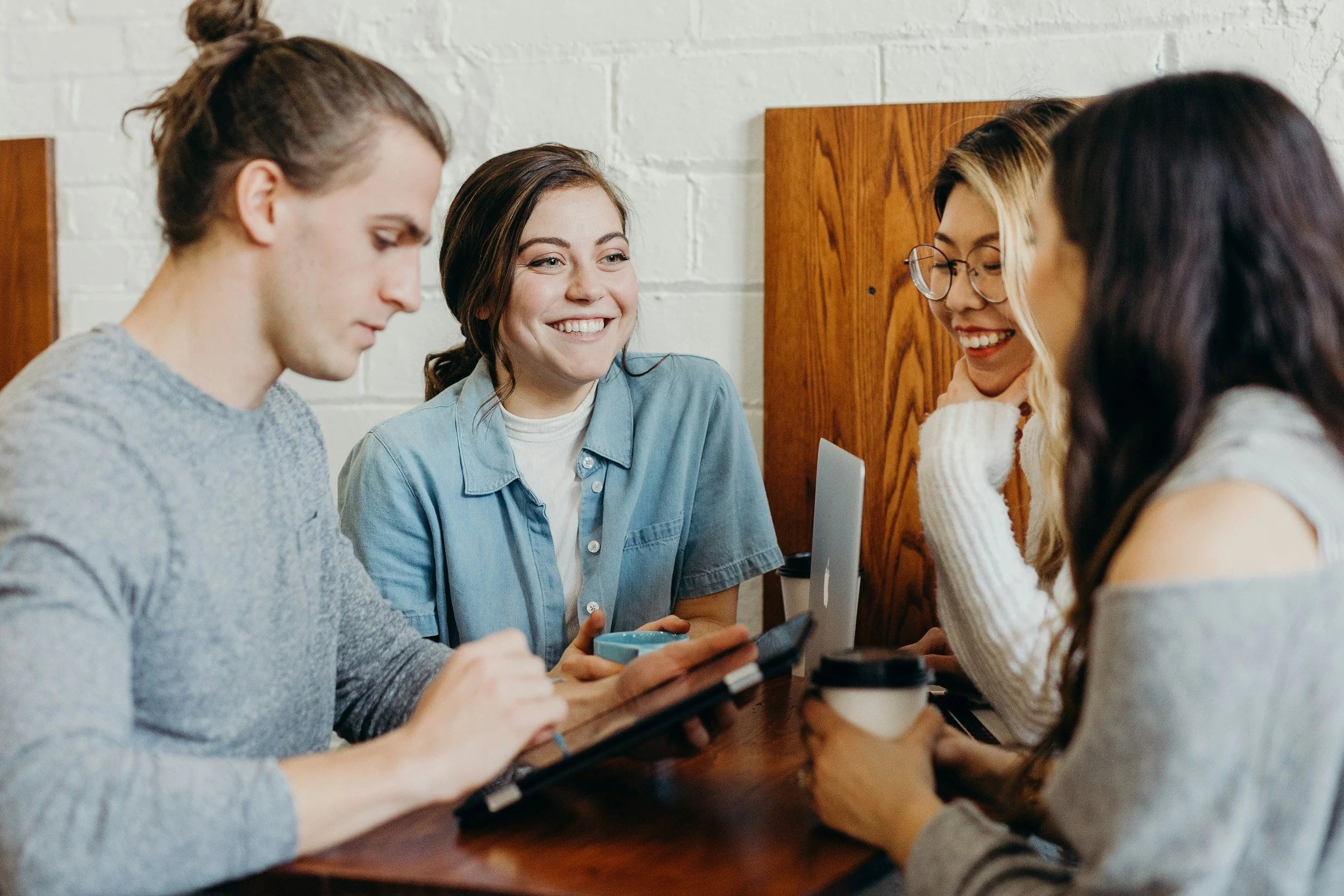
To discuss real issues that are occurring in the group, and to encourage participants to come up with their own solutions to real problems.
Overcoming Obstacles
Children will develop problem-solving skills by moving through an interesting obstacle course.
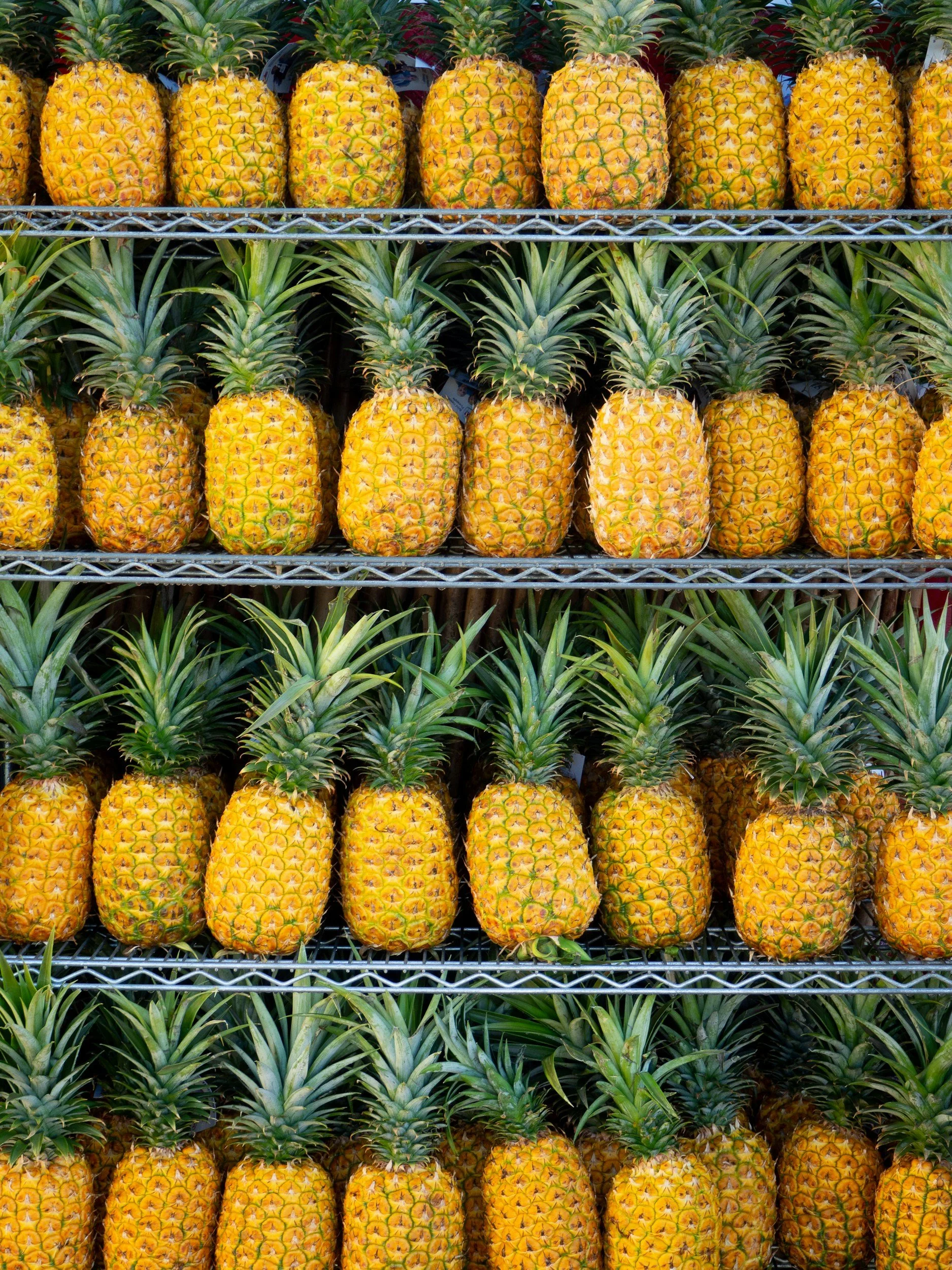
Pineapple Investigations
Through investigating a pineapple, students will engage in sensory exploration, problem solving, creative thinking, language development, and beginning science concepts.
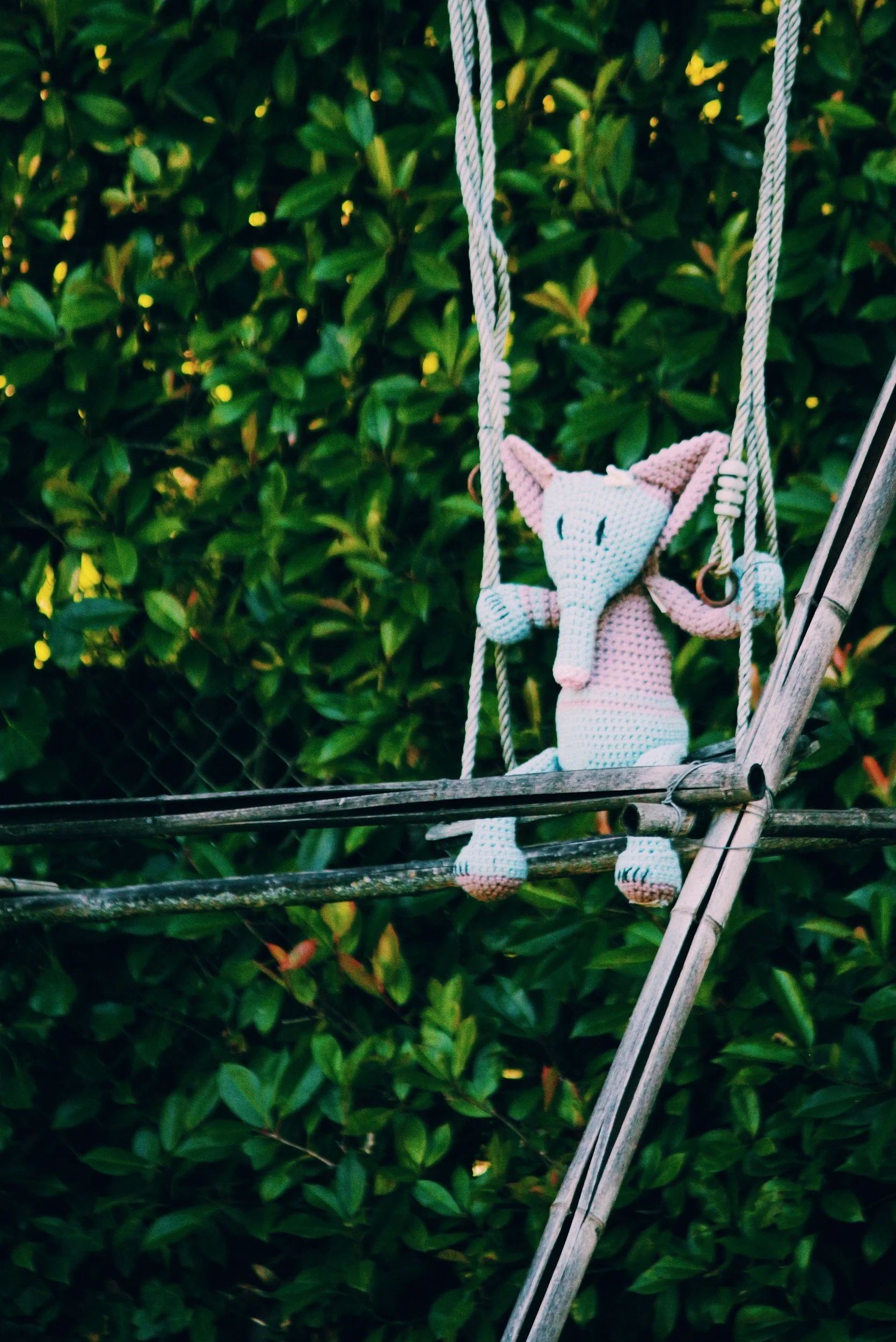
Puppet Pets
Students will reflect on ethical responsibility through learning about pets and performing in a puppet show activity.
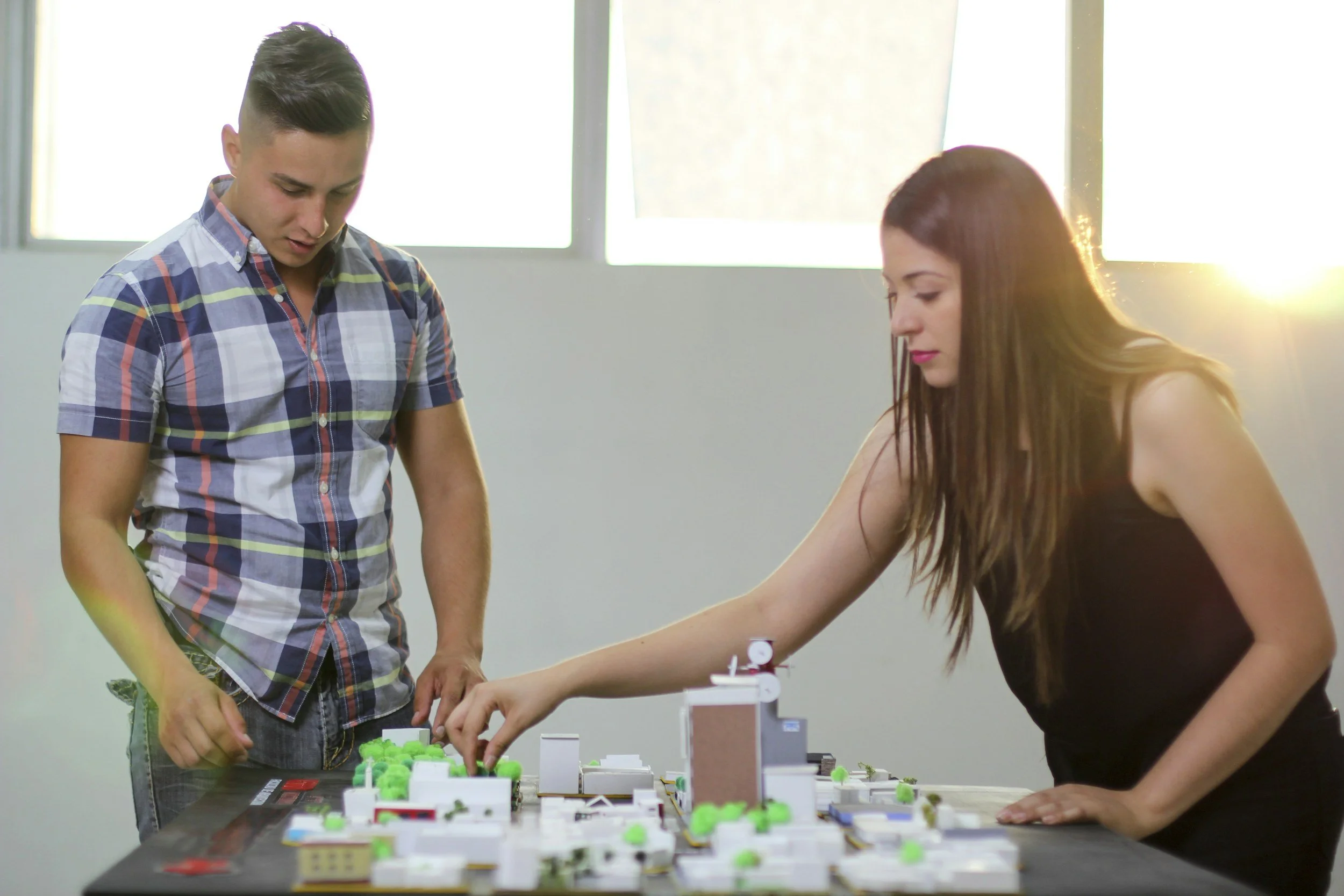
Putting Things Together
Children build social, creative-thinking, and problem-solving skills as they work in small groups to create open-ended constructions using a variety of materials — without relying on tape or glue.

Star-Bellied Sneetches
Using Dr. Seuss’s The Sneetches as a starting point, students explore what it feels like to be left out, how groups create “in” and “out” categories, and how to build fairer practices in their own community.

Support Tree
Students will be able to identify the people in their lives they can go to for help.

The Trees and the Worms
Students will listen to a story while moving through a series of yoga poses, using breath and movement to practice grounding and self-control. A brief debrief follows where students reflect on how focusing on their breath affects their thoughts and feelings.

Unity Day Poster-Making
Unity Day is a national day when students, teachers, and families wear orange to show they support bullying prevention. In this activity, students explore what unity means and collaborate in pairs on posters that show how working together can help stop bullying. Posters are then hung throughout the school.
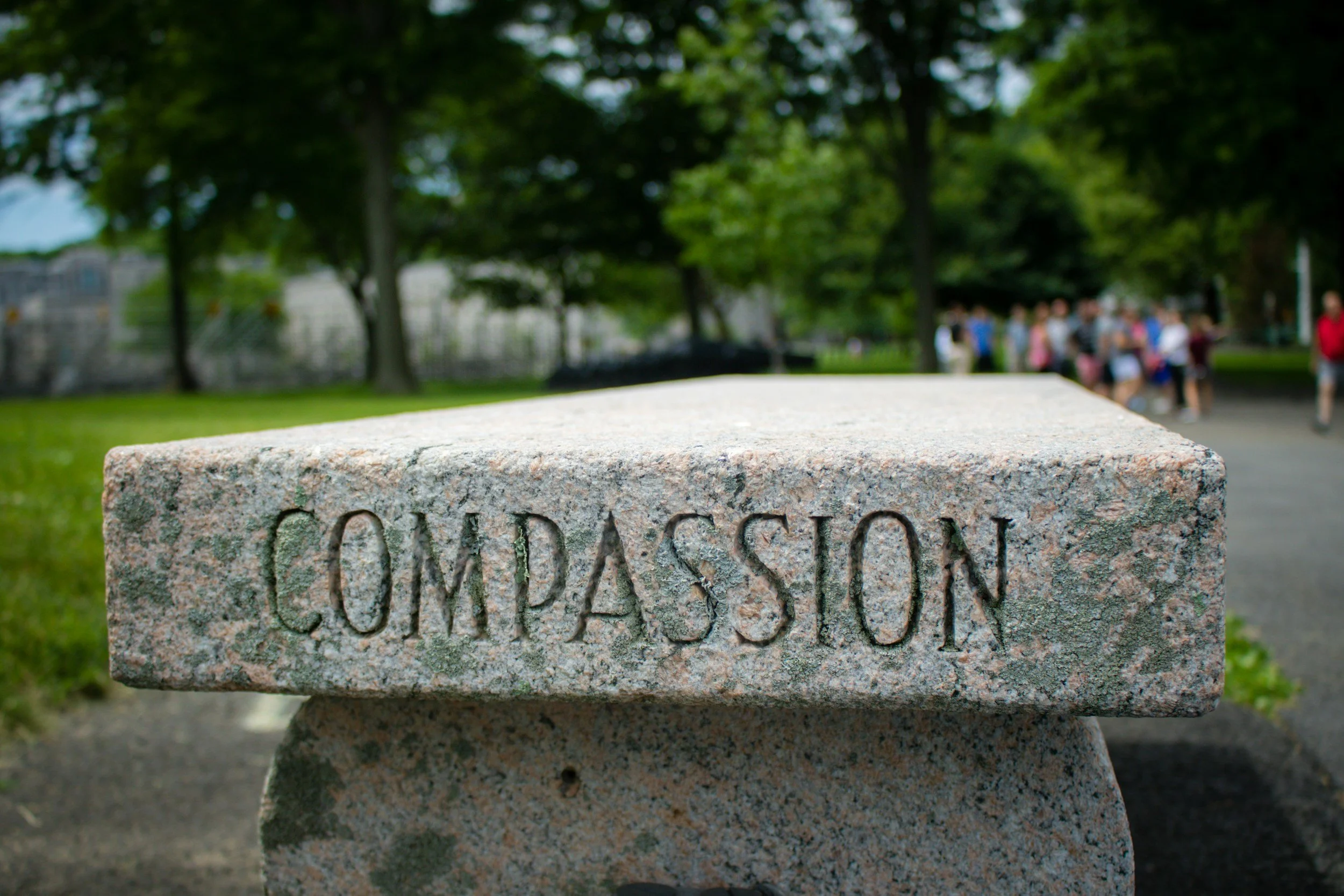
What is Compassion?
In this lesson, students explore the ways people with a critical health condition or disease might feel, as well as ways they can support and show compassion toward those who are living with an illness.

Tip-to-Toe
Students will play a cooperative partner game where one student calls out body part commands (e.g., "elbow to elbow!") and pairs connect the named body parts, practicing listening, self-control, and movement. The game builds in complexity as students must follow multiple commands consecutively while switching partners throughout.
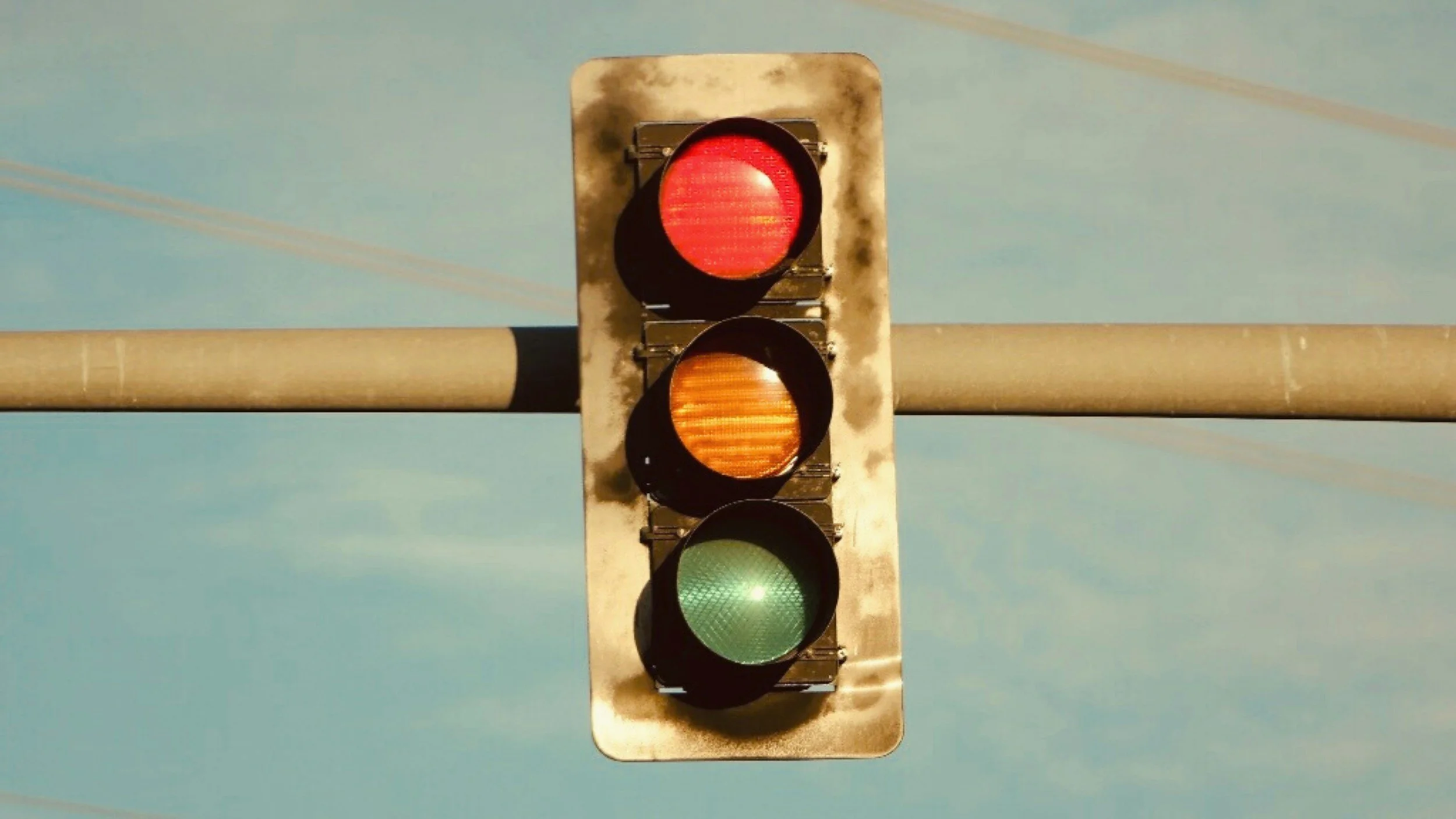
Red Light, Green Light
Students will play Red Light, Green Light, moving toward the teacher on "Green Light!" and freezing on "Red Light!," practicing listening, body awareness, and self-control. Afterward, they reflect on how they managed their bodies and emotions during the game.
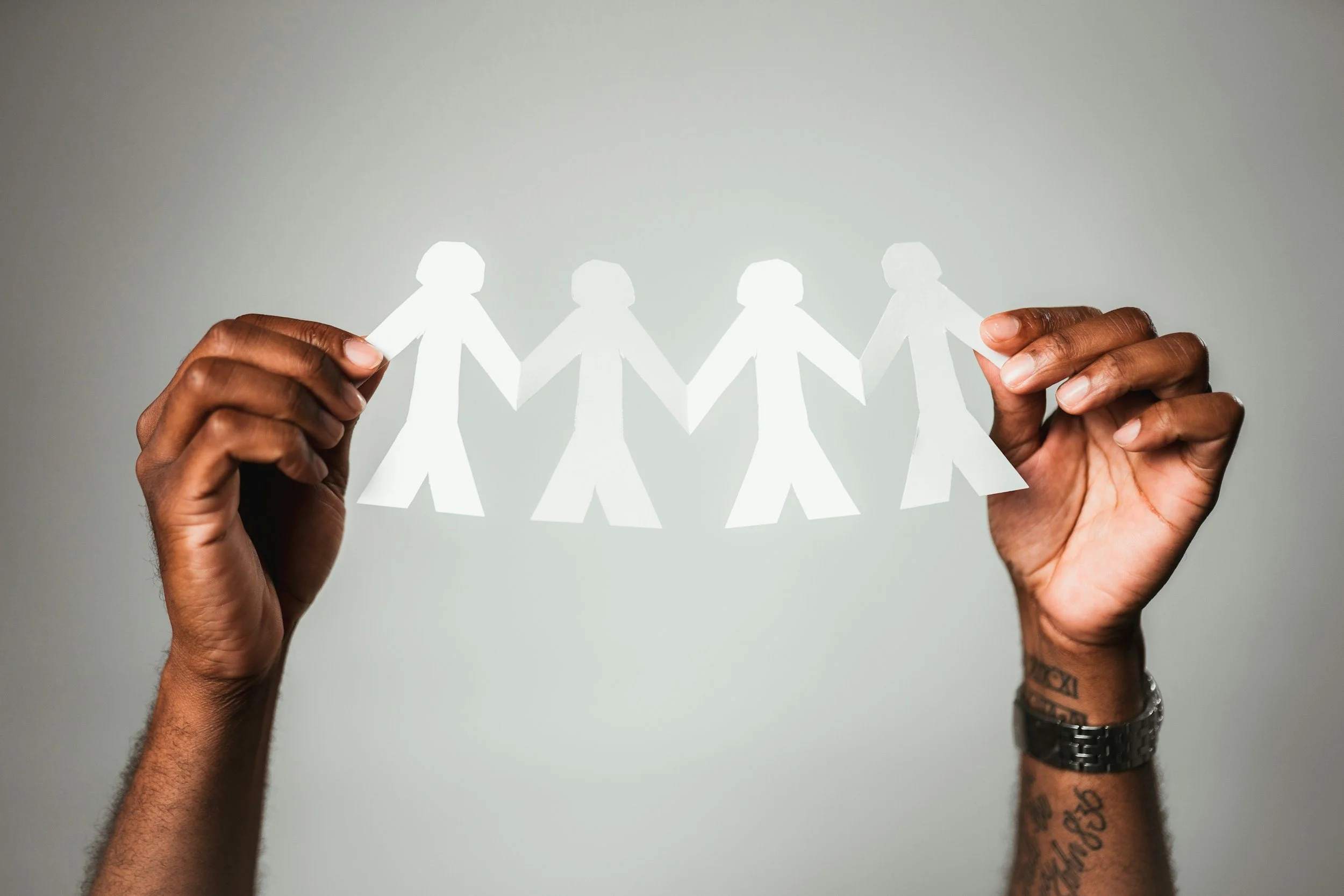
Our Friendship Chain Links Us Together
Students listen to a friendship song, brainstorm and dictate qualities of a good friend, and draw their friends on paper links that get connected into a class Friendship Chain, finishing with a shared Friendship Poem or Chant.