
TK - First Grade
Developmental Characteristics
Physical
Enjoy long periods of free play
Developing eye-hand coordination
Enjoy small group cooperative play
May require rest after high-energy play
Improved body coordination; yet still can fall easily

Social Emotional
Eager to receive adult praise
Enjoy dramatic play
Eager to engage in new activities/adventures led by involved adult
Eager to identify with older children
Enjoy exploring new materials and equipment
Can be easily frightened by novel or strange events
Prefer play in small groups
Like responsibilities they can handle
Learning to cooperate with others, but may at times display selfish behavior

Cognitive
Understand language better than they speak
Are interested in present; vague concepts of past/future
Eager to learn
Ask many questions
Define things by their use
Developing a sense of humor
Communicate best within a small group of peers
May need guidance of adult when starting a new task

Week 8: Boss of My Body
Students play Duck, Duck, Goose with a different silly movement style each round (penguin, robot, skip, gallop, crawl), then complete a "Boss of My Body" worksheet exploring how their brain controls their body's movements.

Week 7: Draw What I Draw
Students play multiple rounds of Hot Potato at varying speeds, then follow along with a step-by-step drawing video (ice cream cone or Hello Kitty) pausing as needed to keep up.

Week 6: Don’t Pop the Bubble
Students blow bubbles and try not to pop any, then color quietly while soft music plays — challenged to stay quieter than the music or go completely silent.
Week 5: Zones of Regulation Relay
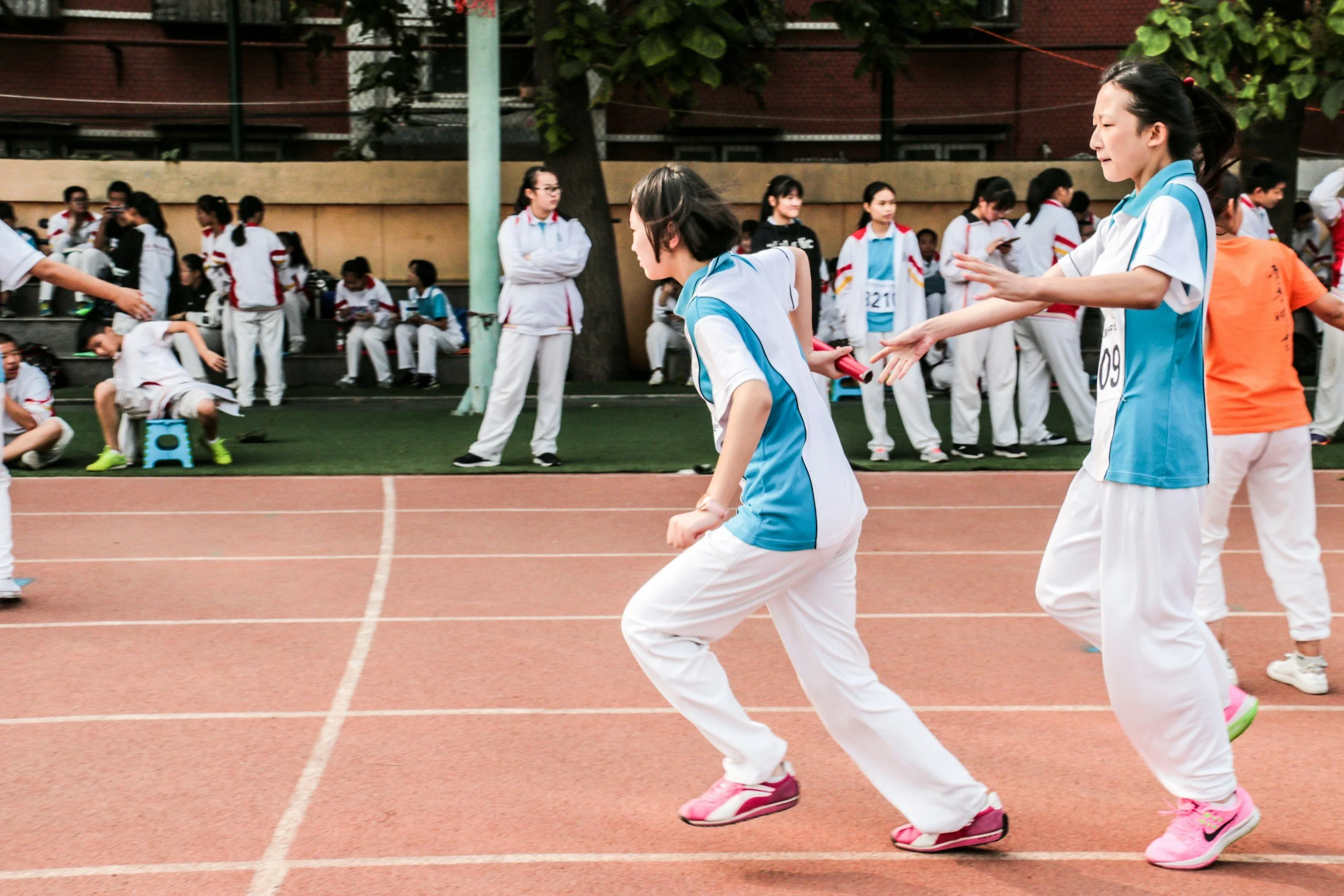
Students act out emotions for each Zone of Regulation (blue, green, yellow, red) when called by name, then do a Zones Relay — moving around the room to music in silly ways and rushing to a colored zone when the music stops to practice coping strategies for that zone.

Week 4: Mystery Box Challenge
Students follow along to a Yo Gabba Gabba stretching and breathing song on the rug, then take turns reaching blindfolded into a mystery box while practicing self-control by keeping their guess to themselves until everyone has had a turn.

Week 3: Night at the Museum
Students play Night at the Museum (staying frozen as statues while a "janitor" with a flashlight tries to catch them moving), then fold and decorate paper airplanes and must wait for a whole-class countdown before flying them.
Week 2: Who Took the Cookie from the Cookie Jar?
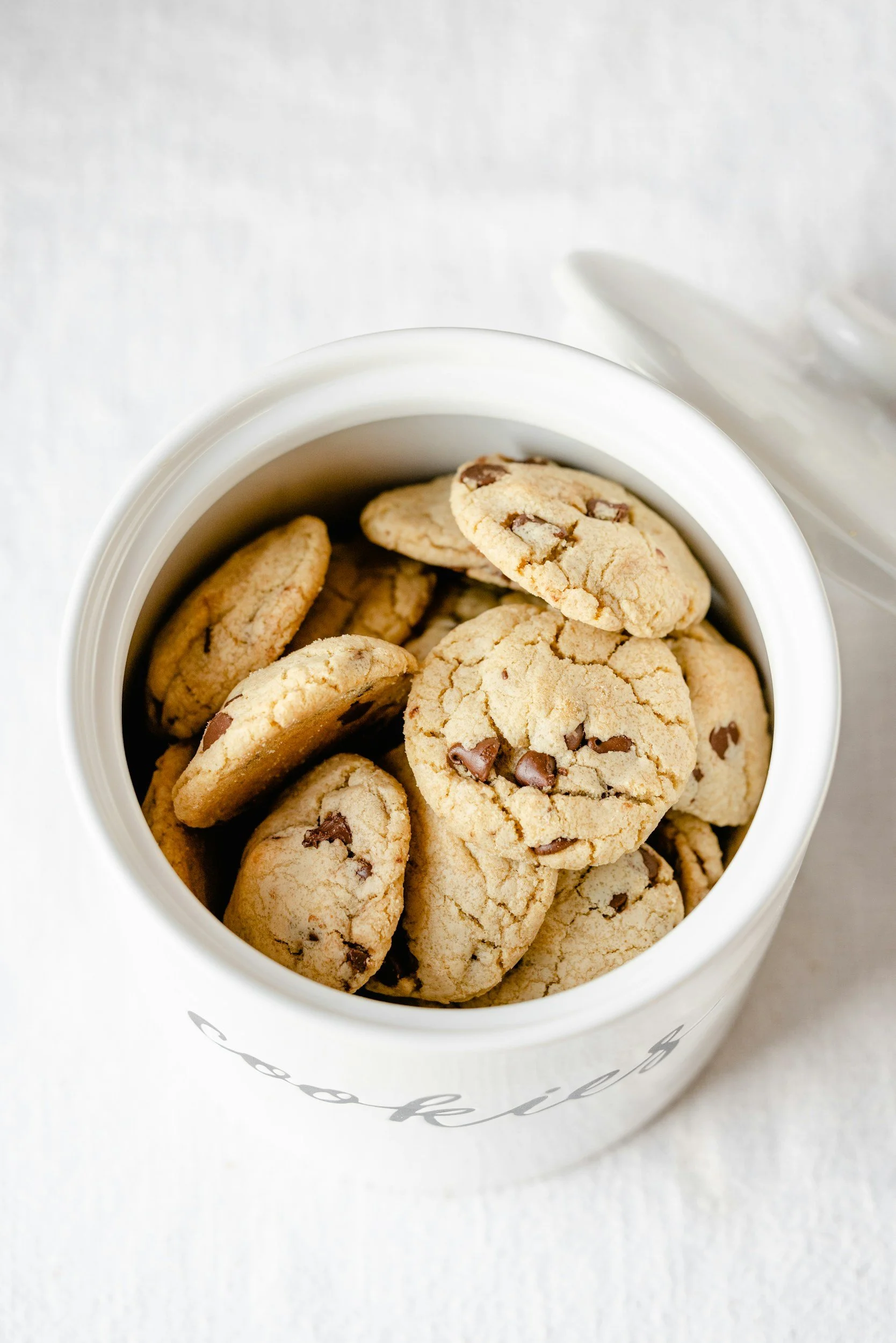
Students sing "Who Took the Cookie from the Cookie Jar?" in a circle with a slap-clap rhythm, passing the chant around to each classmate. Then they decorate nila wafer cookies with frosting and sprinkles, challenged to resist eating until they're done decorating.

Week 1: Simon Says, Red Light Green Light
Students play Simon Says (winners or respectful sitters get to lead a round), then play Red Light, Green Light to the Squid Game audio, with eliminated students practicing silent cheering on the sidelines.

Week 4: Big vs Small Problems (TK-2)
Students play the Big or Small Sorting Game — physically moving to one side of the room labeled "Big Problem" or the other labeled "Small Problem" after each scenario is read — then act out calm reactions to small problems (taking a breath, saying "it's okay," picking things up) reinforcing that a small problem deserves a small reaction.
Week 3: Breathing Strategies (TK-1)
Students practice several breathing techniques together — the crocodile, smell the rose/blow the candle, heart hands, and the Balloon — with volunteers leading the class in their favorite, then cut out and glue 3–5 calm-down strategies onto a personal Calm-Down Toolbox worksheet to decorate and take home.

Week 2: Freeze Games (TK-2)
Students play Freeze Dance — dancing freely to music and freezing their bodies completely still each time the music stops — then play a Movement Game where the teacher calls out a specific movement to do while the music plays, stopping and holding their pose each time the music cuts out.
Week 1: What is Self-Control? (TK-2)
Students play Self-Control Charades — taking turns acting out scenarios with their face and body while classmates identify whether it calls for a calm or silly body — then draw themselves having a calm moment at school on a worksheet, thinking about their hands, feet, face, and posture.

The Trees and the Worms
Students will listen to a story while moving through a series of yoga poses, using breath and movement to practice grounding and self-control. A brief debrief follows where students reflect on how focusing on their breath affects their thoughts and feelings.

Tip-to-Toe
Students will play a cooperative partner game where one student calls out body part commands (e.g., "elbow to elbow!") and pairs connect the named body parts, practicing listening, self-control, and movement. The game builds in complexity as students must follow multiple commands consecutively while switching partners throughout.

Red Light, Green Light
Students will play Red Light, Green Light, moving toward the teacher on "Green Light!" and freezing on "Red Light!," practicing listening, body awareness, and self-control. Afterward, they reflect on how they managed their bodies and emotions during the game.

Move and Make Friends
Students will dance with partners and freeze when the music stops, then take turns moving creatively down a line while classmates clap, practicing self-control, listening, and social awareness through movement.
Beanbag Freeze
Students play a movement game where they balance a beanbag on their head while music plays. When the music stops, they freeze. When a beanbag falls, a friend has to help by carefully placing it back—then they move together as partners. The game builds listening, body control, and cooperative care all at once.

Classical Creativity
Students will explore self-awareness and emotional expression by listening to classical music and drawing what they feel or imagine.
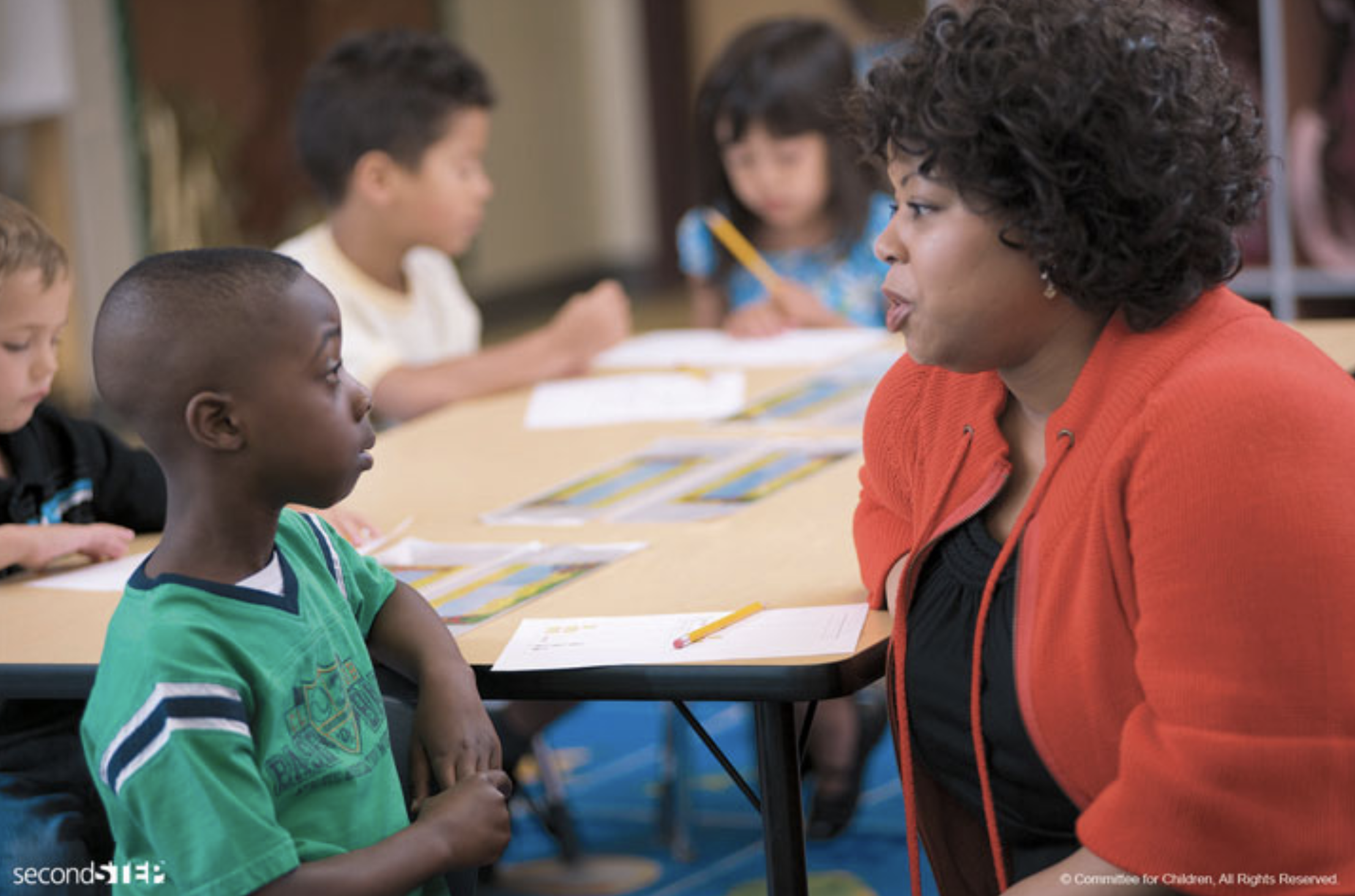
Focusing Attention (Second Step Lesson 2)
In this lesson, students learn how to focus their attention by using their brain, eyes, and ears—practicing with a pretend "attent-o-scope" to block out distractions and stay engaged in learning.
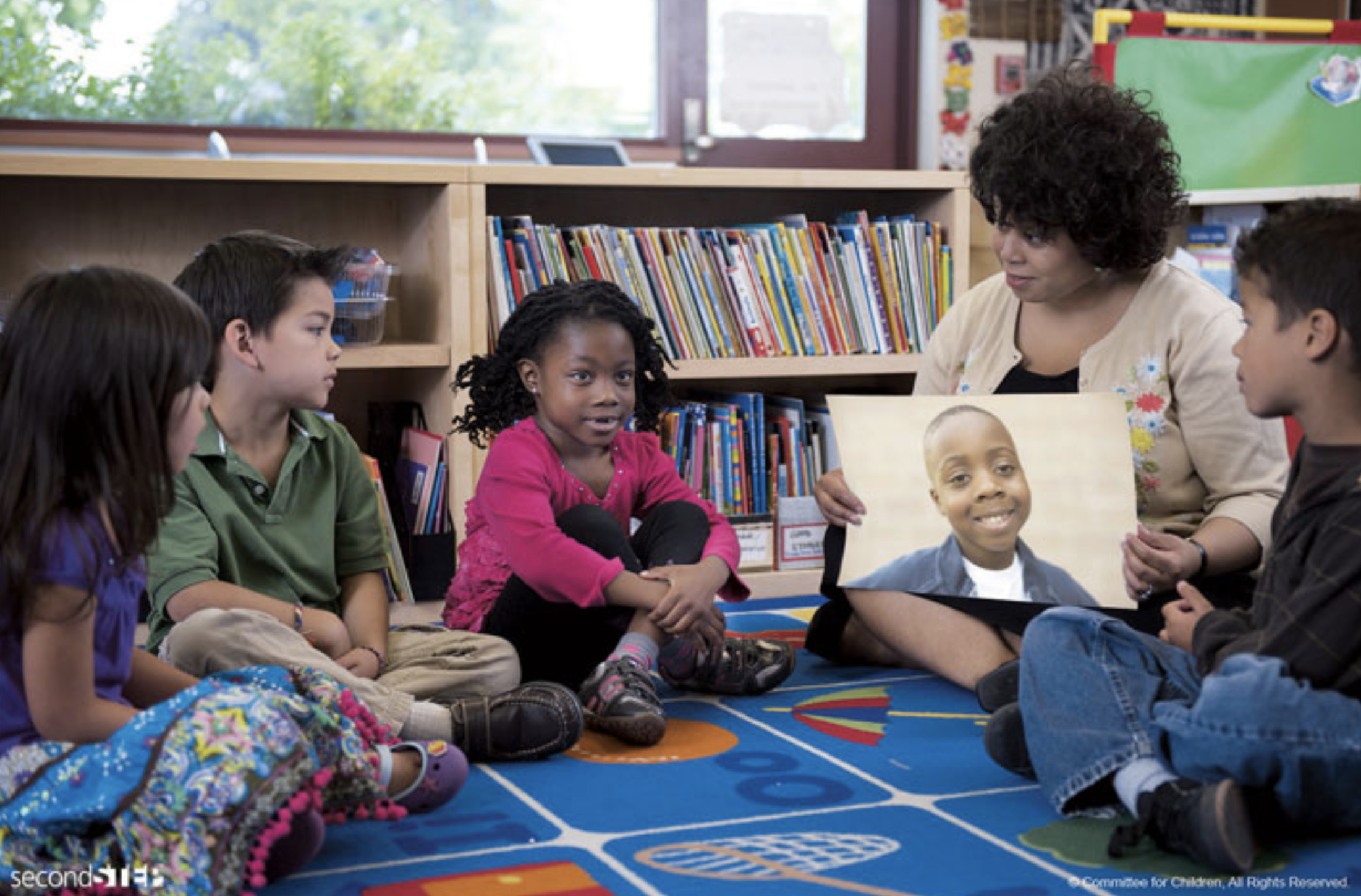
Learning to Listen (Second Step Lesson 1)
Students learn what it means to be a good listener by practicing the Listening Rules and playing a fun game to build focus and self-control.