
TK - First Grade
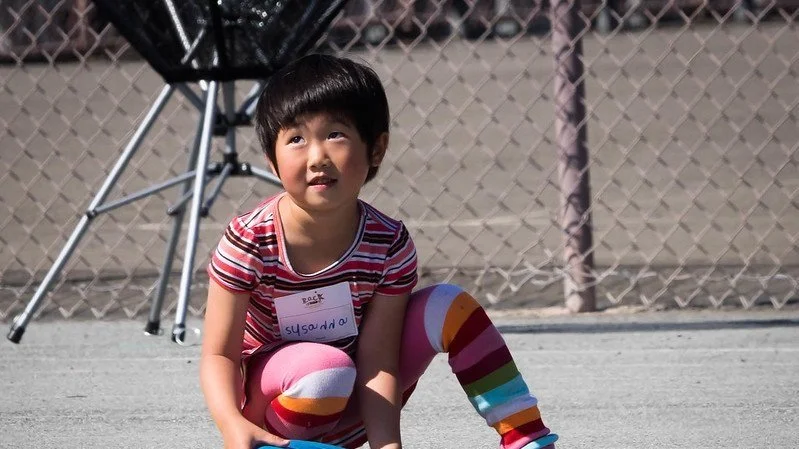
Developmental Characteristics
Physical
Enjoy long periods of free play
Developing eye-hand coordination
Enjoy small group cooperative play
May require rest after high-energy play
Improved body coordination; yet still can fall easily

Social Emotional
Eager to receive adult praise
Enjoy dramatic play
Eager to engage in new activities/adventures led by involved adult
Eager to identify with older children
Enjoy exploring new materials and equipment
Can be easily frightened by novel or strange events
Prefer play in small groups
Like responsibilities they can handle
Learning to cooperate with others, but may at times display selfish behavior

Cognitive
Understand language better than they speak
Are interested in present; vague concepts of past/future
Eager to learn
Ask many questions
Define things by their use
Developing a sense of humor
Communicate best within a small group of peers
May need guidance of adult when starting a new task
Week 5: Friendship Skills (1st-5th)
Students play Follow the Leader — taking turns leading the group through simple motions (clap, stomp, jump, spin) that everyone copies — then pair up for a Partner Share Game where one partner talks for 10–20 seconds about a simple prompt while the other practices active listening, then they switch roles.
Week 5: Friendship Skills (TK-K)
Students play Follow the Leader — taking turns leading the group through simple motions (clap, stomp, jump, spin) that everyone copies — then pair up for a Partner Share Game where one partner talks for 10–20 seconds about a simple prompt while the other practices active listening, then they switch roles.
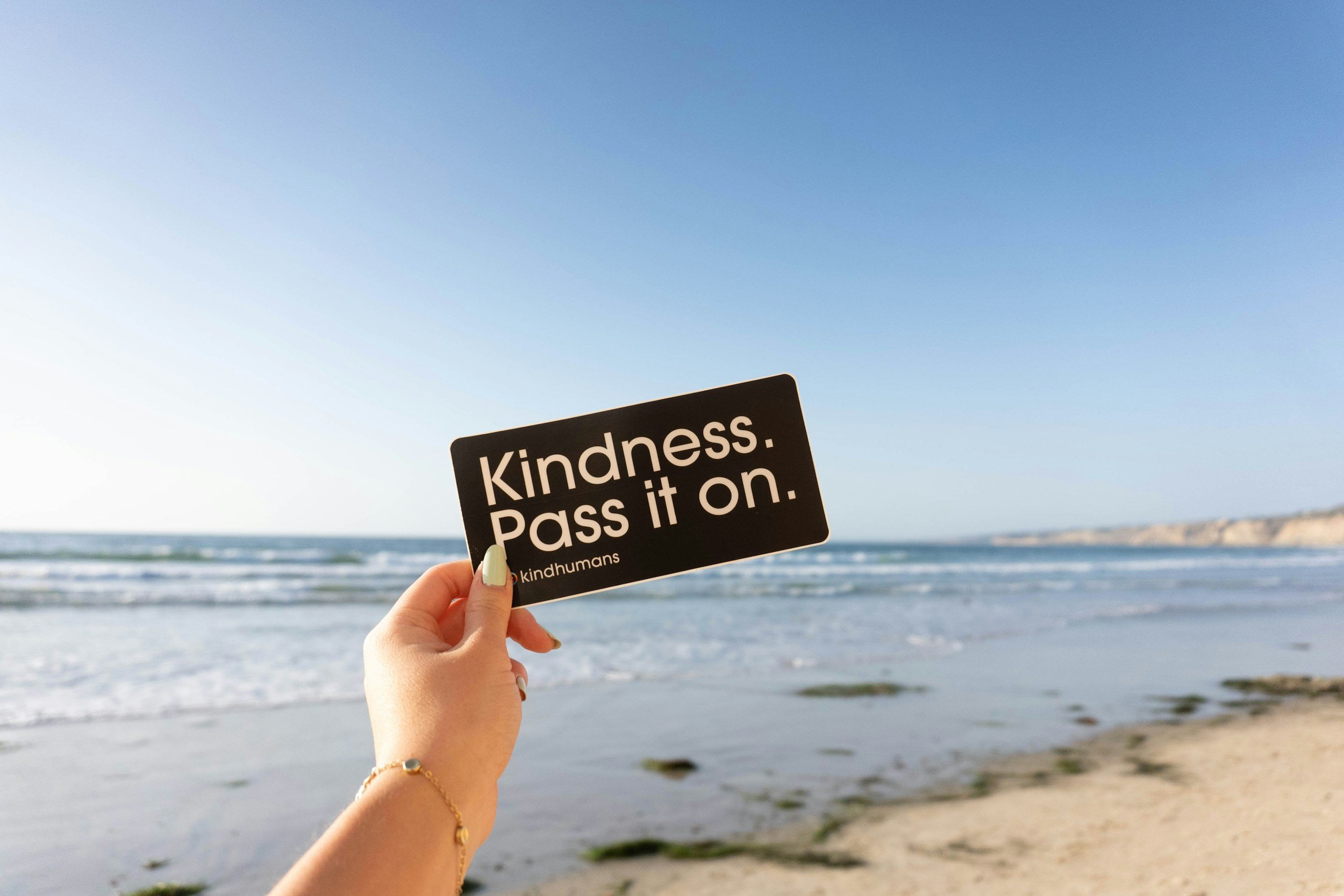
Week 3: Kindness Signals (1st-5th)
Students play the Mirror Game — taking turns leading a line of classmates through a series of moves everyone copies — then practice "kind signals" in pairs, with two students facing each other in the circle and choosing a kind gesture (thumbs-up, high-five, smile) to give each other while making eye contact.
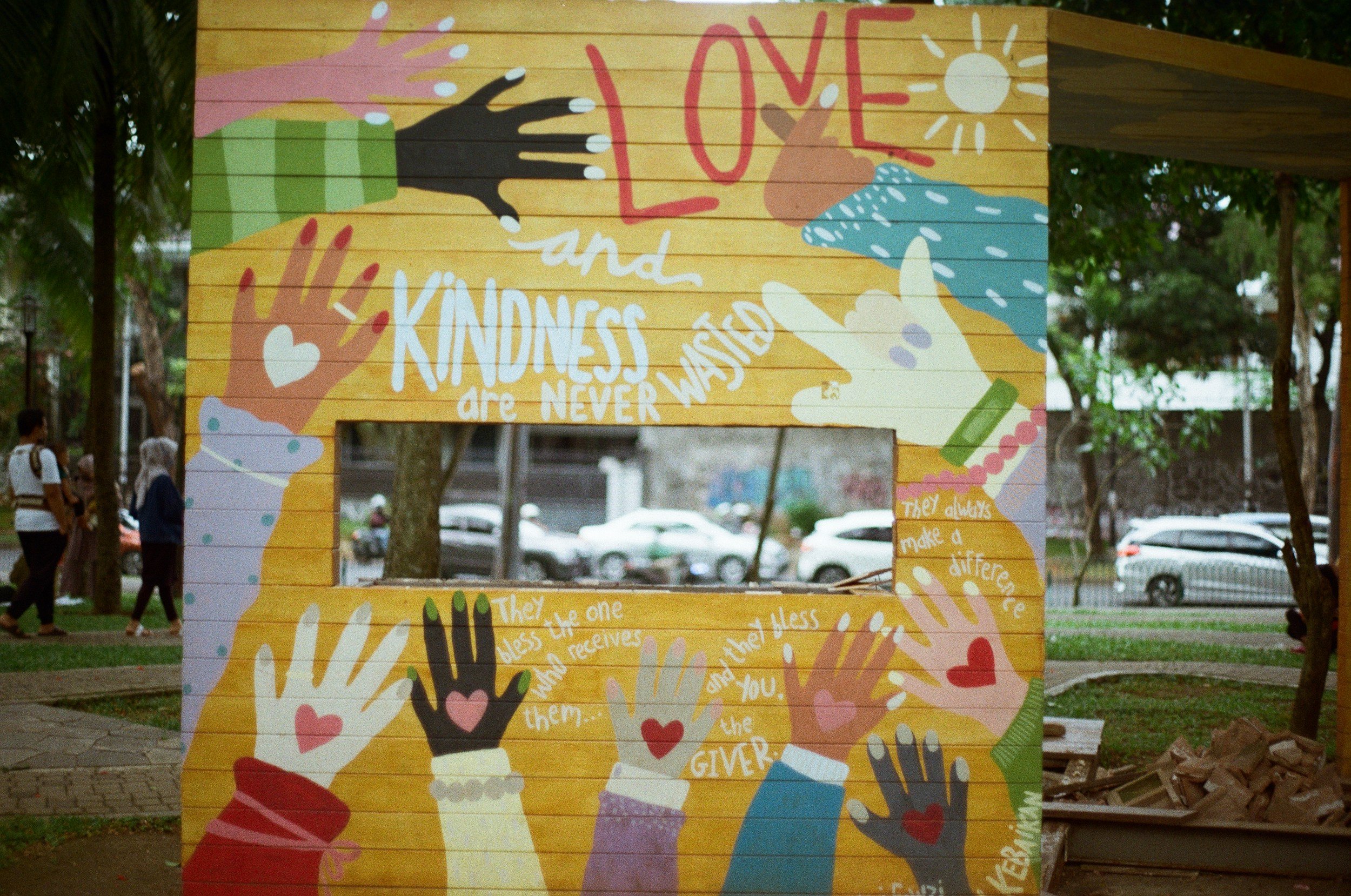
Week 3: Kindness Signals (TK-K)
Students play the Mirror Game — taking turns leading a line of classmates through a series of moves everyone copies — then practice "kind signals" in pairs, with two students facing each other in the circle and choosing a kind gesture (thumbs-up, high-five, smile) to give each other while making eye contact.
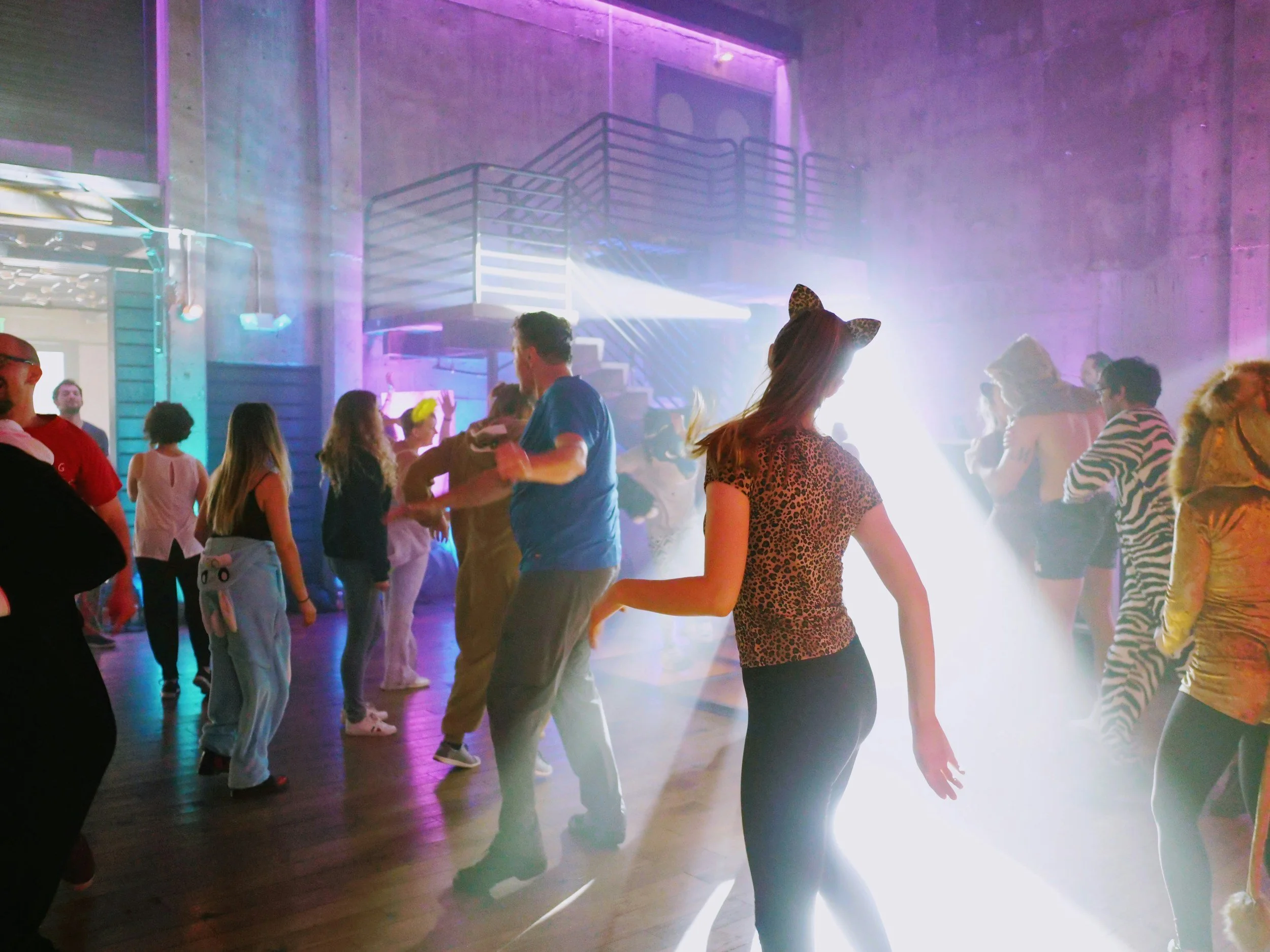
Week 2: Working Together (1st-5th)
Students play Copy Cat Dance — taking turns standing in the middle of the circle, doing a move, and having everyone copy — then extend the activity with a group pretend adventure where each leader acts out what the group "sees" in an imaginary setting and everyone mirrors them.
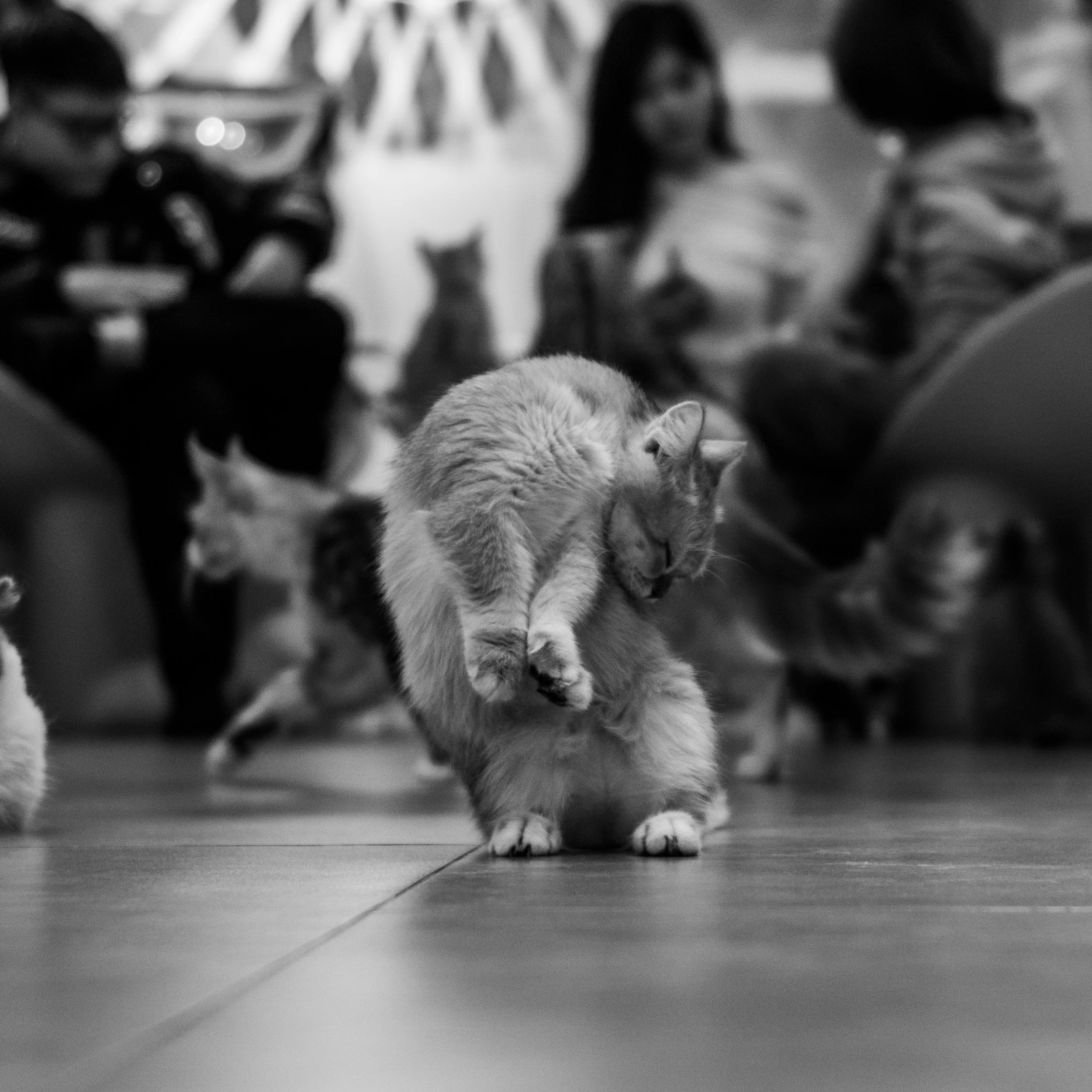
Week 2: Working Together (TK-K)
Students play Copy Cat Dance — taking turns standing in the middle of the circle, doing a move, and having everyone copy — then extend the activity with a group pretend adventure where each leader acts out what the group "sees" in an imaginary setting and everyone mirrors them.
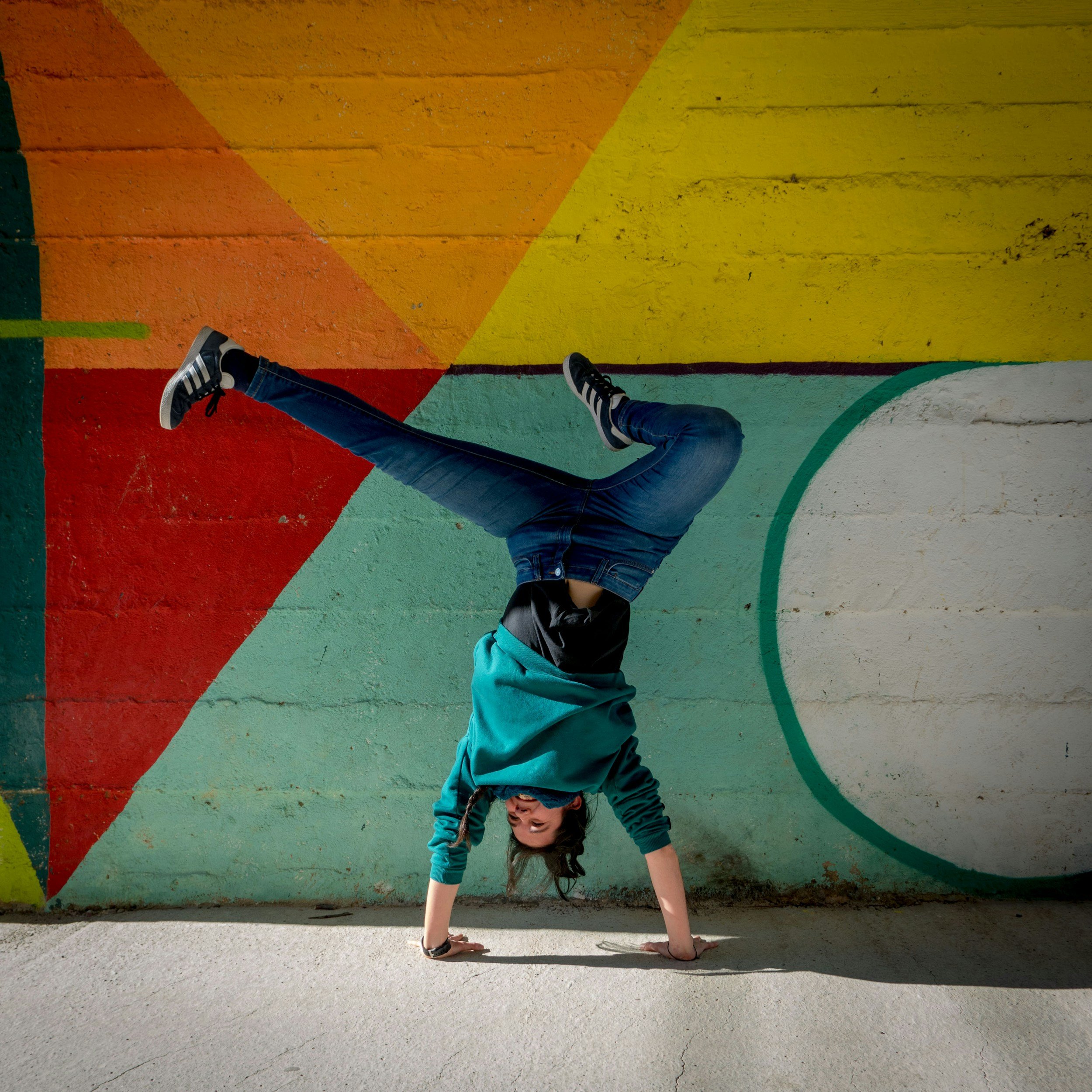
Week 1: Finding Common Ground (1st-5th)
Students play Partner Dance Freeze — taking turns leading and copying each other's dance moves until the music stops — then stay with their partner for one minute to find one thing they both like and share it with the class.
Week 1:Finding Common Ground (TK-K)
Students play Partner Dance Freeze — taking turns leading and copying each other's dance moves until the music stops — then stay with their partner for one minute to find one thing they both like and share it with the class.
Creating Agreements
Co-create community agreements and classroom norms between teacher and students.

It’s Your Move
To discuss real issues that are occurring in the group, and to encourage participants to come up with their own solutions to real problems.

Support Tree
Students will be able to identify the people in their lives they can go to for help.

Our Friendship Chain Links Us Together
Students listen to a friendship song, brainstorm and dictate qualities of a good friend, and draw their friends on paper links that get connected into a class Friendship Chain, finishing with a shared Friendship Poem or Chant.
Listening Game
Students will develop listening and language skills by recreating sounds from the outdoor environment.
Balls and Hoops:Pass-It-Back Relays
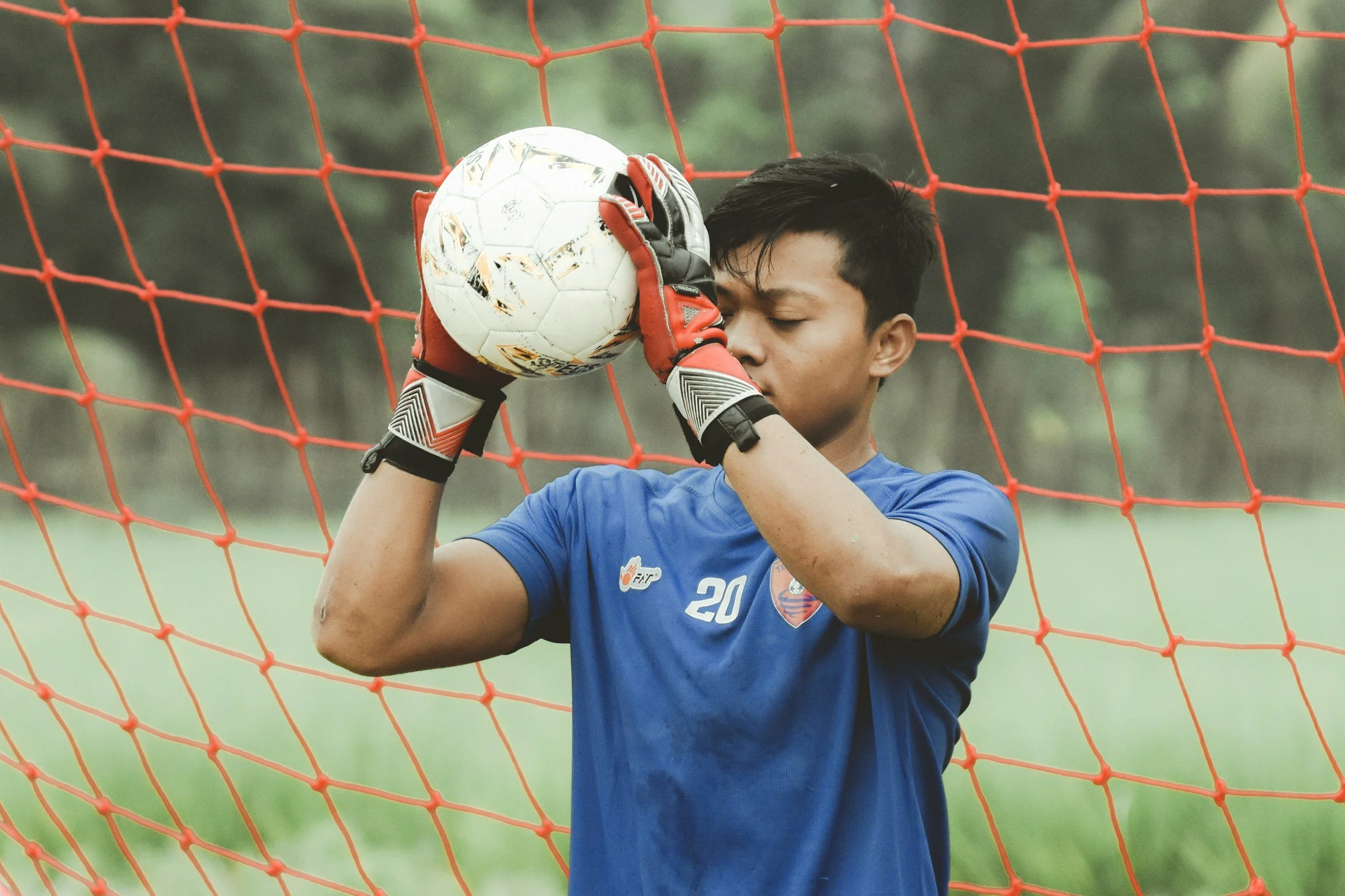
Students brainstorm and play a series of relay races they help design, taking turns passing a ball down the line in creative ways, then reflect on how their team worked together.

Catch Your Name
A fun and active circle game where students build connection and listening skills by learning each other’s names through ball tosses, name calls, and playful movement.
Cat and Mouse
A playful circle game where students practice leadership and observation skills as one player (the Cat) tries to guess who is secretly leading the group’s movements (the Mouse).
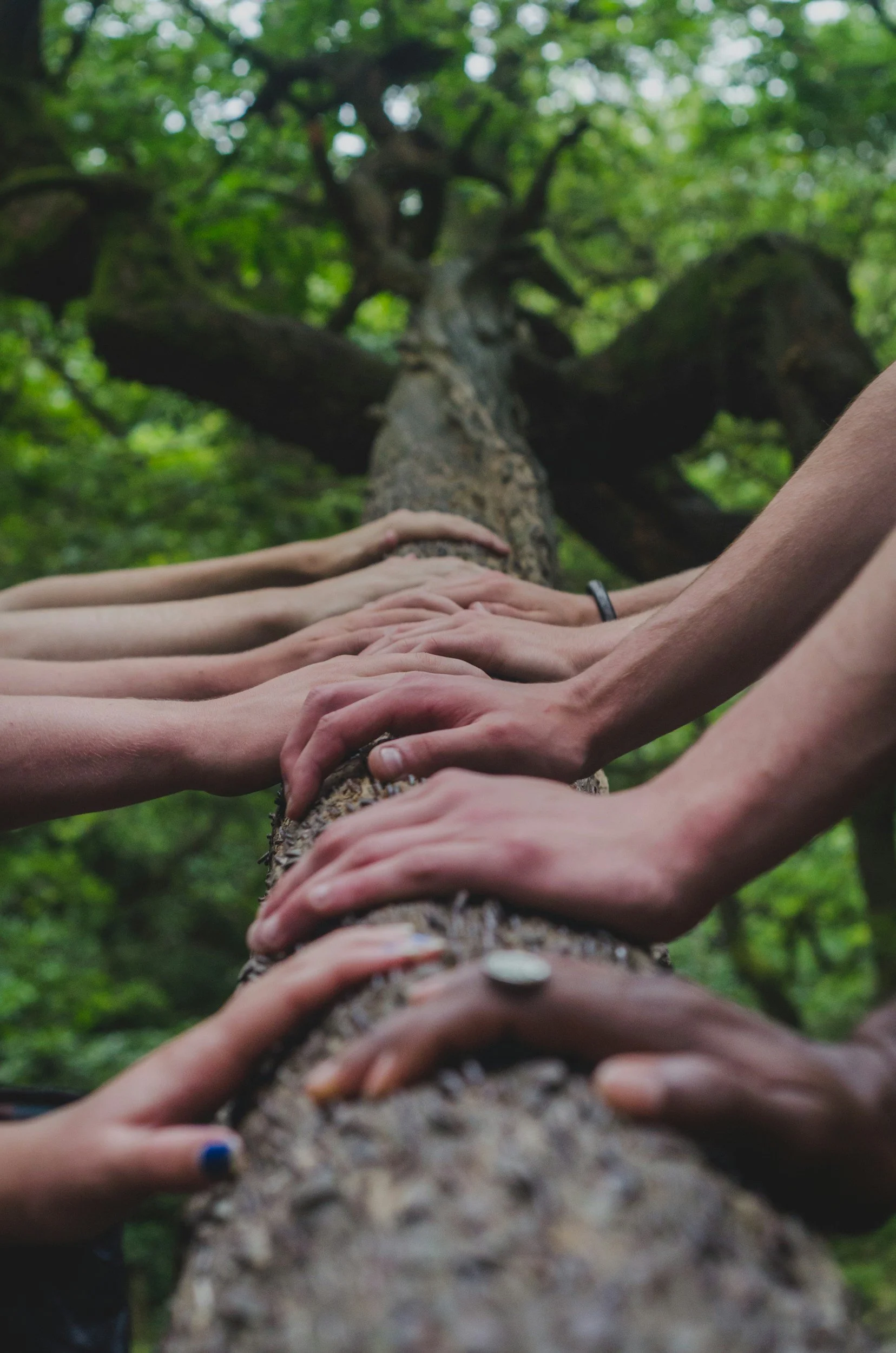
Working Together
Students learn about teamwork and empathy by listening to Clifford’s Busy Week and participating in discussions and activities that highlight how working together helps solve problems.