
TK - First Grade
Developmental Characteristics
Physical
Enjoy long periods of free play
Developing eye-hand coordination
Enjoy small group cooperative play
May require rest after high-energy play
Improved body coordination; yet still can fall easily

Social Emotional
Eager to receive adult praise
Enjoy dramatic play
Eager to engage in new activities/adventures led by involved adult
Eager to identify with older children
Enjoy exploring new materials and equipment
Can be easily frightened by novel or strange events
Prefer play in small groups
Like responsibilities they can handle
Learning to cooperate with others, but may at times display selfish behavior

Cognitive
Understand language better than they speak
Are interested in present; vague concepts of past/future
Eager to learn
Ask many questions
Define things by their use
Developing a sense of humor
Communicate best within a small group of peers
May need guidance of adult when starting a new task

Week 6: Reflection and celebration (TK-2)
Students play SEL-Style Musical Chairs — walking around chairs to music, but instead of eliminating anyone, everyone works together to find a spot when the music stops — then rotate through the SEL Scenario Celebration, where the teacher reads real-life scenarios (a friend crying, wanting to yell, fighting over a toy) and students respond or act out the best SEL solution.

Week 5: Conflict Resolution (TK-2)
Students watch a movement brain break video about solving problems, then play the Scenario Challenge — the teacher dramatically acts out wrong choices (grabbing, interrupting, yelling) while students call out "NOT A GOOD CHOICE!" and shout Fix-It responses like using words, taking a breath, or walking away.

Week 4: Decision making steps (TK-2)
Students play Zoo — competing to pick a different animal body pose than the leader on the count of three — then practice the Stop, Think, Choose strategy through a movement game (TK–K) where they freeze, point to their head, and move on cue between different locomotor actions, or act out scenarios applying the three steps (1st–2nd).
Week 3: Team Problem-Solving Games (TK-2)
Students play Team Freeze Challenge — moving around the room and stopping like statues on "Freeze!" to solve a quick group challenge together — then play the Human Shape Challenge, using only their bodies to form shapes or objects called out by the teacher, working in partners, small groups, or as a whole class.

Week 2: Tattling vs Reporting (TK-2)
Students watch and discuss a live skit where a student immediately tattles on the teacher for accidentally taking the wrong backpack, then play the Tattling vs. Reporting Scenario Game — moving to a red (tattling) or green (reporting) side of the room for each scenario and brainstorming how to solve the tattling situations independently.

Week 1: What is a problem? (TK-2)
Students take turns playing an online memory matching game as a class (practicing patience and silent helping), then color Bluey character puppets while watching a Bluey clip paused at key moments to discuss the problem and feelings, before a group of students reenacts the scene using their finished puppets.

Brown Bag Theater
To develop short skits about the community values, and for participants to produce their own theater festival.
Creative Coloring
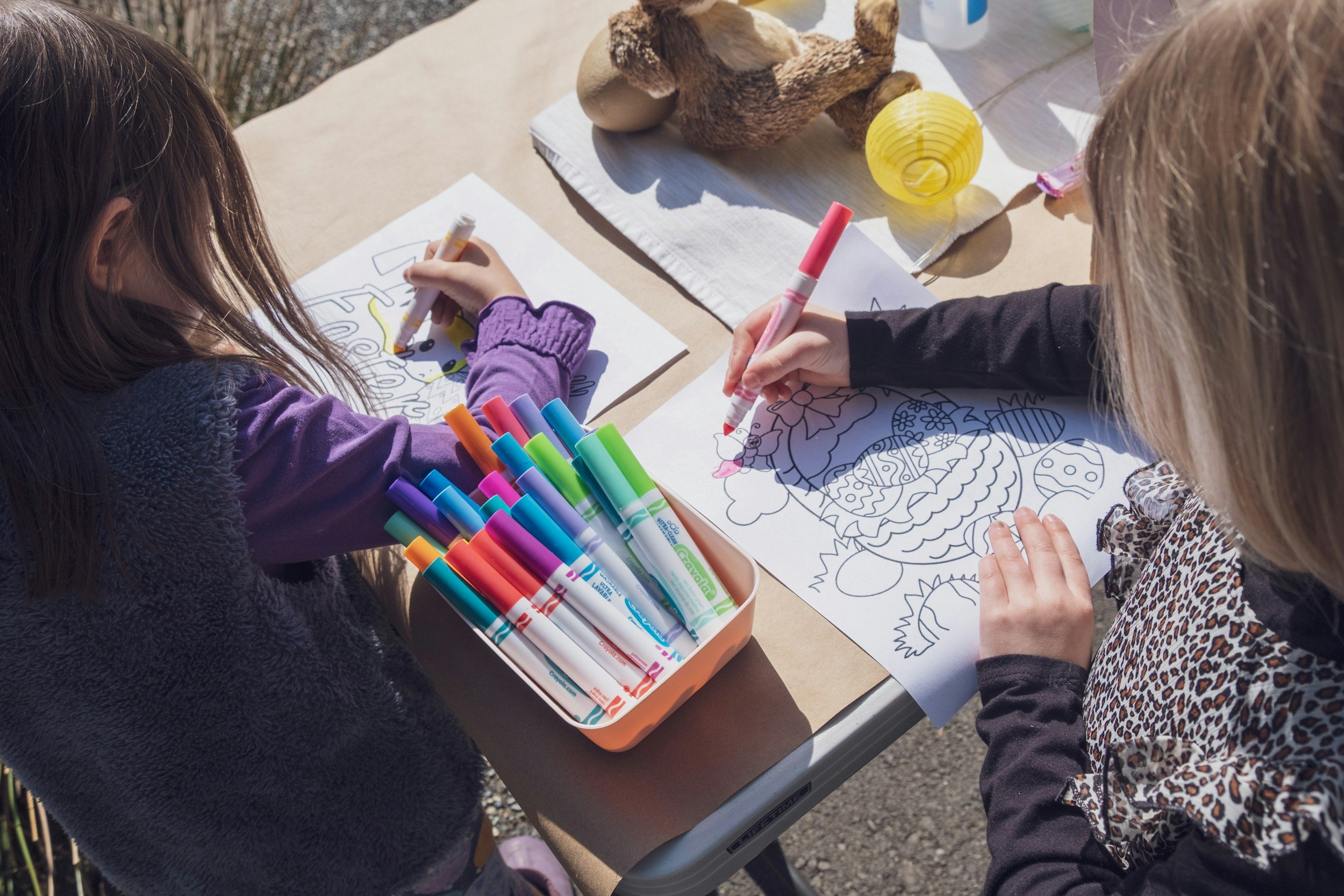
Students each receive one color and must collaborate to create a single picture together, using only their assigned color with no trading allowed, then reflect on what they learned about teamwork.
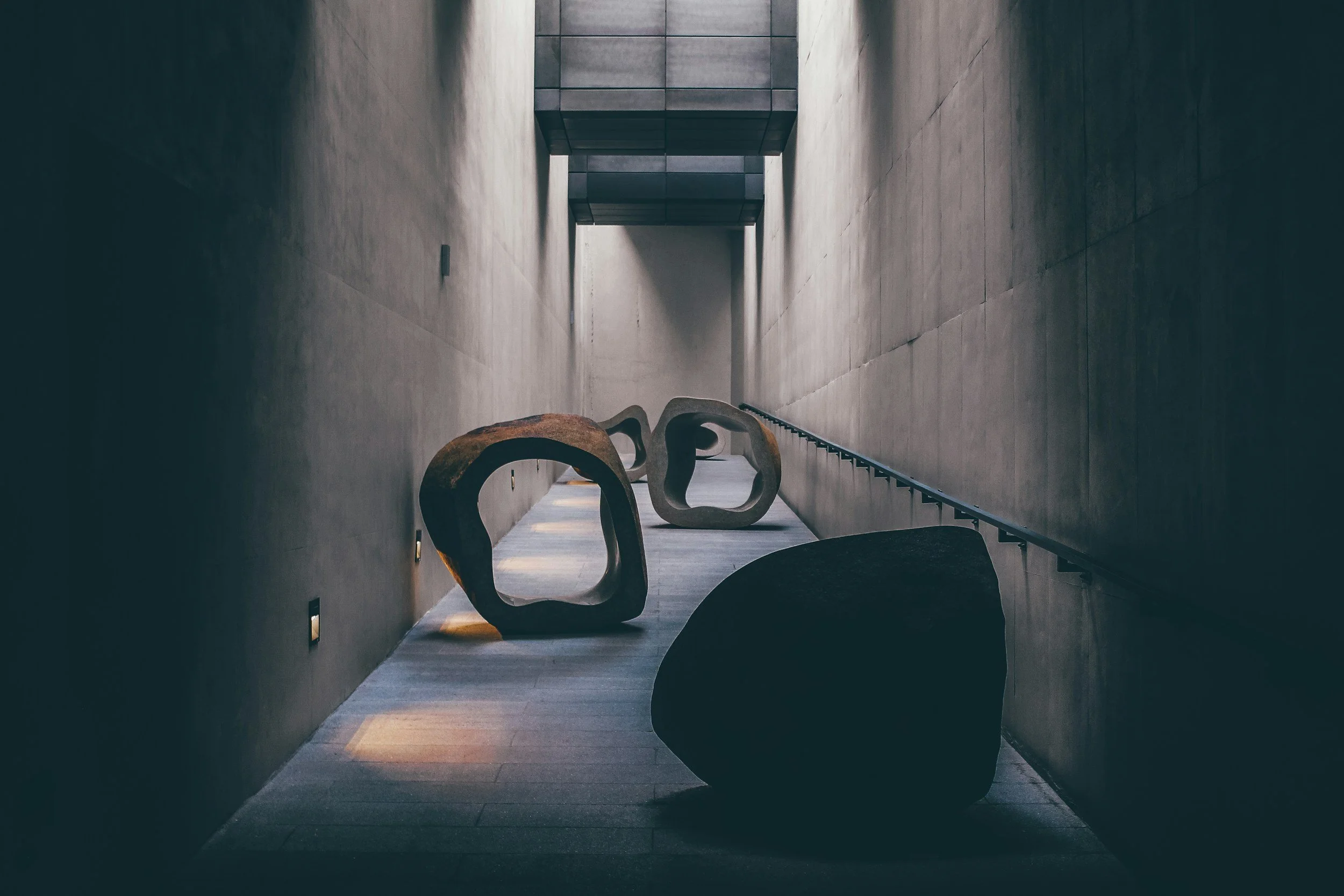
Overcoming Obstacles
Children will develop problem-solving skills by moving through an interesting obstacle course.
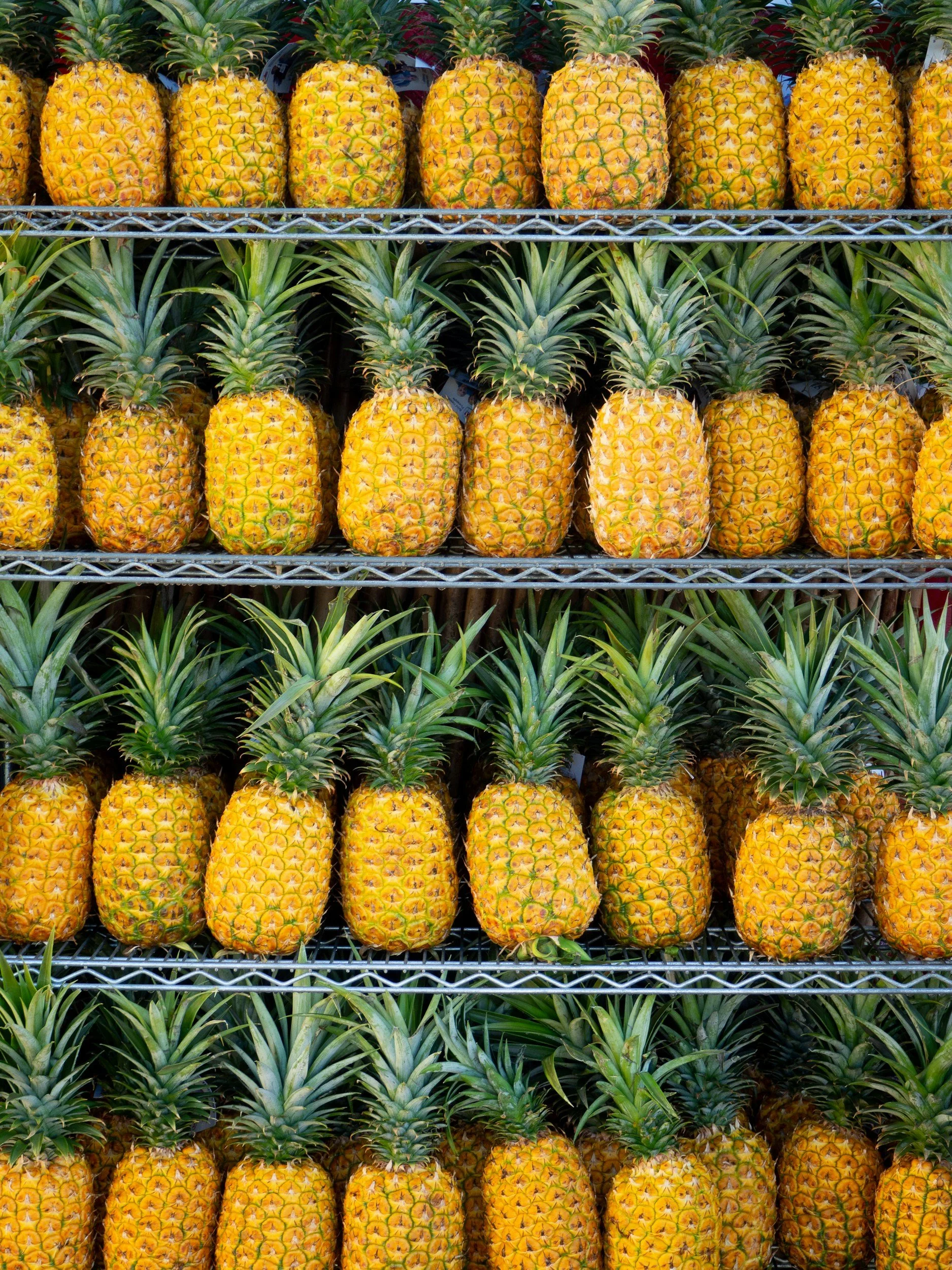
Pineapple Investigations
Through investigating a pineapple, students will engage in sensory exploration, problem solving, creative thinking, language development, and beginning science concepts.
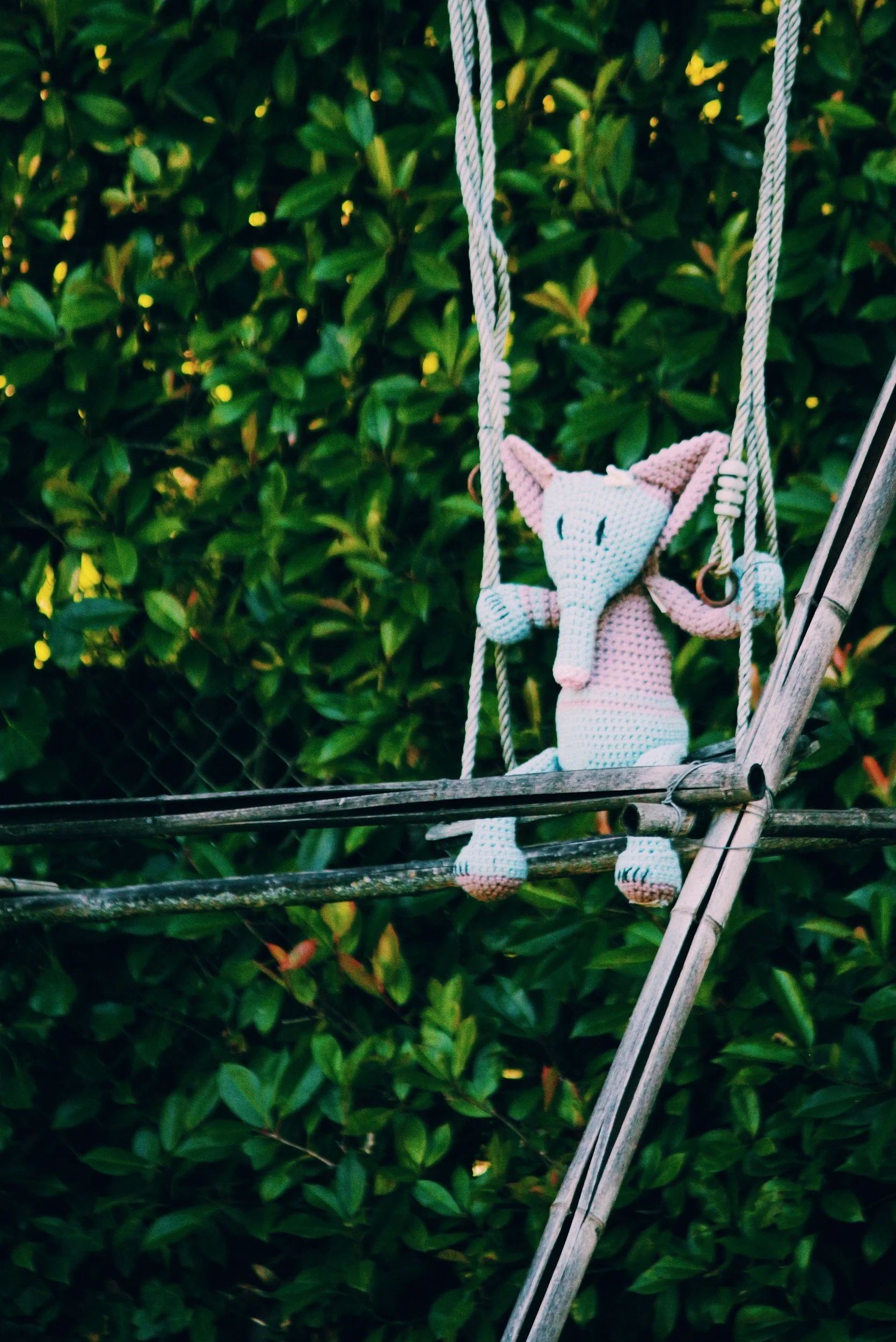
Puppet Pets
Students will reflect on ethical responsibility through learning about pets and performing in a puppet show activity.
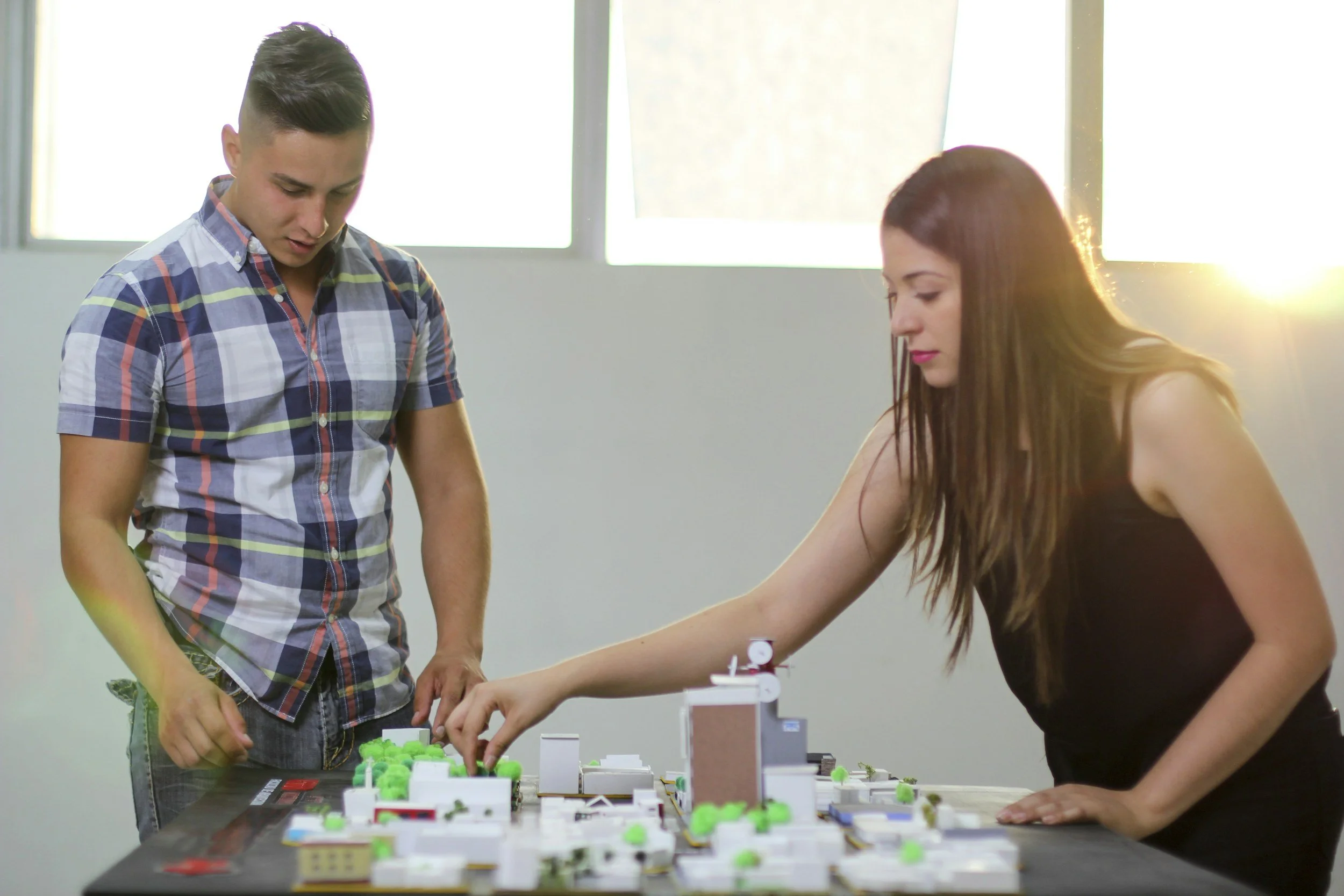
Putting Things Together
Children build social, creative-thinking, and problem-solving skills as they work in small groups to create open-ended constructions using a variety of materials — without relying on tape or glue.
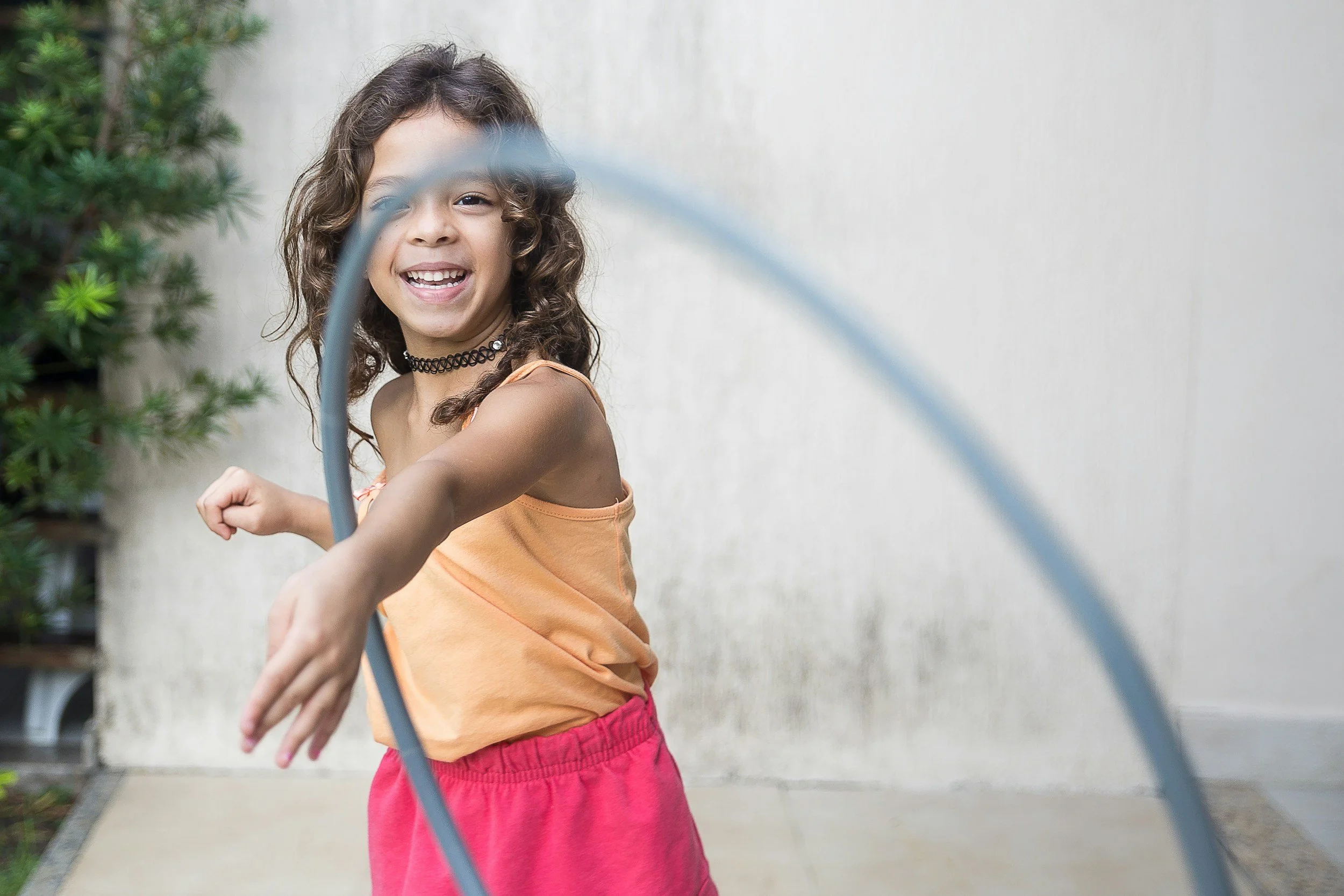
Balls and Hoops:Musical Islands
Students move around hula hoop "islands" to music and must work together to fit everyone onto fewer and fewer hoops each round, with the goal of including every student rather than eliminating anyone.
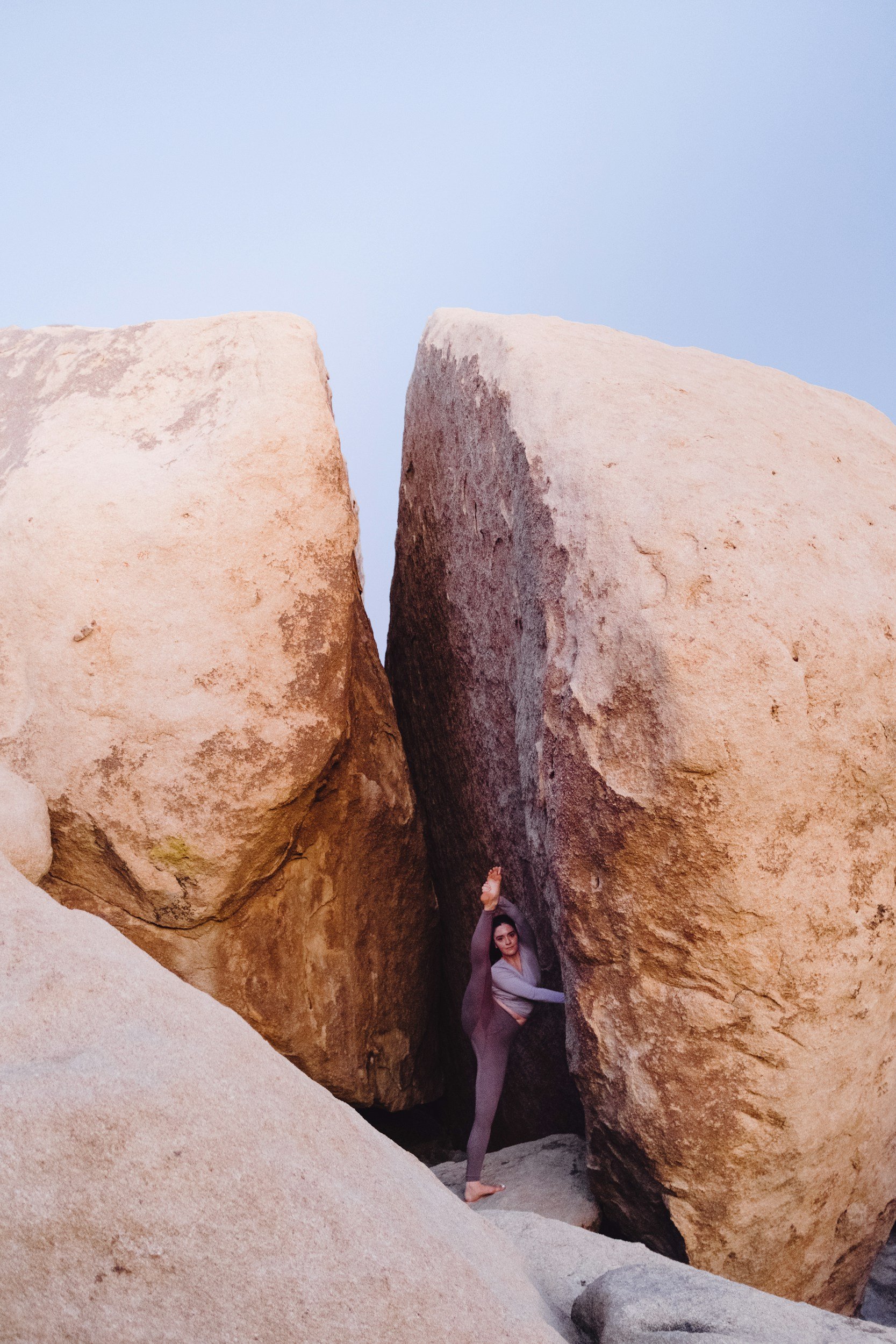
A Tight Squeeze
Students engage in a fun, space-limited team challenge that builds problem-solving skills and cooperative communication.
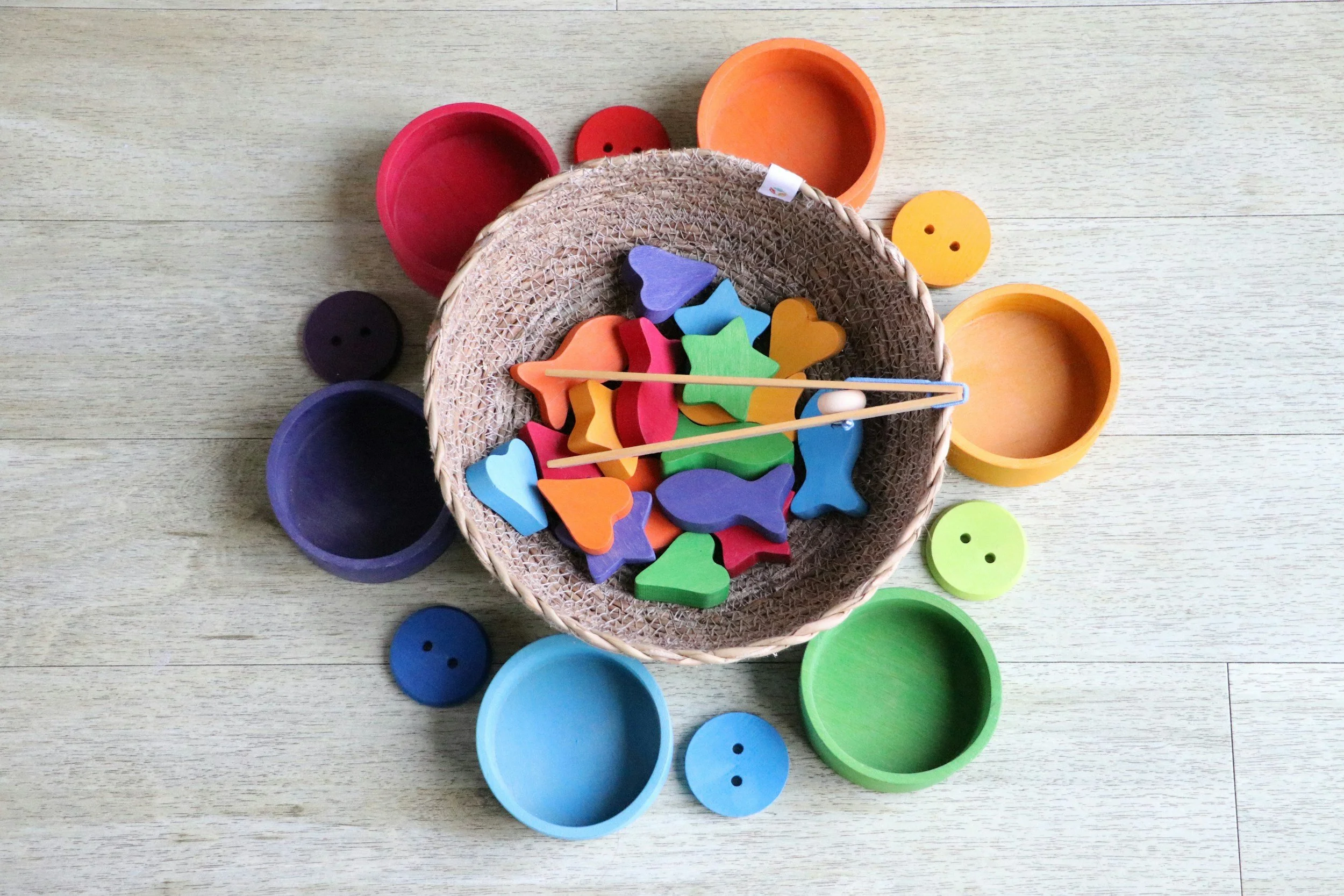
A Sorting Challenge
Students explore nature and build problem-solving skills by sorting natural objects in multiple ways and using them in a creative art project.