
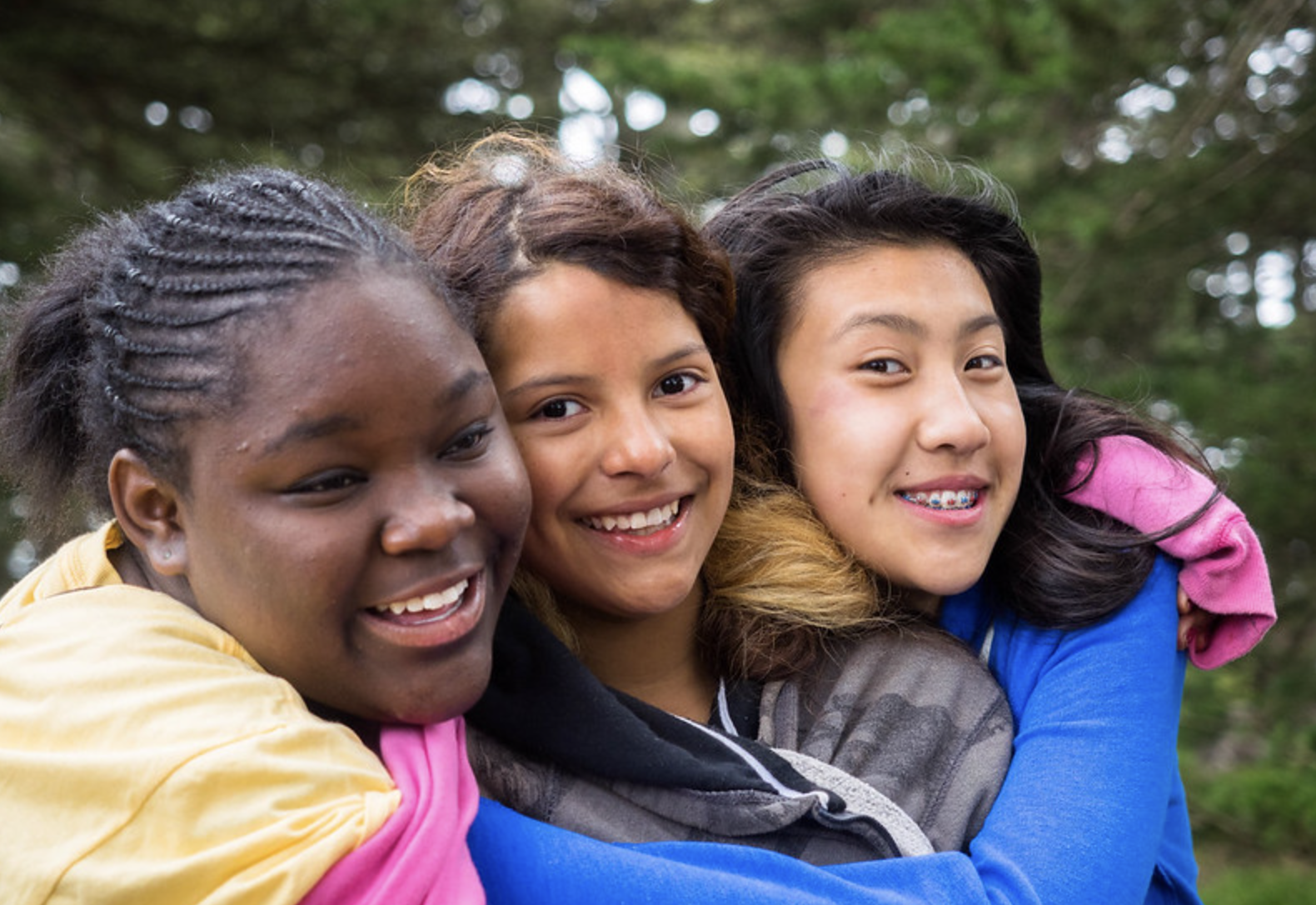
Seventh - Eigth Grade
Developmental Characteristics
Physical
May appear awkward as result of rapid physical growth
Experiencing the beginning of puberty
Differ greatly in rate of maturation
Need to become familiar with changing body with strong drives
Tend to tire easily
Have a high activity level and appetite
Enjoy cooperative games and competitive sports
Social Emotional
Sensitive to their appearance
Establishing a personal moral code
Unsure of their place in society
Depend on their peer group to develop identity
Critical of their parents and home
May adopt extremes and fads in clothing, speech, handwriting, and mannerisms
Form close one-on-one friendships
Enjoy small, peer-dominated group discussions
Have a strong desire to assert individuality and independence
Cognitive
Capable of high level of abstract thought
Beginning to think about their future life roles
Need time and freedom to engage in self-reflection
Are able to postpone gratification
Can plan ahead and organize tasks with little or no guidance from adults
Beginning to develop views about social issues


Team Résumé
Students will select personal quality cards that represent their strengths, share them with a partner, then merge into groups of six to collaboratively fill out a Team Résumé that captures their collective strengths and values.
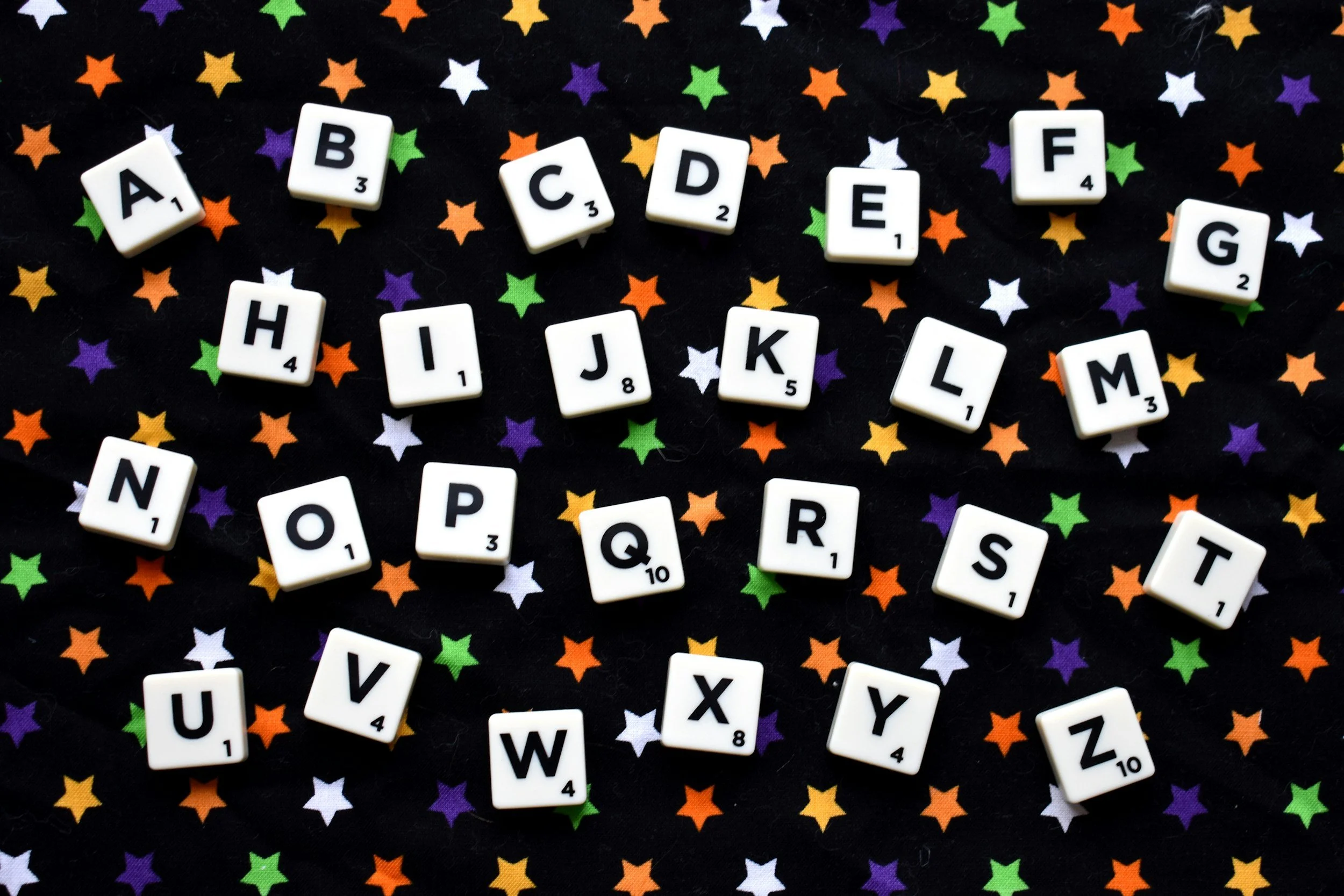
Team Spelling Bee
Teams will race to agree on a word that fits a given category, assign each member a letter tile, and physically line up to spell it out — competing against other teams for speed and word length.

The Great Egg Drop
In groups of three, students will use a bag of limited materials to engineer a contraption that protects a raw egg, then test their designs by dropping them from a second-floor window to see whose egg survives intact.
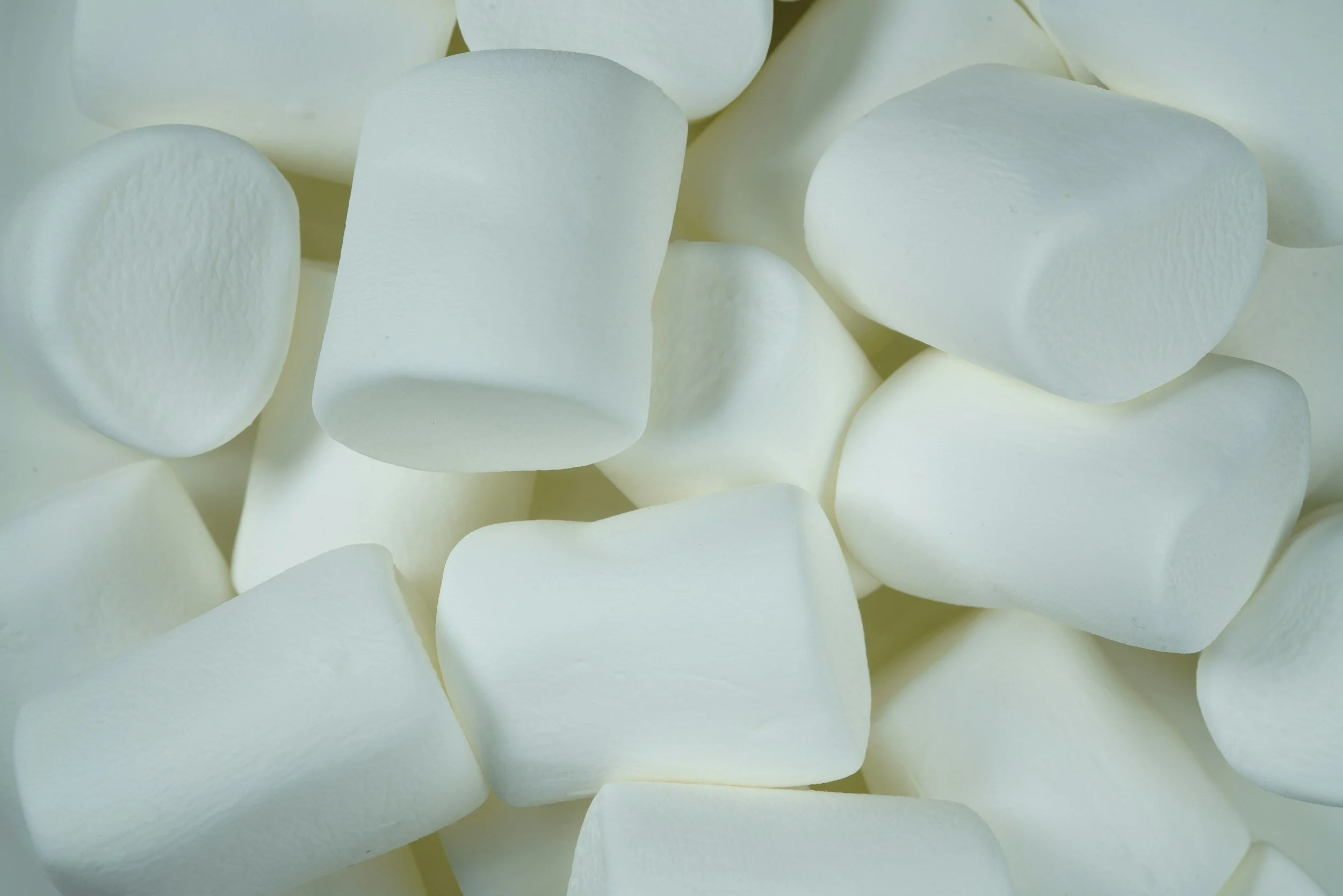
The Marshmallow Challenge
In groups of four, students will use only spaghetti, string, tape, and one marshmallow to build the tallest freestanding structure they can in 15 minutes — with the marshmallow on top — then compare heights and reflect on their teamwork.

Tricky Rope
Students will work together to figure out a secret hidden code embedded in a turning jump rope, using trial and error and group communication to get everyone across to the other side.

Values Carnival
Students will generate lists of desirable and undesirable community values, then rotate through five carnival-style games where winning requires correctly identifying or targeting the positive values, earning tokens to redeem for prizes.
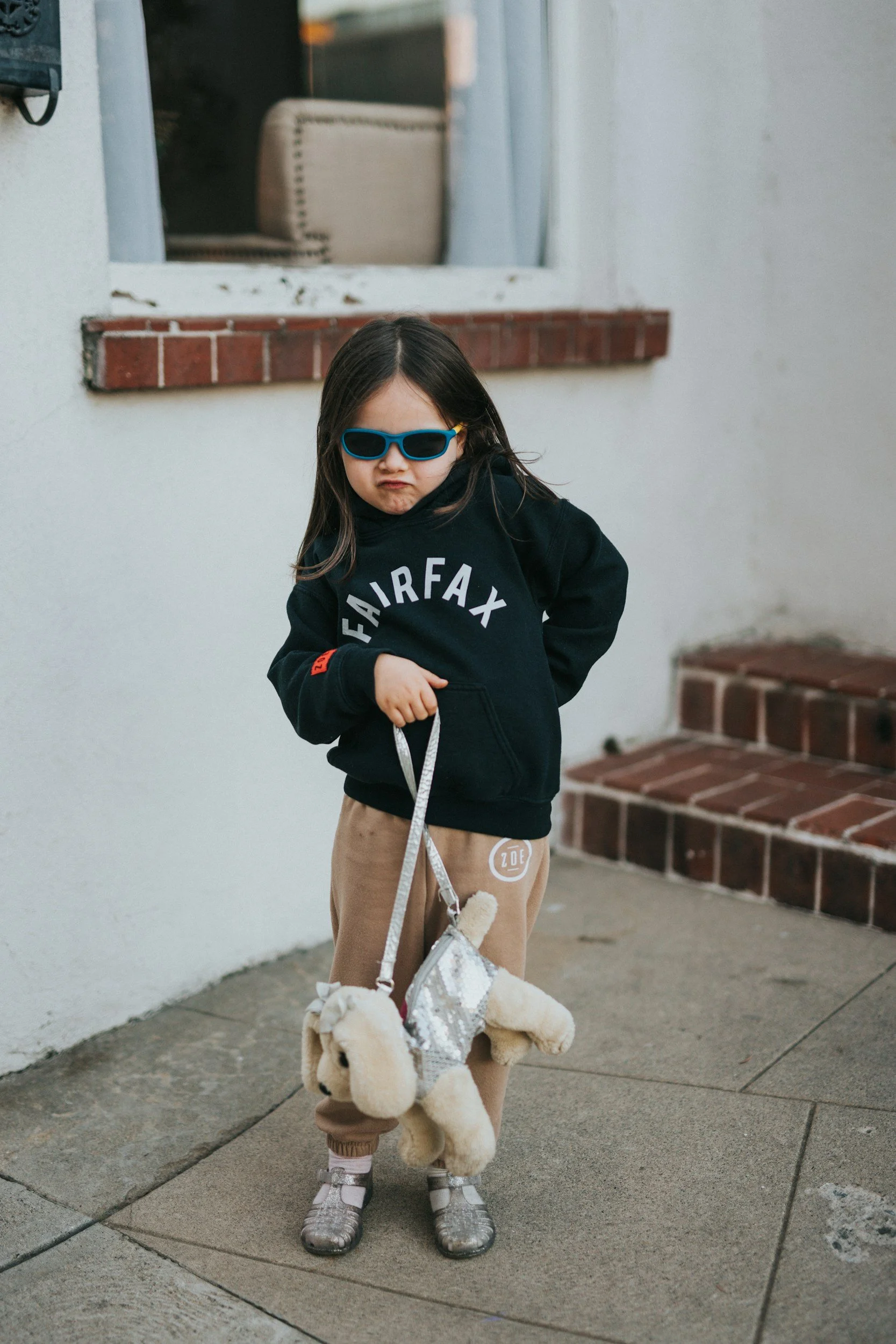
Wear Your Attitude
Students will select a mood card as they enter the room and wear it visibly throughout the session, then observe how their own and others' displayed moods affect interactions — and reflect on whether and how attitudes can be changed.

What is Inspired
Students will write their own definition of what it means to feel inspired, then collaborate in small groups and a gallery walk to build a shared class vision of inspiring behavior — which gets posted in the room as a living agreement.

What is it?
Students will take turns drawing puzzle pieces from a bag and guessing the hidden image, then connect the experience to a discussion about the dangers of judging others based on only part of their story.
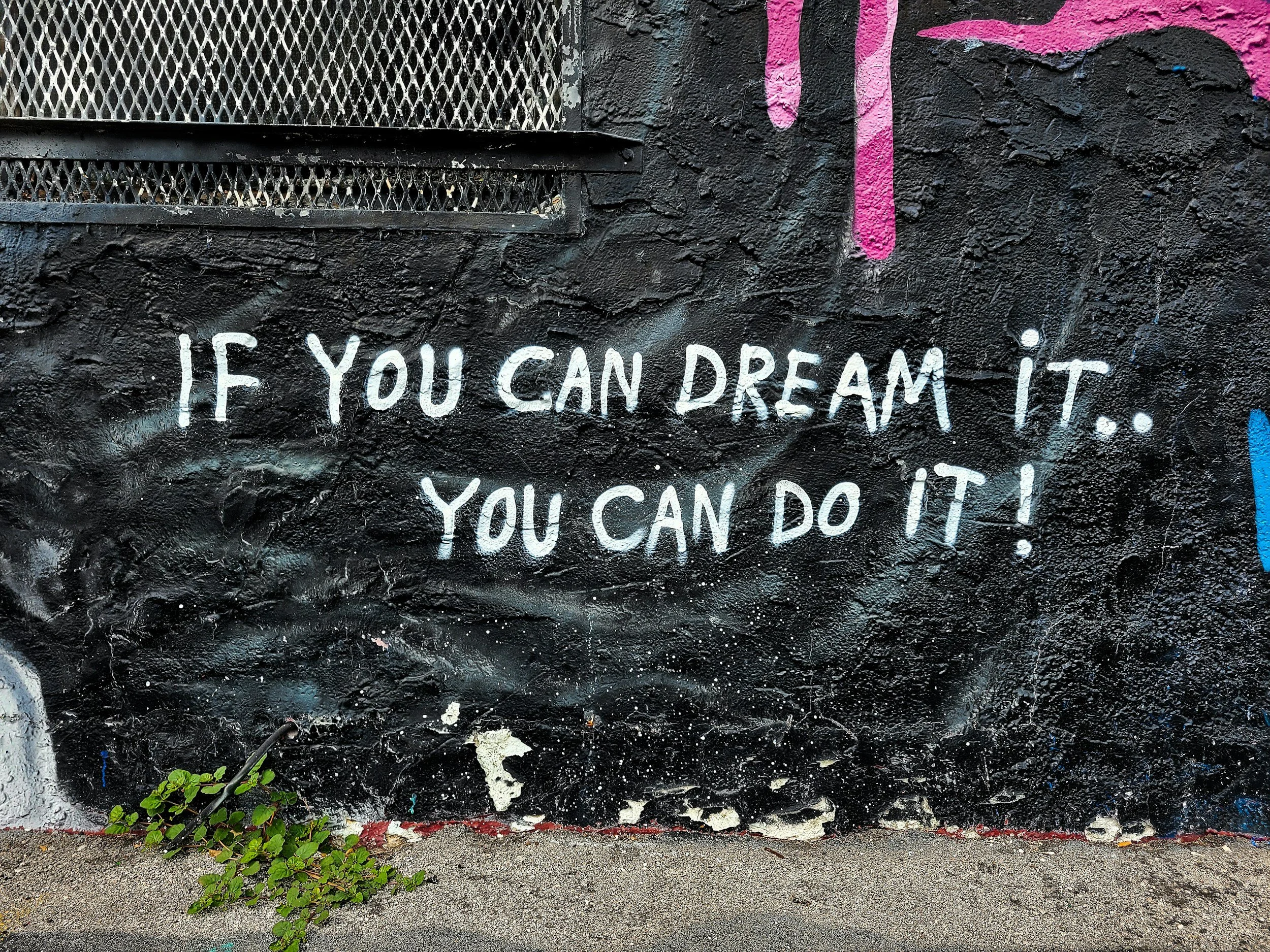
What is Motivation
Students will write their own definition of motivation, then collaborate in small groups and a gallery walk to build a shared class vision of what motivated and motivating behavior looks like — which gets posted in the room as an ongoing reference.

What is Safe
Students will write their own definition of what it means to feel safe, then work in small groups and a gallery walk to build a shared class vision of safety — which gets posted in the room as a living agreement for the whole class.
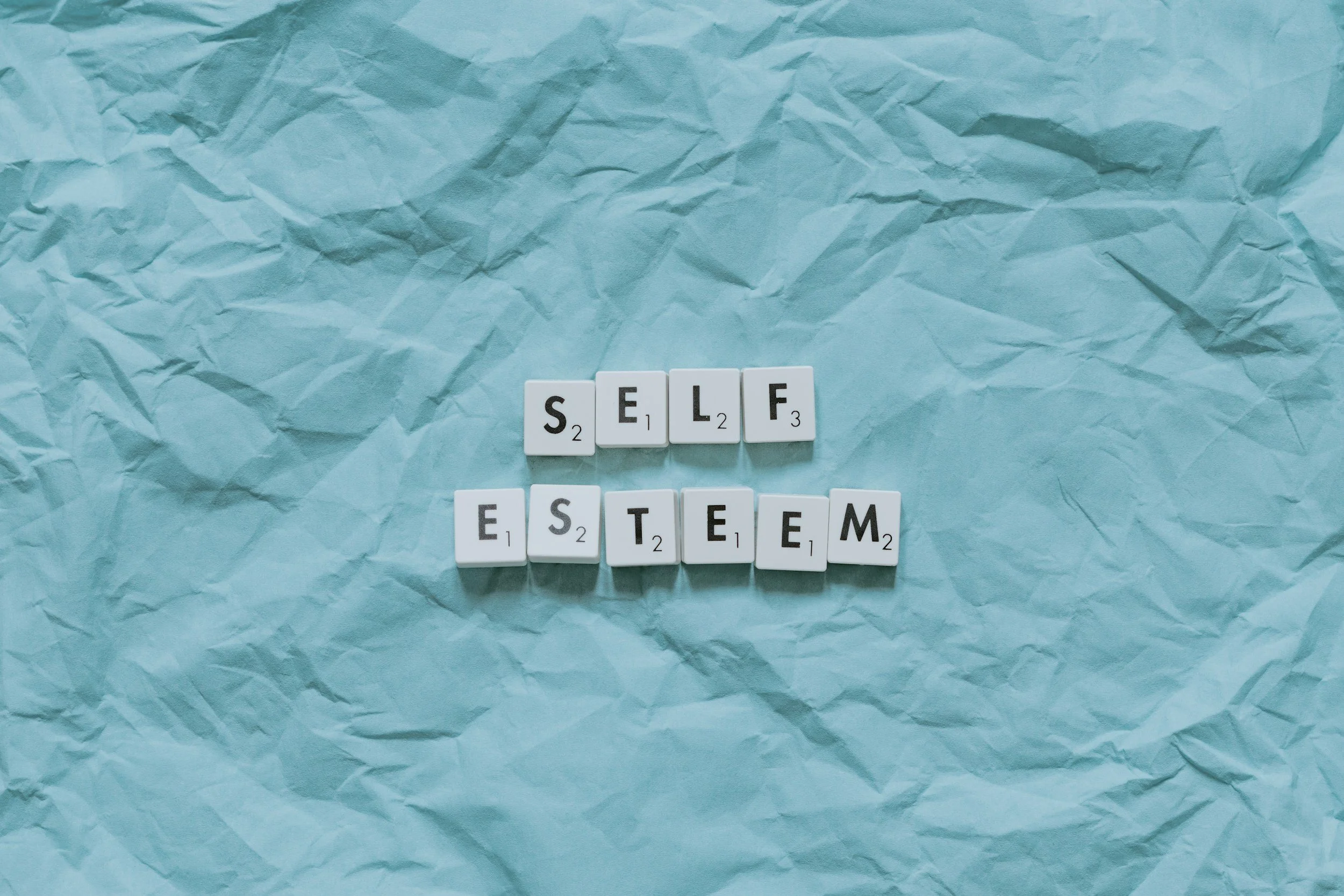
What is Self-Esteem
Students will research and define "self-esteem" in their own words, privately reflect on their own self-esteem, then brainstorm in small groups why teenagers might struggle with low self-esteem and share their ideas with the class.

What is Support
Students will write their own definition of support, then collaborate in small groups and a gallery walk to build a shared class vision of what supportive behavior looks like — which gets posted in the room as an ongoing reference.

What is the Word
Students will compete in teams to guess mystery words from the Taboo game using only related clue words, then reflect on what the game revealed about their listening and focus skills.

Who, Me? A Scientist?
Students will watch a video of a four-year-old solving a problem, then observe a floating-wax demonstration and work together to generate and discuss hypotheses about why the two jars behave differently — connecting their own curiosity and perseverance to the work of scientists.

Off the Grid
Students will take turns navigating a tape grid on the floor, using trial and error and memory to find the hidden safe path across while their teammates watch and remember the route to help the group get everyone across.

Newest iPhone
In small groups, students will collaboratively design a prototype of the "newest iPhone" — including a new look, a unique ringtone, and an original app — then present their creation to the class and reflect on how their team made decisions together.

New Planet
Students will first independently choose 10 people from a list of 30 to survive on a new planet, then negotiate with a small group to reach a shared final list and defend their choices in a class-wide discussion.

Lollipop Moments
Students will watch Drew Dudley's TED Talk on everyday leadership, then write a "Lollipop Letter" to someone who positively impacted their life, expressing gratitude for that moment and sharing their letters in small groups.