Seventh - Eigth Grade
Developmental Characteristics
Physical
May appear awkward as result of rapid physical growth
Experiencing the beginning of puberty
Differ greatly in rate of maturation
Need to become familiar with changing body with strong drives
Tend to tire easily
Have a high activity level and appetite
Enjoy cooperative games and competitive sports
Social Emotional
Sensitive to their appearance
Establishing a personal moral code
Unsure of their place in society
Depend on their peer group to develop identity
Critical of their parents and home
May adopt extremes and fads in clothing, speech, handwriting, and mannerisms
Form close one-on-one friendships
Enjoy small, peer-dominated group discussions
Have a strong desire to assert individuality and independence
Cognitive
Capable of high level of abstract thought
Beginning to think about their future life roles
Need time and freedom to engage in self-reflection
Are able to postpone gratification
Can plan ahead and organize tasks with little or no guidance from adults
Beginning to develop views about social issues


Friendship Bank
This lesson teaches students that everyday choices either strengthen or weaken their friendships, using a "bank" metaphor where kind acts are deposits and unkind acts are withdrawals. Students physically add or remove peanuts from a bag in response to friendship scenarios to make the concept tangible.
Feelings Check
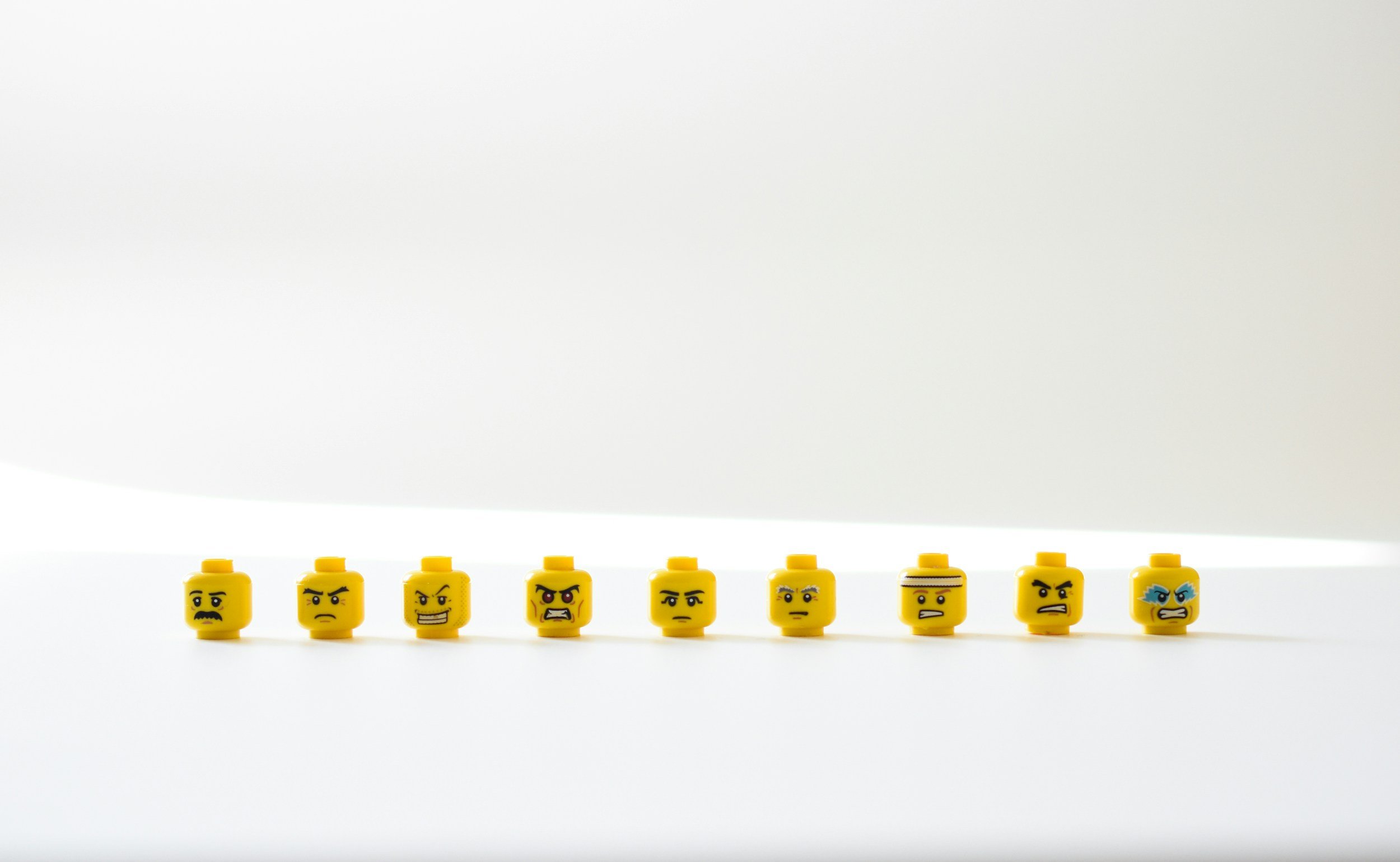
Participants will determine if engaging in a fitness activity has an effect on how they feel emotionally, and explore how regular exercise can support their mental and physical health as a tool for self-control and emotional regulation.

Fear in a Hat
Students anonymously write a fear or worry on a slip of paper, drop it in a hat, then each draw and read aloud someone else's fear — with classmates raising their hands if they share the feeling — before ceremonially tearing up the slips together.
Family Fun Map
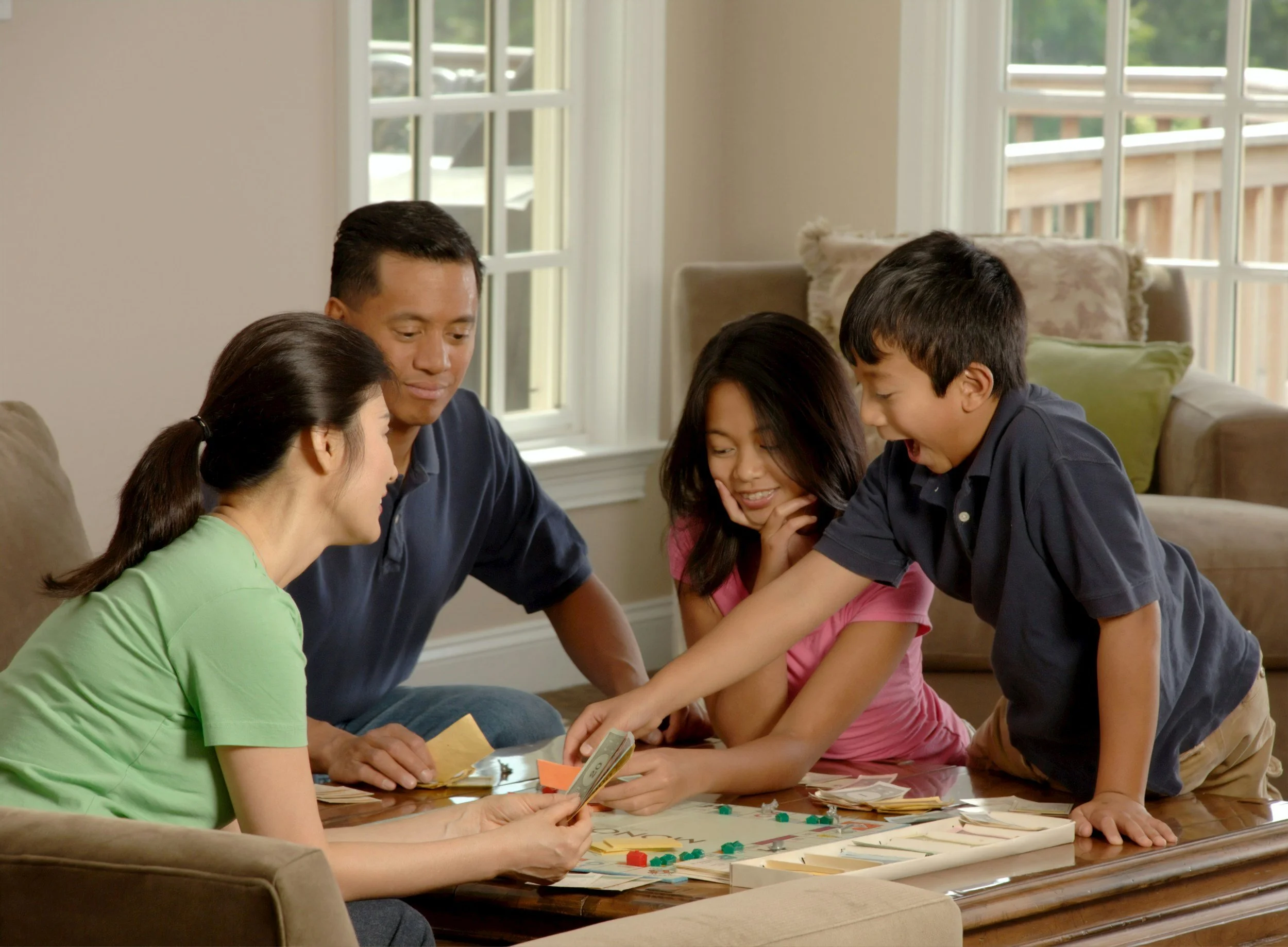
Students fill out a four-column Family Fun Map listing key family members, activities they already do together, new activities they'd like to try, and how those shared experiences could strengthen their relationship — then share one highlight with the group.

Examining Identity and Assimilation
Students read Mitali Perkins's essay "Magic Carpet" about cultural assimilation, then discuss questions about hiding parts of one's identity before writing privately about a time they (or someone they observed) concealed a cultural trait — or composing a story, song, or poem saying goodbye to a part of themselves they sometimes disown.
Equilateral Time
Students complete three rounds of rearranging chairs into a triangle — first with only the two group-chosen leaders allowed to speak, then with leaders blindfolded and everyone's arms linked, then repeating the blindfolded version after five minutes of group strategy planning — and debrief how leadership and collaboration changed across rounds.
Empathy Interviews
Students will interview multiple partners using a feelings-based scenario sheet, recording both their own and their partner's emotional reactions to identify where their feelings match and where they differ.
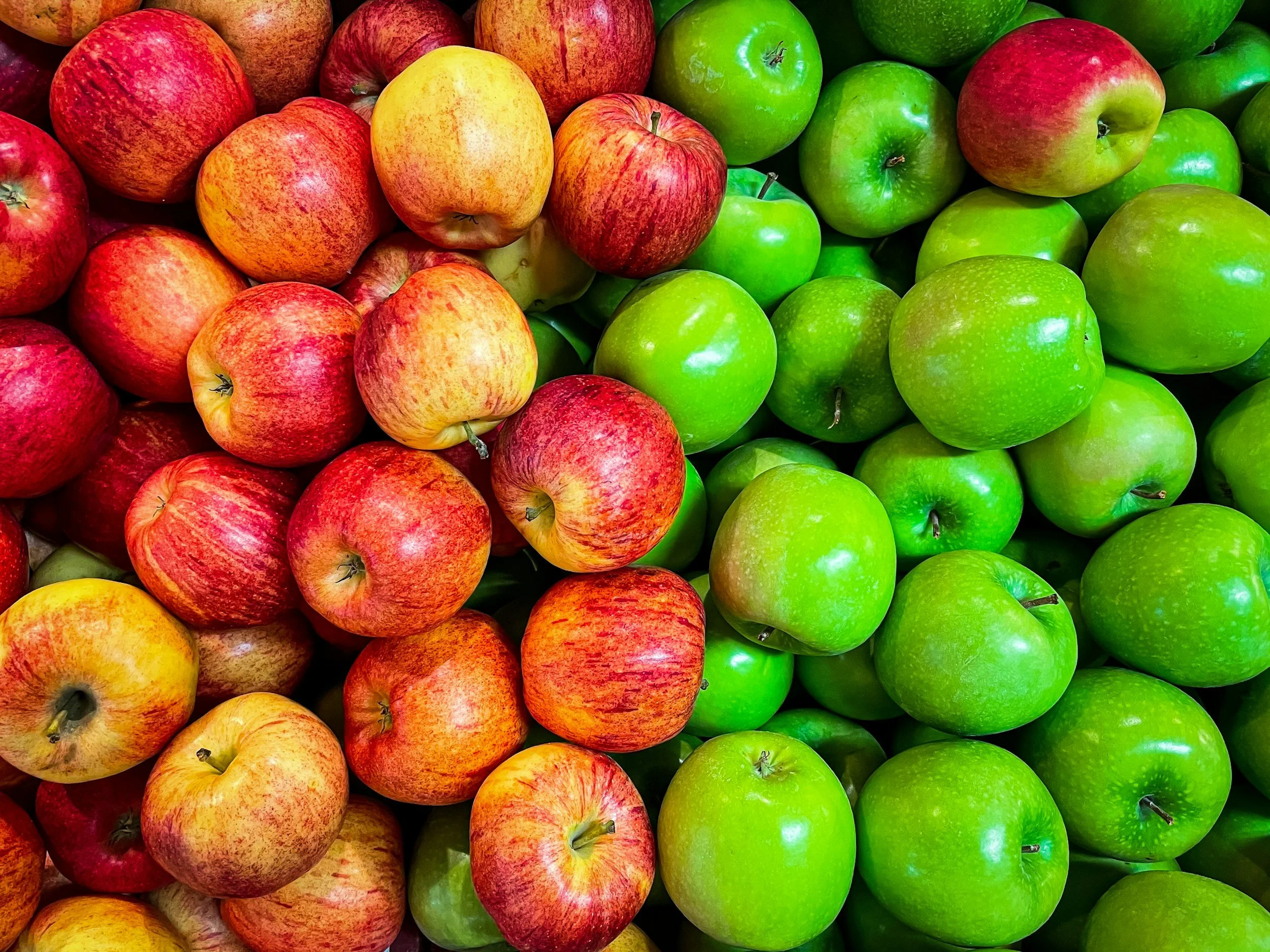
Apples Debate
Students play a modified version of Apples to Apples where, instead of anonymously laying down cards, each player holds their card and must verbally argue why theirs should win — with the judge selecting the best argument rather than the best match.

Anger Choice
Students will reflect on how they personally experience and handle anger, hear how their peers describe theirs, and explore what healthy responses to anger can look like. The lesson uses movement-based choice activities to make anger something we can talk about openly.
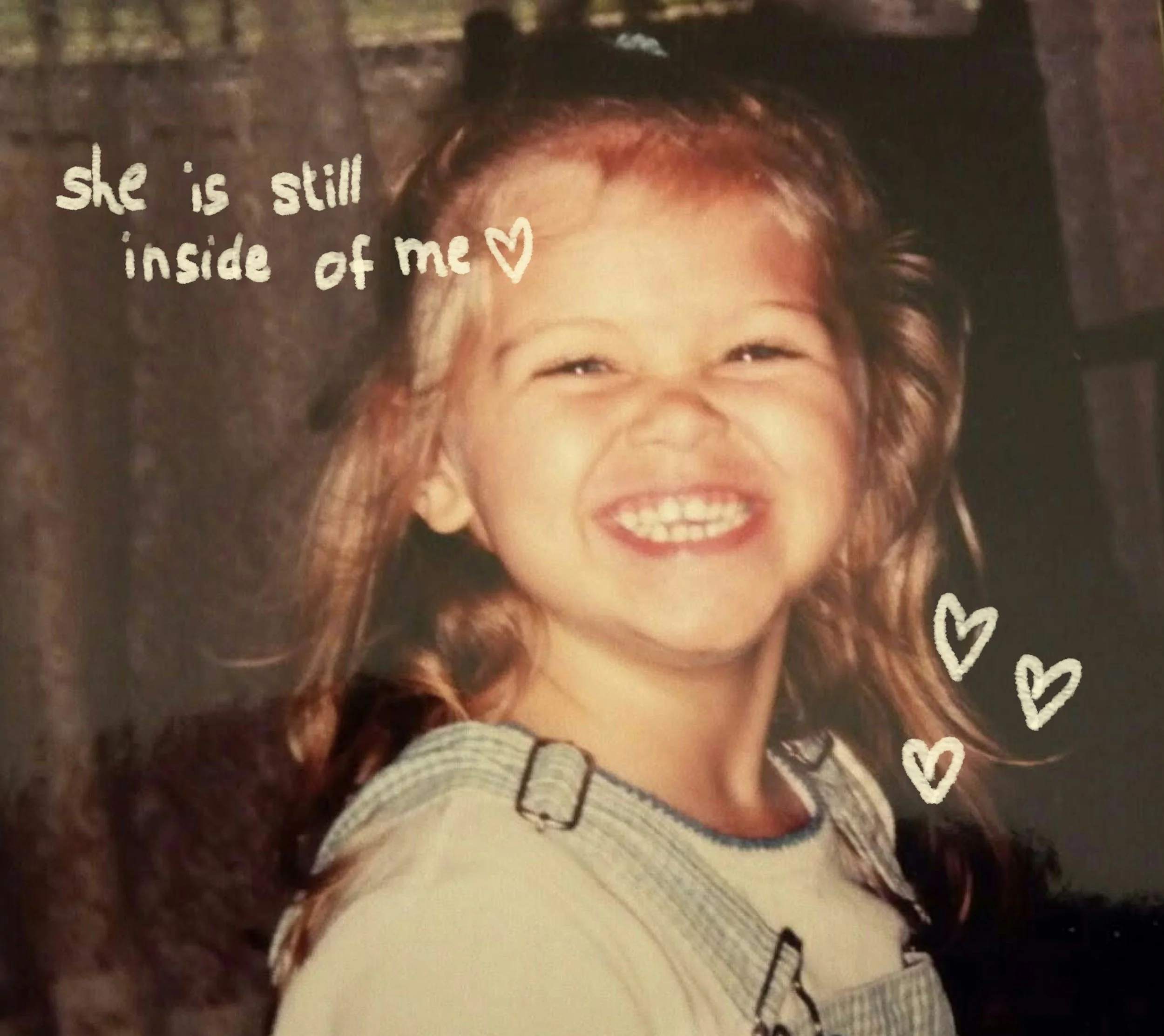
All About Me
Each child creates their own small book titled "All About Me," using drawings and magazine pictures to share who they are, what they love, and what they hope for. The lesson builds literacy, creative thinking, and self-recognition all at once.

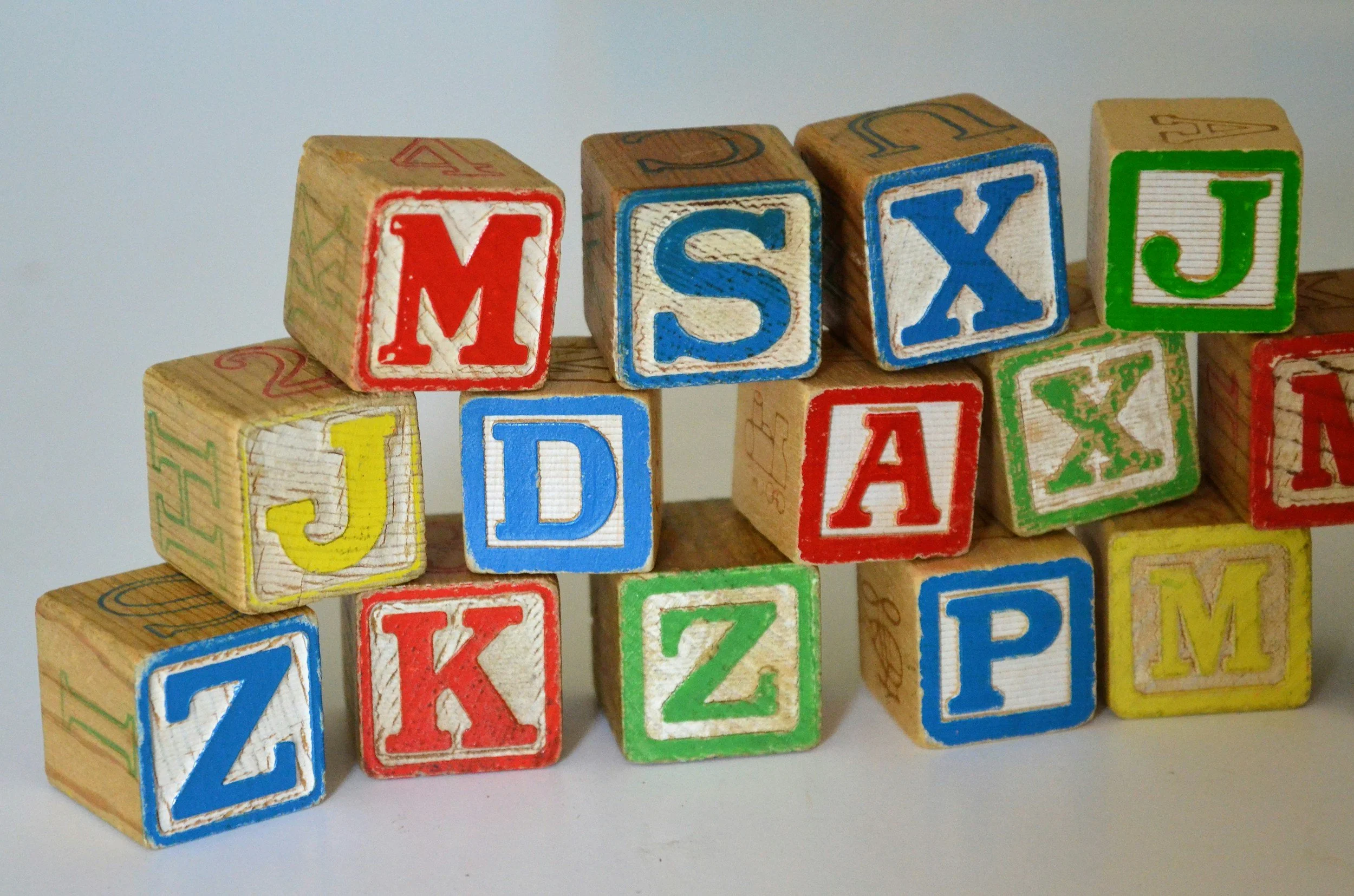
Activity Alphabet
Teams race to fill in a free-time activity for every letter of the alphabet, then share their lists with the group, vote on their top 3–5 favorites, and make a plan for when to actually do them.
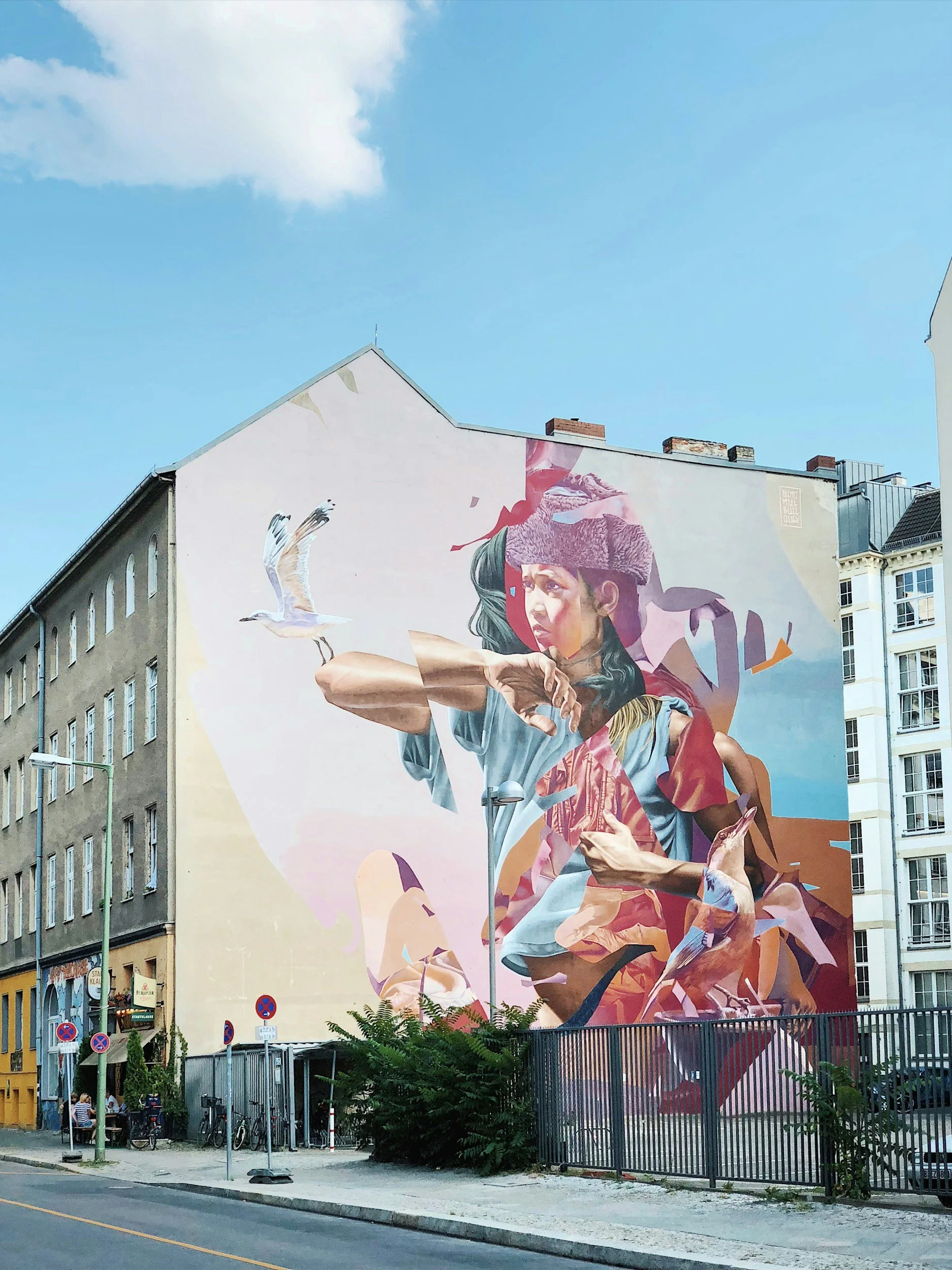
Muralistas
Students work together to create a mural that illustrates community values, using art and reflection to explore what it looks like to practice—or not practice—those values.

Charity and Justice: What’s the difference?
Students explore the difference between charity and justice by identifying root causes of societal problems and proposing systemic solutions to address them.

Freeze Frame
In this interactive drama-based lesson, students act out and resolve realistic conflicts to practice problem solving, teamwork, and honoring group agreements.
Girls vs. Boys
Students examine and challenge gender stereotypes by analyzing outdated messages and creating modern comics that promote gender equality.
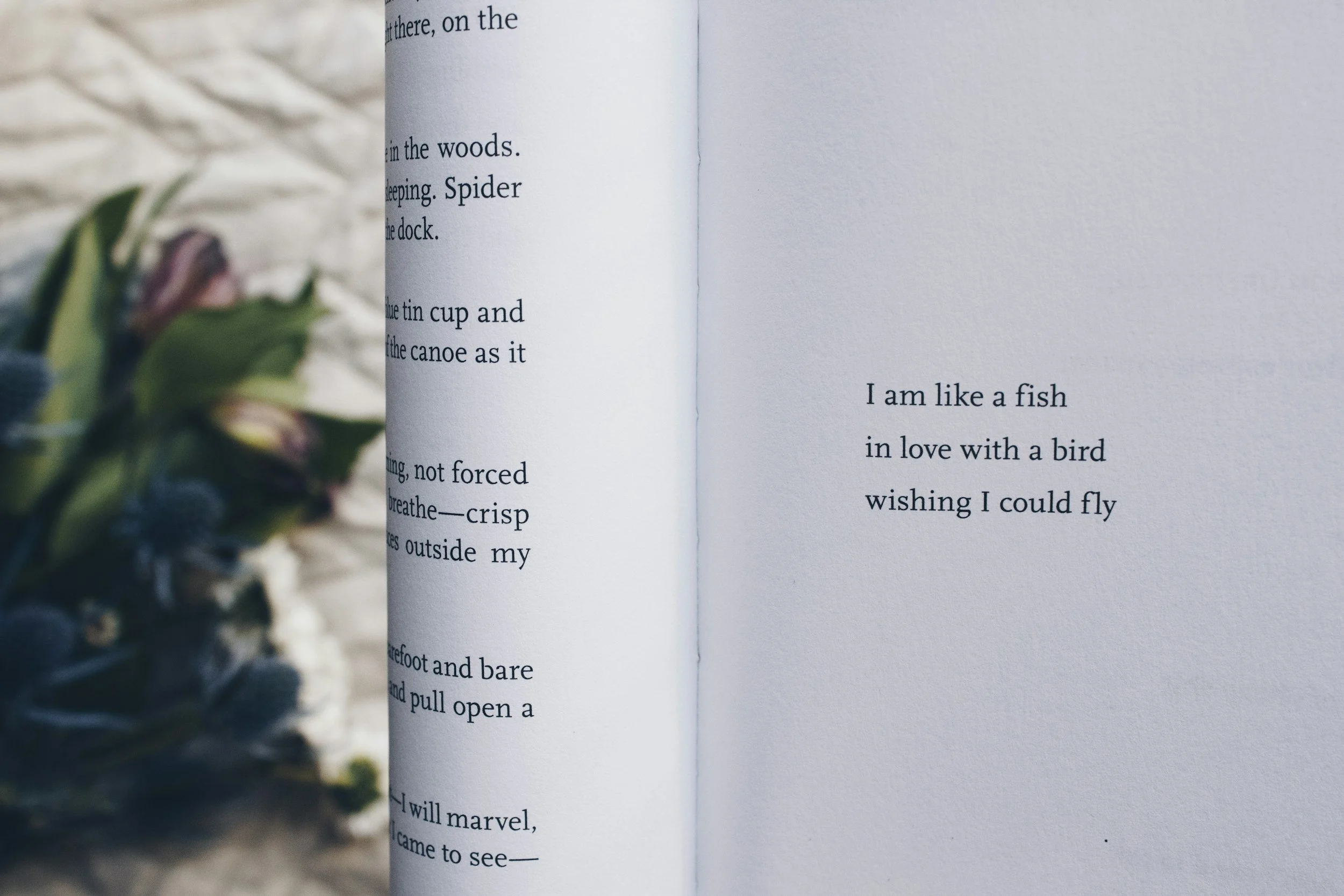
My People Poem
Students reflect on their identity and heritage by writing personal poems inspired by Langston Hughes’ My People.

World Changers
After listening to "The Dark and the Light" story, each student designs a poster presenting their own idea to make the world better — including a step-by-step plan — then presents it in a class exhibition where judges and peers vote on their favorites.
How We View Others
Using IMAGINIFF game cards, students select which of six descriptors best fits each important person in their life (a parent, coach, friend, etc.) and write it down — including at least one card about themselves — then share their descriptions and discuss whether they tend to view the people in their lives through a positive or negative lens.