
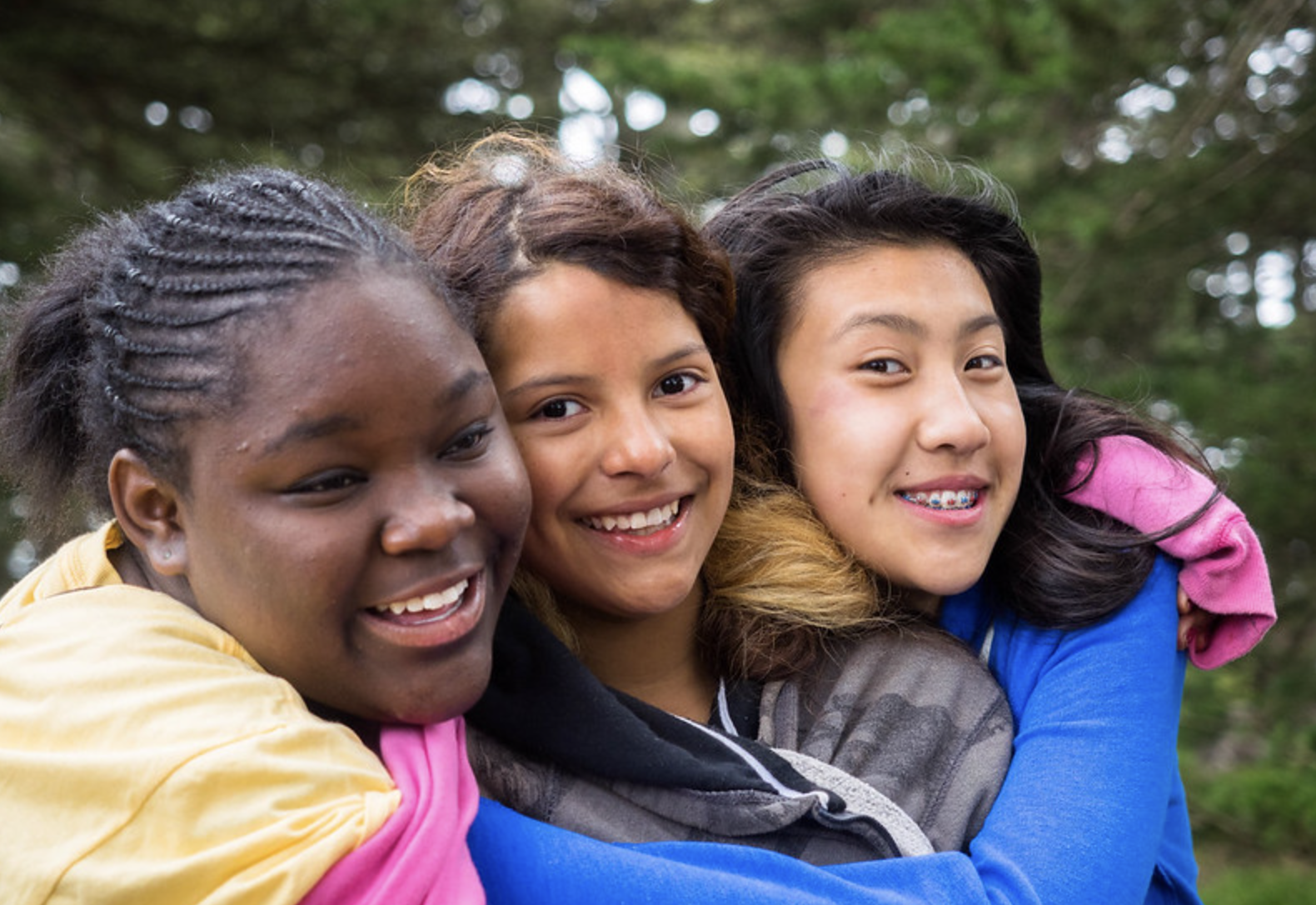
Seventh - Eigth Grade
Developmental Characteristics
Physical
May appear awkward as result of rapid physical growth
Experiencing the beginning of puberty
Differ greatly in rate of maturation
Need to become familiar with changing body with strong drives
Tend to tire easily
Have a high activity level and appetite
Enjoy cooperative games and competitive sports
Social Emotional
Sensitive to their appearance
Establishing a personal moral code
Unsure of their place in society
Depend on their peer group to develop identity
Critical of their parents and home
May adopt extremes and fads in clothing, speech, handwriting, and mannerisms
Form close one-on-one friendships
Enjoy small, peer-dominated group discussions
Have a strong desire to assert individuality and independence
Cognitive
Capable of high level of abstract thought
Beginning to think about their future life roles
Need time and freedom to engage in self-reflection
Are able to postpone gratification
Can plan ahead and organize tasks with little or no guidance from adults
Beginning to develop views about social issues



Shared Identity
Students journal about someone who seems very different from them, then brainstorm a list of things they likely have in common with that person to see them in a new light — followed by a discussion on how finding shared identity builds empathy and respect.
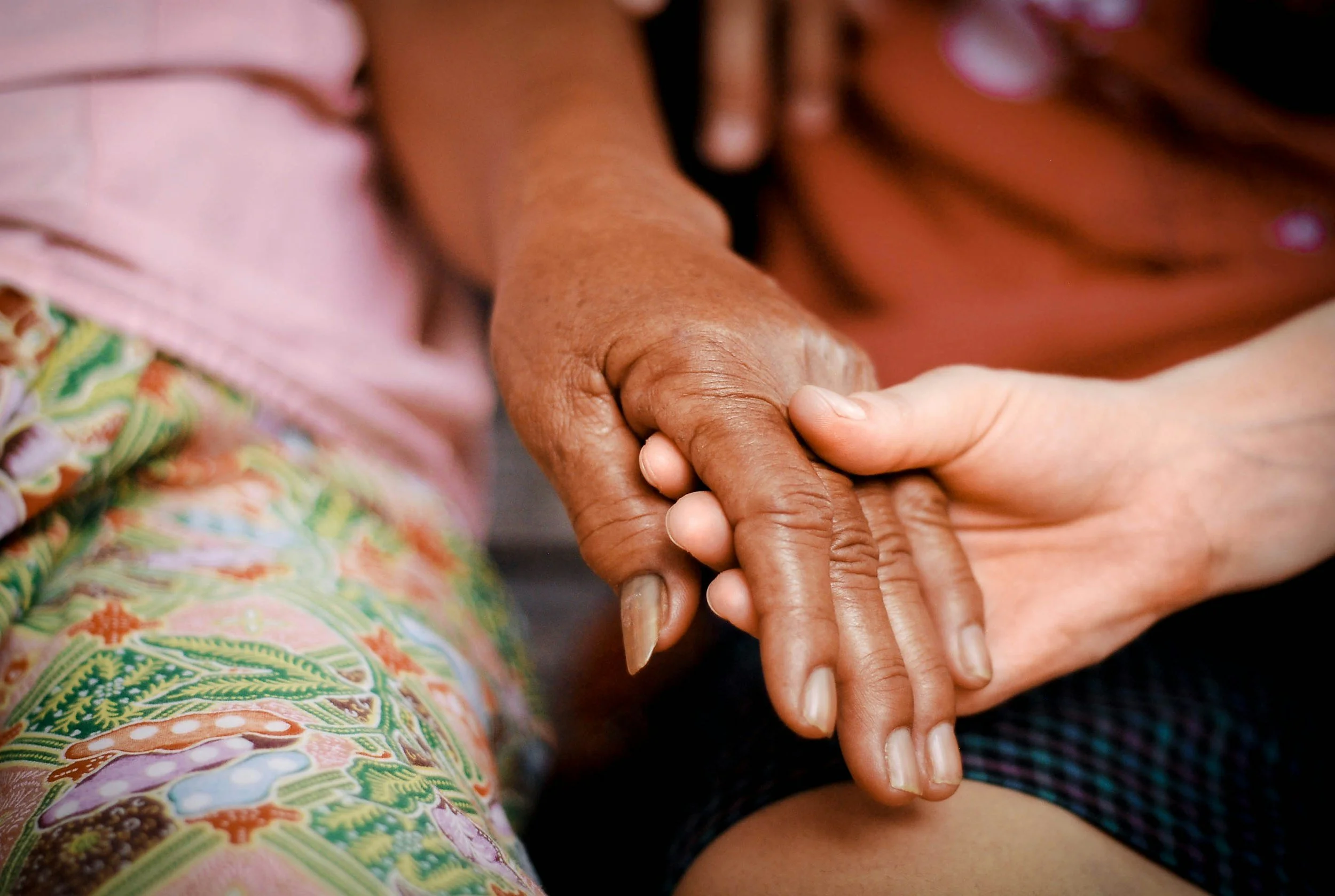
Showing Compassion
Students listen to the story of Ryan White, then work with a partner to complete a Compassion and Dignity word map before writing a first-person story from either the perspective of a student with a serious illness or a compassionate friend.
SMART Goals/Passion Collage
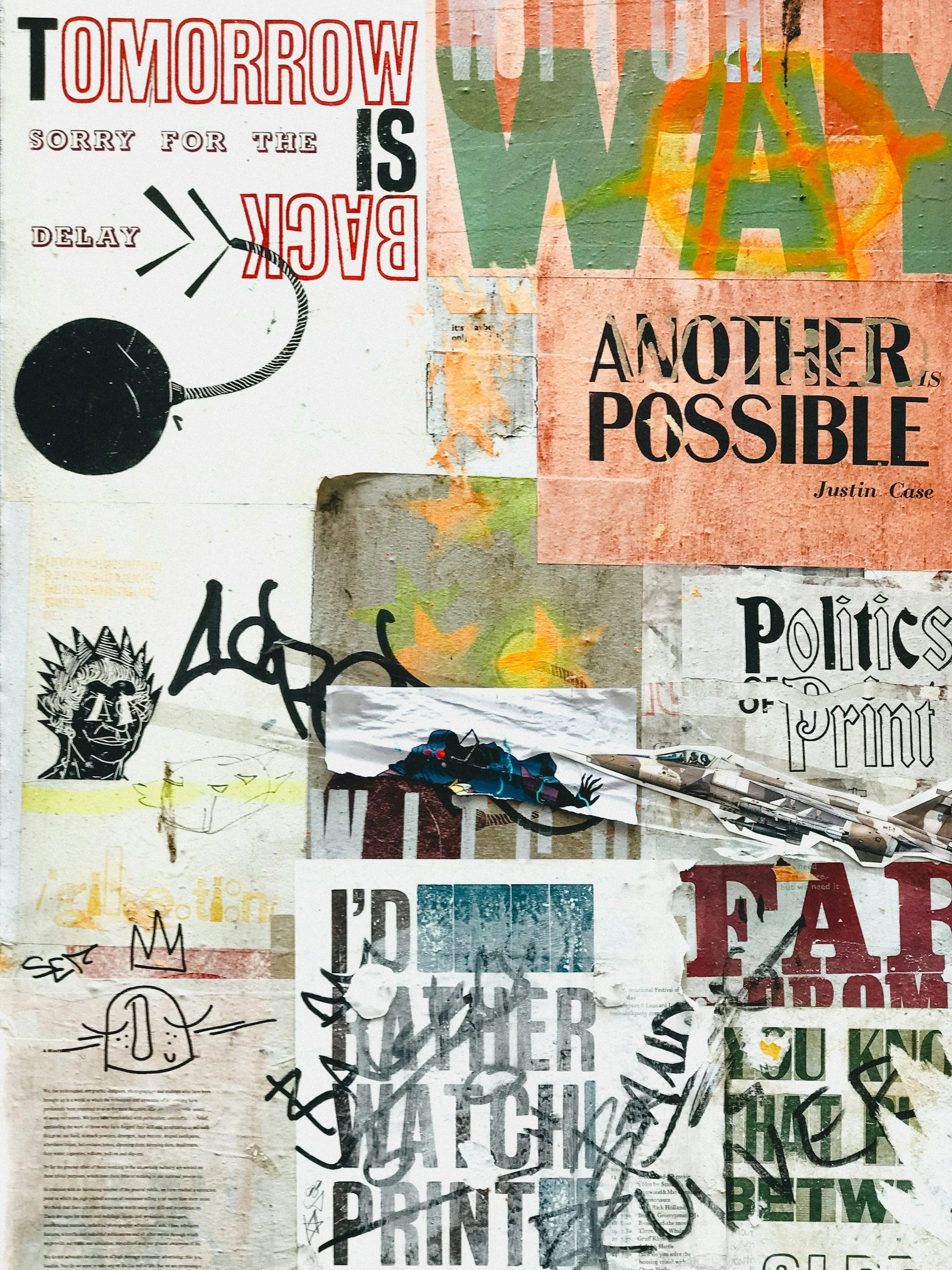
Students create a passion collage using magazine images and words across three categories (academics, career, relationships), then use the SMART goal framework to turn those visual passions into concrete, written goals they share with the class.
Sponge Brigade
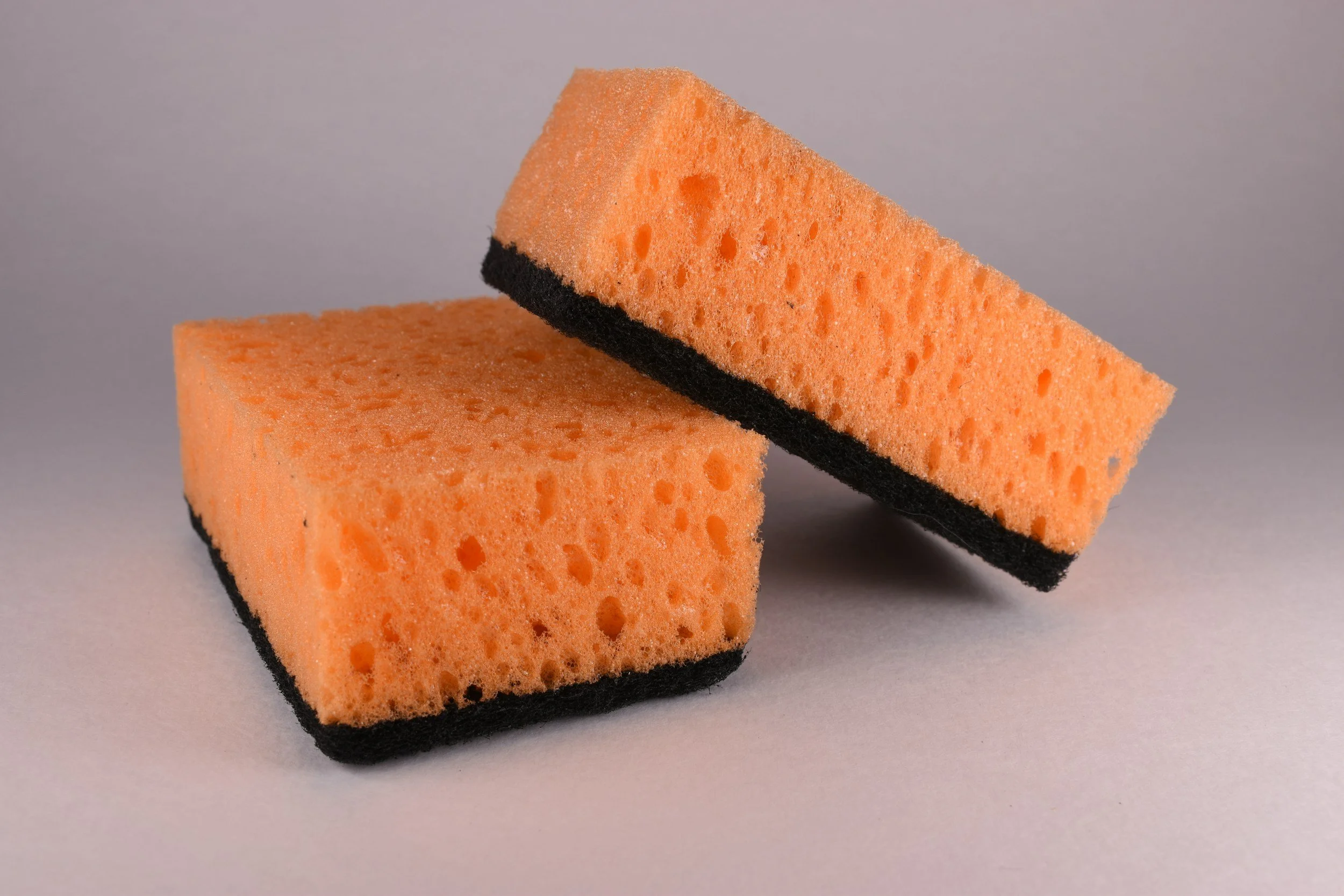
Teams race to fill a bucket by passing water-soaked sponges down the line (over heads, under legs) and wringing them out — with dropped sponges eliminated from play — until the water hits an exact tape line, then debrief on teamwork strategies used.

Still I Rise
Students listen to Maya Angelou's "Still I Rise," discuss its message, and share a personal strength with the group before writing about a time they overcame a struggle and creating a collage of their strengths or sources of encouragement.

Stick It to ‘Em
Working in pairs, students will use verbal communication to recreate a marshmallow-and-toothpick model — one partner is blindfolded and can only touch, while the other can see but cannot use their hands.
Story Clues
Students will take turns telling a short story that weaves in six words from a TABOO card while their classmates listen carefully and try to guess all six words, then discuss the listening and communication skills the game required.
Team Résumé
Students will select personal quality cards that represent their strengths, share them with a partner, then merge into groups of six to collaboratively fill out a Team Résumé that captures their collective strengths and values.
Team Spelling Bee
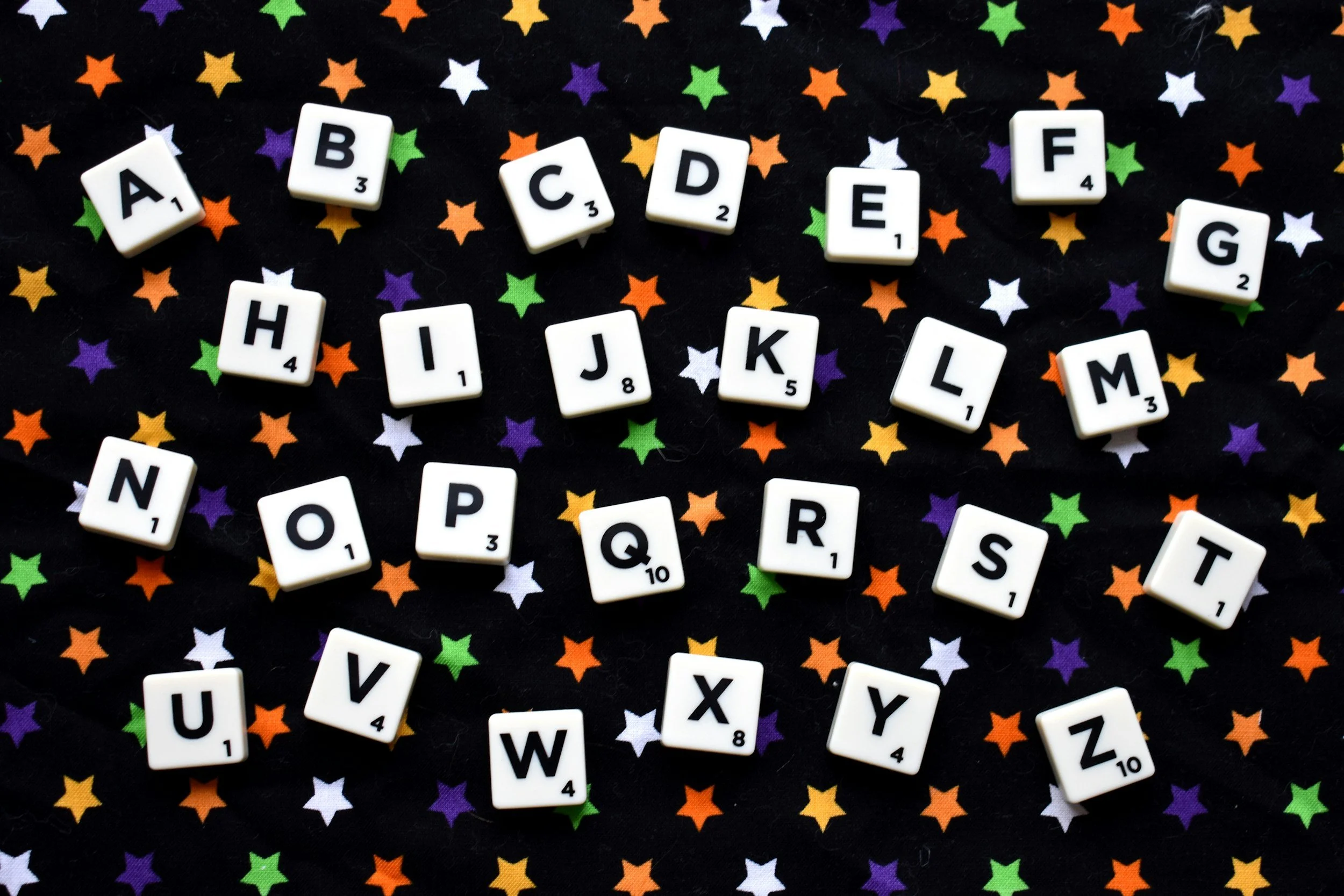
Teams will race to agree on a word that fits a given category, assign each member a letter tile, and physically line up to spell it out — competing against other teams for speed and word length.

The Great Egg Drop
In groups of three, students will use a bag of limited materials to engineer a contraption that protects a raw egg, then test their designs by dropping them from a second-floor window to see whose egg survives intact.

The Marshmallow Challenge
In groups of four, students will use only spaghetti, string, tape, and one marshmallow to build the tallest freestanding structure they can in 15 minutes — with the marshmallow on top — then compare heights and reflect on their teamwork.

Tricky Rope
Students will work together to figure out a secret hidden code embedded in a turning jump rope, using trial and error and group communication to get everyone across to the other side.

Values Carnival
Students will generate lists of desirable and undesirable community values, then rotate through five carnival-style games where winning requires correctly identifying or targeting the positive values, earning tokens to redeem for prizes.
Wear Your Attitude
Students will select a mood card as they enter the room and wear it visibly throughout the session, then observe how their own and others' displayed moods affect interactions — and reflect on whether and how attitudes can be changed.

What is Inspired
Students will write their own definition of what it means to feel inspired, then collaborate in small groups and a gallery walk to build a shared class vision of inspiring behavior — which gets posted in the room as a living agreement.

What is it?
Students will take turns drawing puzzle pieces from a bag and guessing the hidden image, then connect the experience to a discussion about the dangers of judging others based on only part of their story.
What is Motivation
Students will write their own definition of motivation, then collaborate in small groups and a gallery walk to build a shared class vision of what motivated and motivating behavior looks like — which gets posted in the room as an ongoing reference.