
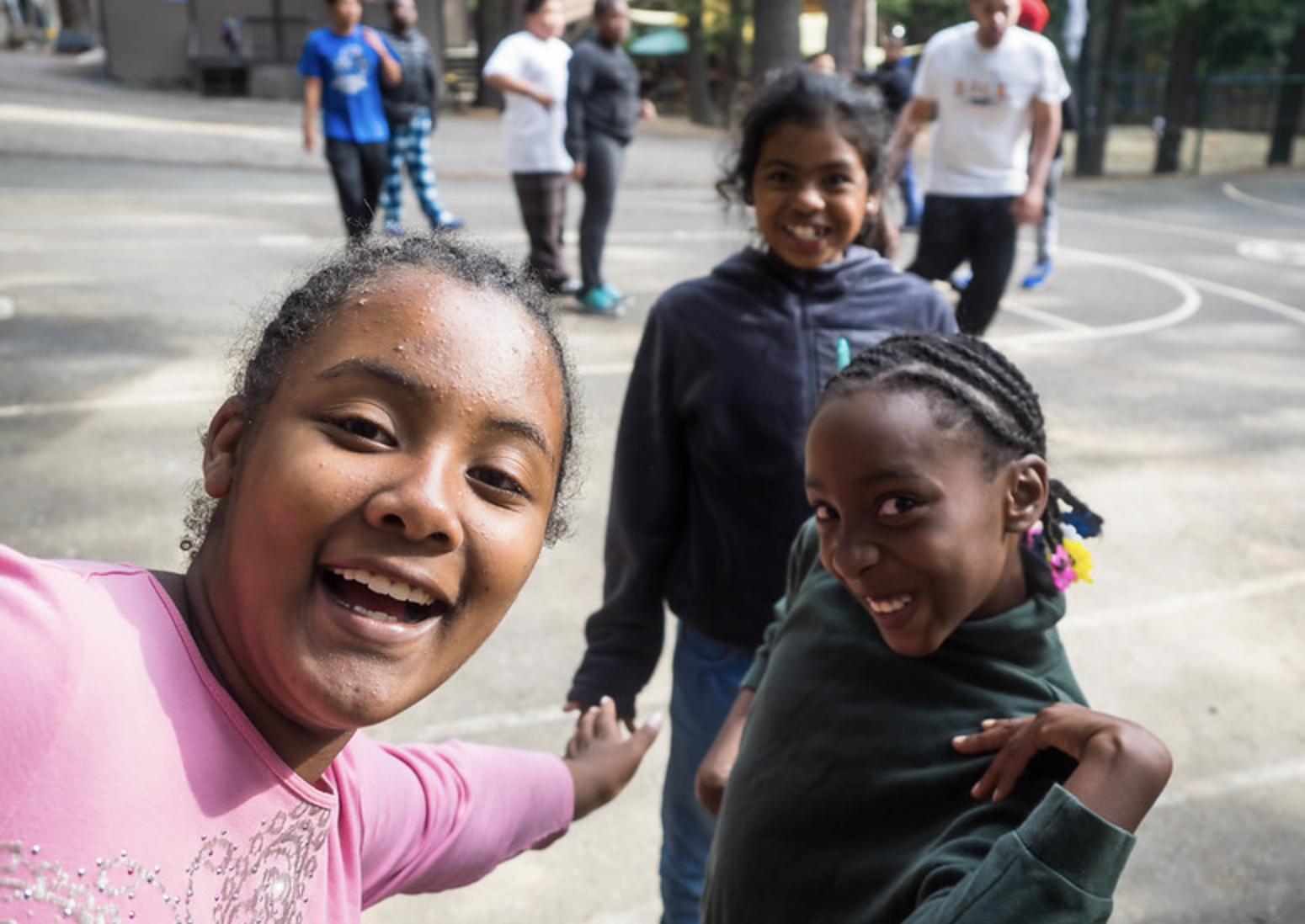
Fourth - Fifth Grade
Developmental Characteristics
Physical
May be careless about their clothes, room and body cleanliness
Girls may have sudden growth spurt and beginning signs of puberty
Enjoy physical activities that master specific skills
Enjoy competitive games
Possess a high activity level
Enjoy games that allow for comparison of skills
Enjoy games that allow for self-improvement
Social Emotional
Enjoy small, peer-dominated group discussions
Like to join organized groups
Are anxious to grow up
Are intensely loyal to their peer group
Form a close one-on-one friendship
Have a growing desire to assert individuality and independence
Can be daring and competitive
Can be critical of peers and adults
Are self-conscious of their abilities
Cognitive
Ask many questions and what thoughtful answers
Can often understand other points of view
Developing strong interests, hobbies, and collections
Enjoy daydreaming
Enjoy problem solving games and puzzles, etc.
Enjoy rule-based games
Are beginning to develop view about social/global issues
Beginning to enjoy humor by telling jokes and understanding sarcasm


Week 2: Growth Mindset (1st-5th)
Students draw and decorate a "Brave Brain" worksheet with things that help them keep trying (friends, practice, courage), then act out how to fix playful "oops" moments (spilled crayons, drew on the wrong paper) one at a time while the class cheers "We can fix it!"
Week 1: Celebrating Strengths (1st-5th)
Students strike "Confidence Poses" responding to fun prompts (brave superhero, proud artist, kind friend), then draw and decorate a "Confidence Juice Box" worksheet — filling it with the people, activities, and moments that make them feel strong and brave — and share one "ingredient" with the class at the end.
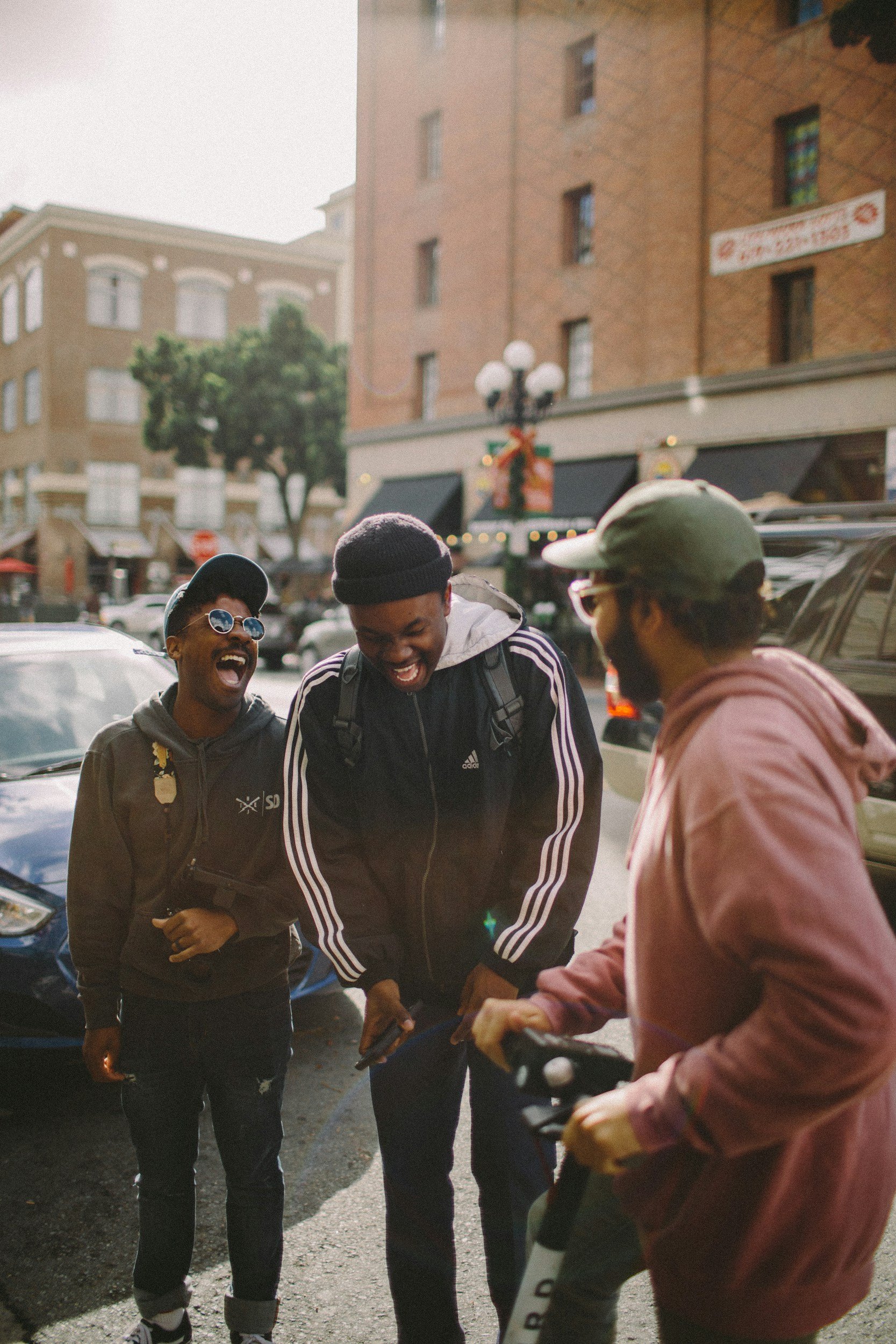
Week 5: Friendship Skills (1st-5th)
Students play Follow the Leader — taking turns leading the group through simple motions (clap, stomp, jump, spin) that everyone copies — then pair up for a Partner Share Game where one partner talks for 10–20 seconds about a simple prompt while the other practices active listening, then they switch roles.
Week 3: Kindness Signals (1st-5th)
Students play the Mirror Game — taking turns leading a line of classmates through a series of moves everyone copies — then practice "kind signals" in pairs, with two students facing each other in the circle and choosing a kind gesture (thumbs-up, high-five, smile) to give each other while making eye contact.
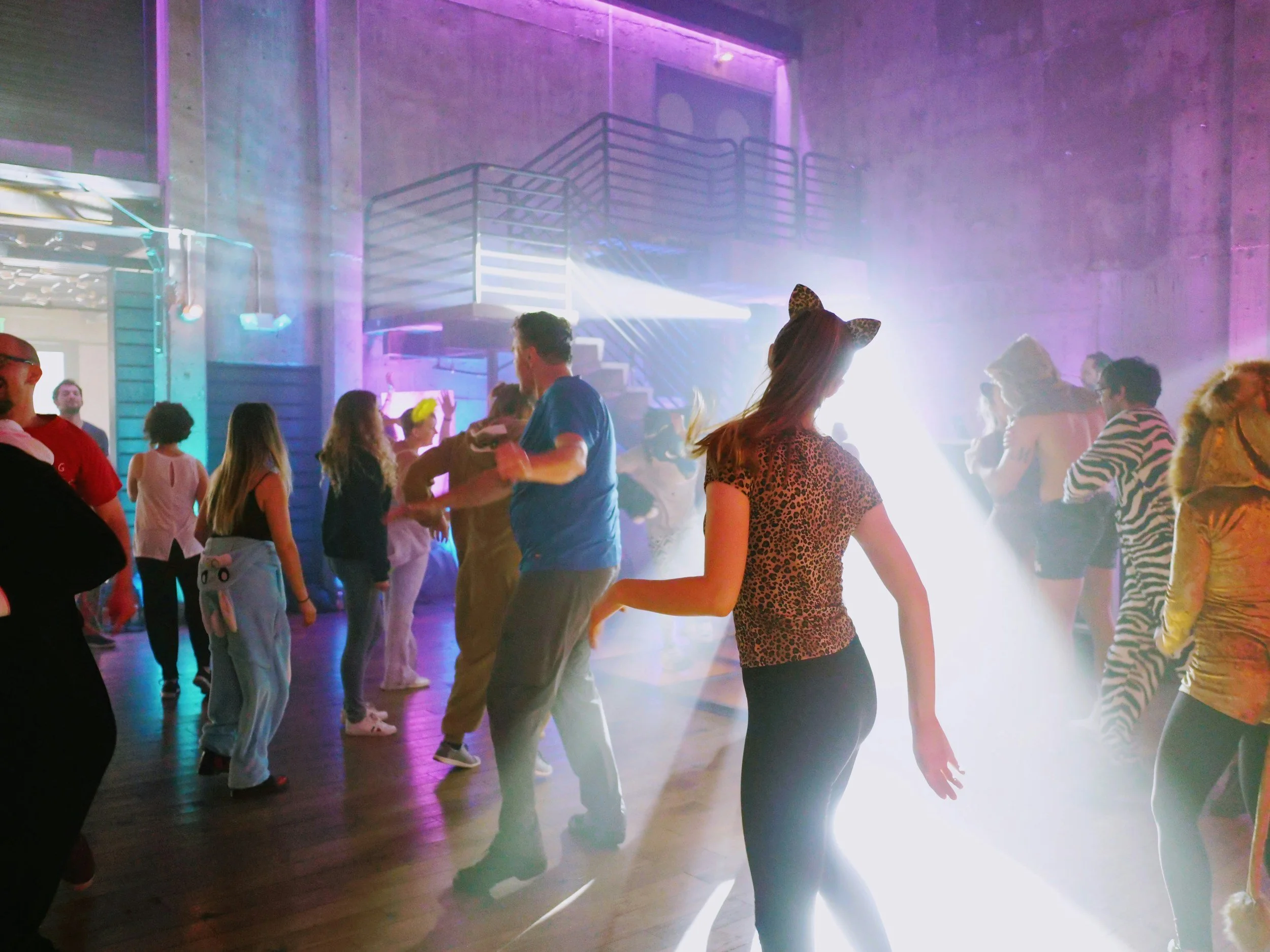
Week 2: Working Together (1st-5th)
Students play Copy Cat Dance — taking turns standing in the middle of the circle, doing a move, and having everyone copy — then extend the activity with a group pretend adventure where each leader acts out what the group "sees" in an imaginary setting and everyone mirrors them.
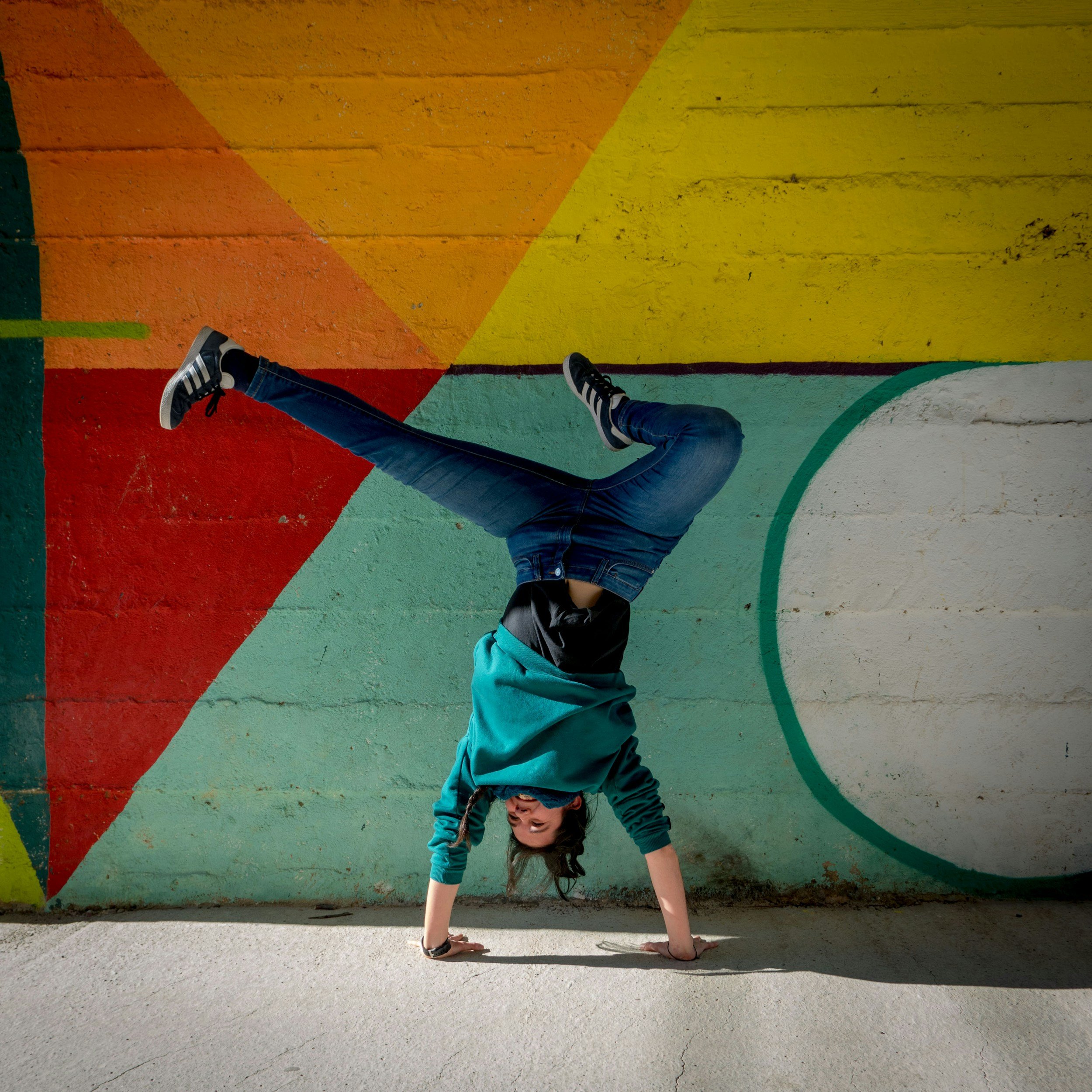
Week 1: Finding Common Ground (1st-5th)
Students play Partner Dance Freeze — taking turns leading and copying each other's dance moves until the music stops — then stay with their partner for one minute to find one thing they both like and share it with the class.

What’s so bad about “That’s so gay”? (Learning For Justice)
Almost every teacher has heard students use the expression, “that’s so gay” as a way of putting down or insulting someone (or to describe something). These lessons will help students examine how inappropriate language can hurt, and will help them think of ways to end this kind of name-calling.
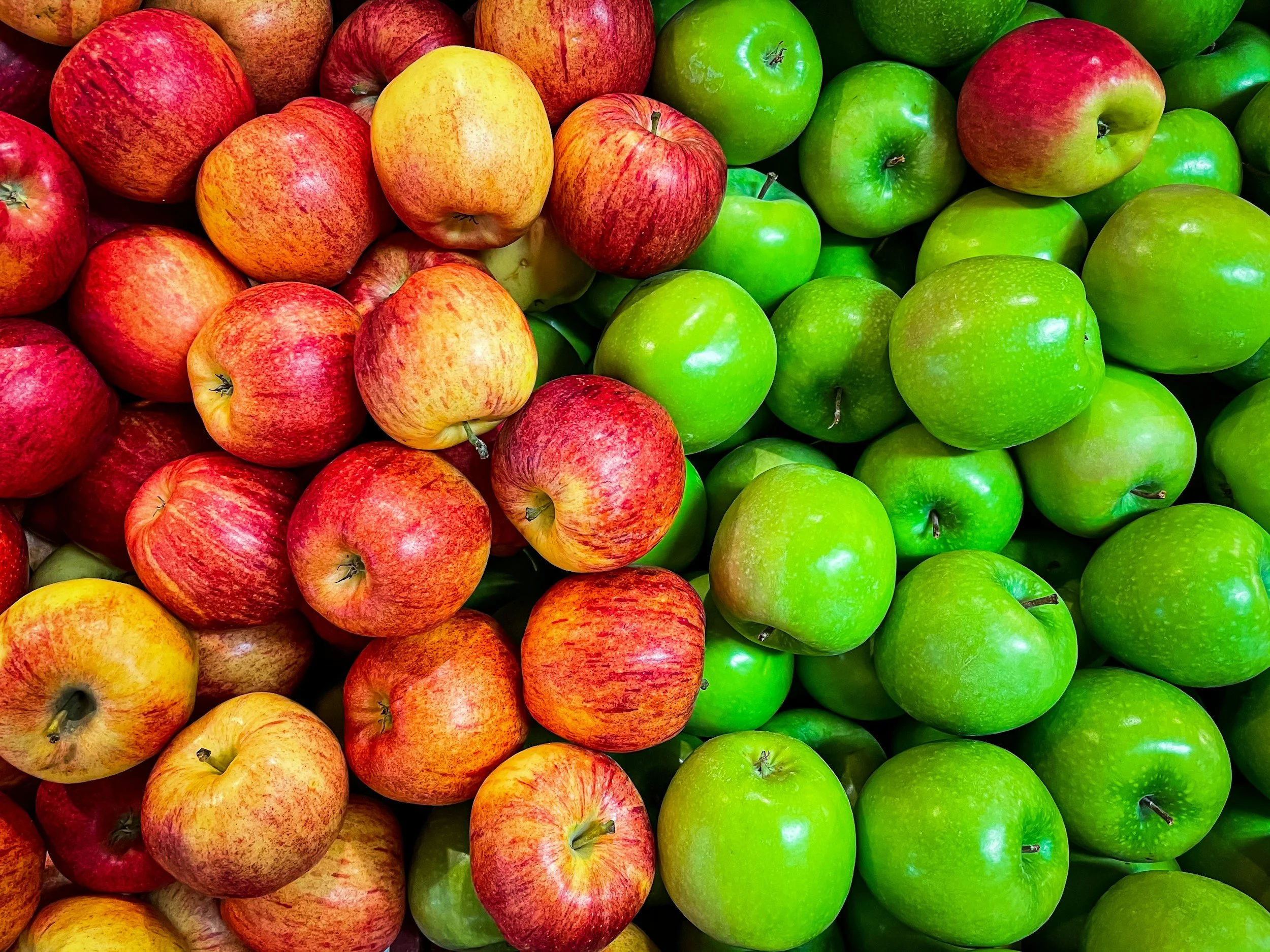
Apples Debate
Students play a modified version of Apples to Apples where, instead of anonymously laying down cards, each player holds their card and must verbally argue why theirs should win — with the judge selecting the best argument rather than the best match.

Equilateral Time
Students complete three rounds of rearranging chairs into a triangle — first with only the two group-chosen leaders allowed to speak, then with leaders blindfolded and everyone's arms linked, then repeating the blindfolded version after five minutes of group strategy planning — and debrief how leadership and collaboration changed across rounds.
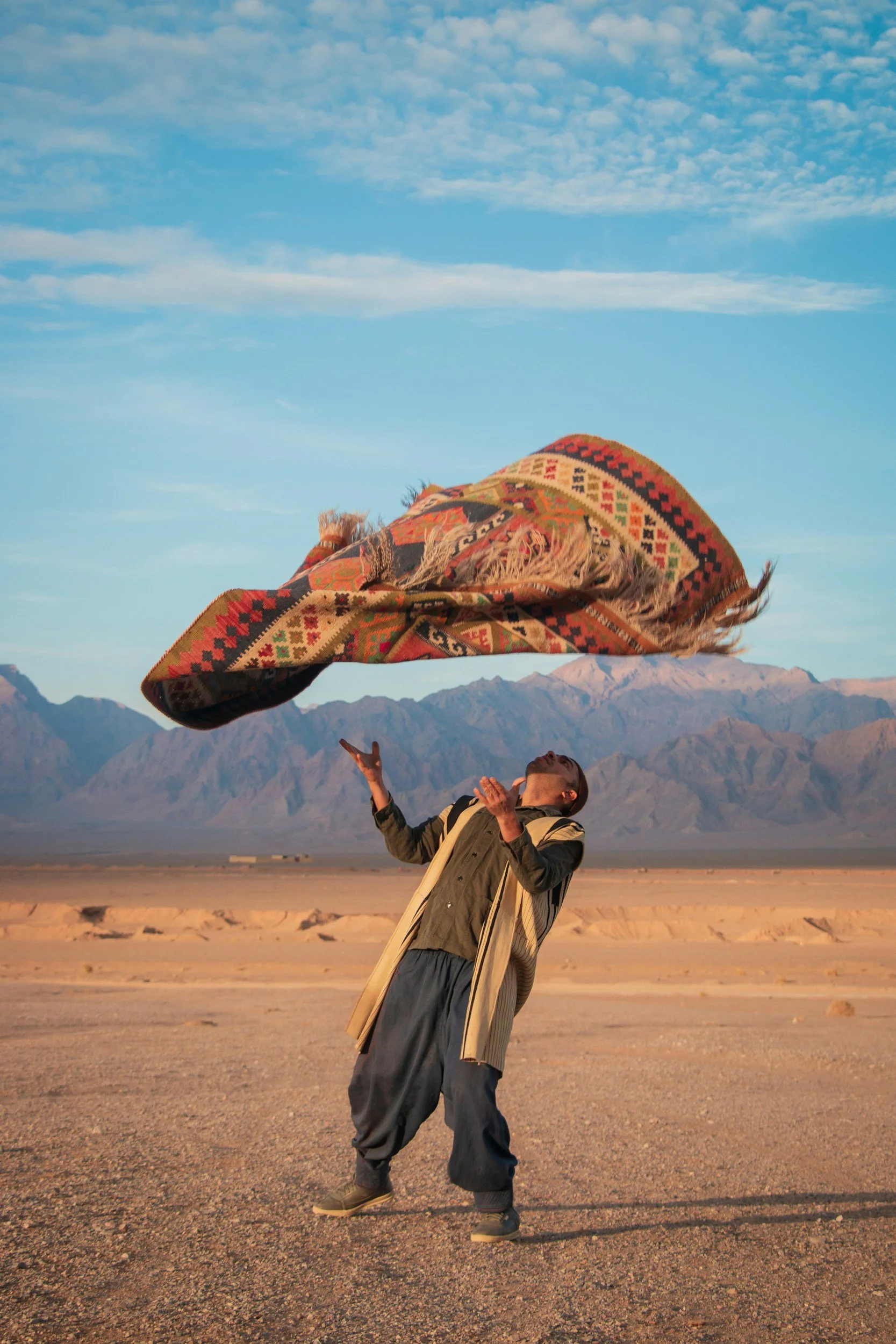
Examining Identity and Assimilation
Students read Mitali Perkins's essay "Magic Carpet" about cultural assimilation, then discuss questions about hiding parts of one's identity before writing privately about a time they (or someone they observed) concealed a cultural trait — or composing a story, song, or poem saying goodbye to a part of themselves they sometimes disown.
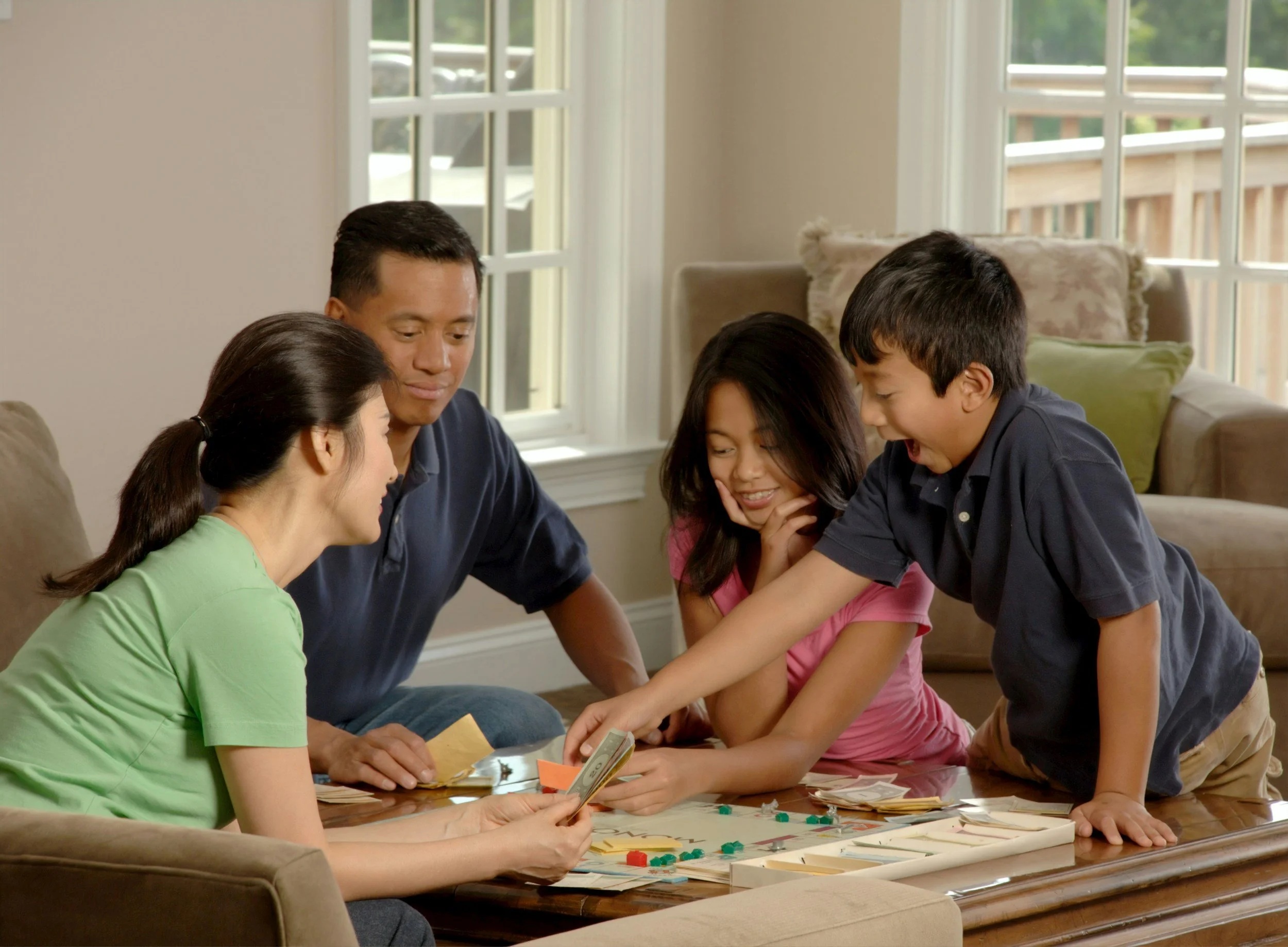
Family Fun Map
Students fill out a four-column Family Fun Map listing key family members, activities they already do together, new activities they'd like to try, and how those shared experiences could strengthen their relationship — then share one highlight with the group.
Fear in a Hat
Students anonymously write a fear or worry on a slip of paper, drop it in a hat, then each draw and read aloud someone else's fear — with classmates raising their hands if they share the feeling — before ceremonially tearing up the slips together.
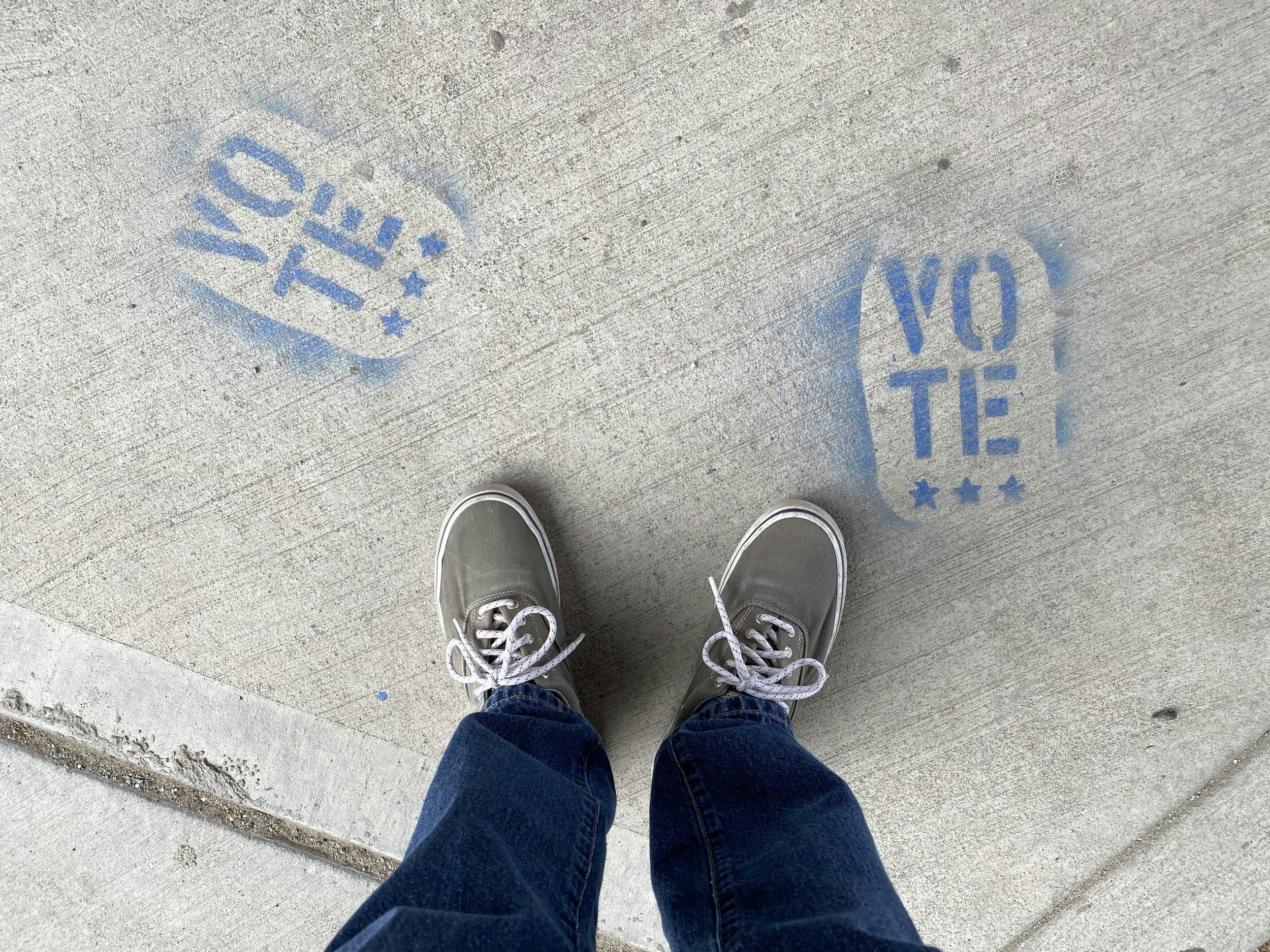
My Vote Counts (We Do It For The Culture)
Students explore how emotions like frustration, hope, and anger influence civic engagement by analyzing perspectives on voting, reflecting on community issues, and identifying actions they can take to advocate for change.

Anger Choice
Students will reflect on how they personally experience and handle anger, hear how their peers describe theirs, and explore what healthy responses to anger can look like. The lesson uses movement-based choice activities to make anger something we can talk about openly.
Empathy Interviews
Students will interview multiple partners using a feelings-based scenario sheet, recording both their own and their partner's emotional reactions to identify where their feelings match and where they differ.
Beanbag Freeze
Students play a movement game where they balance a beanbag on their head while music plays. When the music stops, they freeze. When a beanbag falls, a friend has to help by carefully placing it back—then they move together as partners. The game builds listening, body control, and cooperative care all at once.
Friendship Bank
This lesson teaches students that everyday choices either strengthen or weaken their friendships, using a "bank" metaphor where kind acts are deposits and unkind acts are withdrawals. Students physically add or remove peanuts from a bag in response to friendship scenarios to make the concept tangible.
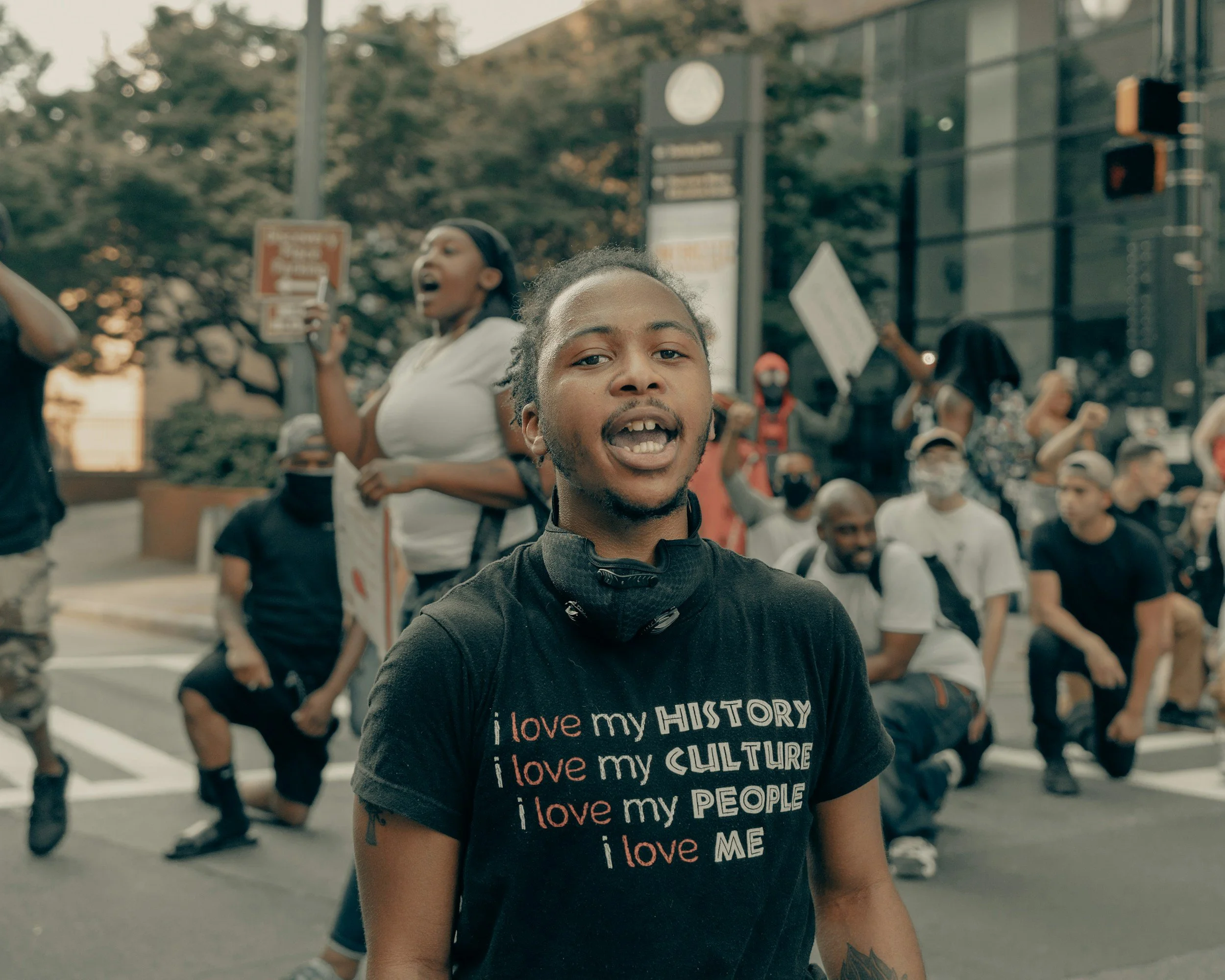
Celebrating Black History & Creating Black Futures (We Do It For The Culture)
Students explore the concept of “freedom dreaming” by reflecting on Black history and envisioning a future shaped by justice, creativity, and collective joy.
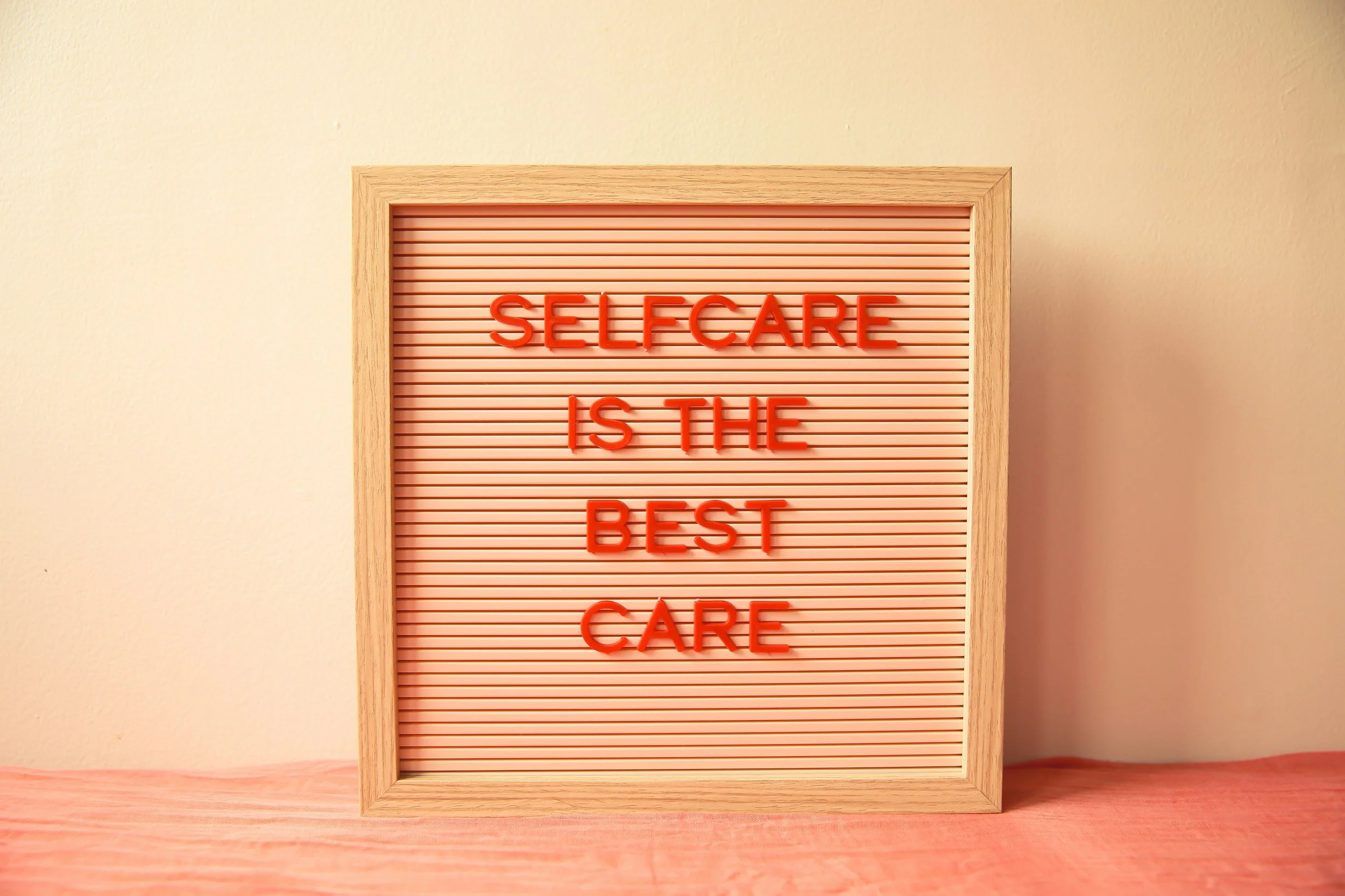
Self Care Cypher (We Do It For The Culture)
Students will explore the connection between mental health and overall well-being through the six dimensions of wellness and set personal goals to support their holistic self-care.
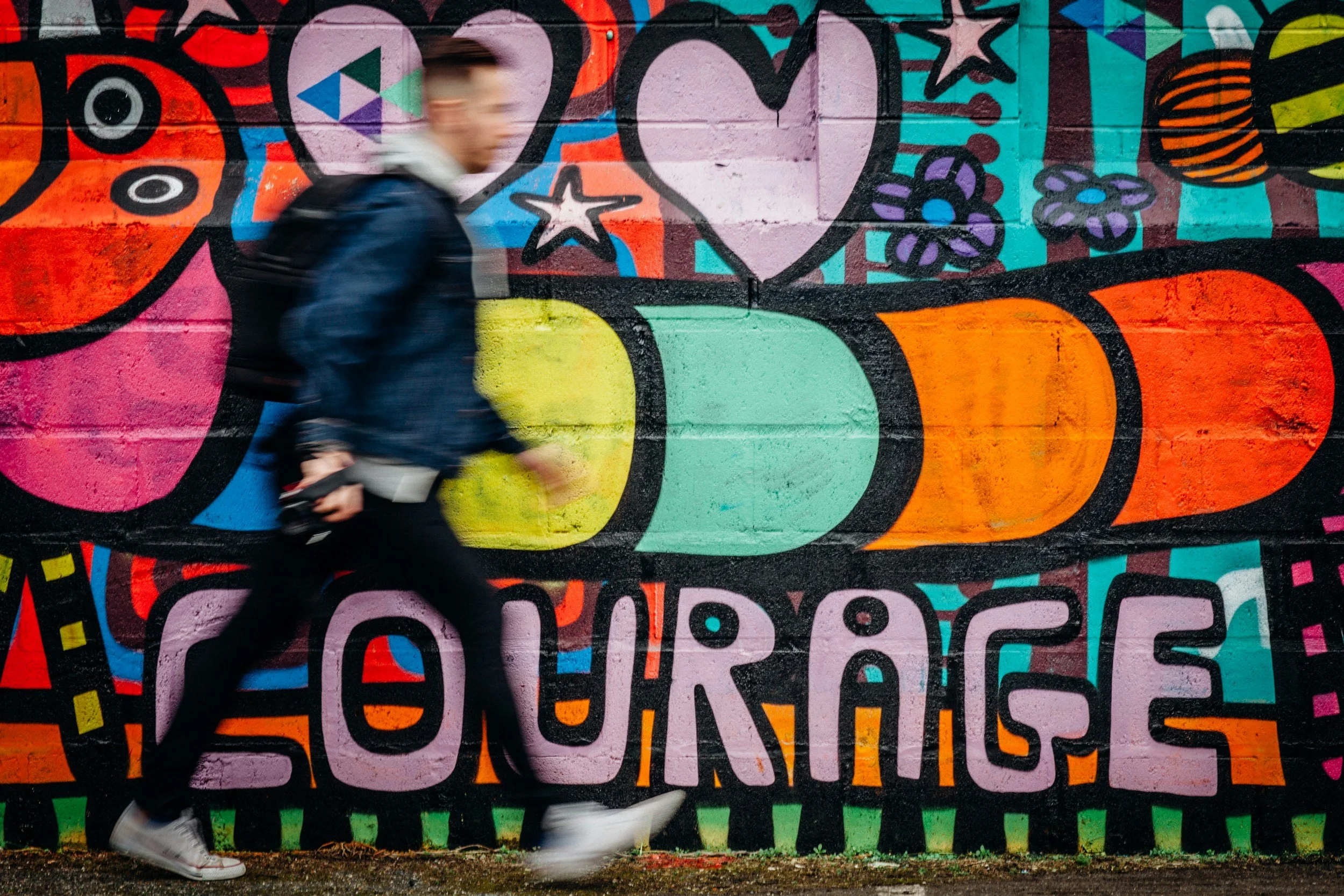
Courageous Acts (We Do It For The Culture)
Students will explore their family history, reflect on examples of courage in their lives and communities, and identify ways to grow their own courage, inspired by Palestinian rapper Belly’s immigrant experience.