
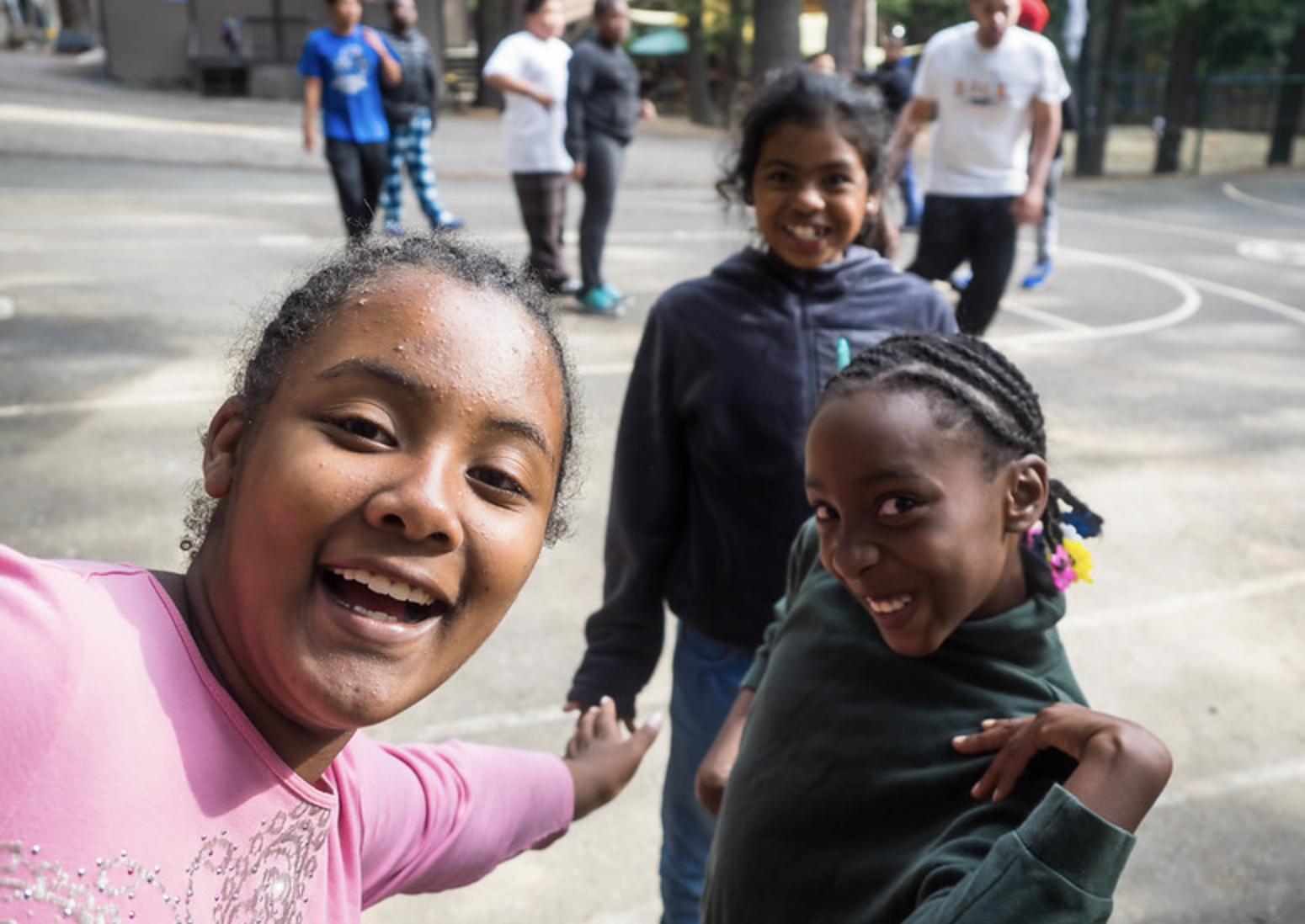
Fourth - Fifth Grade
Developmental Characteristics
Physical
May be careless about their clothes, room and body cleanliness
Girls may have sudden growth spurt and beginning signs of puberty
Enjoy physical activities that master specific skills
Enjoy competitive games
Possess a high activity level
Enjoy games that allow for comparison of skills
Enjoy games that allow for self-improvement
Social Emotional
Enjoy small, peer-dominated group discussions
Like to join organized groups
Are anxious to grow up
Are intensely loyal to their peer group
Form a close one-on-one friendship
Have a growing desire to assert individuality and independence
Can be daring and competitive
Can be critical of peers and adults
Are self-conscious of their abilities
Cognitive
Ask many questions and what thoughtful answers
Can often understand other points of view
Developing strong interests, hobbies, and collections
Enjoy daydreaming
Enjoy problem solving games and puzzles, etc.
Enjoy rule-based games
Are beginning to develop view about social/global issues
Beginning to enjoy humor by telling jokes and understanding sarcasm



Among Us Mystery: Curious Questions Over Blame
Students design Among Us/Roblox characters, then investigate a staged "mystery" (a teacher's character breaking a leg), practicing curious, fact-finding questions instead of finger-pointing as they piece together what happened.
Among Us: Teacher is the Imposter
Students design their own Among Us/Roblox character, then work together to solve a mystery — figuring out how a teacher's character broke their leg when the lights went out, questioning the "victim" rather than blaming peers.
Read the Room
Students vote with their fingers (1, 2, or 3) to label each of five real-life scenarios — a quiet friend, a "ok" text, a hallway bump, being left out of plans, a teacher correction — as an overreaction, underreaction, or just-right response, then discuss what the balanced answers have in common and why it's easy to misread situations.

Would You Rather: SEL Edition
Students respond to five real-life social scenarios (friend drama, group chat conflict, feeling left out, bad mood day, argument with a friend) by choosing between two reactions and briefly discussing which choice leads to better outcomes, then learn the STOP skill (Stop, Take a Breath, Observe, Pick your response) as a tool to use before reacting in real life.

Idea Machine
Students sit in a circle and take turns rapidly naming something from a given category (foods, animals, countries, emotions, etc.) with no repeats and a 3–5 second time limit per person, playing multiple rounds with progressively harder categories.

Week 6: Reflection and celebration (3-5)
Students play SEL-Style Musical Chairs — walking around chairs to music, but instead of eliminating anyone, everyone works together to find a spot when the music stops — then rotate through the SEL Scenario Celebration, where the teacher reads real-life scenarios (a friend crying, wanting to yell, fighting over a toy) and students respond or act out the best SEL solution.

Week 5: Conflict Resolution (3-5)
Students watch a movement brain break video about solving problems, then play the Scenario Challenge — the teacher dramatically acts out wrong choices (grabbing, interrupting, yelling) while students call out "NOT A GOOD CHOICE!" and shout Fix-It responses like using words, taking a breath, or walking away.

Week 4: Decision making steps (3-5)
Students play Zoo — competing to pick a different animal body pose than the leader on the count of three — then practice the Stop, Think, Choose strategy through a movement game (TK–K) where they freeze, point to their head, and move on cue between different locomotor actions, or act out scenarios applying the three steps (1st–2nd).

Week 3: Team Problem-Solving Games (3-5)
Students play Team Freeze Challenge — moving around the room and freezing on cue to solve a quick group challenge together — then play "What Would You Do?", turning and talking with a partner about how to handle each school problem scenario before sharing or acting it out for the class.
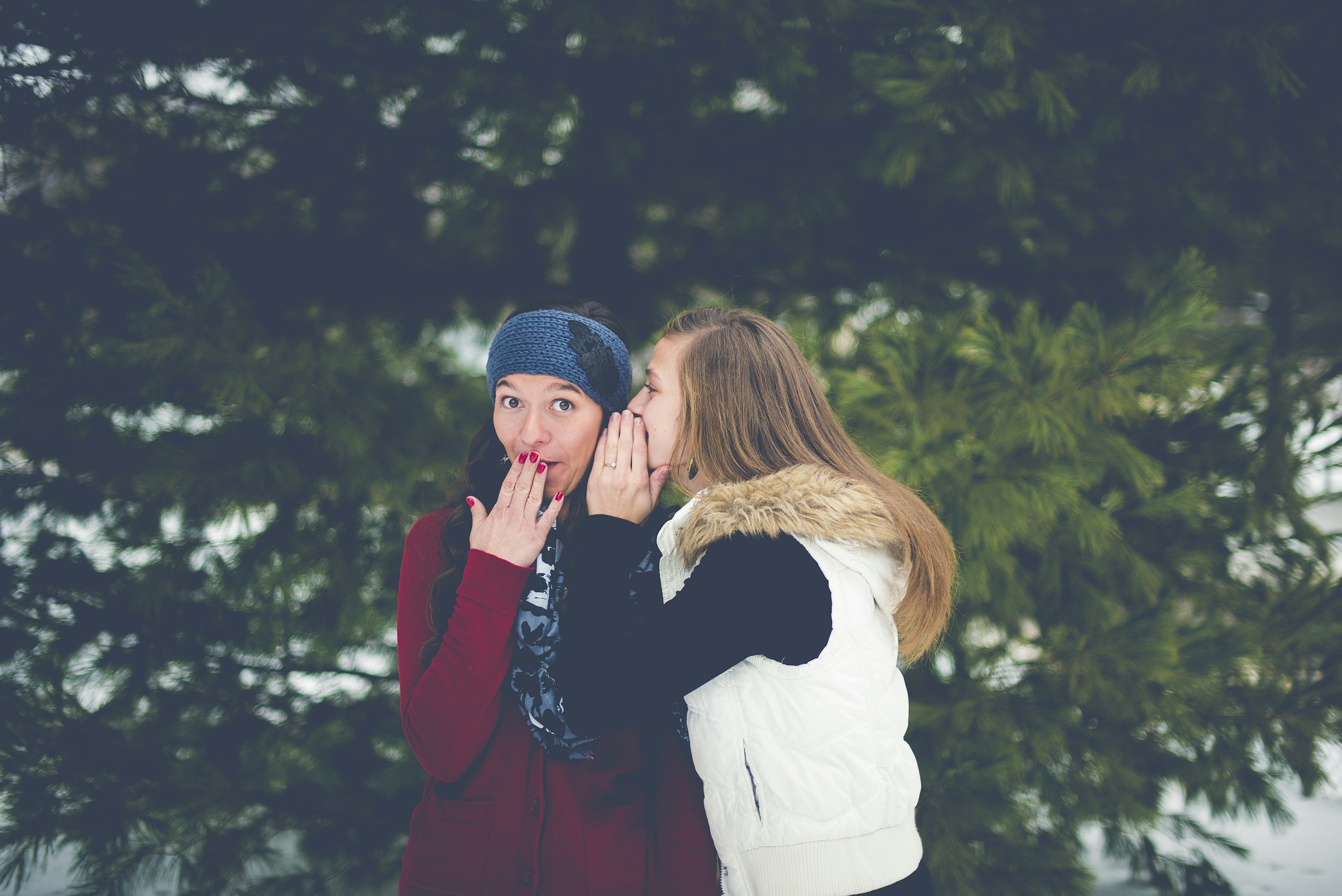
Week 2: Tattling vs Reporting (3-5)
Students improv scenarios where they must come up with a solution on their own before involving an adult — acting out responses like taking a deep breath, asking politely, or using words — then play the Tattling vs. Reporting Scenario Game, moving to a red (tattling) or green (reporting) side of the room for each scenario and discussing how to handle the tattling situations independently.

Week 1: What is a problem? (3-5)
Students play the Problem Traffic Light — moving fast for green (small) problems, slowly for yellow (medium) problems, and freezing for red (big/emergency) problems as scenarios are called out — then play Problem War, flipping scenario cards head-to-head and competing to identify who has the bigger problem while the class confirms each answer.
Equilateral Time
Students complete three rounds of rearranging chairs into a triangle — first with only the two group-chosen leaders allowed to speak, then with leaders blindfolded and everyone's arms linked, then repeating the blindfolded version after five minutes of group strategy planning — and debrief how leadership and collaboration changed across rounds.
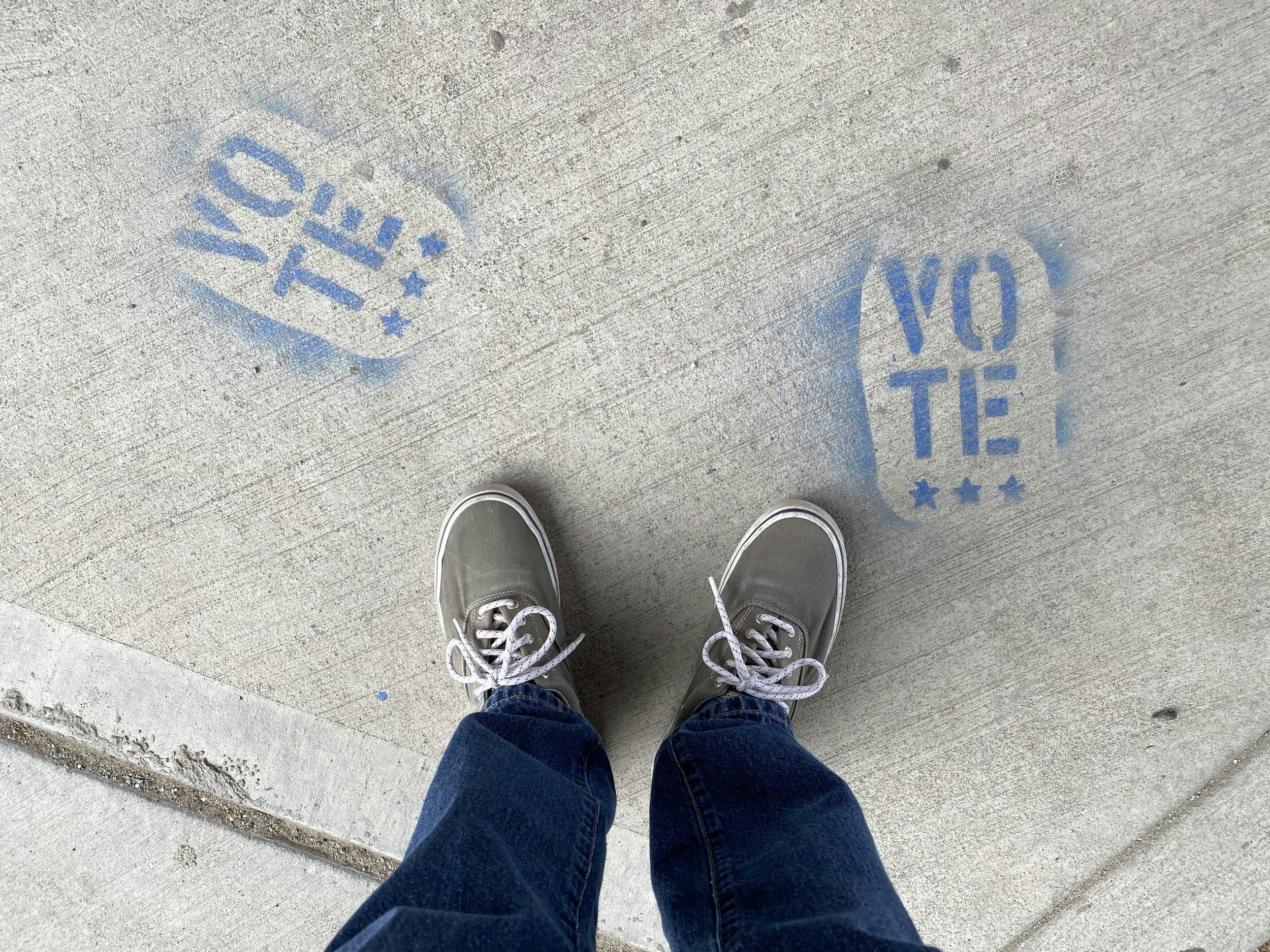
My Vote Counts (We Do It For The Culture)
Students explore how emotions like frustration, hope, and anger influence civic engagement by analyzing perspectives on voting, reflecting on community issues, and identifying actions they can take to advocate for change.

Balls and Hoops:Musical Islands
Students move around hula hoop "islands" to music and must work together to fit everyone onto fewer and fewer hoops each round, with the goal of including every student rather than eliminating anyone.

New Planet
Students will first independently choose 10 people from a list of 30 to survive on a new planet, then negotiate with a small group to reach a shared final list and defend their choices in a class-wide discussion.

Newest iPhone
In small groups, students will collaboratively design a prototype of the "newest iPhone" — including a new look, a unique ringtone, and an original app — then present their creation to the class and reflect on how their team made decisions together.
Off the Grid
Students will take turns navigating a tape grid on the floor, using trial and error and memory to find the hidden safe path across while their teammates watch and remember the route to help the group get everyone across.

Who, Me? A Scientist?
Students will watch a video of a four-year-old solving a problem, then observe a floating-wax demonstration and work together to generate and discuss hypotheses about why the two jars behave differently — connecting their own curiosity and perseverance to the work of scientists.

Tricky Rope
Students will work together to figure out a secret hidden code embedded in a turning jump rope, using trial and error and group communication to get everyone across to the other side.

The Marshmallow Challenge
In groups of four, students will use only spaghetti, string, tape, and one marshmallow to build the tallest freestanding structure they can in 15 minutes — with the marshmallow on top — then compare heights and reflect on their teamwork.