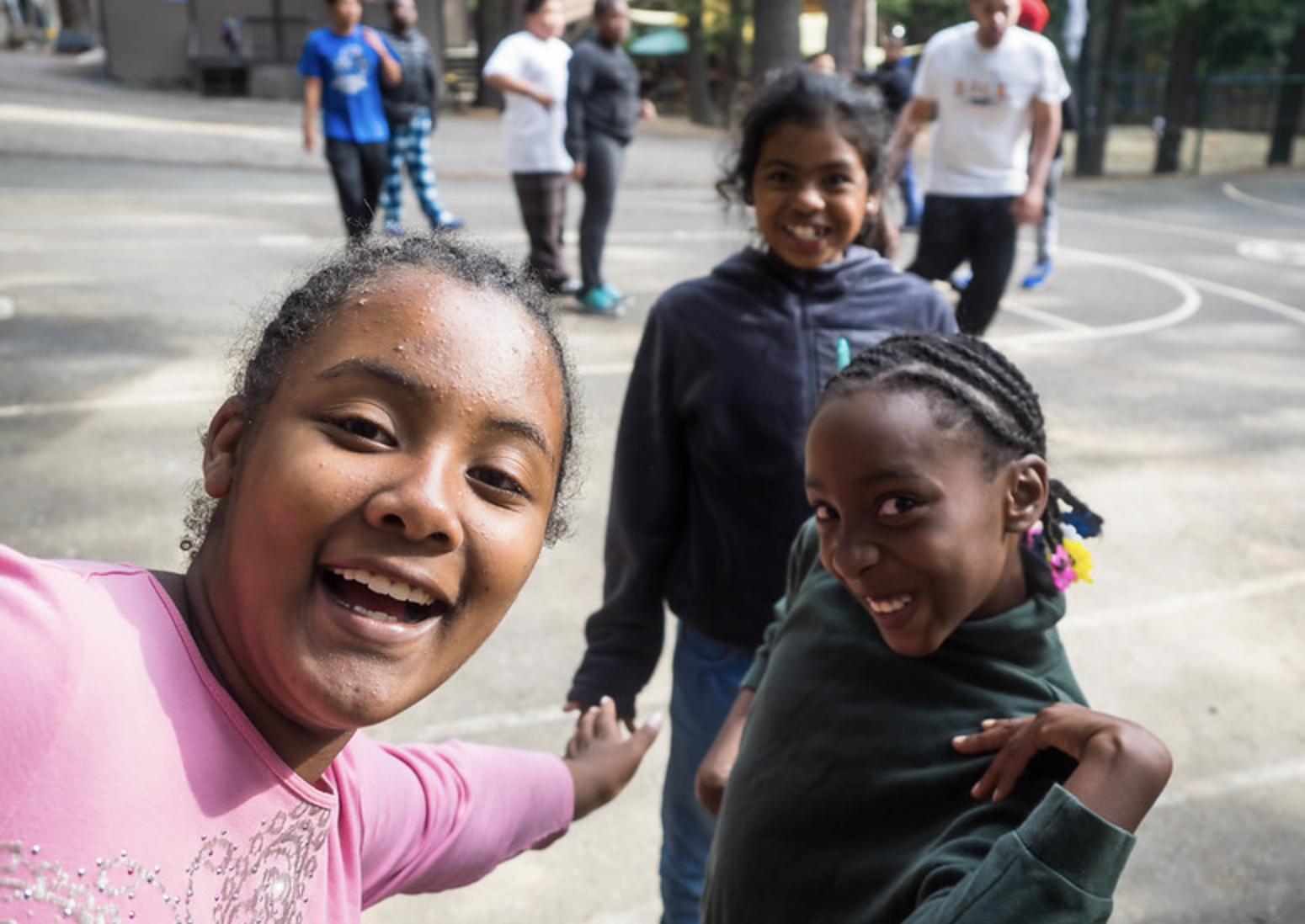
Fourth - Fifth Grade
Developmental Characteristics
Physical
May be careless about their clothes, room and body cleanliness
Girls may have sudden growth spurt and beginning signs of puberty
Enjoy physical activities that master specific skills
Enjoy competitive games
Possess a high activity level
Enjoy games that allow for comparison of skills
Enjoy games that allow for self-improvement
Social Emotional
Enjoy small, peer-dominated group discussions
Like to join organized groups
Are anxious to grow up
Are intensely loyal to their peer group
Form a close one-on-one friendship
Have a growing desire to assert individuality and independence
Can be daring and competitive
Can be critical of peers and adults
Are self-conscious of their abilities
Cognitive
Ask many questions and what thoughtful answers
Can often understand other points of view
Developing strong interests, hobbies, and collections
Enjoy daydreaming
Enjoy problem solving games and puzzles, etc.
Enjoy rule-based games
Are beginning to develop view about social/global issues
Beginning to enjoy humor by telling jokes and understanding sarcasm



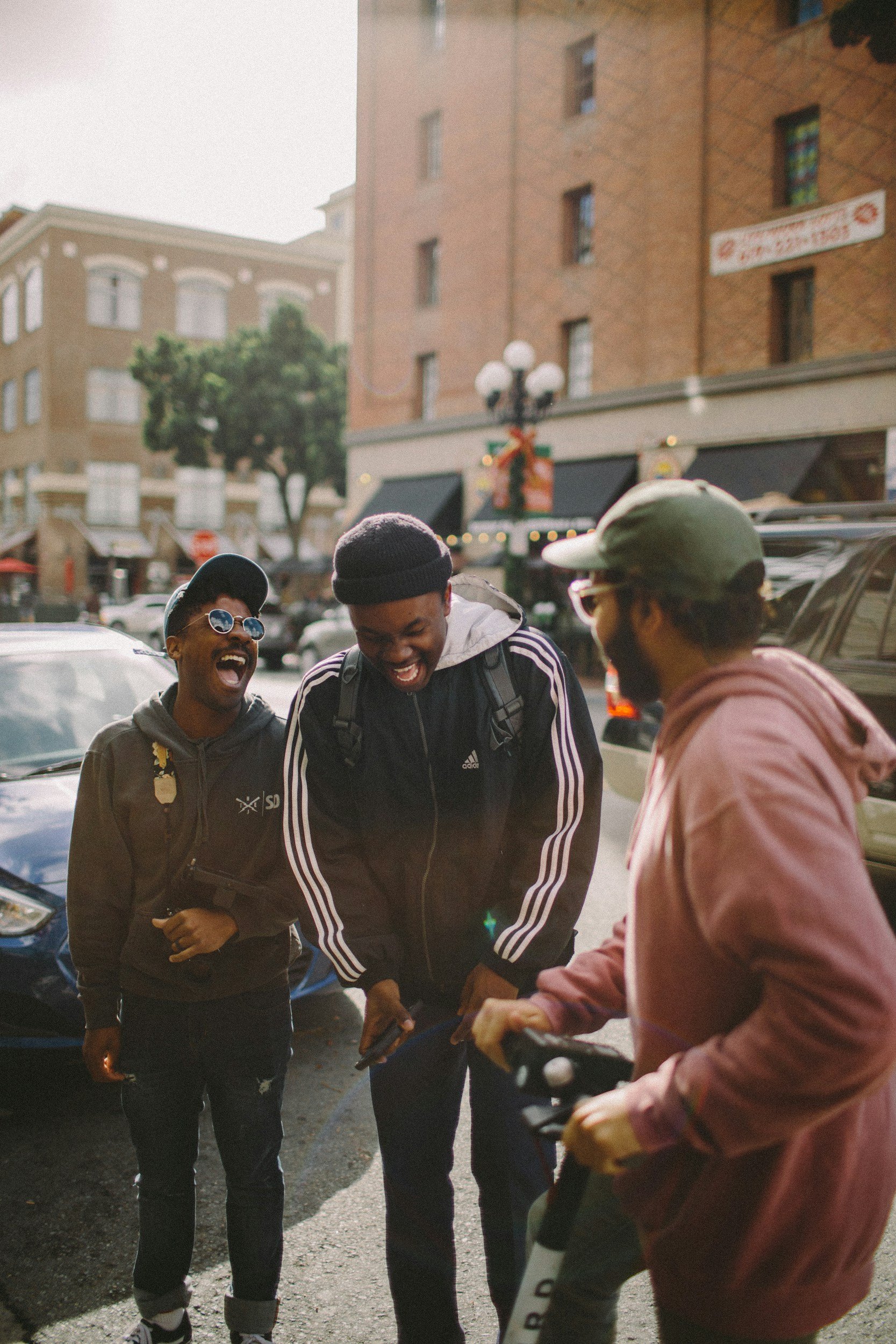
Week 5: Friendship Skills (1st-5th)
Students play Follow the Leader — taking turns leading the group through simple motions (clap, stomp, jump, spin) that everyone copies — then pair up for a Partner Share Game where one partner talks for 10–20 seconds about a simple prompt while the other practices active listening, then they switch roles.
Week 3: Kindness Signals (1st-5th)
Students play the Mirror Game — taking turns leading a line of classmates through a series of moves everyone copies — then practice "kind signals" in pairs, with two students facing each other in the circle and choosing a kind gesture (thumbs-up, high-five, smile) to give each other while making eye contact.

Week 2: Working Together (1st-5th)
Students play Copy Cat Dance — taking turns standing in the middle of the circle, doing a move, and having everyone copy — then extend the activity with a group pretend adventure where each leader acts out what the group "sees" in an imaginary setting and everyone mirrors them.

Week 1: Finding Common Ground (1st-5th)
Students play Partner Dance Freeze — taking turns leading and copying each other's dance moves until the music stops — then stay with their partner for one minute to find one thing they both like and share it with the class.
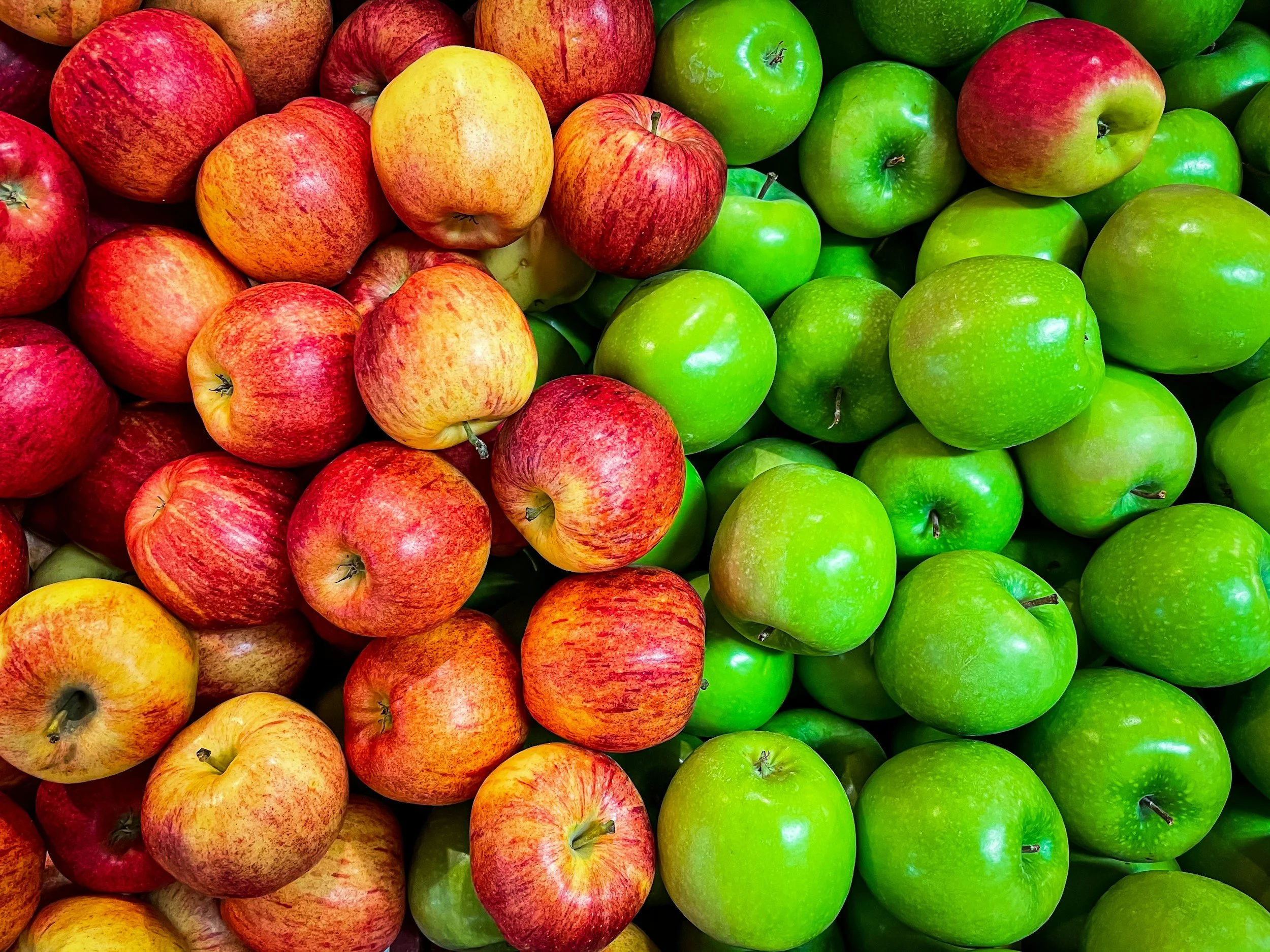
Apples Debate
Students play a modified version of Apples to Apples where, instead of anonymously laying down cards, each player holds their card and must verbally argue why theirs should win — with the judge selecting the best argument rather than the best match.
Empathy Interviews
Students will interview multiple partners using a feelings-based scenario sheet, recording both their own and their partner's emotional reactions to identify where their feelings match and where they differ.

Friendship Bank
This lesson teaches students that everyday choices either strengthen or weaken their friendships, using a "bank" metaphor where kind acts are deposits and unkind acts are withdrawals. Students physically add or remove peanuts from a bag in response to friendship scenarios to make the concept tangible.
Safe Spaces (We Do It For The Culture)
Students explore the power of spoken word to build safe spaces by analyzing CHIKA’s poetry, reflecting on their classroom culture, and committing to actions that foster respect, inclusion, and expression.
Balls and Hoops:Pass-It-Back Relays
Students brainstorm and play a series of relay races they help design, taking turns passing a ball down the line in creative ways, then reflect on how their team worked together.

Why do we (still) celebrate Columbus Day? (Learning For Justice)
In this lesson, students will address misconceptions they likely have about Christopher Columbus and the colonization of what is now the United States.

Lollipop Moments
Students will watch Drew Dudley's TED Talk on everyday leadership, then write a "Lollipop Letter" to someone who positively impacted their life, expressing gratitude for that moment and sharing their letters in small groups.


What is Inspired
Students will write their own definition of what it means to feel inspired, then collaborate in small groups and a gallery walk to build a shared class vision of inspiring behavior — which gets posted in the room as a living agreement.

What is the Word
Students will compete in teams to guess mystery words from the Taboo game using only related clue words, then reflect on what the game revealed about their listening and focus skills.

What is Safe
Students will write their own definition of what it means to feel safe, then work in small groups and a gallery walk to build a shared class vision of safety — which gets posted in the room as a living agreement for the whole class.

What is it?
Students will take turns drawing puzzle pieces from a bag and guessing the hidden image, then connect the experience to a discussion about the dangers of judging others based on only part of their story.

Values Carnival
Students will generate lists of desirable and undesirable community values, then rotate through five carnival-style games where winning requires correctly identifying or targeting the positive values, earning tokens to redeem for prizes.

Support Tree
Students will be able to identify the people in their lives they can go to for help.

Story Clues
Students will take turns telling a short story that weaves in six words from a TABOO card while their classmates listen carefully and try to guess all six words, then discuss the listening and communication skills the game required.