
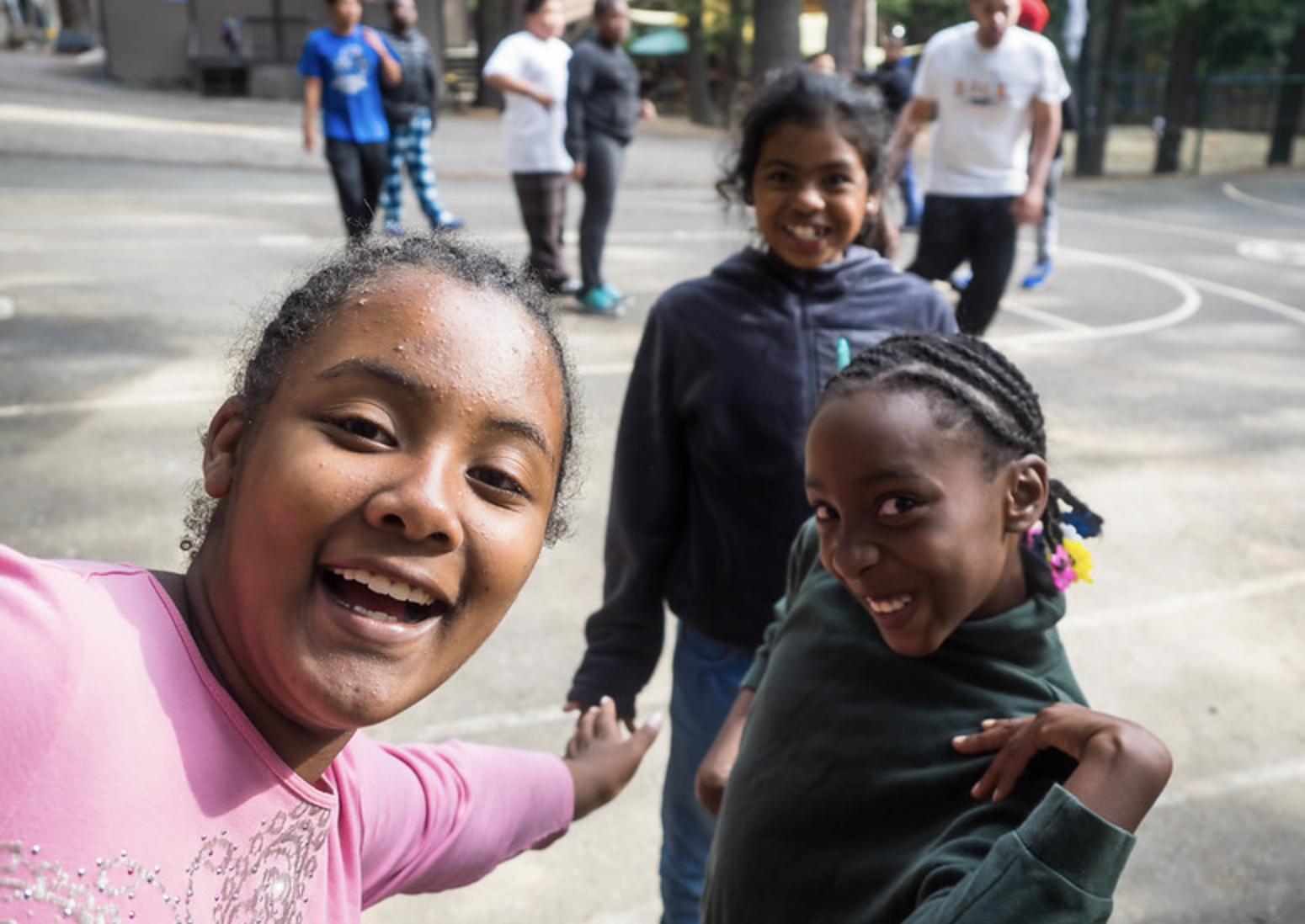
Fourth - Fifth Grade
Developmental Characteristics
Physical
May be careless about their clothes, room and body cleanliness
Girls may have sudden growth spurt and beginning signs of puberty
Enjoy physical activities that master specific skills
Enjoy competitive games
Possess a high activity level
Enjoy games that allow for comparison of skills
Enjoy games that allow for self-improvement
Social Emotional
Enjoy small, peer-dominated group discussions
Like to join organized groups
Are anxious to grow up
Are intensely loyal to their peer group
Form a close one-on-one friendship
Have a growing desire to assert individuality and independence
Can be daring and competitive
Can be critical of peers and adults
Are self-conscious of their abilities
Cognitive
Ask many questions and what thoughtful answers
Can often understand other points of view
Developing strong interests, hobbies, and collections
Enjoy daydreaming
Enjoy problem solving games and puzzles, etc.
Enjoy rule-based games
Are beginning to develop view about social/global issues
Beginning to enjoy humor by telling jokes and understanding sarcasm


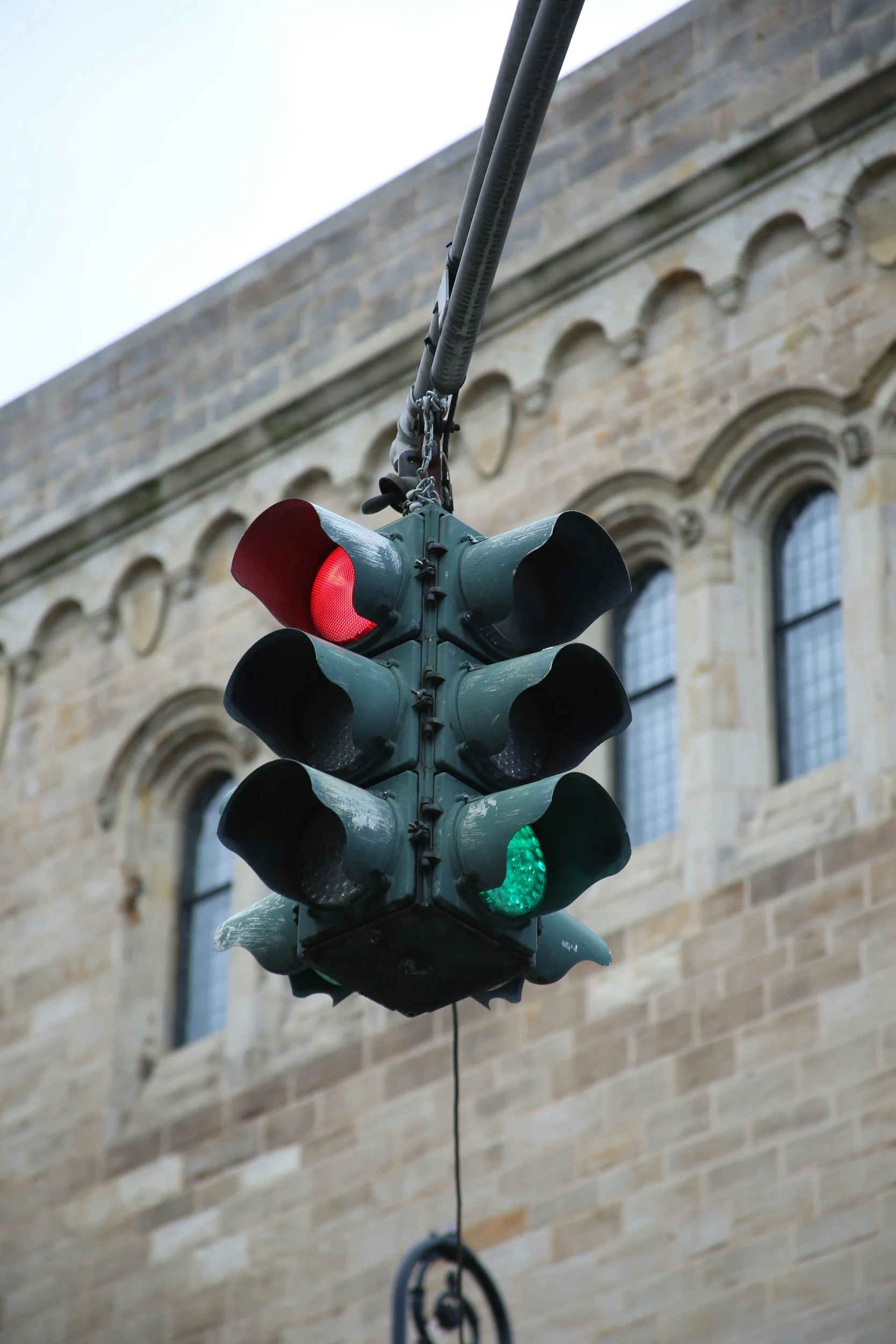
Red Light, Green Light: Self-Control and Thoughtful Giving
Students play a Squid Games-style red light, green light game, practicing self-control and encouraging peers who are out, then create personalized "blind bags" for a randomly assigned mystery partner based on their likes, opening them together at closing circle.

Simon Says and Musical Chairs: Practicing Self-Control
Students play Simon Says to practice following directions and self-control, then build a class playlist and play high-expectation musical chairs, practicing safe bodies and encouraging peers who are out, closing with reflection on managing excitement and frustration.

Zones of Regulation Collages: Naming My Emotions
Students face the unknown in the "Mystery Box Challenge," then create magazine collages representing the blue, green, yellow, and red zones of regulation, matching images to emotions and coping strategies for each zone.

Running Up That Hill: Staying Motivated and Self-Regulated
Students build a class playlist by sharing favorite songs, then play a Stranger Things-inspired "self-regulation dodgeball" where runners focus on their chosen song to stay calm while dodgeballs are thrown, closing with a reflection on staying motivated when things get hard.
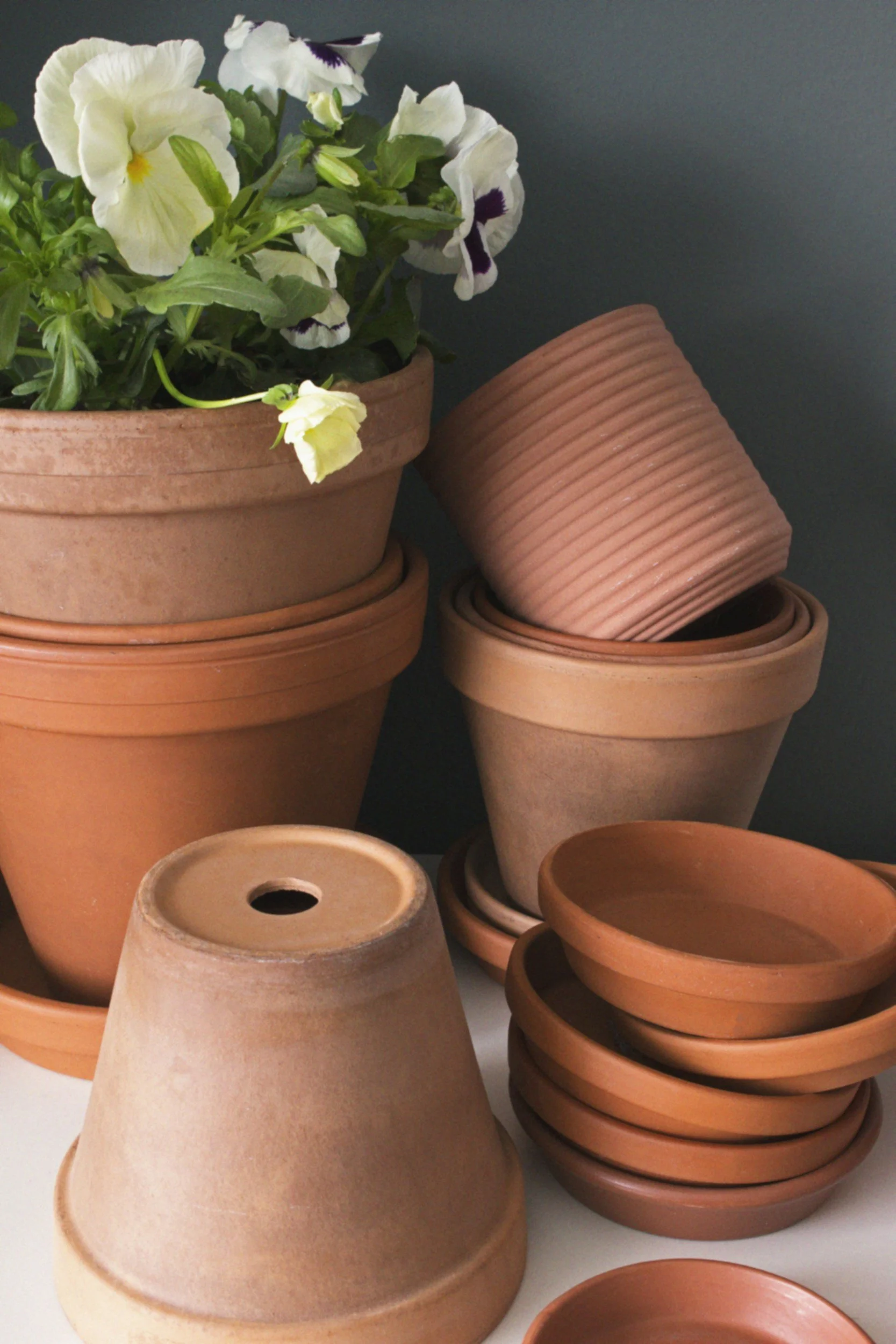
Pinch Pots: Practicing Patience and Self-Control
Students shape air-dry clay into pinch pots, practicing patience and self-control as they manipulate the material into a smooth, crack-free form, then sketch or paint a design before reflecting on what it felt like to work with the clay.

Boundaries: Self-Control and Asking for Consent
Students play "Listen and Copy," swapping numbers for claps and snaps to build self-control, then practice "The Boundary Game," taking turns asking for consent and setting respectful boundaries on everyday scenarios.

Impulse Control: Statues and Marshmallow Towers
Students practice staying still and quiet in "Night at the Museum," a freeze game with a roaming "janitor," then build marshmallow-and-toothpick structures while resisting the urge to eat any pieces until they finish, reflecting on delayed gratification.

Situation Reflections
Students physically move to one of four corners of the room labeled A, B, C, or D to show how they would react to real-life conflict scenarios (a friend breaking your sunglasses, someone showing up an hour late, being teased about your appearance), then discuss their choices and what self-control looks like in each situation.
Week 4: Big vs Small Problems (3-5)
Students play the Big or Small Sorting Game — physically moving to one side of the room labeled "Big Problem" or the other labeled "Small Problem" after each scenario is read — then act out calm reactions to small problems (taking a breath, saying "it's okay," picking things up) reinforcing that a small problem deserves a small reaction.

Week 3: Breathing Strategies (2-5)
Students practice several breathing techniques together — the crocodile, smell the rose/blow the candle, heart hands, and the Balloon — with volunteers leading the class in their favorite, then cut out and glue 3–5 calm-down strategies onto a personal Calm-Down Toolbox worksheet to decorate and take home.

Week 2: Freeze Games (3-5)
Students play Freeze Dance — dancing freely to music and freezing their bodies completely still each time the music stops — then play a Movement Game where the teacher calls out a specific movement to do while the music plays, stopping and holding their pose each time the music cuts out.

Week 1: What is Self-Control? (3-5)
Students play Self-Control Charades — acting out school-based scenarios with their body while classmates identify the emotion, the impulse felt, and the self-control strategy being used — then draw themselves having a calm moment at school on a worksheet, considering their hands, feet, face, and posture.
Family Fun Map
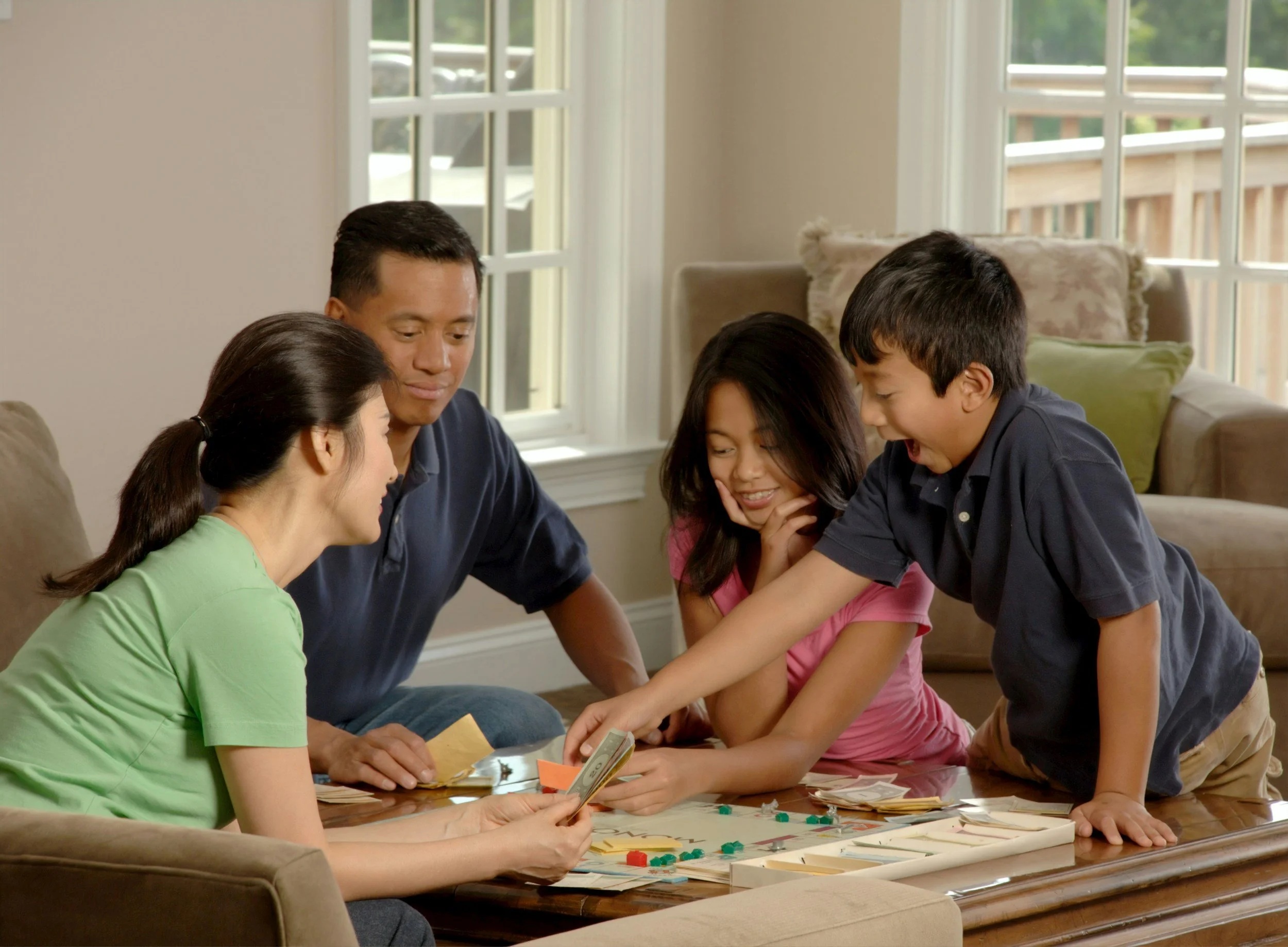
Students fill out a four-column Family Fun Map listing key family members, activities they already do together, new activities they'd like to try, and how those shared experiences could strengthen their relationship — then share one highlight with the group.

Anger Choice
Students will reflect on how they personally experience and handle anger, hear how their peers describe theirs, and explore what healthy responses to anger can look like. The lesson uses movement-based choice activities to make anger something we can talk about openly.
Beanbag Freeze
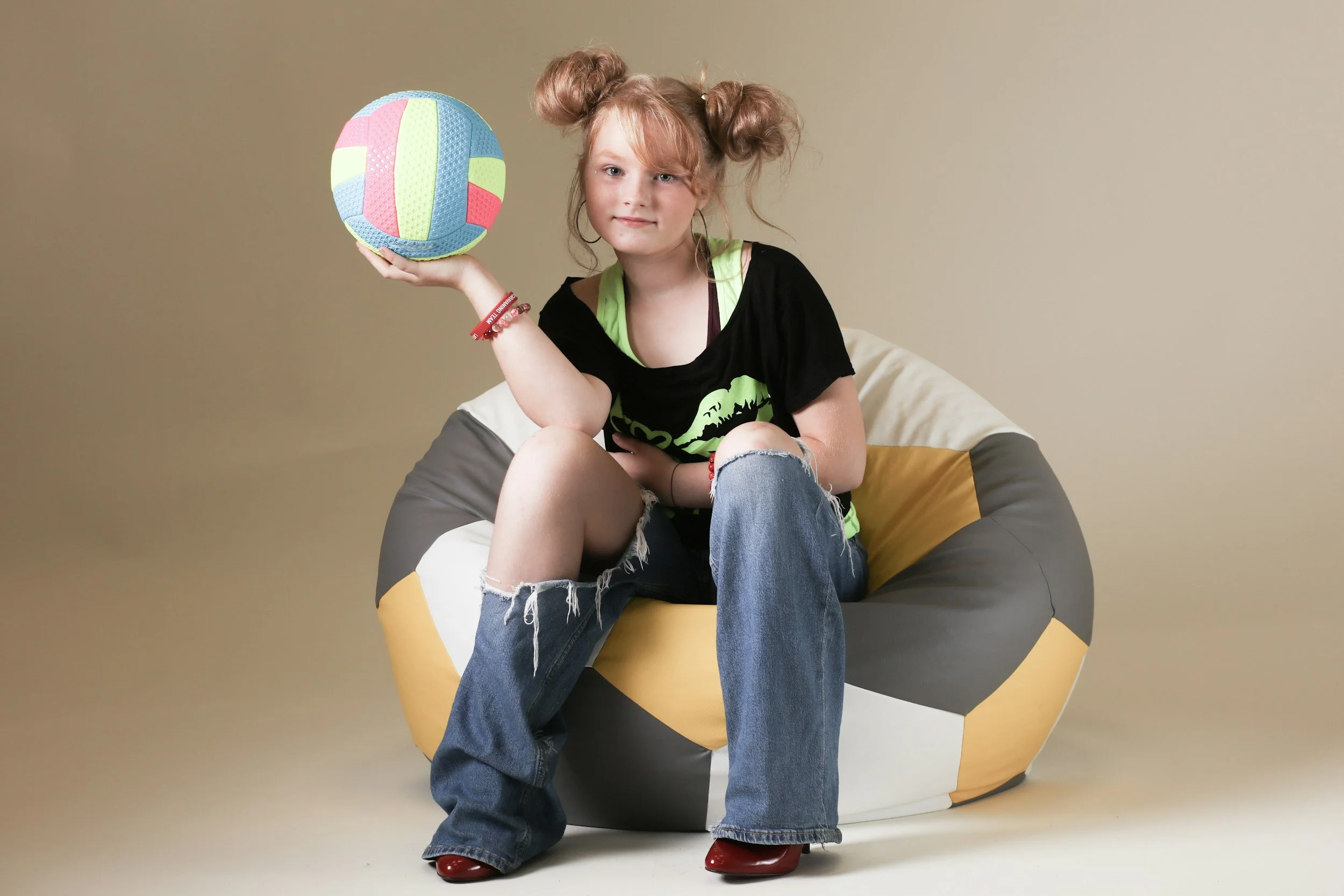
Students play a movement game where they balance a beanbag on their head while music plays. When the music stops, they freeze. When a beanbag falls, a friend has to help by carefully placing it back—then they move together as partners. The game builds listening, body control, and cooperative care all at once.
Feelings Check
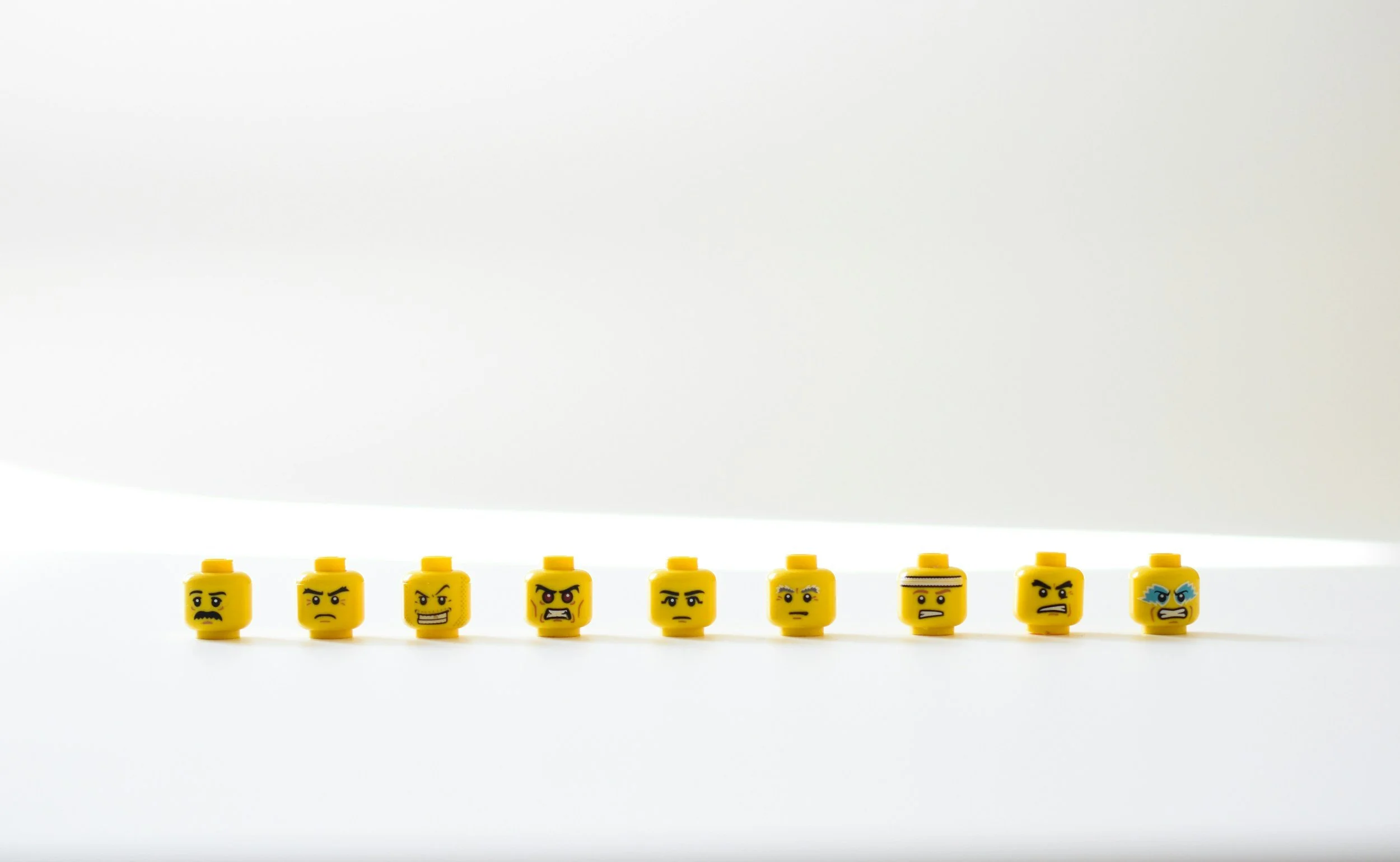
Participants will determine if engaging in a fitness activity has an effect on how they feel emotionally, and explore how regular exercise can support their mental and physical health as a tool for self-control and emotional regulation.
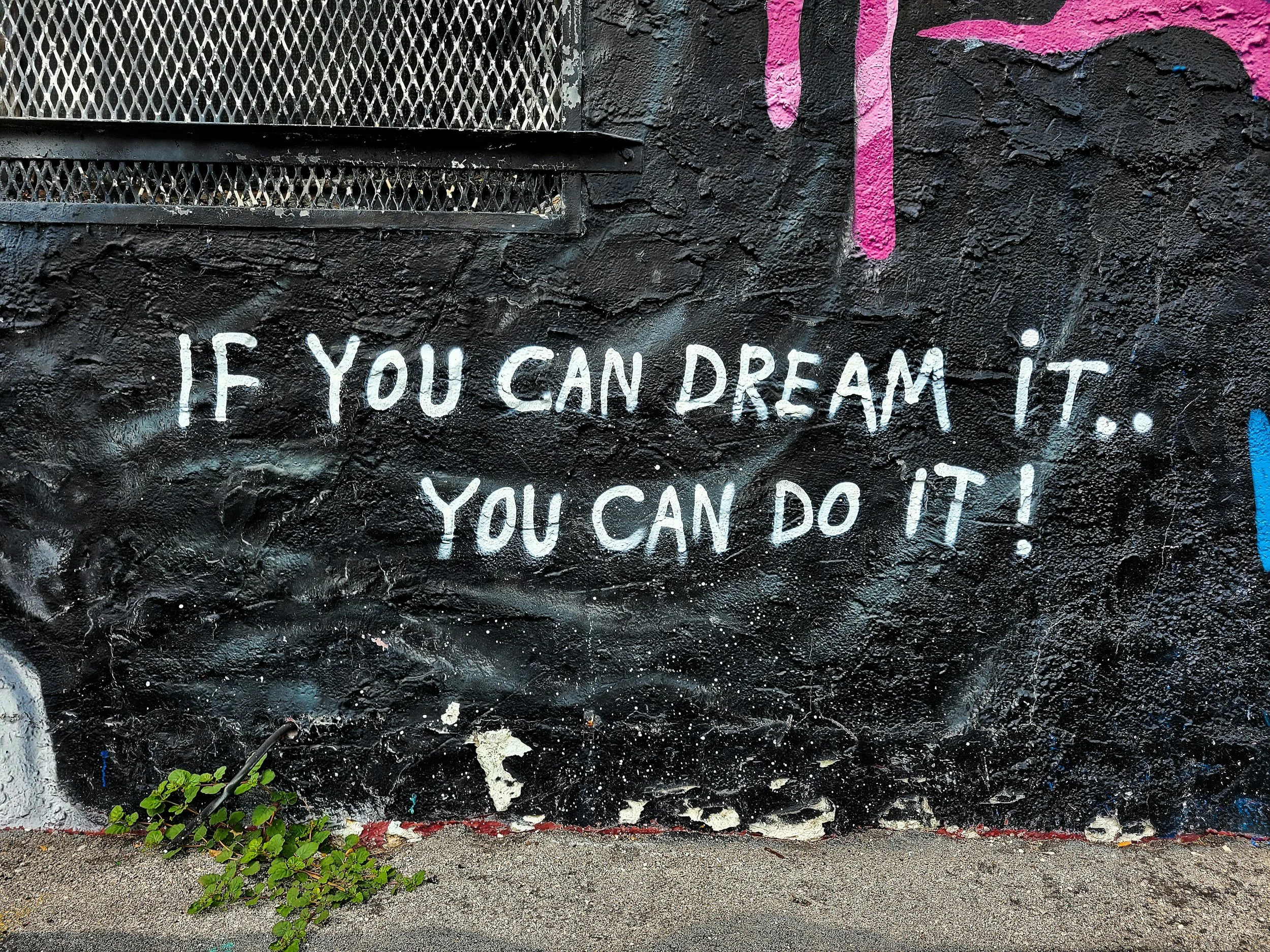
What is Motivation
Students will write their own definition of motivation, then collaborate in small groups and a gallery walk to build a shared class vision of what motivated and motivating behavior looks like — which gets posted in the room as an ongoing reference.
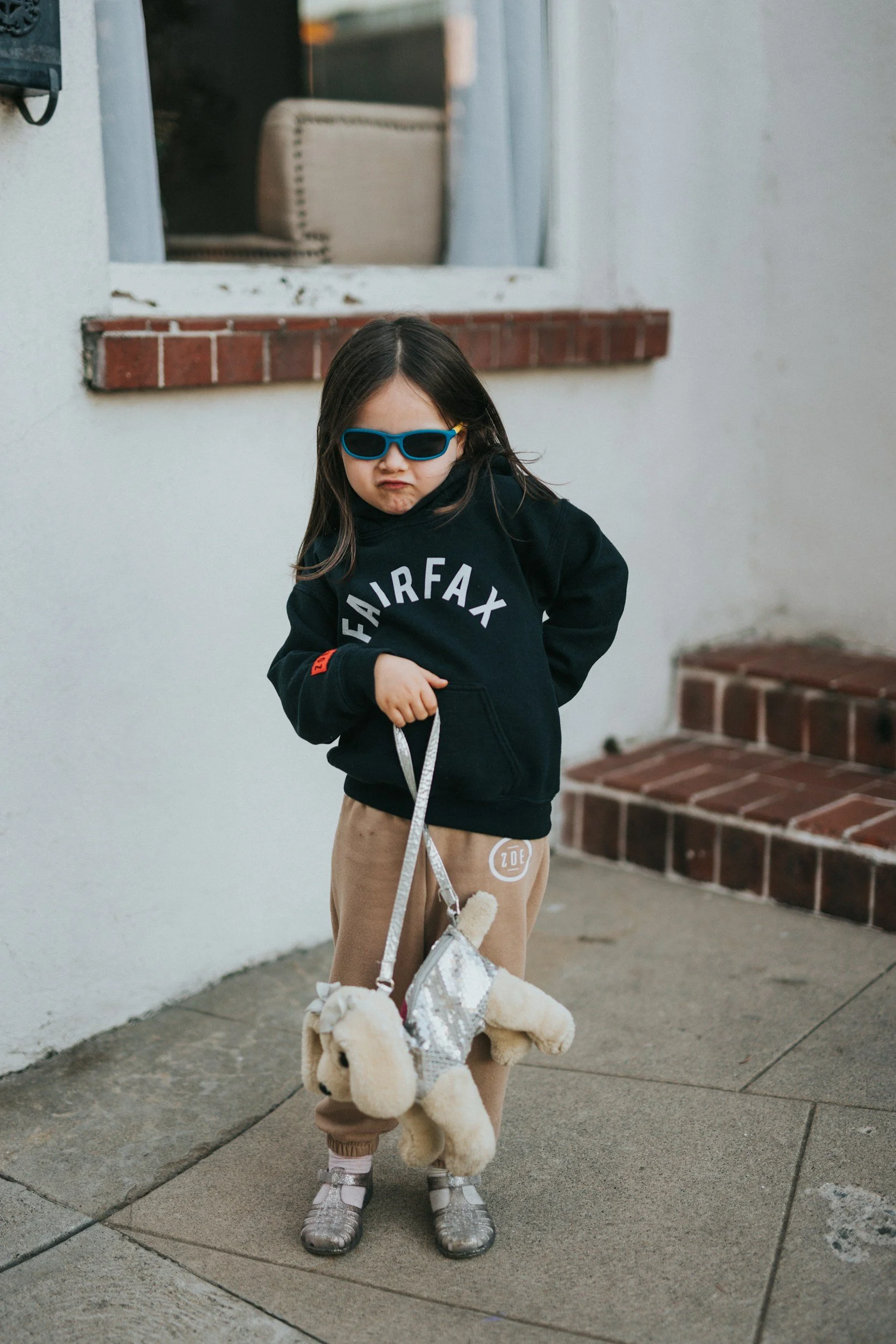
Wear Your Attitude
Students will select a mood card as they enter the room and wear it visibly throughout the session, then observe how their own and others' displayed moods affect interactions — and reflect on whether and how attitudes can be changed.

The Trees and the Worms
Students will listen to a story while moving through a series of yoga poses, using breath and movement to practice grounding and self-control. A brief debrief follows where students reflect on how focusing on their breath affects their thoughts and feelings.
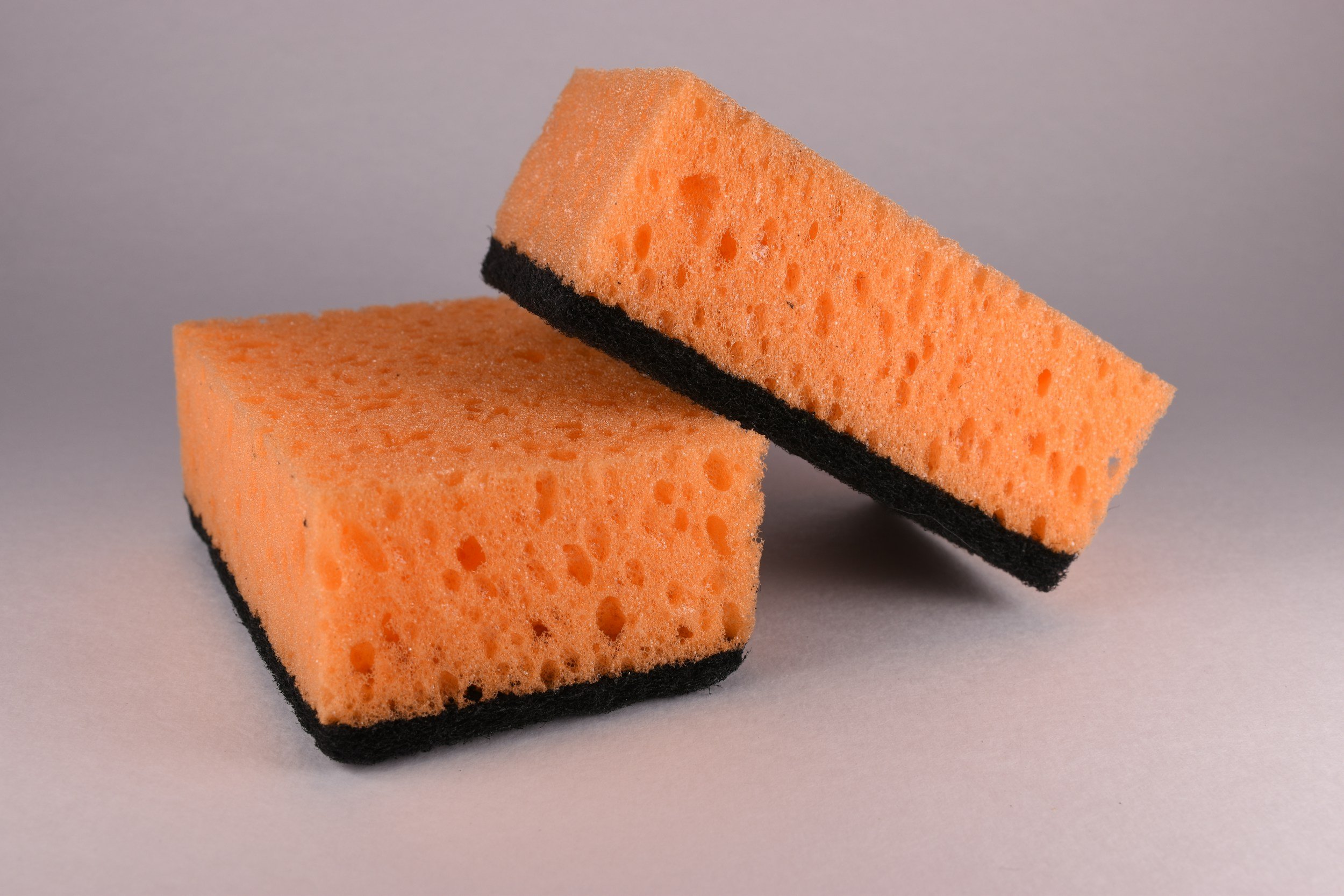
Sponge Brigade
Teams race to fill a bucket by passing water-soaked sponges down the line (over heads, under legs) and wringing them out — with dropped sponges eliminated from play — until the water hits an exact tape line, then debrief on teamwork strategies used.