
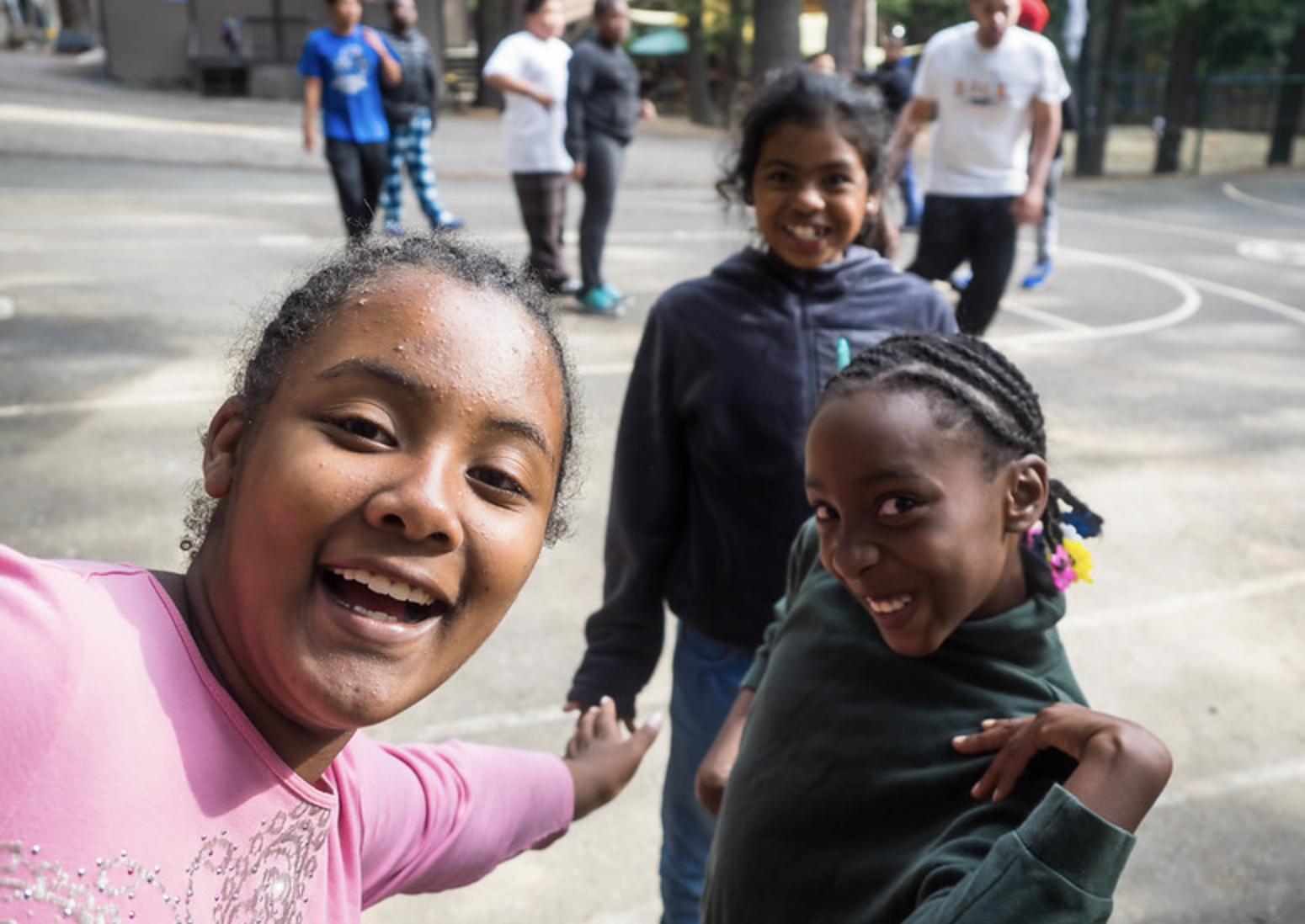
Fourth - Fifth Grade
Developmental Characteristics
Physical
May be careless about their clothes, room and body cleanliness
Girls may have sudden growth spurt and beginning signs of puberty
Enjoy physical activities that master specific skills
Enjoy competitive games
Possess a high activity level
Enjoy games that allow for comparison of skills
Enjoy games that allow for self-improvement
Social Emotional
Enjoy small, peer-dominated group discussions
Like to join organized groups
Are anxious to grow up
Are intensely loyal to their peer group
Form a close one-on-one friendship
Have a growing desire to assert individuality and independence
Can be daring and competitive
Can be critical of peers and adults
Are self-conscious of their abilities
Cognitive
Ask many questions and what thoughtful answers
Can often understand other points of view
Developing strong interests, hobbies, and collections
Enjoy daydreaming
Enjoy problem solving games and puzzles, etc.
Enjoy rule-based games
Are beginning to develop view about social/global issues
Beginning to enjoy humor by telling jokes and understanding sarcasm


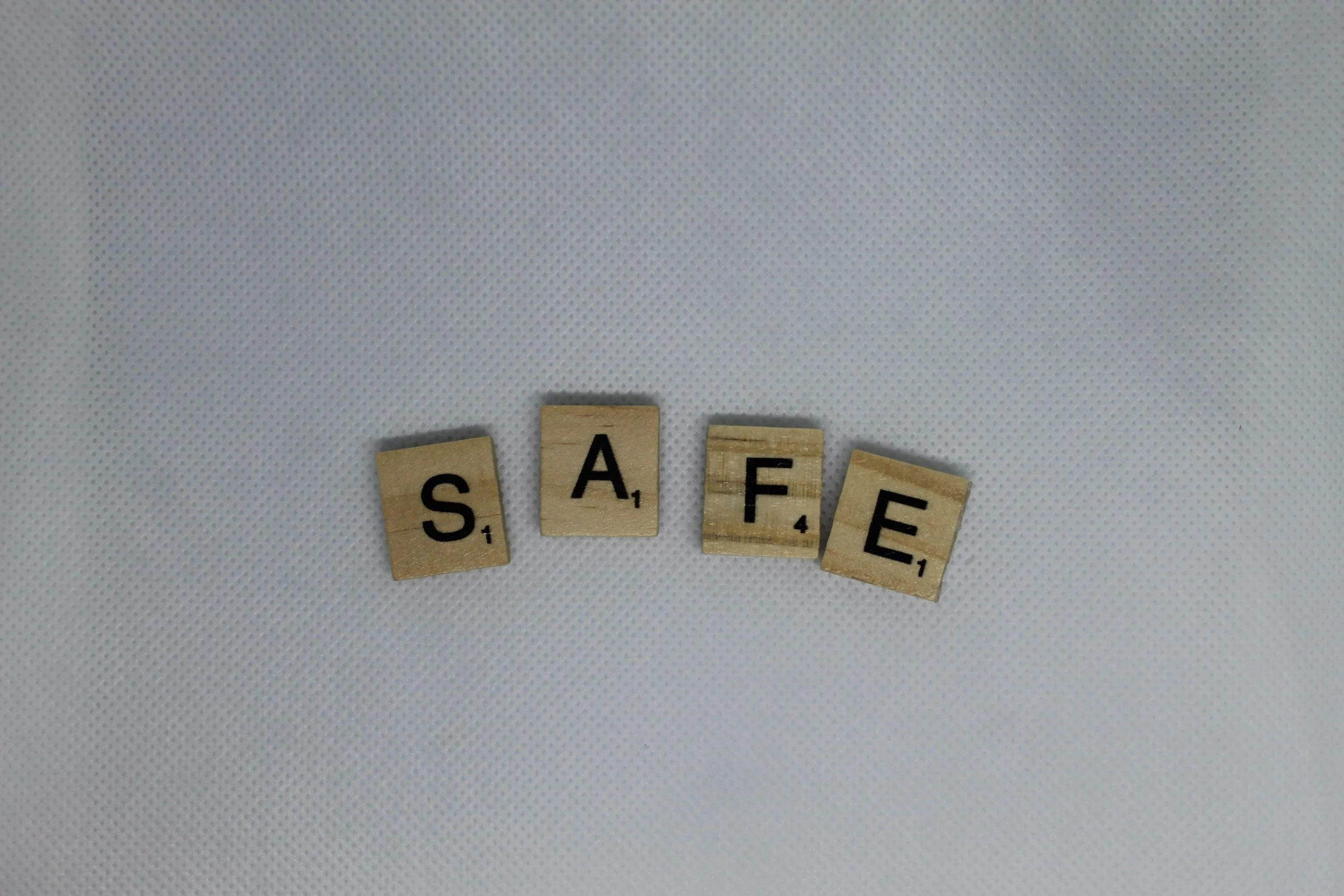
Safe Spaces (We Do It For The Culture)
Students explore the power of spoken word to build safe spaces by analyzing CHIKA’s poetry, reflecting on their classroom culture, and committing to actions that foster respect, inclusion, and expression.
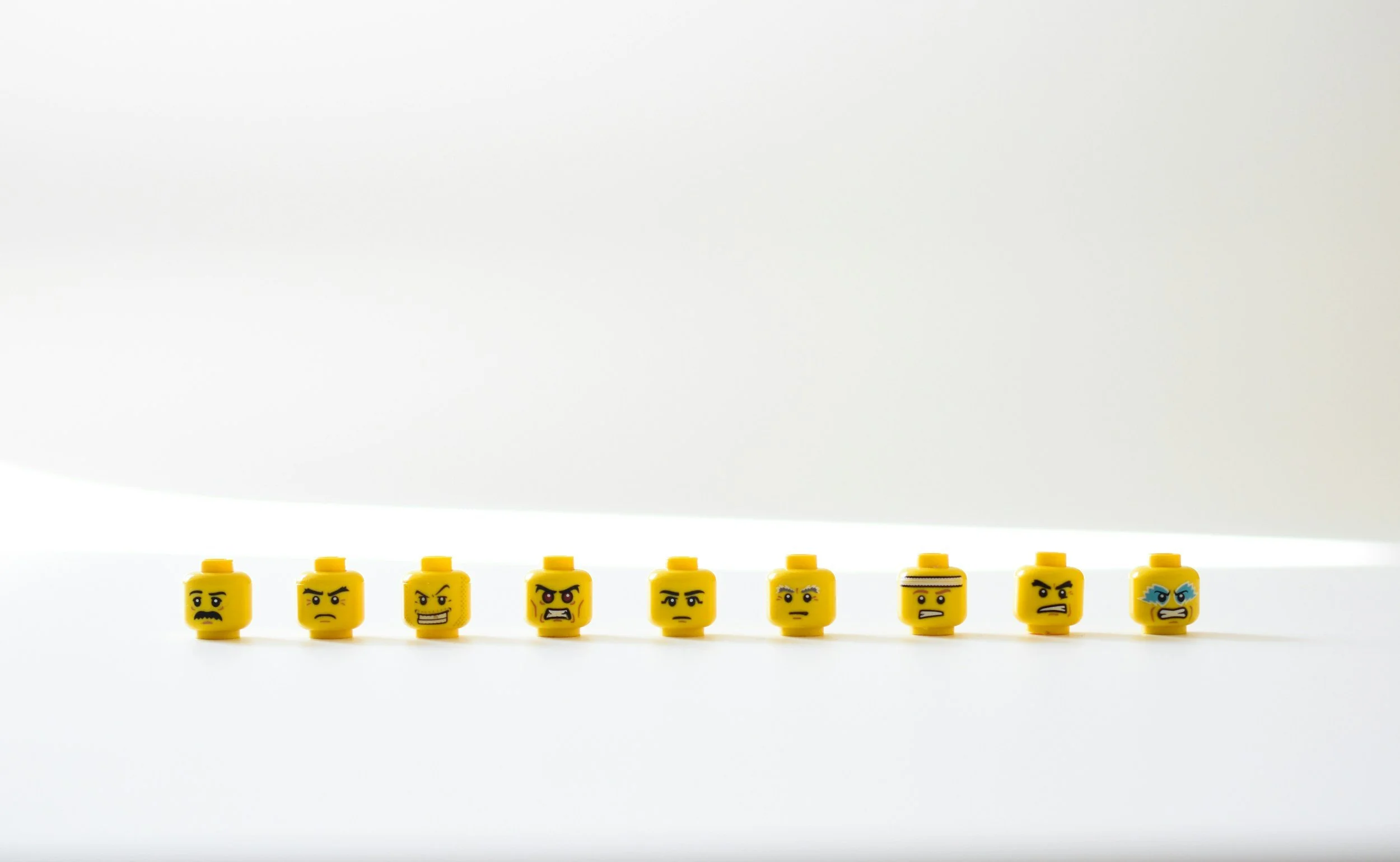
Feelings Check
Participants will determine if engaging in a fitness activity has an effect on how they feel emotionally, and explore how regular exercise can support their mental and physical health as a tool for self-control and emotional regulation.
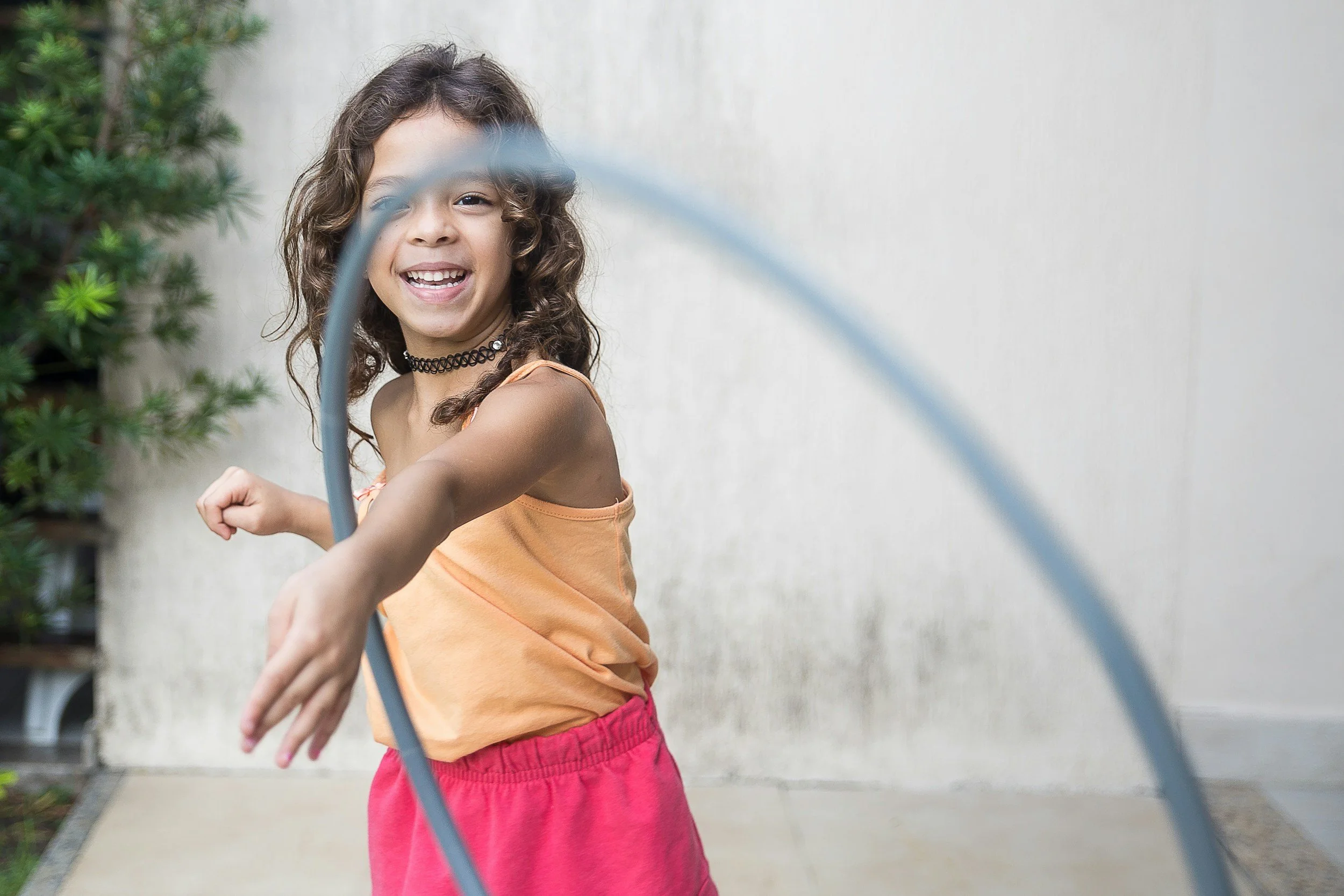
Balls and Hoops:Musical Islands
Students move around hula hoop "islands" to music and must work together to fit everyone onto fewer and fewer hoops each round, with the goal of including every student rather than eliminating anyone.
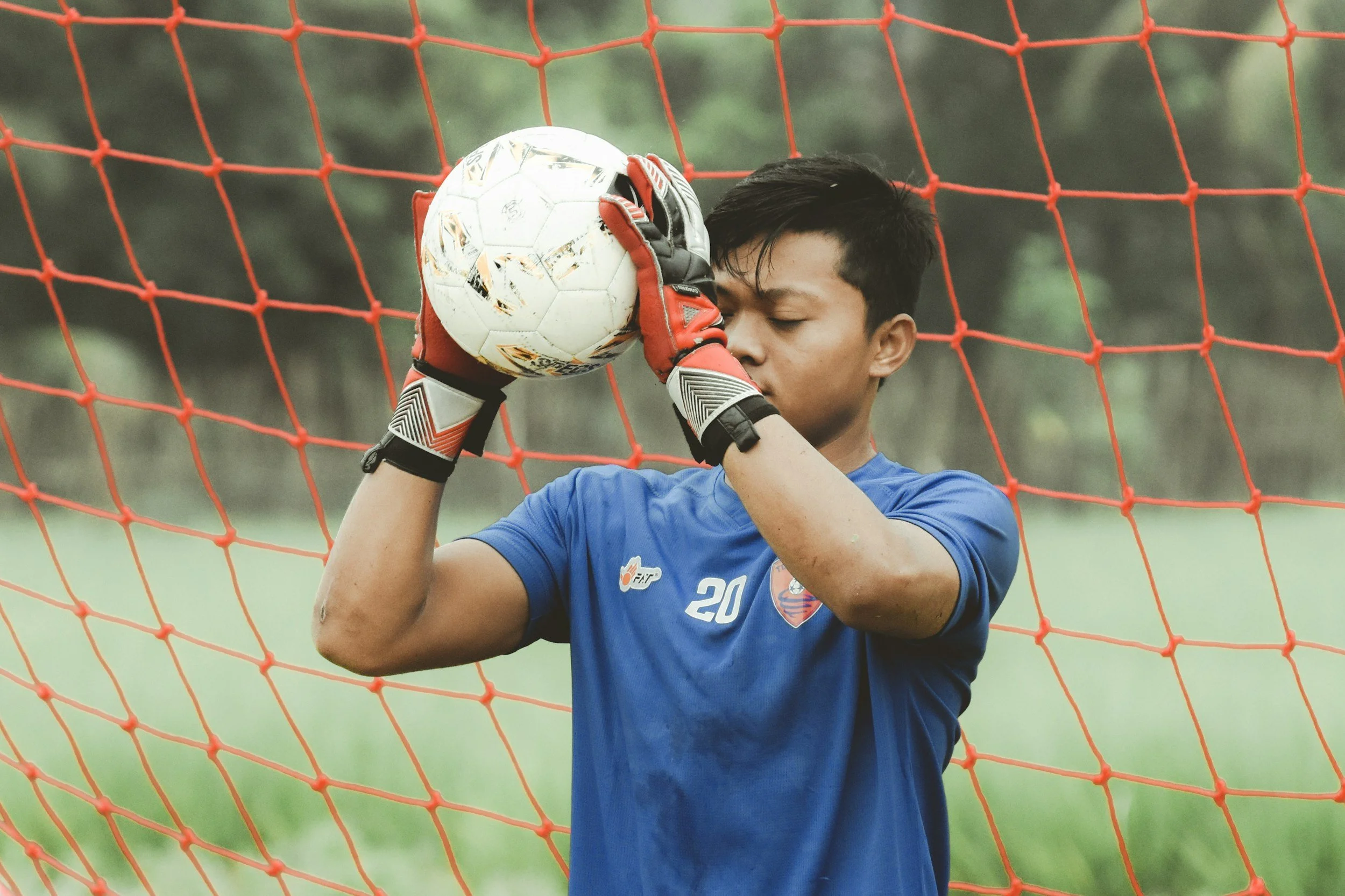
Balls and Hoops:Pass-It-Back Relays
Students brainstorm and play a series of relay races they help design, taking turns passing a ball down the line in creative ways, then reflect on how their team worked together.

What’s so bad about “That’s so gay”? (Learning For Justice)
Almost every teacher has heard students use the expression, “that’s so gay” as a way of putting down or insulting someone (or to describe something). These lessons will help students examine how inappropriate language can hurt, and will help them think of ways to end this kind of name-calling.

Why do we (still) celebrate Columbus Day? (Learning For Justice)
In this lesson, students will address misconceptions they likely have about Christopher Columbus and the colonization of what is now the United States.
Eliminating Impostor Syndrome (We Do It For The Culture Lesson)
In this interactive lesson, middle school students explore the concept of impostor syndrome through video, music, and discussion, while building self-awareness, affirming personal strengths, and creating personalized “positivity playlists” to combat self-doubt.

Lollipop Moments
Students will watch Drew Dudley's TED Talk on everyday leadership, then write a "Lollipop Letter" to someone who positively impacted their life, expressing gratitude for that moment and sharing their letters in small groups.

New Planet
Students will first independently choose 10 people from a list of 30 to survive on a new planet, then negotiate with a small group to reach a shared final list and defend their choices in a class-wide discussion.

Newest iPhone
In small groups, students will collaboratively design a prototype of the "newest iPhone" — including a new look, a unique ringtone, and an original app — then present their creation to the class and reflect on how their team made decisions together.
Off the Grid
Students will take turns navigating a tape grid on the floor, using trial and error and memory to find the hidden safe path across while their teammates watch and remember the route to help the group get everyone across.

Self-compliment
Students will write a secret self-compliment, then take turns using the Operation game to pull out and read classmates' compliments while trying to guess who wrote each one.

What is Inspired
Students will write their own definition of what it means to feel inspired, then collaborate in small groups and a gallery walk to build a shared class vision of inspiring behavior — which gets posted in the room as a living agreement.

Who, Me? A Scientist?
Students will watch a video of a four-year-old solving a problem, then observe a floating-wax demonstration and work together to generate and discuss hypotheses about why the two jars behave differently — connecting their own curiosity and perseverance to the work of scientists.


What is the Word
Students will compete in teams to guess mystery words from the Taboo game using only related clue words, then reflect on what the game revealed about their listening and focus skills.

What is Support
Students will write their own definition of support, then collaborate in small groups and a gallery walk to build a shared class vision of what supportive behavior looks like — which gets posted in the room as an ongoing reference.
What is Self-Esteem
Students will research and define "self-esteem" in their own words, privately reflect on their own self-esteem, then brainstorm in small groups why teenagers might struggle with low self-esteem and share their ideas with the class.

What is Safe
Students will write their own definition of what it means to feel safe, then work in small groups and a gallery walk to build a shared class vision of safety — which gets posted in the room as a living agreement for the whole class.