
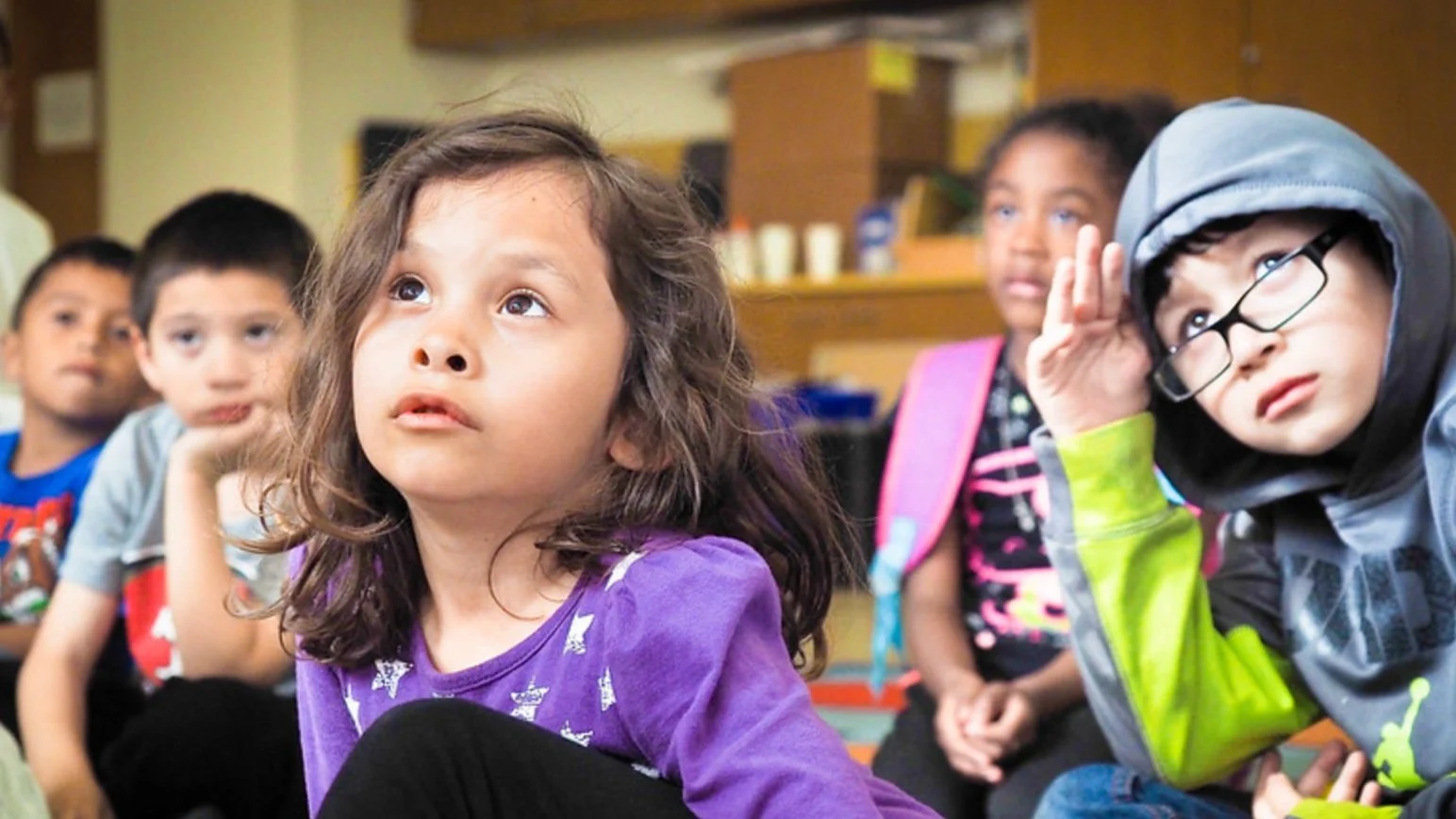
Second - Third Grade
Developmental Characteristics
Physical
Enthusiastic about games
Experiencing improvement in both gross and fine motor skills
Possess a high activity level
Practice to master variations of movement for physical activities
Enjoy games that allow for comparison of skills
Enjoy games that allow for self-f-improvement
Social Emotional
Have a strong drive toward independence
Develop a strong sense of loyalty to friends
Need to belong to a group
Play with and are friends with same-sex peers
Like to take on responsibility
Live in a world of games, rituals and humor inhabited only by children
Like to have a best friend
Have a rigid sense of right and wrong
Need help accepting peers who are different or left out of a group
Cognitive
Like to talk; use language to express feelings/tell stories
Developing a sense of time
Enjoy collecting things
Enjoy problem-solving games like treasure hunts
Can plan and carry out projects with adult support
Becoming more self-directed in activities
Better able to understand and appreciate differences of opinion



Week 5: Conflict Resolution (TK-2)
Students watch a movement brain break video about solving problems, then play the Scenario Challenge — the teacher dramatically acts out wrong choices (grabbing, interrupting, yelling) while students call out "NOT A GOOD CHOICE!" and shout Fix-It responses like using words, taking a breath, or walking away.

Week 4: Decision making steps (3-5)
Students play Zoo — competing to pick a different animal body pose than the leader on the count of three — then practice the Stop, Think, Choose strategy through a movement game (TK–K) where they freeze, point to their head, and move on cue between different locomotor actions, or act out scenarios applying the three steps (1st–2nd).

Week 4: Decision making steps (TK-2)
Students play Zoo — competing to pick a different animal body pose than the leader on the count of three — then practice the Stop, Think, Choose strategy through a movement game (TK–K) where they freeze, point to their head, and move on cue between different locomotor actions, or act out scenarios applying the three steps (1st–2nd).

Week 3: Team Problem-Solving Games (3-5)
Students play Team Freeze Challenge — moving around the room and freezing on cue to solve a quick group challenge together — then play "What Would You Do?", turning and talking with a partner about how to handle each school problem scenario before sharing or acting it out for the class.
Week 3: Team Problem-Solving Games (TK-2)
Students play Team Freeze Challenge — moving around the room and stopping like statues on "Freeze!" to solve a quick group challenge together — then play the Human Shape Challenge, using only their bodies to form shapes or objects called out by the teacher, working in partners, small groups, or as a whole class.
Week 2: Tattling vs Reporting (3-5)
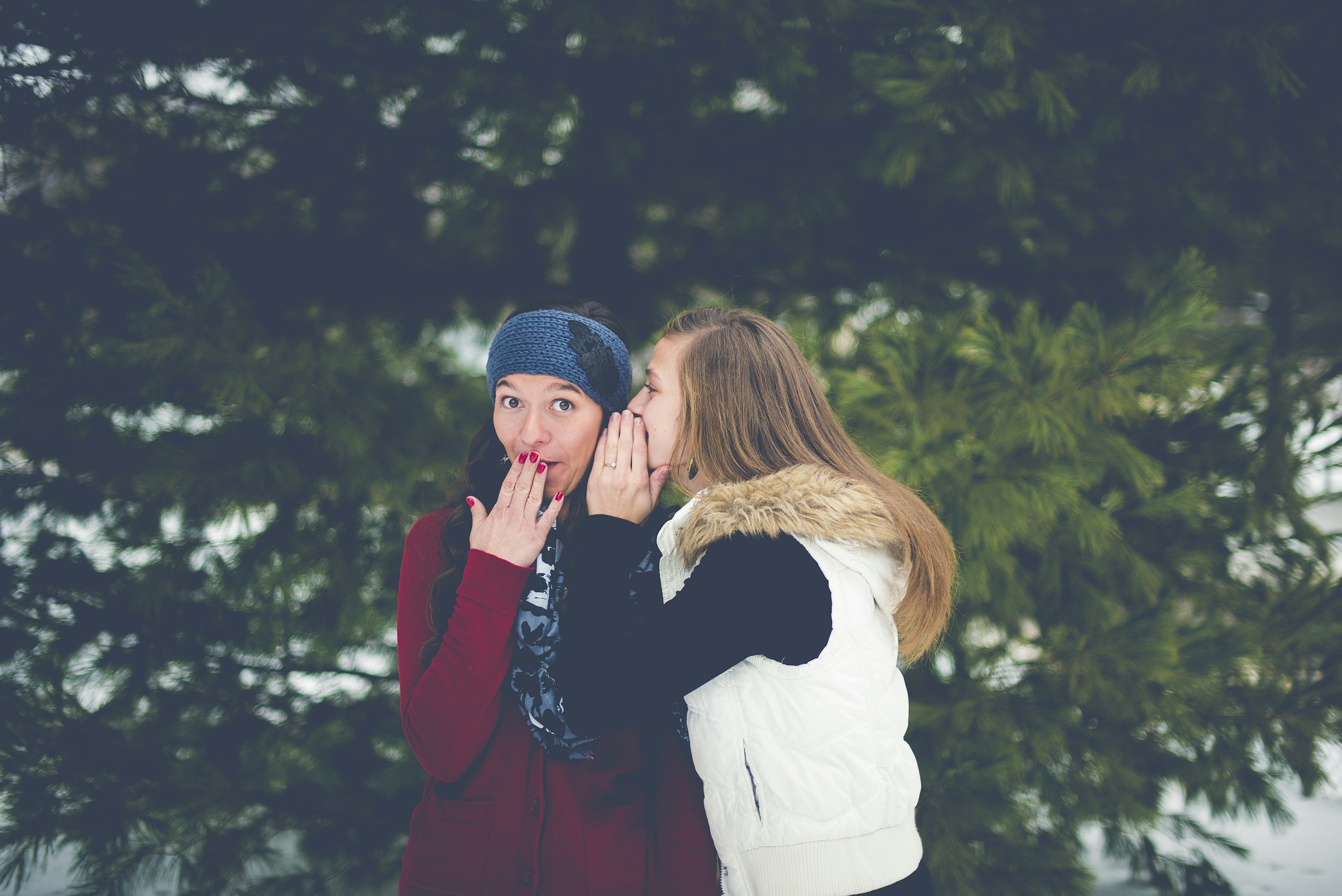
Students improv scenarios where they must come up with a solution on their own before involving an adult — acting out responses like taking a deep breath, asking politely, or using words — then play the Tattling vs. Reporting Scenario Game, moving to a red (tattling) or green (reporting) side of the room for each scenario and discussing how to handle the tattling situations independently.

Week 2: Tattling vs Reporting (TK-2)
Students watch and discuss a live skit where a student immediately tattles on the teacher for accidentally taking the wrong backpack, then play the Tattling vs. Reporting Scenario Game — moving to a red (tattling) or green (reporting) side of the room for each scenario and brainstorming how to solve the tattling situations independently.

Week 1: What is a problem? (3-5)
Students play the Problem Traffic Light — moving fast for green (small) problems, slowly for yellow (medium) problems, and freezing for red (big/emergency) problems as scenarios are called out — then play Problem War, flipping scenario cards head-to-head and competing to identify who has the bigger problem while the class confirms each answer.

Week 1: What is a problem? (TK-2)
Students take turns playing an online memory matching game as a class (practicing patience and silent helping), then color Bluey character puppets while watching a Bluey clip paused at key moments to discuss the problem and feelings, before a group of students reenacts the scene using their finished puppets.

Week 4: Big vs Small Problems (3-5)
Students play Problem Sorting Corners — moving to the "Big Problem" or "Small Problem" side of the room for each scenario and explaining their reasoning — then work in small groups on Reaction Planning, choosing a scenario and discussing what their body wants to do, the size of the problem, and what reaction appropriately matches it.

Week 4: Big vs Small Problems (TK-2)
Students play the Big or Small Sorting Game — physically moving to one side of the room labeled "Big Problem" or the other labeled "Small Problem" after each scenario is read — then act out calm reactions to small problems (taking a breath, saying "it's okay," picking things up) reinforcing that a small problem deserves a small reaction.

Week 3: Breathing Strategies (2-5)
Students practice several breathing techniques together — the crocodile, smell the rose/blow the candle, heart hands, and the Balloon — with volunteers leading the class in their favorite, then cut out and glue 3–5 calm-down strategies onto a personal Calm-Down Toolbox worksheet to decorate and take home.

Week 2: Freeze Games (3-5)
Students play Freeze Dance — dancing freely to music and freezing their bodies completely still each time the music stops — then play a Movement Game where the teacher calls out a specific movement to do while the music plays, stopping and holding their pose each time the music cuts out.

Week 2: Freeze Games (TK-2)
Students play Freeze Dance — dancing freely to music and freezing their bodies completely still each time the music stops — then play a Movement Game where the teacher calls out a specific movement to do while the music plays, stopping and holding their pose each time the music cuts out.

Week 1: What is Self-Control? (3-5)
Students play Self-Control Charades — acting out school-based scenarios with their body while classmates identify the emotion, the impulse felt, and the self-control strategy being used — then draw themselves having a calm moment at school on a worksheet, considering their hands, feet, face, and posture.
Week 1: What is Self-Control? (TK-2)
Students play Self-Control Charades — taking turns acting out scenarios with their face and body while classmates identify whether it calls for a calm or silly body — then draw themselves having a calm moment at school on a worksheet, thinking about their hands, feet, face, and posture.

Week 7: Community Empathy (3-5)
Students play Kindness Freeze Dance — dancing freely until the music stops, finding a partner, and performing a called-out kindness action (high five, handshake, smile, or compliment) before the music restarts — then design and decorate a Kindness Coupon promising one specific kind act they'll do for a friend or family member.

Week 7: Community Empathy (TK-2)
Students play Kindness Freeze Dance — dancing freely until the music stops, finding a partner, and performing a called-out kindness action (high five, handshake, smile, or compliment) before the music restarts — then design and decorate a Kindness Coupon promising one specific kind act they'll do for a friend or family member.

Recognizing Empathy (3-5)
Students play Step Forward If — standing in two lines facing each other and stepping forward to high-five when a statement applies to them — then practice the Feelings Signal Game, listening to short scenarios and identifying the emotions involved through class discussion, group talk, acting out, or feelings cards.

Recognizing Empathy (TK-2)
Students toss a ball around the circle, each giving a personalized compliment to the classmate they throw to, then practice the Feelings Signal Game — listening to short scenarios and identifying how the person in each scenario might feel through discussion, acting out, or feelings cards.