
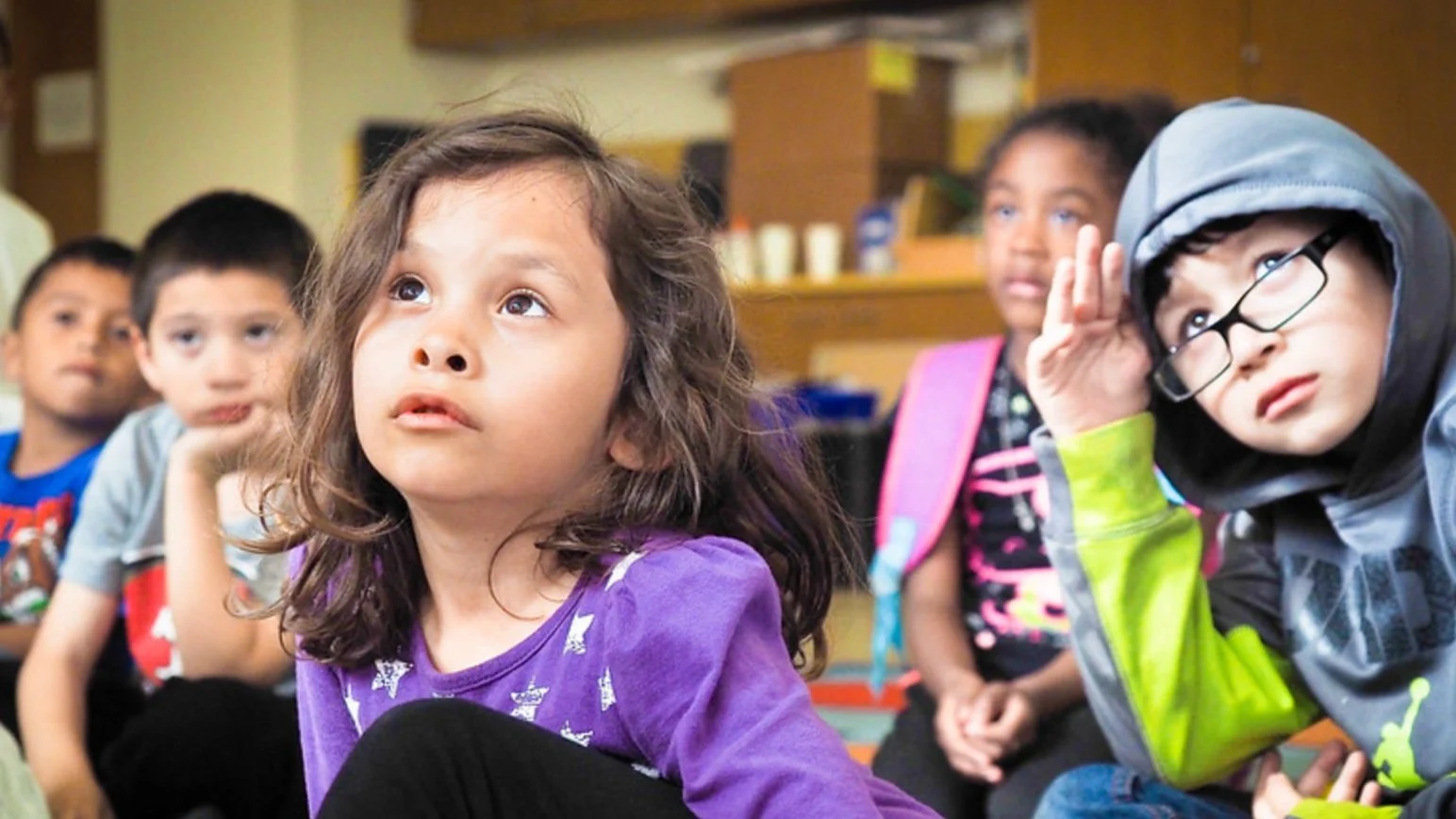
Second - Third Grade
Developmental Characteristics
Physical
Enthusiastic about games
Experiencing improvement in both gross and fine motor skills
Possess a high activity level
Practice to master variations of movement for physical activities
Enjoy games that allow for comparison of skills
Enjoy games that allow for self-f-improvement
Social Emotional
Have a strong drive toward independence
Develop a strong sense of loyalty to friends
Need to belong to a group
Play with and are friends with same-sex peers
Like to take on responsibility
Live in a world of games, rituals and humor inhabited only by children
Like to have a best friend
Have a rigid sense of right and wrong
Need help accepting peers who are different or left out of a group
Cognitive
Like to talk; use language to express feelings/tell stories
Developing a sense of time
Enjoy collecting things
Enjoy problem-solving games like treasure hunts
Can plan and carry out projects with adult support
Becoming more self-directed in activities
Better able to understand and appreciate differences of opinion


Week 4: Caring Actions (3-5)
In small groups, students discuss and act out solutions to scenarios where someone needs help (a forgotten backpack, a sad friend at lunch, a struggling classmate), then complete a Helping Hands worksheet writing or drawing one way they can help a friend and one way they'd like help at school.
Week 5: Kind Words (3-5)
Students play Kind Words Echo — repeating compliments back in calm, loud, and silly voices — then write or draw a compliment for a classmate or family member on a Compliment Card to give away.
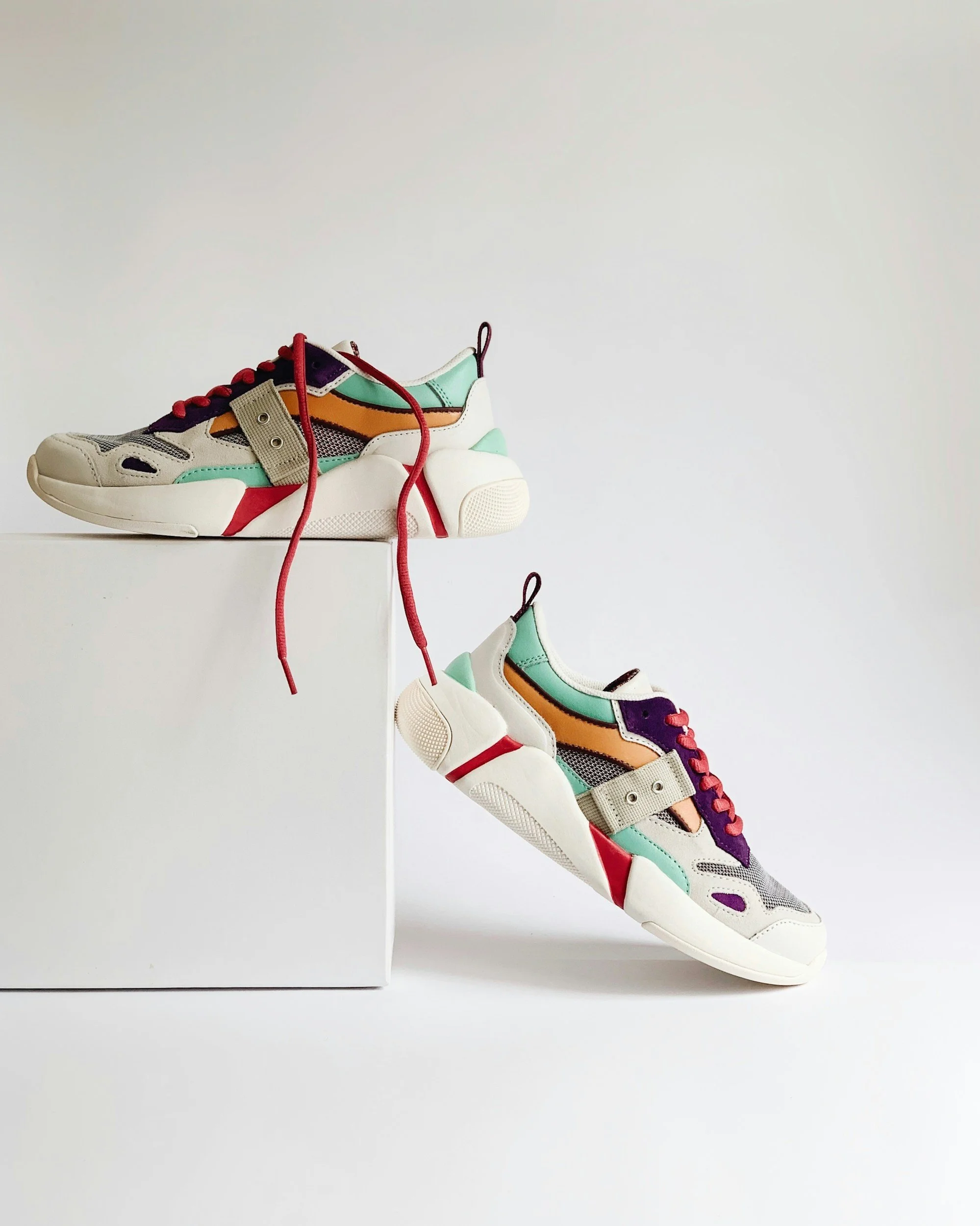
Week 3: Walking in Someone’s Shoes (2nd-5th)
Students play Shoe Shuffle — removing one shoe, mixing them in the center, then guessing whose shoe they picked up and discussing similarities and differences with that person — then decorate a shoe outline with personal clues (favorite color, something they like, and what makes them feel happy or calm).
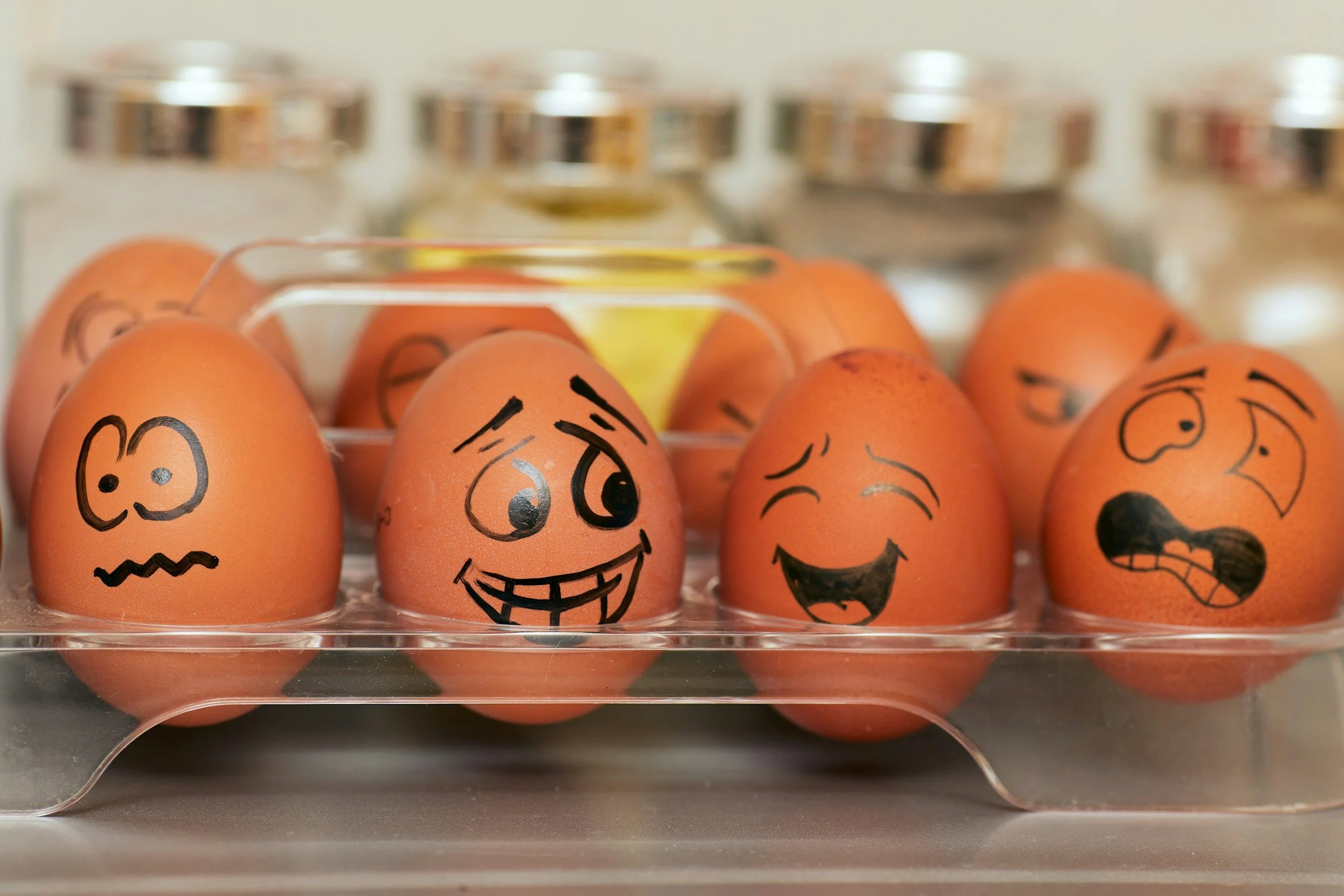
Week 2: Feelings Charades (2nd-5th)
Students play Emotion Freeze Dance — dancing freely until the music stops, then freezing in a full-body pose matching the feeling called out — then color a Feelings Wheel, choosing their own color for each emotion section (happy, sad, mad, scared, tired, silly).
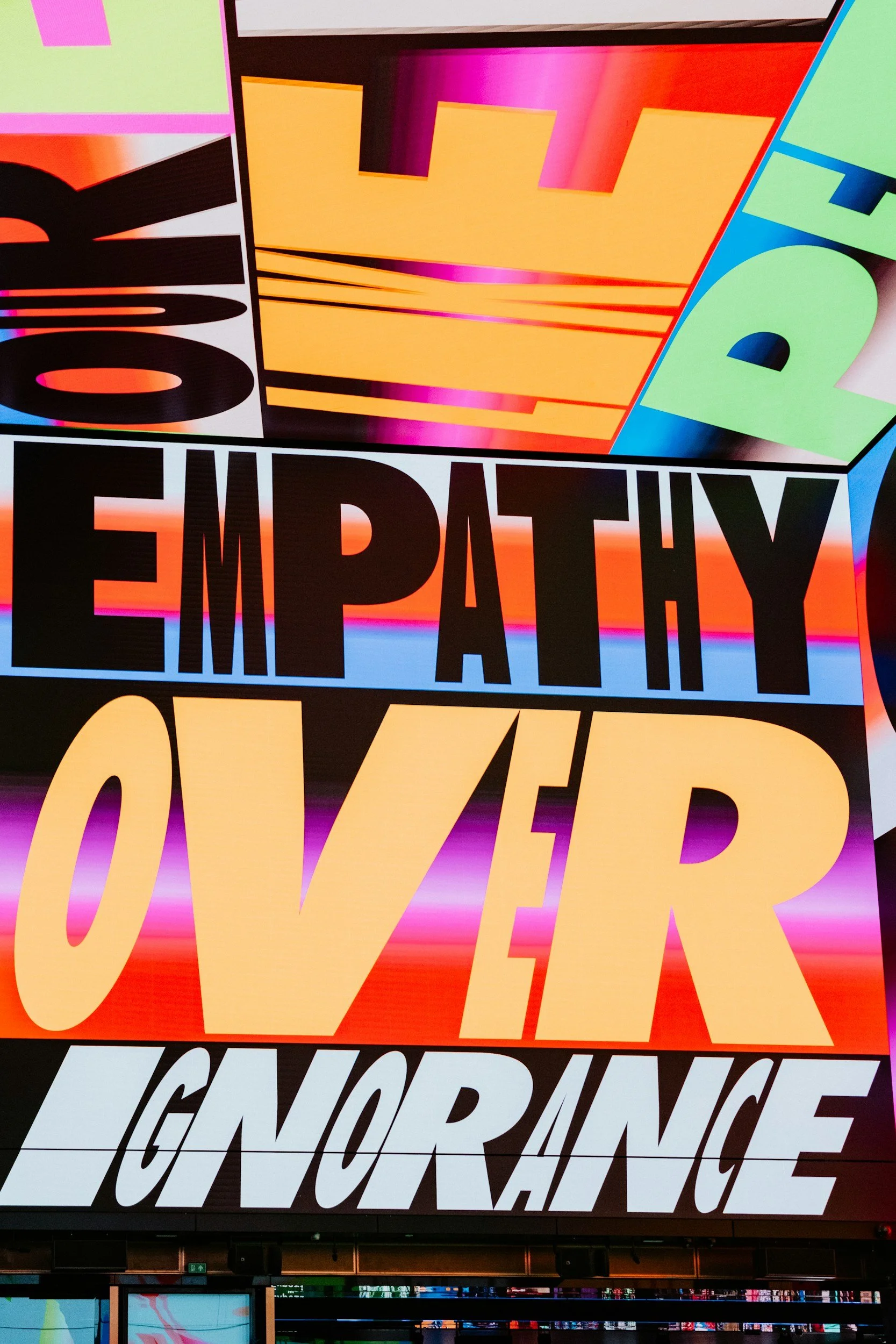
Week 1: What is Empathy? (2nd-5th)
Students play Feelings Face Shuffle — making the facial expression that matches each emotion called out (happy, sad, surprised, scared, etc.) — then look at 4–6 pictures of children and discuss what feeling each child is showing and what might help them.
Week 7: Confidence Through Kindness (1st-5th)
Students pass a ball around the circle, each sharing one kind action they can do that day while classmates cheer, then decorate a paper crown with drawings and words representing their own kind actions before wearing their finished Kindness Crown.

Week 6: Celebrating Growth (1st-5th)
Students take turns walking around the circle in a Confidence Parade — striking a proud pose while classmates clap and cheer — then decorate a personal Confidence Certificate with their name and an affirmation about something they've accomplished to take home.
Week 5: We Can Do It! (1st-5th)
Students play the Partner High-Five Challenge — practicing a clap-then-high-five rhythm with a partner, adding speed and pattern variations before switching partners — then collaborate on a large butcher paper mural drawing scenes of friends helping each other, each signing their name on the finished "We Can Do It!" mural.
Week 4: Positive Self-Talk (1st-5th)
Students play the Mirror Game in pairs — mirroring each other's slow movements, then pairing affirmations with matching poses ("I am brave!" with arms raised strong) — then fill a heart worksheet with drawings and words about what they love about themselves.
Week 3: Sharing with Pride (1st-5th)
Students dance freely during the Confidence Pose Parade (freezing in their strongest confident pose when the music stops), then play Bravery Freeze Dance — freezing in response to confidence challenges like "Freeze like a superhero!" — before taking turns leading the class in their own brave pose for everyone to copy.
Week 2: Growth Mindset (1st-5th)
Students draw and decorate a "Brave Brain" worksheet with things that help them keep trying (friends, practice, courage), then act out how to fix playful "oops" moments (spilled crayons, drew on the wrong paper) one at a time while the class cheers "We can fix it!"
Week 1: Celebrating Strengths (1st-5th)
Students strike "Confidence Poses" responding to fun prompts (brave superhero, proud artist, kind friend), then draw and decorate a "Confidence Juice Box" worksheet — filling it with the people, activities, and moments that make them feel strong and brave — and share one "ingredient" with the class at the end.
Week 5: Friendship Skills (1st-5th)
Students play Follow the Leader — taking turns leading the group through simple motions (clap, stomp, jump, spin) that everyone copies — then pair up for a Partner Share Game where one partner talks for 10–20 seconds about a simple prompt while the other practices active listening, then they switch roles.
Week 3: Kindness Signals (1st-5th)
Students play the Mirror Game — taking turns leading a line of classmates through a series of moves everyone copies — then practice "kind signals" in pairs, with two students facing each other in the circle and choosing a kind gesture (thumbs-up, high-five, smile) to give each other while making eye contact.
Week 2: Working Together (1st-5th)
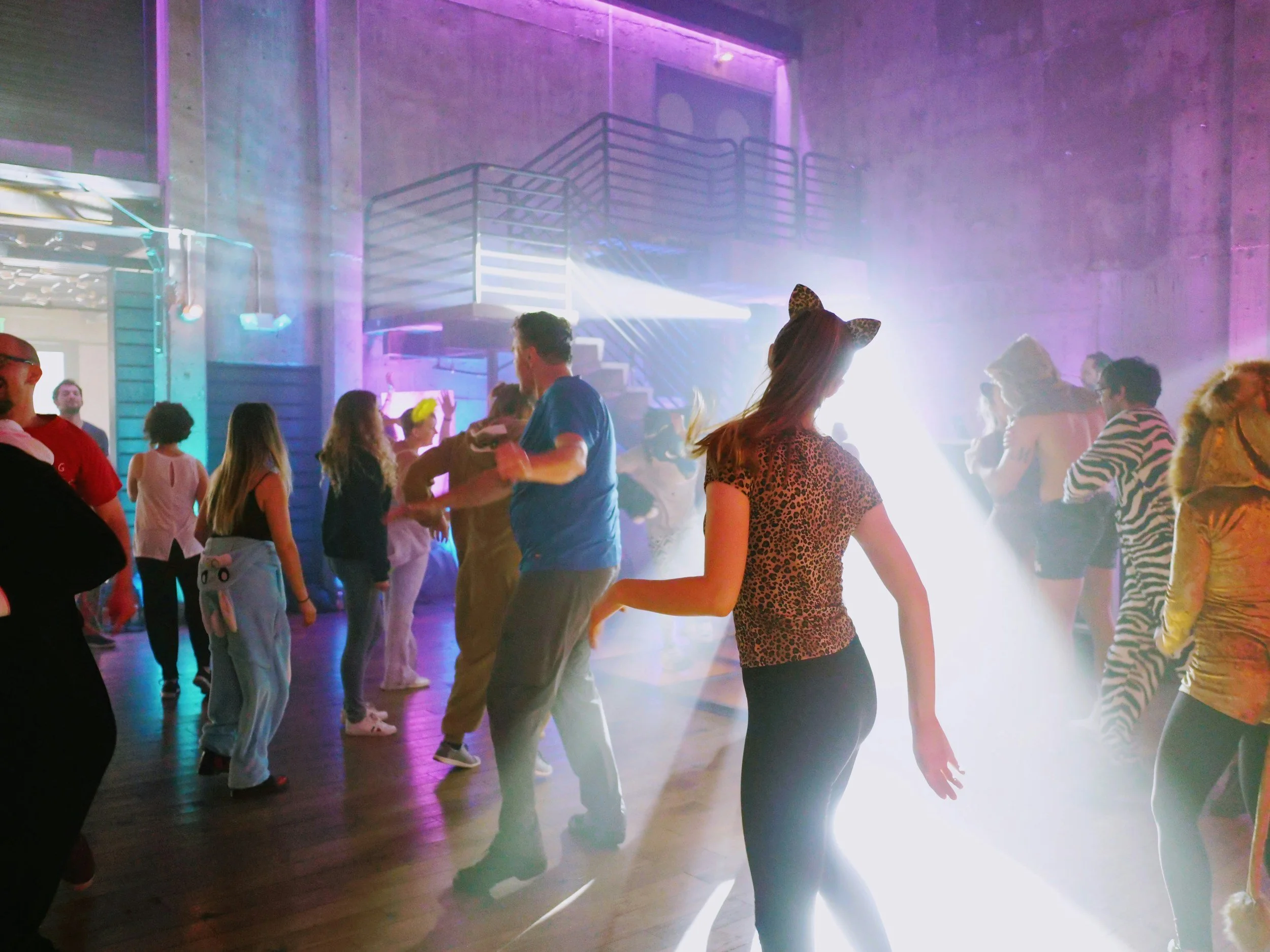
Students play Copy Cat Dance — taking turns standing in the middle of the circle, doing a move, and having everyone copy — then extend the activity with a group pretend adventure where each leader acts out what the group "sees" in an imaginary setting and everyone mirrors them.
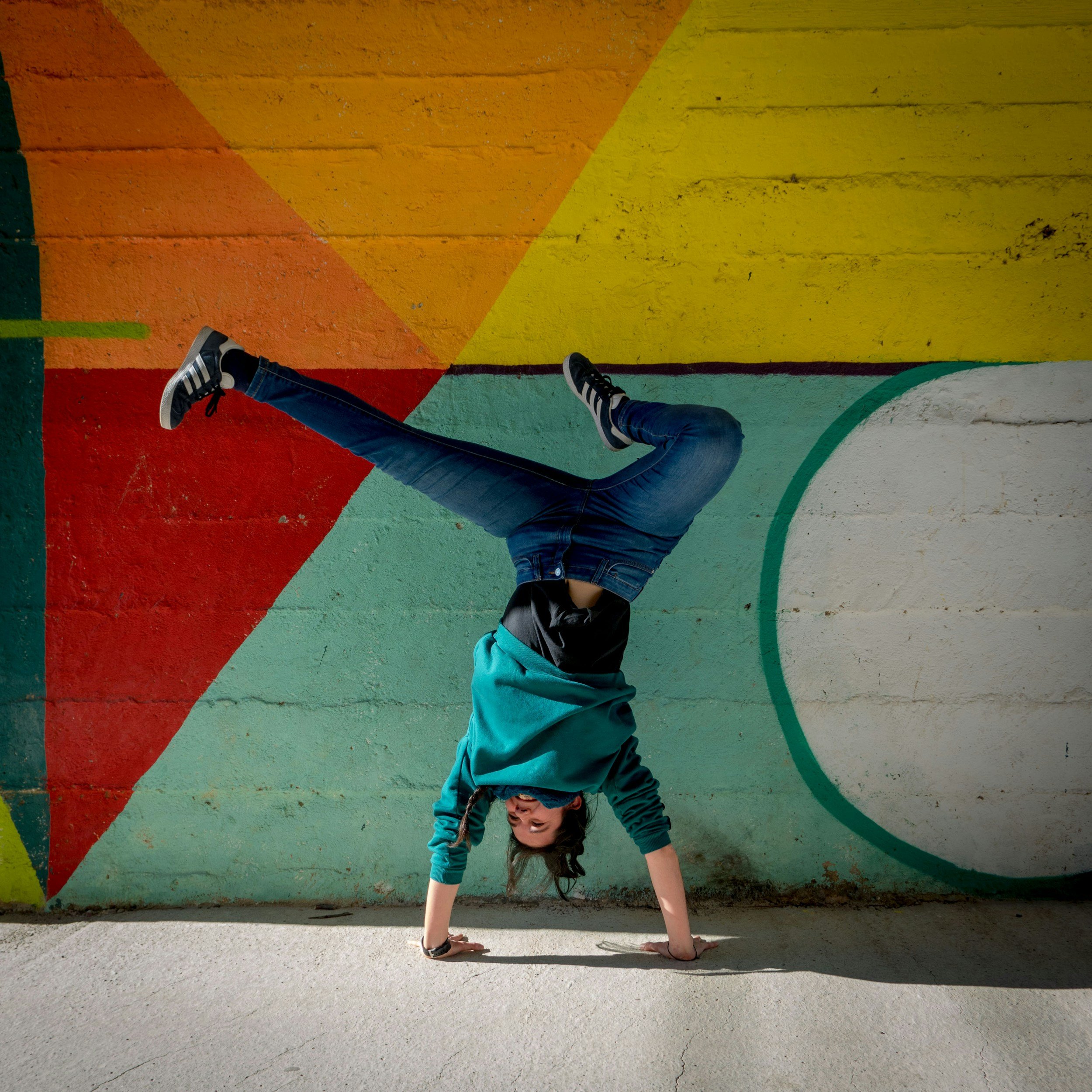
Week 1: Finding Common Ground (1st-5th)
Students play Partner Dance Freeze — taking turns leading and copying each other's dance moves until the music stops — then stay with their partner for one minute to find one thing they both like and share it with the class.
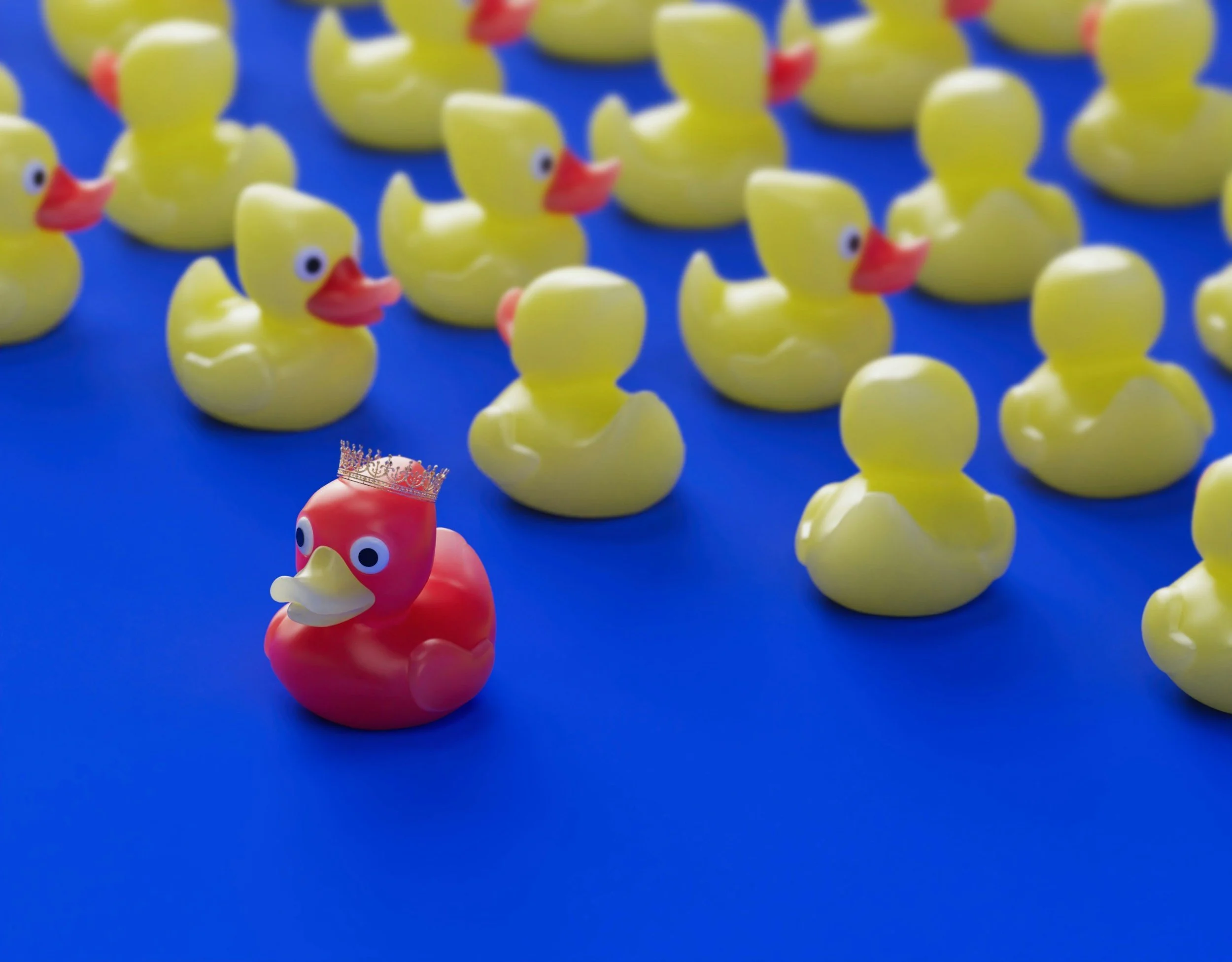
Clustergrams
Students move around the room to find classmates who share the same answer to each statement (same breakfast, shoe size, favorite food, etc.), cluster together, and act out a mime representing their group before the next statement is called.

Anger Choice
Students will reflect on how they personally experience and handle anger, hear how their peers describe theirs, and explore what healthy responses to anger can look like. The lesson uses movement-based choice activities to make anger something we can talk about openly.
Empathy Interviews
Students will interview multiple partners using a feelings-based scenario sheet, recording both their own and their partner's emotional reactions to identify where their feelings match and where they differ.
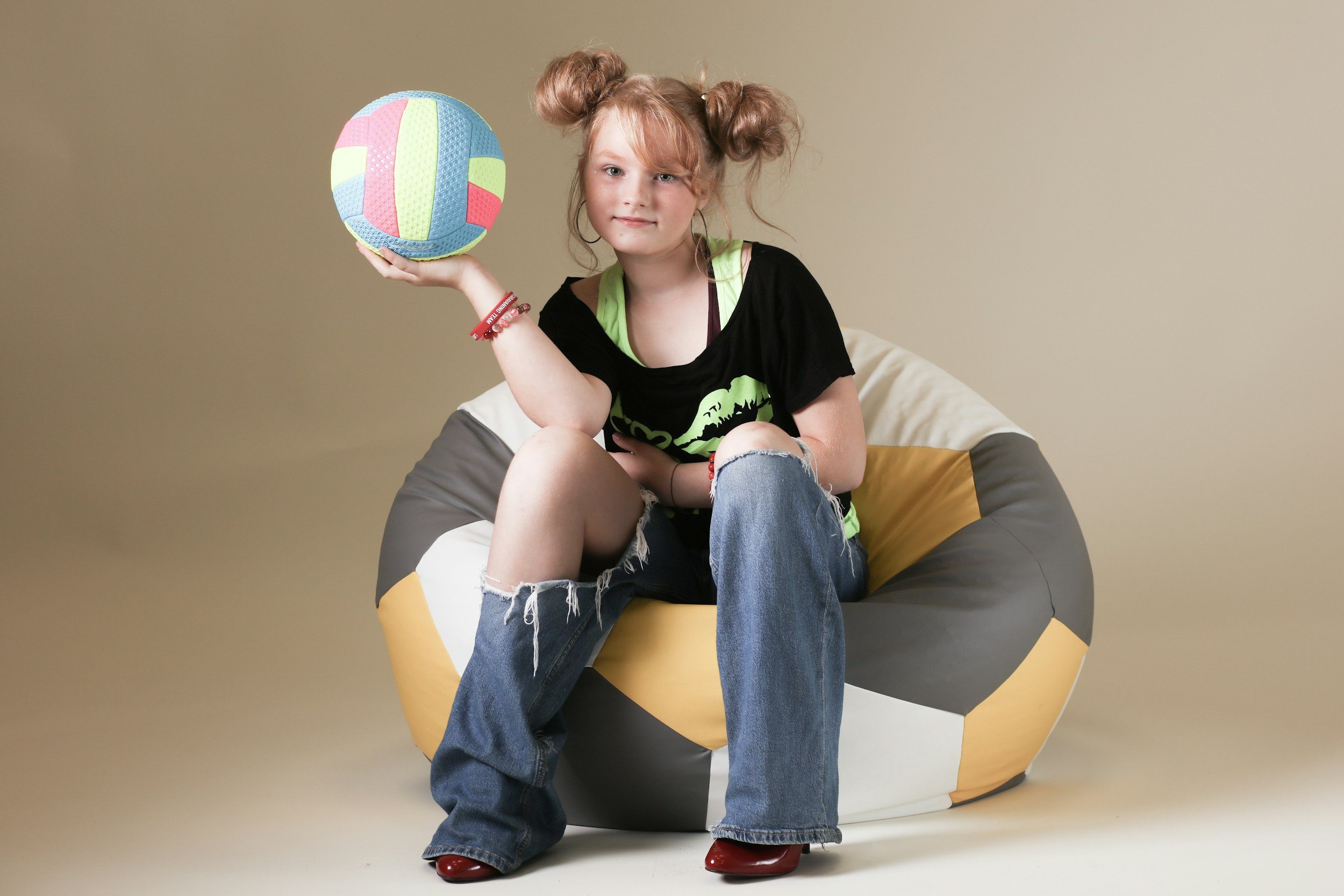
Beanbag Freeze
Students play a movement game where they balance a beanbag on their head while music plays. When the music stops, they freeze. When a beanbag falls, a friend has to help by carefully placing it back—then they move together as partners. The game builds listening, body control, and cooperative care all at once.