
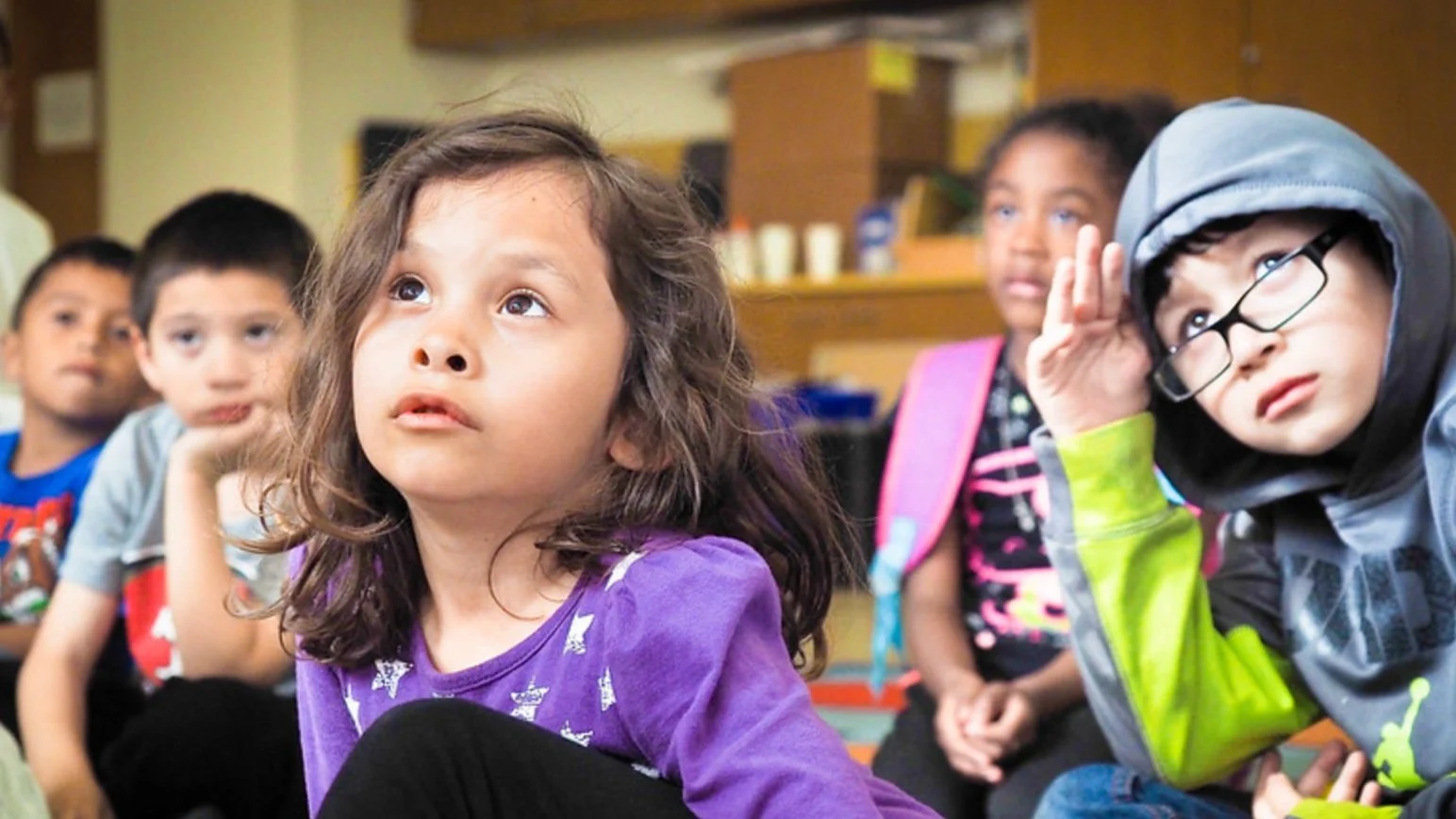
Second - Third Grade
Developmental Characteristics
Physical
Enthusiastic about games
Experiencing improvement in both gross and fine motor skills
Possess a high activity level
Practice to master variations of movement for physical activities
Enjoy games that allow for comparison of skills
Enjoy games that allow for self-f-improvement
Social Emotional
Have a strong drive toward independence
Develop a strong sense of loyalty to friends
Need to belong to a group
Play with and are friends with same-sex peers
Like to take on responsibility
Live in a world of games, rituals and humor inhabited only by children
Like to have a best friend
Have a rigid sense of right and wrong
Need help accepting peers who are different or left out of a group
Cognitive
Like to talk; use language to express feelings/tell stories
Developing a sense of time
Enjoy collecting things
Enjoy problem-solving games like treasure hunts
Can plan and carry out projects with adult support
Becoming more self-directed in activities
Better able to understand and appreciate differences of opinion


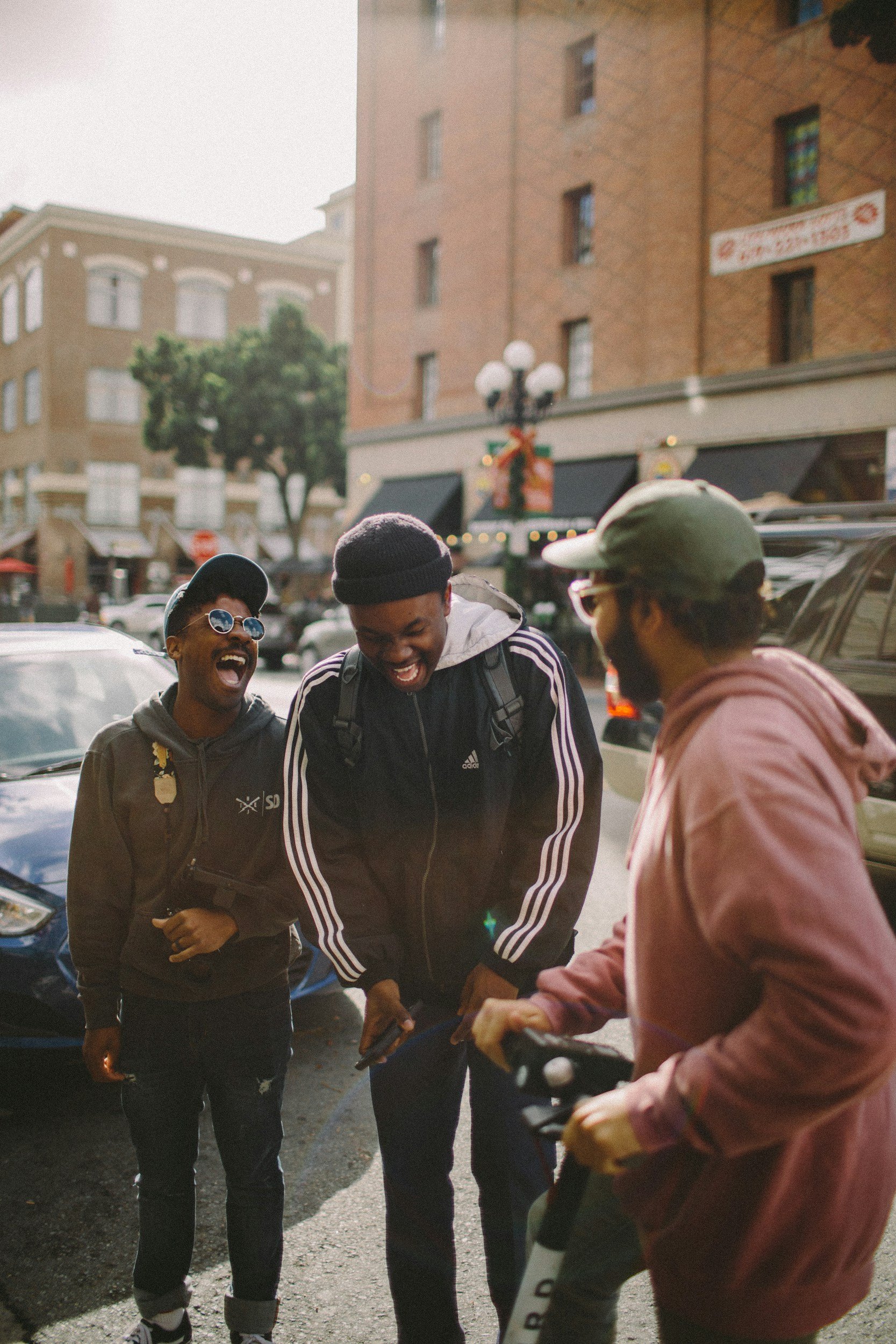
Week 5: Friendship Skills (1st-5th)
Students play Follow the Leader — taking turns leading the group through simple motions (clap, stomp, jump, spin) that everyone copies — then pair up for a Partner Share Game where one partner talks for 10–20 seconds about a simple prompt while the other practices active listening, then they switch roles.
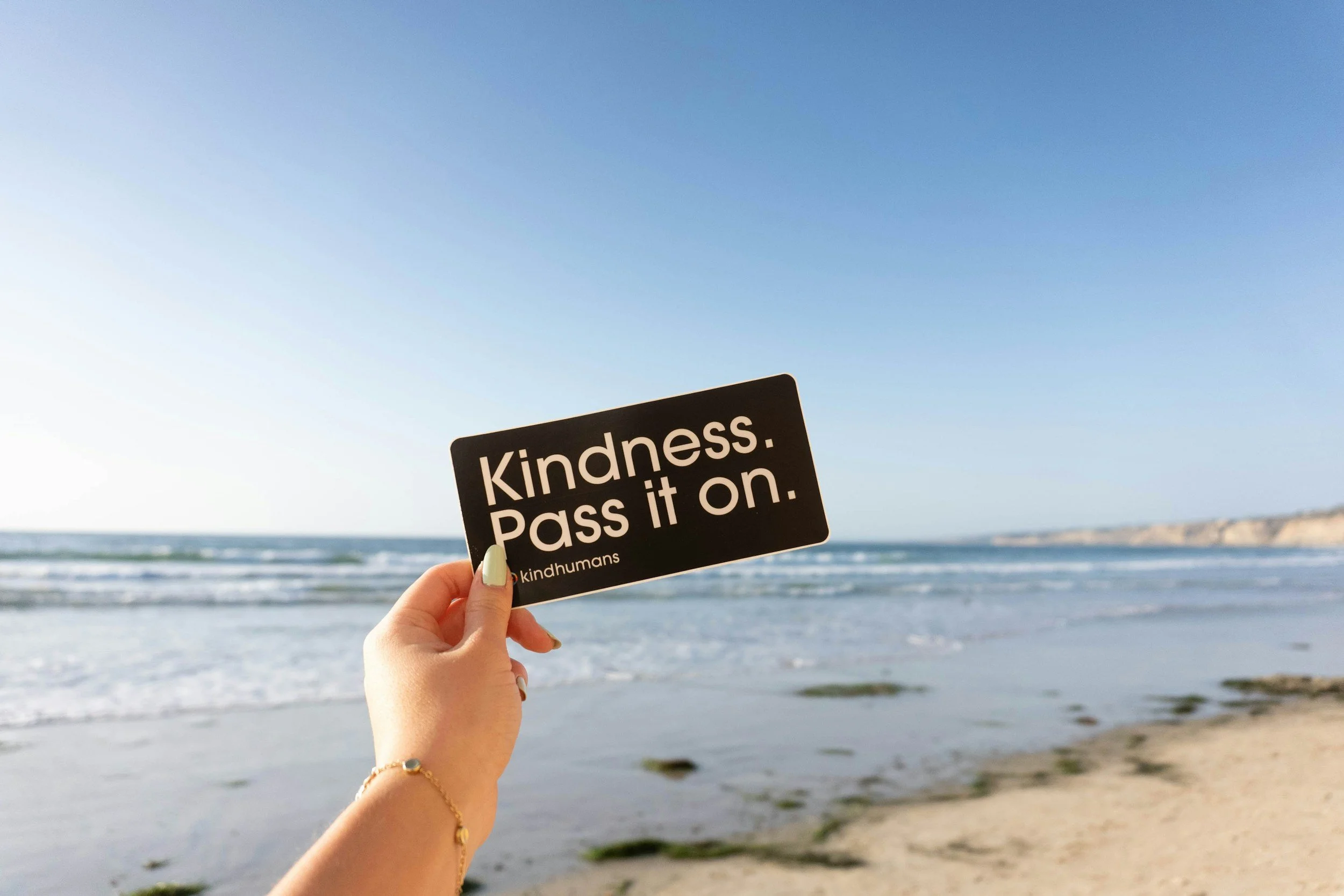
Week 3: Kindness Signals (1st-5th)
Students play the Mirror Game — taking turns leading a line of classmates through a series of moves everyone copies — then practice "kind signals" in pairs, with two students facing each other in the circle and choosing a kind gesture (thumbs-up, high-five, smile) to give each other while making eye contact.

Week 2: Working Together (1st-5th)
Students play Copy Cat Dance — taking turns standing in the middle of the circle, doing a move, and having everyone copy — then extend the activity with a group pretend adventure where each leader acts out what the group "sees" in an imaginary setting and everyone mirrors them.
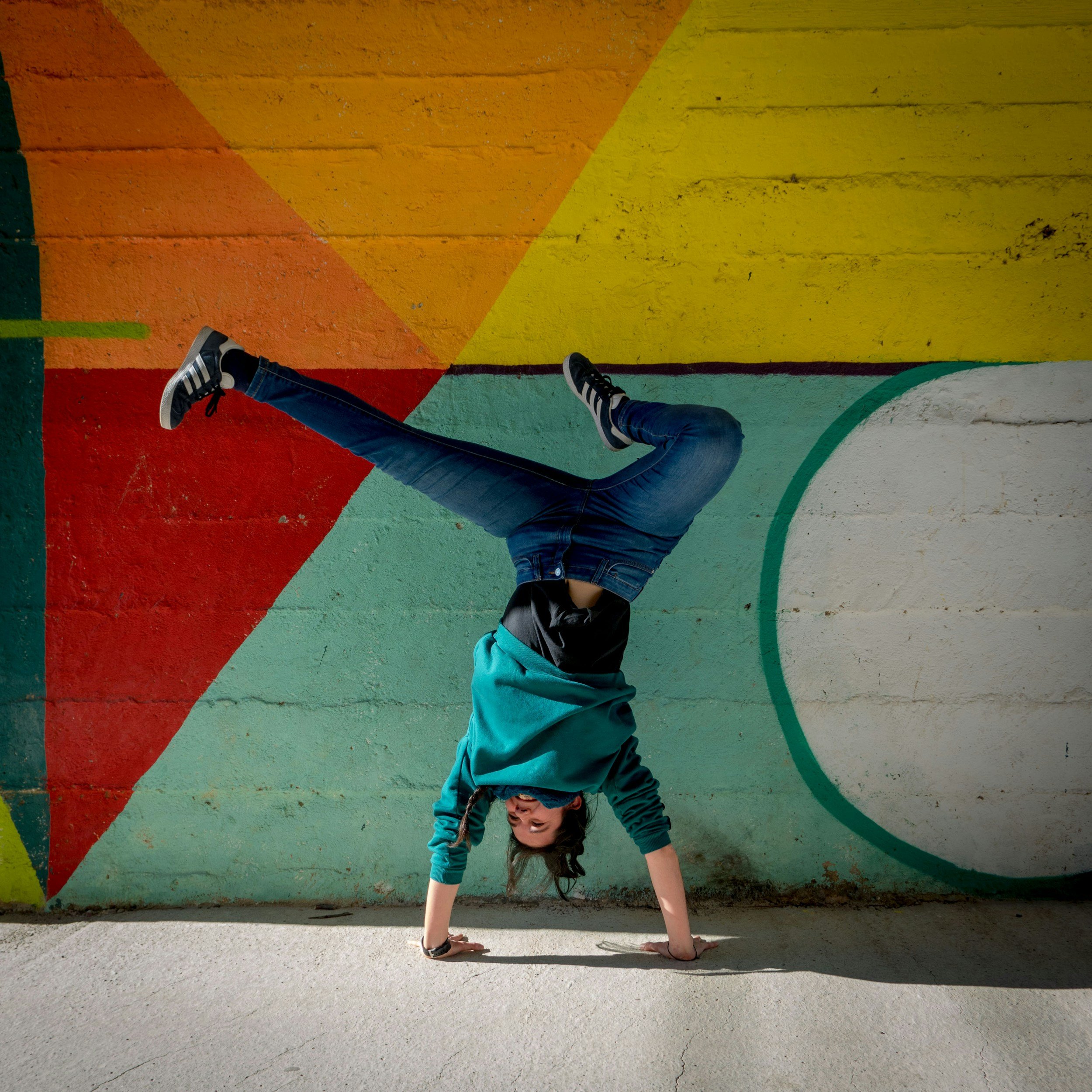
Week 1: Finding Common Ground (1st-5th)
Students play Partner Dance Freeze — taking turns leading and copying each other's dance moves until the music stops — then stay with their partner for one minute to find one thing they both like and share it with the class.
Empathy Interviews
Students will interview multiple partners using a feelings-based scenario sheet, recording both their own and their partner's emotional reactions to identify where their feelings match and where they differ.
Creating Agreements
Co-create community agreements and classroom norms between teacher and students.
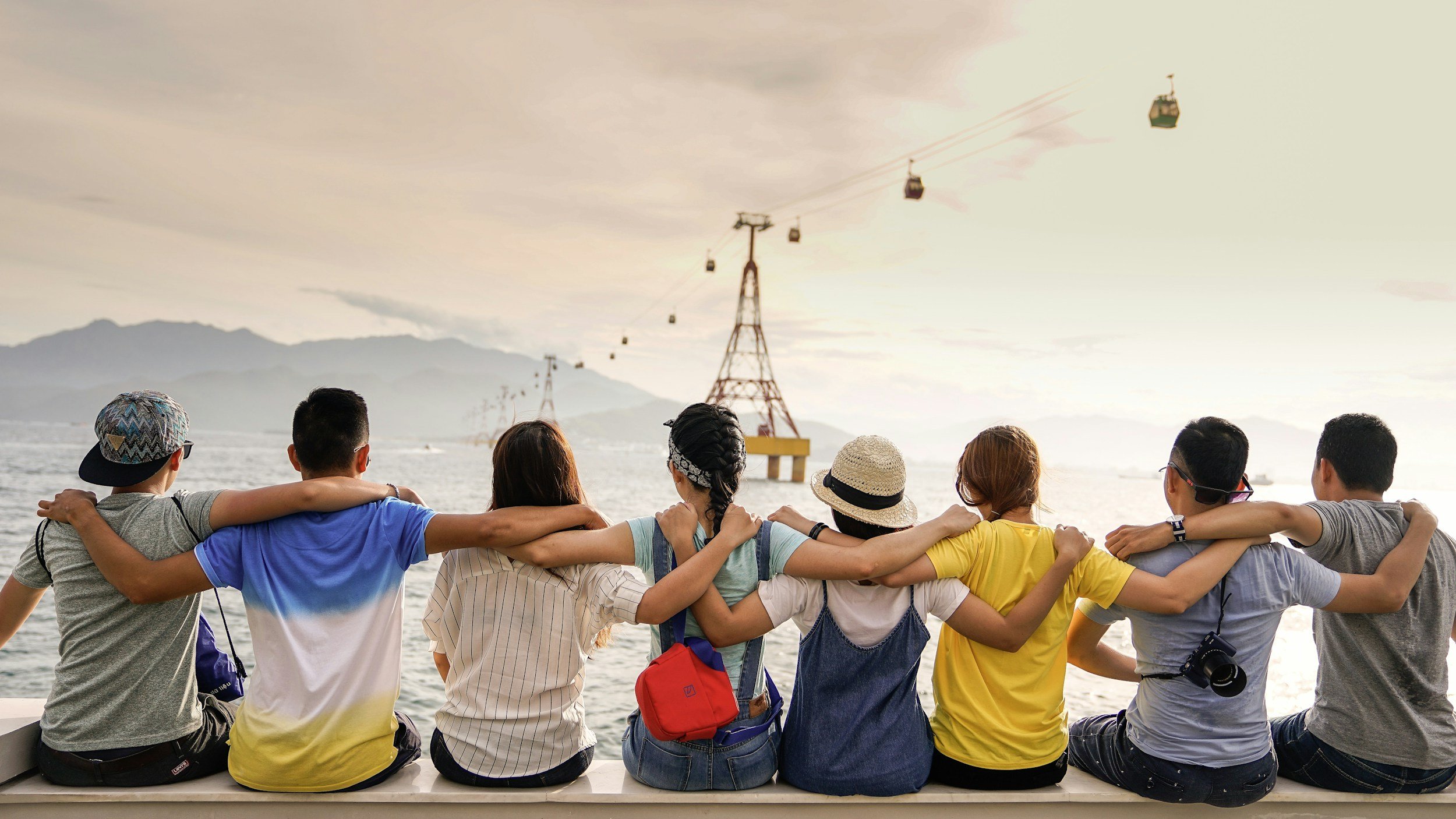
Friendship Bank
This lesson teaches students that everyday choices either strengthen or weaken their friendships, using a "bank" metaphor where kind acts are deposits and unkind acts are withdrawals. Students physically add or remove peanuts from a bag in response to friendship scenarios to make the concept tangible.
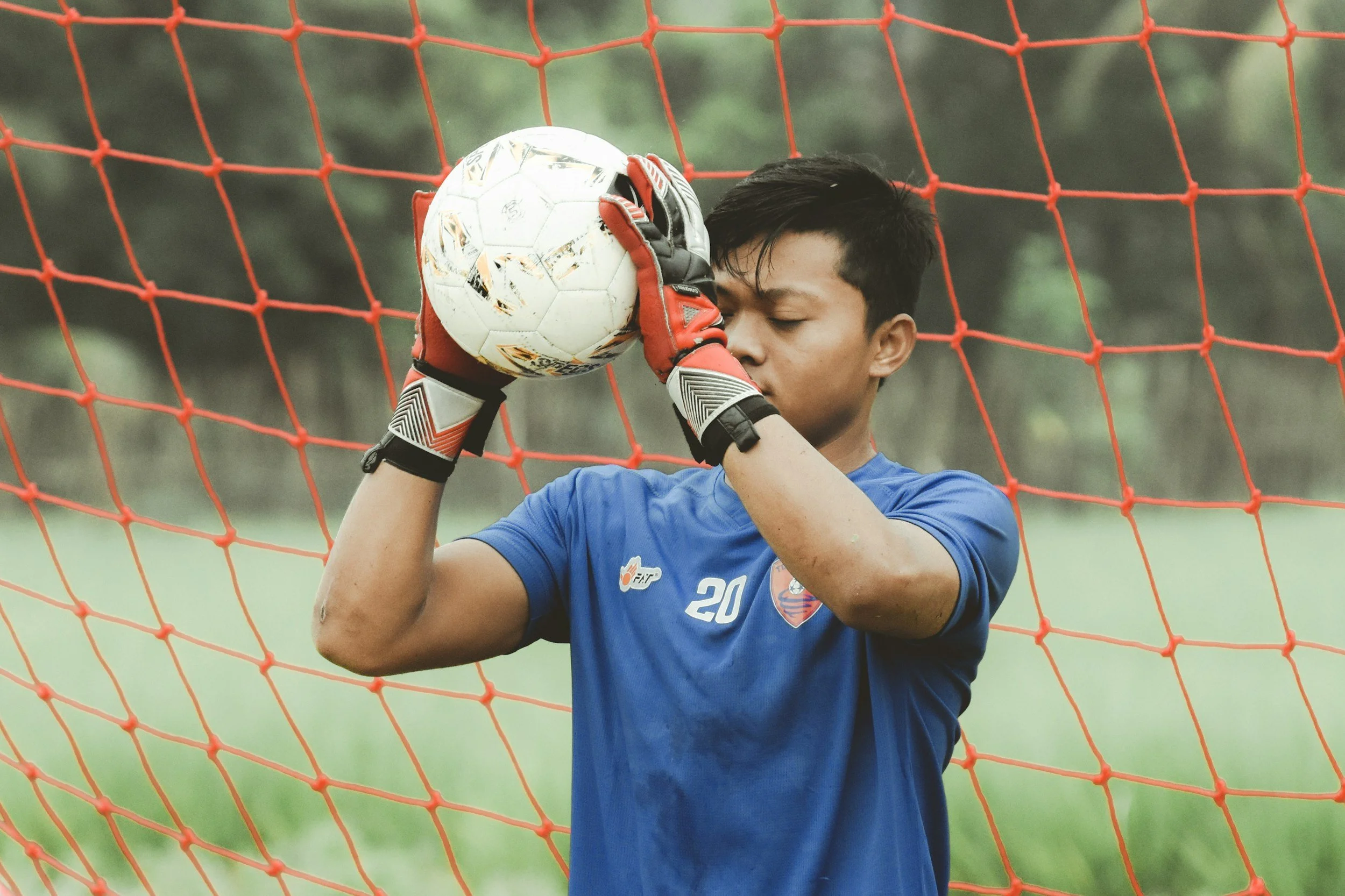
Balls and Hoops:Pass-It-Back Relays
Students brainstorm and play a series of relay races they help design, taking turns passing a ball down the line in creative ways, then reflect on how their team worked together.

It’s Your Move
To discuss real issues that are occurring in the group, and to encourage participants to come up with their own solutions to real problems.
Listening Game
Students will develop listening and language skills by recreating sounds from the outdoor environment.
Lucky Number
Students will move to one of four numbered corners based on personal preference questions (e.g., "Are you most like summer, winter, spring, or fall?"), discuss their choices with classmates in the same corner, and earn points when the die lands on their number. The game creates a low-pressure way for students to learn about each other and build relationships through conversation.
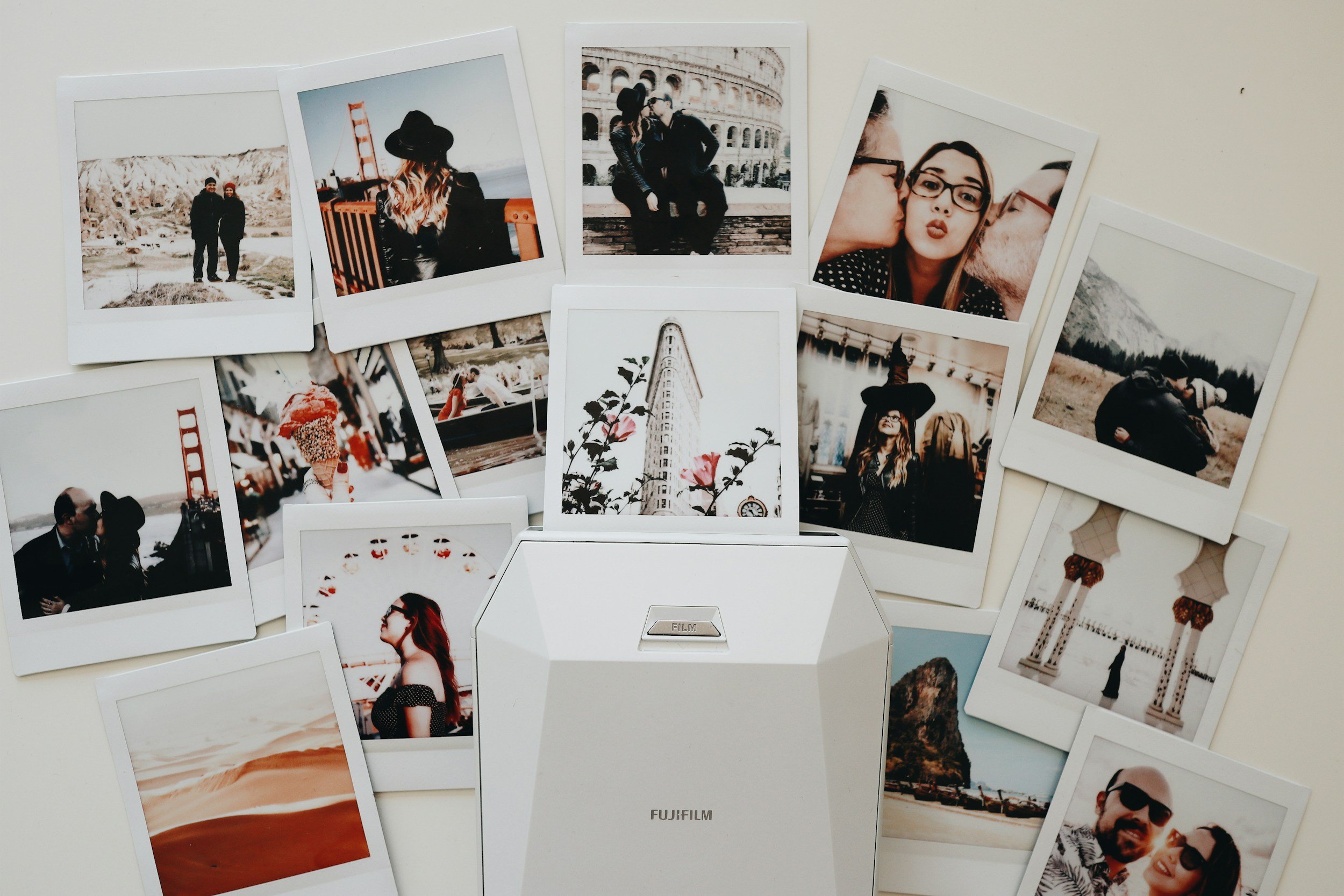
Meaningful Photos
Students will create a collage using photos they took of meaningful people, places, and objects in their lives, then write a personal reflection explaining the significance of each image.
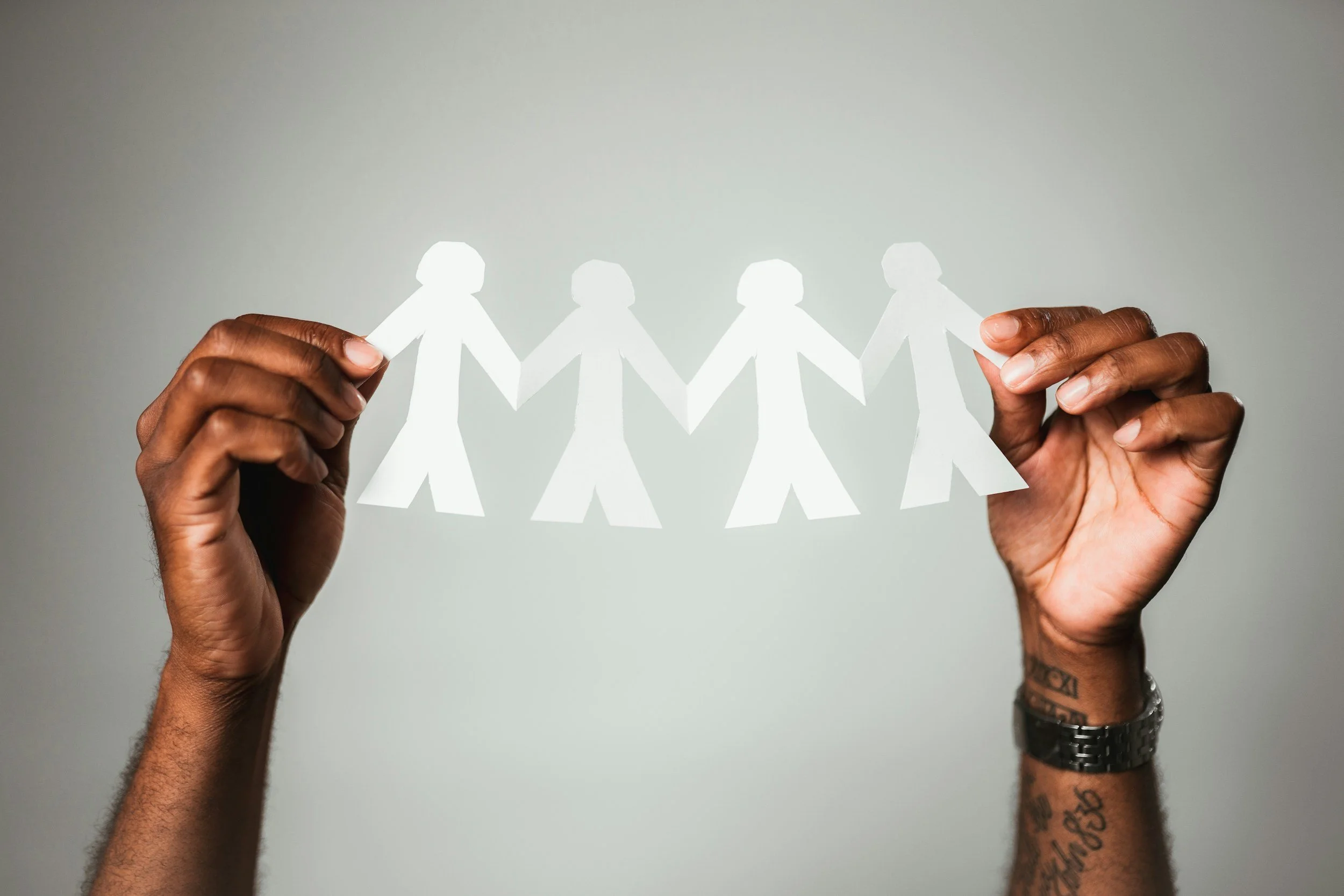
Our Friendship Chain Links Us Together
Students listen to a friendship song, brainstorm and dictate qualities of a good friend, and draw their friends on paper links that get connected into a class Friendship Chain, finishing with a shared Friendship Poem or Chant.

Support Tree
Students will be able to identify the people in their lives they can go to for help.
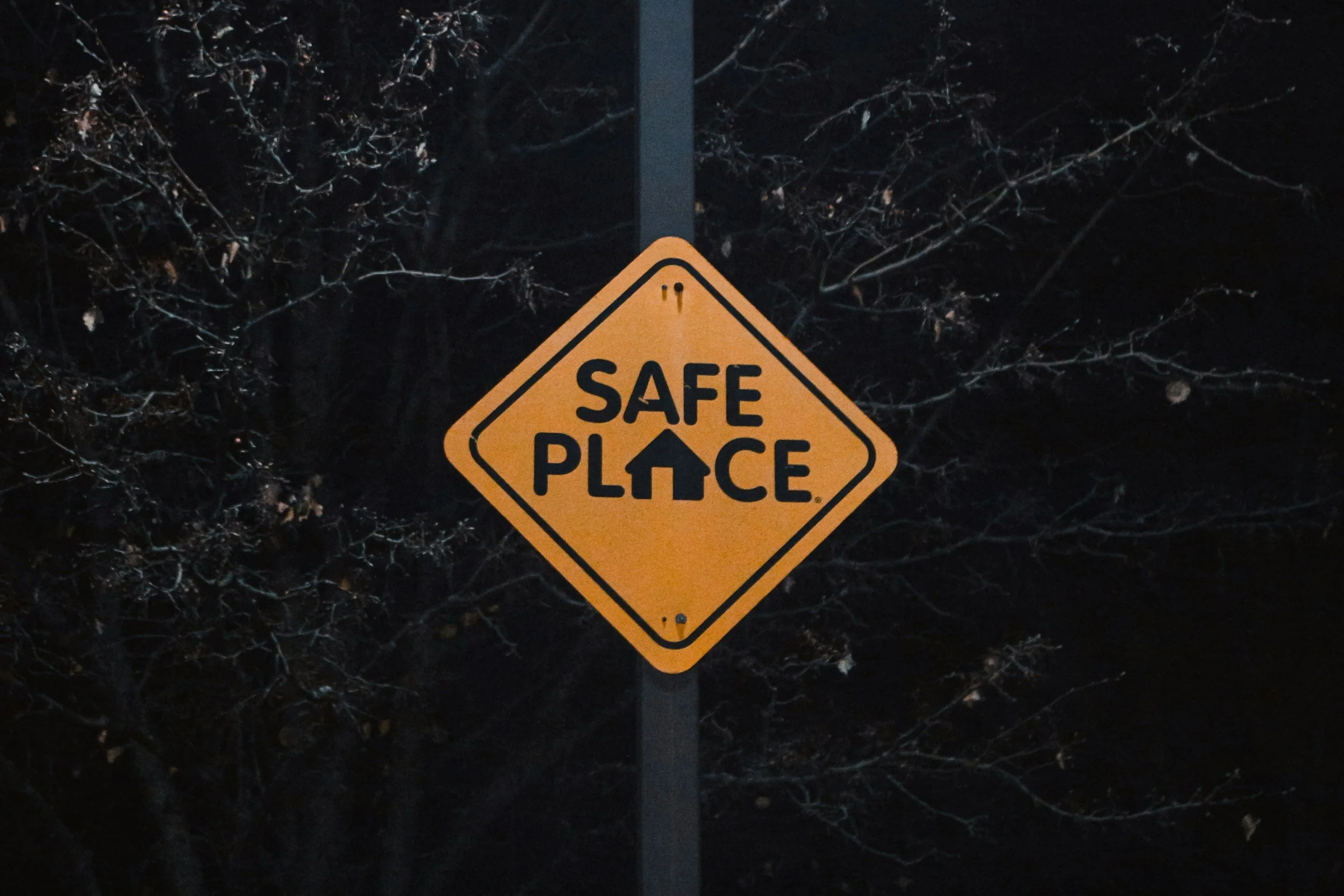
What is Safe
Students will write their own definition of what it means to feel safe, then work in small groups and a gallery walk to build a shared class vision of safety — which gets posted in the room as a living agreement for the whole class.
What is the Word
Students will compete in teams to guess mystery words from the Taboo game using only related clue words, then reflect on what the game revealed about their listening and focus skills.

What is Inspired
Students will write their own definition of what it means to feel inspired, then collaborate in small groups and a gallery walk to build a shared class vision of inspiring behavior — which gets posted in the room as a living agreement.
Building Relationships by Learning Names
Students will play name-learning games — including a timed name circle, a Name Pictionary drawing activity, and a beach ball question toss — to practice remembering classmates' names and get to know each other.