

Second - Third Grade
Developmental Characteristics
Physical
Enthusiastic about games
Experiencing improvement in both gross and fine motor skills
Possess a high activity level
Practice to master variations of movement for physical activities
Enjoy games that allow for comparison of skills
Enjoy games that allow for self-f-improvement
Social Emotional
Have a strong drive toward independence
Develop a strong sense of loyalty to friends
Need to belong to a group
Play with and are friends with same-sex peers
Like to take on responsibility
Live in a world of games, rituals and humor inhabited only by children
Like to have a best friend
Have a rigid sense of right and wrong
Need help accepting peers who are different or left out of a group
Cognitive
Like to talk; use language to express feelings/tell stories
Developing a sense of time
Enjoy collecting things
Enjoy problem-solving games like treasure hunts
Can plan and carry out projects with adult support
Becoming more self-directed in activities
Better able to understand and appreciate differences of opinion


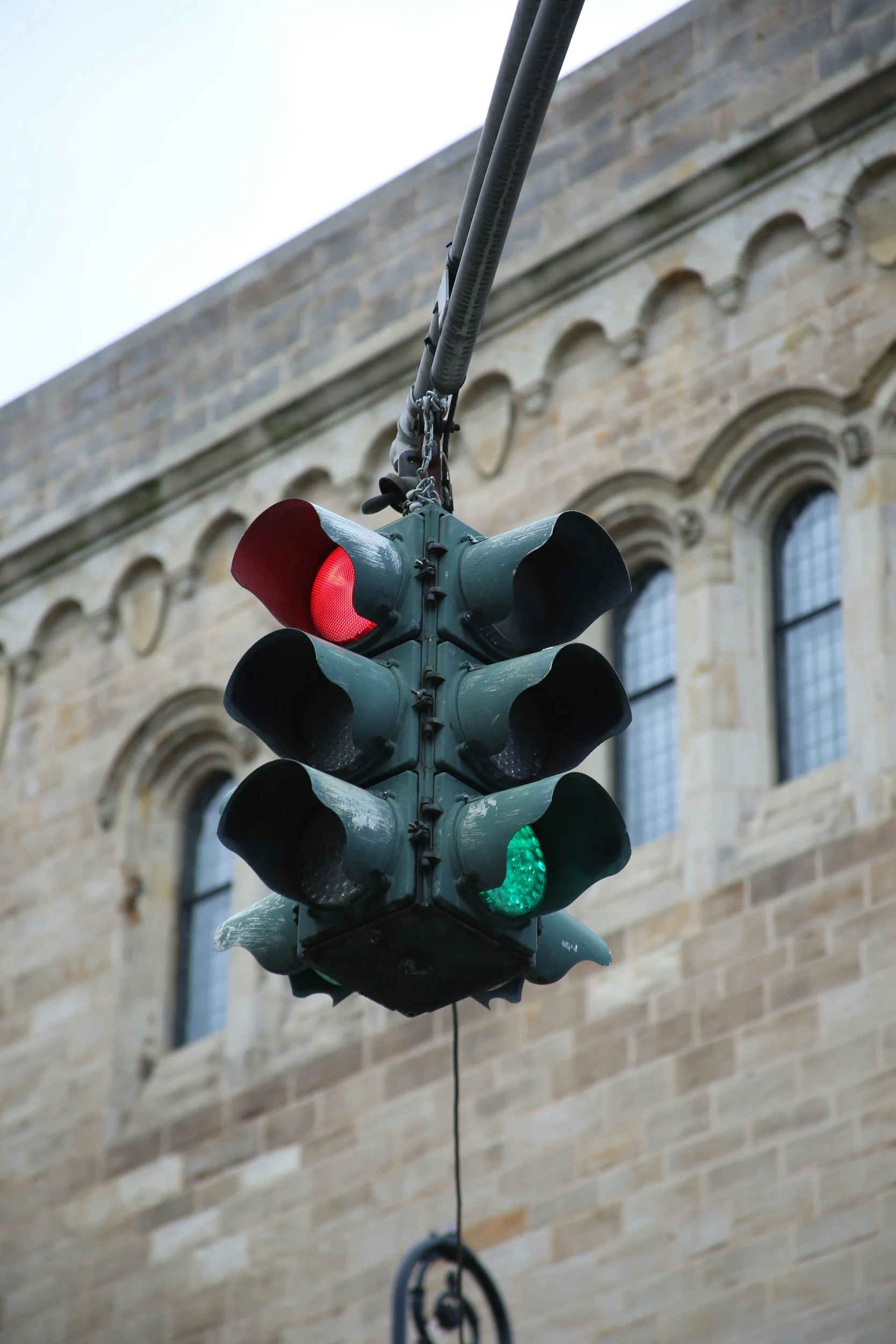
Red Light, Green Light: Self-Control and Thoughtful Giving
Students play a Squid Games-style red light, green light game, practicing self-control and encouraging peers who are out, then create personalized "blind bags" for a randomly assigned mystery partner based on their likes, opening them together at closing circle.

Simon Says and Musical Chairs: Practicing Self-Control
Students play Simon Says to practice following directions and self-control, then build a class playlist and play high-expectation musical chairs, practicing safe bodies and encouraging peers who are out, closing with reflection on managing excitement and frustration.
Zones of Regulation Collages: Naming My Emotions
Students face the unknown in the "Mystery Box Challenge," then create magazine collages representing the blue, green, yellow, and red zones of regulation, matching images to emotions and coping strategies for each zone.

Running Up That Hill: Staying Motivated and Self-Regulated
Students build a class playlist by sharing favorite songs, then play a Stranger Things-inspired "self-regulation dodgeball" where runners focus on their chosen song to stay calm while dodgeballs are thrown, closing with a reflection on staying motivated when things get hard.
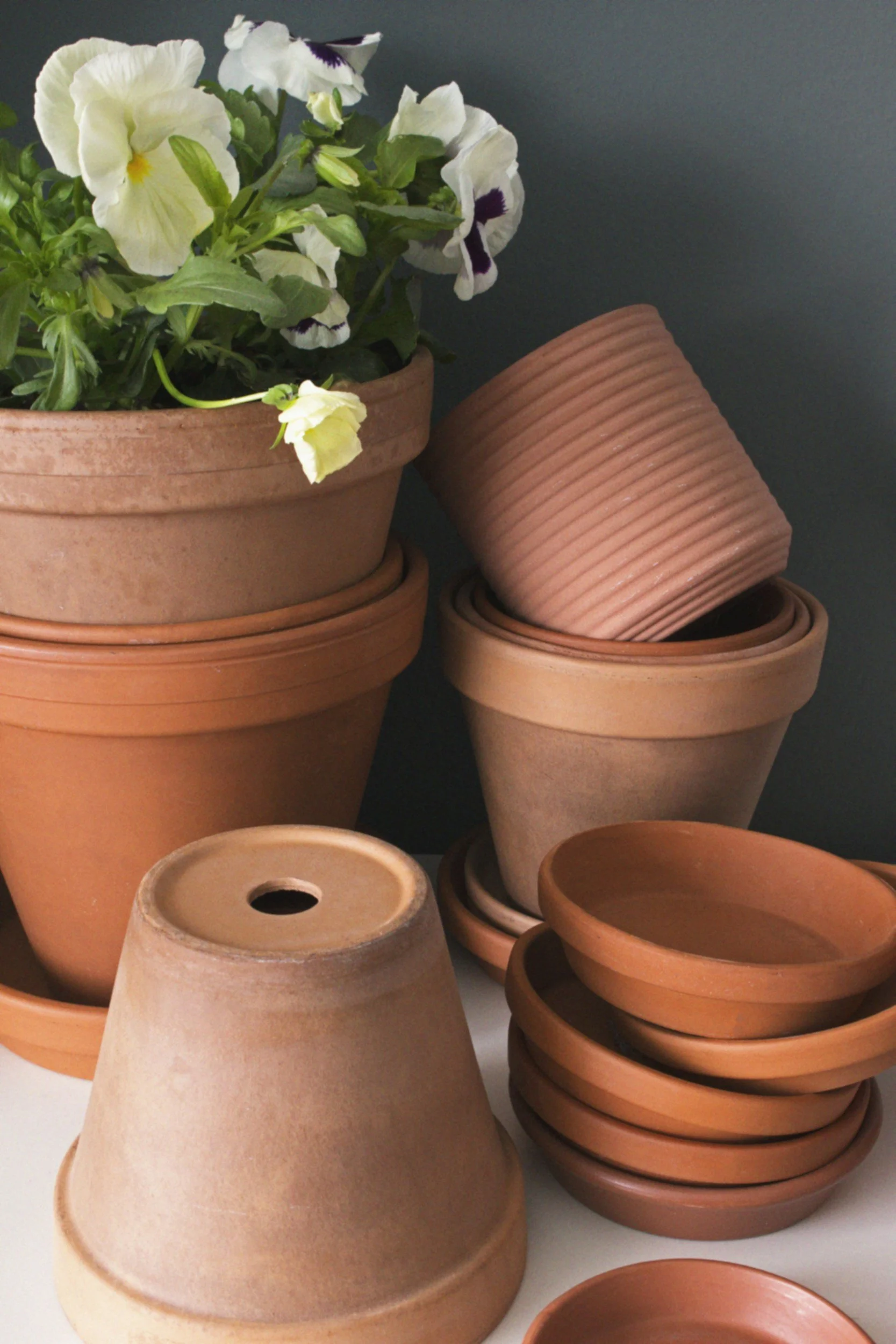
Pinch Pots: Practicing Patience and Self-Control
Students shape air-dry clay into pinch pots, practicing patience and self-control as they manipulate the material into a smooth, crack-free form, then sketch or paint a design before reflecting on what it felt like to work with the clay.

Impulse Control: Statues and Marshmallow Towers
Students practice staying still and quiet in "Night at the Museum," a freeze game with a roaming "janitor," then build marshmallow-and-toothpick structures while resisting the urge to eat any pieces until they finish, reflecting on delayed gratification.
Boundaries: Self-Control and Asking for Consent
Students play "Listen and Copy," swapping numbers for claps and snaps to build self-control, then practice "The Boundary Game," taking turns asking for consent and setting respectful boundaries on everyday scenarios.

Week 8: Boss of My Body
Students play Duck, Duck, Goose with a different silly movement style each round (penguin, robot, skip, gallop, crawl), then complete a "Boss of My Body" worksheet exploring how their brain controls their body's movements.

Week 7: Draw What I Draw
Students play multiple rounds of Hot Potato at varying speeds, then follow along with a step-by-step drawing video (ice cream cone or Hello Kitty) pausing as needed to keep up.

Week 6: Don’t Pop the Bubble
Students blow bubbles and try not to pop any, then color quietly while soft music plays — challenged to stay quieter than the music or go completely silent.
Week 5: Zones of Regulation Relay
Students act out emotions for each Zone of Regulation (blue, green, yellow, red) when called by name, then do a Zones Relay — moving around the room to music in silly ways and rushing to a colored zone when the music stops to practice coping strategies for that zone.

Week 4: Mystery Box Challenge
Students follow along to a Yo Gabba Gabba stretching and breathing song on the rug, then take turns reaching blindfolded into a mystery box while practicing self-control by keeping their guess to themselves until everyone has had a turn.

Week 3: Night at the Museum
Students play Night at the Museum (staying frozen as statues while a "janitor" with a flashlight tries to catch them moving), then fold and decorate paper airplanes and must wait for a whole-class countdown before flying them.
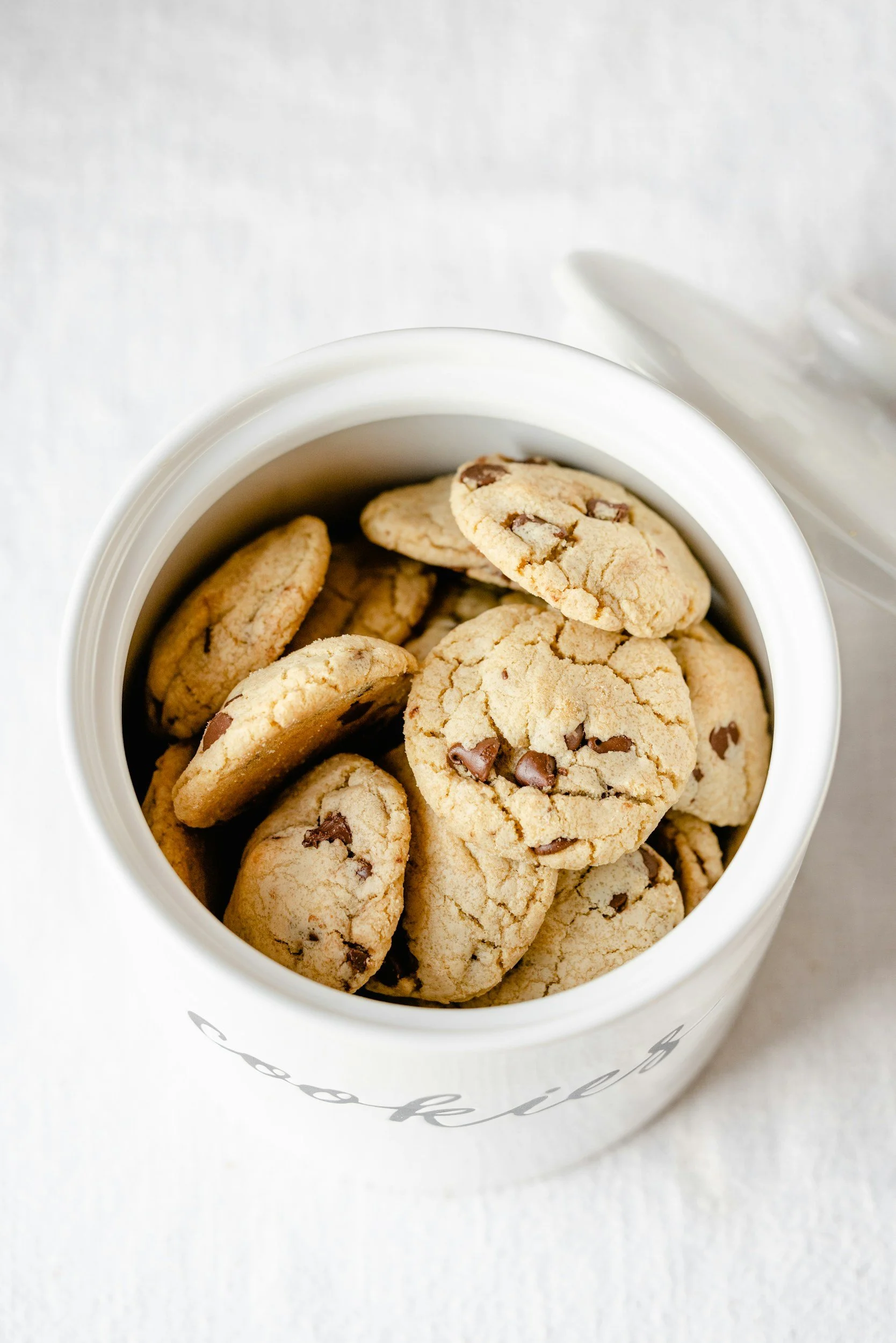
Week 2: Who Took the Cookie from the Cookie Jar?
Students sing "Who Took the Cookie from the Cookie Jar?" in a circle with a slap-clap rhythm, passing the chant around to each classmate. Then they decorate nila wafer cookies with frosting and sprinkles, challenged to resist eating until they're done decorating.

Week 1: Simon Says, Red Light Green Light
Students play Simon Says (winners or respectful sitters get to lead a round), then play Red Light, Green Light to the Squid Game audio, with eliminated students practicing silent cheering on the sidelines.

Week 4: Big vs Small Problems (3-5)
Students play Problem Sorting Corners — moving to the "Big Problem" or "Small Problem" side of the room for each scenario and explaining their reasoning — then work in small groups on Reaction Planning, choosing a scenario and discussing what their body wants to do, the size of the problem, and what reaction appropriately matches it.

Week 4: Big vs Small Problems (TK-2)
Students play the Big or Small Sorting Game — physically moving to one side of the room labeled "Big Problem" or the other labeled "Small Problem" after each scenario is read — then act out calm reactions to small problems (taking a breath, saying "it's okay," picking things up) reinforcing that a small problem deserves a small reaction.

Week 3: Breathing Strategies (2-5)
Students practice several breathing techniques together — the crocodile, smell the rose/blow the candle, heart hands, and the Balloon — with volunteers leading the class in their favorite, then cut out and glue 3–5 calm-down strategies onto a personal Calm-Down Toolbox worksheet to decorate and take home.

Week 2: Freeze Games (3-5)
Students play Freeze Dance — dancing freely to music and freezing their bodies completely still each time the music stops — then play a Movement Game where the teacher calls out a specific movement to do while the music plays, stopping and holding their pose each time the music cuts out.
Week 2: Freeze Games (TK-2)
Students play Freeze Dance — dancing freely to music and freezing their bodies completely still each time the music stops — then play a Movement Game where the teacher calls out a specific movement to do while the music plays, stopping and holding their pose each time the music cuts out.