
Second - Third Grade
Developmental Characteristics
Physical
Enthusiastic about games
Experiencing improvement in both gross and fine motor skills
Possess a high activity level
Practice to master variations of movement for physical activities
Enjoy games that allow for comparison of skills
Enjoy games that allow for self-f-improvement
Social Emotional
Have a strong drive toward independence
Develop a strong sense of loyalty to friends
Need to belong to a group
Play with and are friends with same-sex peers
Like to take on responsibility
Live in a world of games, rituals and humor inhabited only by children
Like to have a best friend
Have a rigid sense of right and wrong
Need help accepting peers who are different or left out of a group
Cognitive
Like to talk; use language to express feelings/tell stories
Developing a sense of time
Enjoy collecting things
Enjoy problem-solving games like treasure hunts
Can plan and carry out projects with adult support
Becoming more self-directed in activities
Better able to understand and appreciate differences of opinion


Keep ‘Em Afloat
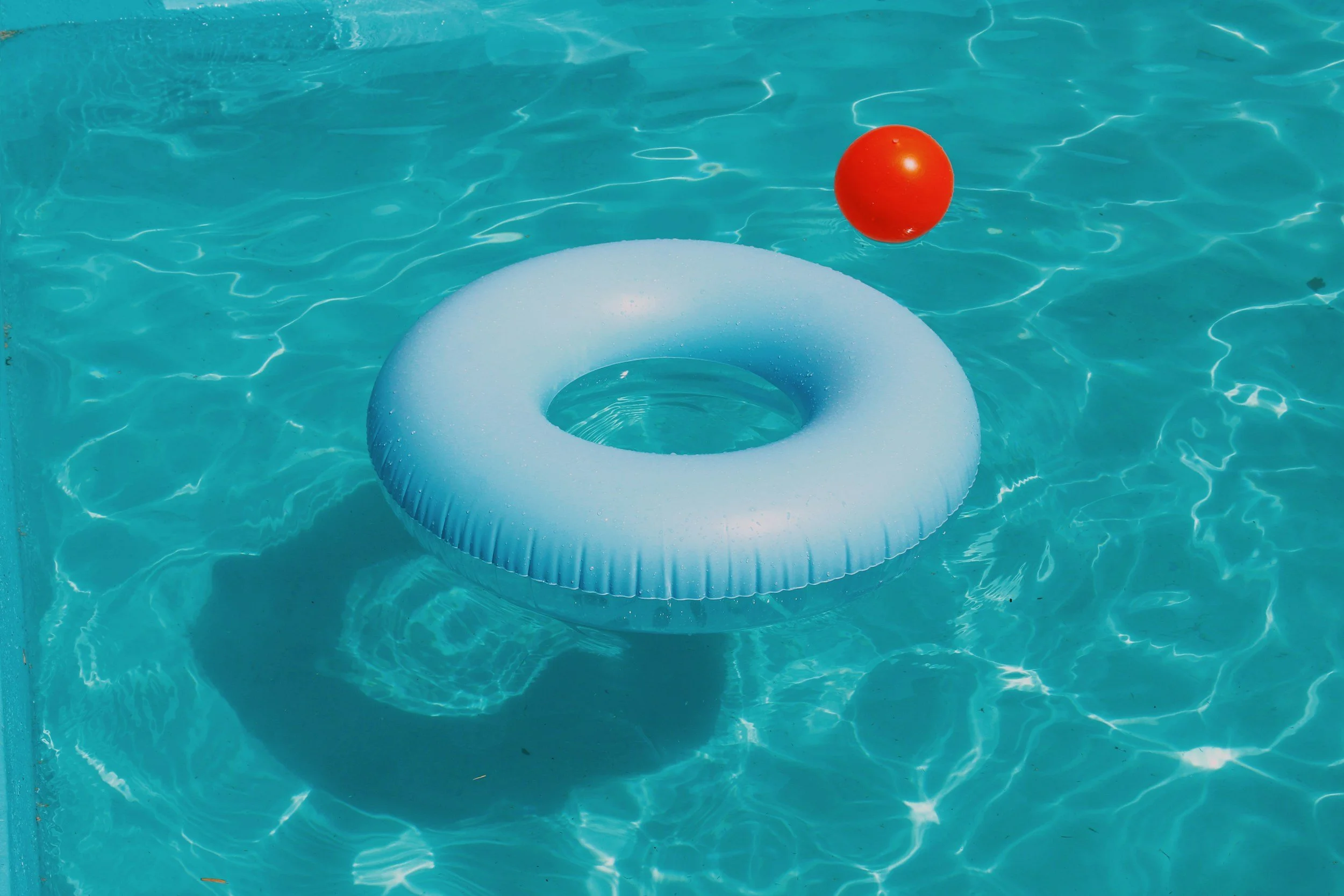
To introduce the concept of doing a good job by yourself and in a team, and to have participants explore ways they can be helpful to each other and their communities.
Lucky Number
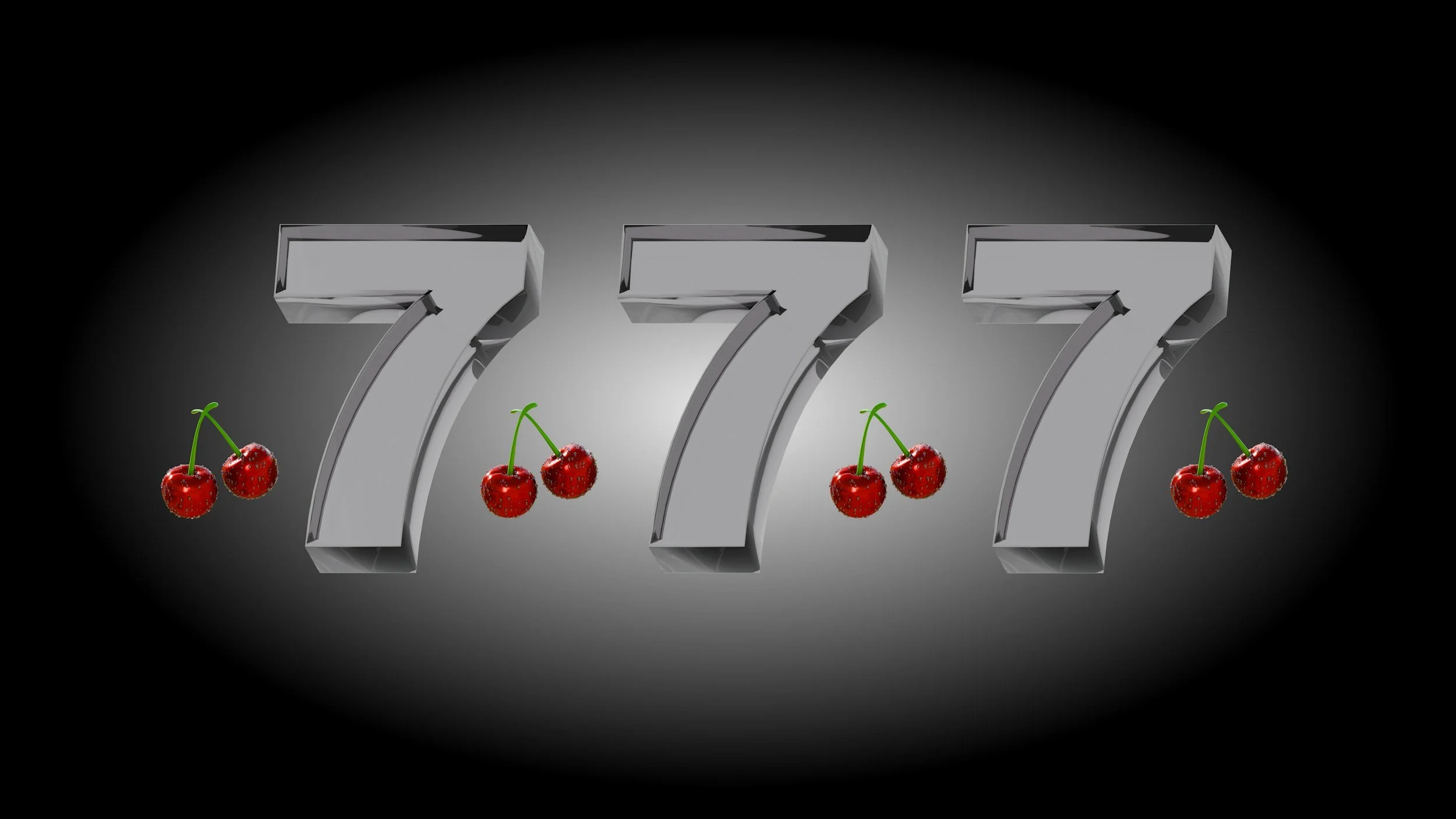
Students will move to one of four numbered corners based on personal preference questions (e.g., "Are you most like summer, winter, spring, or fall?"), discuss their choices with classmates in the same corner, and earn points when the die lands on their number. The game creates a low-pressure way for students to learn about each other and build relationships through conversation.
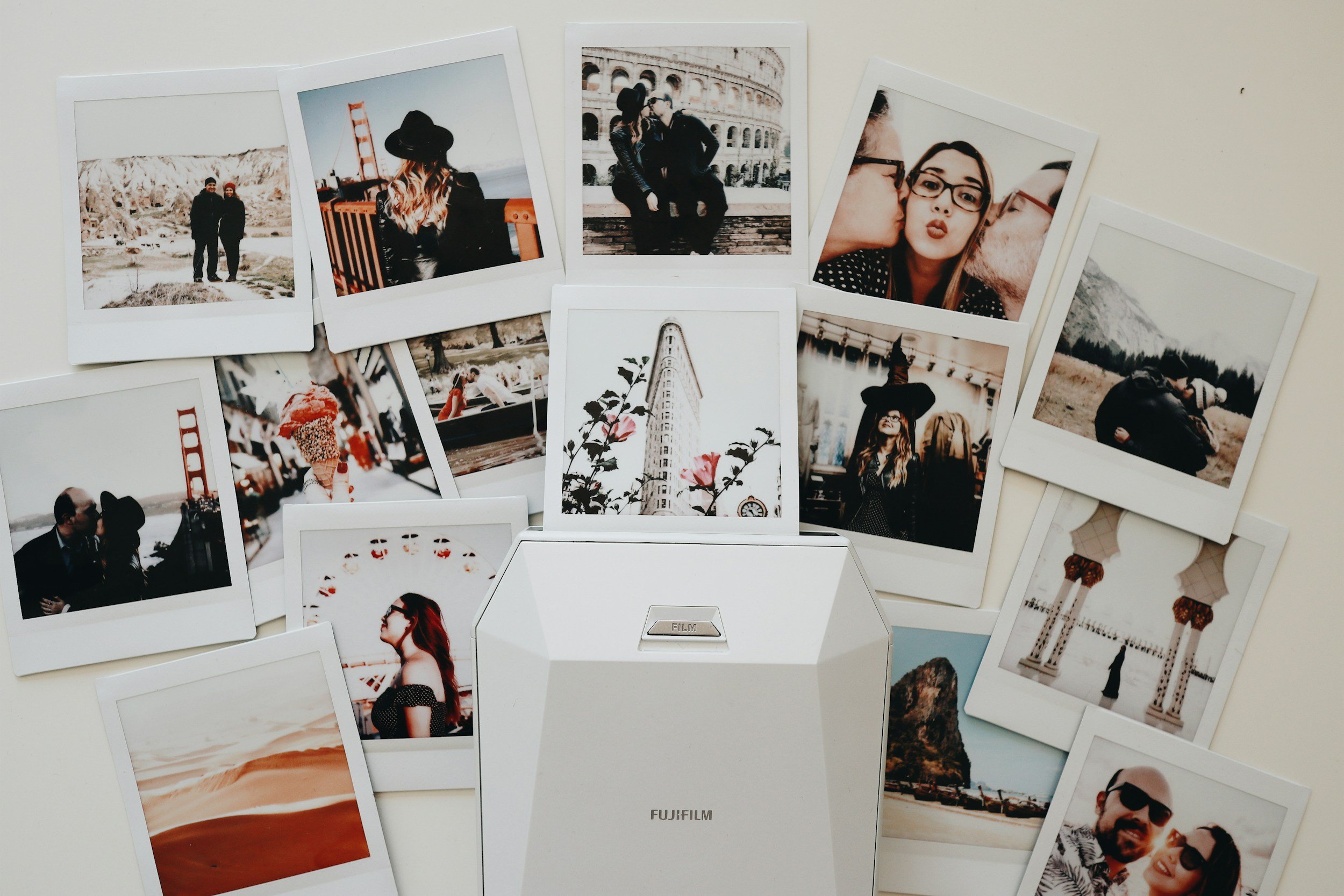
Meaningful Photos
Students will create a collage using photos they took of meaningful people, places, and objects in their lives, then write a personal reflection explaining the significance of each image.
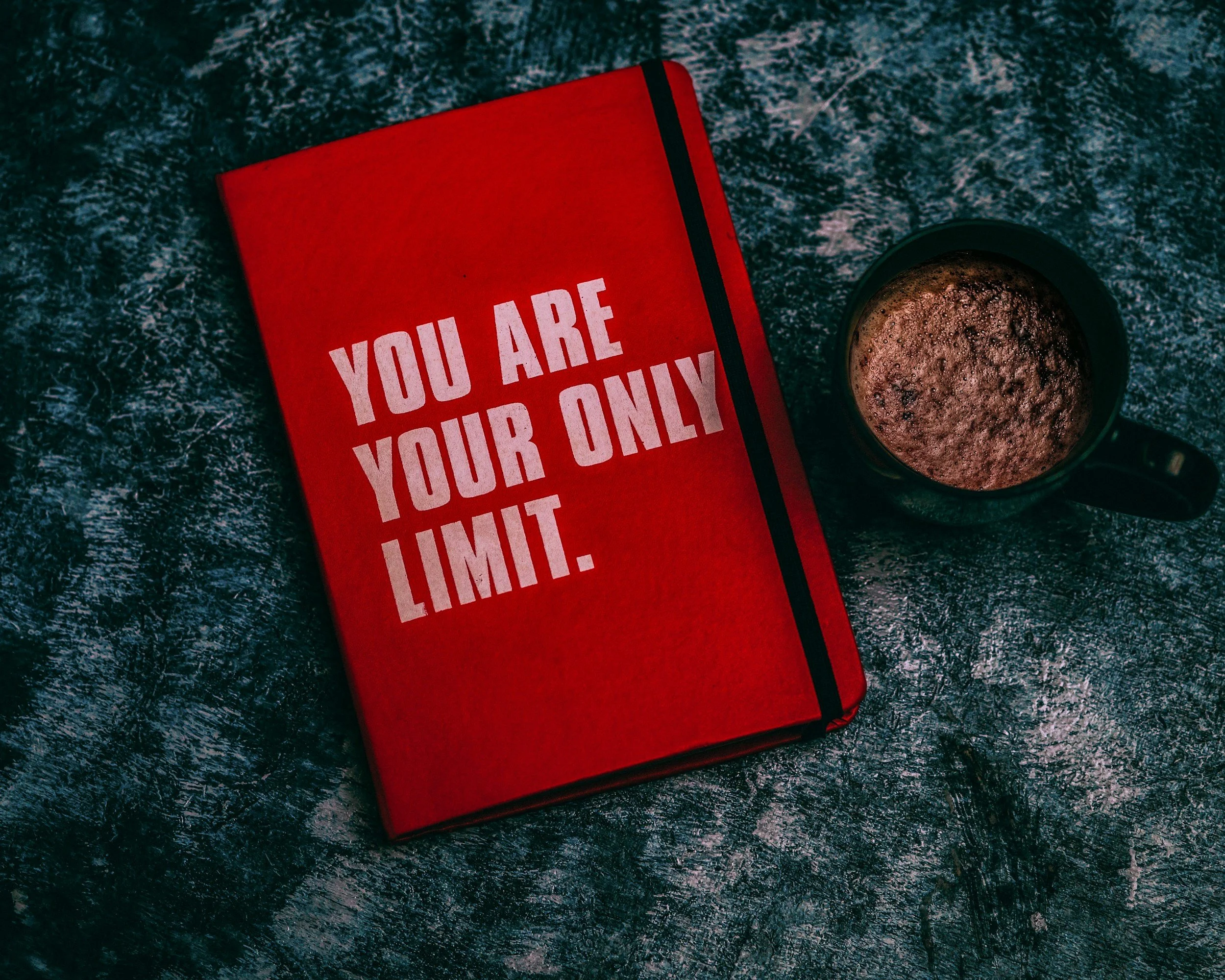
Motivational Self Talk Book
Reflect on what types of statements energize and motivate them, create their own motivational self-talk statements and turn them into a book, and share and discuss their statements with classmates.
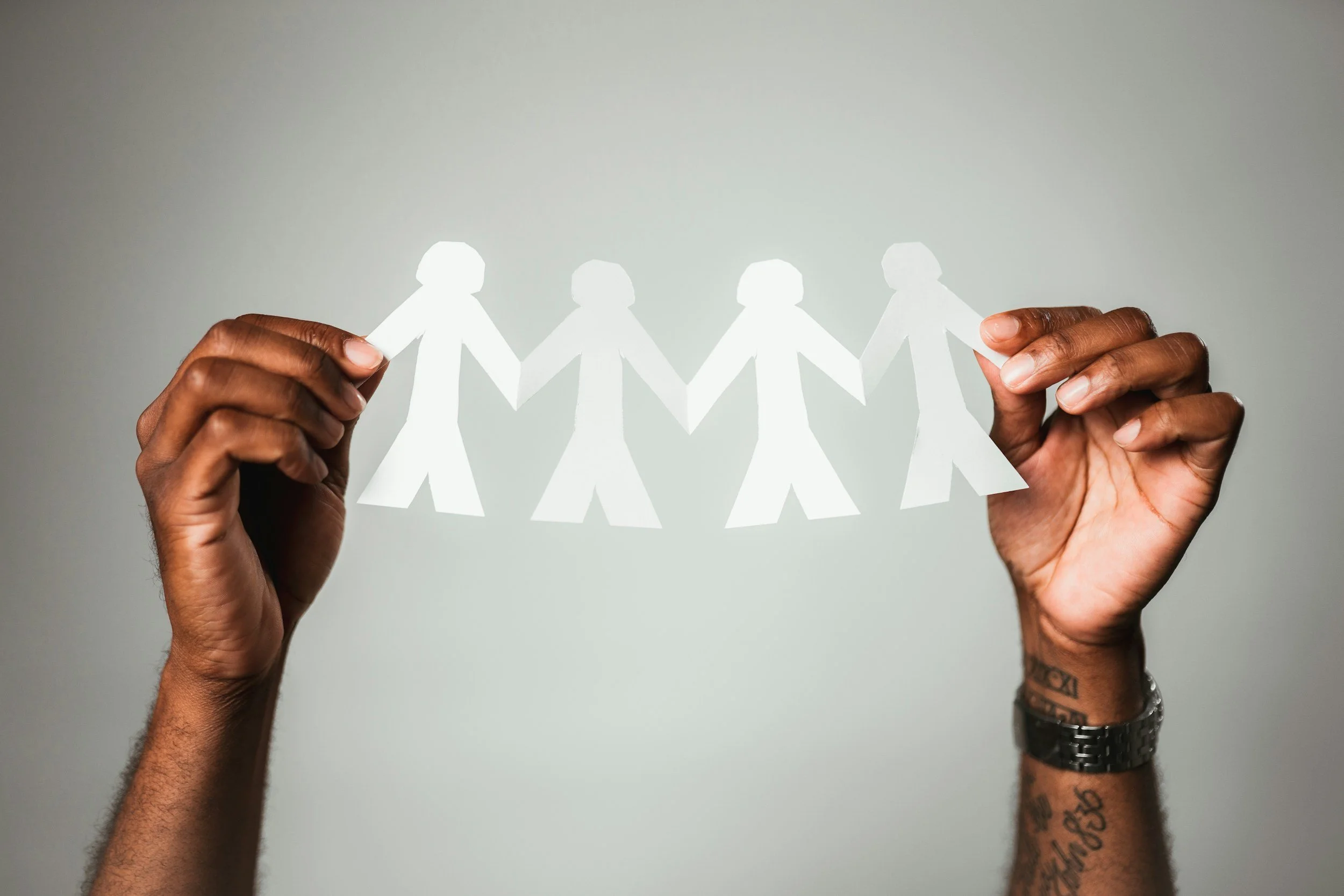
Our Friendship Chain Links Us Together
Students listen to a friendship song, brainstorm and dictate qualities of a good friend, and draw their friends on paper links that get connected into a class Friendship Chain, finishing with a shared Friendship Poem or Chant.
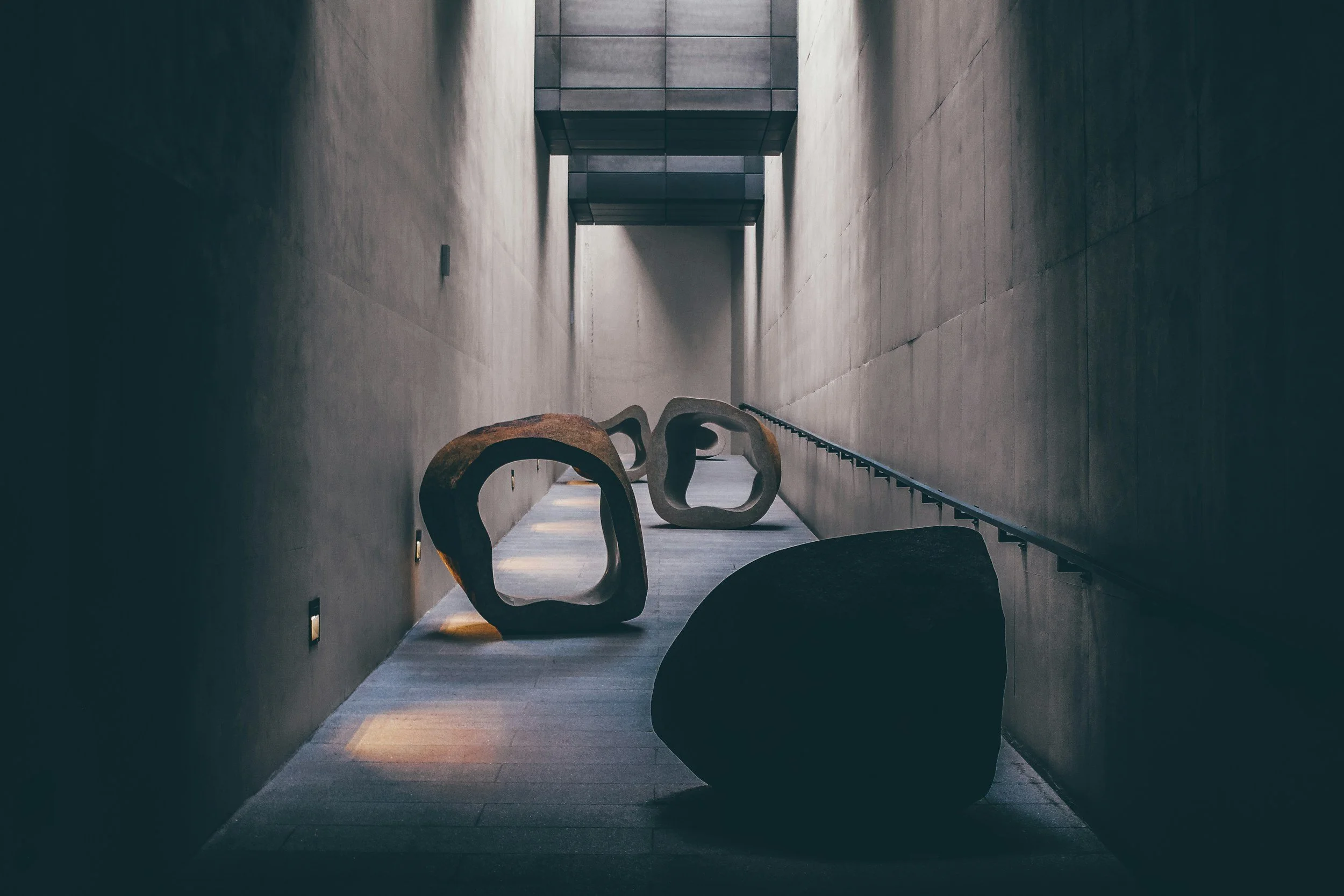
Overcoming Obstacles
Children will develop problem-solving skills by moving through an interesting obstacle course.
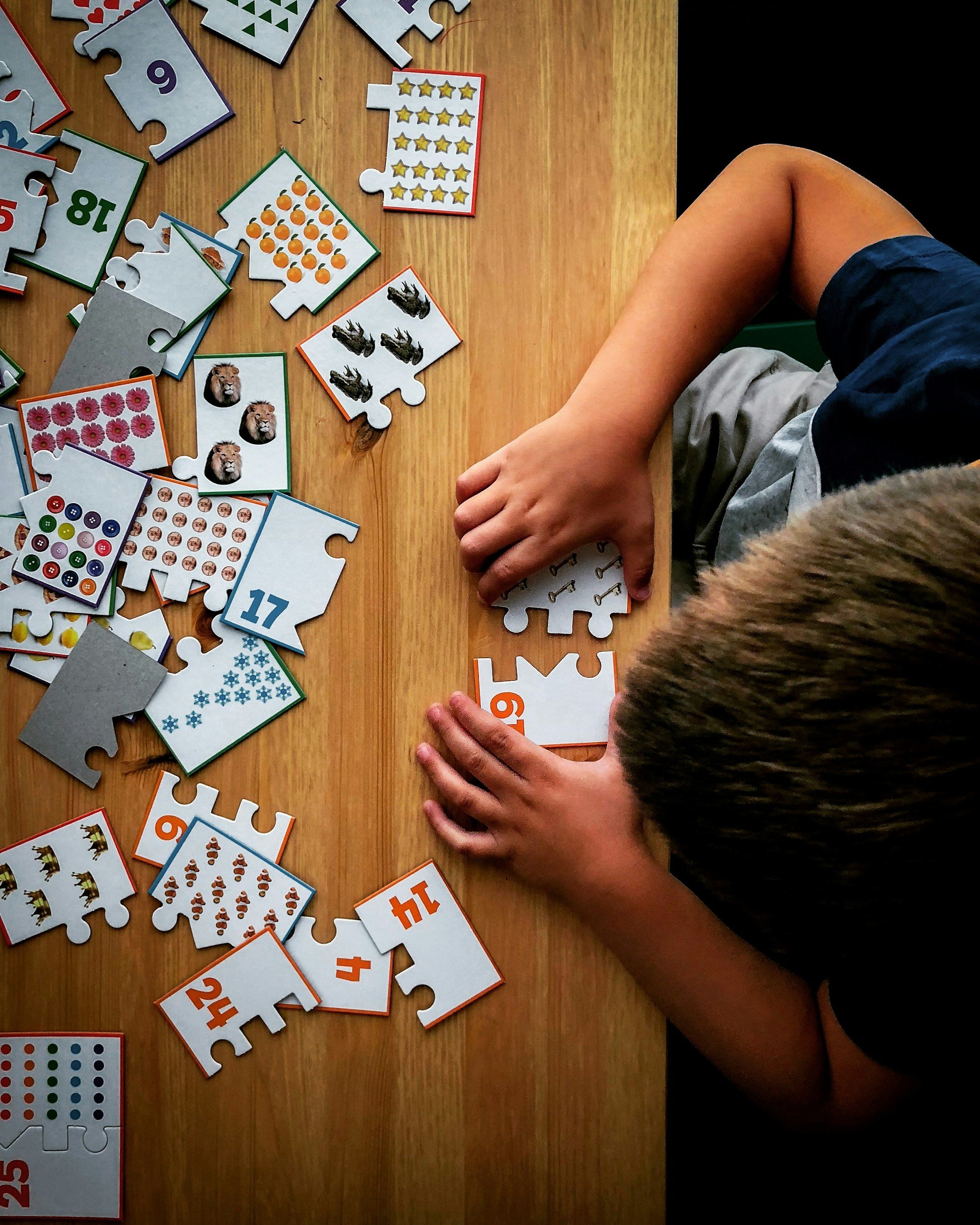
Physical Puzzle
Students will work together as a group to complete a jigsaw puzzle by drawing puzzle pieces one at a time and performing the corresponding exercise to earn each piece. Afterward, they'll reflect on how physical activity affects them emotionally and physically.
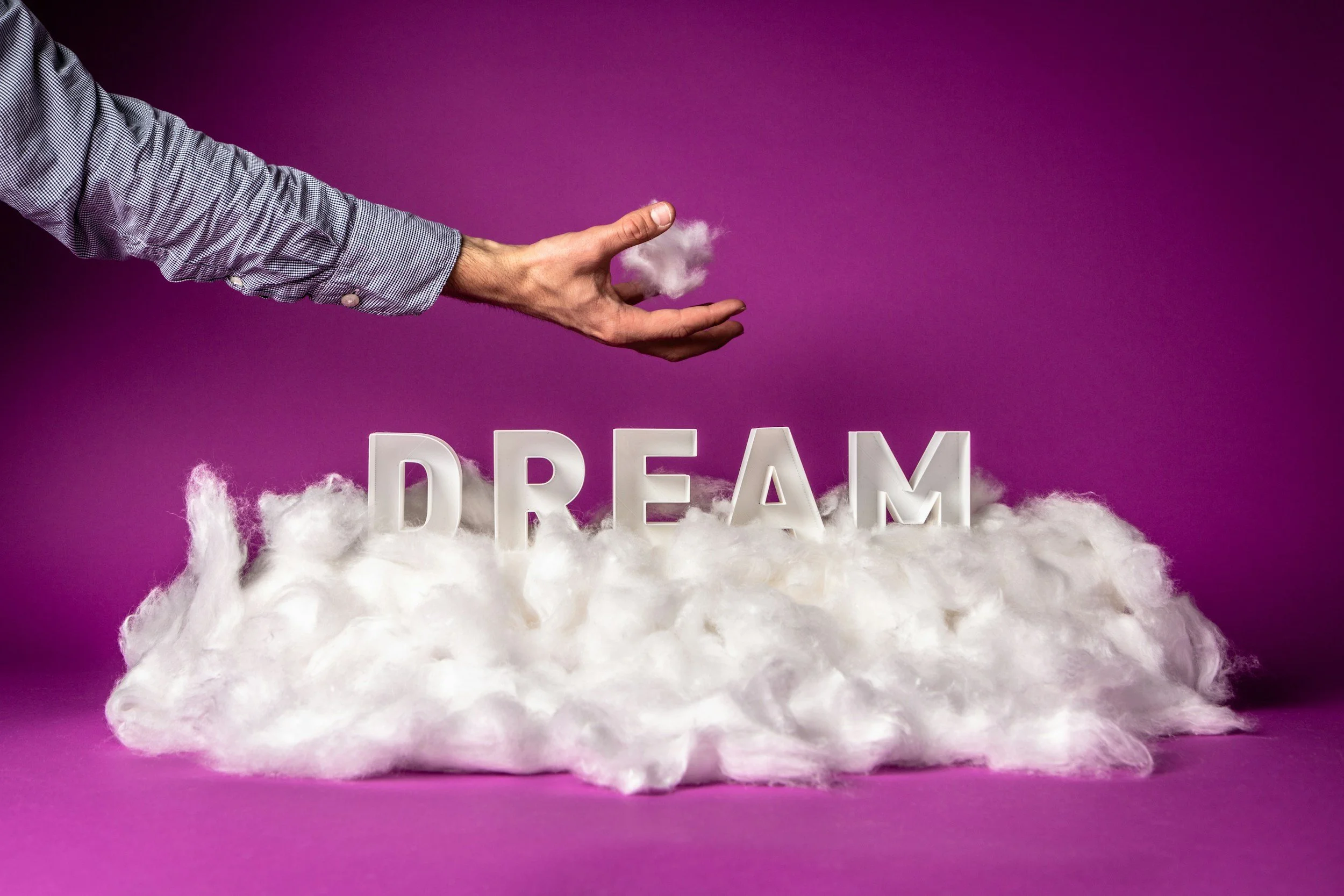
Positive Word Cloud
Students will write positive words and phrases to describe each of their classmates, then receive and read the words their peers wrote about them and turn those words into a personalized word cloud. They'll then reflect on how it feels to give and receive compliments and what the descriptions reveal about how others see them.
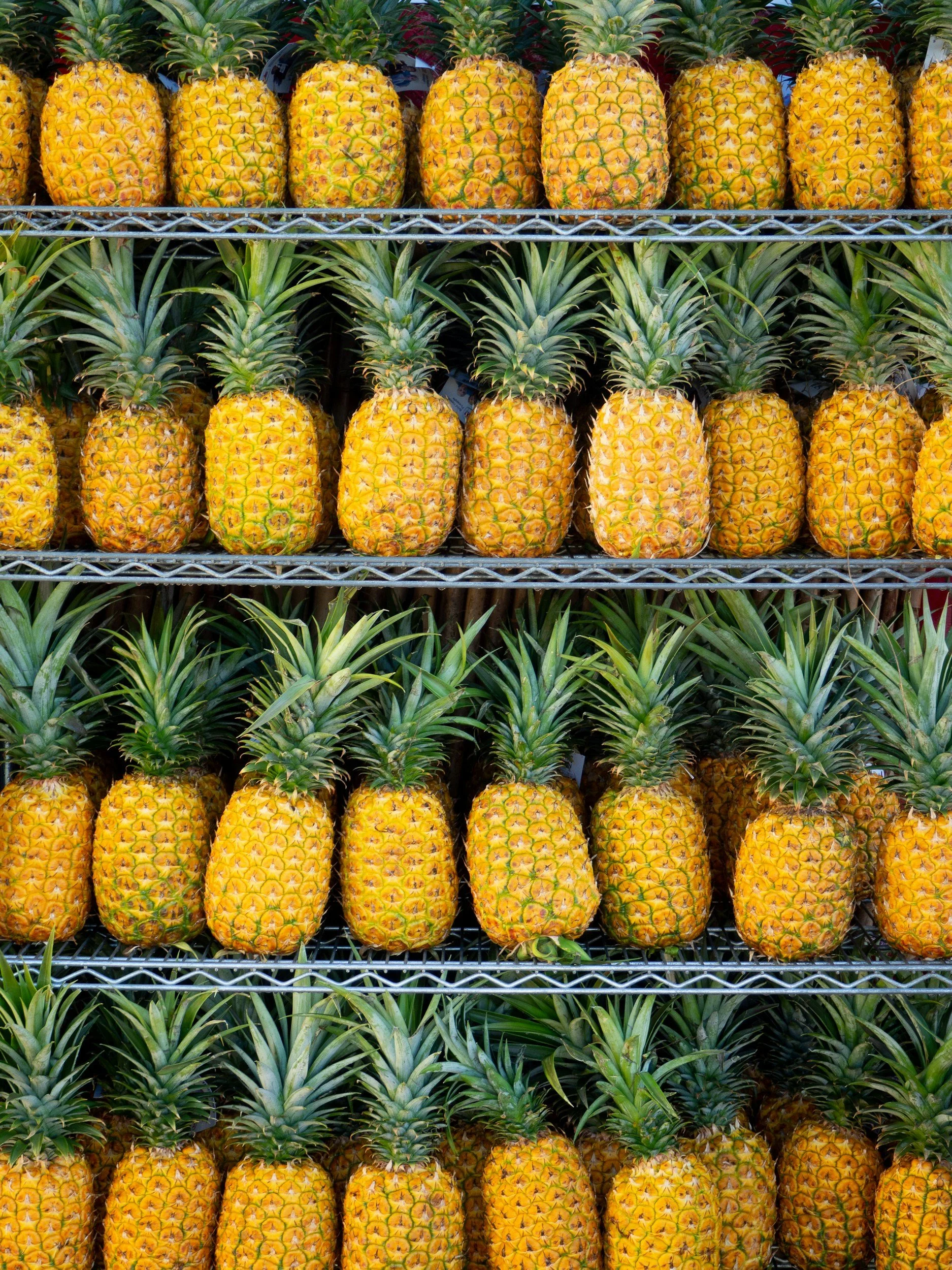
Pineapple Investigations
Through investigating a pineapple, students will engage in sensory exploration, problem solving, creative thinking, language development, and beginning science concepts.
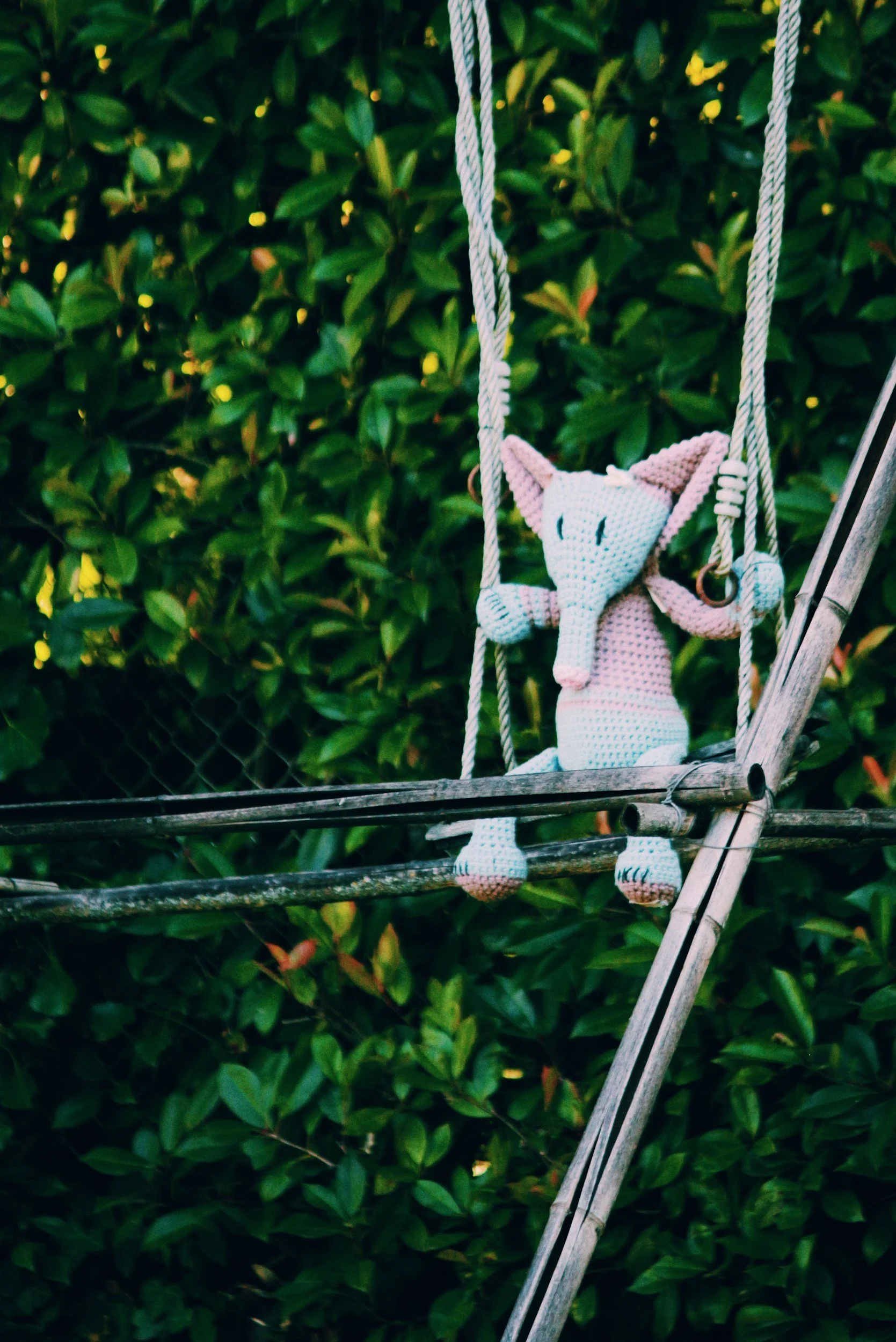
Puppet Pets
Students will reflect on ethical responsibility through learning about pets and performing in a puppet show activity.
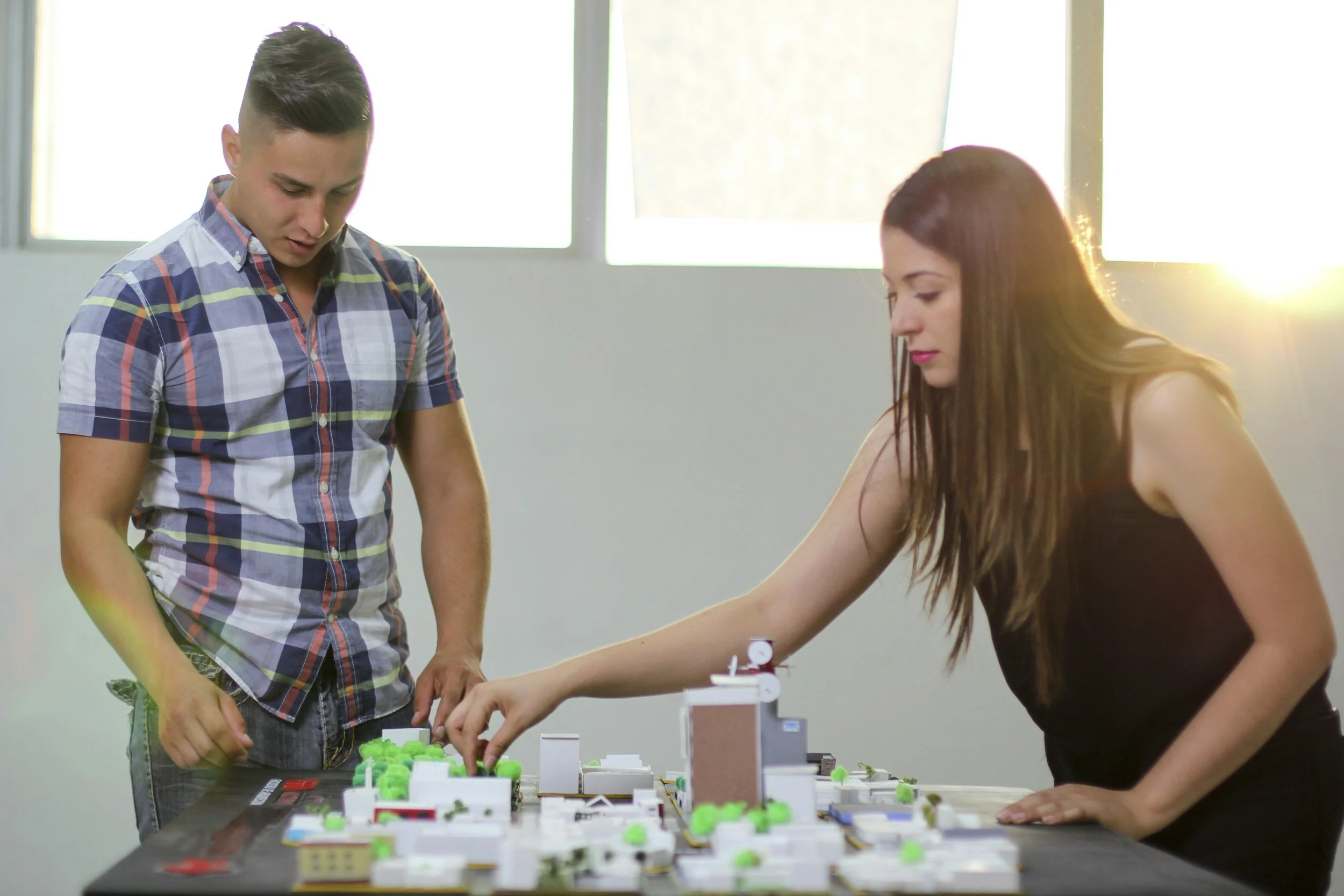
Putting Things Together
Children build social, creative-thinking, and problem-solving skills as they work in small groups to create open-ended constructions using a variety of materials — without relying on tape or glue.
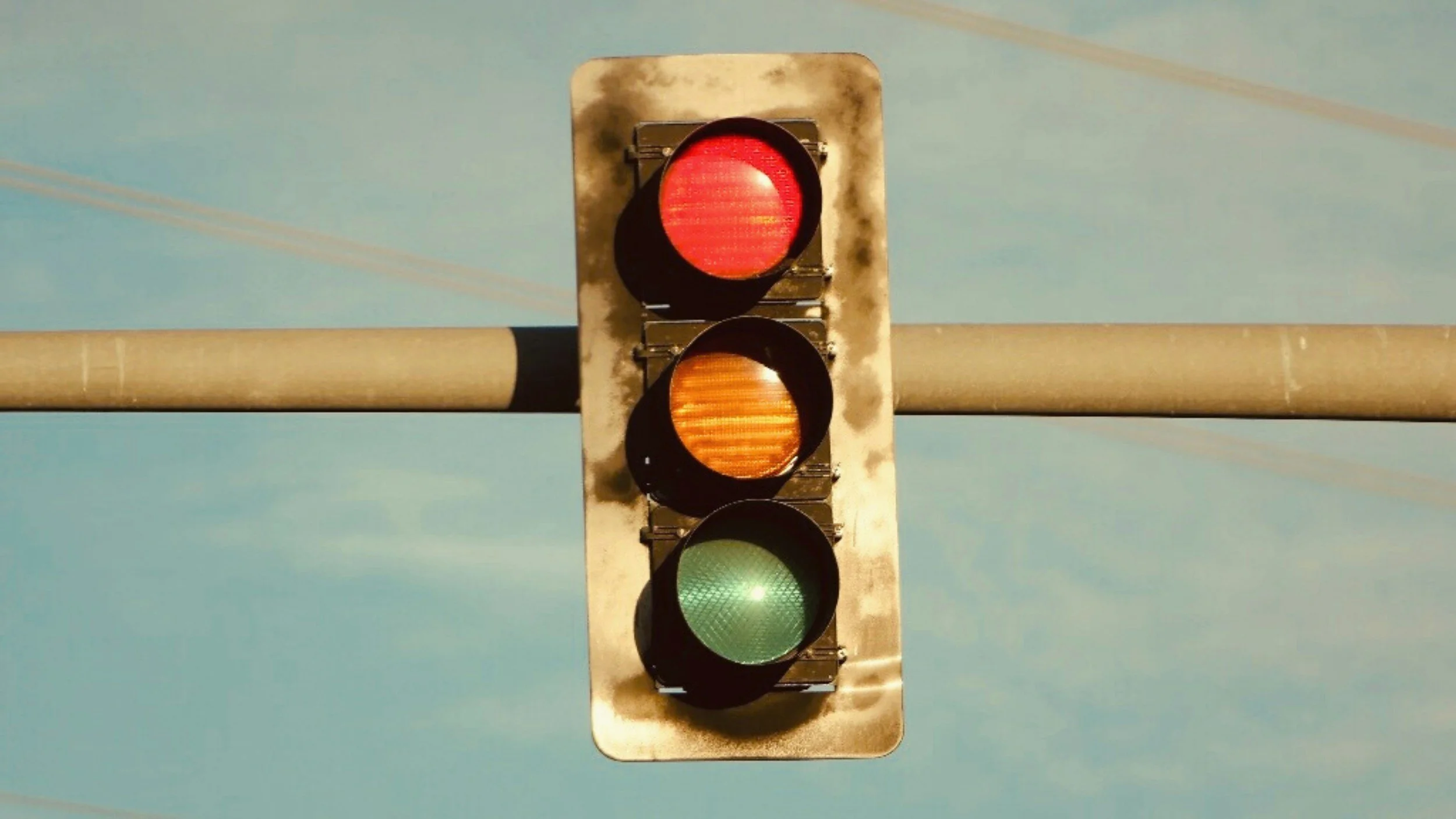
Red Light, Green Light
Students will play Red Light, Green Light, moving toward the teacher on "Green Light!" and freezing on "Red Light!," practicing listening, body awareness, and self-control. Afterward, they reflect on how they managed their bodies and emotions during the game.
Self Sculptures
Students will identify a personal goal and use Play-Doh to sculpt two figures — one representing something they will do to achieve it and one representing something they will let go of — then share and discuss their sculptures with the group.
Sleeping Dragons
Students must navigate an obstacle course that represents a cave full of sleeping dragons. One student at a time is blindfolded and given the mission of getting to the treasure at the end of the cave. All the other students become Empathy Magicians who use their powers to stand in the shoes of the blindfolded adventurer who they help to avoid the Sleeping Dragons.
Star-Bellied Sneetches
Using Dr. Seuss’s The Sneetches as a starting point, students explore what it feels like to be left out, how groups create “in” and “out” categories, and how to build fairer practices in their own community.
Stick It to ‘Em
Working in pairs, students will use verbal communication to recreate a marshmallow-and-toothpick model — one partner is blindfolded and can only touch, while the other can see but cannot use their hands.
Support Tree
Students will be able to identify the people in their lives they can go to for help.
The Trees and the Worms
Students will listen to a story while moving through a series of yoga poses, using breath and movement to practice grounding and self-control. A brief debrief follows where students reflect on how focusing on their breath affects their thoughts and feelings.