
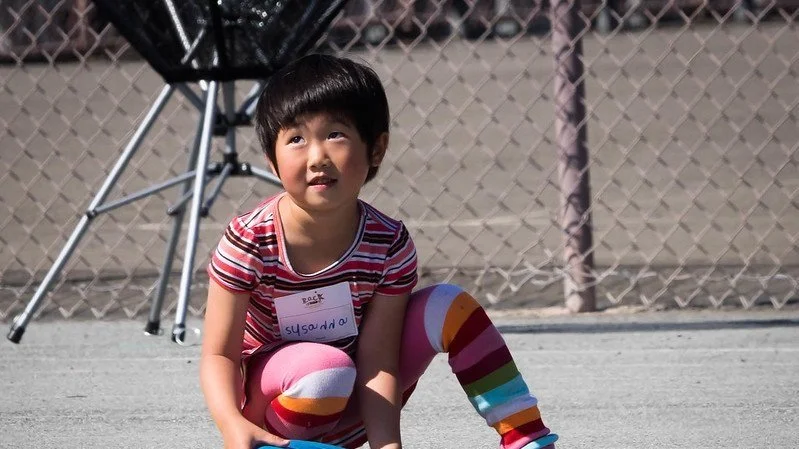
TK - First Grade
Developmental Characteristics
Physical
Enjoy long periods of free play
Developing eye-hand coordination
Enjoy small group cooperative play
May require rest after high-energy play
Improved body coordination; yet still can fall easily

Social Emotional
Eager to receive adult praise
Enjoy dramatic play
Eager to engage in new activities/adventures led by involved adult
Eager to identify with older children
Enjoy exploring new materials and equipment
Can be easily frightened by novel or strange events
Prefer play in small groups
Like responsibilities they can handle
Learning to cooperate with others, but may at times display selfish behavior

Cognitive
Understand language better than they speak
Are interested in present; vague concepts of past/future
Eager to learn
Ask many questions
Define things by their use
Developing a sense of humor
Communicate best within a small group of peers
May need guidance of adult when starting a new task

Week 6: Celebrating Growth (TK-K)
Students take turns walking around the circle in a Confidence Parade — striking a proud pose while classmates clap and cheer — then decorate a personal Confidence Certificate with their name and an affirmation about something they've accomplished to take home.
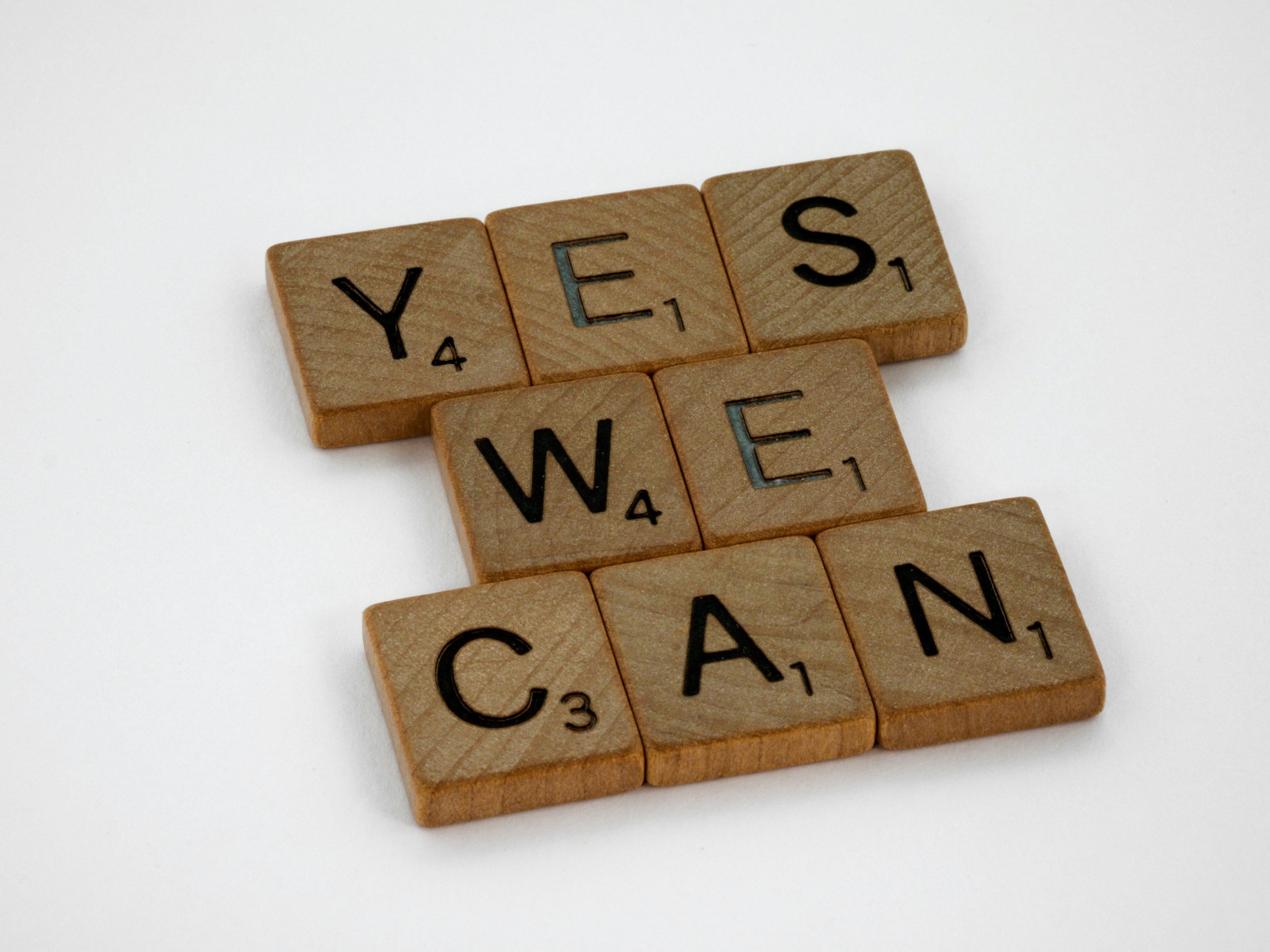
Week 5: We Can Do It! (1st-5th)
Students play the Partner High-Five Challenge — practicing a clap-then-high-five rhythm with a partner, adding speed and pattern variations before switching partners — then collaborate on a large butcher paper mural drawing scenes of friends helping each other, each signing their name on the finished "We Can Do It!" mural.
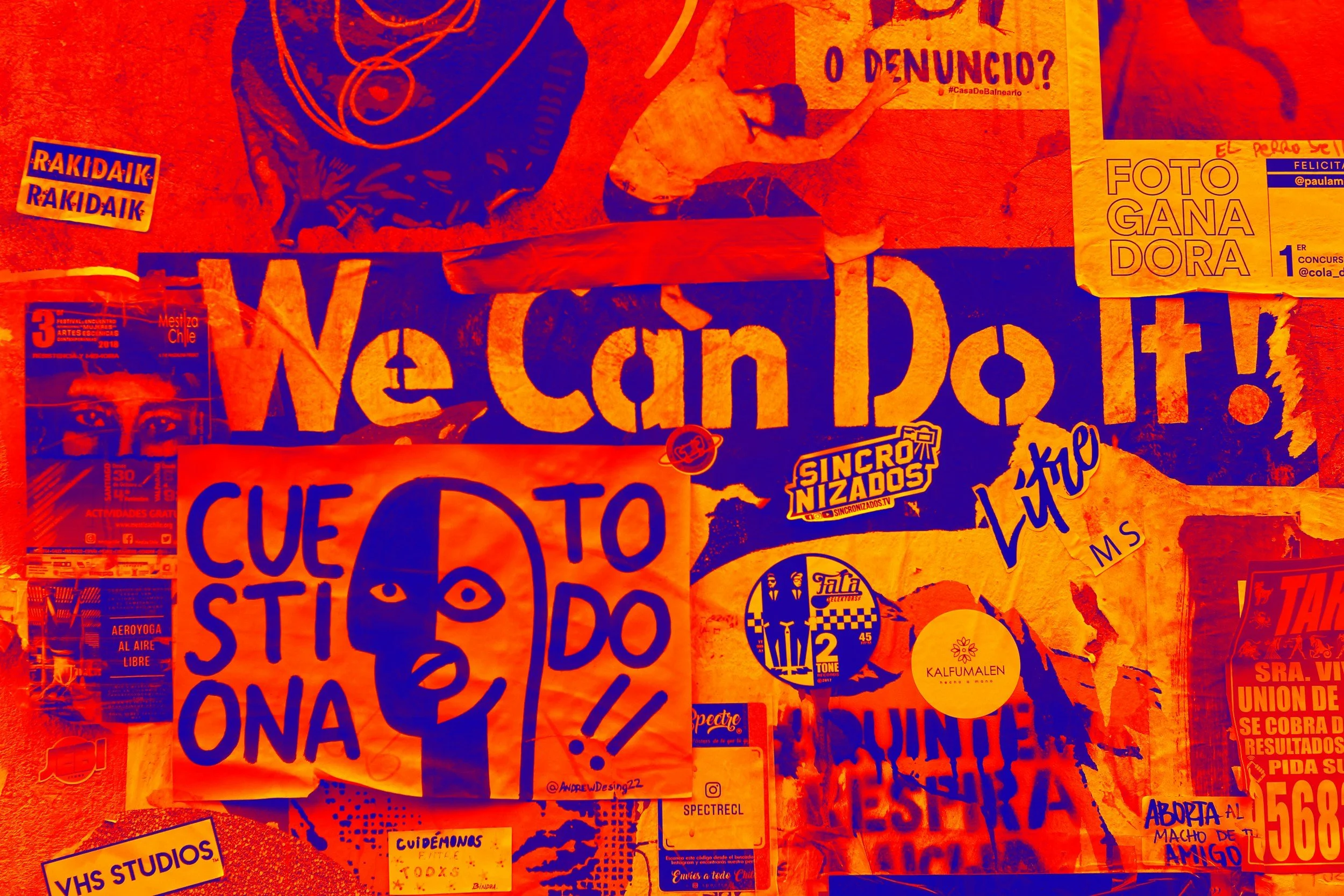
Week 5: We Can Do It! (TK-K)
Students play the Partner High-Five Challenge — practicing a clap-then-high-five rhythm with a partner, adding speed and pattern variations before switching partners — then collaborate on a large butcher paper mural drawing scenes of friends helping each other, each signing their name on the finished "We Can Do It!" mural.
Week 4: Positive Self-Talk (1st-5th)
Students play the Mirror Game in pairs — mirroring each other's slow movements, then pairing affirmations with matching poses ("I am brave!" with arms raised strong) — then fill a heart worksheet with drawings and words about what they love about themselves.
Week 4: Positive Self-Talk (TK-K)
Students play the Mirror Game in pairs — mirroring each other's slow movements, then pairing affirmations with matching poses ("I am brave!" with arms raised strong) — then fill a heart worksheet with drawings and words about what they love about themselves.
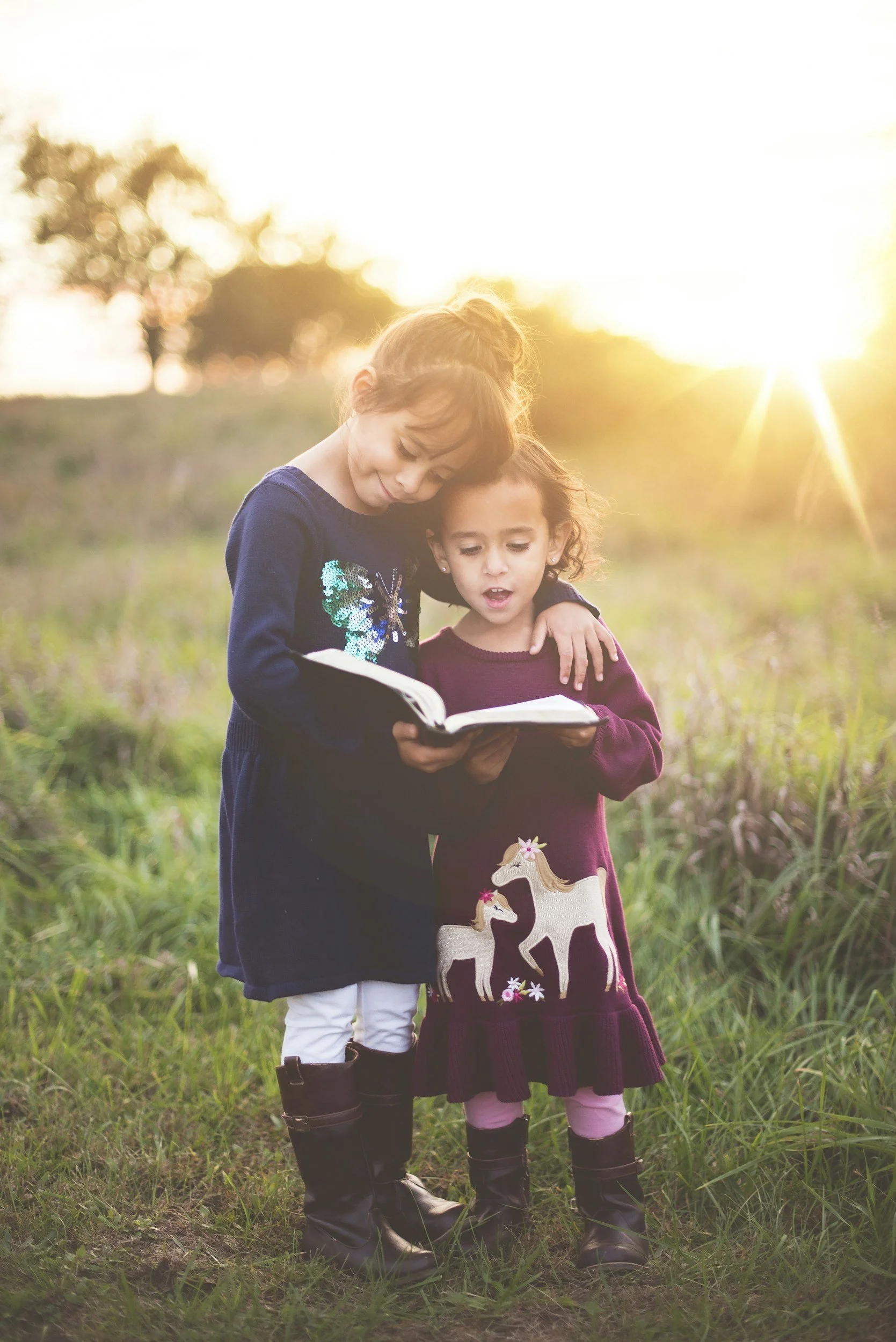
Week 3: Sharing with Pride (1st-5th)
Students dance freely during the Confidence Pose Parade (freezing in their strongest confident pose when the music stops), then play Bravery Freeze Dance — freezing in response to confidence challenges like "Freeze like a superhero!" — before taking turns leading the class in their own brave pose for everyone to copy.

Week 3: Sharing with Pride (TK-K)
Students dance freely during the Confidence Pose Parade (freezing in their strongest confident pose when the music stops), then play Bravery Freeze Dance — freezing in response to confidence challenges like "Freeze like a superhero!" — before taking turns leading the class in their own brave pose for everyone to copy.

Week 2: Growth Mindset (1st-5th)
Students draw and decorate a "Brave Brain" worksheet with things that help them keep trying (friends, practice, courage), then act out how to fix playful "oops" moments (spilled crayons, drew on the wrong paper) one at a time while the class cheers "We can fix it!"
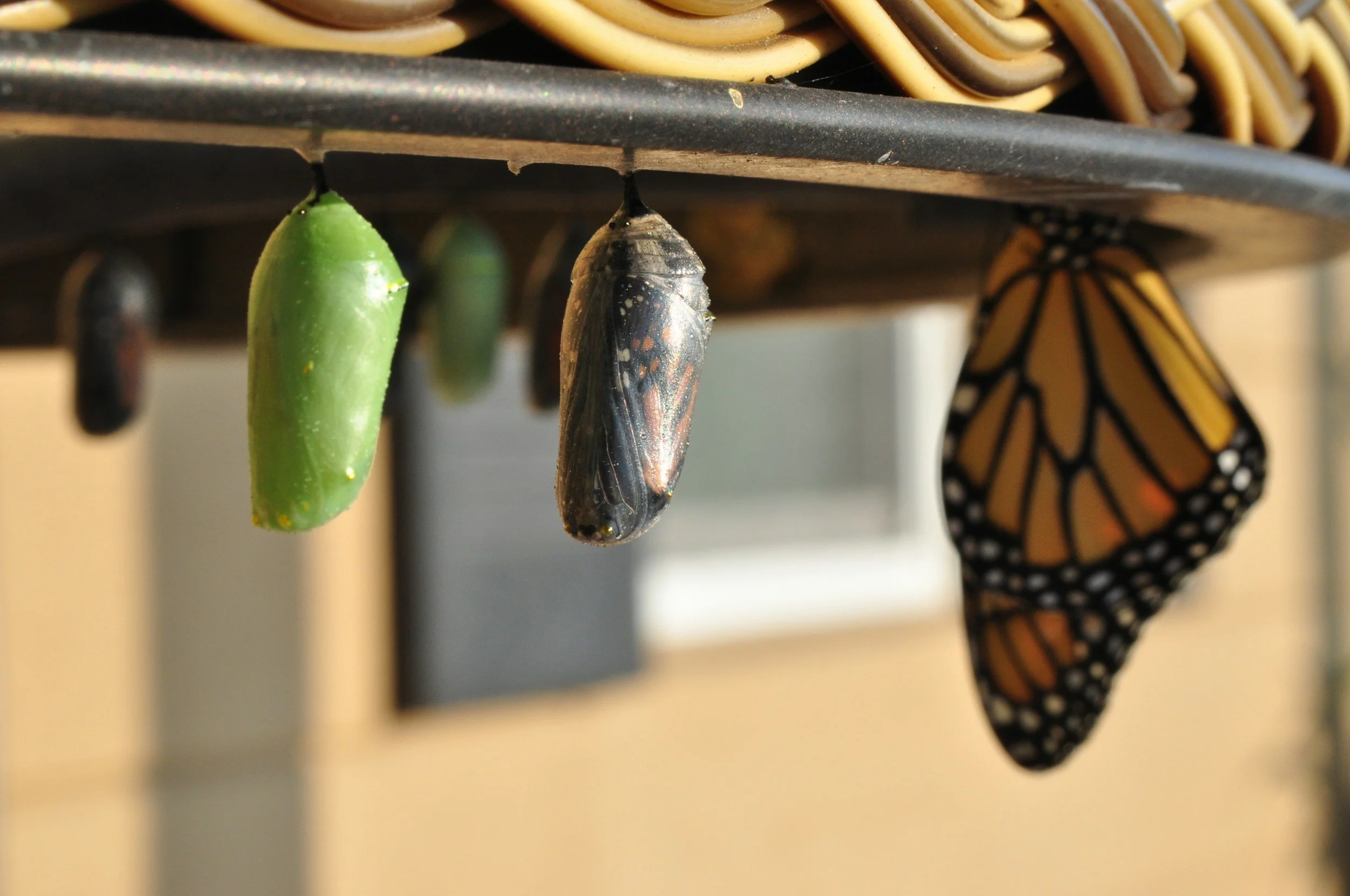
Week 2: Growth Mindset (TK-K)
Students draw and decorate a "Brave Brain" worksheet with things that help them keep trying (friends, practice, courage), then act out how to fix playful "oops" moments (spilled crayons, drew on the wrong paper) one at a time while the class cheers "We can fix it!"
Week 1: Celebrating Strengths (1st-5th)
Students strike "Confidence Poses" responding to fun prompts (brave superhero, proud artist, kind friend), then draw and decorate a "Confidence Juice Box" worksheet — filling it with the people, activities, and moments that make them feel strong and brave — and share one "ingredient" with the class at the end.

Week 1: Celebrating Strengths (TK-K)
Students strike "Confidence Poses" responding to fun prompts (brave superhero, proud artist, kind friend), then draw and decorate a "Confidence Juice Box" worksheet — filling it with the people, activities, and moments that make them feel strong and brave — and share one "ingredient" with the class at the end.
Week 5: Friendship Skills (1st-5th)
Students play Follow the Leader — taking turns leading the group through simple motions (clap, stomp, jump, spin) that everyone copies — then pair up for a Partner Share Game where one partner talks for 10–20 seconds about a simple prompt while the other practices active listening, then they switch roles.
Week 5: Friendship Skills (TK-K)
Students play Follow the Leader — taking turns leading the group through simple motions (clap, stomp, jump, spin) that everyone copies — then pair up for a Partner Share Game where one partner talks for 10–20 seconds about a simple prompt while the other practices active listening, then they switch roles.
Week 3: Kindness Signals (1st-5th)
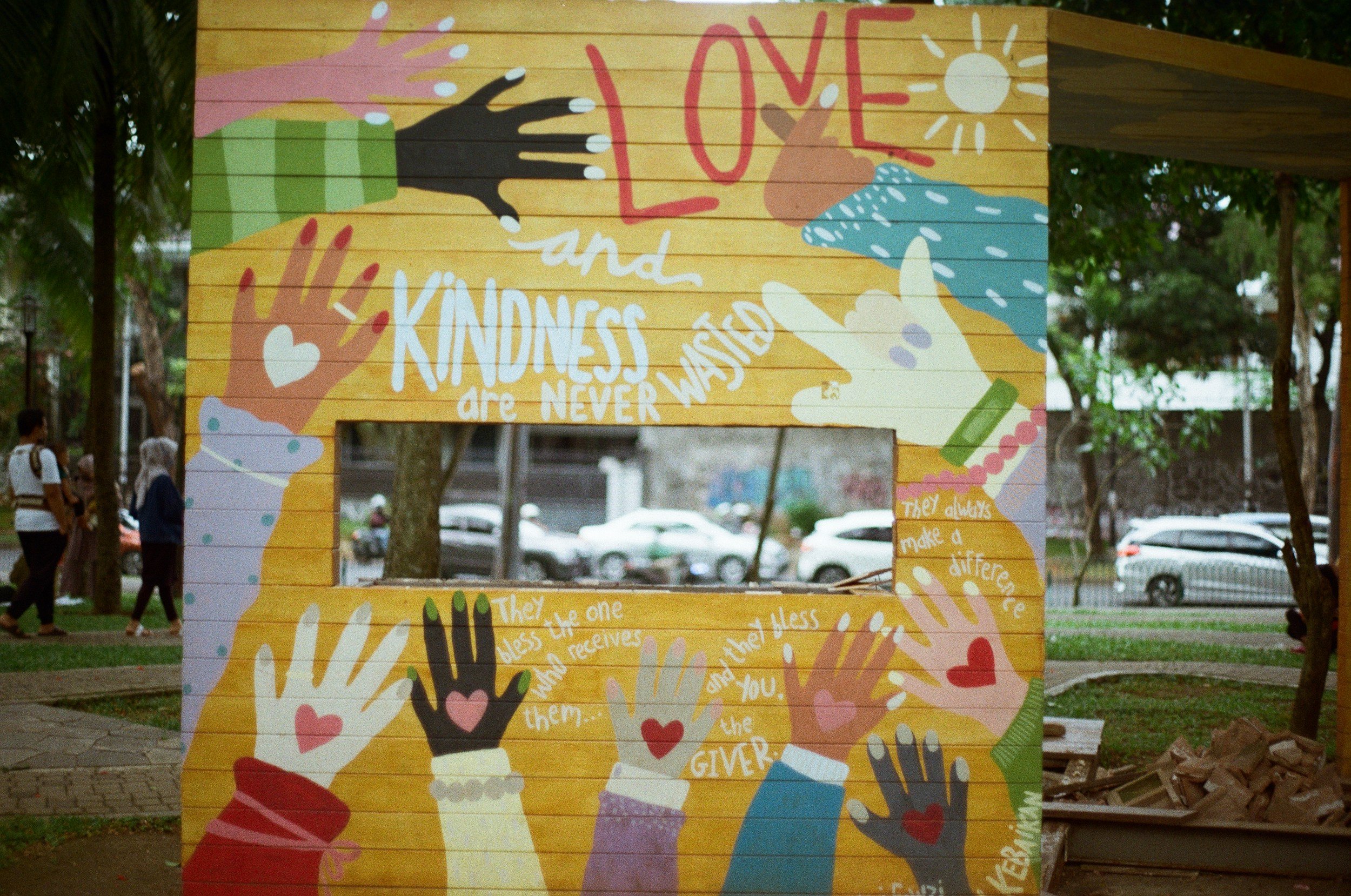
Students play the Mirror Game — taking turns leading a line of classmates through a series of moves everyone copies — then practice "kind signals" in pairs, with two students facing each other in the circle and choosing a kind gesture (thumbs-up, high-five, smile) to give each other while making eye contact.
Week 3: Kindness Signals (TK-K)
Students play the Mirror Game — taking turns leading a line of classmates through a series of moves everyone copies — then practice "kind signals" in pairs, with two students facing each other in the circle and choosing a kind gesture (thumbs-up, high-five, smile) to give each other while making eye contact.
Week 2: Working Together (1st-5th)
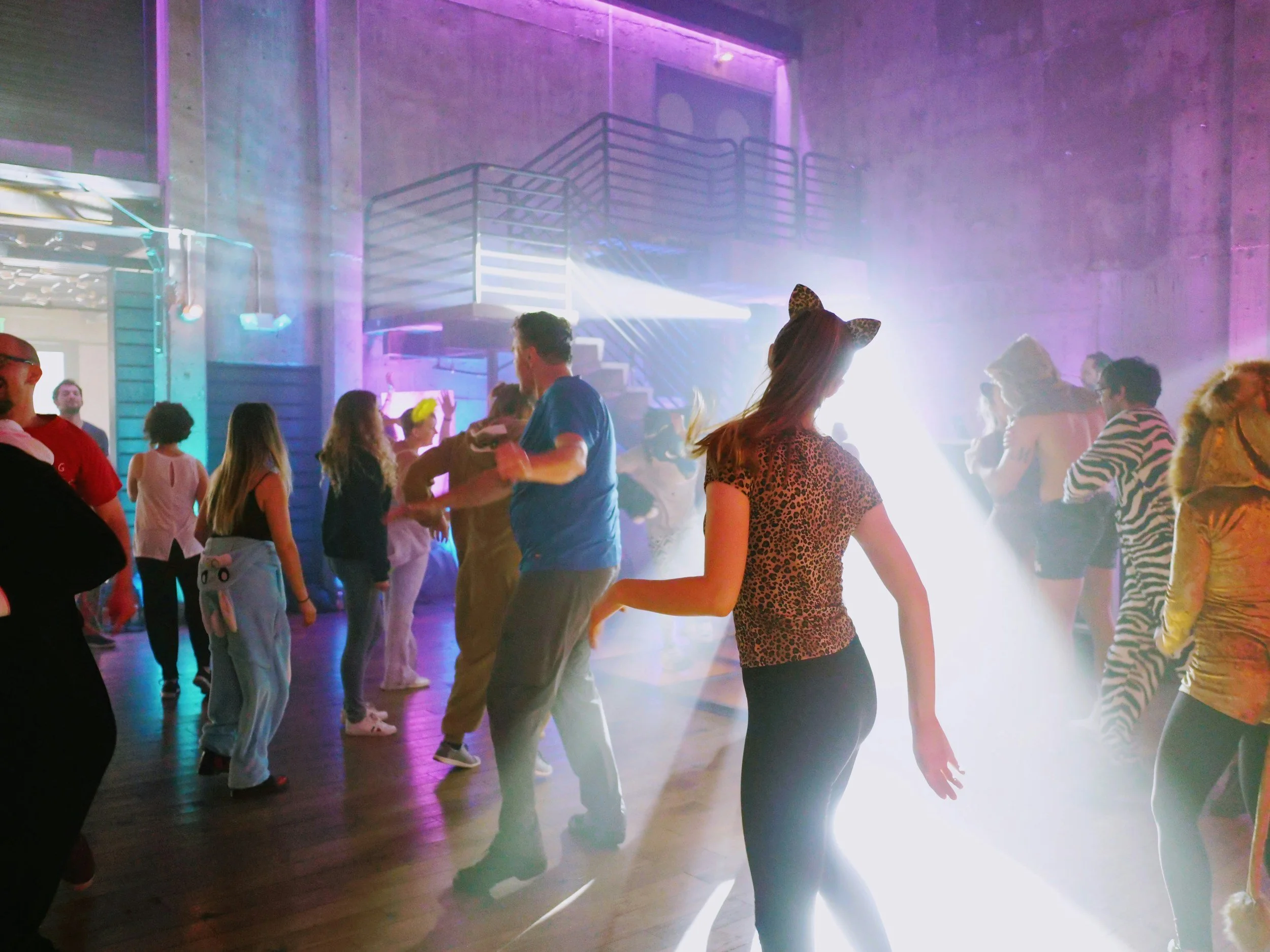
Students play Copy Cat Dance — taking turns standing in the middle of the circle, doing a move, and having everyone copy — then extend the activity with a group pretend adventure where each leader acts out what the group "sees" in an imaginary setting and everyone mirrors them.
Week 2: Working Together (TK-K)
Students play Copy Cat Dance — taking turns standing in the middle of the circle, doing a move, and having everyone copy — then extend the activity with a group pretend adventure where each leader acts out what the group "sees" in an imaginary setting and everyone mirrors them.
Week 1: Finding Common Ground (1st-5th)
Students play Partner Dance Freeze — taking turns leading and copying each other's dance moves until the music stops — then stay with their partner for one minute to find one thing they both like and share it with the class.
Week 1:Finding Common Ground (TK-K)
Students play Partner Dance Freeze — taking turns leading and copying each other's dance moves until the music stops — then stay with their partner for one minute to find one thing they both like and share it with the class.
Clustergrams
Students move around the room to find classmates who share the same answer to each statement (same breakfast, shoe size, favorite food, etc.), cluster together, and act out a mime representing their group before the next statement is called.