
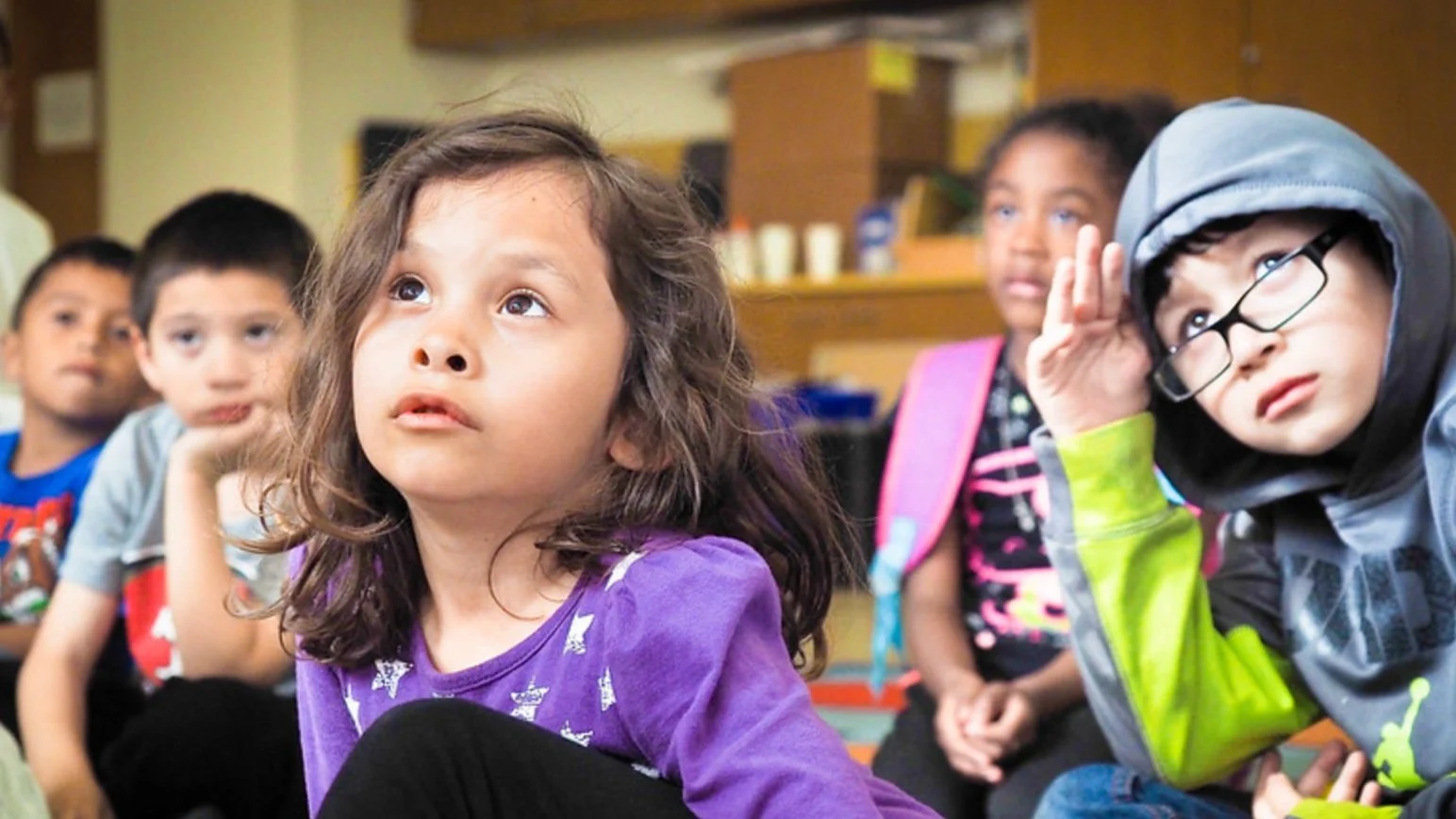
Second - Third Grade
Developmental Characteristics
Physical
Enthusiastic about games
Experiencing improvement in both gross and fine motor skills
Possess a high activity level
Practice to master variations of movement for physical activities
Enjoy games that allow for comparison of skills
Enjoy games that allow for self-f-improvement
Social Emotional
Have a strong drive toward independence
Develop a strong sense of loyalty to friends
Need to belong to a group
Play with and are friends with same-sex peers
Like to take on responsibility
Live in a world of games, rituals and humor inhabited only by children
Like to have a best friend
Have a rigid sense of right and wrong
Need help accepting peers who are different or left out of a group
Cognitive
Like to talk; use language to express feelings/tell stories
Developing a sense of time
Enjoy collecting things
Enjoy problem-solving games like treasure hunts
Can plan and carry out projects with adult support
Becoming more self-directed in activities
Better able to understand and appreciate differences of opinion



Week 8: Boss of My Body
Students play Duck, Duck, Goose with a different silly movement style each round (penguin, robot, skip, gallop, crawl), then complete a "Boss of My Body" worksheet exploring how their brain controls their body's movements.

Week 7: Draw What I Draw
Students play multiple rounds of Hot Potato at varying speeds, then follow along with a step-by-step drawing video (ice cream cone or Hello Kitty) pausing as needed to keep up.

Week 6: Don’t Pop the Bubble
Students blow bubbles and try not to pop any, then color quietly while soft music plays — challenged to stay quieter than the music or go completely silent.
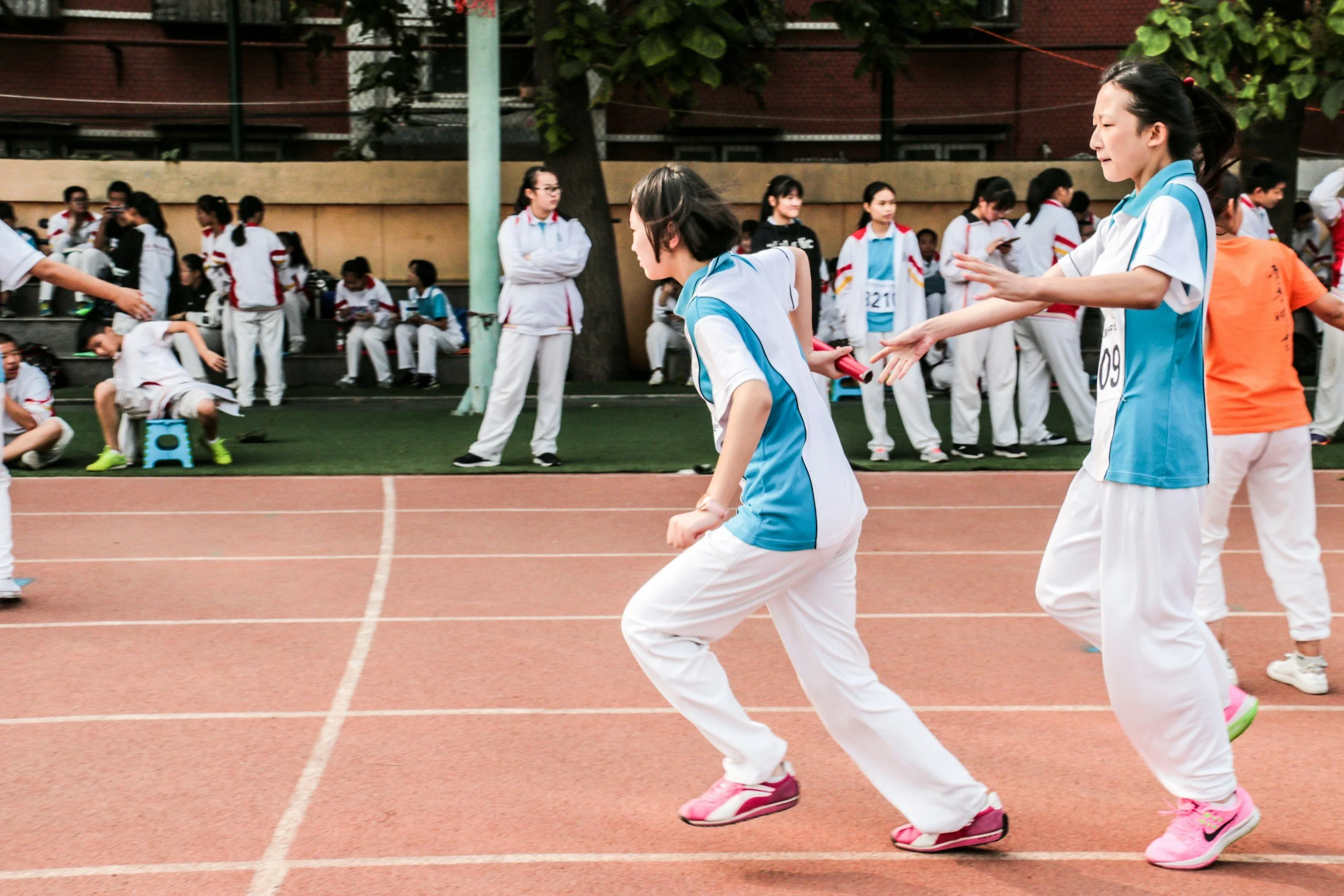
Week 5: Zones of Regulation Relay
Students act out emotions for each Zone of Regulation (blue, green, yellow, red) when called by name, then do a Zones Relay — moving around the room to music in silly ways and rushing to a colored zone when the music stops to practice coping strategies for that zone.

Week 4: Mystery Box Challenge
Students follow along to a Yo Gabba Gabba stretching and breathing song on the rug, then take turns reaching blindfolded into a mystery box while practicing self-control by keeping their guess to themselves until everyone has had a turn.

Week 3: Night at the Museum
Students play Night at the Museum (staying frozen as statues while a "janitor" with a flashlight tries to catch them moving), then fold and decorate paper airplanes and must wait for a whole-class countdown before flying them.
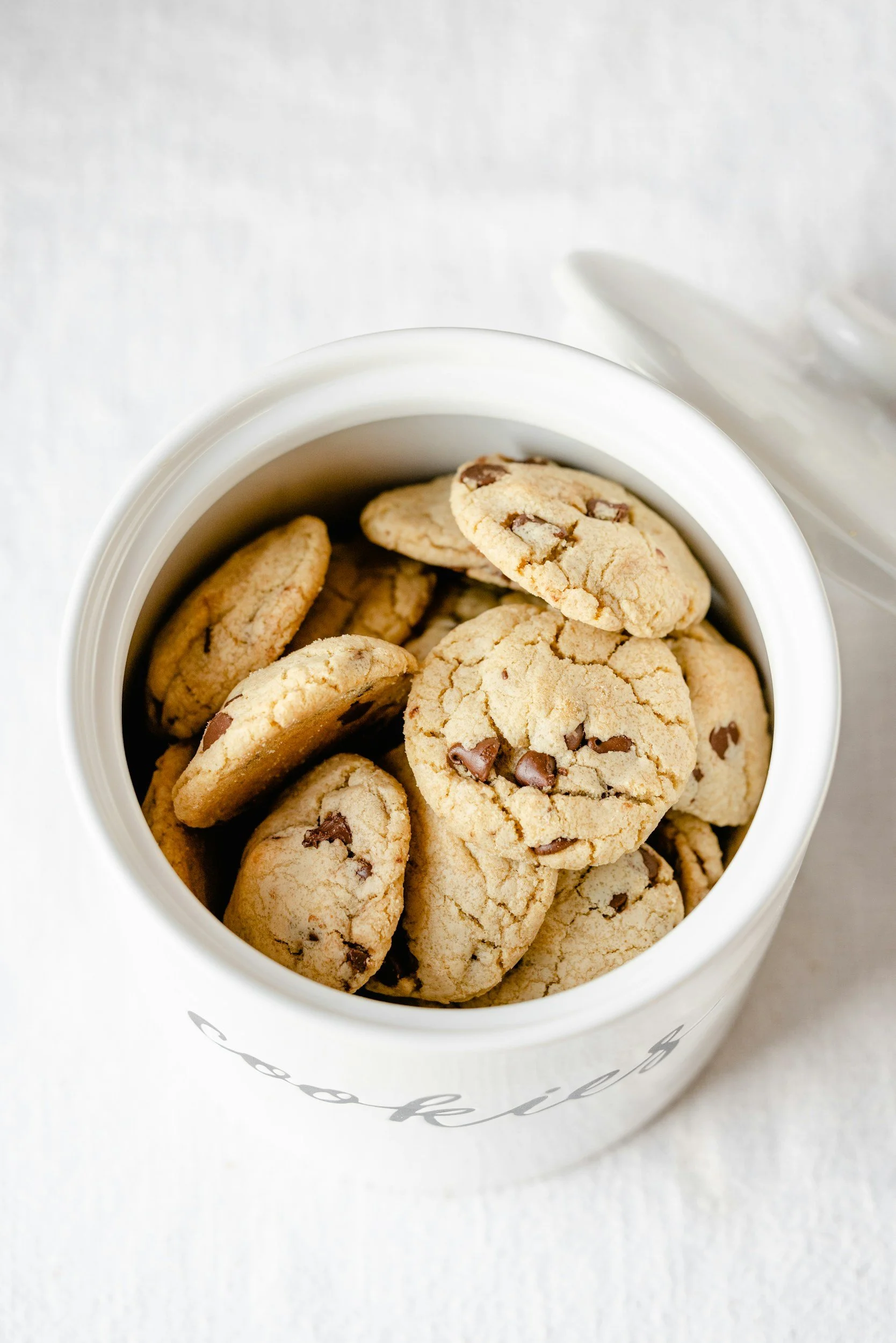
Week 2: Who Took the Cookie from the Cookie Jar?
Students sing "Who Took the Cookie from the Cookie Jar?" in a circle with a slap-clap rhythm, passing the chant around to each classmate. Then they decorate nila wafer cookies with frosting and sprinkles, challenged to resist eating until they're done decorating.

Week 1: Simon Says, Red Light Green Light
Students play Simon Says (winners or respectful sitters get to lead a round), then play Red Light, Green Light to the Squid Game audio, with eliminated students practicing silent cheering on the sidelines.

Week 6: Point of View
Students play This or That by choosing between picture pairs displayed on the board, then listen to general descriptions of everyday items (a pizza, a pet, a family, a toy, a dessert) and draw their own interpretation of each — sharing their drawings with the class to discover how everyone pictured the same words differently.
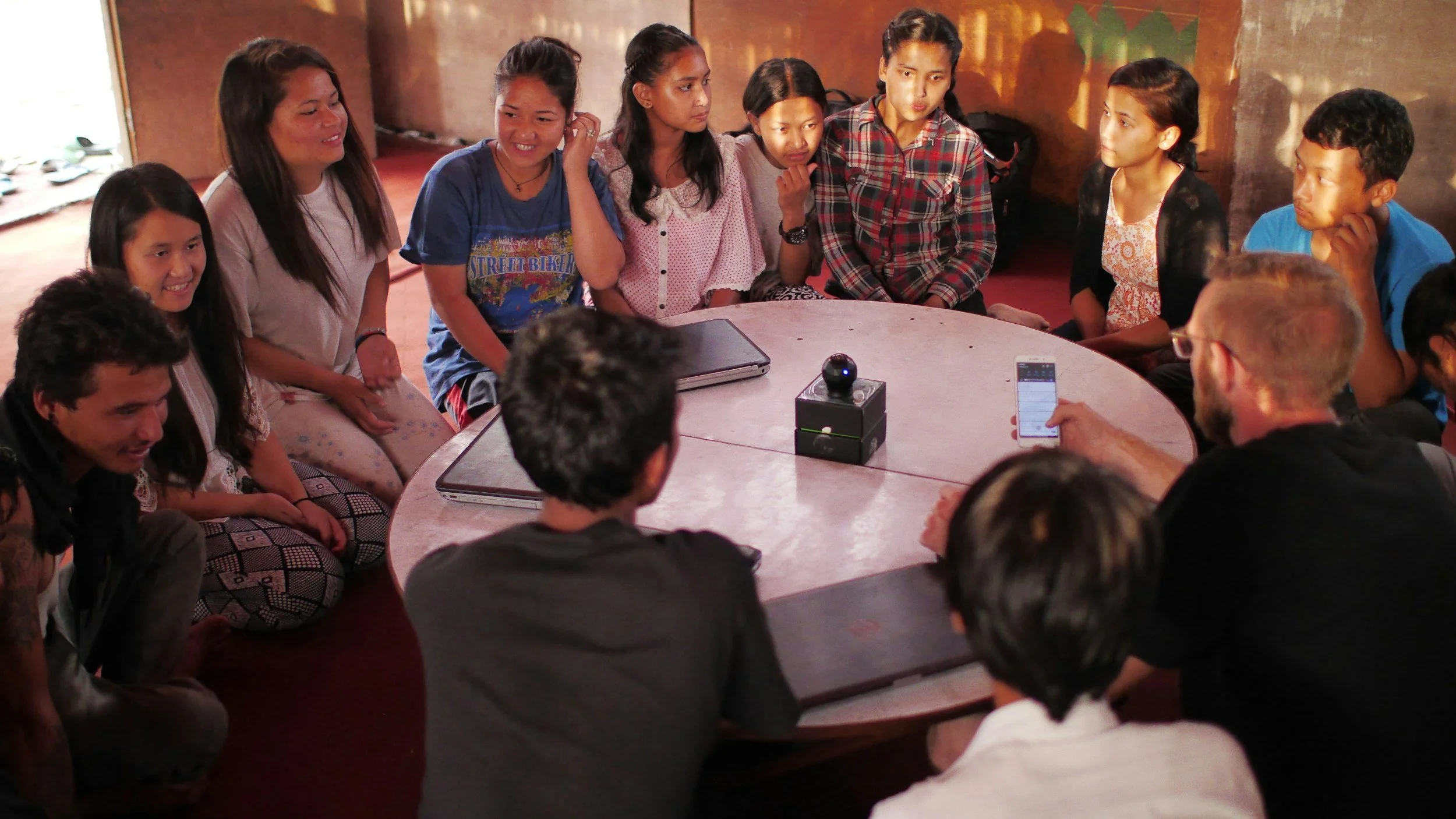
Week 7: Understanding Community
Students play Just Like Me (standing and doing a silly dance when a teacher-called attribute applies to them) across 5 rounds of shared traits. Then each student picks a kindness phrase, paints and decorates a rock with it, and places it in the class community garden.

Week 5: Bodies are cool (TK-2)
Students play Head, Shoulders, Knees, and Toes with 2-3 volunteers leading the class at different speeds, then listen to a read-aloud of Bodies Are Cool by Tyler Feder, draw 1-2 bodies from the book with an explanation of why they're cool, and finish with Strike a Pose — each student gets a 5-second runway walk or dance move in front of the class to a class-chosen song.
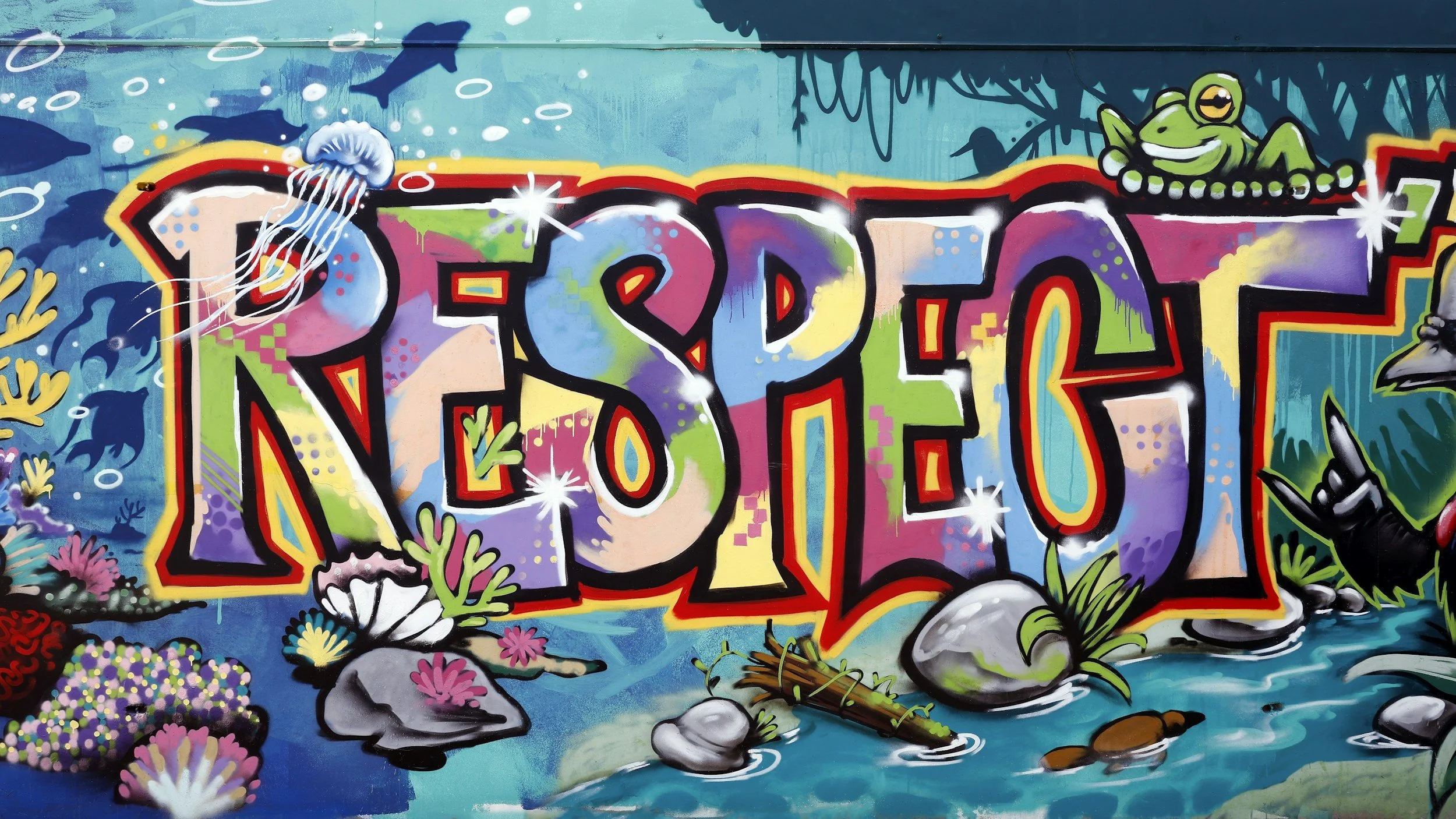
Week 4: Boundaries & Respect (TK-2)
Students play Listen and Learn in pairs — counting 1, 2, 3 back and forth while progressively replacing numbers with claps, stomps, and snaps across 5 rounds — then watch and sing along to "The Boundaries Song" before listening to a read-aloud of Don't Hug Doug (He Doesn't Like It) and discussing what boundaries are and why they matter.

Week 3: Displaying emotions (TK-2)
Students sing a modified "If You're Happy and You Know It" with verses for happy, mad, sad, and excited — acting out each emotion with their face and body — then play Emotions Bingo (1-3 rounds) using the feelings chart to identify emotions called out.
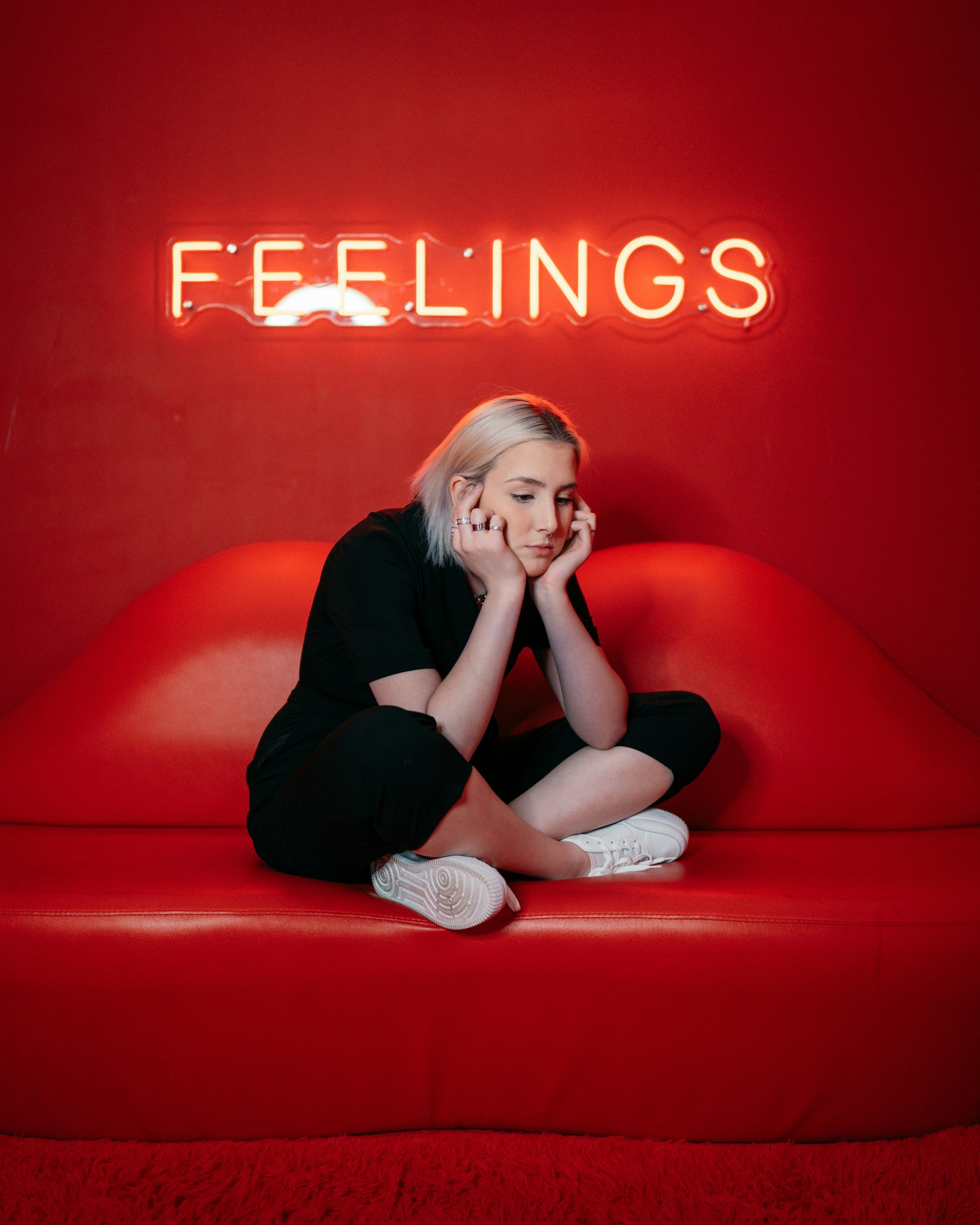
Week 2: Identifying emotions (TK-2)
Students dance to music and freeze while striking the called-out emotion (happy, mad, sad, worried, calm) for 5 rounds, then play Emotions Charades where each student gets 30 seconds to act out a teacher-assigned emotion from the feelings chart while classmates guess.
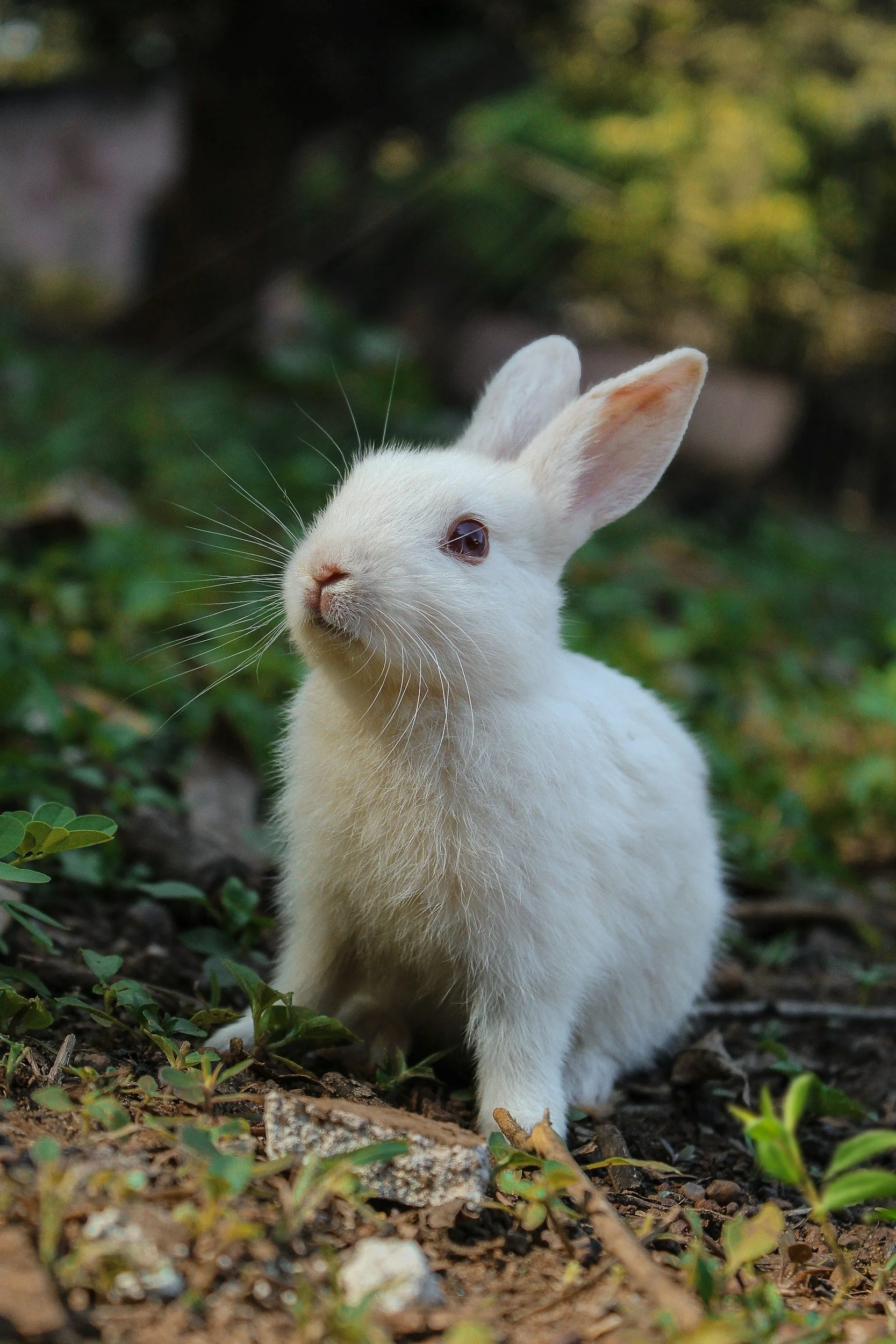
The Rabbit Listened (TK-2)
Students take turns adding one block at a time to build a class structure for the class stuffy, then listen to a read-aloud of The Rabbit Listened by Cori Doerrfeld, and finish by making paper Magic Listening Ears (bunny ears) out of construction paper or a paper plate.
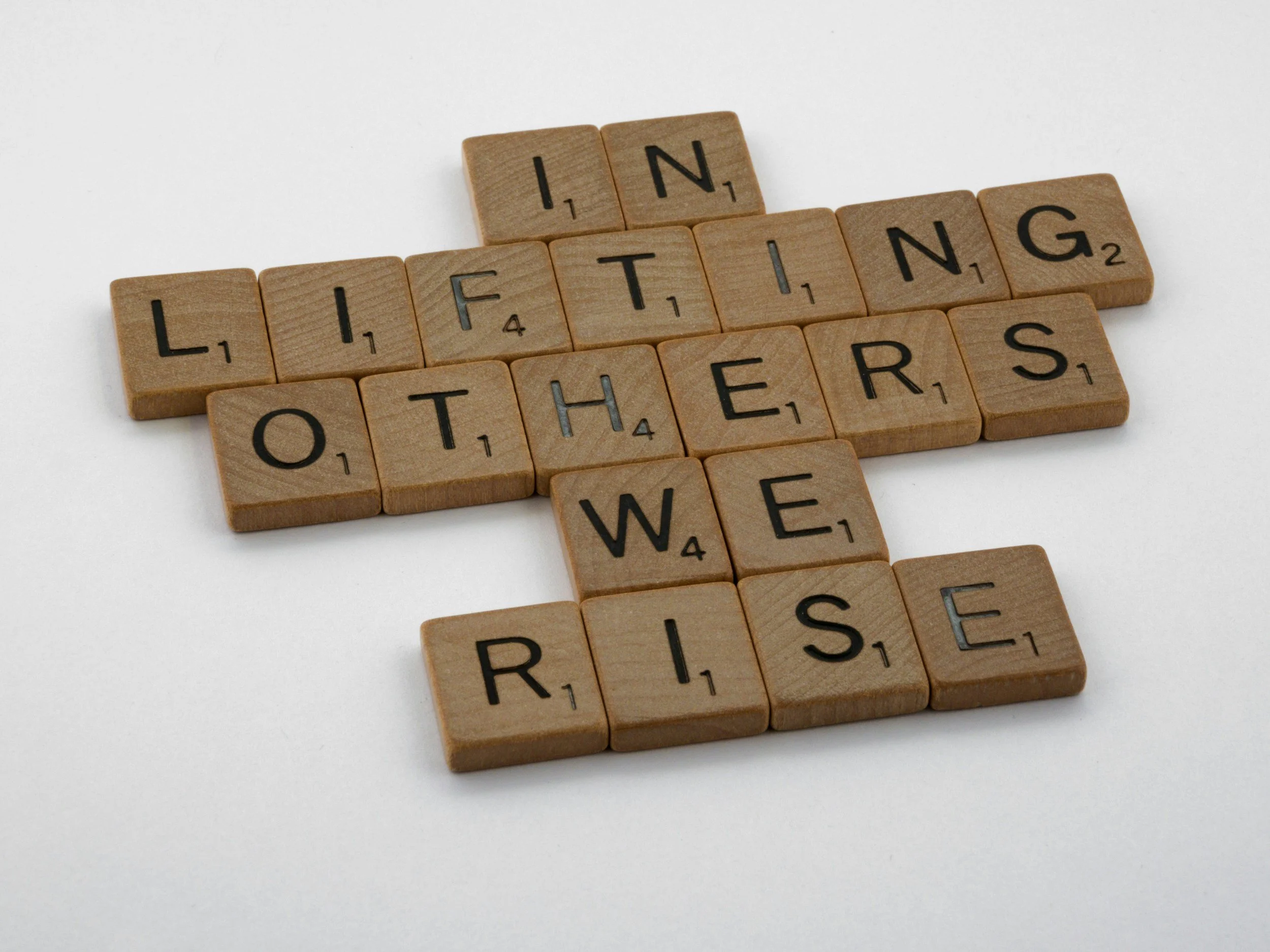
Week 2: Uplifting Others (TK-2)
Students build a Friendship Web by tossing yarn across a circle while saying something positive about the person they throw it to, then watch a Charlotte's Web storytime video, color and cut out a farm animal to glue on a popsicle stick, and use their puppet to practice walking up to peers and asking them to play.
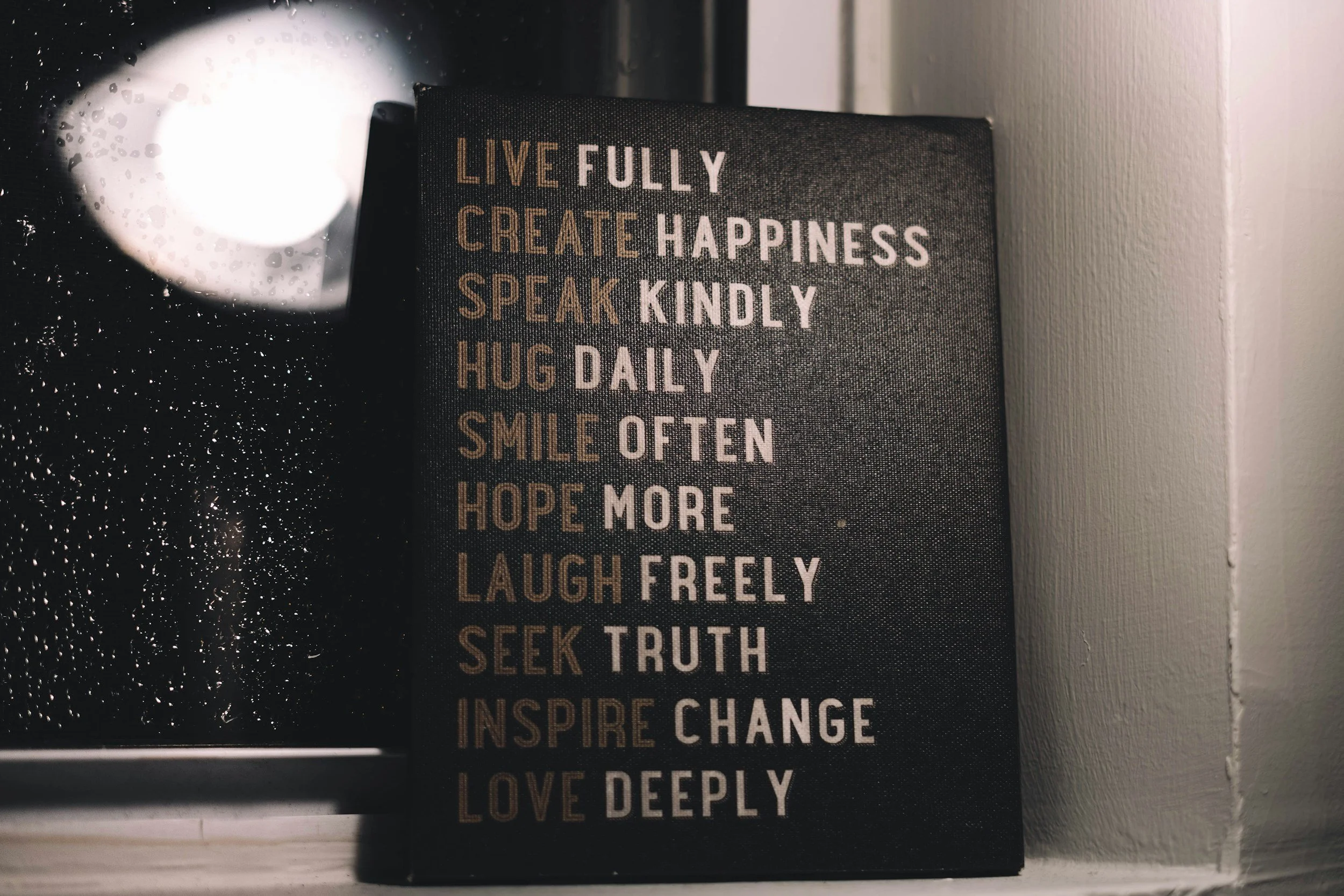
Week 1: Positive Self Talk (TK-2)
Students play Counting to 10 — working together as a class to count without overlapping or repeating numbers — then listen to a read-aloud of I Like Myself by Karen Beaumont, practice a guided mindful breathing minute, and complete an affirmation worksheet with a self-portrait to share with the class.

Week 6: Reflection and celebration (3-5)
Students play SEL-Style Musical Chairs — walking around chairs to music, but instead of eliminating anyone, everyone works together to find a spot when the music stops — then rotate through the SEL Scenario Celebration, where the teacher reads real-life scenarios (a friend crying, wanting to yell, fighting over a toy) and students respond or act out the best SEL solution.

Week 6: Reflection and celebration (TK-2)
Students play SEL-Style Musical Chairs — walking around chairs to music, but instead of eliminating anyone, everyone works together to find a spot when the music stops — then rotate through the SEL Scenario Celebration, where the teacher reads real-life scenarios (a friend crying, wanting to yell, fighting over a toy) and students respond or act out the best SEL solution.

Week 5: Conflict Resolution (3-5)
Students watch a movement brain break video about solving problems, then play the Scenario Challenge — the teacher dramatically acts out wrong choices (grabbing, interrupting, yelling) while students call out "NOT A GOOD CHOICE!" and shout Fix-It responses like using words, taking a breath, or walking away.