
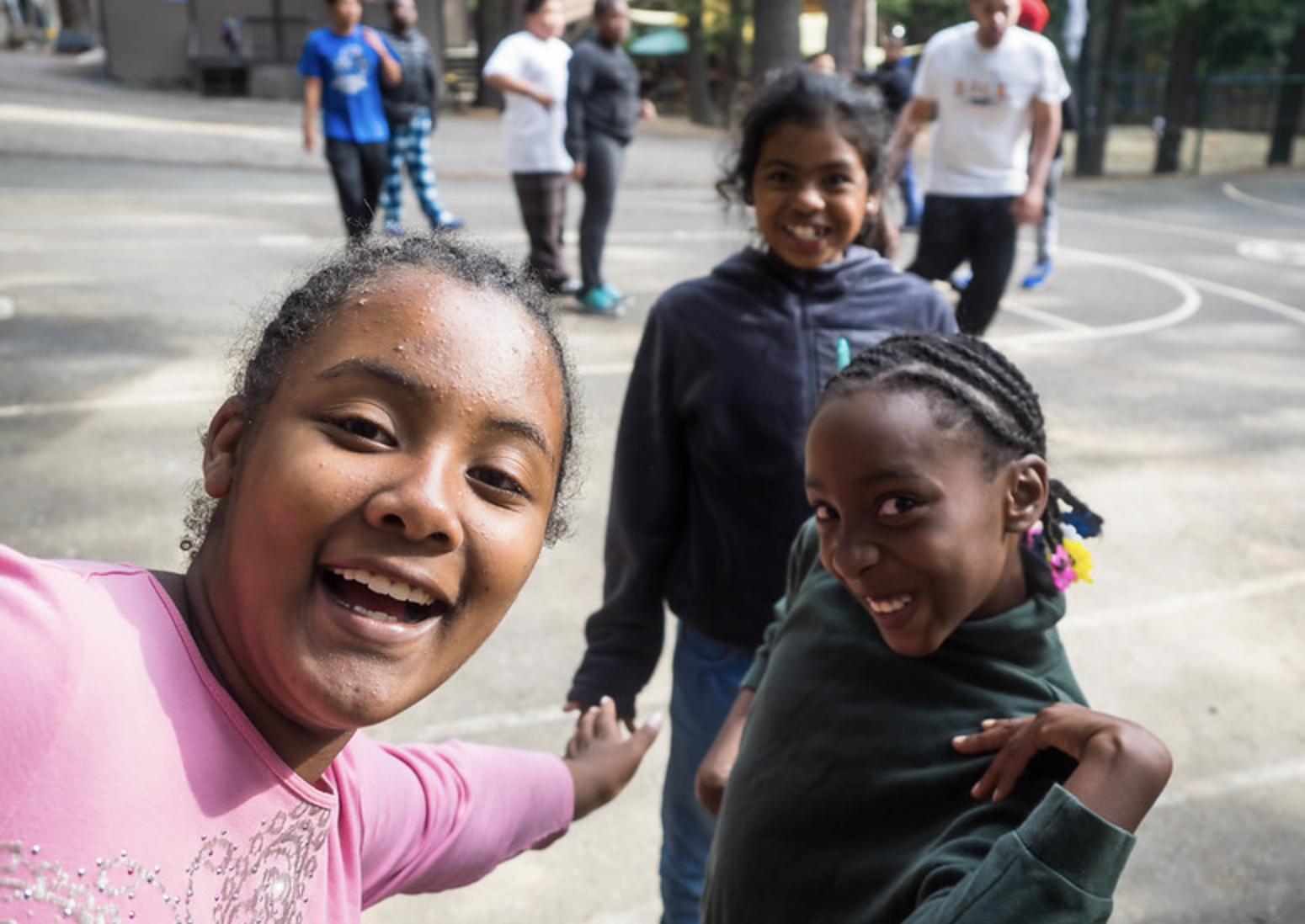
Fourth - Fifth Grade
Developmental Characteristics
Physical
May be careless about their clothes, room and body cleanliness
Girls may have sudden growth spurt and beginning signs of puberty
Enjoy physical activities that master specific skills
Enjoy competitive games
Possess a high activity level
Enjoy games that allow for comparison of skills
Enjoy games that allow for self-improvement
Social Emotional
Enjoy small, peer-dominated group discussions
Like to join organized groups
Are anxious to grow up
Are intensely loyal to their peer group
Form a close one-on-one friendship
Have a growing desire to assert individuality and independence
Can be daring and competitive
Can be critical of peers and adults
Are self-conscious of their abilities
Cognitive
Ask many questions and what thoughtful answers
Can often understand other points of view
Developing strong interests, hobbies, and collections
Enjoy daydreaming
Enjoy problem solving games and puzzles, etc.
Enjoy rule-based games
Are beginning to develop view about social/global issues
Beginning to enjoy humor by telling jokes and understanding sarcasm


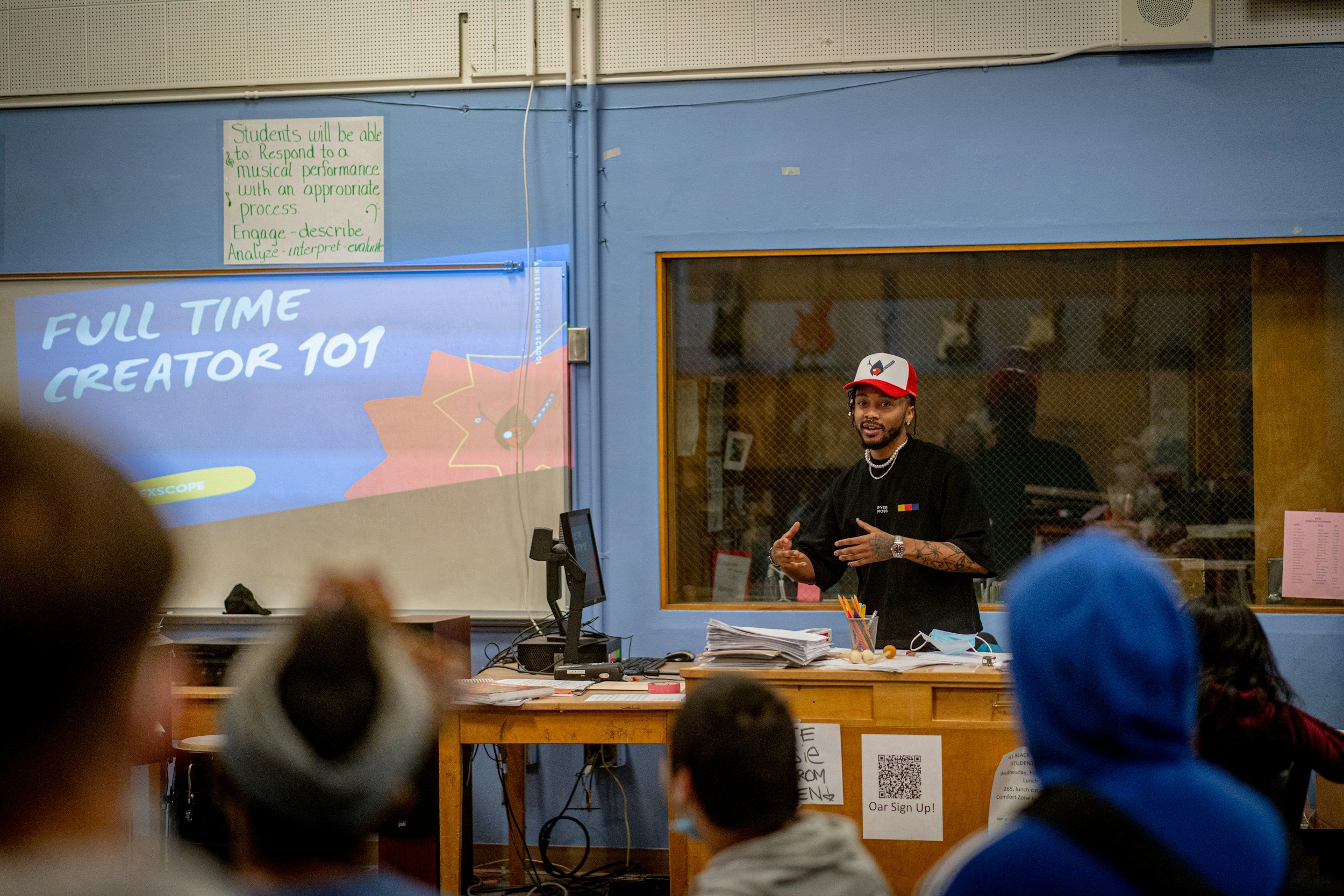
Among Us: Teacher is the Imposter
Students design their own Among Us/Roblox character, then work together to solve a mystery — figuring out how a teacher's character broke their leg when the lights went out, questioning the "victim" rather than blaming peers.
Read the Room
Students vote with their fingers (1, 2, or 3) to label each of five real-life scenarios — a quiet friend, a "ok" text, a hallway bump, being left out of plans, a teacher correction — as an overreaction, underreaction, or just-right response, then discuss what the balanced answers have in common and why it's easy to misread situations.

Would You Rather: SEL Edition
Students respond to five real-life social scenarios (friend drama, group chat conflict, feeling left out, bad mood day, argument with a friend) by choosing between two reactions and briefly discussing which choice leads to better outcomes, then learn the STOP skill (Stop, Take a Breath, Observe, Pick your response) as a tool to use before reacting in real life.

Idea Machine
Students sit in a circle and take turns rapidly naming something from a given category (foods, animals, countries, emotions, etc.) with no repeats and a 3–5 second time limit per person, playing multiple rounds with progressively harder categories.

Situation Reflections
Students physically move to one of four corners of the room labeled A, B, C, or D to show how they would react to real-life conflict scenarios (a friend breaking your sunglasses, someone showing up an hour late, being teased about your appearance), then discuss their choices and what self-control looks like in each situation.

Empathy Walk
Students move to one of three designated spots in the room (Agree, Disagree, Not Sure) in response to empathy statements read aloud, then discuss why they chose their spot and what empathy could look like in each scenario.
Someone Else’s Shoes
Students complete the "Are You Empathetic?" self-assessment worksheet and discuss empathetic listening behaviors as a class, then receive a character card from "Someone Else's Shoes" and practice empathy in pairs by taking turns sharing their character's situation while the partner listens and responds with genuine empathy.

My Strength Spotlight
Students write down one personal strength individually, then pair up to share it with a partner who responds by naming a strength they see in them in return.

Letter to Myself
Students write a letter to themselves listing things they like about themselves — brainstormed together as a class first — which is then sealed and saved to be delivered back to them at a later date.
Confidence Card
Students write a list of personal strengths, improvements, or a thank-you note to themselves on an index card, then decorate it with colors and doodles — the cards are collected and saved to be given back to students on hard days.
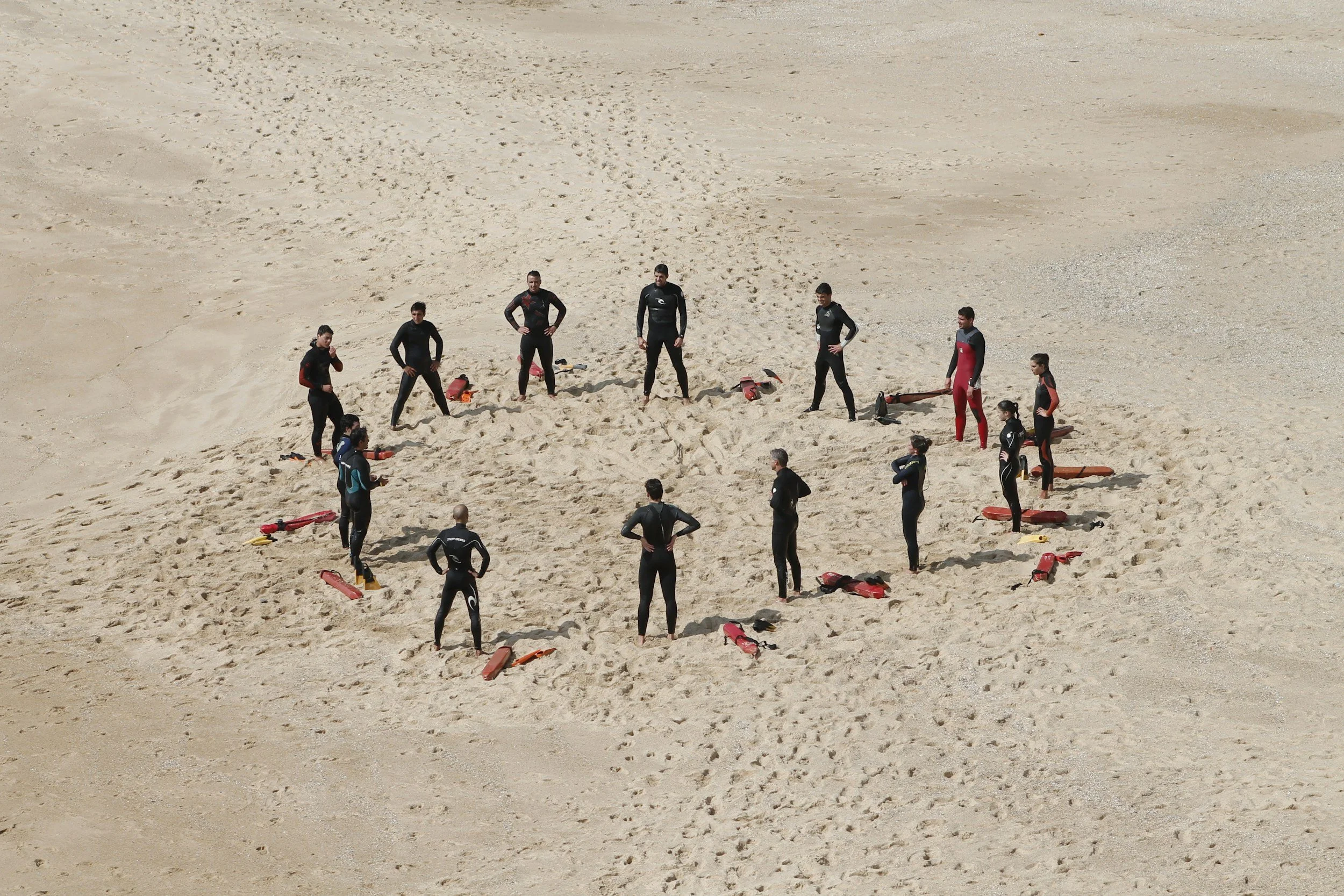
Strengths Circle
Students sit in a circle and take turns sharing a personal strength, with each person first repeating all the strengths named before them and then adding their own — building a growing chain of affirmations around the room.
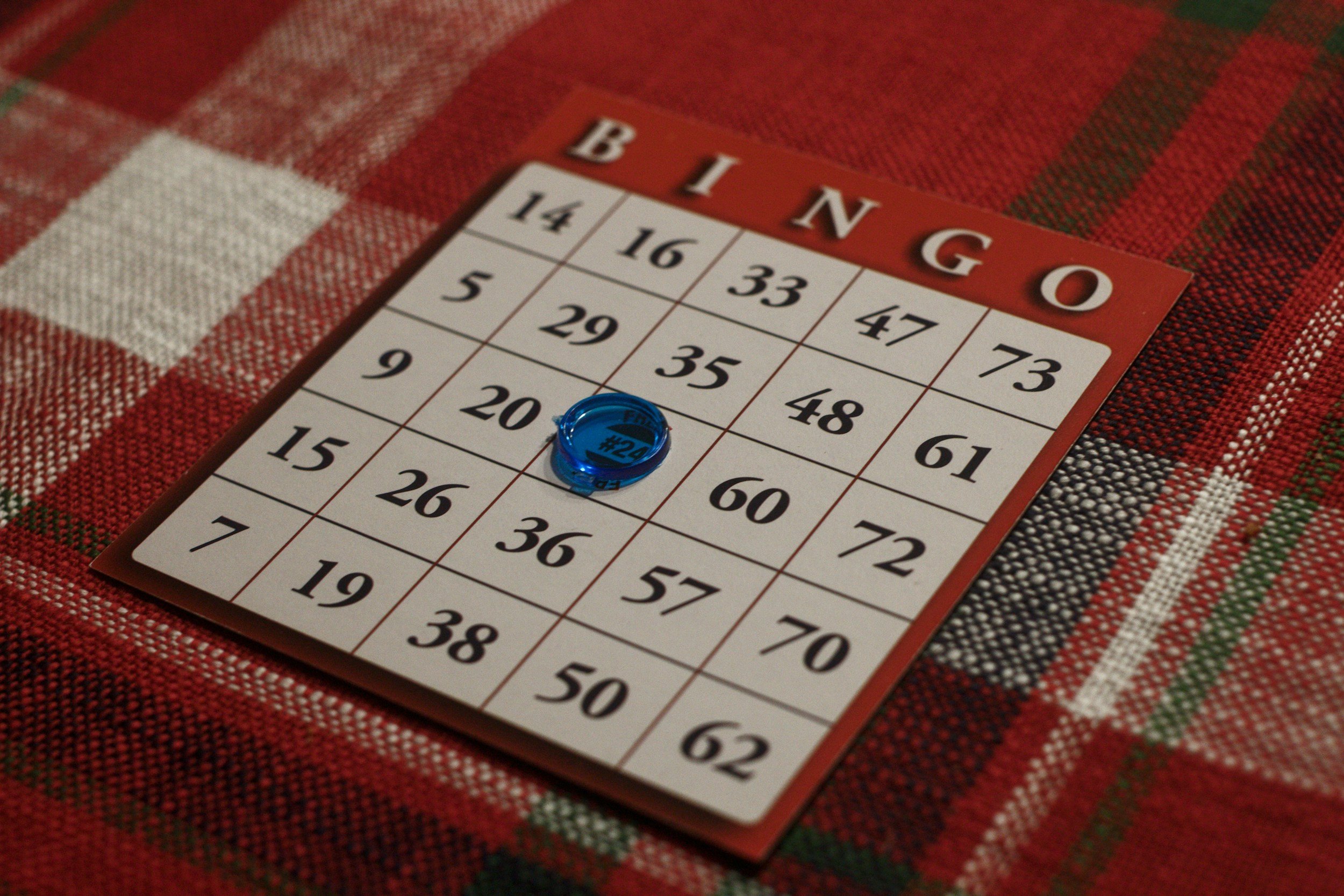
Human Bingo
Students mingle around the room playing Human Bingo — approaching classmates to find someone who matches each square on their bingo grid, collecting their signature in that spot (one signature per person per card) — racing to be the first to fill their entire card and call "BINGO!"

The I Wonder Ball
Students play "No, No, No…THIS Is What Happened" in a circle — each person creatively replacing the previous person's silly excuse with their own — then toss a numbered ball around the room, answering increasingly personal reflection questions (across three levels) based on whichever number their right thumb lands on when they catch it.

What is it?
Students take turns drawing one puzzle piece at a time from a mystery bag, guessing what the full picture might be after each piece, and connecting pieces together as a group until someone figures out the image — then discuss how jumping to conclusions from limited information connects to real-life gossip and judgment.
Common Ground
Students play Common Ground — moving around the room to group themselves by shared preferences (favorite season, music taste, cat vs. dog person) and briefly connecting with classmates who made the same choice — then play Moment of Memory, listening to six words read aloud and racing to write down as many as they can remember across multiple rounds.
The Rubber Band Tower
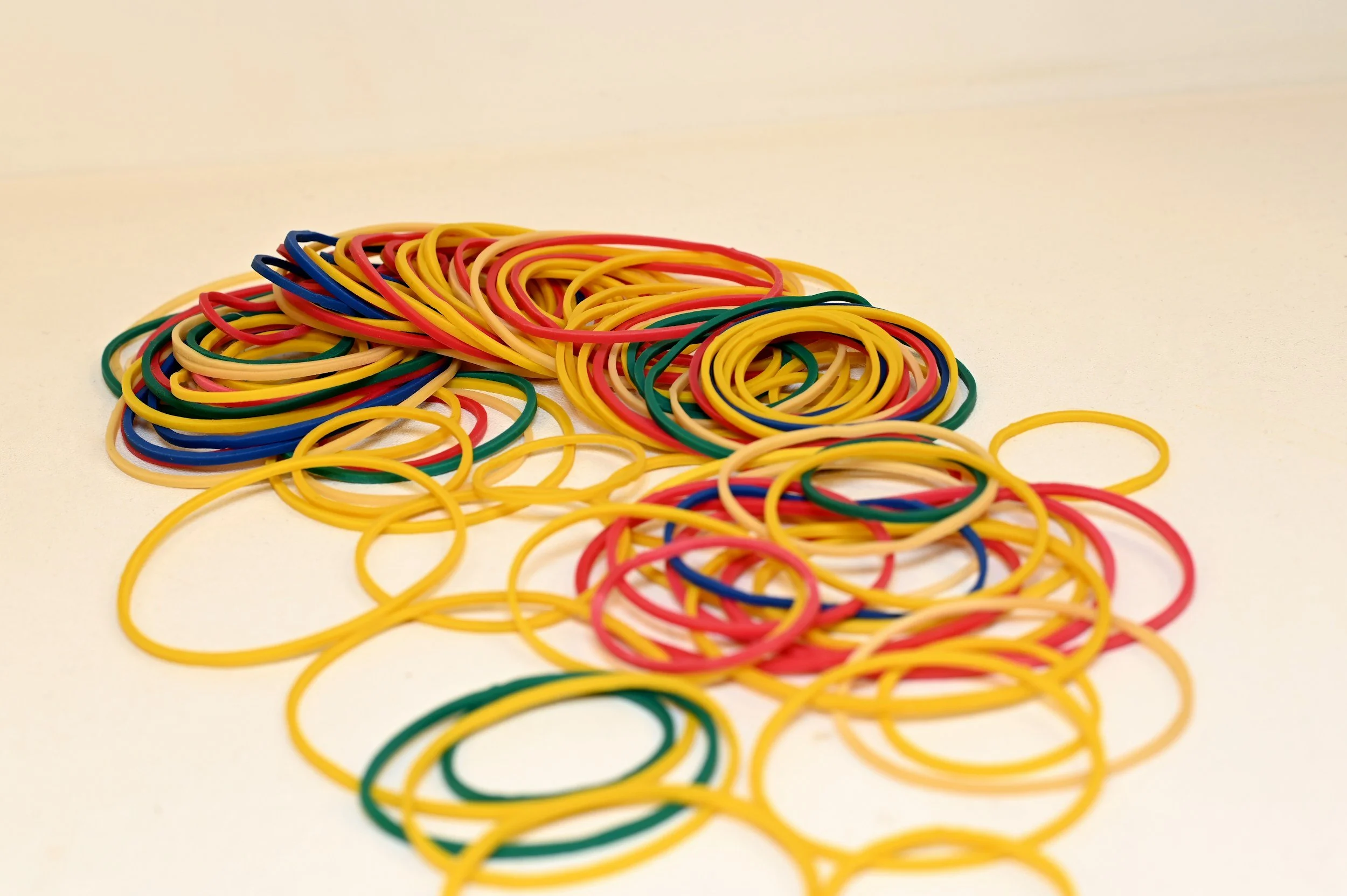
Students play Would You Rather (moving to opposite sides of the room for each answer on relationship-themed questions), then work in small groups on the Cup Stacking Challenge — each person holds a rubber band string connected to a shared center band and the group uses it to lift and stack cups into a pile, tower, or pyramid without touching them directly.

Week 6: Reflection and celebration (3-5)
Students play SEL-Style Musical Chairs — walking around chairs to music, but instead of eliminating anyone, everyone works together to find a spot when the music stops — then rotate through the SEL Scenario Celebration, where the teacher reads real-life scenarios (a friend crying, wanting to yell, fighting over a toy) and students respond or act out the best SEL solution.

Week 5: Conflict Resolution (3-5)
Students watch a movement brain break video about solving problems, then play the Scenario Challenge — the teacher dramatically acts out wrong choices (grabbing, interrupting, yelling) while students call out "NOT A GOOD CHOICE!" and shout Fix-It responses like using words, taking a breath, or walking away.

Week 4: Decision making steps (3-5)
Students play Zoo — competing to pick a different animal body pose than the leader on the count of three — then practice the Stop, Think, Choose strategy through a movement game (TK–K) where they freeze, point to their head, and move on cue between different locomotor actions, or act out scenarios applying the three steps (1st–2nd).

Week 3: Team Problem-Solving Games (3-5)
Students play Team Freeze Challenge — moving around the room and freezing on cue to solve a quick group challenge together — then play "What Would You Do?", turning and talking with a partner about how to handle each school problem scenario before sharing or acting it out for the class.