
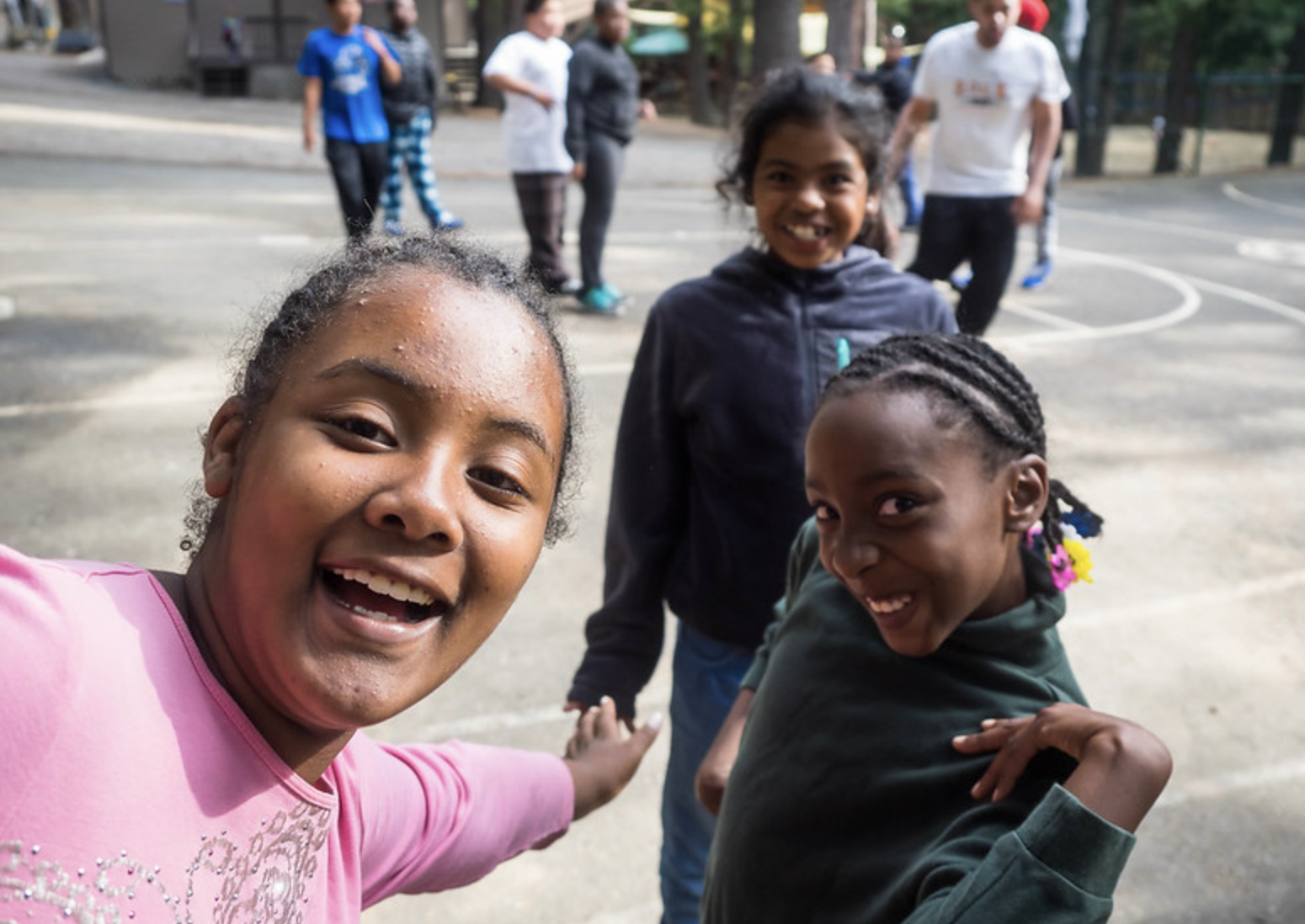
Fourth - Fifth Grade
Developmental Characteristics
Physical
May be careless about their clothes, room and body cleanliness
Girls may have sudden growth spurt and beginning signs of puberty
Enjoy physical activities that master specific skills
Enjoy competitive games
Possess a high activity level
Enjoy games that allow for comparison of skills
Enjoy games that allow for self-improvement
Social Emotional
Enjoy small, peer-dominated group discussions
Like to join organized groups
Are anxious to grow up
Are intensely loyal to their peer group
Form a close one-on-one friendship
Have a growing desire to assert individuality and independence
Can be daring and competitive
Can be critical of peers and adults
Are self-conscious of their abilities
Cognitive
Ask many questions and what thoughtful answers
Can often understand other points of view
Developing strong interests, hobbies, and collections
Enjoy daydreaming
Enjoy problem solving games and puzzles, etc.
Enjoy rule-based games
Are beginning to develop view about social/global issues
Beginning to enjoy humor by telling jokes and understanding sarcasm



Motivational Speeches
Students watch a motivational TED Talk or video, discuss what made it effective, then write their own motivational speech or video script to share with the class.

Motivational Self Talk Book
Reflect on what types of statements energize and motivate them, create their own motivational self-talk statements and turn them into a book, and share and discuss their statements with classmates.

Moment of Memory
The facilitator reads six words from a TABOO card aloud, then signals "Go!" and students race to write down as many words as they can remember — playing multiple rounds with new cards and discussing strategies for improving focus and listening.

Measuring Self Esteem
Students privately rate their own self-esteem on a 1–10 scale and reflect on what shapes it, then choose a role model with high self-esteem and create a collage or drawing of that person's qualities — sharing connections between their role model and themselves.

Meaningful Photos
Students will create a collage using photos they took of meaningful people, places, and objects in their lives, then write a personal reflection explaining the significance of each image.


Lucky Number
Students will move to one of four numbered corners based on personal preference questions (e.g., "Are you most like summer, winter, spring, or fall?"), discuss their choices with classmates in the same corner, and earn points when the die lands on their number. The game creates a low-pressure way for students to learn about each other and build relationships through conversation.

Lucky Letters
Teams draw a random letter tile, then race to come up with a positive word starting with that letter to describe every person in the class — sharing their lists aloud and then discussing how it felt to hear the words others chose for them.

Emotion Ambassadors
Students watch Sir Ken Robinson’s TED Talk “Do Schools Kill Creativity?” and step into the role of Emotion Ambassadors — brainstorming, prioritizing, and electing peers to lead initiatives that bring creativity and emotional intelligence to the wider school community.

Life Just Got Real
In small groups, students choose a real-life challenging scenario (e.g., a friend using drugs, a parent's divorce) and create a five-section poster mapping out the fears, opportunities, possible actions, and consequences — then do a gallery walk to add to each other's posters before presenting to the class.

Letters Home
Over several sessions, each student secretly observes an assigned classmate and tracks their positive qualities, then writes a formal letter to that classmate's family describing the strengths they witnessed — which is mailed home after a draft-and-revise process.

Letter to Myself
Students will identify their positive qualities and write a letter to themselves — building self-confidence by giving themselves the kind of encouragement they often save for others.

Let the Hot Air Out of Bullies
Students will write a bullying problem on an inflated balloon, brainstorm solutions, and release the balloon when the class agrees on a good solution — symbolically "deflating the bully." Through this activity, students practice empathy and critical thinking to develop strategies for standing up for themselves and others.

Keep ‘Em Afloat
To introduce the concept of doing a good job by yourself and in a team, and to have participants explore ways they can be helpful to each other and their communities.

It’s Your Move
To discuss real issues that are occurring in the group, and to encourage participants to come up with their own solutions to real problems.

Intentional Family Tree
Students journal about what family means to them, discuss the concept of "intentional family" (chosen relationships beyond biology), then create an illustrated family tree featuring the people they consider family — noting why each person belongs — and write a reflection on how they show those people they're valued.

Inspiration Road Map
Students rotate through gallery-walk brainstorm posters about what inspiration means to them, then use those ideas to create a personal visual "Inspiration Roadmap" — a collage or drawing of the specific people, places, and things they can turn to when they feel uninspired.

Inside Me, Outside Me
Students will create a drawing or collage that expresses how they see themselves and how others see them — building self-confidence by giving voice to who they are on the inside.

I Wonder Ball
Students toss a numbered ball around the circle, and wherever their right thumb lands determines which reflection question they answer — progressing through three increasingly personal levels (from "What's your happy place?" to "What would you do if you weren't afraid?") with the option to pass at any time.

Honey, I Love
Students will be able to identify the people, places, and things they love — building self-confidence by recognizing the joy and goodness already present in their own lives.