
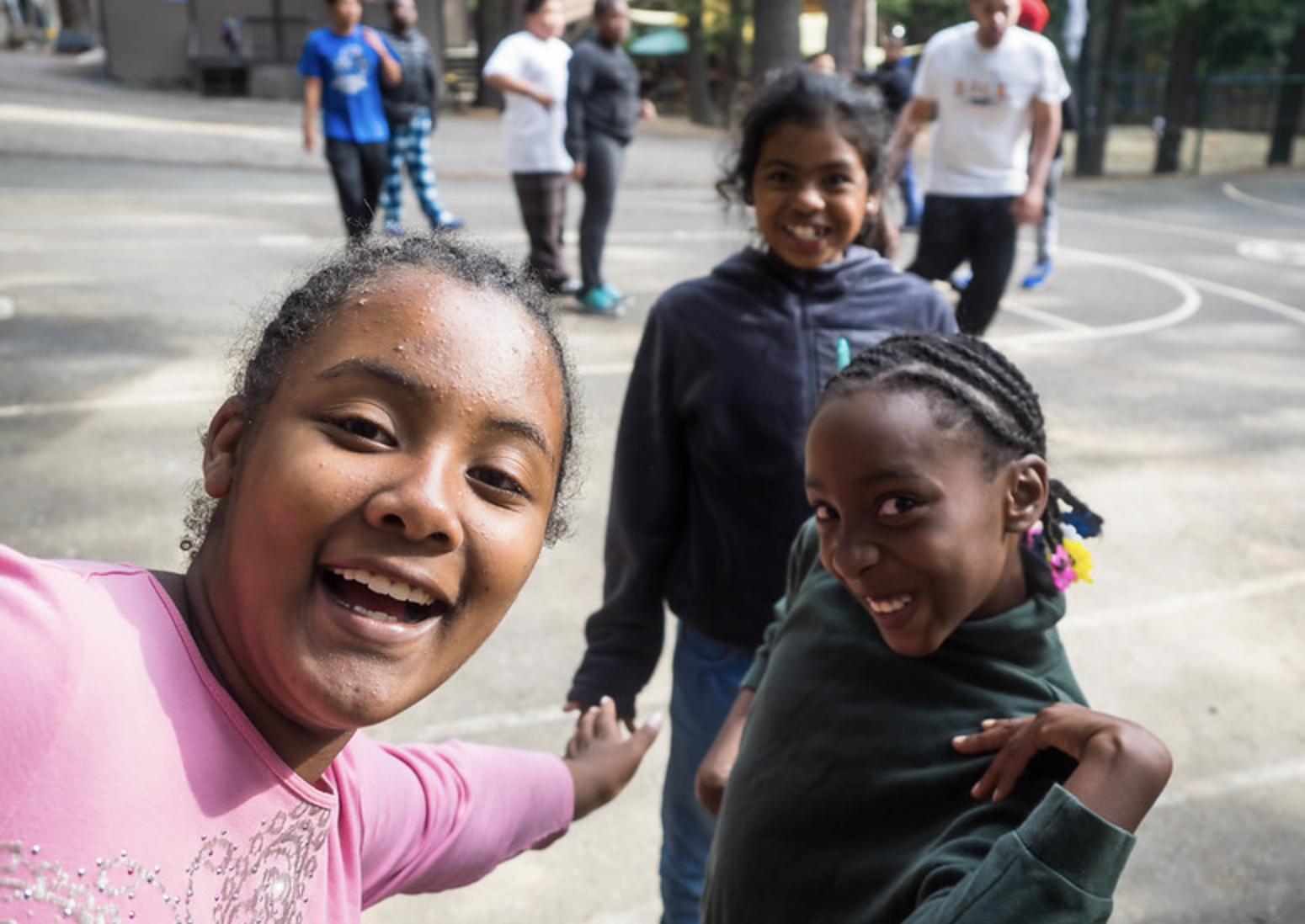
Fourth - Fifth Grade
Developmental Characteristics
Physical
May be careless about their clothes, room and body cleanliness
Girls may have sudden growth spurt and beginning signs of puberty
Enjoy physical activities that master specific skills
Enjoy competitive games
Possess a high activity level
Enjoy games that allow for comparison of skills
Enjoy games that allow for self-improvement
Social Emotional
Enjoy small, peer-dominated group discussions
Like to join organized groups
Are anxious to grow up
Are intensely loyal to their peer group
Form a close one-on-one friendship
Have a growing desire to assert individuality and independence
Can be daring and competitive
Can be critical of peers and adults
Are self-conscious of their abilities
Cognitive
Ask many questions and what thoughtful answers
Can often understand other points of view
Developing strong interests, hobbies, and collections
Enjoy daydreaming
Enjoy problem solving games and puzzles, etc.
Enjoy rule-based games
Are beginning to develop view about social/global issues
Beginning to enjoy humor by telling jokes and understanding sarcasm



Recyclart
In groups of three, students select recycled materials from a shared bag and collaboratively build a piece of art that represents one of their community values, then present their artwork to the class explaining how the materials embody that value before displaying it as a hallway installation.

Puzzlemania
Students each draw a puzzle piece from a bag, then move around the room to find classmates whose pieces complete the same community agreement poster — then their group creates and performs a cheer or rap (with movement) celebrating that agreement.
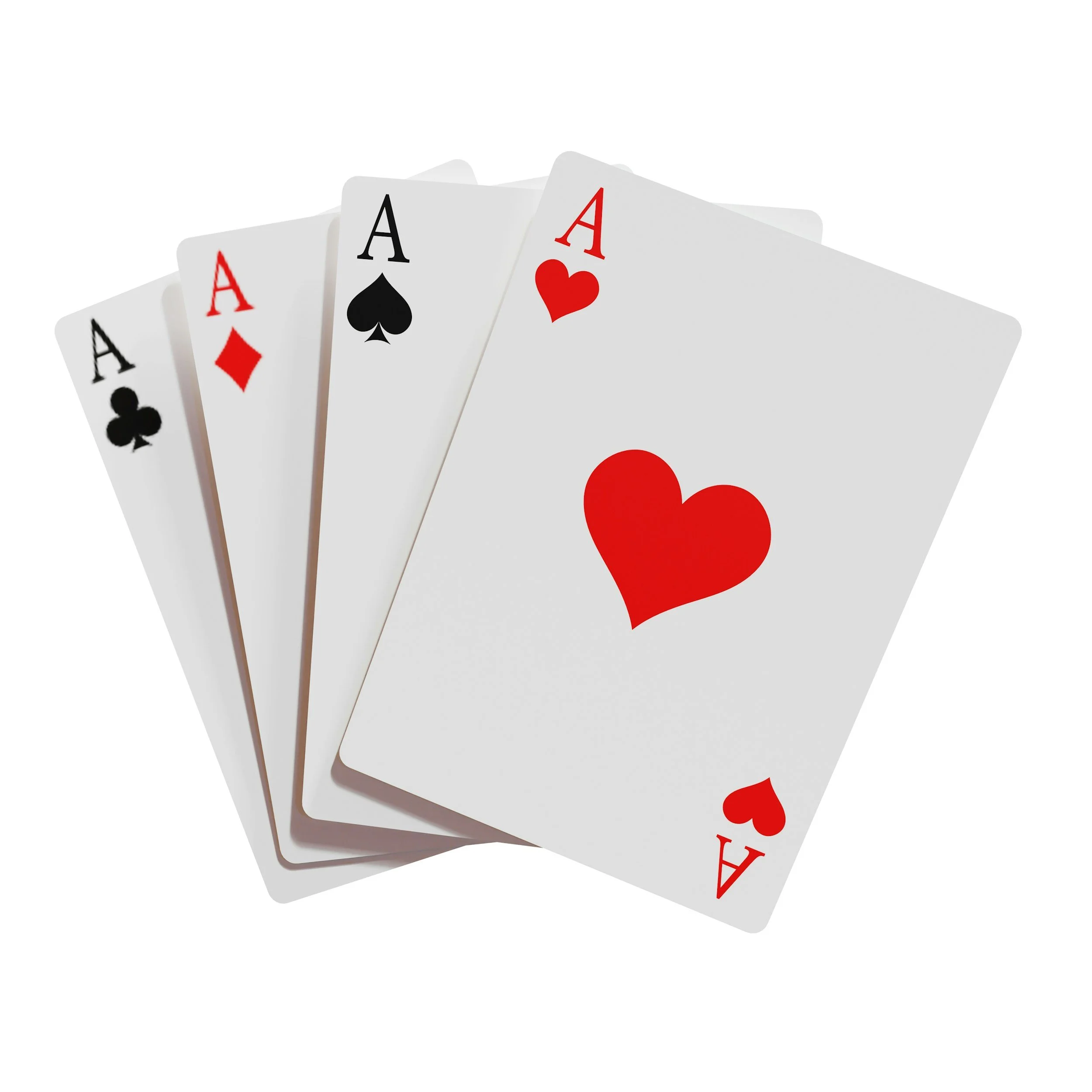
Poker Challenge
Teams compete to complete a series of physical and mental challenges (building a pyramid, singing a commercial, doing 100 push-ups, etc.) to earn playing cards, then use their best five cards to compete in a final poker hand showdown.
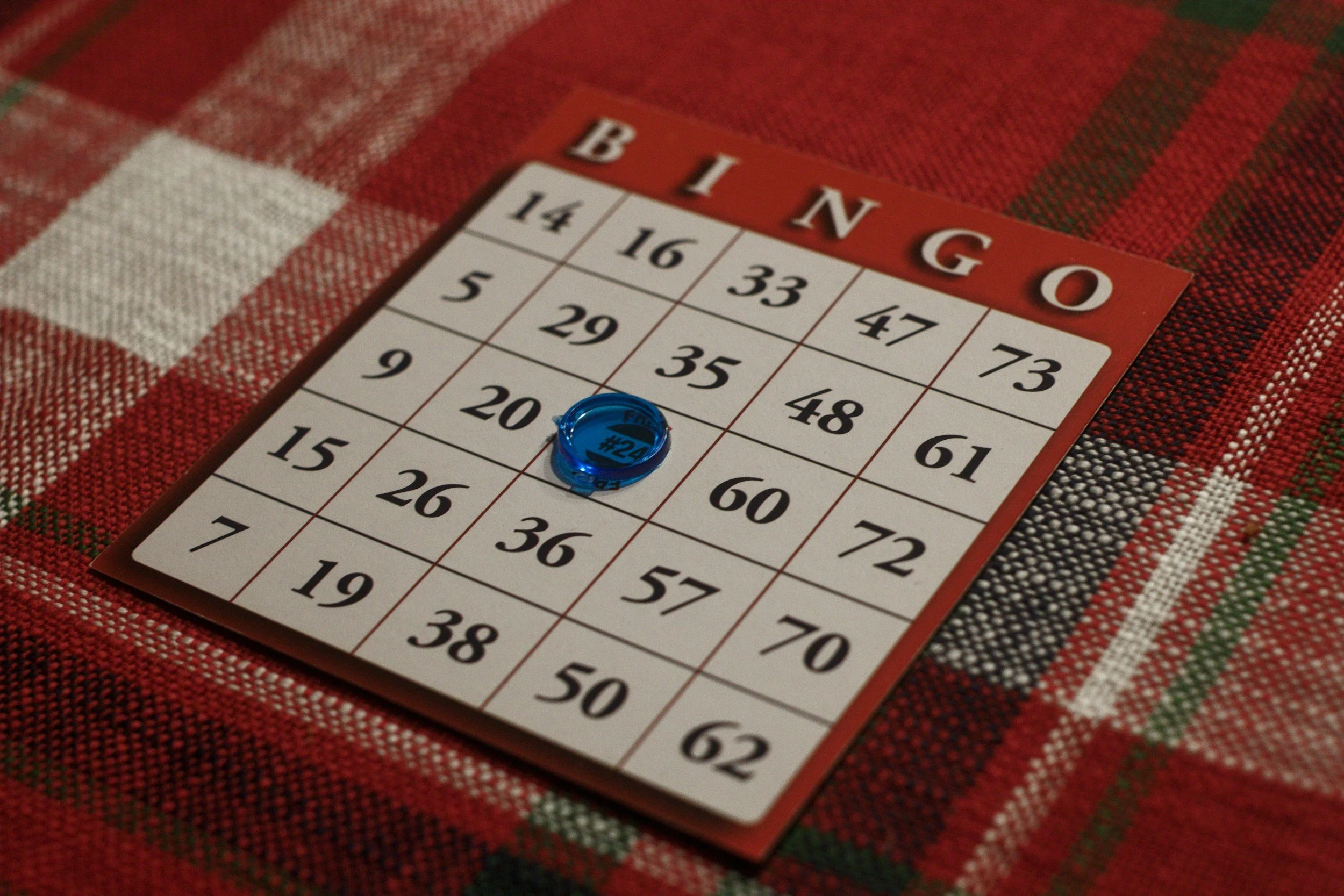
People Bingo
Students mingle around the room with a bingo grid of personal statements, collecting signatures from classmates who truthfully match each box (one signature per person per card) until someone completes their card and calls "BINGO!"
Our Safe Classroom
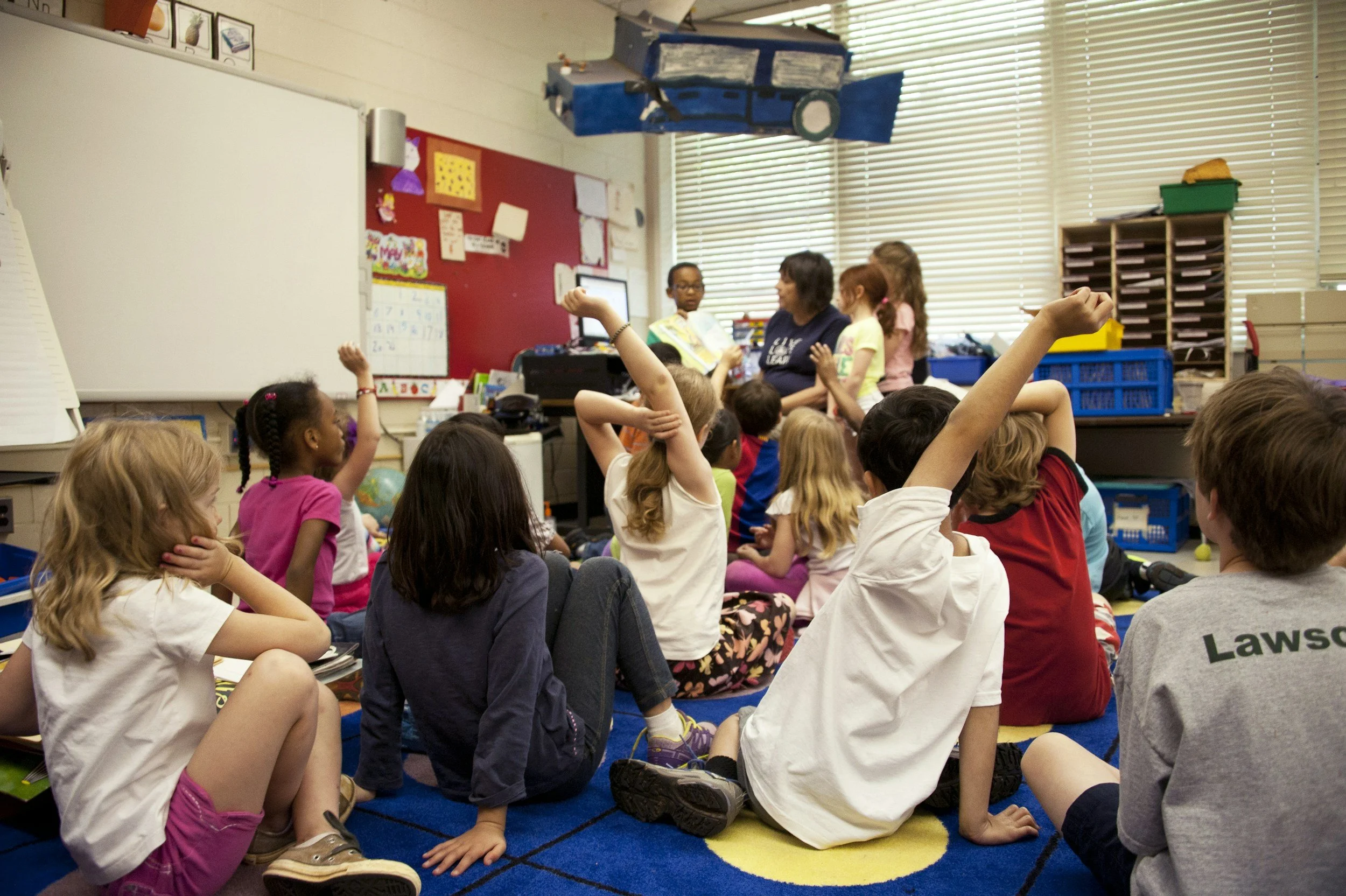
Students write briefly about places that feel safe and unsafe, then rotate through three posters (physical, emotional, and intellectual safety) in small groups to brainstorm how to increase each type of safety in their classroom — ending with a class consensus on 2–3 concrete actions to implement.

Moment of Memory
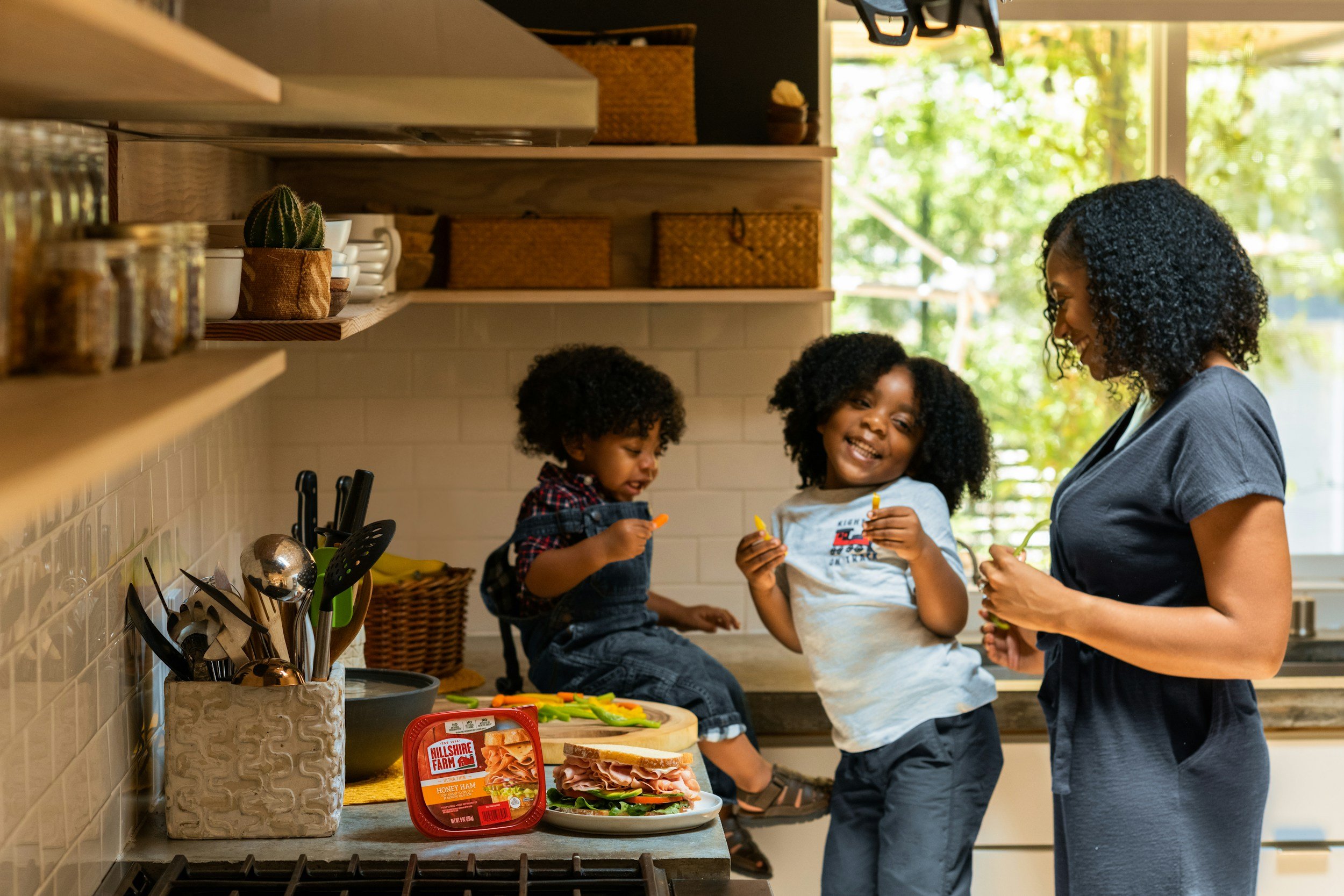
The facilitator reads six words from a TABOO card aloud, then signals "Go!" and students race to write down as many words as they can remember — playing multiple rounds with new cards and discussing strategies for improving focus and listening.
Meaningful Photos
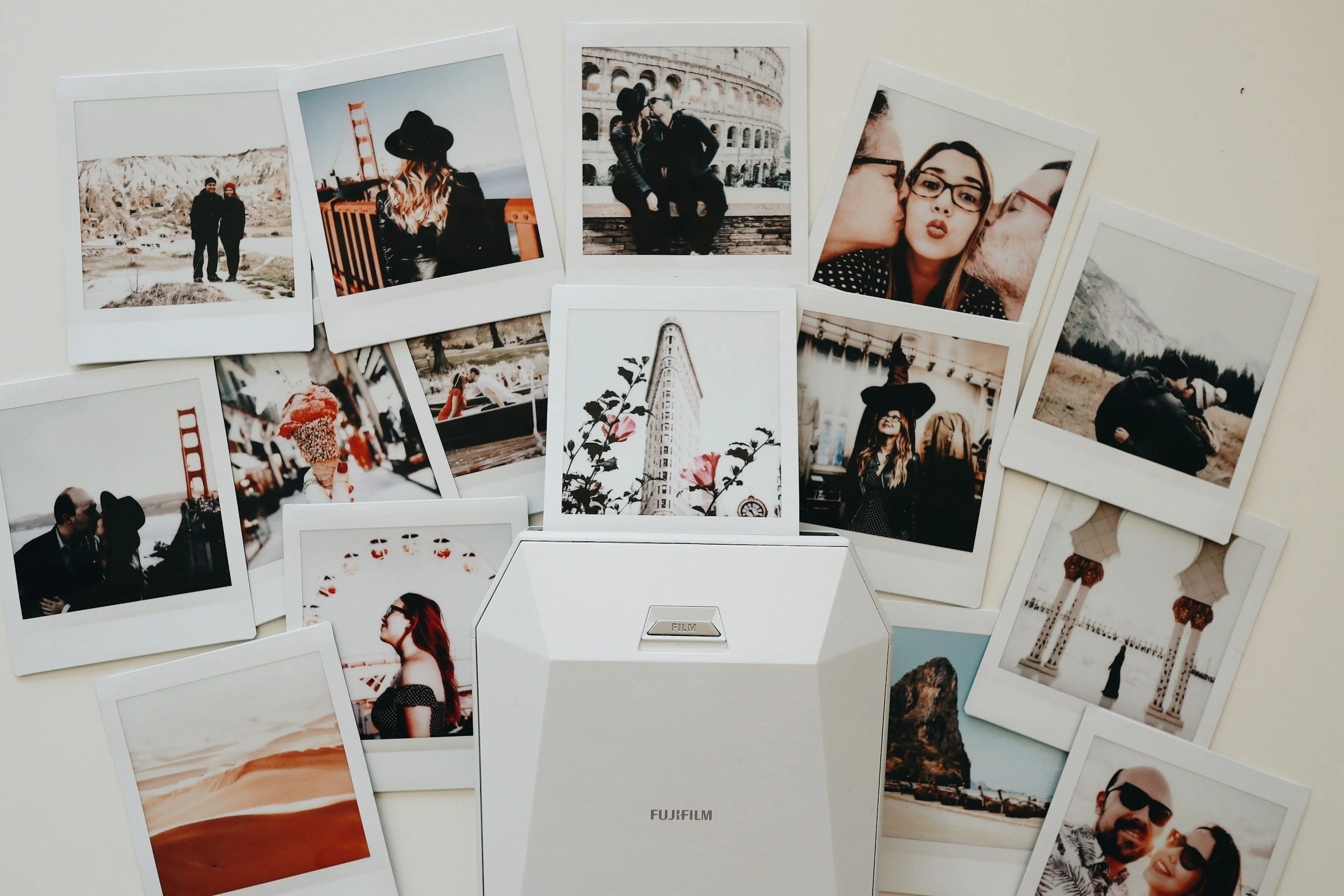
Students will create a collage using photos they took of meaningful people, places, and objects in their lives, then write a personal reflection explaining the significance of each image.
Lucky Number
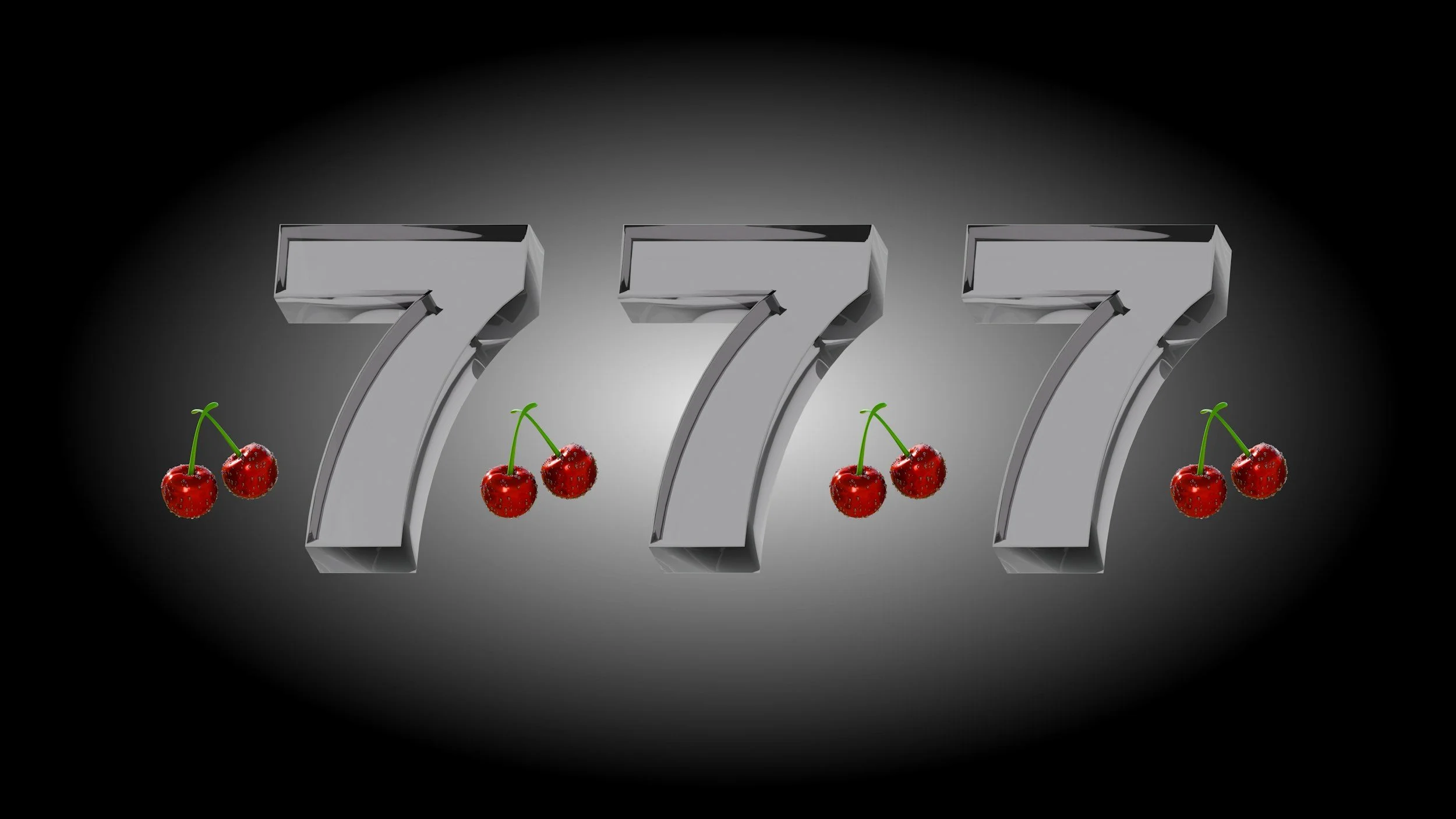
Students will move to one of four numbered corners based on personal preference questions (e.g., "Are you most like summer, winter, spring, or fall?"), discuss their choices with classmates in the same corner, and earn points when the die lands on their number. The game creates a low-pressure way for students to learn about each other and build relationships through conversation.

It’s Your Move
To discuss real issues that are occurring in the group, and to encourage participants to come up with their own solutions to real problems.
Intentional Family Tree
Students journal about what family means to them, discuss the concept of "intentional family" (chosen relationships beyond biology), then create an illustrated family tree featuring the people they consider family — noting why each person belongs — and write a reflection on how they show those people they're valued.

I Wonder Ball
Students toss a numbered ball around the circle, and wherever their right thumb lands determines which reflection question they answer — progressing through three increasingly personal levels (from "What's your happy place?" to "What would you do if you weren't afraid?") with the option to pass at any time.
Creating Agreements
Co-create community agreements and classroom norms between teacher and students.
Cat and Mouse
A playful circle game where students practice leadership and observation skills as one player (the Cat) tries to guess who is secretly leading the group’s movements (the Mouse).

Tanya Tomato
In this lesson, students practice self-confidence and relationship building by sharing their name and a personal interest using alliteration in a fun, interactive circle activity.

Muralistas
Students work together to create a mural that illustrates community values, using art and reflection to explore what it looks like to practice—or not practice—those values.
Building Relationships by Learning Names
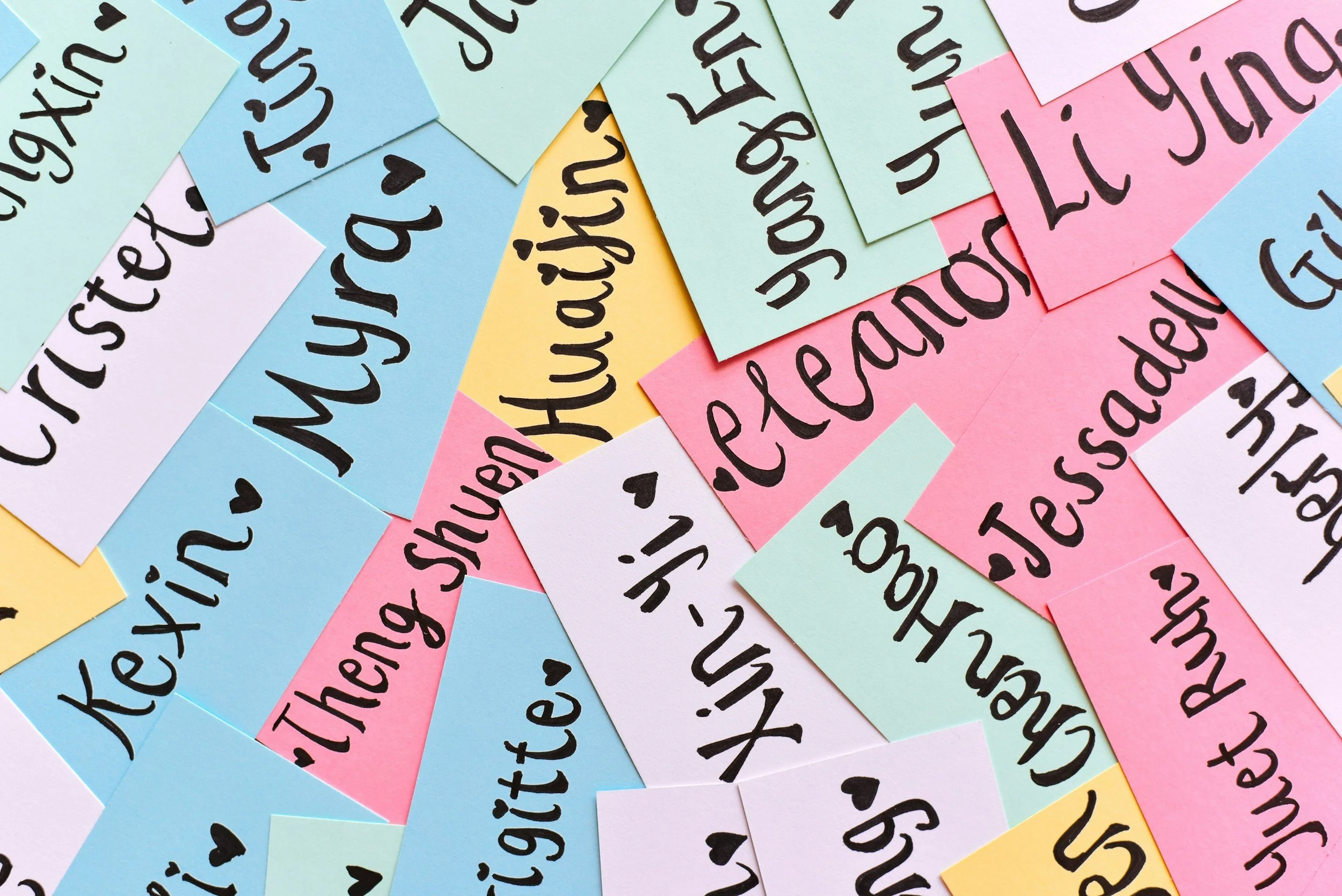
Students will play name-learning games — including a timed name circle, a Name Pictionary drawing activity, and a beach ball question toss — to practice remembering classmates' names and get to know each other.