
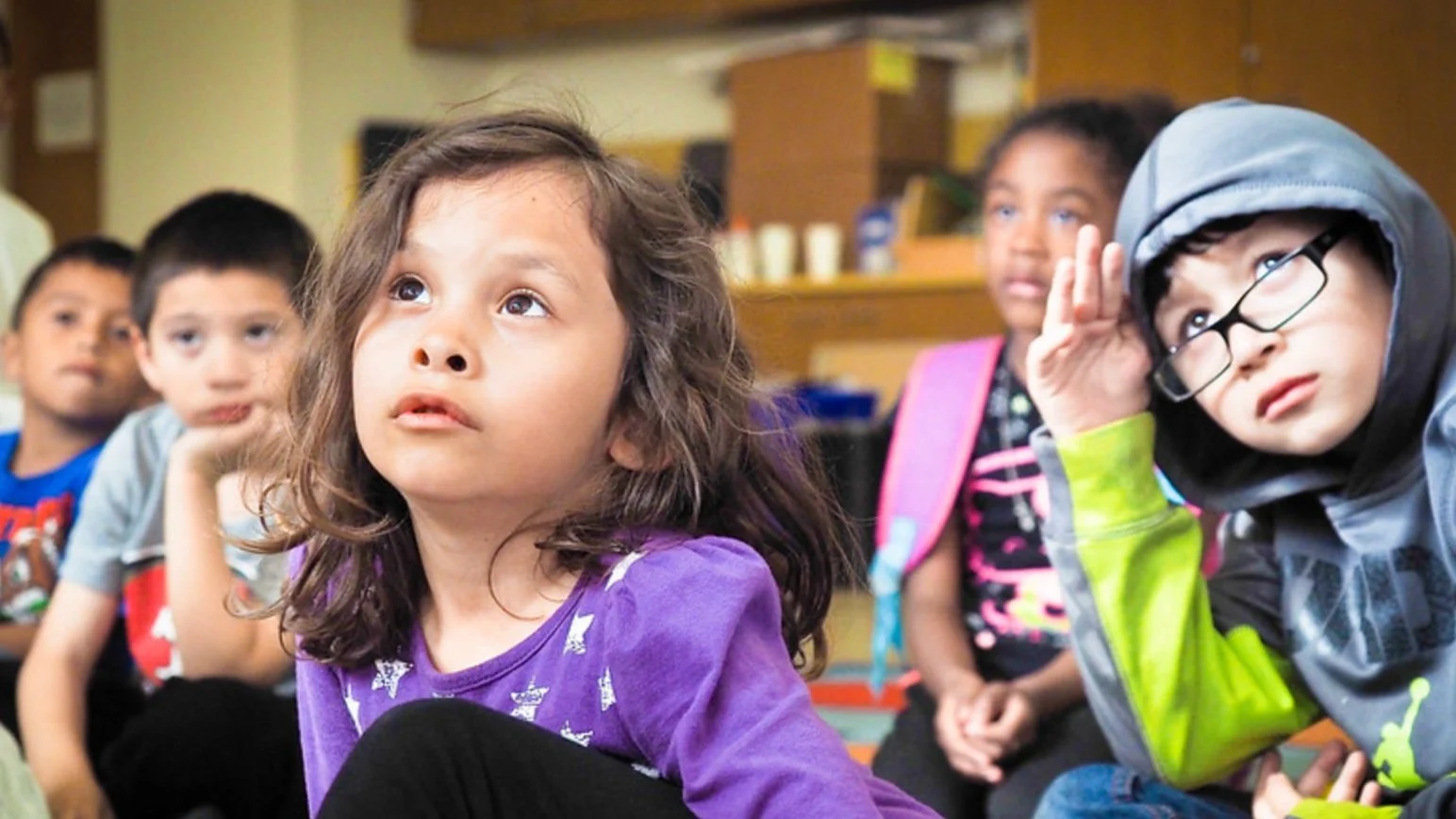
Second - Third Grade
Developmental Characteristics
Physical
Enthusiastic about games
Experiencing improvement in both gross and fine motor skills
Possess a high activity level
Practice to master variations of movement for physical activities
Enjoy games that allow for comparison of skills
Enjoy games that allow for self-f-improvement
Social Emotional
Have a strong drive toward independence
Develop a strong sense of loyalty to friends
Need to belong to a group
Play with and are friends with same-sex peers
Like to take on responsibility
Live in a world of games, rituals and humor inhabited only by children
Like to have a best friend
Have a rigid sense of right and wrong
Need help accepting peers who are different or left out of a group
Cognitive
Like to talk; use language to express feelings/tell stories
Developing a sense of time
Enjoy collecting things
Enjoy problem-solving games like treasure hunts
Can plan and carry out projects with adult support
Becoming more self-directed in activities
Better able to understand and appreciate differences of opinion



Week 1: What is Self-Control? (3-5)
Students play Self-Control Charades — acting out school-based scenarios with their body while classmates identify the emotion, the impulse felt, and the self-control strategy being used — then draw themselves having a calm moment at school on a worksheet, considering their hands, feet, face, and posture.
Week 1: What is Self-Control? (TK-2)
Students play Self-Control Charades — taking turns acting out scenarios with their face and body while classmates identify whether it calls for a calm or silly body — then draw themselves having a calm moment at school on a worksheet, thinking about their hands, feet, face, and posture.

Anger Choice
Students will reflect on how they personally experience and handle anger, hear how their peers describe theirs, and explore what healthy responses to anger can look like. The lesson uses movement-based choice activities to make anger something we can talk about openly.
Beanbag Freeze
Students play a movement game where they balance a beanbag on their head while music plays. When the music stops, they freeze. When a beanbag falls, a friend has to help by carefully placing it back—then they move together as partners. The game builds listening, body control, and cooperative care all at once.
Here Fishy, Fishy
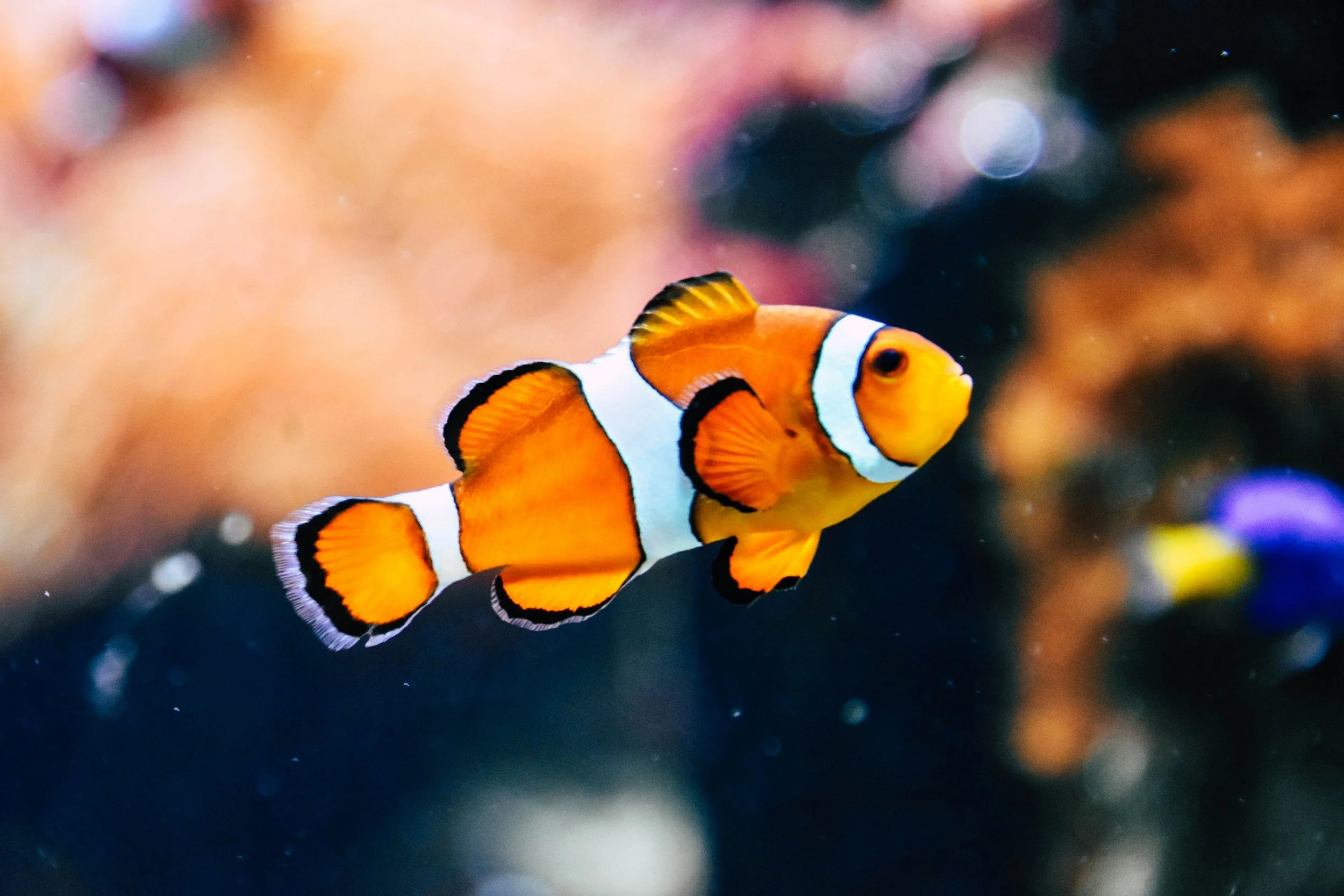
Students will simulate a fishing village economy by using straws to "catch" goldfish crackers, experiencing the consequences of taking more than they need as resources deplete and villagers get eliminated. A debrief connects the game to real-world thinking about wants vs. needs and practicing self-control.
Feelings Check
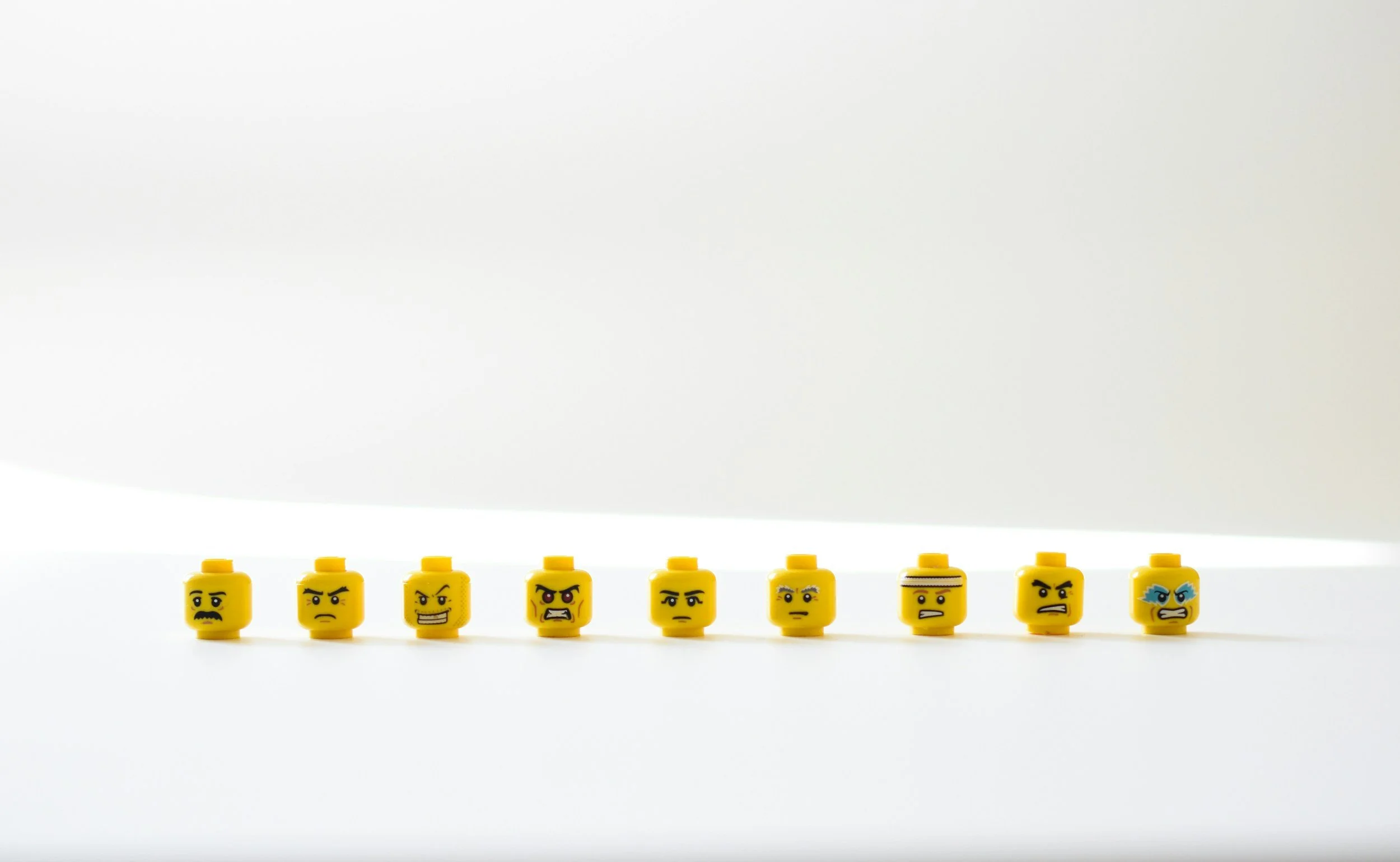
Participants will determine if engaging in a fitness activity has an effect on how they feel emotionally, and explore how regular exercise can support their mental and physical health as a tool for self-control and emotional regulation.

Move and Make Friends
Students will dance with partners and freeze when the music stops, then take turns moving creatively down a line while classmates clap, practicing self-control, listening, and social awareness through movement.
Physical Puzzle
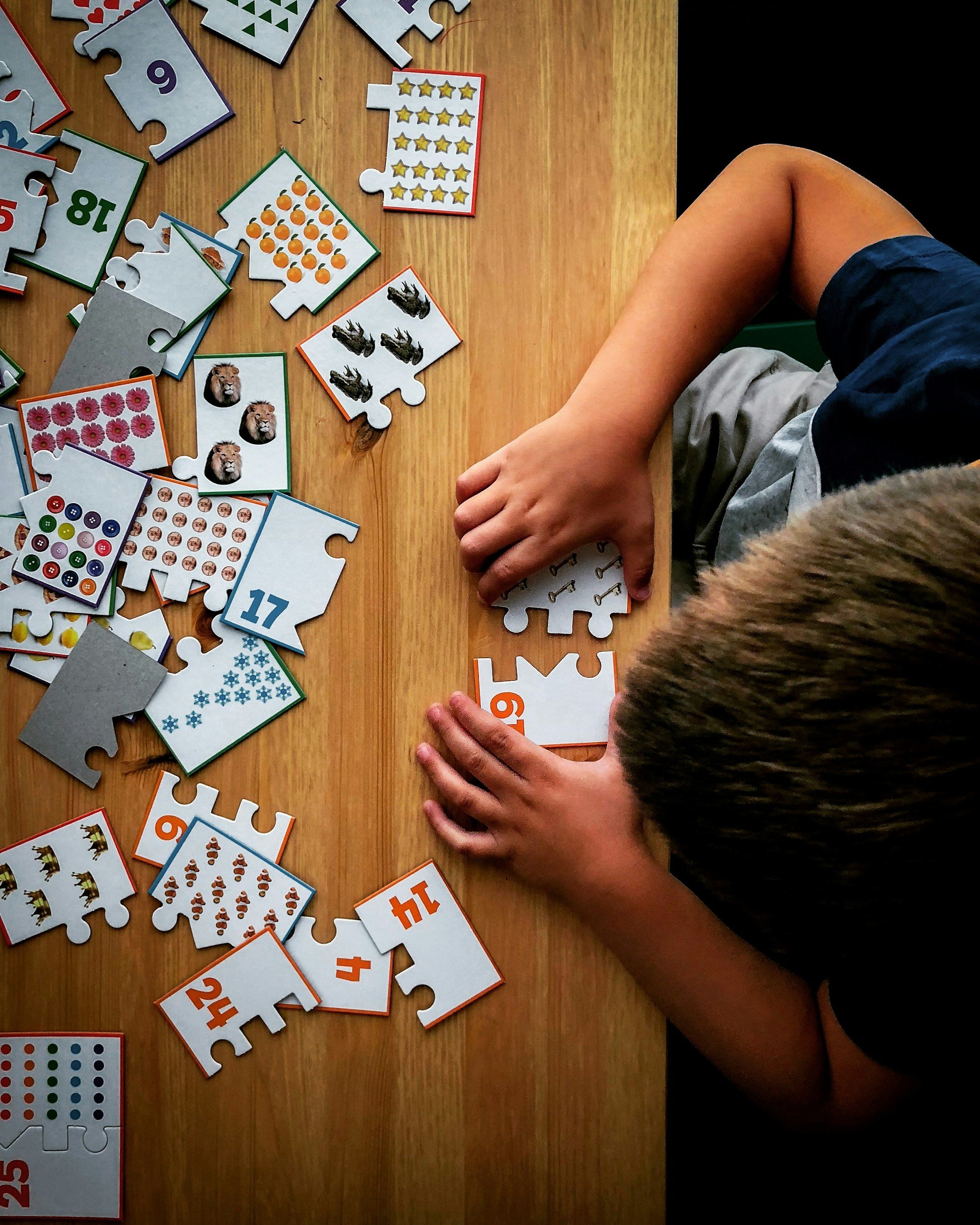
Students will work together as a group to complete a jigsaw puzzle by drawing puzzle pieces one at a time and performing the corresponding exercise to earn each piece. Afterward, they'll reflect on how physical activity affects them emotionally and physically.
Red Light, Green Light
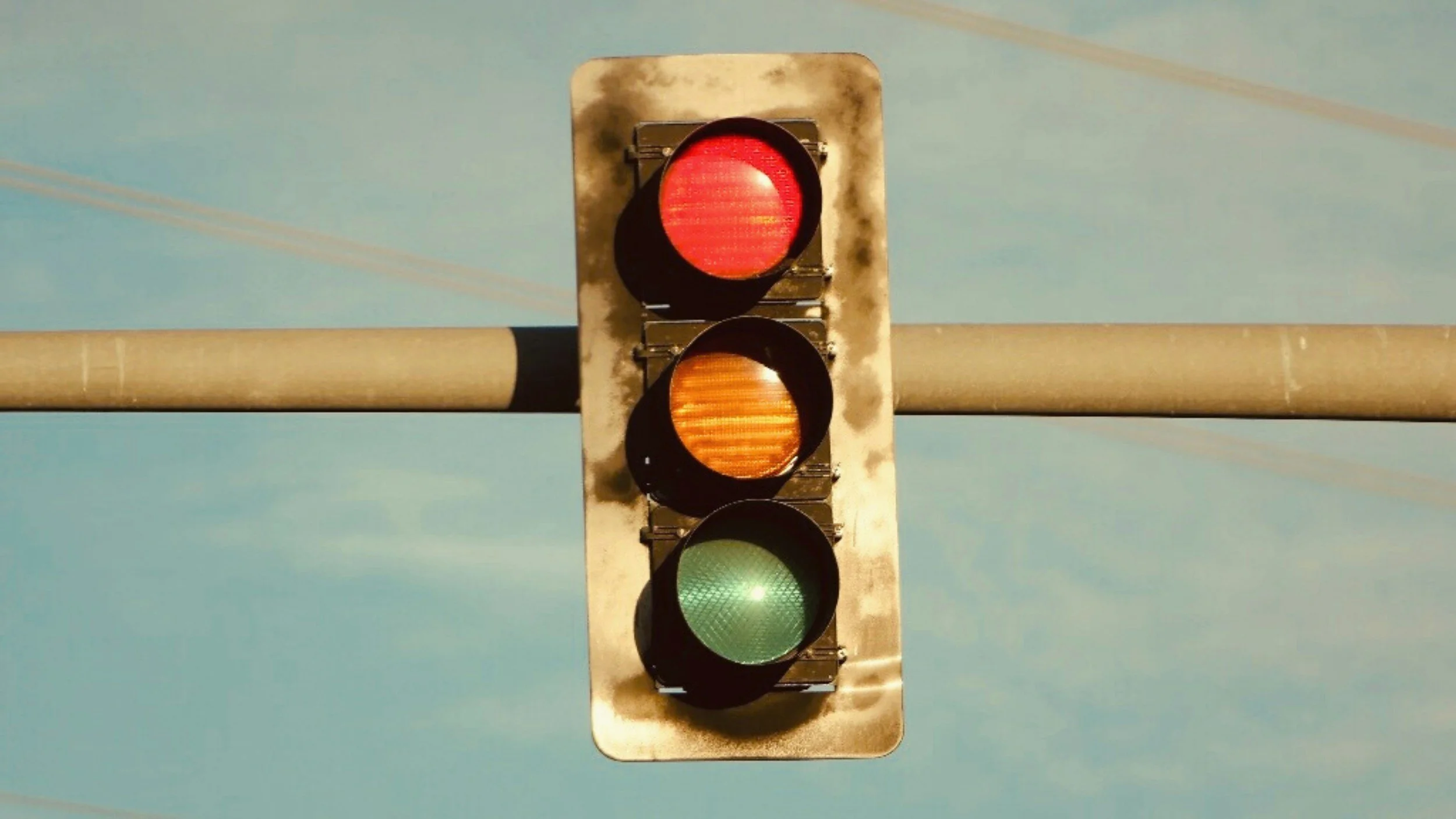
Students will play Red Light, Green Light, moving toward the teacher on "Green Light!" and freezing on "Red Light!," practicing listening, body awareness, and self-control. Afterward, they reflect on how they managed their bodies and emotions during the game.

The Trees and the Worms
Students will listen to a story while moving through a series of yoga poses, using breath and movement to practice grounding and self-control. A brief debrief follows where students reflect on how focusing on their breath affects their thoughts and feelings.

Tip-to-Toe
Students will play a cooperative partner game where one student calls out body part commands (e.g., "elbow to elbow!") and pairs connect the named body parts, practicing listening, self-control, and movement. The game builds in complexity as students must follow multiple commands consecutively while switching partners throughout.
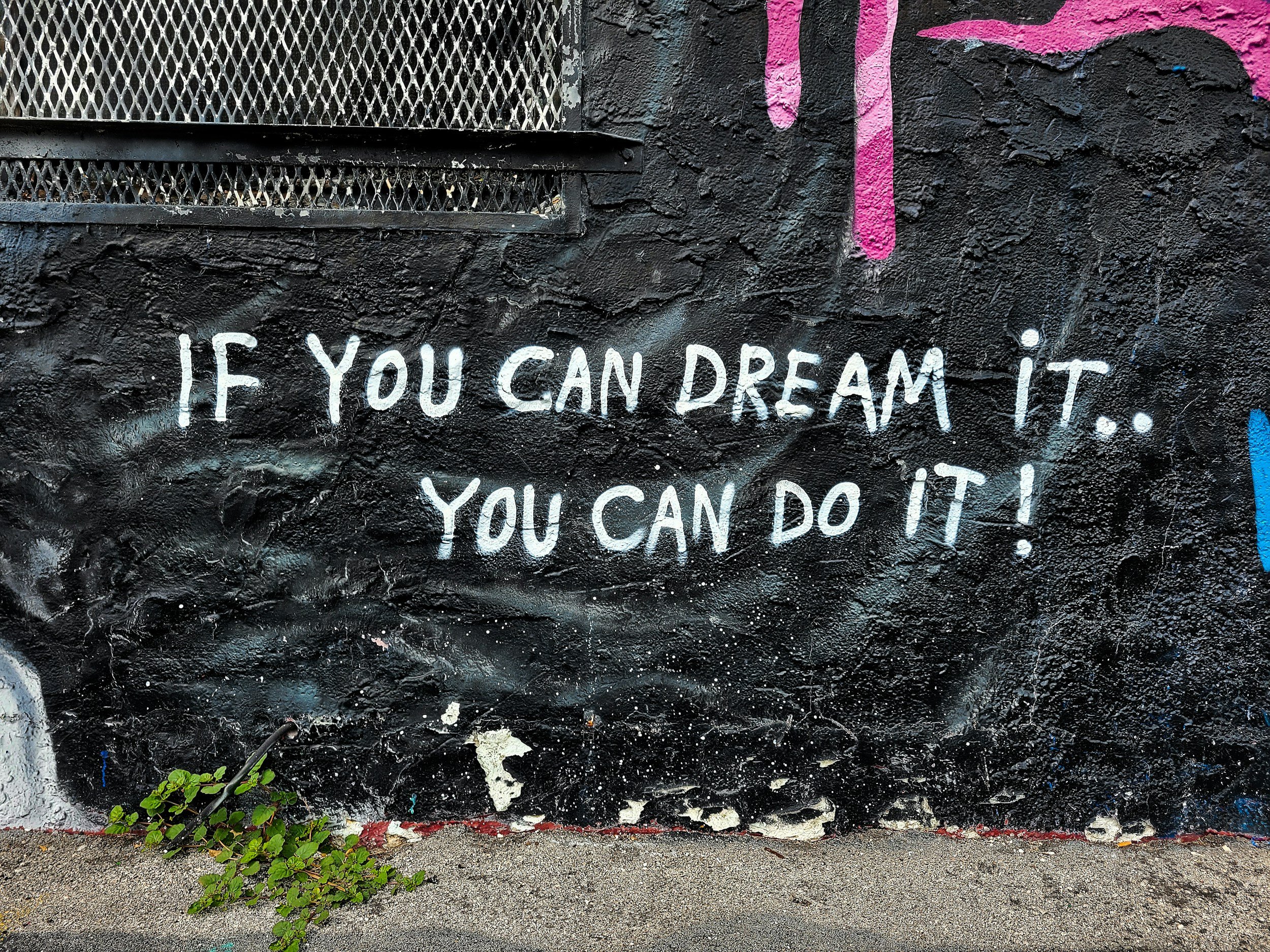
What is Motivation
Students will write their own definition of motivation, then collaborate in small groups and a gallery walk to build a shared class vision of what motivated and motivating behavior looks like — which gets posted in the room as an ongoing reference.

Classical Creativity
Students will explore self-awareness and emotional expression by listening to classical music and drawing what they feel or imagine.
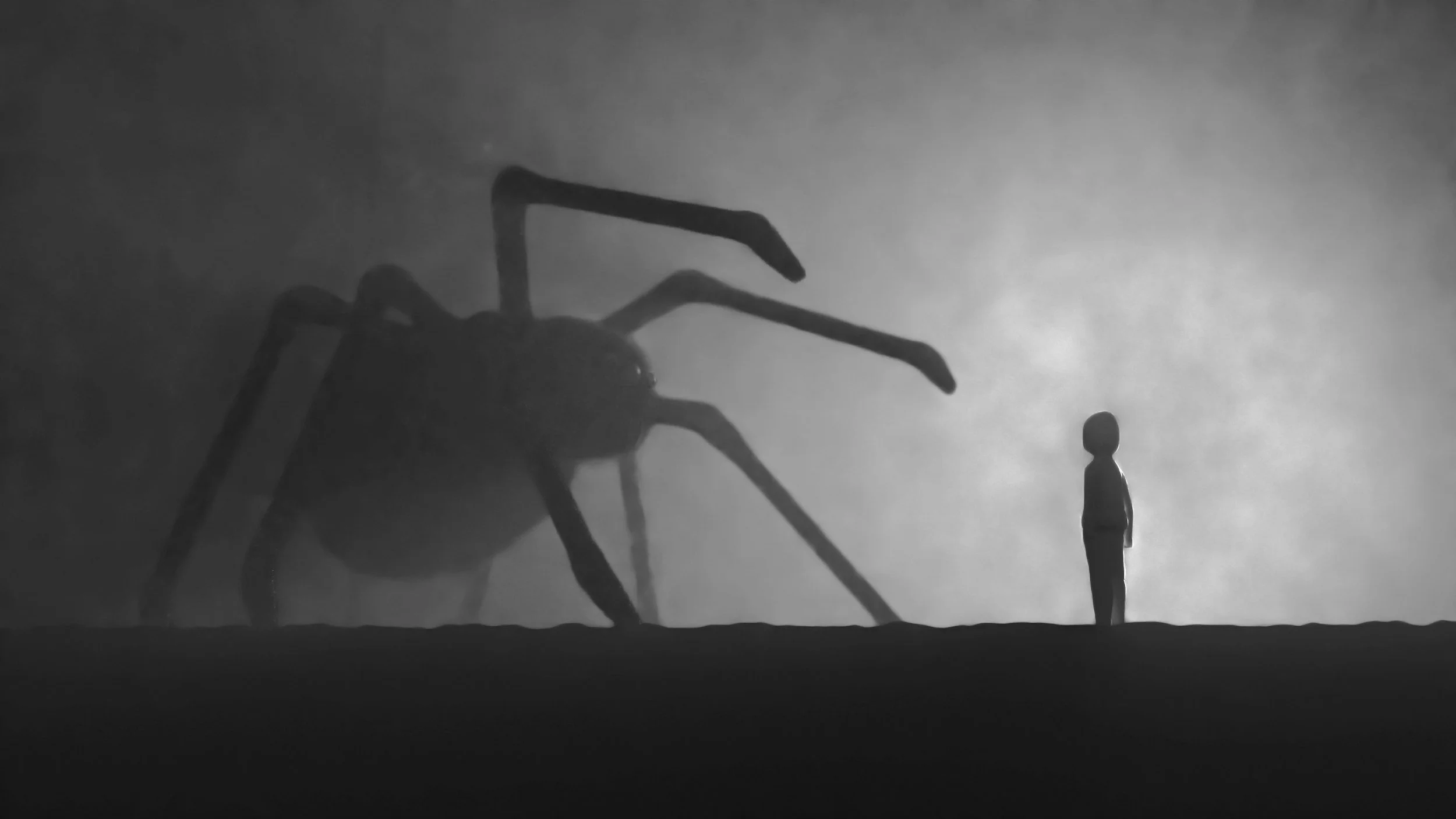
Life Doesn’t Frighten Me At All
Students explore the theme of fear and courage through Maya Angelou’s poem Life Doesn’t Frighten Me, then create art that reflects what they care about and what helps them face their fears.