
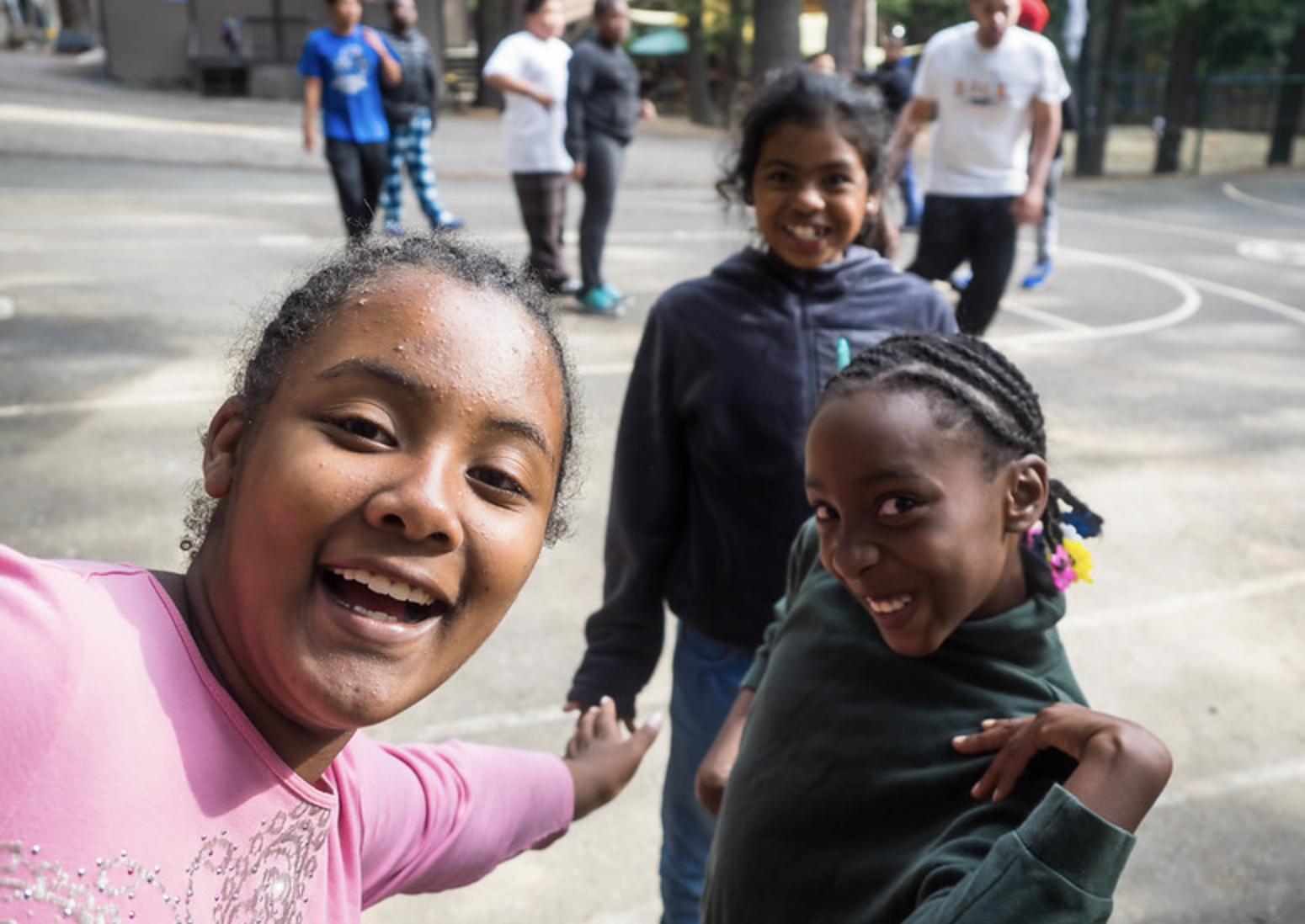
Fourth - Fifth Grade
Developmental Characteristics
Physical
May be careless about their clothes, room and body cleanliness
Girls may have sudden growth spurt and beginning signs of puberty
Enjoy physical activities that master specific skills
Enjoy competitive games
Possess a high activity level
Enjoy games that allow for comparison of skills
Enjoy games that allow for self-improvement
Social Emotional
Enjoy small, peer-dominated group discussions
Like to join organized groups
Are anxious to grow up
Are intensely loyal to their peer group
Form a close one-on-one friendship
Have a growing desire to assert individuality and independence
Can be daring and competitive
Can be critical of peers and adults
Are self-conscious of their abilities
Cognitive
Ask many questions and what thoughtful answers
Can often understand other points of view
Developing strong interests, hobbies, and collections
Enjoy daydreaming
Enjoy problem solving games and puzzles, etc.
Enjoy rule-based games
Are beginning to develop view about social/global issues
Beginning to enjoy humor by telling jokes and understanding sarcasm




Week 6: Celebrating Growth (1st-5th)
Students take turns walking around the circle in a Confidence Parade — striking a proud pose while classmates clap and cheer — then decorate a personal Confidence Certificate with their name and an affirmation about something they've accomplished to take home.
Week 5: We Can Do It! (1st-5th)
Students play the Partner High-Five Challenge — practicing a clap-then-high-five rhythm with a partner, adding speed and pattern variations before switching partners — then collaborate on a large butcher paper mural drawing scenes of friends helping each other, each signing their name on the finished "We Can Do It!" mural.
Week 4: Positive Self-Talk (1st-5th)
Students play the Mirror Game in pairs — mirroring each other's slow movements, then pairing affirmations with matching poses ("I am brave!" with arms raised strong) — then fill a heart worksheet with drawings and words about what they love about themselves.
Week 3: Sharing with Pride (1st-5th)
Students dance freely during the Confidence Pose Parade (freezing in their strongest confident pose when the music stops), then play Bravery Freeze Dance — freezing in response to confidence challenges like "Freeze like a superhero!" — before taking turns leading the class in their own brave pose for everyone to copy.
Week 2: Growth Mindset (1st-5th)
Students draw and decorate a "Brave Brain" worksheet with things that help them keep trying (friends, practice, courage), then act out how to fix playful "oops" moments (spilled crayons, drew on the wrong paper) one at a time while the class cheers "We can fix it!"
Week 1: Celebrating Strengths (1st-5th)
Students strike "Confidence Poses" responding to fun prompts (brave superhero, proud artist, kind friend), then draw and decorate a "Confidence Juice Box" worksheet — filling it with the people, activities, and moments that make them feel strong and brave — and share one "ingredient" with the class at the end.

Fear in a Hat
Students anonymously write a fear or worry on a slip of paper, drop it in a hat, then each draw and read aloud someone else's fear — with classmates raising their hands if they share the feeling — before ceremonially tearing up the slips together.
Self Care Cypher (We Do It For The Culture)
Students will explore the connection between mental health and overall well-being through the six dimensions of wellness and set personal goals to support their holistic self-care.
Courageous Acts (We Do It For The Culture)
Students will explore their family history, reflect on examples of courage in their lives and communities, and identify ways to grow their own courage, inspired by Palestinian rapper Belly’s immigrant experience.
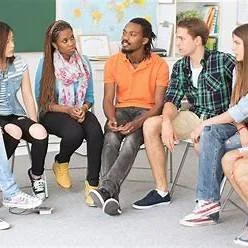
Eliminating Impostor Syndrome (We Do It For The Culture Lesson)
In this interactive lesson, middle school students explore the concept of impostor syndrome through video, music, and discussion, while building self-awareness, affirming personal strengths, and creating personalized “positivity playlists” to combat self-doubt.
Self-compliment
Students will write a secret self-compliment, then take turns using the Operation game to pull out and read classmates' compliments while trying to guess who wrote each one.

What is Self-Esteem
Students will research and define "self-esteem" in their own words, privately reflect on their own self-esteem, then brainstorm in small groups why teenagers might struggle with low self-esteem and share their ideas with the class.
Team Résumé
Students will select personal quality cards that represent their strengths, share them with a partner, then merge into groups of six to collaboratively fill out a Team Résumé that captures their collective strengths and values.

Still I Rise
Students listen to Maya Angelou's "Still I Rise," discuss its message, and share a personal strength with the group before writing about a time they overcame a struggle and creating a collage of their strengths or sources of encouragement.
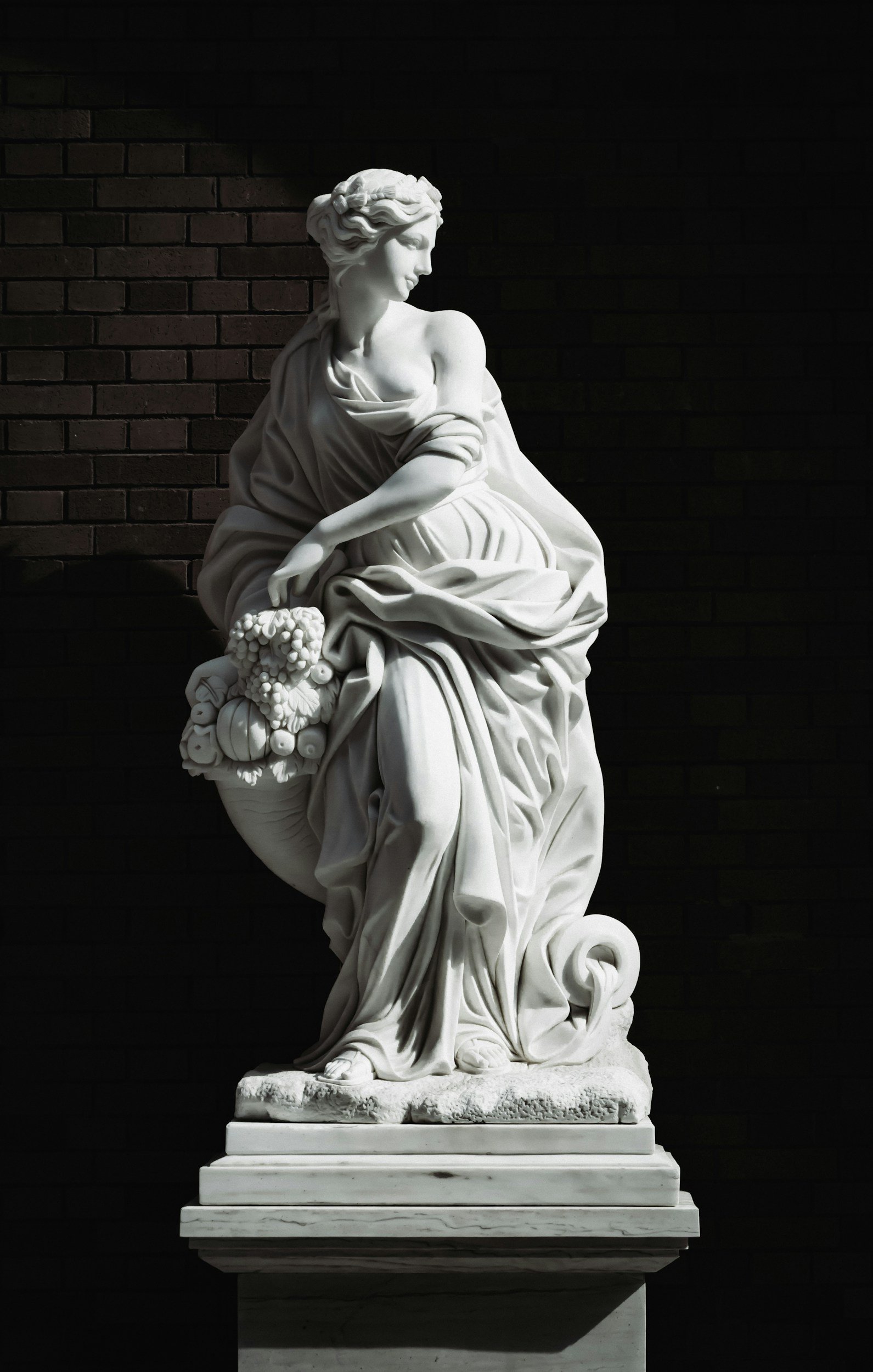
Self Sculptures
Students will identify a personal goal and use Play-Doh to sculpt two figures — one representing something they will do to achieve it and one representing something they will let go of — then share and discuss their sculptures with the group.


Puzzle Positive
Students draw a numbered puzzle piece, convert the number to a letter, then brainstorm as many descriptive words starting with that letter as possible — circling positives and crossing out negatives — before discussing how the balance of positive vs. negative words in their lives affects them.

Positive Word Cloud
Students will write positive words and phrases to describe each of their classmates, then receive and read the words their peers wrote about them and turn those words into a personalized word cloud. They'll then reflect on how it feels to give and receive compliments and what the descriptions reveal about how others see them.