
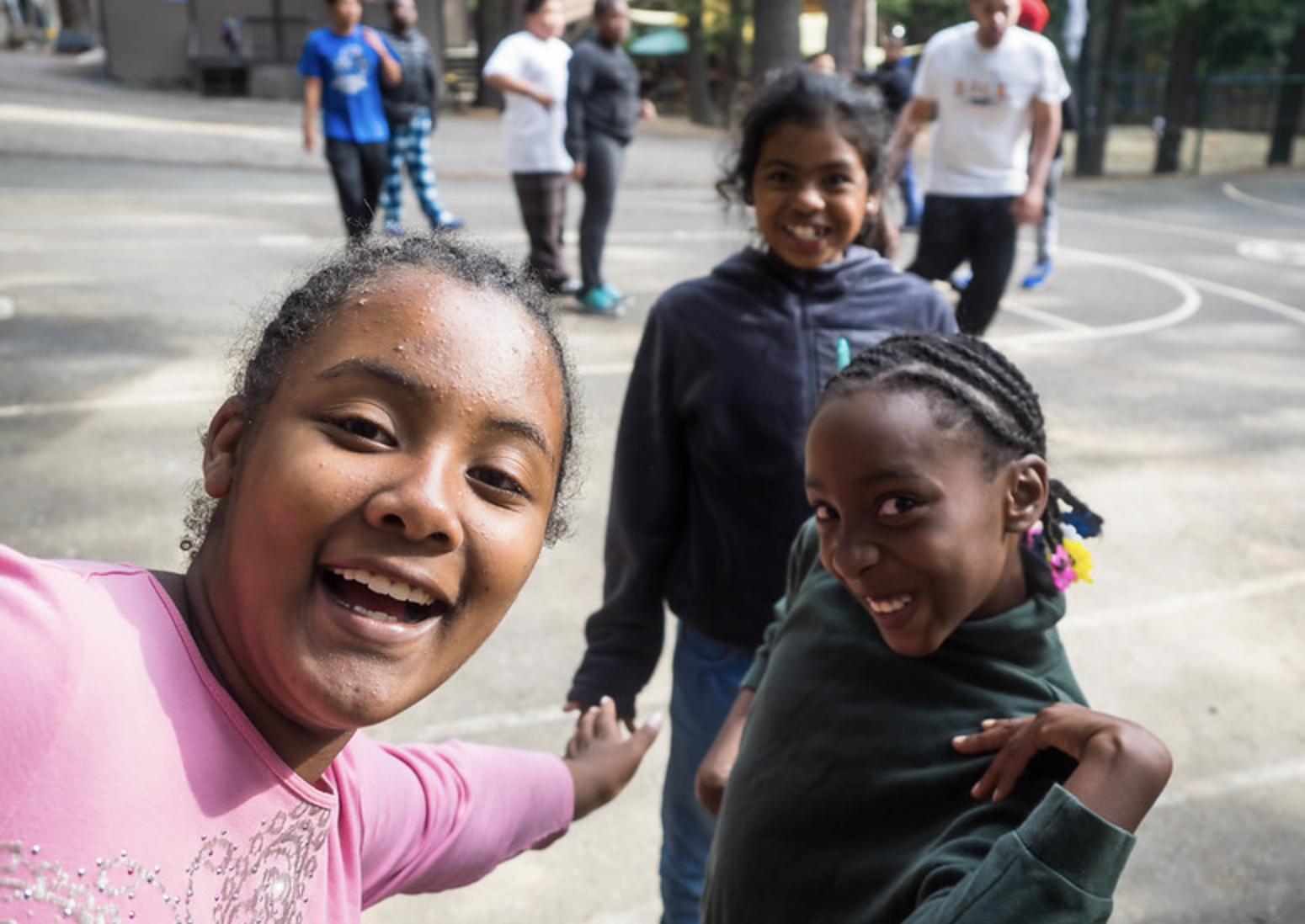
Fourth - Fifth Grade
Developmental Characteristics
Physical
May be careless about their clothes, room and body cleanliness
Girls may have sudden growth spurt and beginning signs of puberty
Enjoy physical activities that master specific skills
Enjoy competitive games
Possess a high activity level
Enjoy games that allow for comparison of skills
Enjoy games that allow for self-improvement
Social Emotional
Enjoy small, peer-dominated group discussions
Like to join organized groups
Are anxious to grow up
Are intensely loyal to their peer group
Form a close one-on-one friendship
Have a growing desire to assert individuality and independence
Can be daring and competitive
Can be critical of peers and adults
Are self-conscious of their abilities
Cognitive
Ask many questions and what thoughtful answers
Can often understand other points of view
Developing strong interests, hobbies, and collections
Enjoy daydreaming
Enjoy problem solving games and puzzles, etc.
Enjoy rule-based games
Are beginning to develop view about social/global issues
Beginning to enjoy humor by telling jokes and understanding sarcasm



The Great Egg Drop
In groups of three, students will use a bag of limited materials to engineer a contraption that protects a raw egg, then test their designs by dropping them from a second-floor window to see whose egg survives intact.
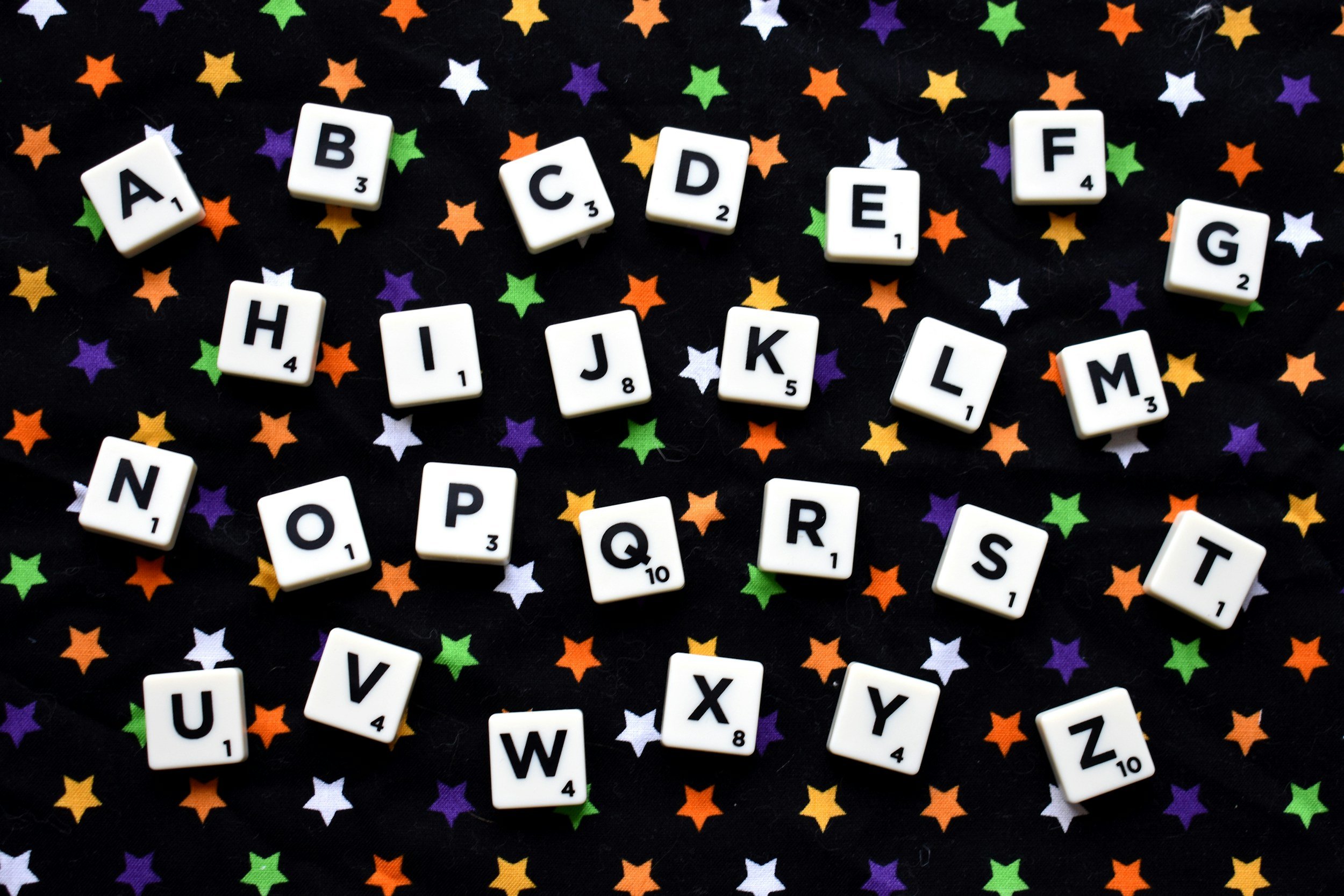
Team Spelling Bee
Teams will race to agree on a word that fits a given category, assign each member a letter tile, and physically line up to spell it out — competing against other teams for speed and word length.

Stick It to ‘Em
Working in pairs, students will use verbal communication to recreate a marshmallow-and-toothpick model — one partner is blindfolded and can only touch, while the other can see but cannot use their hands.
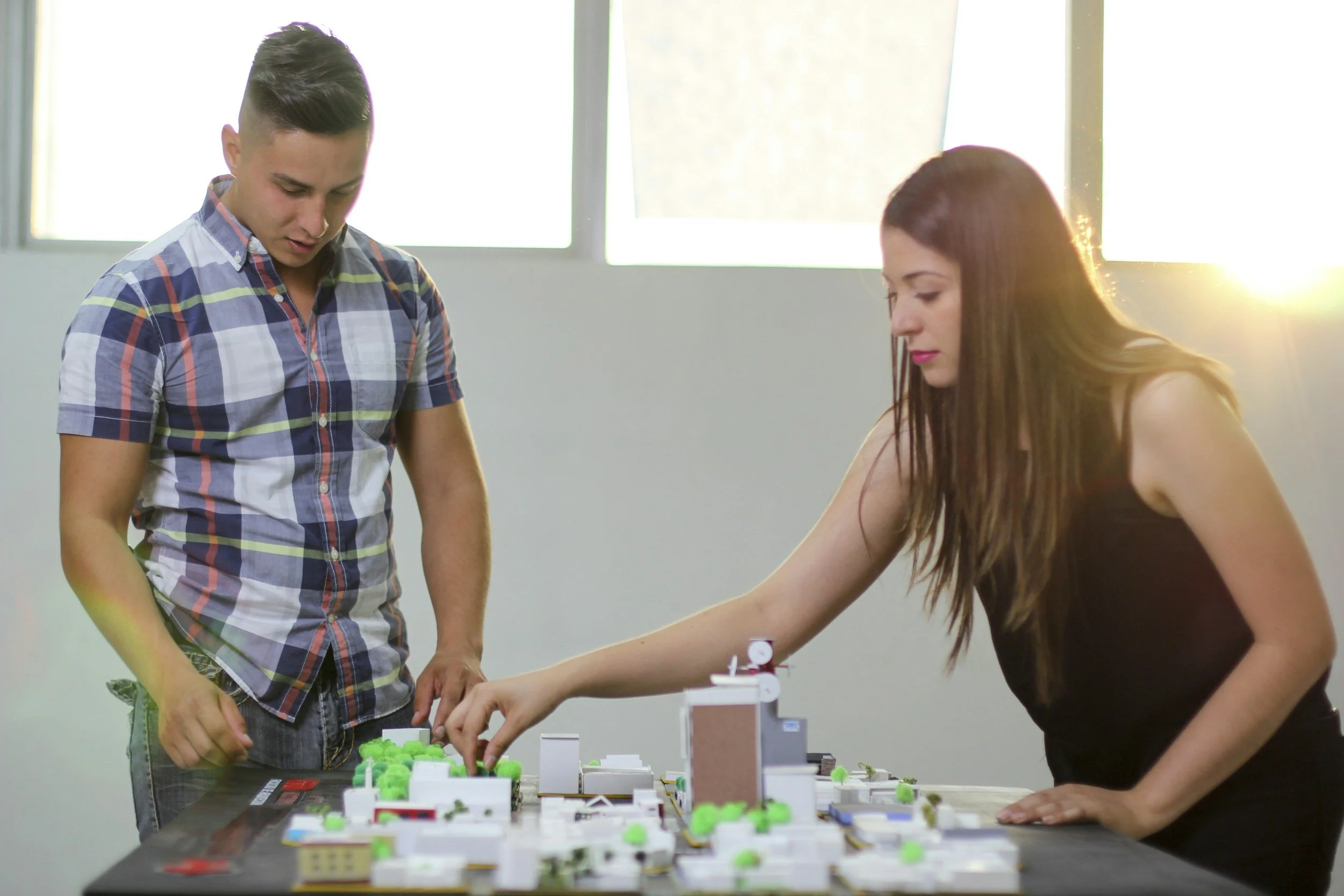
Putting Things Together
Children build social, creative-thinking, and problem-solving skills as they work in small groups to create open-ended constructions using a variety of materials — without relying on tape or glue.
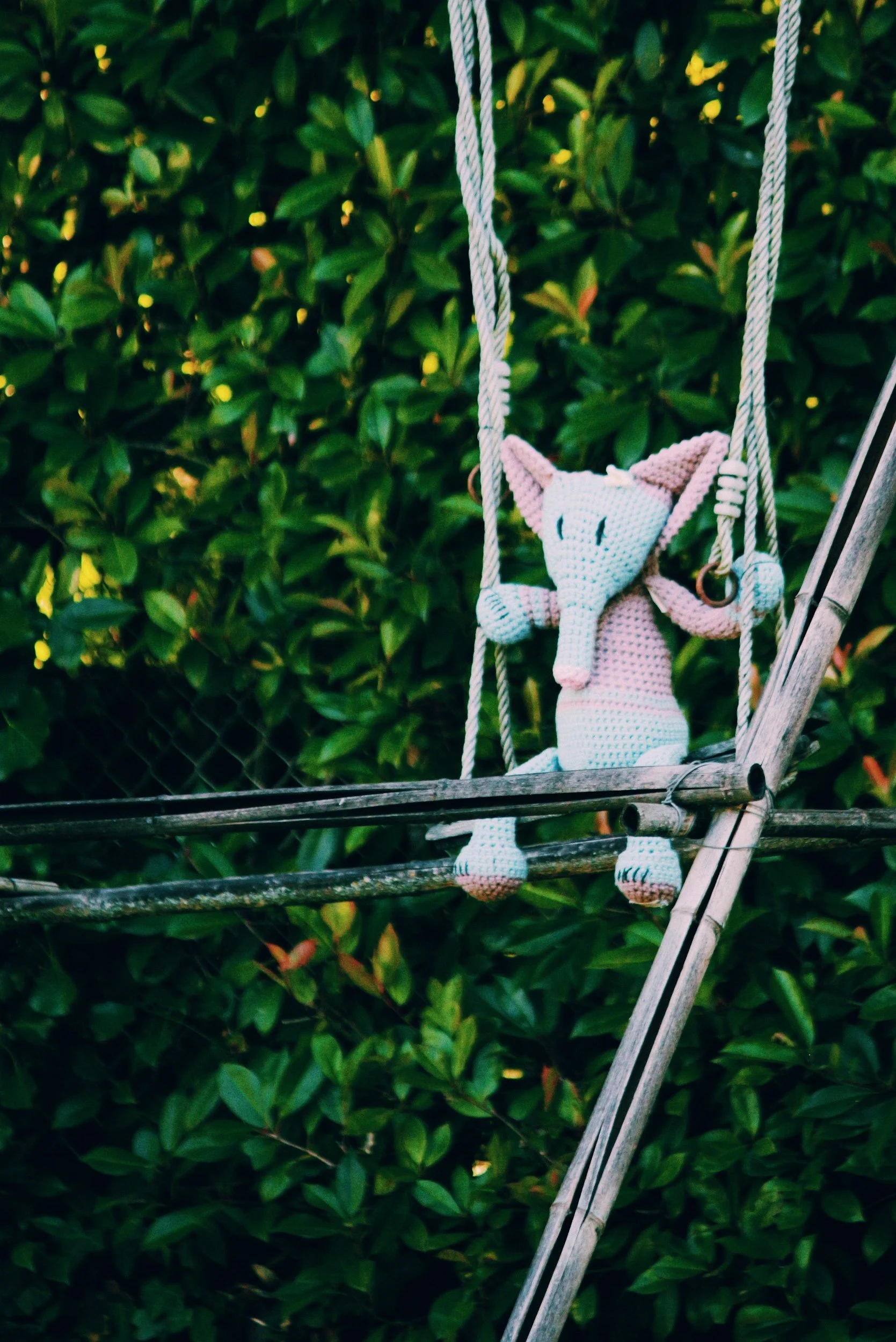
Puppet Pets
Students will reflect on ethical responsibility through learning about pets and performing in a puppet show activity.
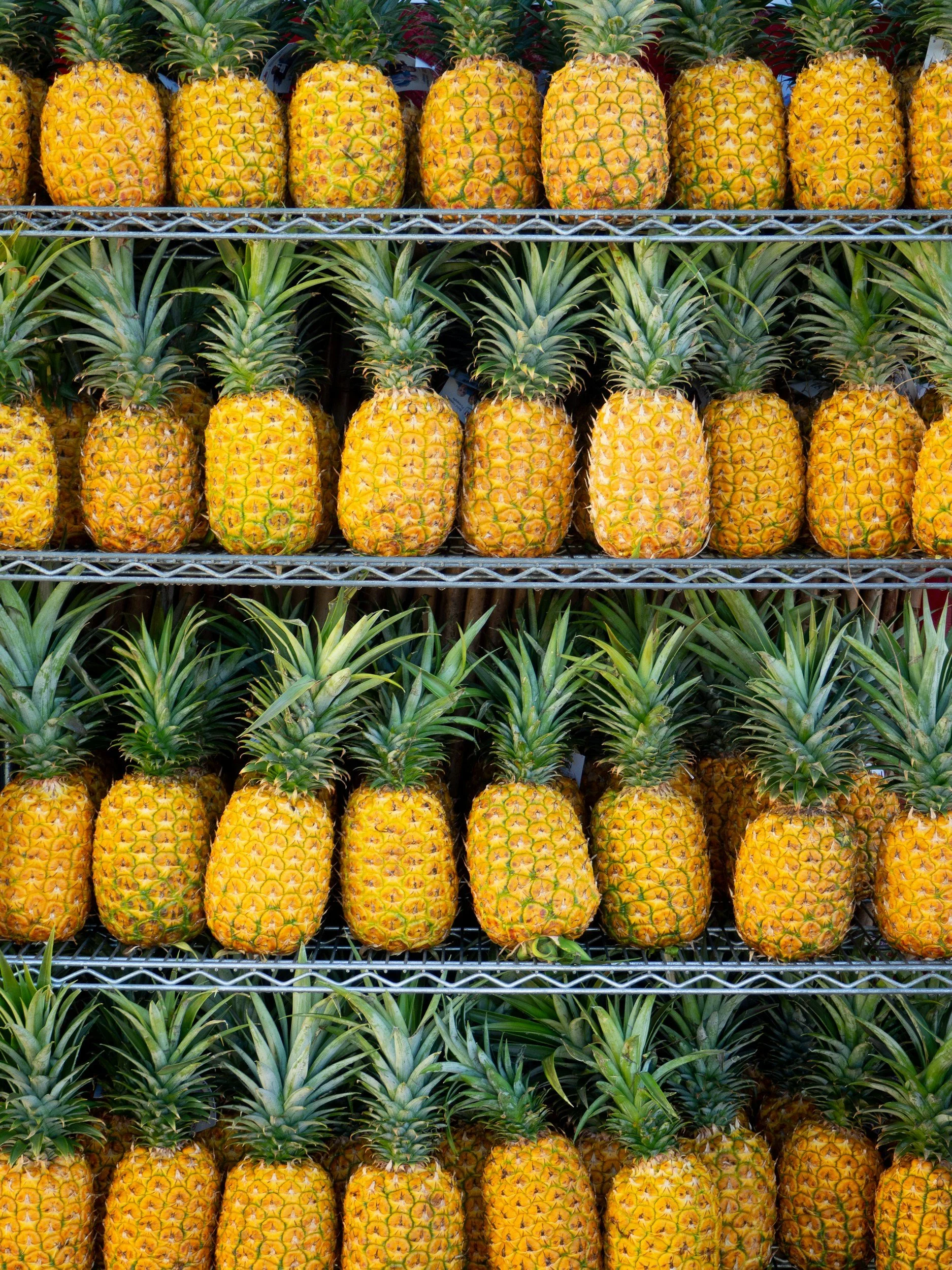
Pineapple Investigations
Through investigating a pineapple, students will engage in sensory exploration, problem solving, creative thinking, language development, and beginning science concepts.

Overcoming Obstacles
Children will develop problem-solving skills by moving through an interesting obstacle course.

Life Just Got Real
In small groups, students choose a real-life challenging scenario (e.g., a friend using drugs, a parent's divorce) and create a five-section poster mapping out the fears, opportunities, possible actions, and consequences — then do a gallery walk to add to each other's posters before presenting to the class.
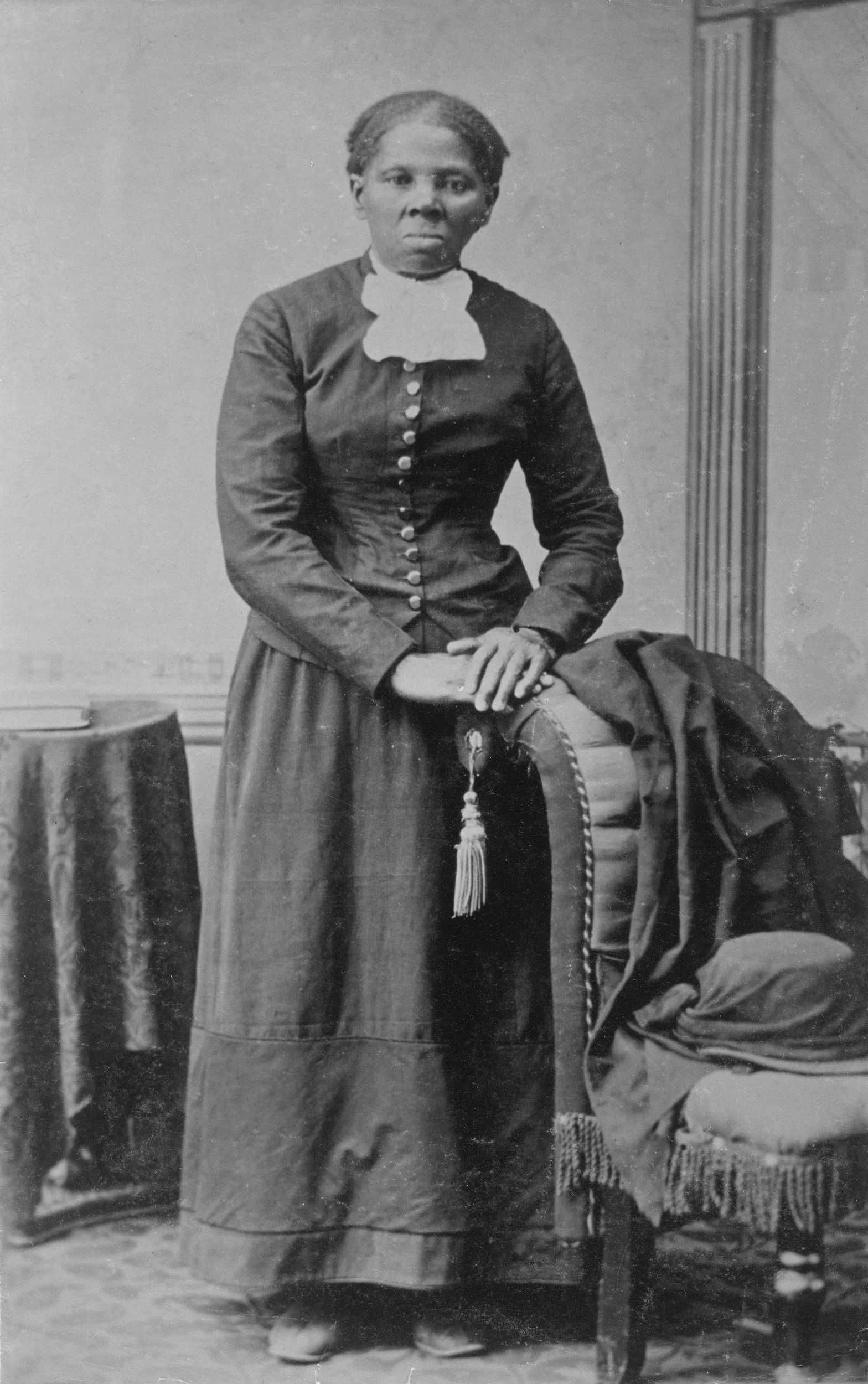
Harriet Tubman
Students will discuss the poem Harriet Tubman by Eloise Greenfield, learn about her courageous actions, and identify a current issue of injustice in their community or world that they would like to help change.
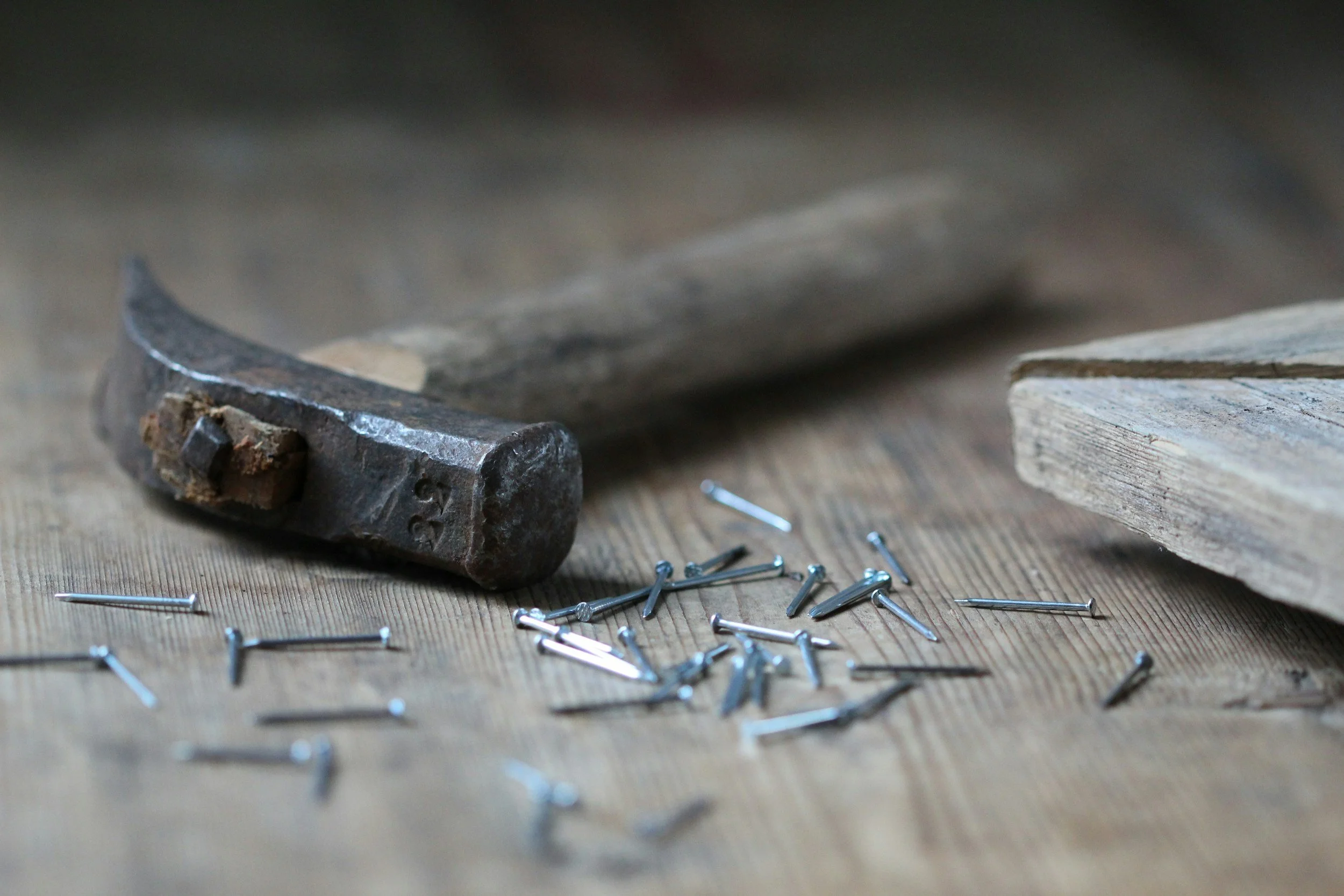
Hammer or Nail
Students will use abstract thinking to compare themselves to everyday objects by choosing between two options (e.g., "hammer or nail?") and explaining their reasoning to a partner. Through this pair-share activity, students will practice self-reflection and get to know their classmates better.
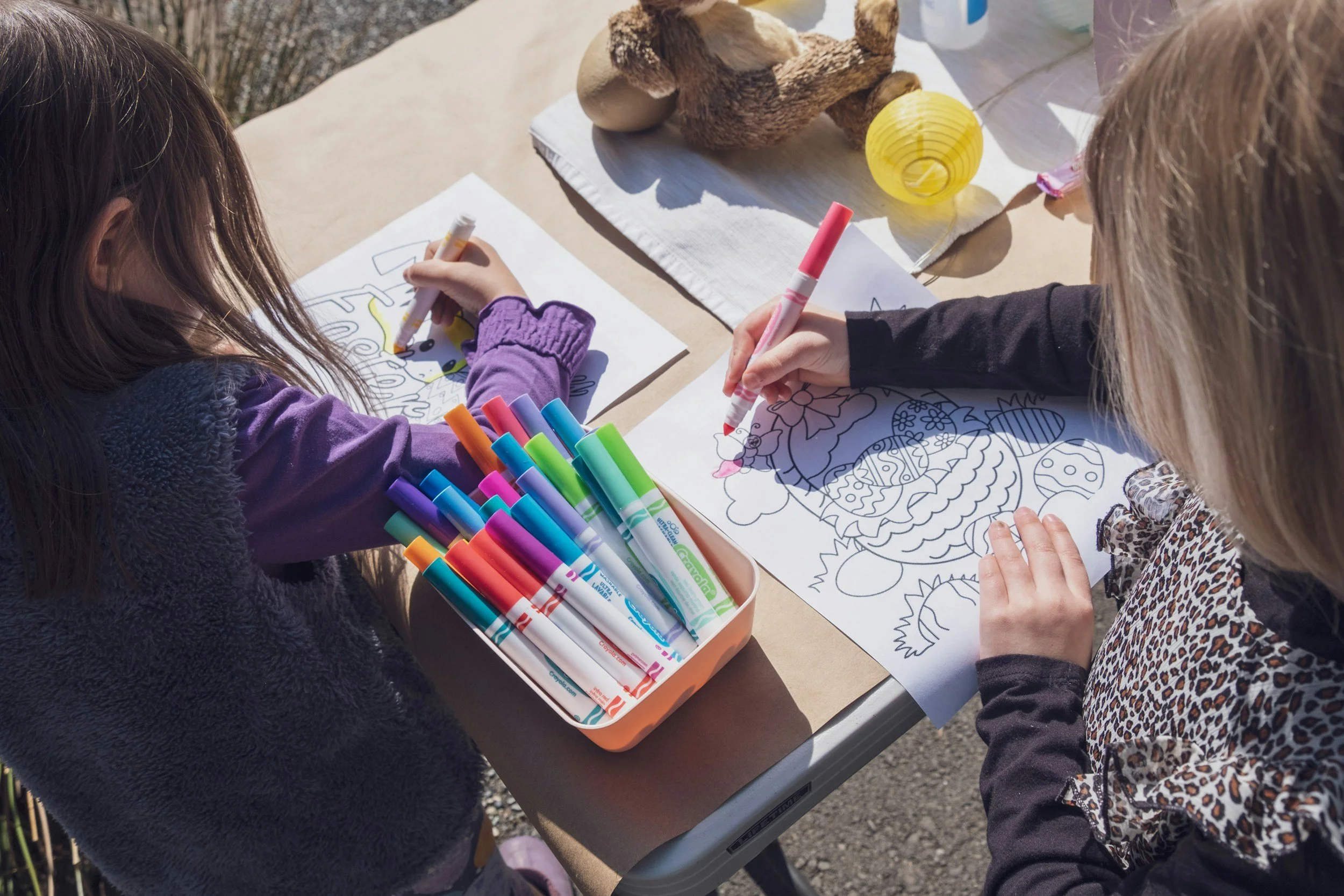
Creative Coloring
Students each receive one color and must collaborate to create a single picture together, using only their assigned color with no trading allowed, then reflect on what they learned about teamwork.

Brown Bag Theater
To develop short skits about the community values, and for participants to produce their own theater festival.

Brainstorming Contest
In small groups, students race to list as many possible uses as they can think of for an everyday object (like a paper clip or feather) in 3–5 minutes, with no idea too silly to write down, then share their lists aloud and compete for the most unique uses across two or three rounds.
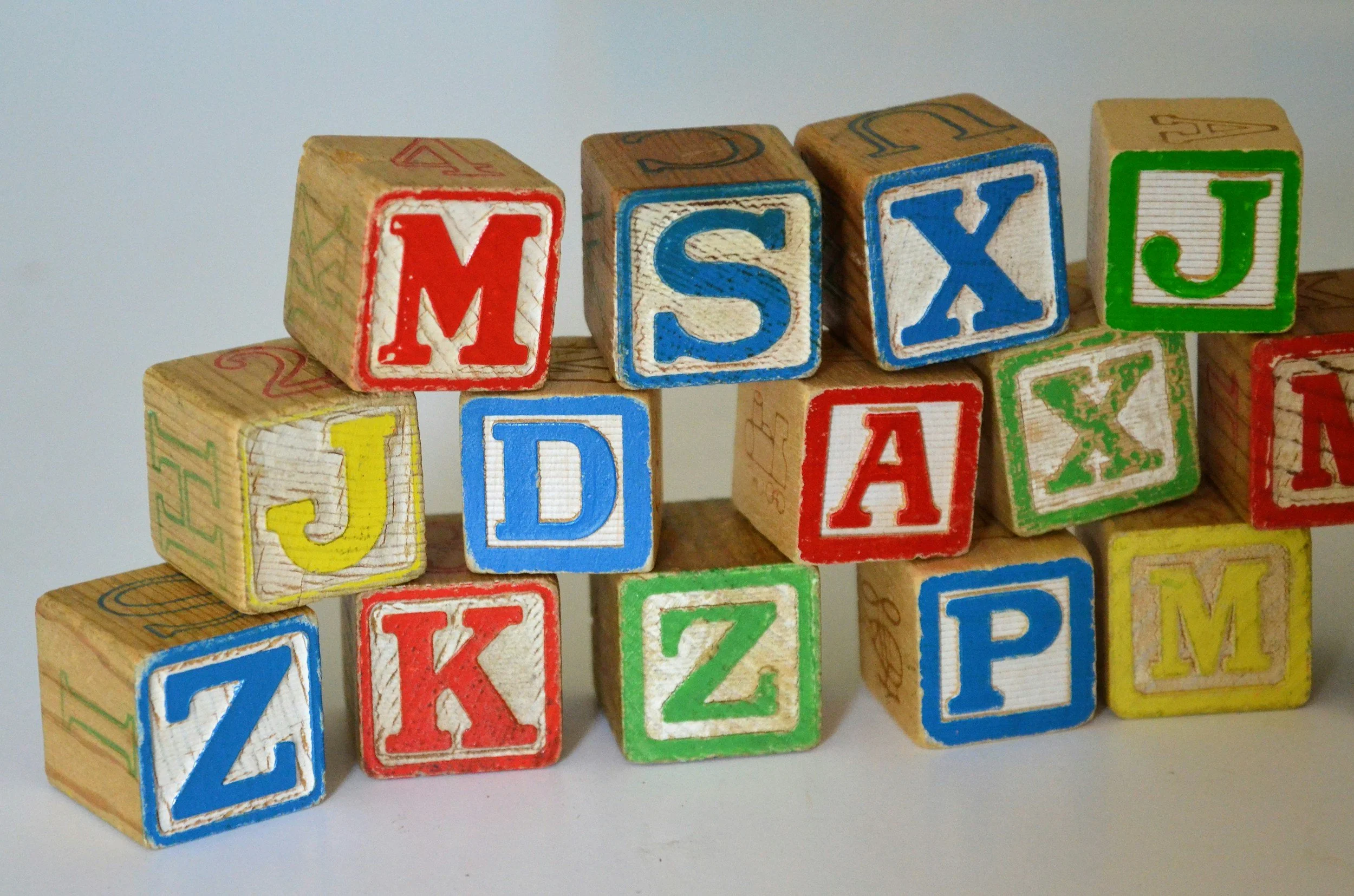
Activity Alphabet
Teams race to fill in a free-time activity for every letter of the alphabet, then share their lists with the group, vote on their top 3–5 favorites, and make a plan for when to actually do them.
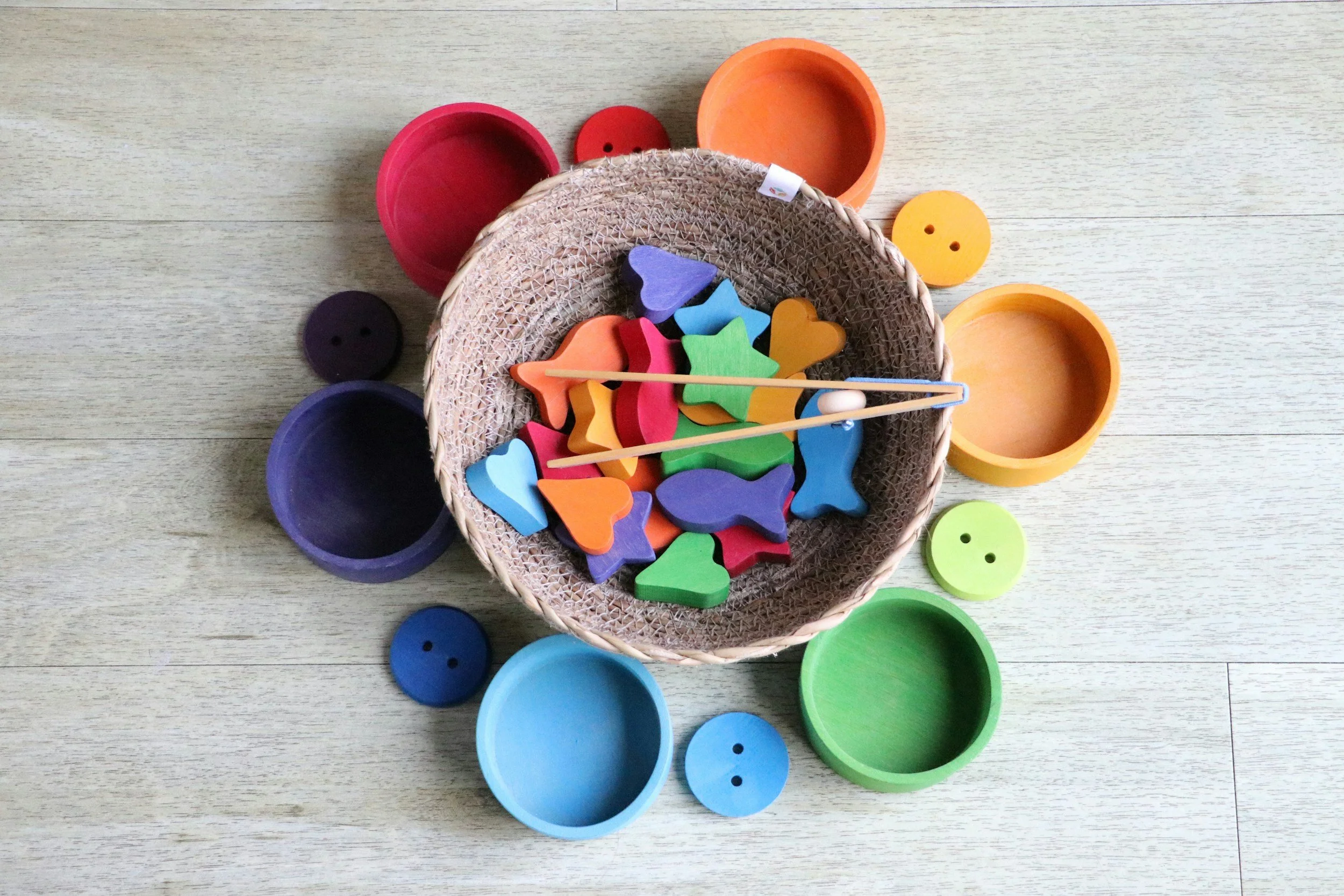
A Sorting Challenge
Students explore nature and build problem-solving skills by sorting natural objects in multiple ways and using them in a creative art project.
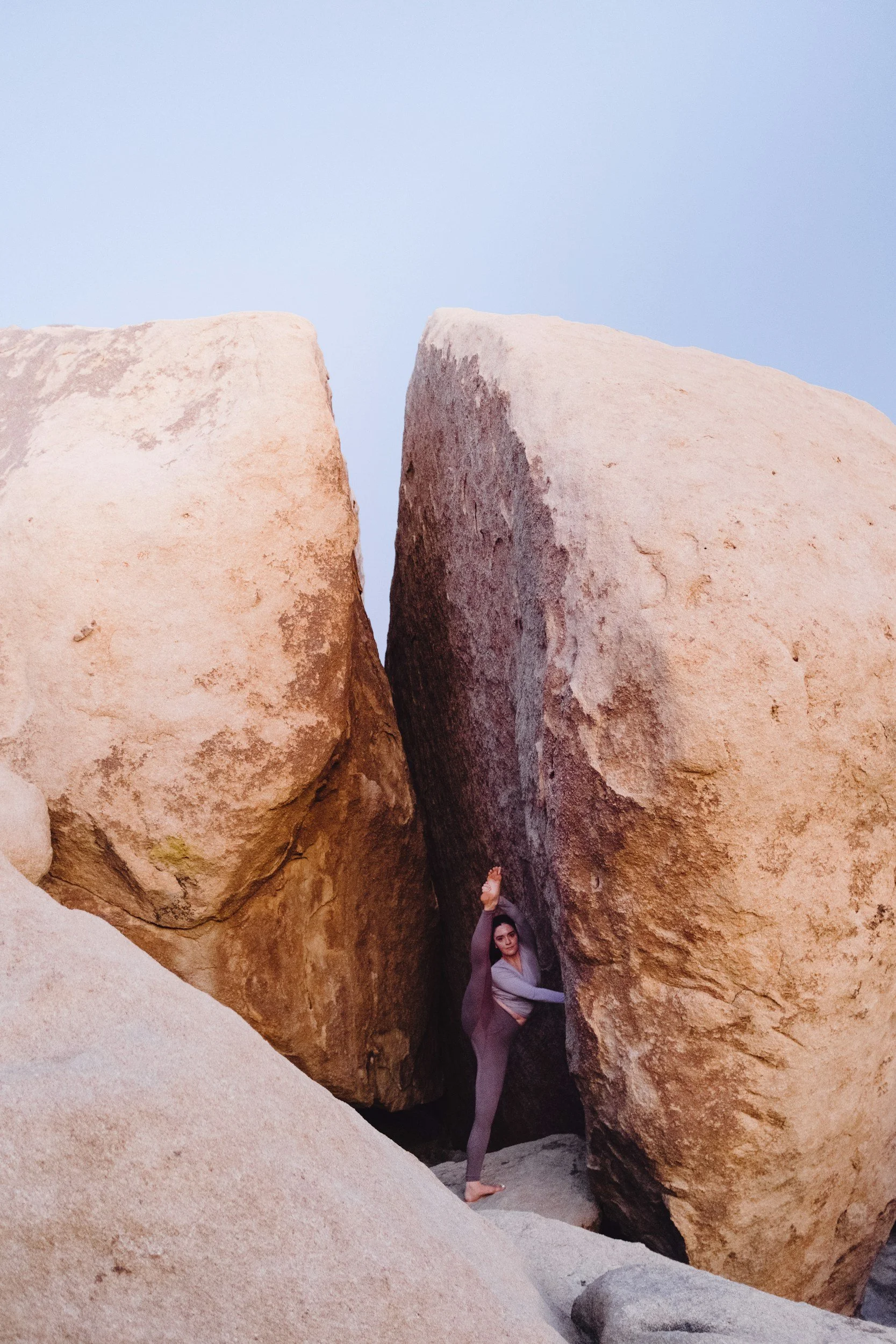
A Tight Squeeze
Students engage in a fun, space-limited team challenge that builds problem-solving skills and cooperative communication.

Freeze Frame
In this interactive drama-based lesson, students act out and resolve realistic conflicts to practice problem solving, teamwork, and honoring group agreements.

Charity and Justice: What’s the difference?
Students explore the difference between charity and justice by identifying root causes of societal problems and proposing systemic solutions to address them.
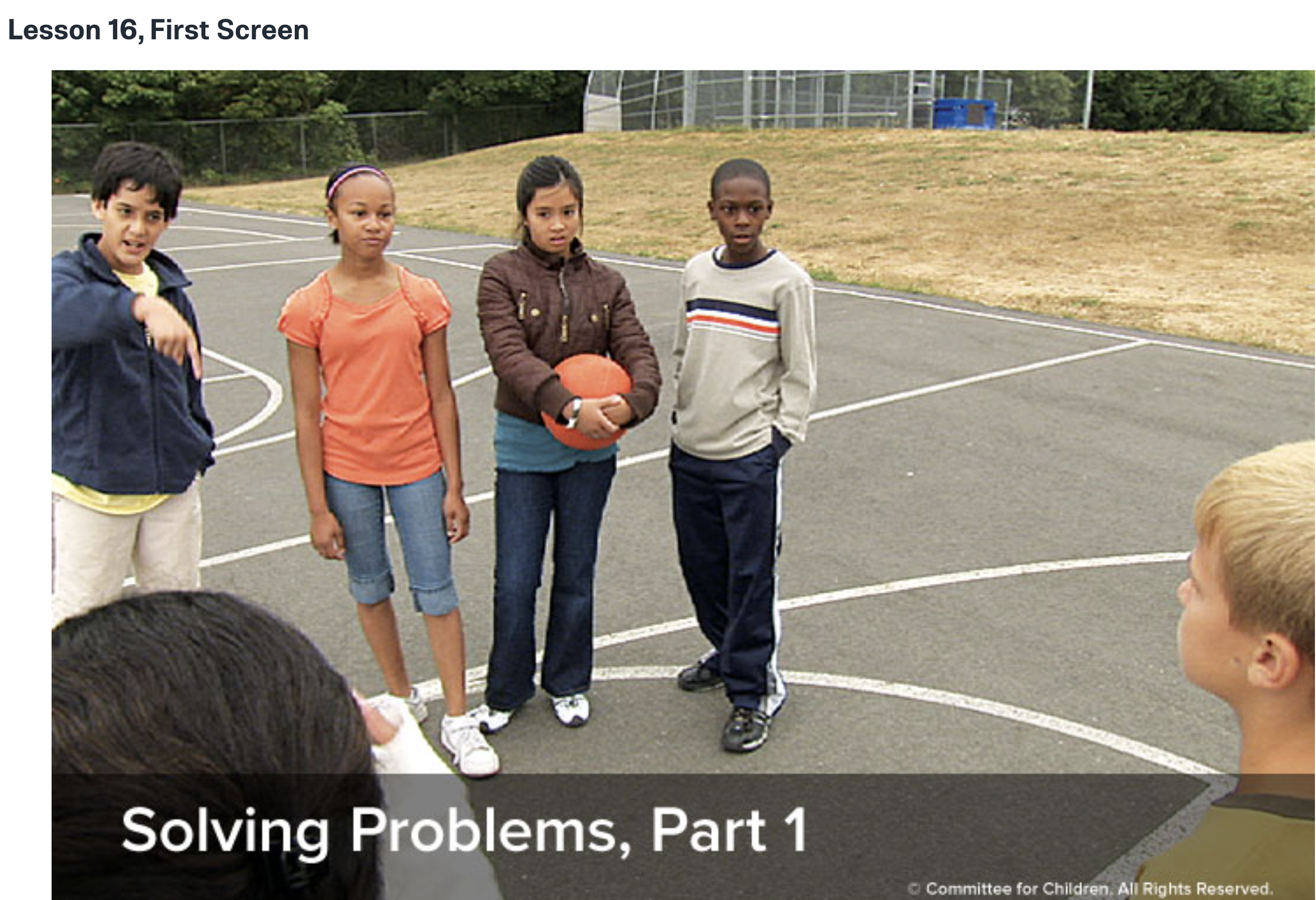
Solving Problems, Part 1 (Second Step)
Students learn to identify and state problems without blame using the first step of the Second Step Problem-Solving model, setting the foundation for respectful, solution-focused conflict resolution.