
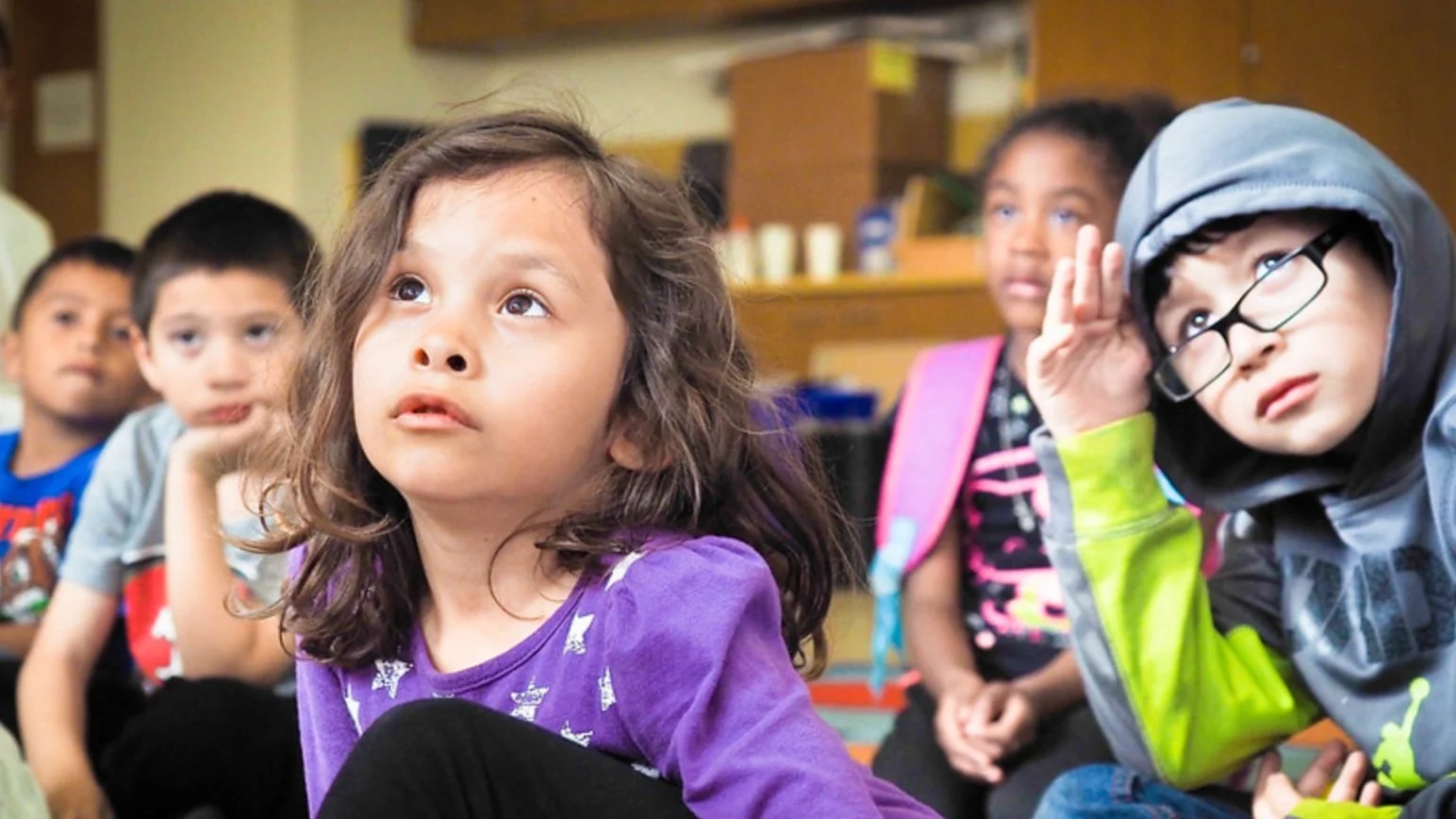
Second - Third Grade
Developmental Characteristics
Physical
Enthusiastic about games
Experiencing improvement in both gross and fine motor skills
Possess a high activity level
Practice to master variations of movement for physical activities
Enjoy games that allow for comparison of skills
Enjoy games that allow for self-f-improvement
Social Emotional
Have a strong drive toward independence
Develop a strong sense of loyalty to friends
Need to belong to a group
Play with and are friends with same-sex peers
Like to take on responsibility
Live in a world of games, rituals and humor inhabited only by children
Like to have a best friend
Have a rigid sense of right and wrong
Need help accepting peers who are different or left out of a group
Cognitive
Like to talk; use language to express feelings/tell stories
Developing a sense of time
Enjoy collecting things
Enjoy problem-solving games like treasure hunts
Can plan and carry out projects with adult support
Becoming more self-directed in activities
Better able to understand and appreciate differences of opinion



Boundaries: Self-Control and Asking for Consent
Students play "Listen and Copy," swapping numbers for claps and snaps to build self-control, then practice "The Boundary Game," taking turns asking for consent and setting respectful boundaries on everyday scenarios.

Puppet Show Pt. 2: Restorative Problem-Solving and Presentation
Students play "No, No, No," showing how stories shift when retold, then finish and perform their sock-puppet skit about a friend left out of a group chat, using assigned roles to practice restorative conflict resolution.

Puppet Show: Empathy and Restorative Problem-Solving
Students explore differing perspectives in "A What?," then build paper-bag puppets to act out a peer-conflict skit about being left out of a group chat. Assigned roles guide them through restorative problem-solving and empathy during disagreements.

Humanizing Each Other: Getting to Know Peers and Teachers
Students play "12 Questions Bingo," asking peers questions and recalling their answers, then write and submit questions for their ROCK teachers to answer as a class, reinforcing that everyone has their own life outside school.

Turning Red: Accountability and Family Empathy
Students practice reading emotions in "Emotions Charades," then watch the final Turning Red clips on family support and mutual accountability. They complete an "Accountability Rewind" worksheet, reflecting on a moment they wish they'd handled better.

Turning Red: Empathy for the Ones We Love Most
Students build trust in "Sleeping Dragons," a blindfolded partner-guiding game, then watch Turning Red clips on Mei Mei's self-acceptance and unintentional harm to loved ones, sketching or making comics as they reflect on intent vs. impact.

Roots and Fruits: Empathy, Teamwork, and Growth
Students see how differing experiences shape opinions through a modeled disagreement, then build teamwork in "Crossing the River." They close by identifying strengths (roots) and growth areas (fruits), planting them on a class community tree.

Week 2: Intent vs. Impact: Taking Accountability in The Lorax
Students play "Aim & Miss," a game showing how obstacles turn good intentions into unintended messes, then connect it to the Once-ler's ambition harming Thneedville. They continue The Lorax clips and comics, reflecting on accountability and self-interest.

Week 1: The Lorax: Speaking up for others and the world
Students discuss the kind of world they want to live in, then build a collaborative pipe-cleaner class garden. They watch clips from Dr. Seuss' The Lorax and create a comic strip reflecting on selfishness, empathy, and caring for others and the environment, closing with a group discussion on why that care matters.

Lego Master Builder Battle
Students build a Lego creation using only ~15 pieces (trading with tablemates to communicate and collaborate), share their build with the class, then watch a series of Lego Movie clips paused for discussion — finishing by devising their own plan in groups of 3 to defeat President Business using their personal strengths.

Mirror Partners & KPOP Demon Hunters
Students pair up and silently mirror each other's movements, then watch a Mean Girls clip to unpack the reasons behind negative self-talk before completing a reflection worksheet and mindful breathing. They finish by watching a Kpop Demon Hunters clip and drawing their own "demon" that represents a personal insecurity they can turn into a strength.

Week 2: Believing in ourselves & others!
Students build and share a Lego creation using only ~15 pieces (trading with tablemates), then watch a series of Lego Movie clips paused for discussion, and in groups of 3 devise a plan using their own strengths to defeat President Business before watching how Emmet's plan plays out.

Week 1: I Love Myself
Students mirror each other's movements silently in pairs, then watch a Mean Girls clip and a Kpop Demon Hunters clip to discuss negative self-talk and self-acceptance before writing a reflection worksheet and drawing their own "demon" representing a personal insecurity they can turn into a strength.

Among Us: Teacher is the Imposter
Students design their own Among Us/Roblox character, then work together to solve a mystery — figuring out how a teacher's character broke their leg when the lights went out, questioning the "victim" rather than blaming peers.

Week 8: Boss of My Body
Students play Duck, Duck, Goose with a different silly movement style each round (penguin, robot, skip, gallop, crawl), then complete a "Boss of My Body" worksheet exploring how their brain controls their body's movements.

Week 7: Draw What I Draw
Students play multiple rounds of Hot Potato at varying speeds, then follow along with a step-by-step drawing video (ice cream cone or Hello Kitty) pausing as needed to keep up.

Week 6: Don’t Pop the Bubble
Students blow bubbles and try not to pop any, then color quietly while soft music plays — challenged to stay quieter than the music or go completely silent.

Week 5: Zones of Regulation Relay
Students act out emotions for each Zone of Regulation (blue, green, yellow, red) when called by name, then do a Zones Relay — moving around the room to music in silly ways and rushing to a colored zone when the music stops to practice coping strategies for that zone.

Week 4: Mystery Box Challenge
Students follow along to a Yo Gabba Gabba stretching and breathing song on the rug, then take turns reaching blindfolded into a mystery box while practicing self-control by keeping their guess to themselves until everyone has had a turn.

Week 3: Night at the Museum
Students play Night at the Museum (staying frozen as statues while a "janitor" with a flashlight tries to catch them moving), then fold and decorate paper airplanes and must wait for a whole-class countdown before flying them.