Second - Third Grade
Developmental Characteristics
Physical
Enthusiastic about games
Experiencing improvement in both gross and fine motor skills
Possess a high activity level
Practice to master variations of movement for physical activities
Enjoy games that allow for comparison of skills
Enjoy games that allow for self-f-improvement
Social Emotional
Have a strong drive toward independence
Develop a strong sense of loyalty to friends
Need to belong to a group
Play with and are friends with same-sex peers
Like to take on responsibility
Live in a world of games, rituals and humor inhabited only by children
Like to have a best friend
Have a rigid sense of right and wrong
Need help accepting peers who are different or left out of a group
Cognitive
Like to talk; use language to express feelings/tell stories
Developing a sense of time
Enjoy collecting things
Enjoy problem-solving games like treasure hunts
Can plan and carry out projects with adult support
Becoming more self-directed in activities
Better able to understand and appreciate differences of opinion


Week 5: Kind Words (3-5)
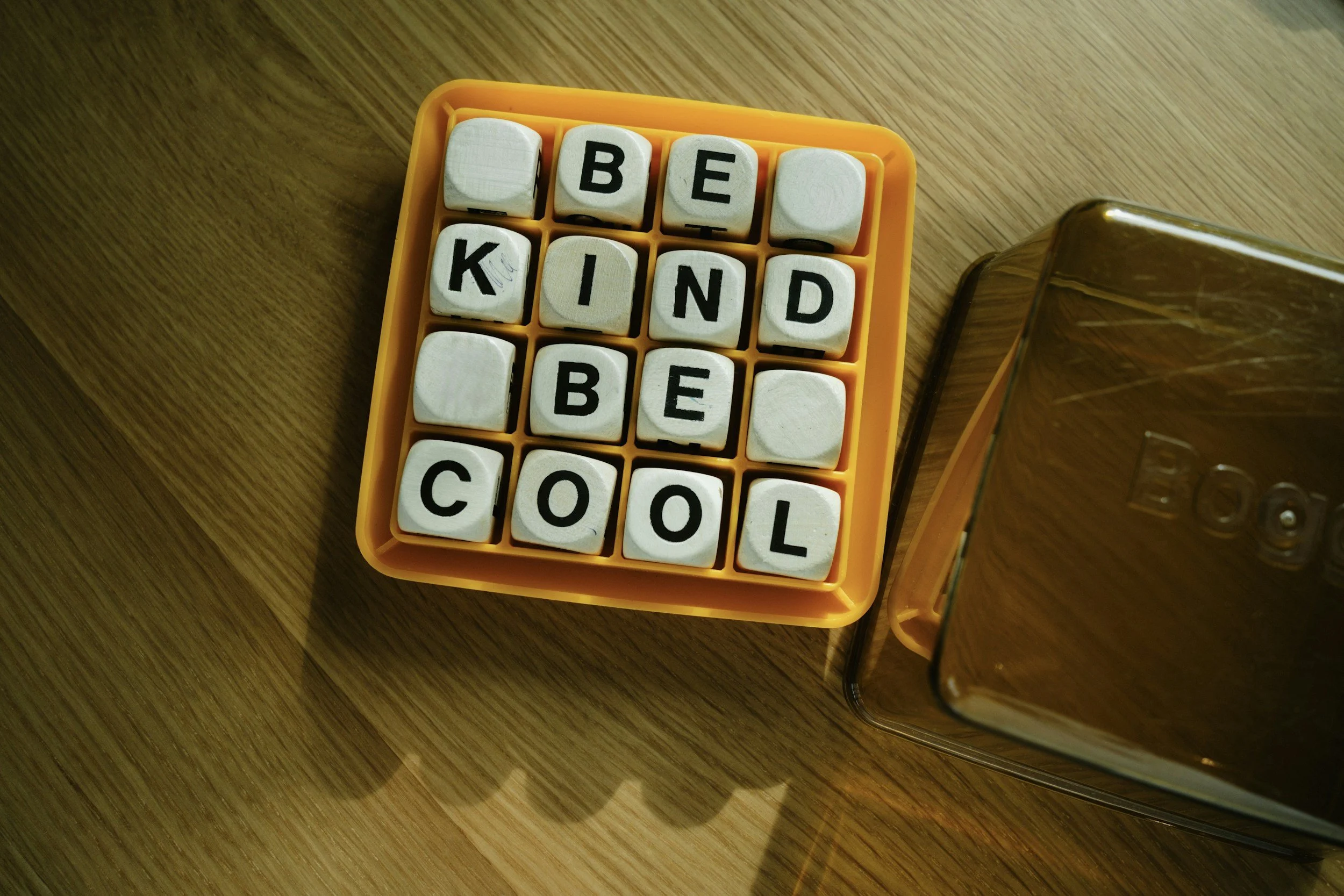
Students play Kind Words Echo — repeating compliments back in calm, loud, and silly voices — then write or draw a compliment for a classmate or family member on a Compliment Card to give away.
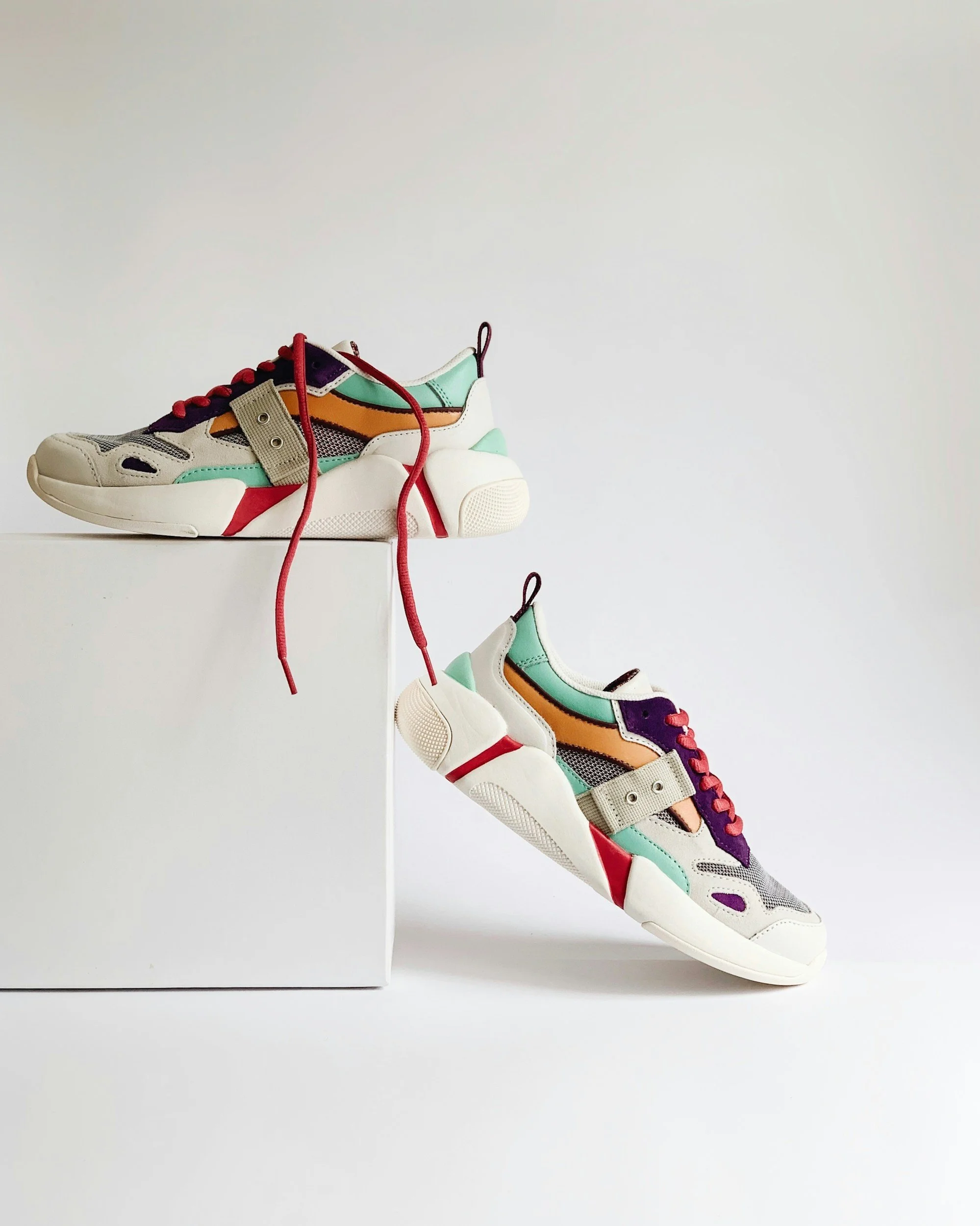
Week 3: Walking in Someone’s Shoes (2nd-5th)
Students play Shoe Shuffle — removing one shoe, mixing them in the center, then guessing whose shoe they picked up and discussing similarities and differences with that person — then decorate a shoe outline with personal clues (favorite color, something they like, and what makes them feel happy or calm).
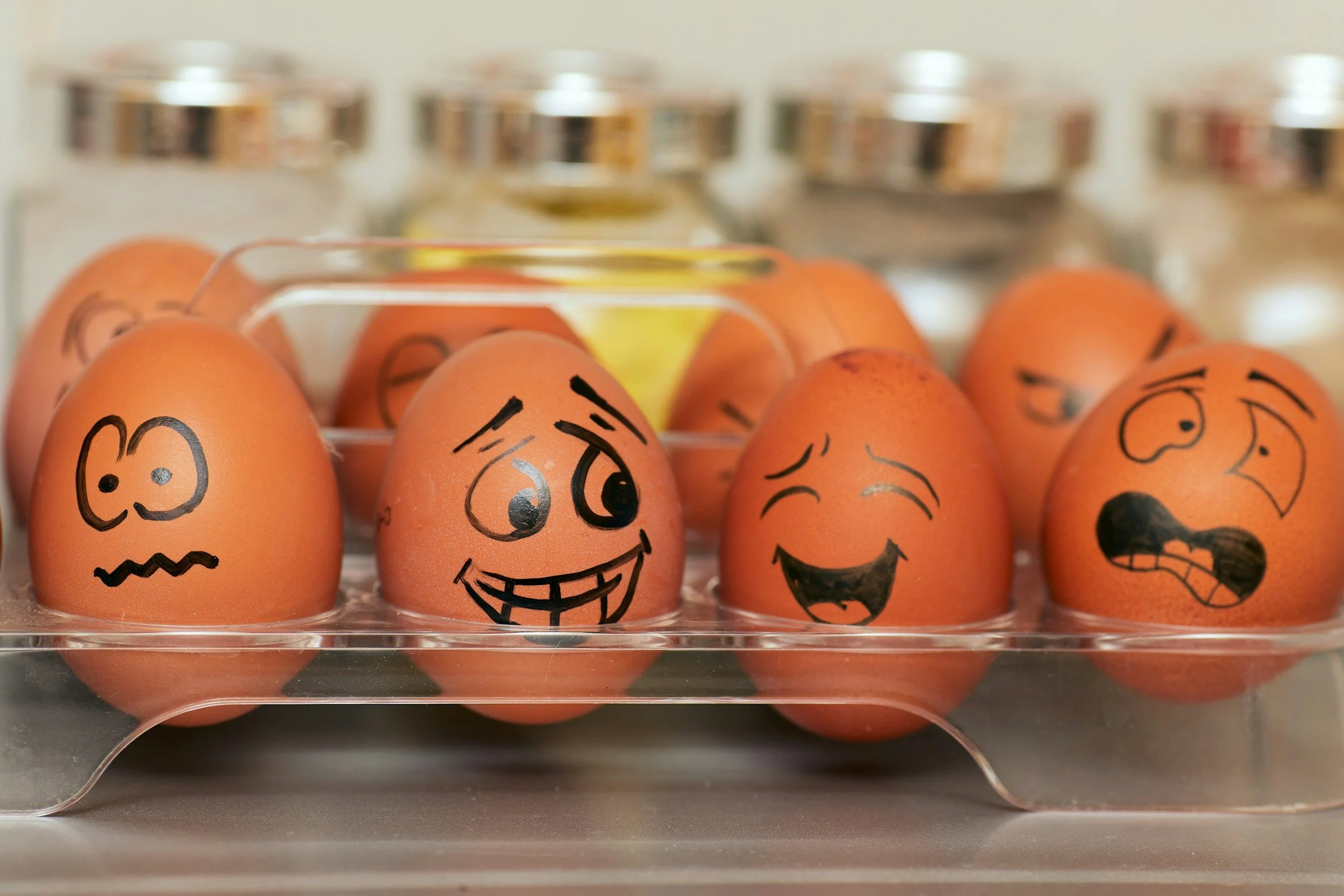
Week 2: Feelings Charades (2nd-5th)
Students play Emotion Freeze Dance — dancing freely until the music stops, then freezing in a full-body pose matching the feeling called out — then color a Feelings Wheel, choosing their own color for each emotion section (happy, sad, mad, scared, tired, silly).
Week 1: What is Empathy? (2nd-5th)
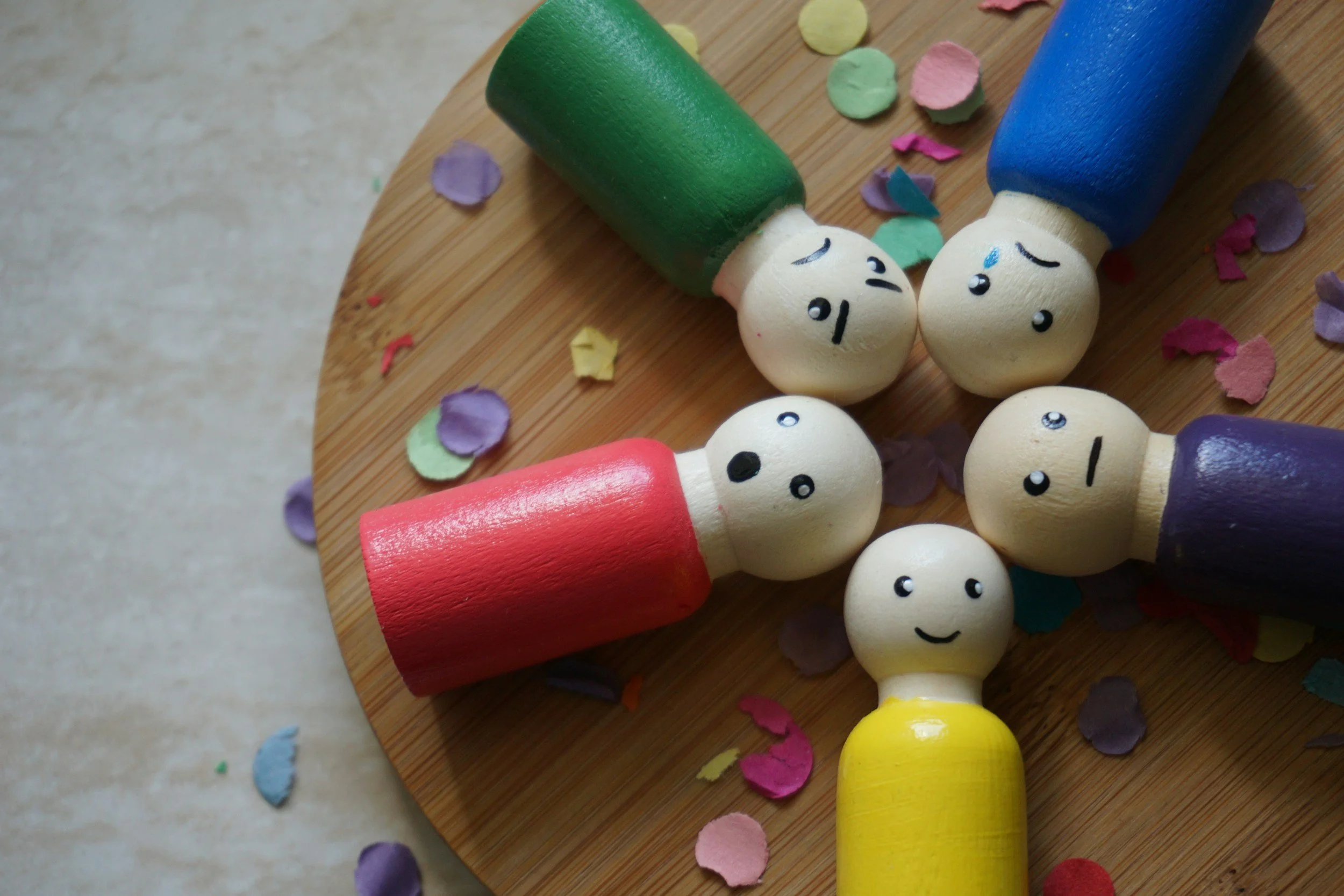
Students play Feelings Face Shuffle — making the facial expression that matches each emotion called out (happy, sad, surprised, scared, etc.) — then look at 4–6 pictures of children and discuss what feeling each child is showing and what might help them.
Clustergrams
Students move around the room to find classmates who share the same answer to each statement (same breakfast, shoe size, favorite food, etc.), cluster together, and act out a mime representing their group before the next statement is called.
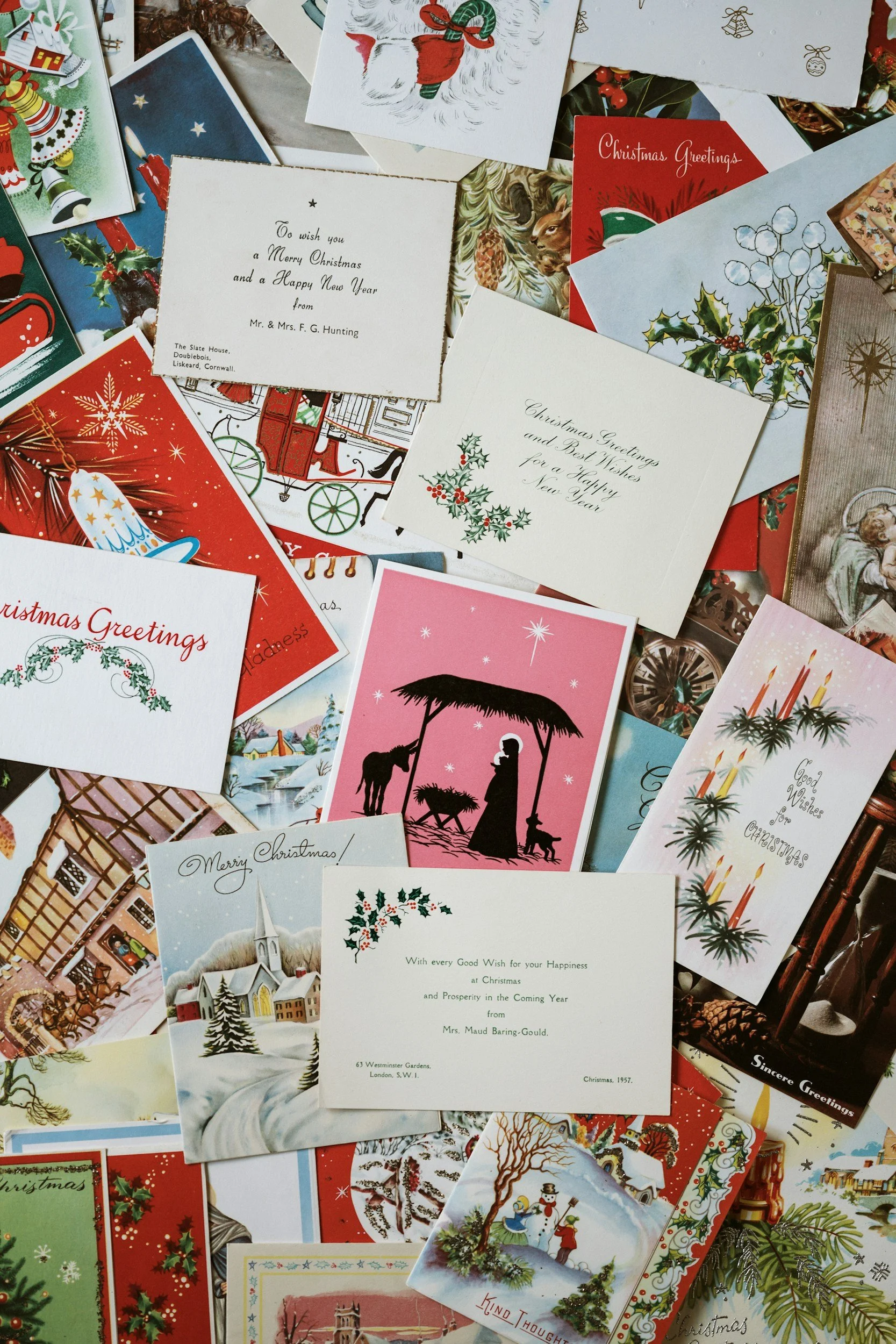
Greeting Cards
Students will explore different types of greeting cards and then design and write their own to build a class card collection, practicing empathy by thinking about how to acknowledge and respond to others' experiences through words and art.
How Would You Feel If
Recognize the feelings and perspectives of others, and role-play and brainstorm ways to respond to people depending on how they’re feeling.

Let the Hot Air Out of Bullies
Students will write a bullying problem on an inflated balloon, brainstorm solutions, and release the balloon when the class agrees on a good solution — symbolically "deflating the bully." Through this activity, students practice empathy and critical thinking to develop strategies for standing up for themselves and others.

Keep ‘Em Afloat
To introduce the concept of doing a good job by yourself and in a team, and to have participants explore ways they can be helpful to each other and their communities.

Sleeping Dragons
Students must navigate an obstacle course that represents a cave full of sleeping dragons. One student at a time is blindfolded and given the mission of getting to the treasure at the end of the cave. All the other students become Empathy Magicians who use their powers to stand in the shoes of the blindfolded adventurer who they help to avoid the Sleeping Dragons.

Star-Bellied Sneetches
Using Dr. Seuss’s The Sneetches as a starting point, students explore what it feels like to be left out, how groups create “in” and “out” categories, and how to build fairer practices in their own community.
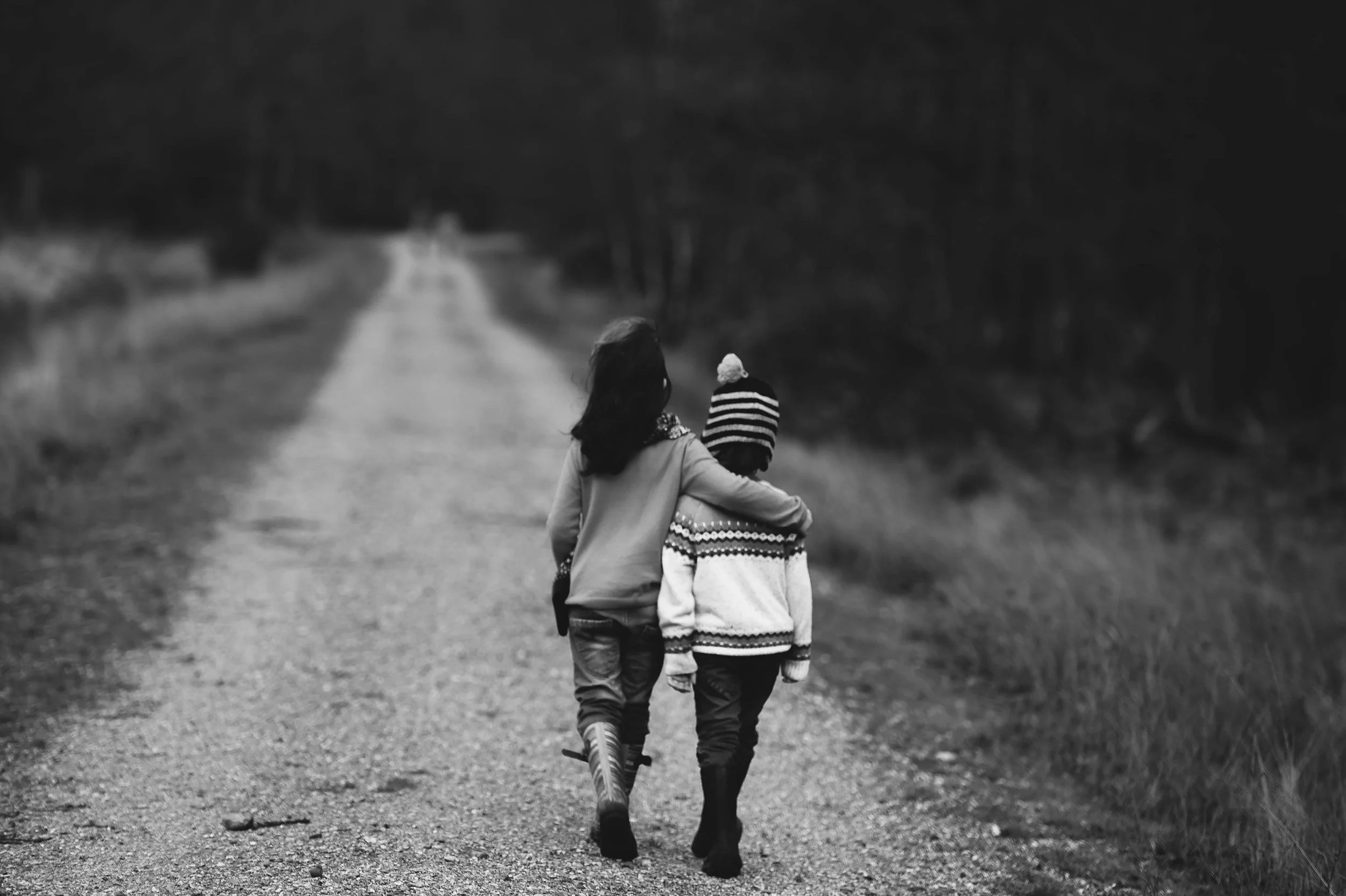
Understanding Empathy
Students will read short stories about characters who lack empathy, identify how each character could have responded more understandingly, then rewrite one story to show what empathy in action looks like.
What is Compassion?
In this lesson, students explore the ways people with a critical health condition or disease might feel, as well as ways they can support and show compassion toward those who are living with an illness.

Unity Day Poster-Making
Unity Day is a national day when students, teachers, and families wear orange to show they support bullying prevention. In this activity, students explore what unity means and collaborate in pairs on posters that show how working together can help stop bullying. Posters are then hung throughout the school.

What is Support
Students will write their own definition of support, then collaborate in small groups and a gallery walk to build a shared class vision of what supportive behavior looks like — which gets posted in the room as an ongoing reference.
What is Happy?
Students reflect on what happiness means to them individually and collectively, then collaborate to create a shared classroom vision of happiness.
The Happy Faces
Students practice empathy by noticing when others need encouragement and offering kindness through symbolic “happy faces.”

Sleeping Dragons
Students practice empathy by guiding a blindfolded peer through a “cave” of obstacles using only one direction each, learning to see from another’s perspective.
Art and Community Activism
Students explore the concepts of community, activism, and art through discussion and creative collaboration, discovering how art can be a tool for change.